Travel blog OnTourWorld
  • HOME
  • TRAVEL REPORTS
    • Europe
      • Spain
      • Portugal
      • France
      • Ireland
      • Italy
      • Croatia
      • Netherlands
      • Austria
    • Africa
      • South Africa
      • Mauritius
      • Seychelles
      • Egypt
    • America
      • Hawaii
      • New England
      • New York
      • Arizona
      • Ecuador
      • Galapagos
      • Canada
      • California
      • Mexico
      • Dominican Republic
      • Puerto Rico
      • Bermudas
      • Bahamas
    • Asia
      • Bali
      • Hong Kong
      • Java
      • Maldives
      • Philippines
      • Singapore
      • Sri Lanka
      • Thailand
      • Turkey
    • Oceania
      • Australia
      • New Zealand
      • South Sea
  • CITY TOURS
  • Forum
  • SERVICE
    • Videos
    • Imprint
    • Data protection
  • German
  • English
Hong Kong - People
Hong Kong

Hong Kong – People

by Joe OnTour 27. August 2017
written by Joe OnTour

Hong Kong – People

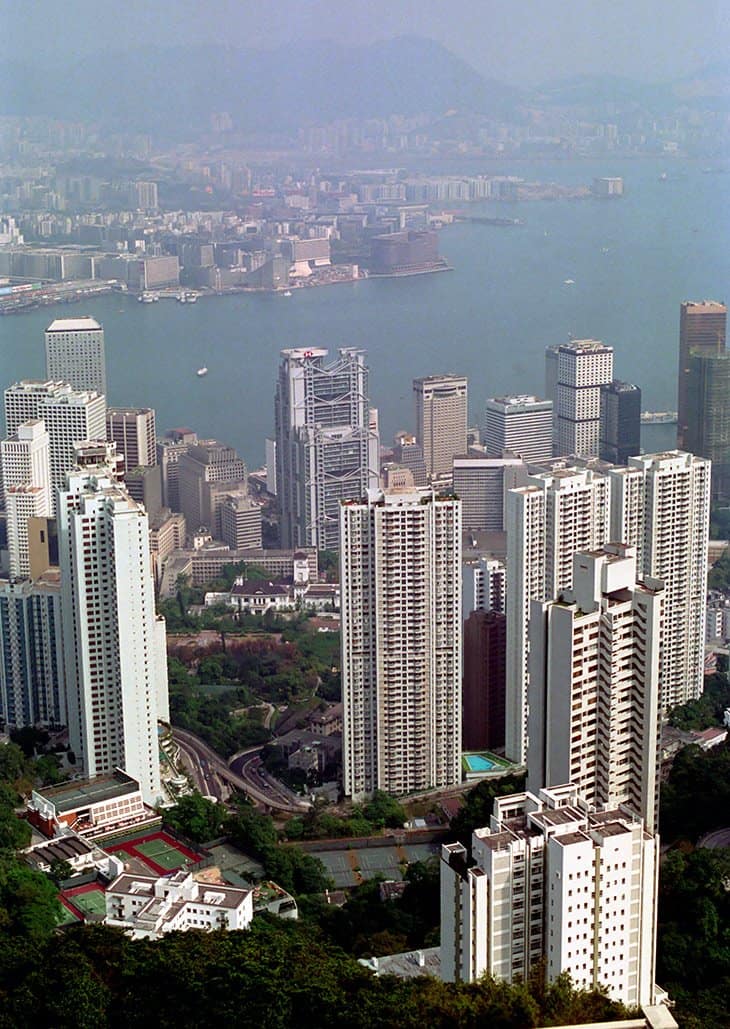
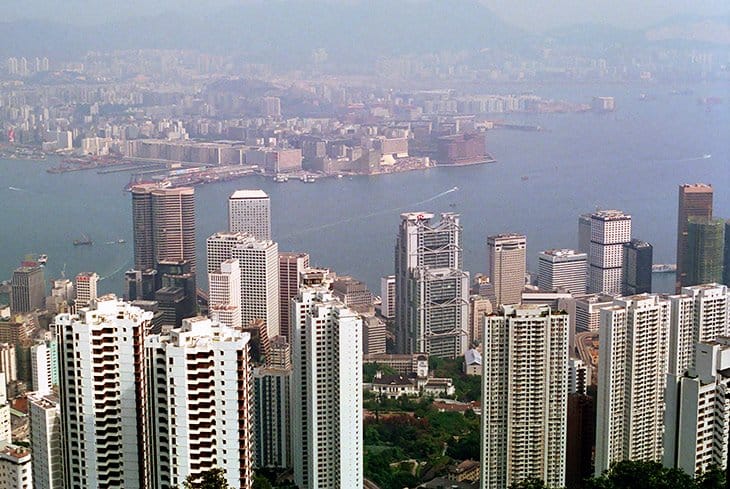
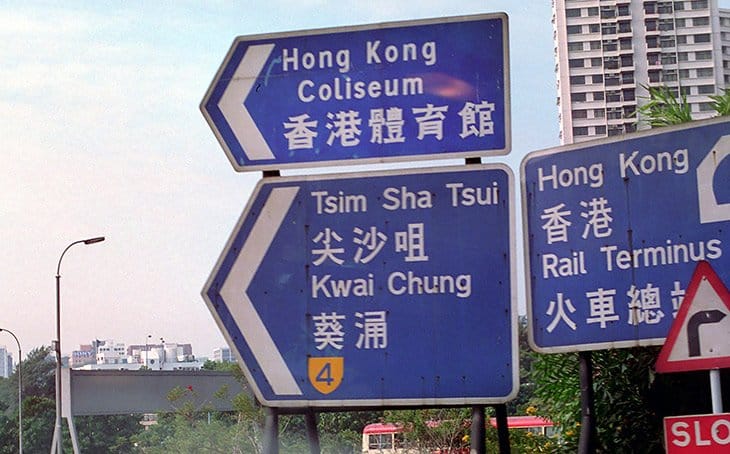
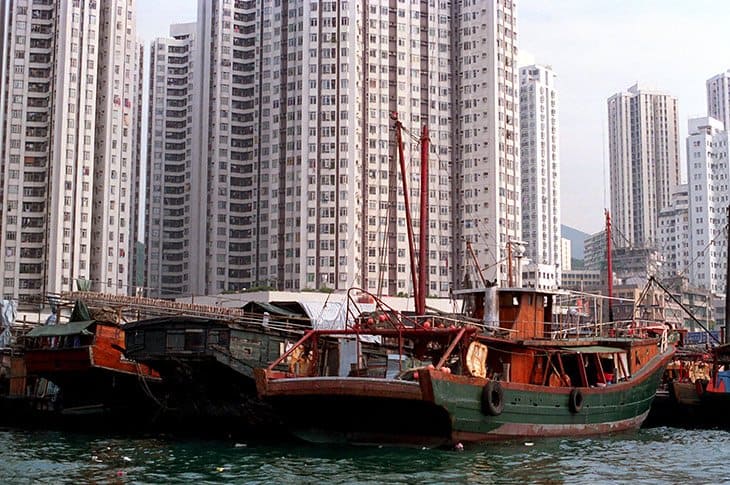
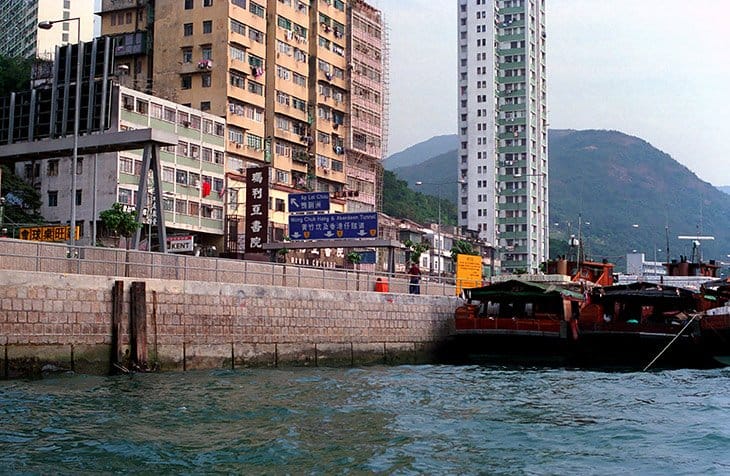
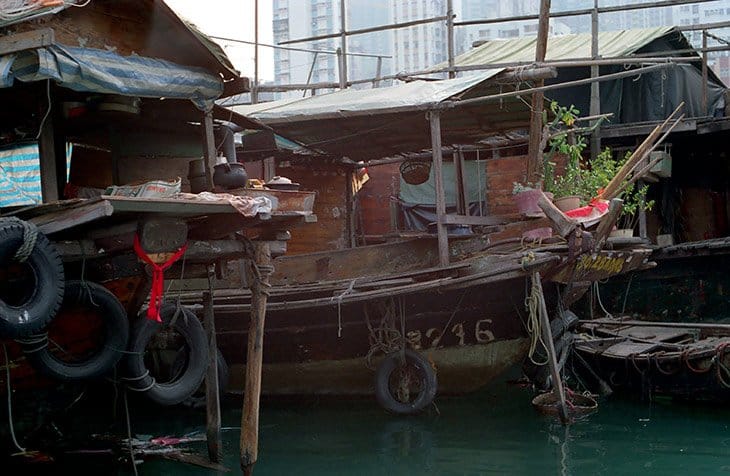
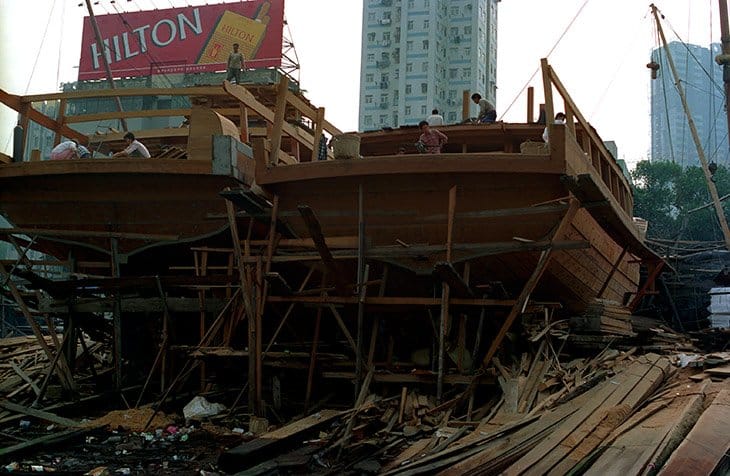
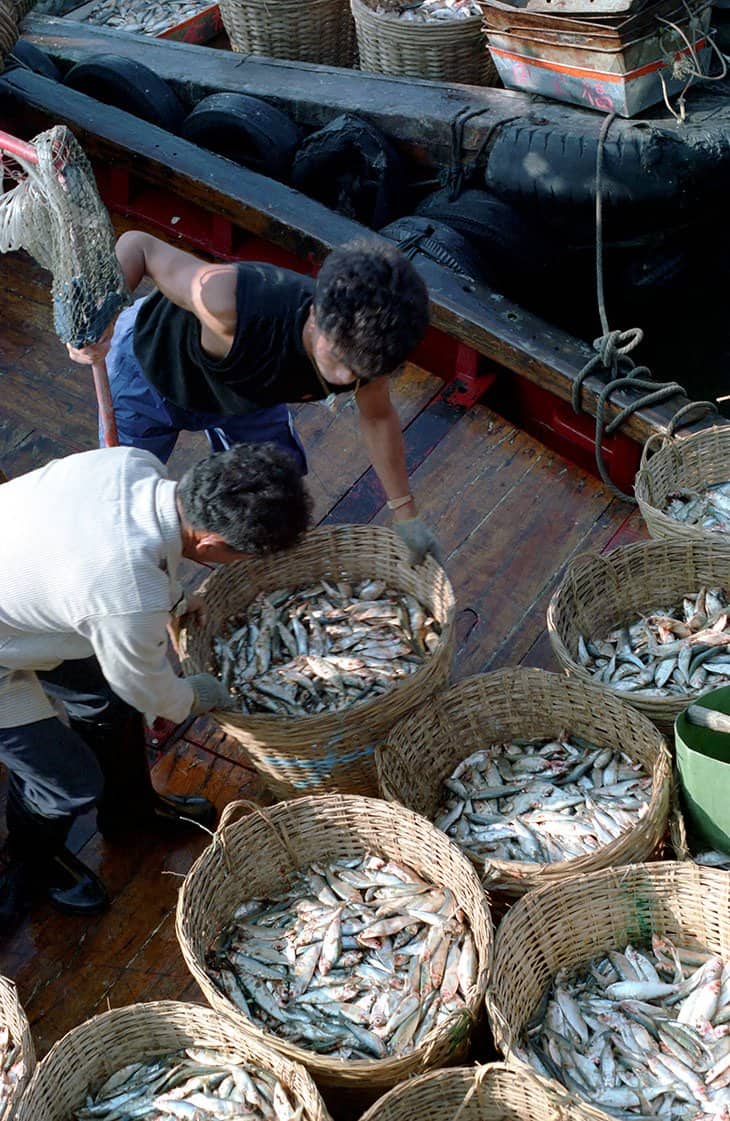
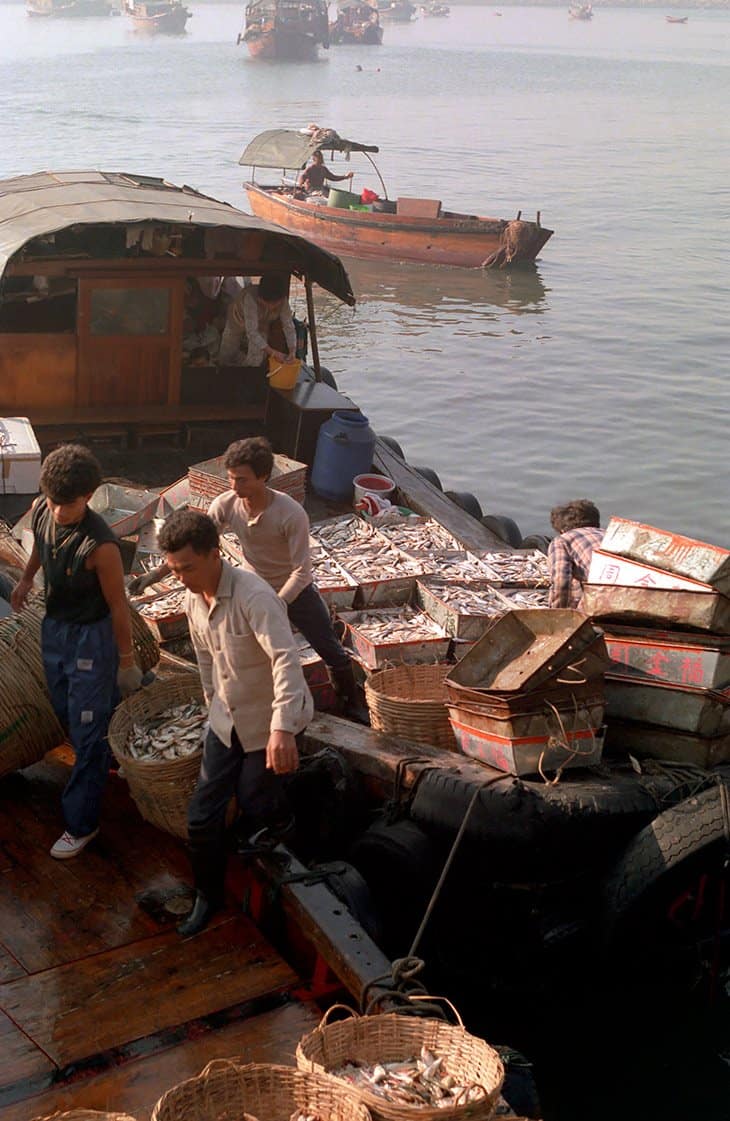
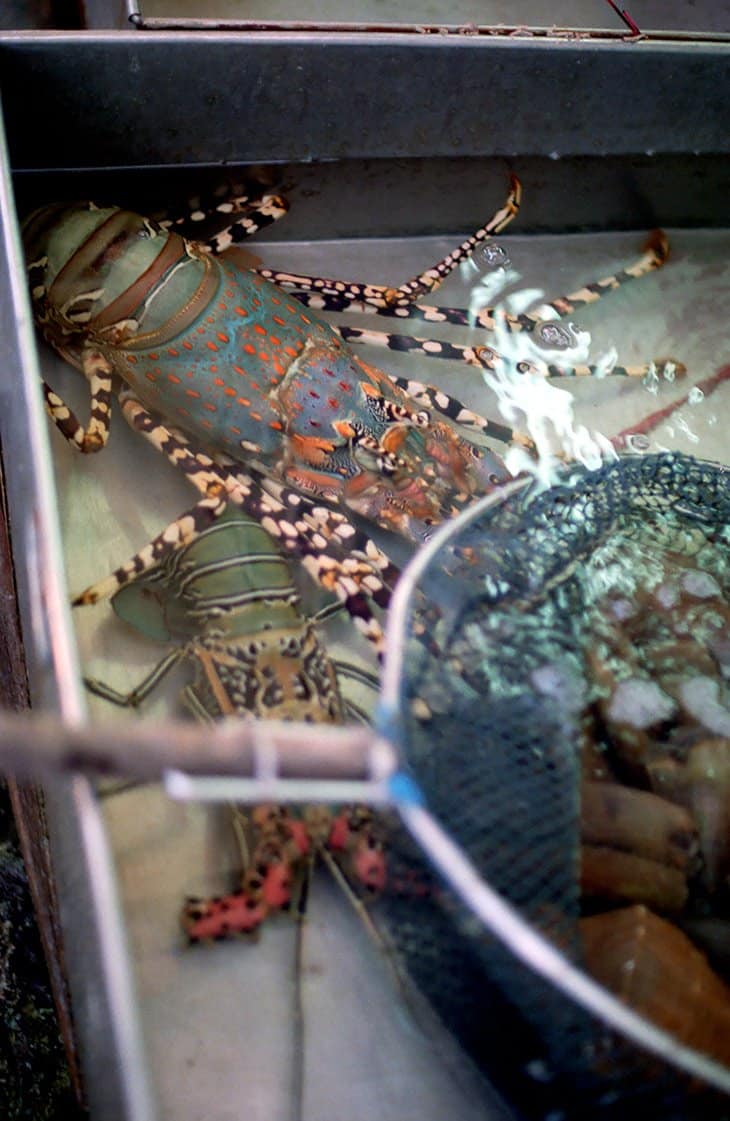
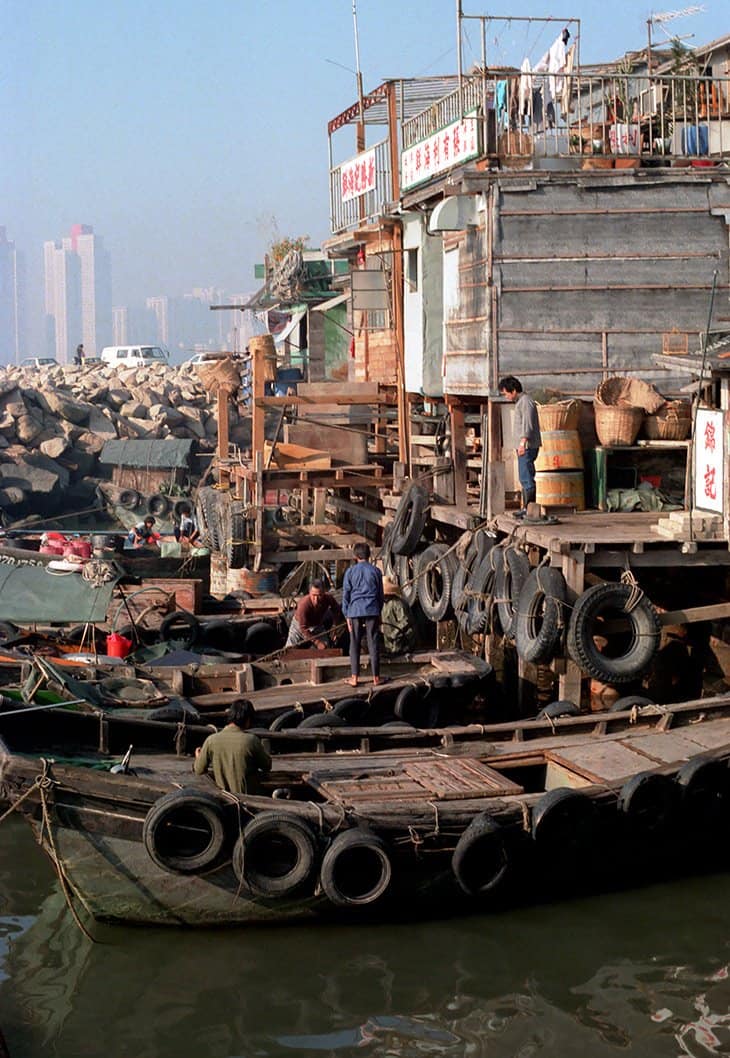
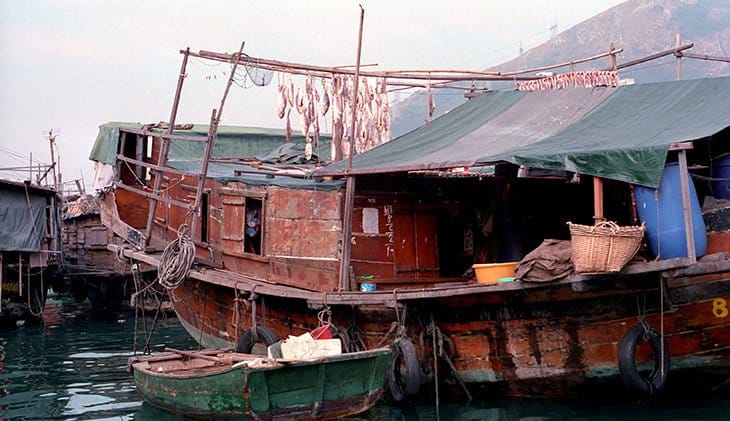
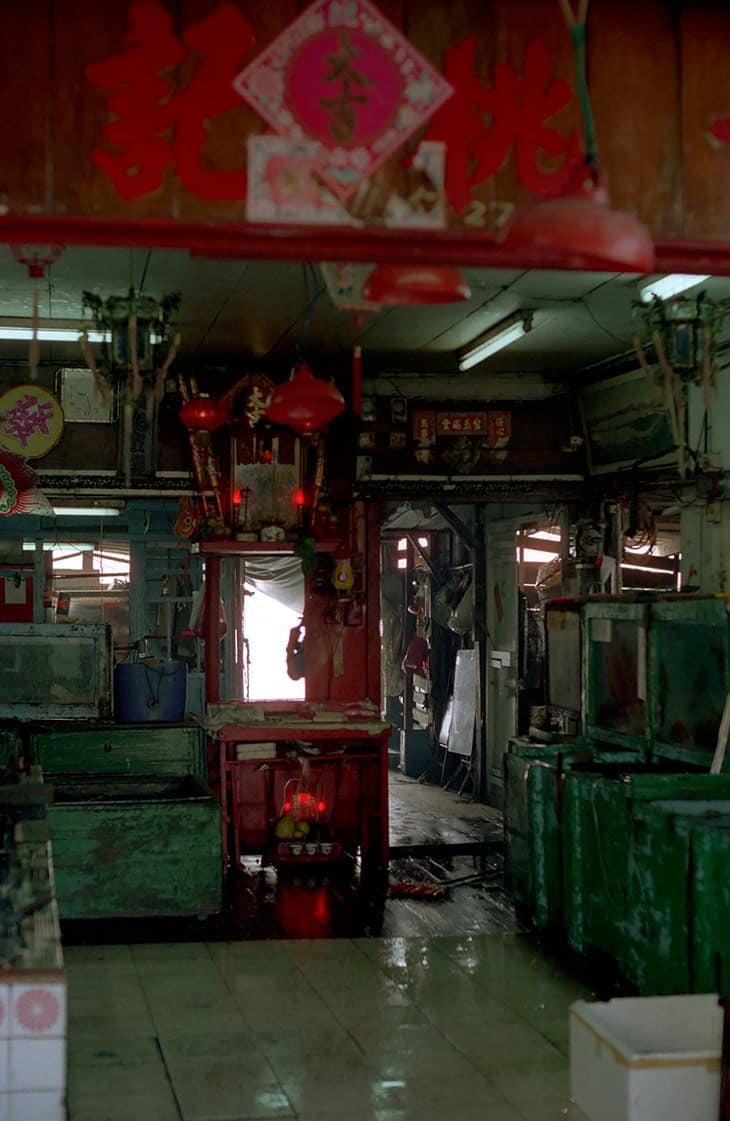
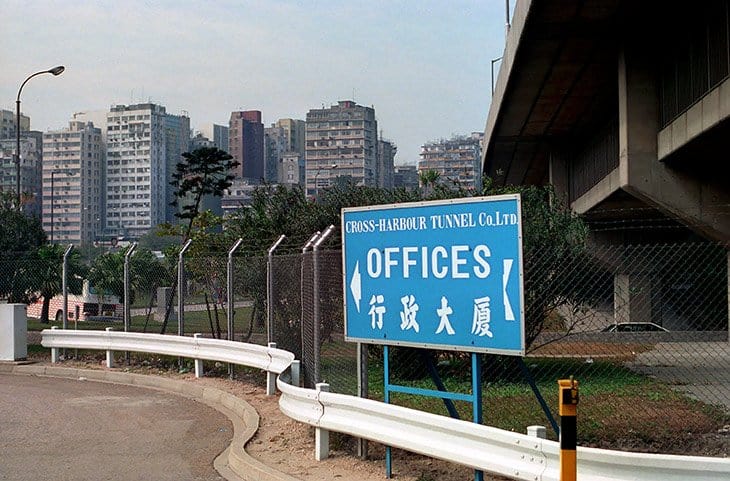
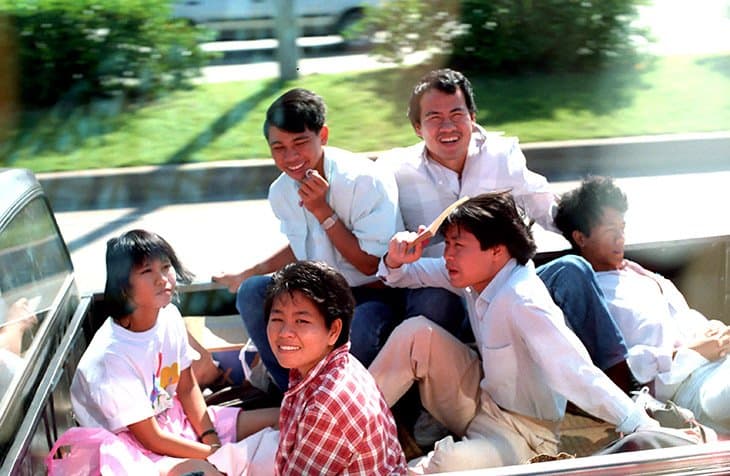
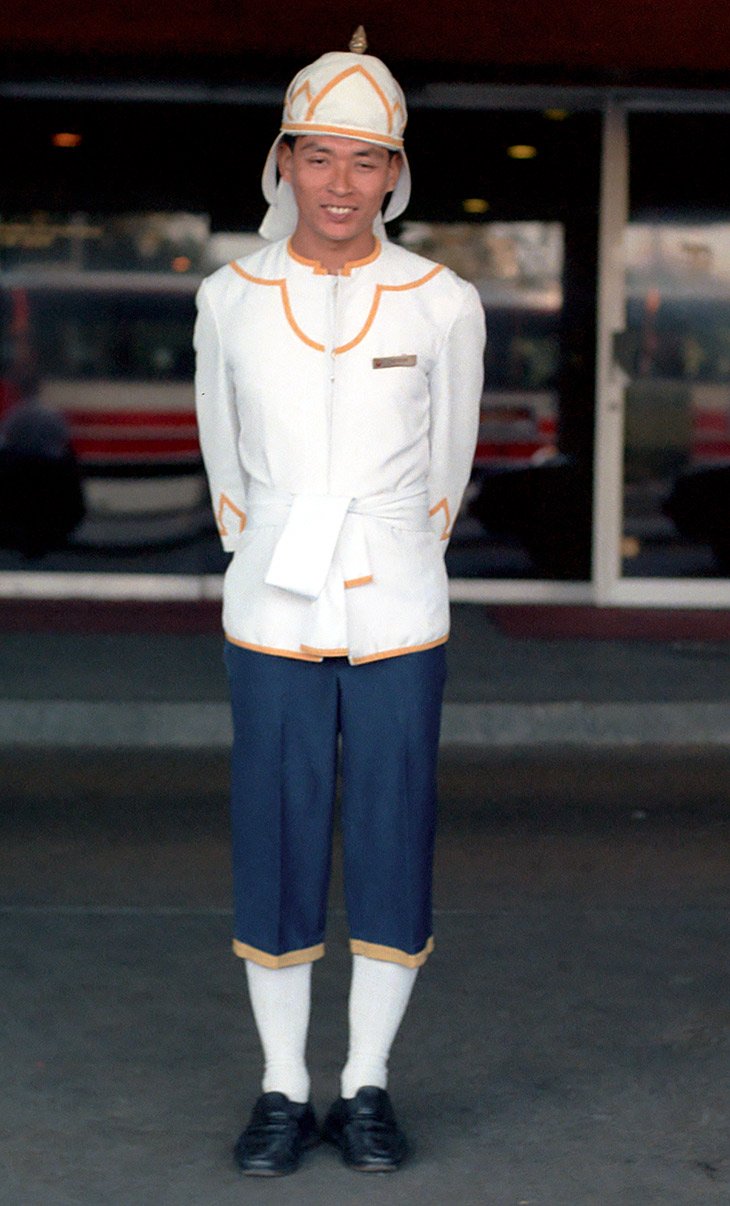
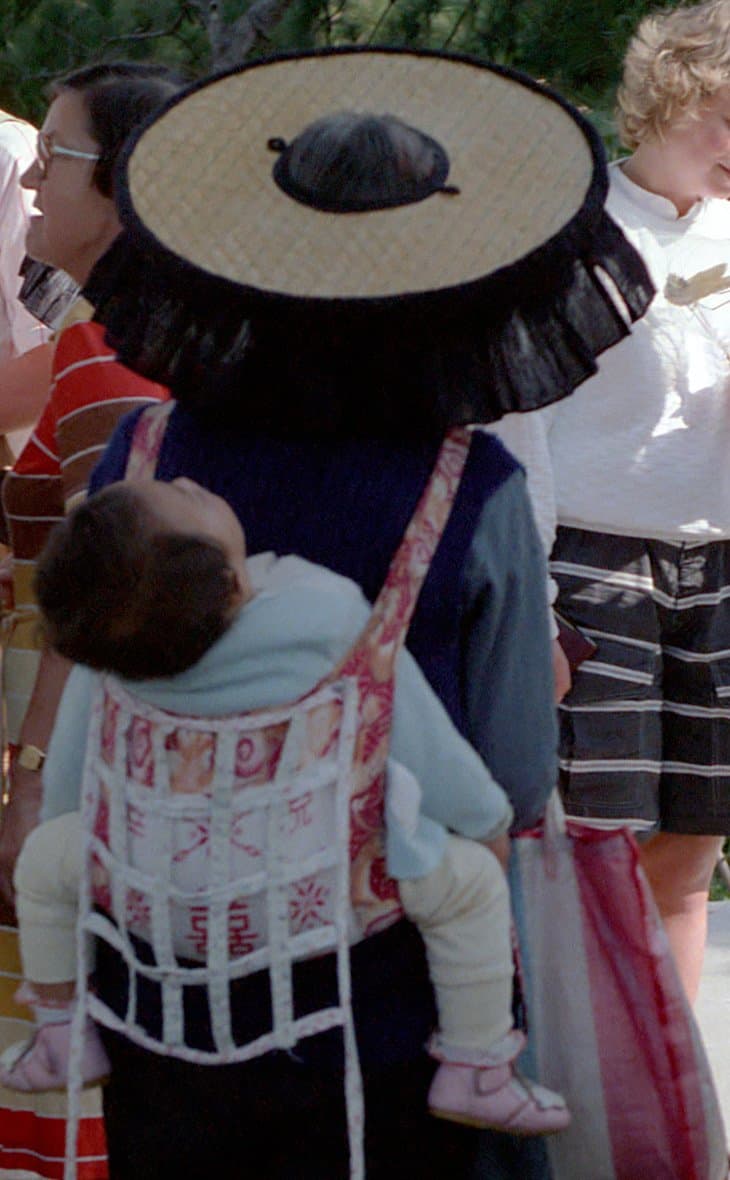
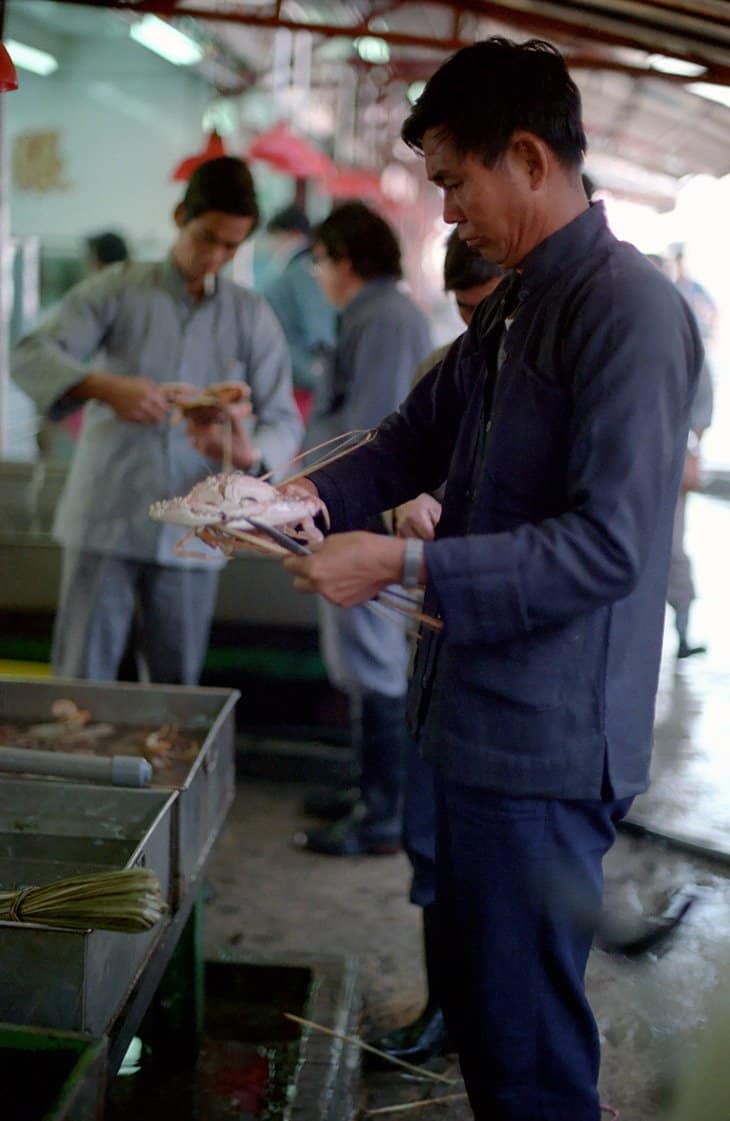
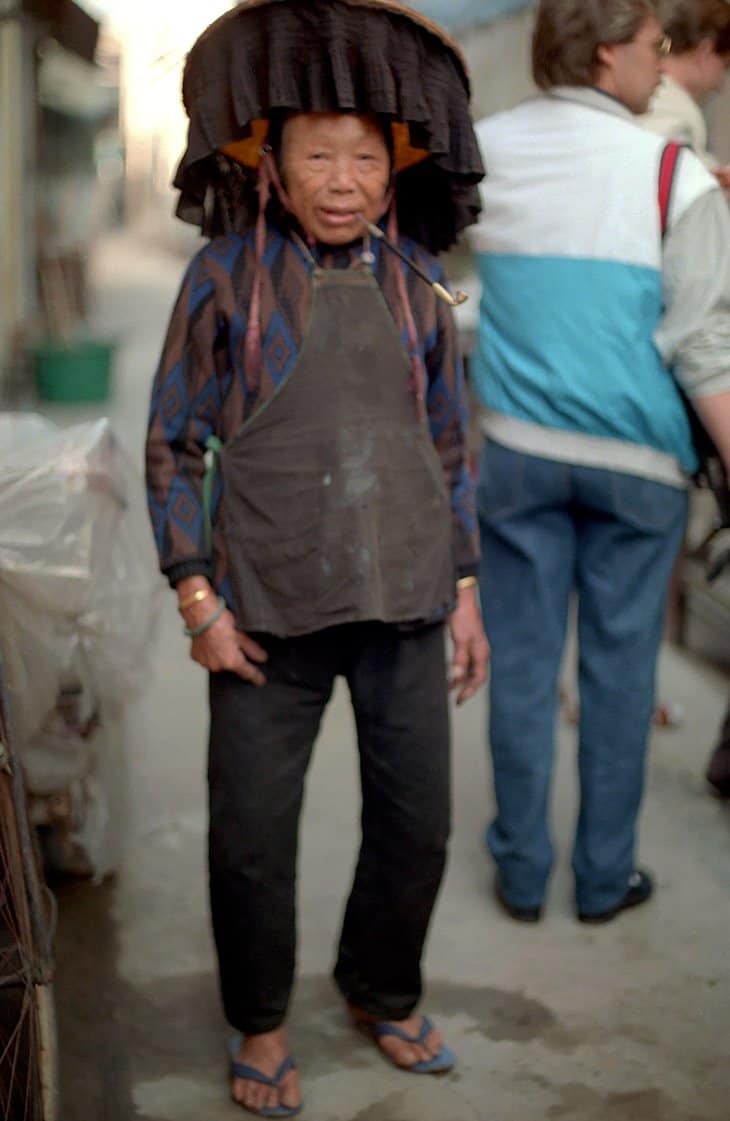
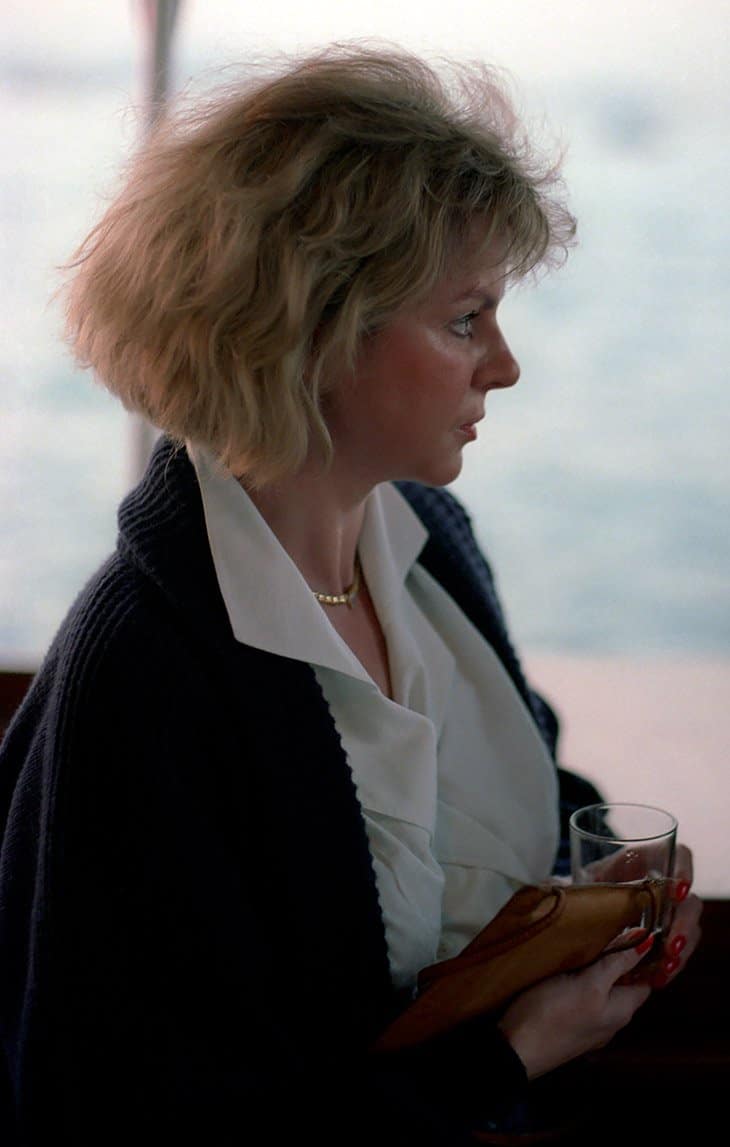
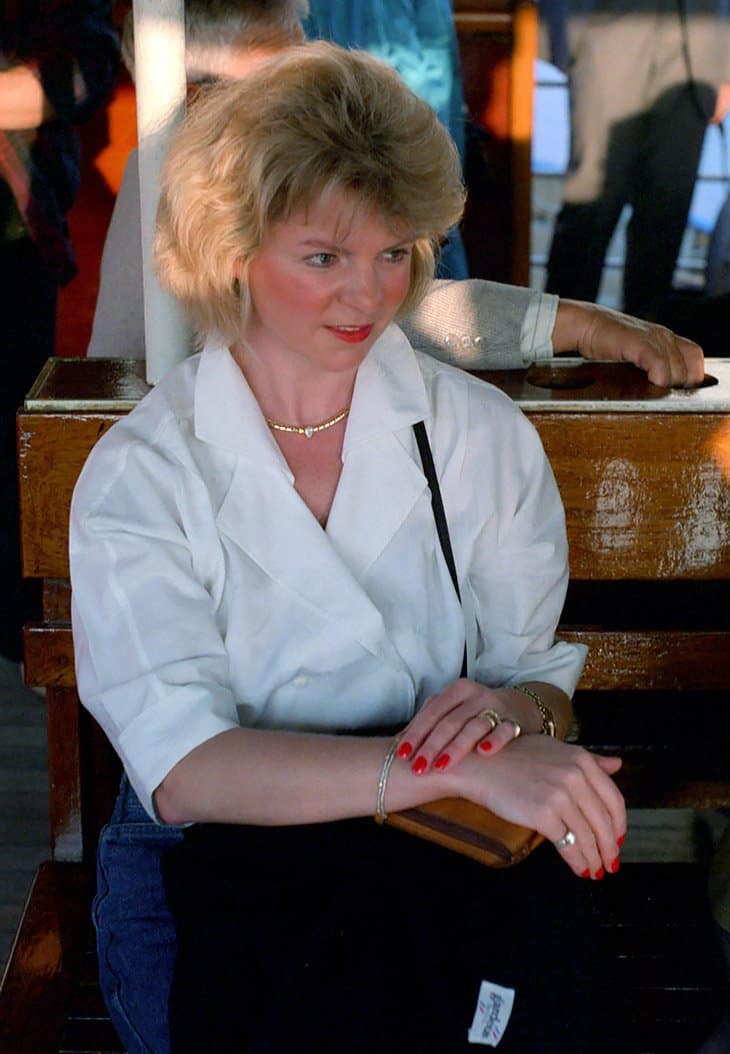
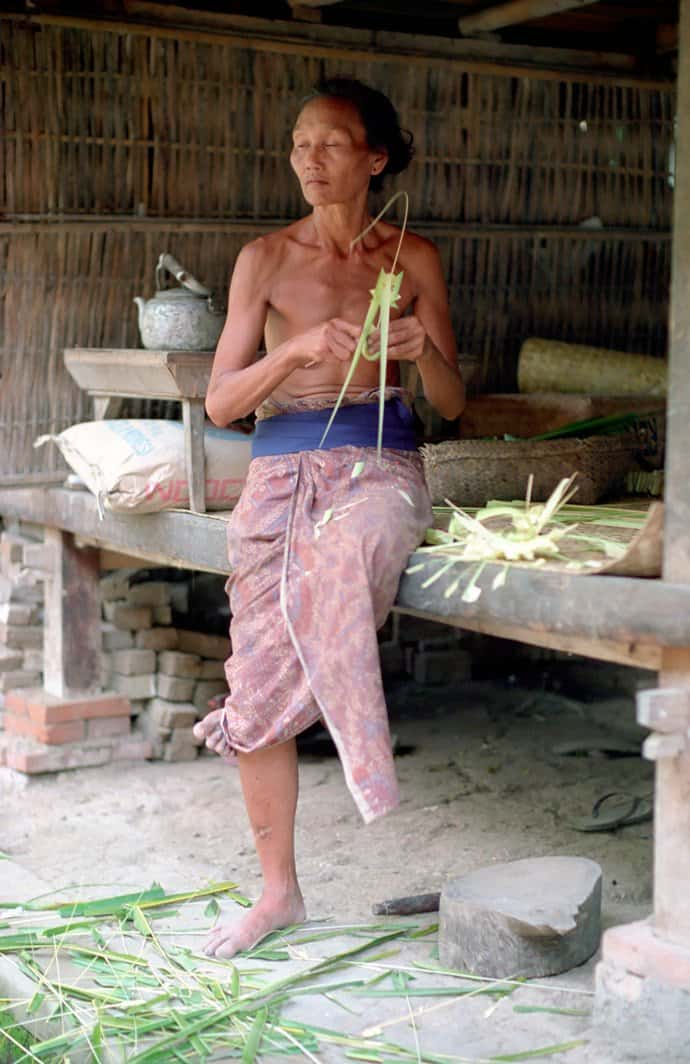
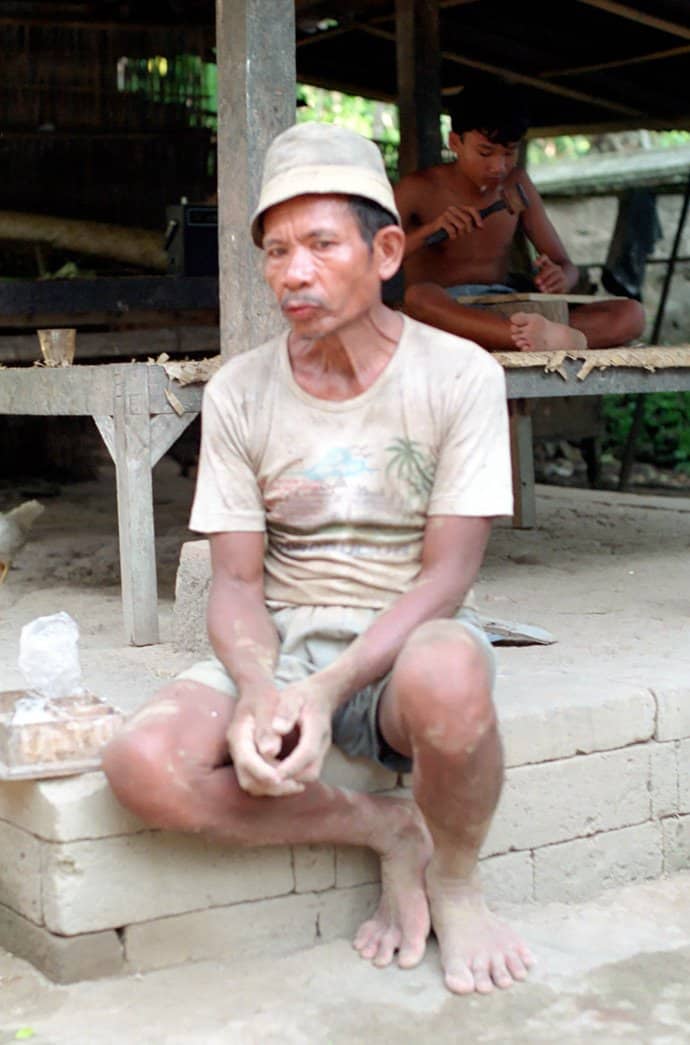
In the photo gallery we have captured some impressions and impressions of everyday life in Hong Kong with the camera.

General country informationHong Kong

Hong Kong – General info

by Joe OnTour 27. August 2017
City tripsHong Kong

Hong Kong City Trip

by Joe OnTour 27. August 2017
City tripsHong Kong

Hong Kong – Kowloon

by Joe OnTour 27. August 2017
Hong Kong

Hong Kong – People

by Joe OnTour 27. August 2017
Hong Kong

Hong Kong – Impressions

by Joe OnTour 27. August 2017
Hong Kong

Hong Kong – Sea Palace

by Joe OnTour 27. August 2017

Photos Hong Kong

Hong Kong - Kowloon
Hong Kong - Kowloon
Hong Kong - People
Hong Kong - People
Hong Kong - People
Hong Kong - People
Hong Kong - People
Hong Kong - Sea Palace

Questions about HongKong

In the Asia forum you will get the answers !

27. August 2017 0 comments
0 FacebookTwitterPinterestEmail
Hong Kong - Impressions
Hong Kong

Hong Kong – Impressions

by Joe OnTour 27. August 2017
written by Joe OnTour

Hong Kong – Impressions

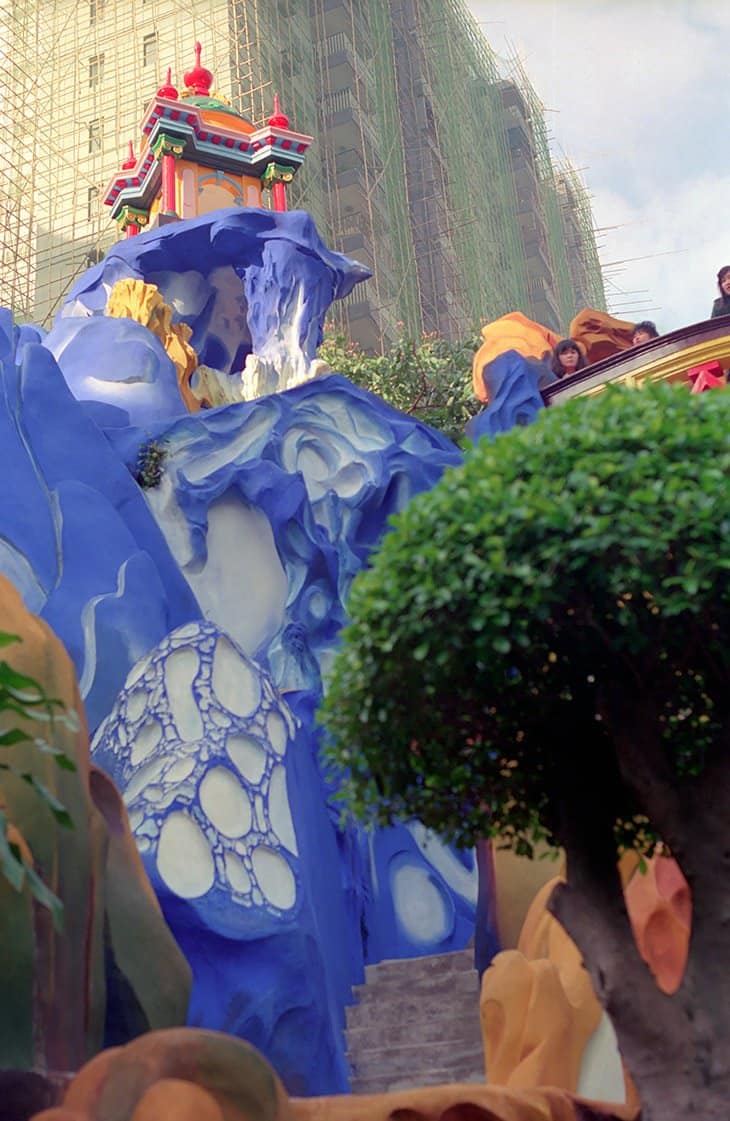
A special attraction is the kite festival in Hong Kong. Thousands of people storm the streets to admire the artistically decorated figures.

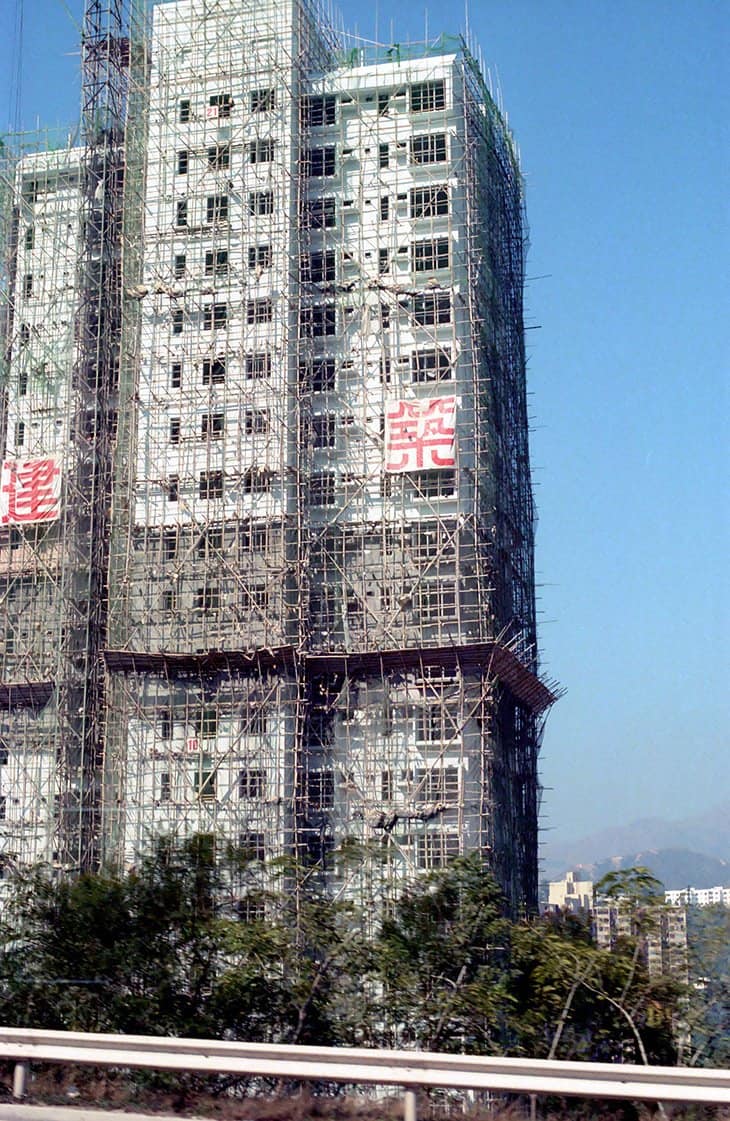
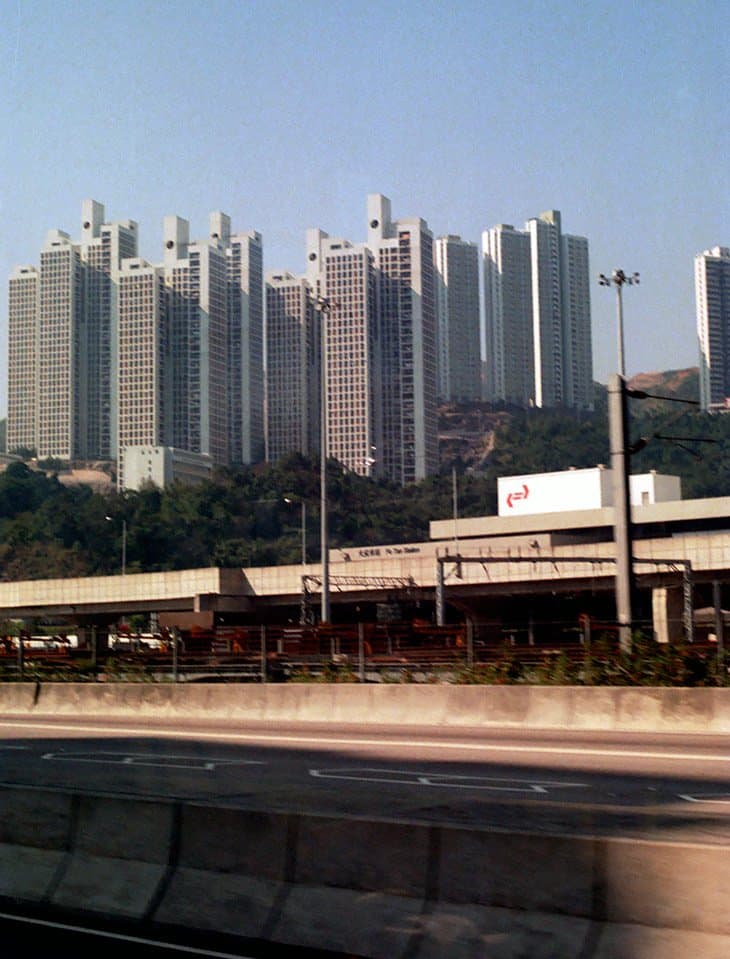
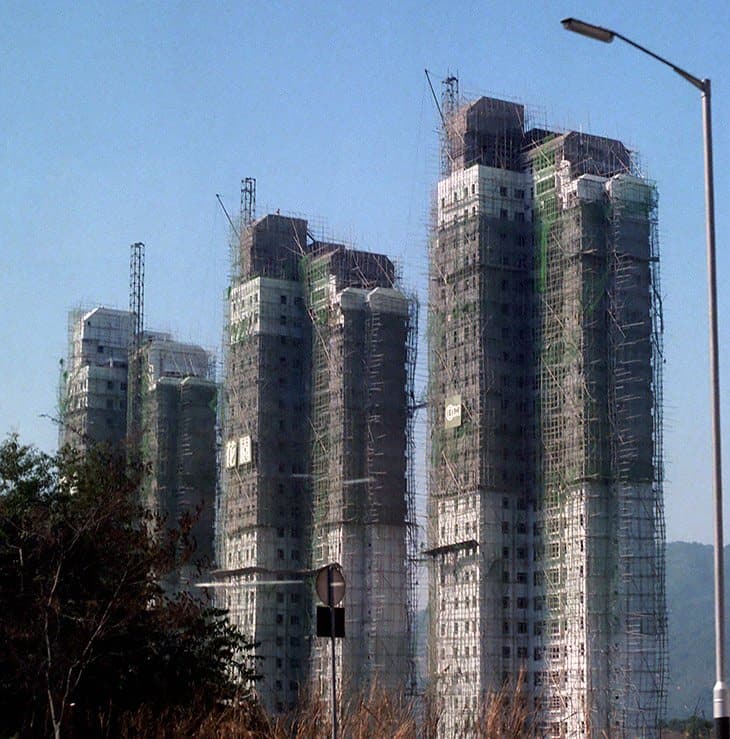
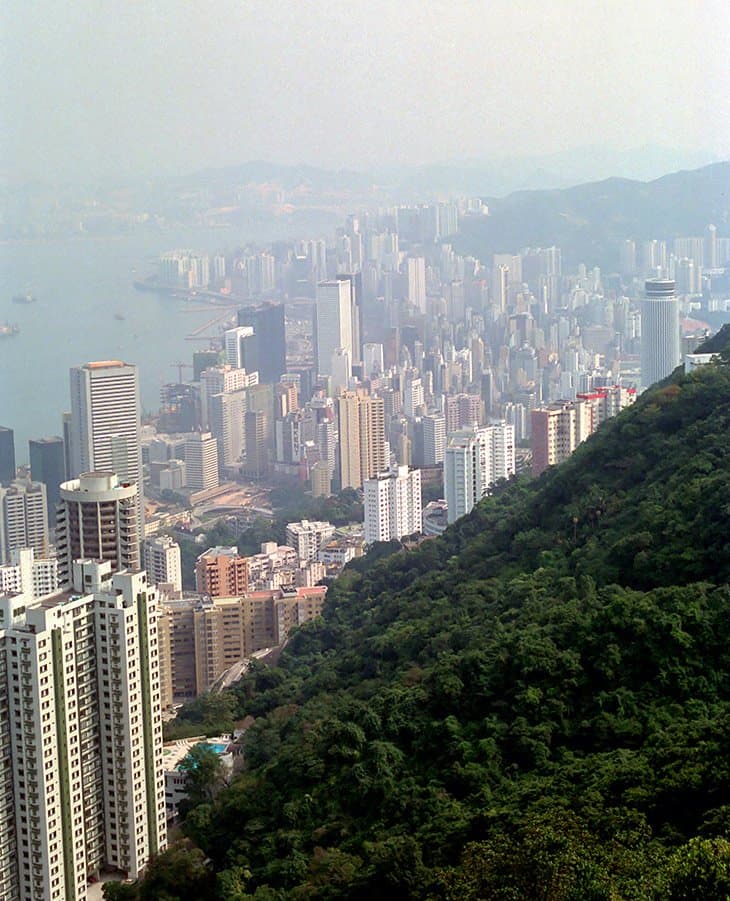
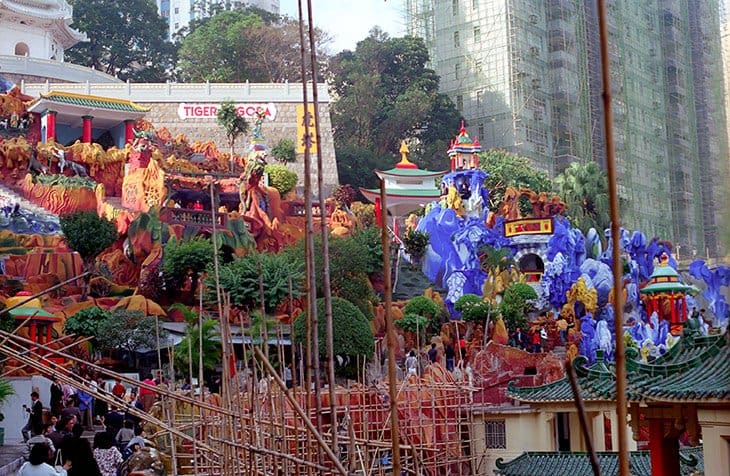
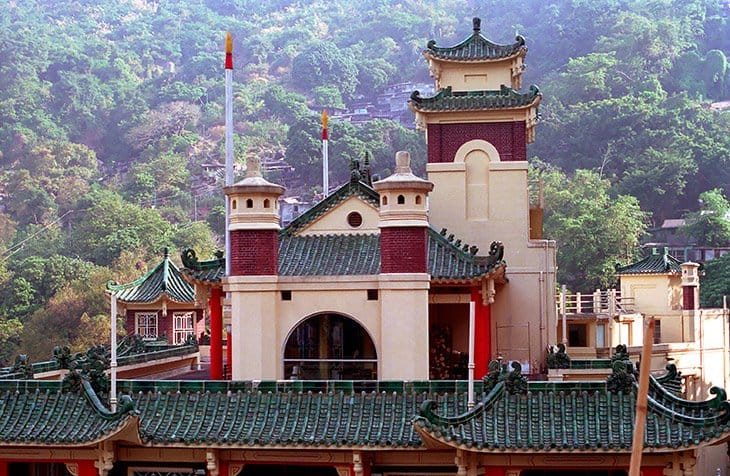
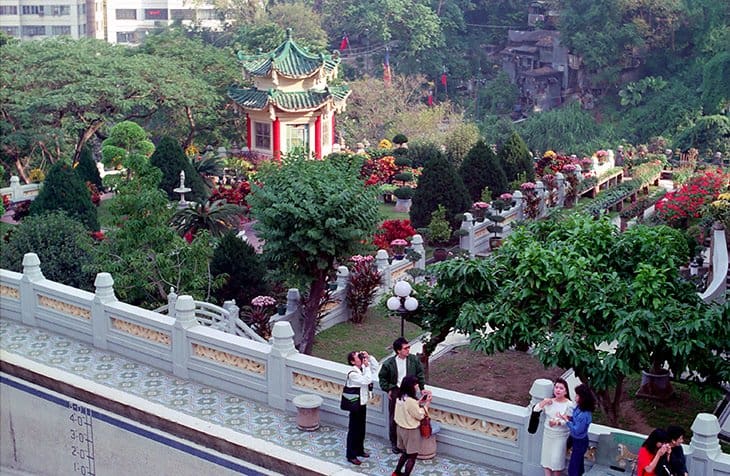
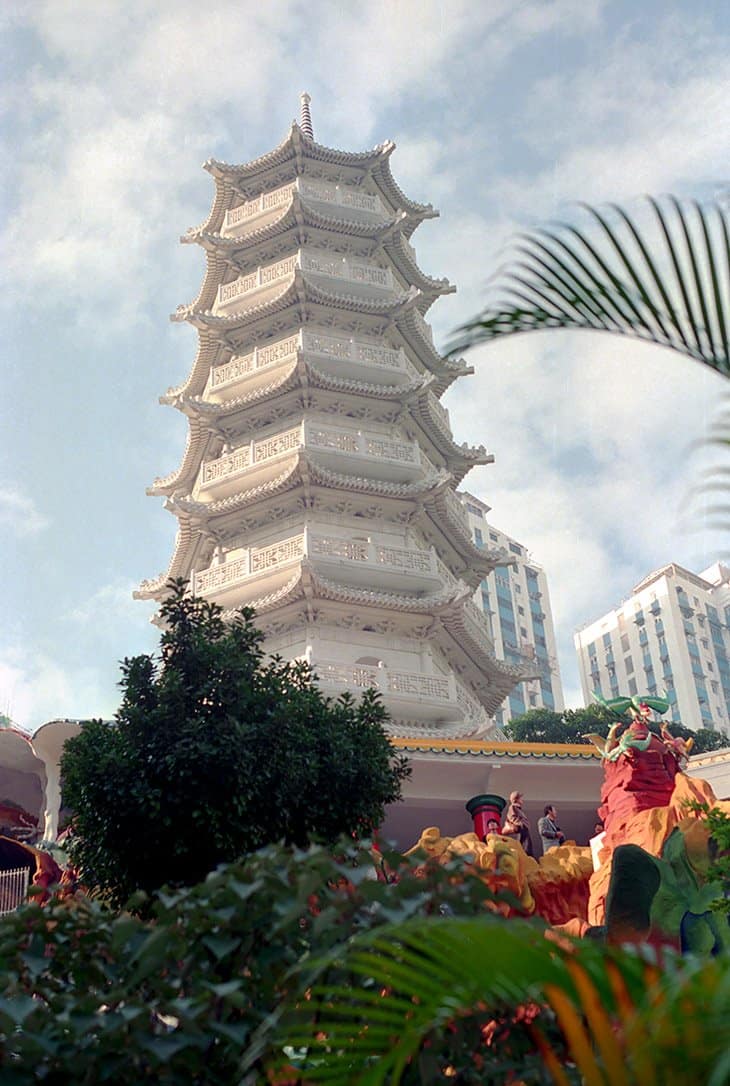
High-rise buildings with 50 storeys and more form a strange symbiosis with the temples right next to them in the heart of Hong Kong.

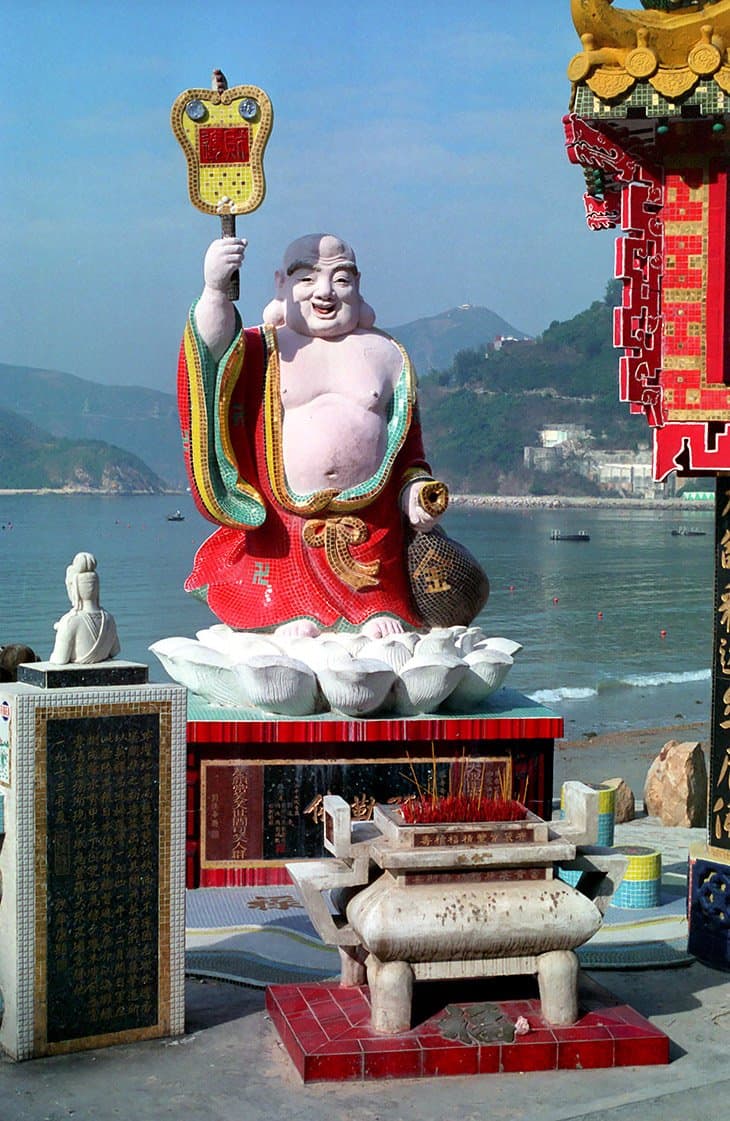
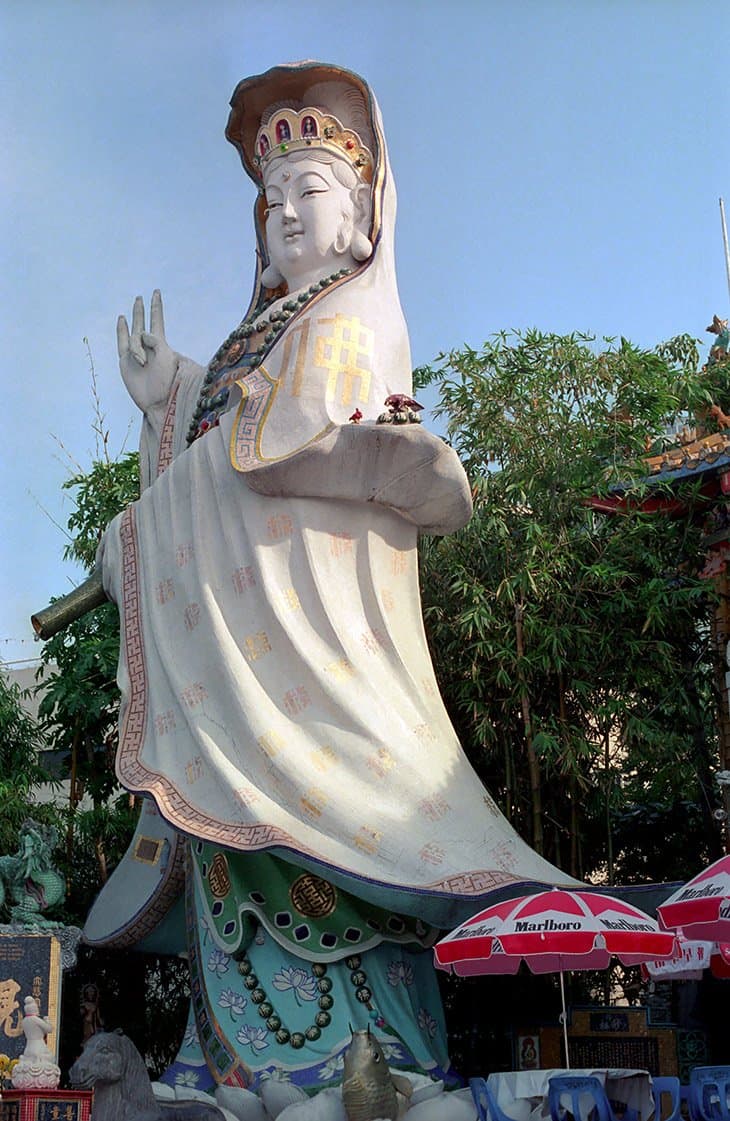
Even in the harbour area we find small sacrificial sites and statues that are used extensively by the inhabitants of Hong Kong for their religious rituals.

Some temple complexes bear witness to the wealth of the faithful. However, they stand in stark contrast to the often miserable living conditions of the poor population. This refers above all to the low-paid construction workers who build the city’s high-rise buildings like ants in their thousands. They often live in the basements of unfinished buildings, where up to 10 people share a room of 10 square meters without light and without sanitary facilities.

Photos Hong Kong

Hong Kong - People
Hong Kong - Impressions
Hong Kong - Kowloon
Hong Kong - Kowloon
Hong Kong - Kowloon

Questions about HongKong

In the Asia forum you will get the answers !

27. August 2017 0 comments
0 FacebookTwitterPinterestEmail
Hong Kong - Sea Palace
Hong Kong

Hong Kong – Sea Palace

by Joe OnTour 27. August 2017
written by Joe OnTour

Hong Kong – Sea Palace

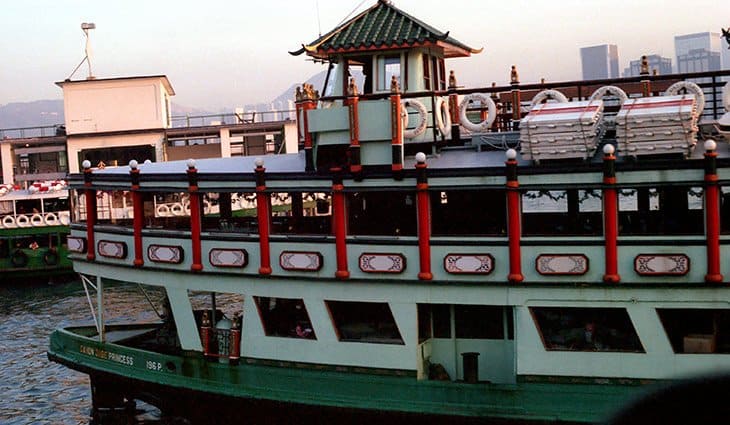
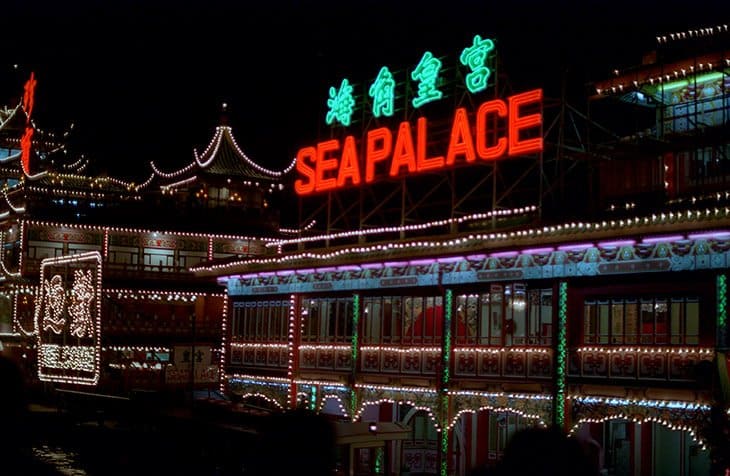
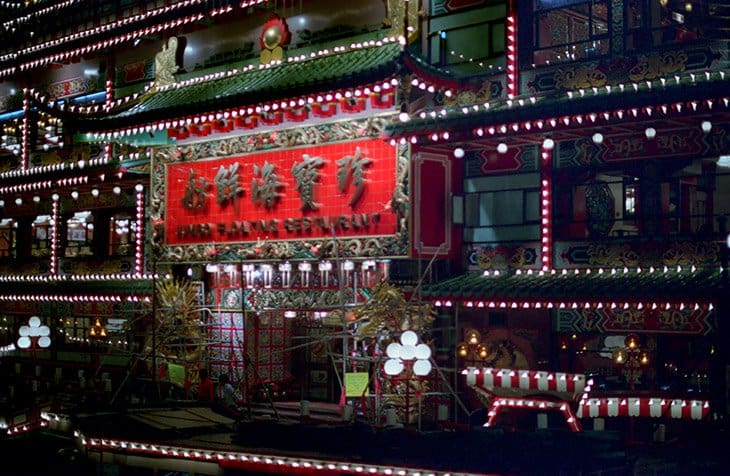
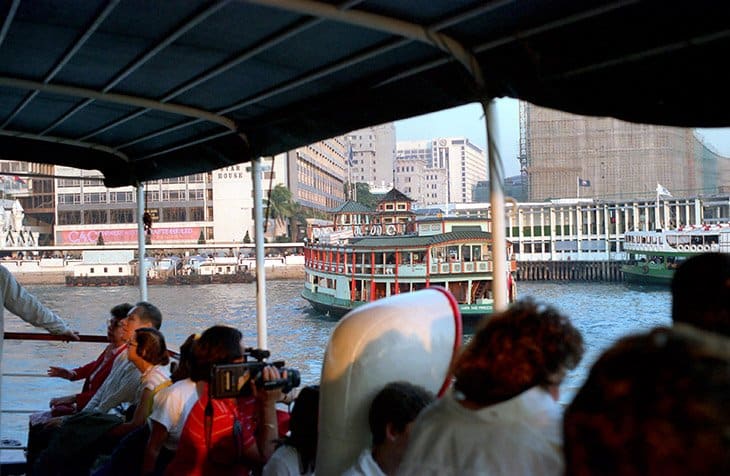
A visit to one of the various ship’s restaurants firmly moored in the harbour should not be missed when visiting Hong Kong. We take one of the countless small ferry boats to get to the Sea-Palace, one of the ship’s restaurants.

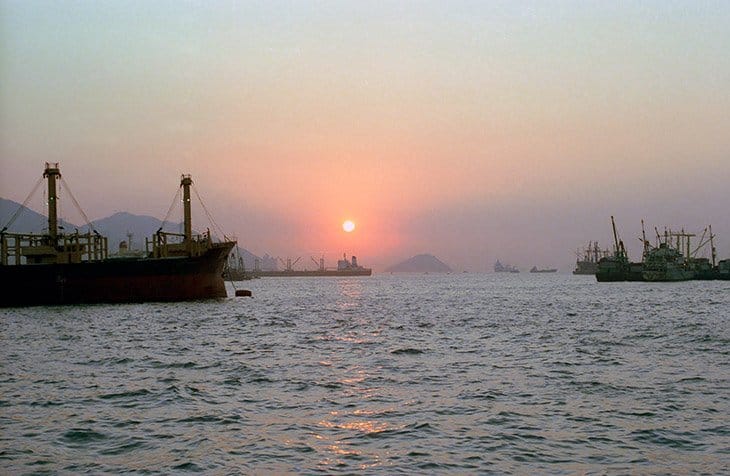
We have pre-booked a table, as there is a large crowd here, especially in the run-up to Christmas. In the evening hours you can enjoy the magnificent sunset in the bay during the crossing.

The ferry boats run at short intervals and are used like a bus system in Hong Kong. On the Sea-Palace we first receive a small aperetif as a welcome.

The ship’s restaurant has an estimated 1000 seats in several restaurants.

Afterwards we are guided to our table. In typical Chinese tradition, various bowls and pots with a wide variety of delicacies are set up in the middle. Every guest can now choose the right dishes.

Of course, we eat with chopsticks, which is already quite easy for us. Many other foreign guests have their little problem and we have seen some visitors to the restaurant who left the ship hungry rather than satiated.

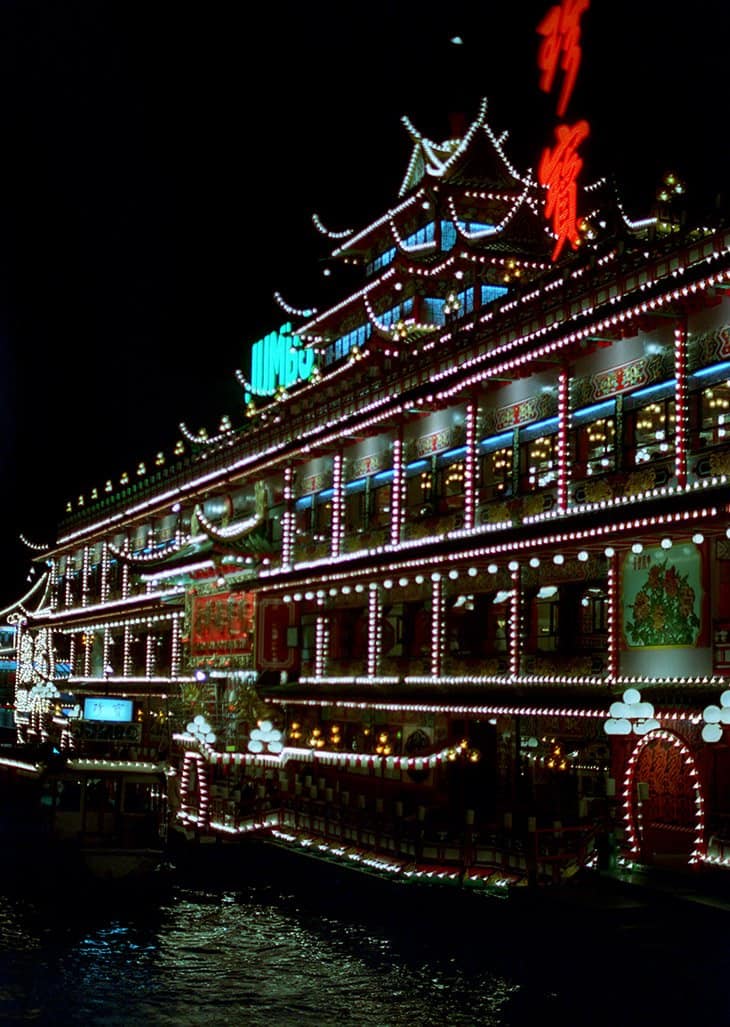
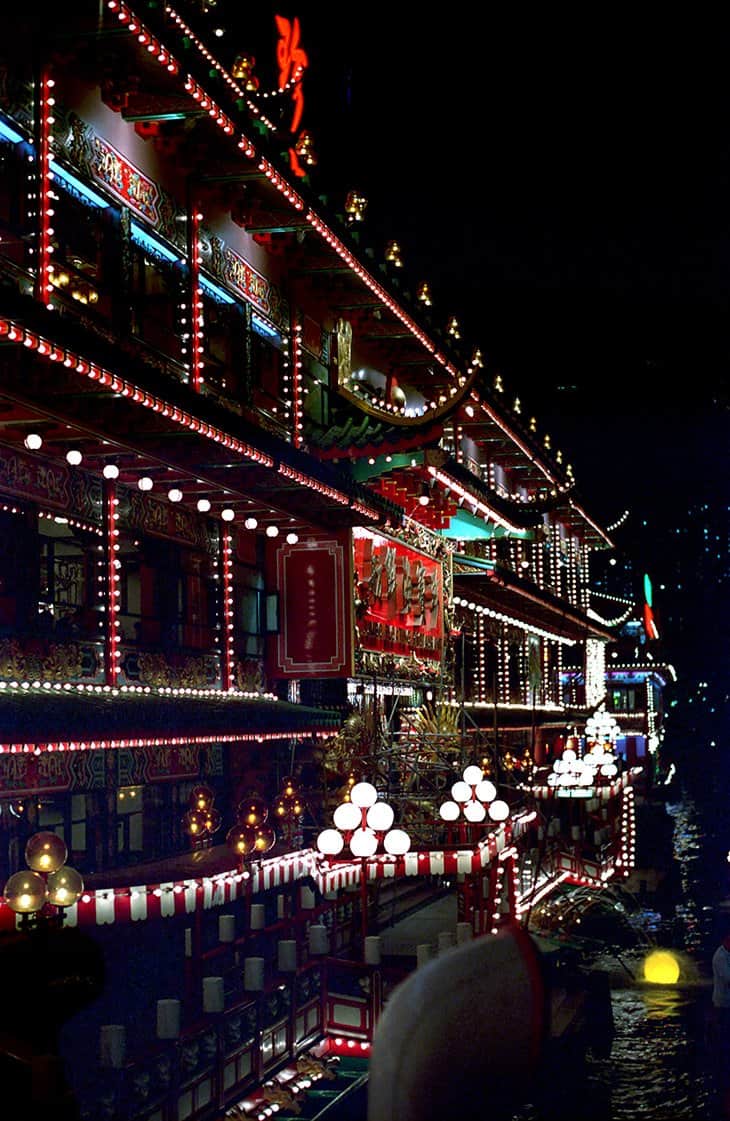
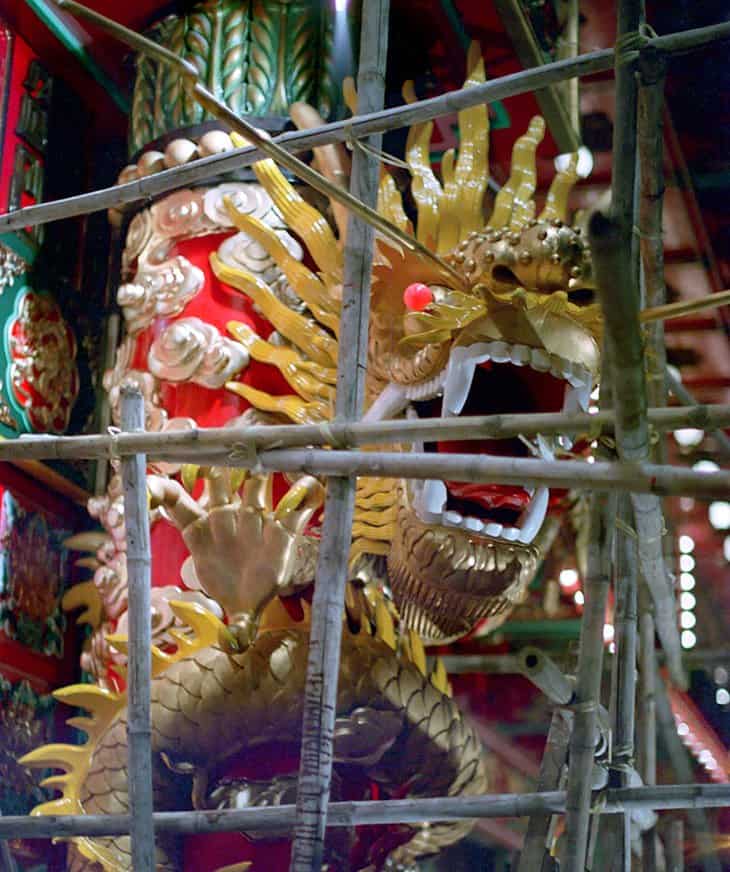
The interior of the ship is richly decorated with Chinese masks and figures. The ships have several floors in which the individual restaurants are housed. On the way back we pass other restaurant ships, which are brightly lit and make a great conrast to the nearby skyline of Hong Kong. As they pass by, they look like huge temple complexes.

Photos HonKong Sea Palaca

Hong Kong - Sea Palace

Questions about HongKong

In the Asia forum you will get the answers !

27. August 2017 0 comments
0 FacebookTwitterPinterestEmail
Bali Indonesia
BaliGeneral country information

Bali – General info

by Joe OnTour 27. August 2017
written by Joe OnTour

Bali – General information

Geography
Bali is located 8 degrees south of the equator, is 140 km long, 80 km wide and 5620 km² in size. The island of Bali is the westernmost of the Indonesian Lesser Sunda Islands, separated from Java by the Bali Strait, 2.9 million inhabitants, capital: Denpasar.

A mountain range stretches across the island that stretches from west to east, including some still active volcanoes, e.g. the “mother mountain” Gunung Agung (3142m). The volcanic influence contributes to Bali’s exceptional fertility, as the high mountains form a reliable source of rain, which is important for irrigating the rice terraces.

Health
Vaccinations recommended for polio, tetanus, typhoid, diphtheria, hepatitis A.

In many areas of Indonesia there is an increased risk of malaria, but Bali’s tourist centers are almost malaria-free. As a prophylactic measure, an antimalarial drug should be packed.

Intestinal infections must be avoided, if possible only eat and drink what is cooked or peeled. Beware of salmonella in dairy products, eggs, etc.

Usual basic equipment for the first-aid kit, although there are also many pharmacies in Bali where all kinds of things can be bought. But whether it also contains what it says on the tin?

Transportation
In Indonesia and thus also on the island of Bali, left-hand traffic prevails. Motorcyclists are required by law to wear a helmet.

The driving style of the locals takes some getting used to. There are no traffic rules in the European sense or fixed speed limits.

You can fill up at very moderate fixed prices at the state-owned Pertamina petrol stations. You should take precautions, because in the countryside the petrol supply is privately regulated and is indicated, if at all, by a simple sign “Bensin”. Diesel means solar, Super Premig.

You should think carefully about whether you are sitting at the wheel of a rental car or a motorcycle in Bali. In the countryside, the roads are often narrow and confusing, and in the cities the traffic situation is devastating.

In the event of an accident, the driver is always liable, in case of doubt the foreign driver. It is therefore advisable to take out fully comprehensive insurance when renting a vehicle to be on the safe side.

Before signing the rental contract, you should check the condition of the vehicle carefully and, above all, pay attention to the brakes.

A good alternative is to rent a car with a driver and guide.

Another alternative: All short-haul and most medium- and long-haul routes are served by minibuses, called Bemo. They stay on fixed routes and stop at hand signals or shouts wherever the passengers demand it. There is no fixed timetable, and many stop their journeys at nightfall. Bemos, as an inexpensive, local means of transport, are often hopelessly overloaded with people and goods, which makes the journey more of an adventure. Tourists should inquire about the correct fare before starting their journey.

Time
In Bali, Central Indonesian Time applies. Tourists must put their clocks forward 7 hours to CET or 6 hours during European summer time.

Banks – Exchange Offices
Branches of many Indonesian banks can be found in the south of Bali. Opening hours are usually: Mon-Fri 8-12, Sat 8-11 am. However, not every bank changes money or traveller cheques. However, there are countless exchange offices in all tourist centers, which are often open until late at night. Here it is important to compare prices and, if necessary, to calculate the commission charged. The prices of the hotels are often worse than those on the free market. In any case, you should count the rupiahs, because you get large sums. And black sheep among the money changers are not uncommon, especially in the chaotic tourist centers such as Kuta.

Bali – Climate

Temperatures in Bali are pretty much the same all year round, between 27 -30 degrees Celsius, with humidity often 90 percent.

In the mountains, it is often up to 10 degrees cooler.

The rainy season in Bali is from November to March, although it doesn’t rain all day, the sun peeks out every now and then.

The best time to travel is between April and September, but this is also the time when most tourists travel to Bali.

Bali – History

The first immigrants on the island of Bali were South Indians. They arrived in Bali around 1500 BC. The system of the Banjar, the village community, dates back to this time.

There is written evidence that the complicated irrigation system for wet rice cultivation was mastered in Bali as early as 900 BC.

Hinduism is peacefully imported from India to Java by trading Indians around the birth of Christ. Individual Brahmins migrate to the neighboring island of Bali and bring their religion to the island.

The first Balinese royal dynasty is documented in 991.

Through the marriage of the then Balinese king to a Javanese princess, Bali was sometimes more, sometimes less dependent on Java until the 13th century.

In the 12th century, Bali gained independence for a short time, and the Pejeng dynasty emerged, which lasted until 1343.

In the 14th century, the Majapahit dynasty had taken over the government from Java over a territory that roughly corresponds to the current state borders of the Republic of Indonesia.

Islam made its way to Java via Sumatra in the 15th century, and so the once powerful Majapahit Empire collapsed. Bali became the last retreat of Hinduism.

In 1478, the last Majapahit king killed himself and his son fled to Bali with the entire upper class of Java. He settled on the south coast of Bali in Gelgel and declared himself king of Bali. This is how the Gelgel dynasty came into being. The king called himself Dewa Agung (Dewa = god / Agung = the holy mountain of Bali) and divided the island between relatives and generals.

The headquarters of the Dewa Agung was later moved to Klungkung, where art and culture flourished.

The individual provinces of Bali began to gradually become independent and to escape from subordination. The rulers of the individual territories called themselves Rajas and their respective territories became independent kingdoms.

The Gelgel dynasty, with the Dewa Agung as chairman of the King’s Assembly, lasted for about 400 years until the Holl put an end to this dynasty.

Indonesia has been in contact with other European countries since the 16th century. There were Portuguese and Spaniards, then English and Dutch.

Since the landing of the Dutch in 1597, they committed to bringing Indonesia into their power. Bali was excluded from this development for the time being, as there were no spices or ivory to get and there was no real port.

It was not until 1846 that the Dutch also attacked Bali and took control of the only large port in Singaraja in the north of the island. They were content with that for a while.

The exploitation began on September 20, 1906 with a bombing raid on Denpasar. The rulers of Badung, Klungkung and Tabanan quickly realized that they were outnumbered by the number of enemy soldiers and weapons. Surrender and exile were no alternatives for them, so they decided on the suicidal fight to the death, called Puputan.

The Rajas burned down their palaces themselves, and then, in their finest dress and the most magnificent ornaments, led their royal house and their priests against the modern weapons of the Dutch. In a single day, 4000 Balinese were slaughtered in front of the palaces of Denpasar and Pemecutan. Only the rulers of Gianyar and Karangasem (Amlapura) cooperated with the Dutch, but political power was taken away from them.

Fortunately, the Dutch were only interested in the exploitation of raw materials, so they did not try, like the Spaniards, to Christianize the population.

The culture and religion of the Balinese has thus survived to this day.

However, Dutch control of Bali was short-lived, as all of Indonesia fell into the hands of the Japanese during World War II. From 1941 to 1945, the Japanese replaced the Dutch in the role of occupiers. After the surrender of the Japanese on August 17, 1945, Sukarno, the leader of the Indonesian independence movement, declared the independence of his nation.

But even now the Dutch appeared again to continue the exploitation of the country. Thus, in the Battle of Marga on November 20, 1946, there was a kind of repetition of the Puputan almost half a century later, in which a group of Balinese resistance fighters were wiped out. This bloody resistance struggle lasted until 1949, when the Dutch recognized Indonesia’s independence.

The terrible eruption of Gunung Agung in 1963 killed thousands of people and devastated huge parts of the island.

In 1965, a communist coup attempt on Java was crushed. In terms of population, Bali had the largest following in the Communist Party (PKI) at the time. During the purges that followed, Balinese killed about 100,000 people. How this collective rampage came about, no Balinese can explain to this day. It was probably the almost mystical desire to rid the country of all evil, but probably simple revenge motives were also involved. The murders were probably no more brutal than elsewhere, but they were in stark contrast to the friendly and peace-loving Balinese.

In 1966, General Suharto took power and was officially elected president in 1968. Since he was very interested in the economic power of the West, he virtually pushed ahead with tourism planning. Since the 60s, Bali has been more and more flooded by tourist armies.

The economic crisis in Southeast Asia led to political and social conflicts in 1998. After serious unrest, Suharto had to resign. The new head of state was the former Vice President Habibie, who had to hand over the office to Abdurrahman Wahid of the newly founded Islamic Party of National Awakening (PKB) after only 17 months.

At the beginning of the 21st century, both the efforts to achieve the independence of individual islands and the political and religious conflicts within the multi-ethnic state intensified, endangering the country’s internal order. The leadership of the president, who was accused of incompetence and corruption, met with resistance from parliament. On 23.07.2001, the People’s Consultative Assembly removed Wahid from office. His successor was the former Vice President Megawati Sukarnoputri.

Package tourism, with all its negative effects, is slowly changing the independence of Balinese culture, religion and ideology. Western cinema and television are also increasingly influencing the worldview of the Balinese. Globalization is already making itself felt here as well.

Whether the island of gods and demons will remain a dream island depends not insignificantly on the tourists!

Bali – Sightseeing

Tanah Lot Temple
Fantastic sunsets and dance events, especially impressive are Legong and Kecak performances.

Klungkung
Old court hall with unique ceiling paintings.

Celuk
The center of silversmithing.

Besakih Temple
The “mother temple” and most important sanctuary in Bali.

Ubud
Artists’ village and monkey forest.

Nusa Lembongan
Island east of Bali, good snorkeling opportunities.

Festivals
There are an incredible number of festivals in Bali. The best thing to do is to inquire directly on site and thus get an up-to-date status.
Seaside resorts

Sanur
Kilometre-long, fine sandy beach and a reef that keeps the surf out, but also requires that the beach sections are “dry” at low tide (algae or seagrass alluvial possible at times). In addition, a tourist infrastructure that leaves almost nothing to be desired – Sanur means a holiday without the hustle and bustle of Kuta/Legian.

Tuban
Where exactly the border with Kuta runs is difficult to define. Nightlife, bars and restaurants are definitely within easy walking distance. The beach is narrower and darker here, an outgoing reef protects against the strong surf (limited swimming opportunities at low tide).

Kuta
Popular and busy main tourist resort of the island, life rages here. Nightlife, bars and restaurants in incredible variety, the extensive beach is famous for its sunsets and surfers. Due to (especially in the winter months) strong surf and undercurrent, swimming here is not without danger, always pay attention to the warnings on the beach.

Legian
It is a little quieter here than in neighboring Kuta. Restaurants, bars and shops can also be found here in a large selection.

Seminyak
This stretch of beach (almost always high waves and strong undercurrent) is the northern continuation of Legian. There is a wide range of restaurants and bars in the area of Saphir Bali, Bali Holiday Resort and Royal Seminyak, and this area has become an in-district. The area around Intan and Taman Rosani is dominated by small villages and rice fields. But it is only a 20-25 minute drive to Kuta/Legian, near the Intan Bali Village itself you will find some very good restaurants with a good atmosphere.

Tanjung Benoa
There is a manageable selection of restaurants and shops, but you will look in vain for nocturnal hustle and bustle here. The kilometre-long beach is fine sand and protected from strong surf by an offshore reef. At low tide, you have to hop into the hotel pool to cool off. At times, algae or seagrass alluvial deposits are possible.

Jimbaran
South of the airport (rarely impairments) is one of the most beautiful and swimmable beaches in Bali, a good 4 km long and fine sand. The open-air fish restaurants within walking distance of the InterConti are highly recommended. Nusa Dua or Kuta can be reached in just under 20 minutes by car.

Nusa Dua
Everything is a little more noble here, international hotel chains favor this picturesque beach with its well-kept, park-like surroundings. In the shopping district “Galleria” and the old town center “Bualu” you will find shops and restaurants. The beaches are tidal. At low tide, the water often retreats far back. At high tide, bathing fun is guaranteed. Algae and seagrass alluvial deposits are rare.

Bali – Country and People

Almost 3 million people live in Bali today, of whom only about 5% belong to a religion other than the Hindu Dharma religion. This minority is made up of about 8,000 Chinese and a handful of Arabs, Indians and Europeans. There are not many of the indigenous people, the Bali-Aga, left today. A few hundred live mostly in seclusion in a few villages.

The whole life of the Balinese is characterized by its deep religiosity, which even art, culture and politics of the Balinese are among the most colorful of all.

Life is not, as with many other island peoples, directed towards the sea, but inland to the mountains and the interior. Height, the mountains and the sky are considered sacred, but the depth of the sea belongs to the realm of demons.

The people seem balanced and friendly, patience, tolerance and hospitality are among their virtues.

5 times a day, handmade sacrificial bowls equipped with incense sticks are offered at the in-house family temples.

Handicrafts are of particular importance, because the Balinese have always been particularly artistically inclined. Everything you make is decorated, artistically processed, delicately carved and painted. This also has a religious background, one wants to please the gods.

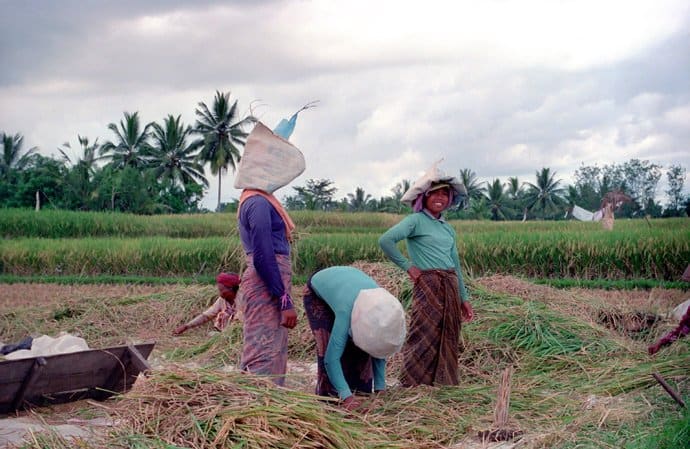
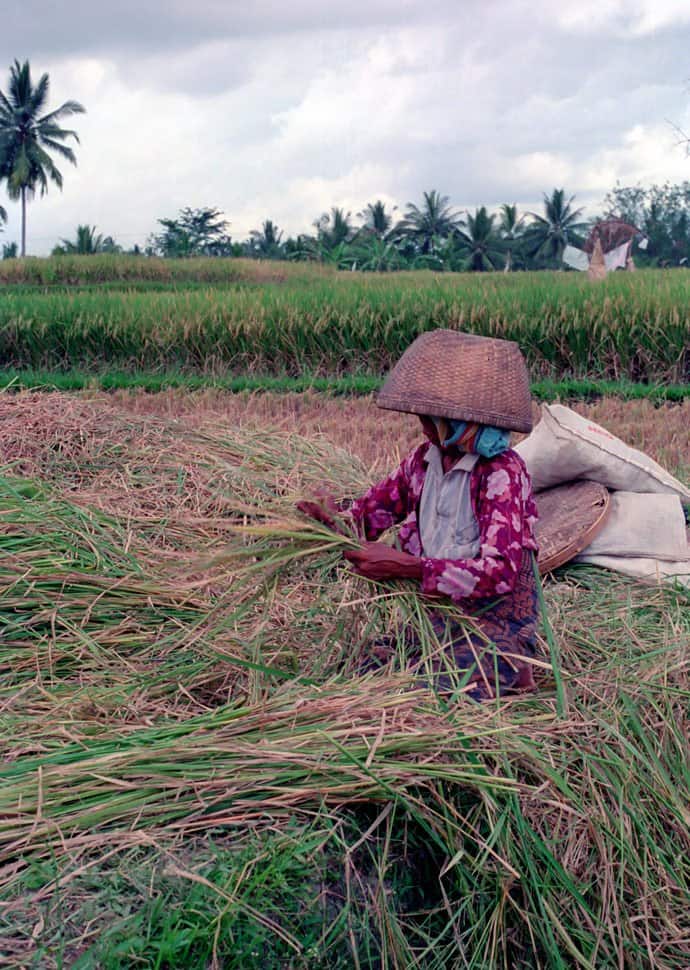
Two traditional organizations are of particular importance: the banjar, as the people’s representation of a village whose power could not be broken by any government for centuries, and the subak for the rice farmers. Here, all rice farmers work together to keep the irrigation system functional and to provide each member with the required amount of water.

Every married man must belong to the banjar of his village and appear at the regular meeting places to make decisions for his village. In this way, the Banjar regulates village life in order to give the state administration no more influence.

Starting a family in Bali is one of the highest duties of a Balinese. A man can only become a member of a village community (banjar) when he is settled and married.

If you still stick to the tradition, you live in larger communities with mother and father, grandma and grandpa, children and grandchildren on the family homestead.

If you live in a homestay as a tourist, you can watch the hustle and bustle all day long, because almost all of life takes place in the courtyard of the property.

Older people are addressed as Ibu (= mother) and Bapak (= father). This “title” is placed in front of the name. Younger people and people of the same age are addressed as Adik (= younger brother or sister). Tourists are usually referred to as Tuan, which corresponds to our “Lord” and is a remnant of the colonial era.

Almost all Indonesians like to laugh. This may not always convey something about their true feelings. Nevertheless, you should try to smile back.

Outbursts of anger and screaming are not accepted and create incomprehension and distance. Only in small children is uncontrolled behavior tolerated. If you can’t control yourself, you lose face in the eyes of Indonesians.

The main goal of any education is harmony, everything is accompanied by a smile and a certain inner peace.

Embarrassment is avoided as much as possible. It’s embarrassing not to be able to give a suitable answer, so it’s better to give a wrong one. Because then you don’t lose face. As a tourist, you should know this if you need information and, for example, ask for the right way.

The expression of this view is also, as it might seem to the tourist, a certain schadenfreude: If, for example, someone falls on the street, everyone bursts out laughing, because the fallen person is spared the loss of face.

The left hand is unclean, as it traditionally replaces toilet paper, to greet people, to touch or to pass something on, the right hand is always used. Never give your left hand as a substitute.

The feet are the most unclean part of the body, it is rude to point the soles of the feet at a person.

To greet each other, you only shake your right hand with a light touch. Vigorous shaking is not known. Then you bring your hand to your heart.

Shoes should be taken off when entering a house and also a shop. If you don’t want to be considered a barbarian, you should also leave your shoes outside in your own hotel room. For this reason, walking barefoot on the street is frowned upon.

The waving with the hand is done with the back of the hand upwards, which looks more like shooing away to us.

It is considered an arrogant and aggressive gesture to point your finger directly at a person, cross your arms in front of your chest and put your hands on your hips.

On the subject of clothing, it should be said that men should not walk around in public with shorts and should not show an exposed upper body. The same applies to topless bathing for women. However, the gradual westernization is gradually softening the mores here as well, at least the behavior of the tourists is tolerated.

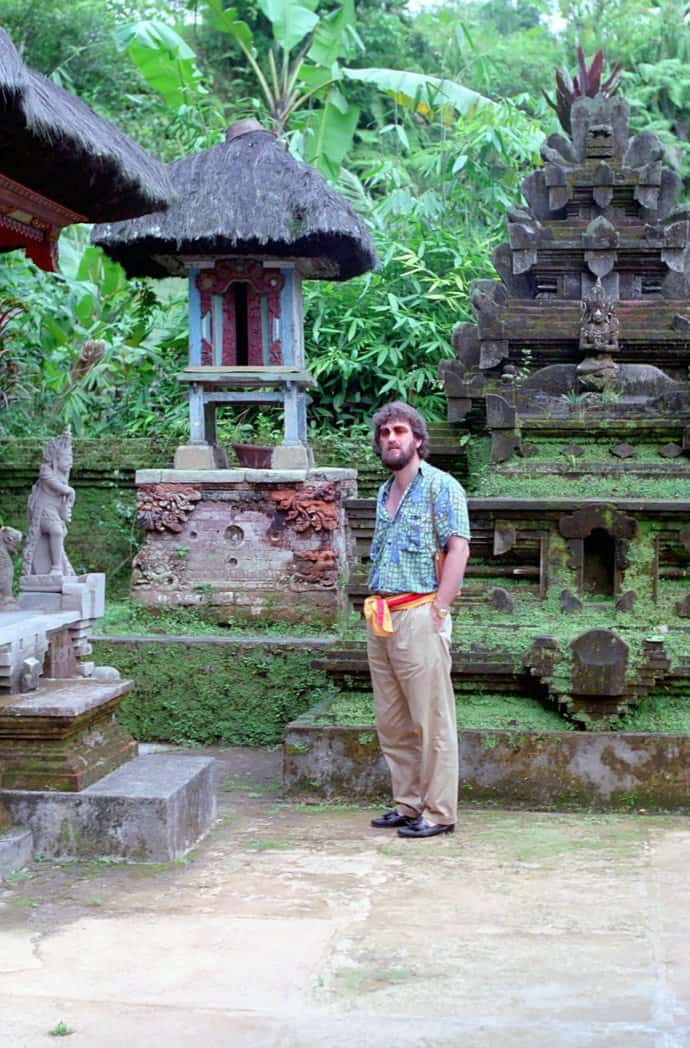
Under no circumstances are you allowed to enter a temple unless you have a sarong or a scarf tied around your waist. But you can get these things very cheaply in the many shops.

The temple walls and walls are considered sacred. It is forbidden to touch them or climb around on them. Blood on the temple floor is also a taboo, for this reason women are not allowed to enter the temple during their menstruation.

Bathing is not allowed in holy springs, if you are caught, it can be very expensive.

Processions always have priority, you will perhaps have this experience if you are traveling by car.

To the frequent question of whether you are married and have children, you should always answer yes, because starting a family is the top priority for the Balinese. Not wanting to have children is met with incomprehension.

Men and women do not hug or kiss each other in public, even holding hands is considered offensive.

BaliGeneral country information

Bali – General info

by Joe OnTour 27. August 2017
Bali

Bali Island

by Joe OnTour 27. August 2017
Bali

Bali – Temple – 1

by Joe OnTour 27. August 2017
Bali

Bali – Temples – 2

by Joe OnTour 27. August 2017
Bali

Bali – Cockfighting

by Joe OnTour 27. August 2017
Bali

Bali – Beaches

by Joe OnTour 27. August 2017
Bali

Bali – Country and People

by Joe OnTour 27. August 2017

Questions about Bali

In the Asia forum you will get the answers !

27. August 2017 0 comments
0 FacebookTwitterPinterestEmail
Bali
Bali

Bali Island

by Joe OnTour 27. August 2017
written by Joe OnTour

Bali Island

In Bali, women work, and men make art, they say. But that’s not entirely true. The girls dance and attend painting schools. They also make offerings. In Bali, art is to be understood as a mirror of religious thinking.

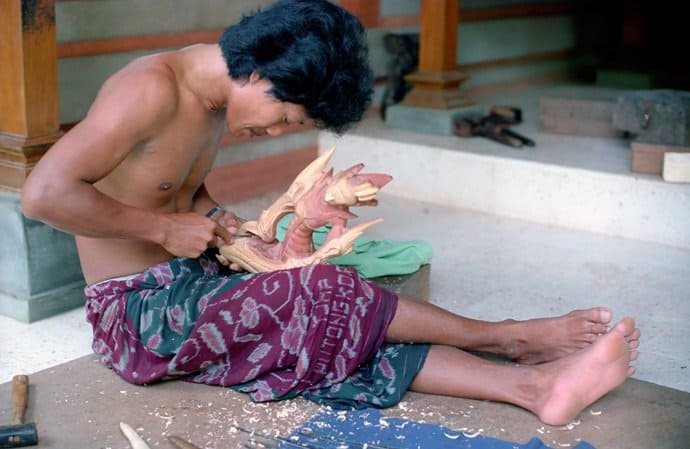
The Balinese learn from an early age to live with art and to understand it. All the things that are made have been decorated, painted and delicately carved since ancient tradition. All this was done to please the gods. The Balinese are said to be the most talented people on earth. On the mountain slopes, in the midst of rice terraces and palm groves in a beautiful landscape, veritable artists’ villages have developed. In Ubud is the center of painting and batik, the woodcarvers live in Mas, the gold and silversmith work mostly comes from Celuk.

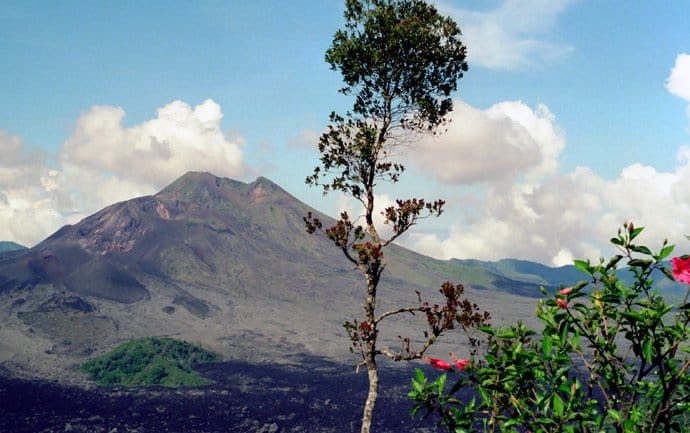
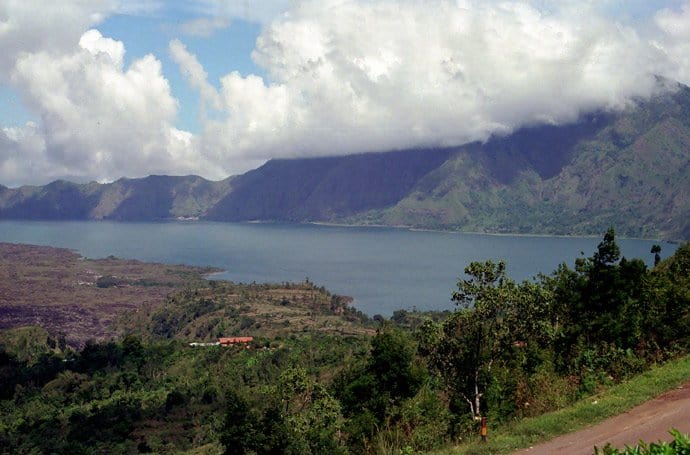
The island of Bali is almost entirely of volcanic origin. The geologically youngest volcanoes are located in the east of the island. In the west of the island there are remains of volcanoes that are over a million years old. The island is characterized by volcanism. This is how the shape of the island came about. He also gave the island fertile soils. The last eruption was recorded in 1963.

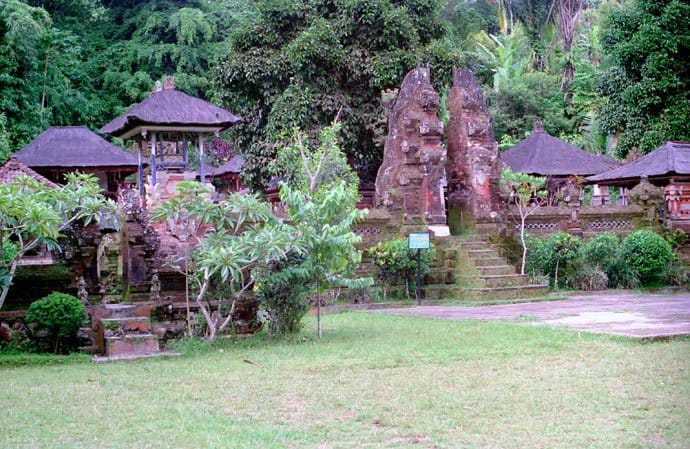
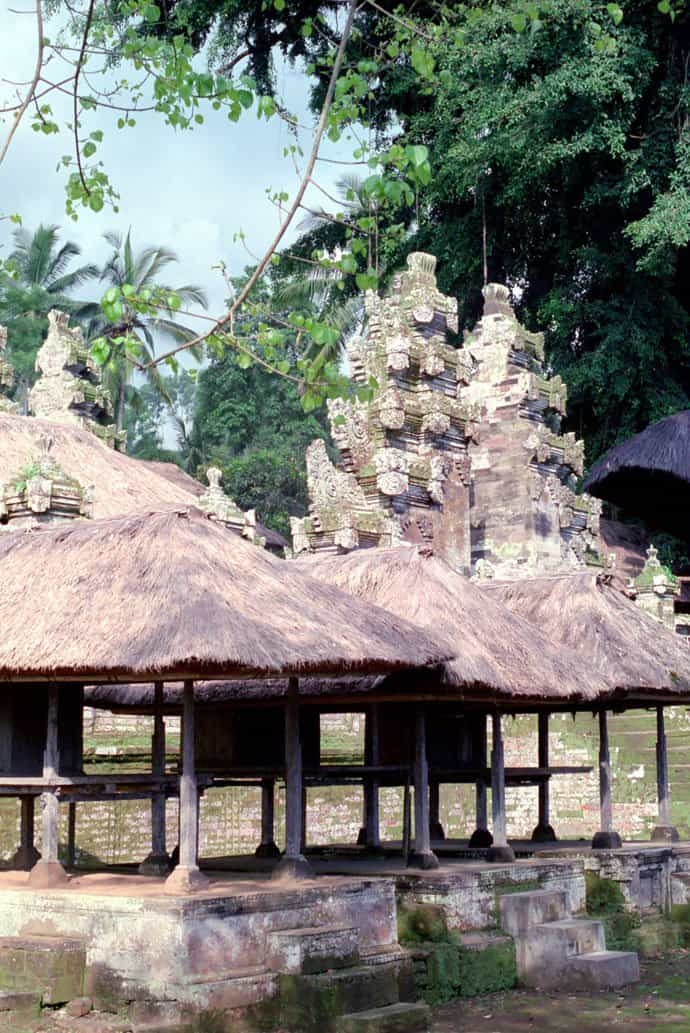
A rectangular open pavilion, called Bale, with a roof made of palm leaves, is the basic element of Balinese architecture. On each family property there are several individual bales, each of which serves a different purpose, e.g. kitchen, bedroom, lounge, etc. Even large hotels and restaurants often have lobbies or dining halls modeled after the Bales.

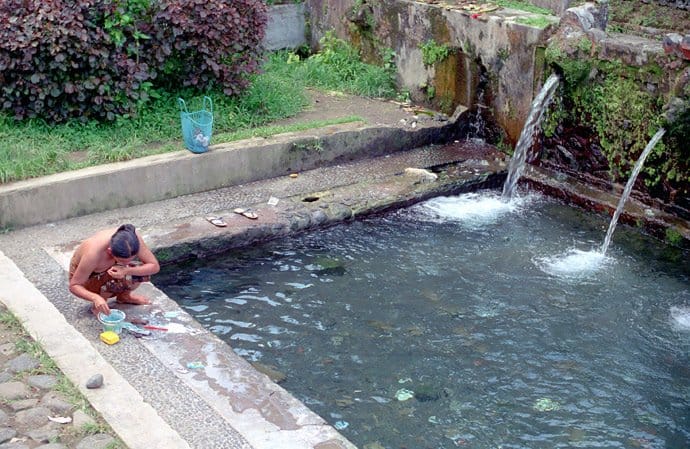
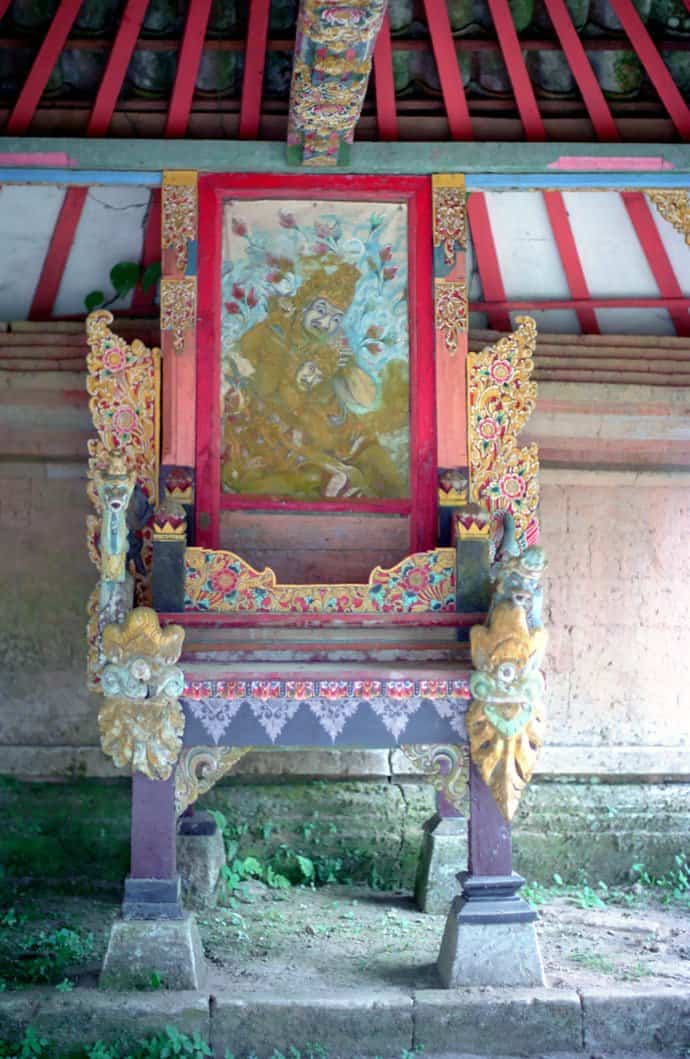
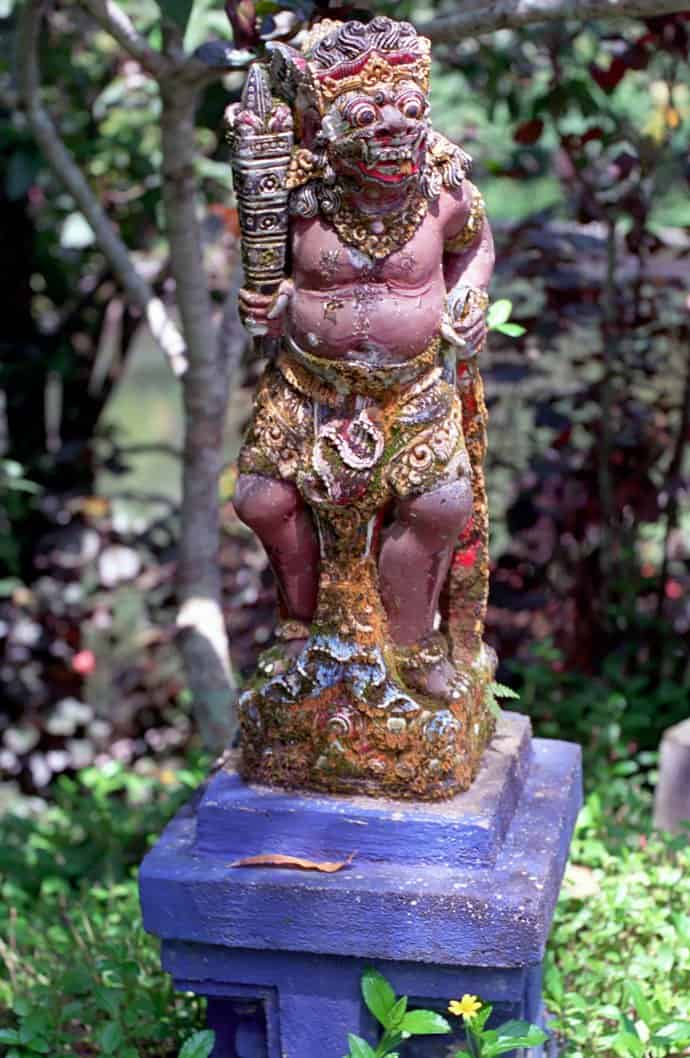
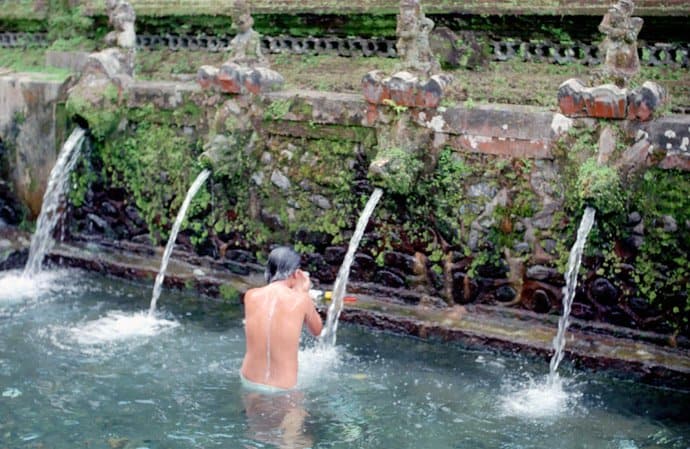
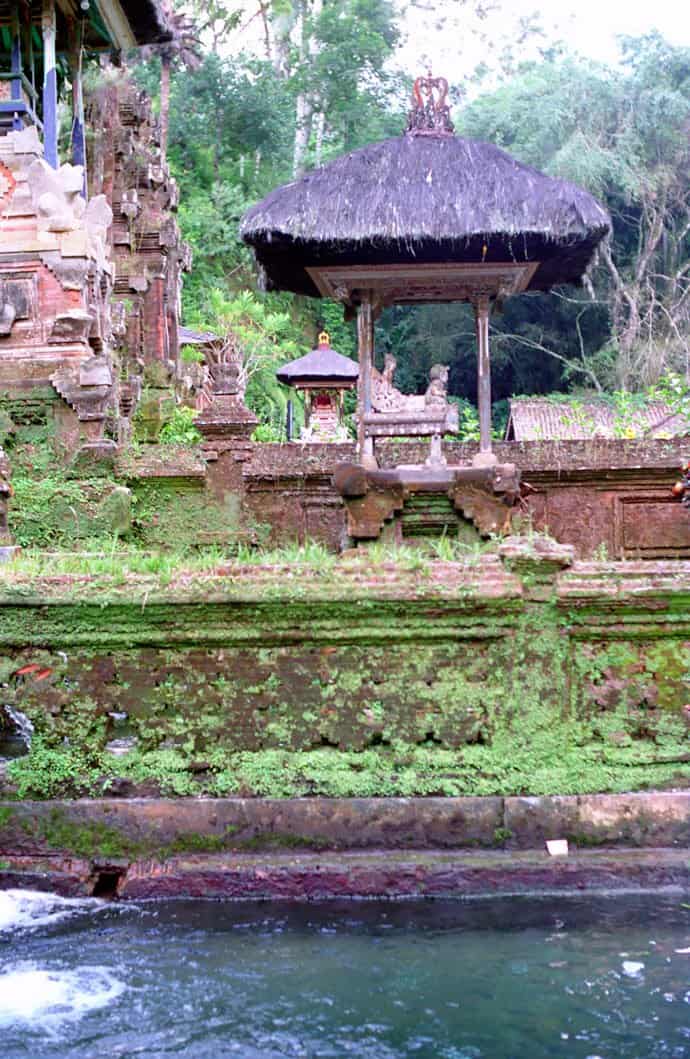
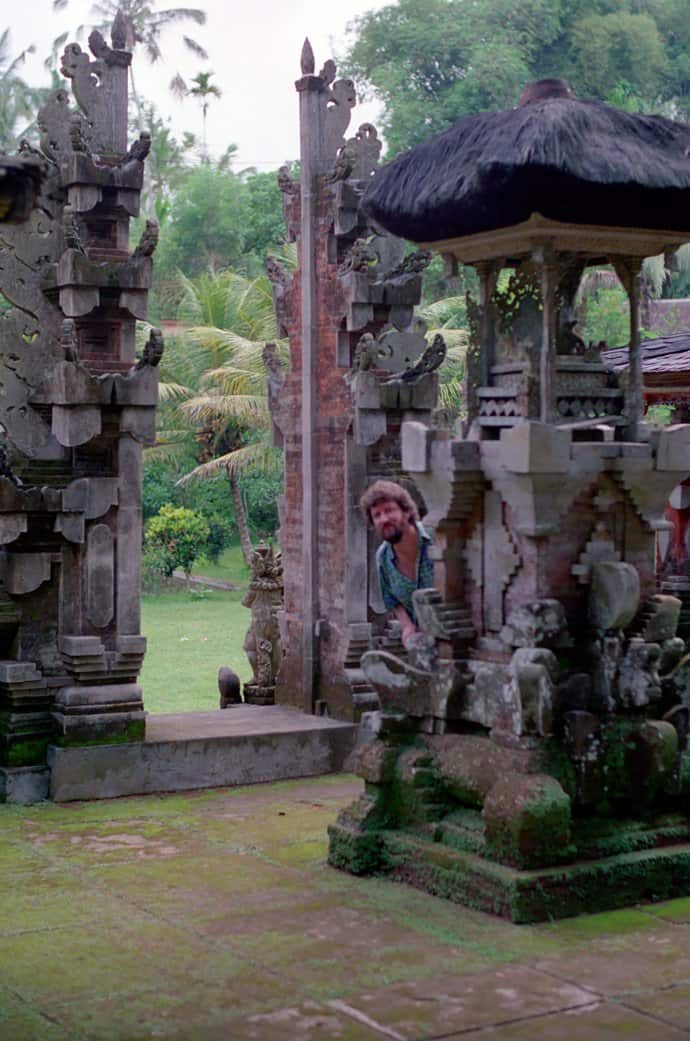
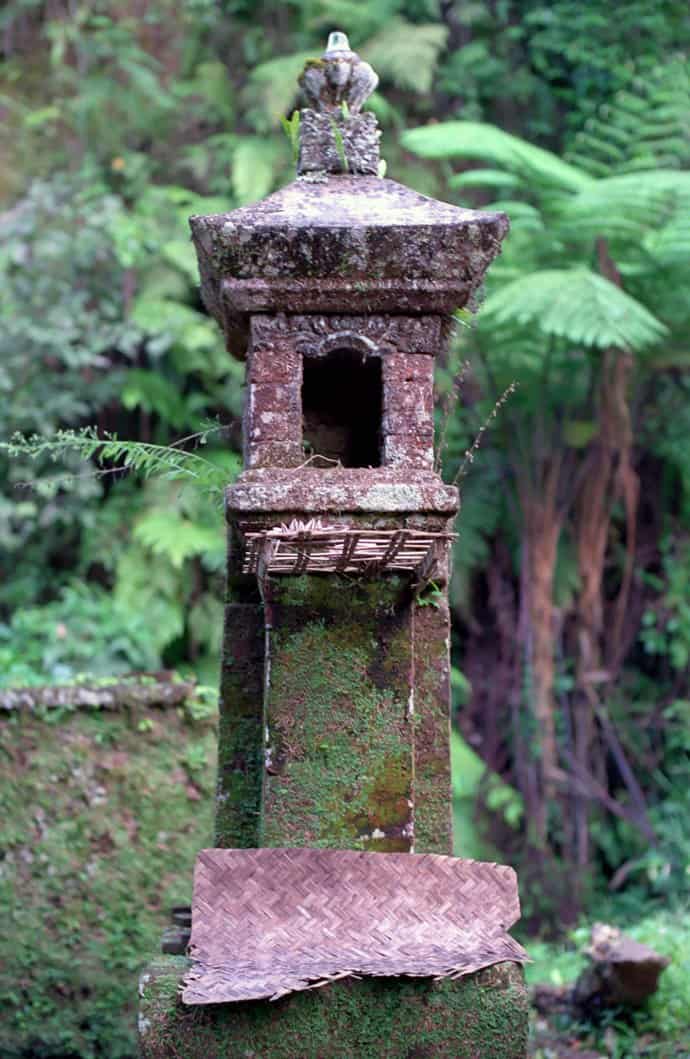
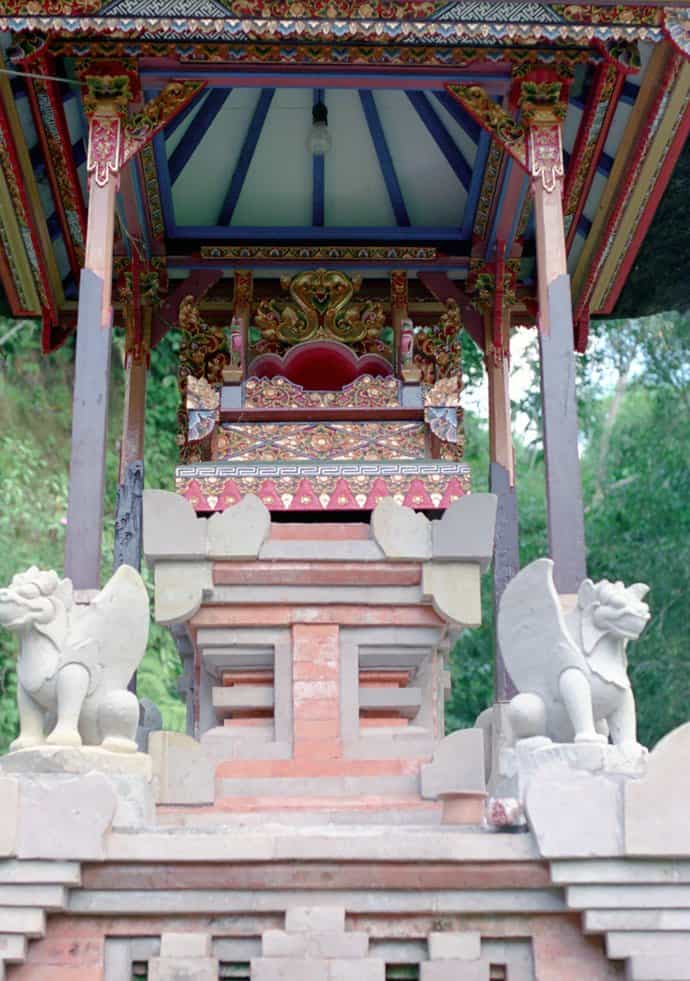
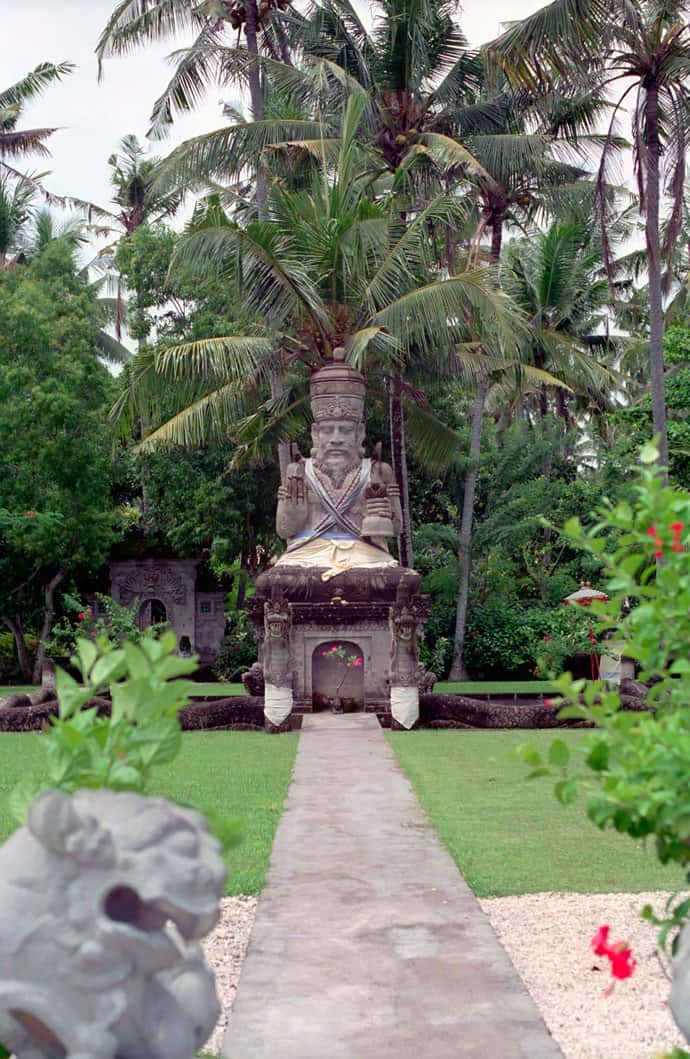
Some temple complexes are equipped with bathing pools where the believers can cleanse themselves. This is a religious ritual. Stone sculptures used to serve purely traditional purposes and were used as temple decorations. Today, every hotel is decorated with them.

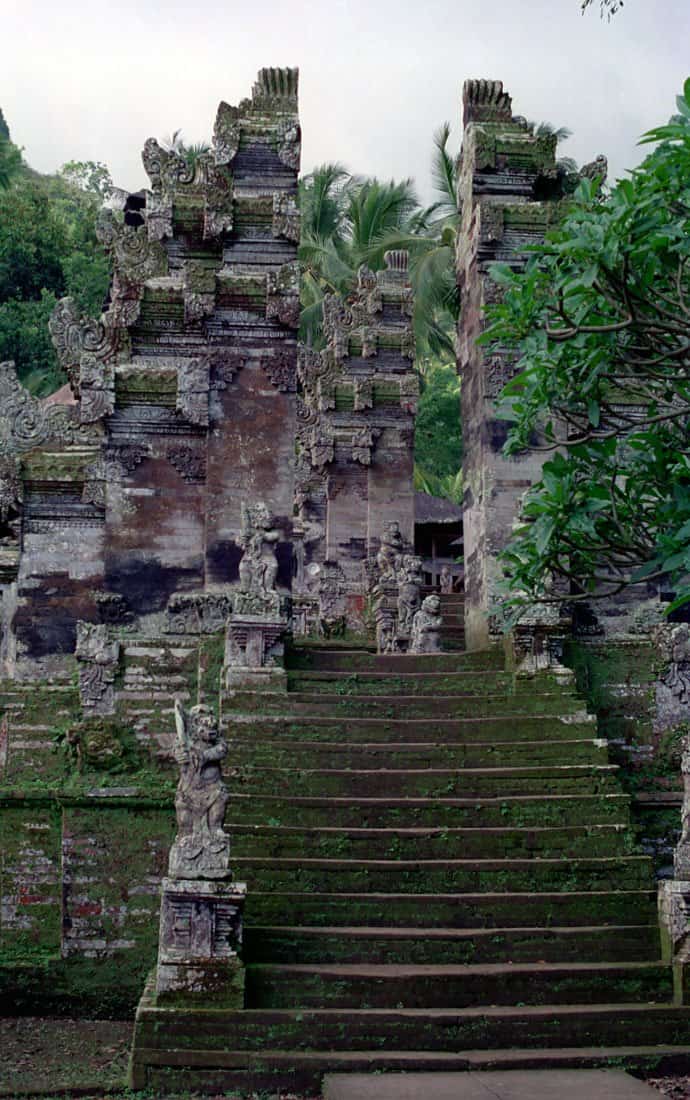
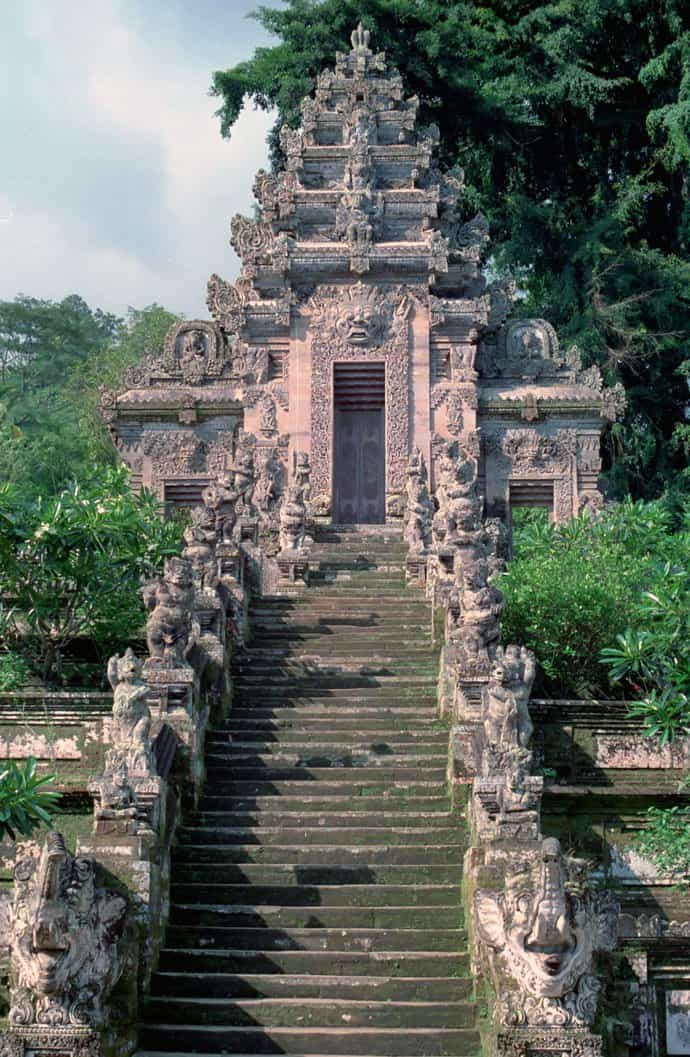
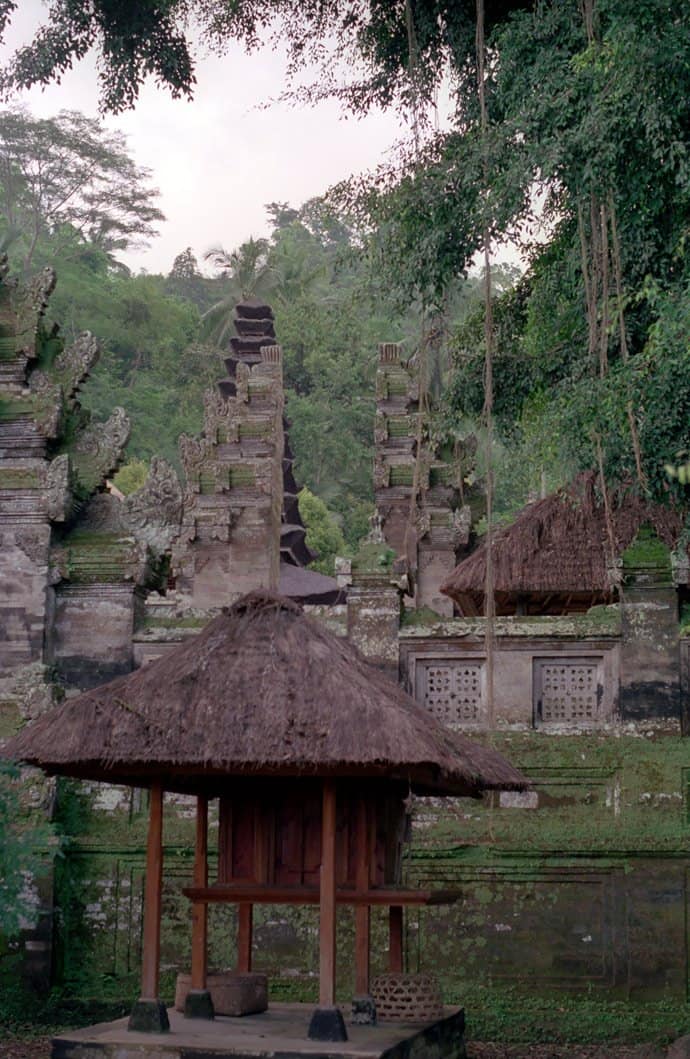
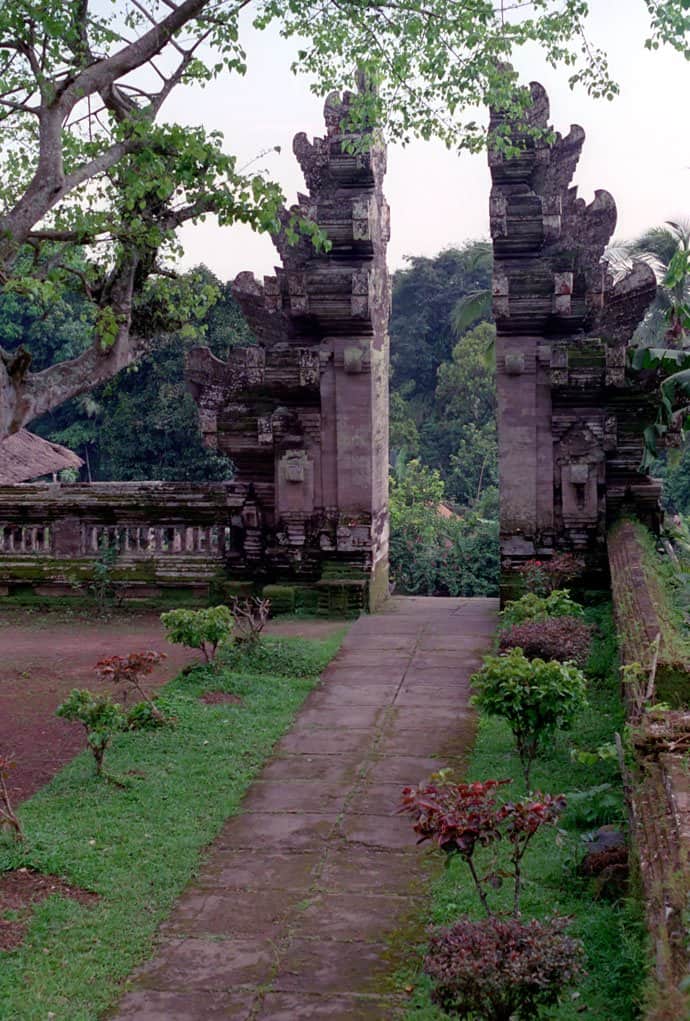
The sculptures of the richly decorated temples often seem to overflow in detail and complexity. The entrance gates of a temple, for example, are decorated centimetre by centimetre with decorations and have some demon faces to protect them from evil spirits.

However, the greatest architectural care is taken in the impressive temple complexes, even palaces seem modest compared to the most important Balinese temple complexes. Art in Bali, like almost everything else, was actually a sacred affair. The various gods were depicted, and these images were used as temple decorations.

Colors and proportions were fixed and did not follow the individual style of a single artist. The pictures were basically painted in the Wayang style. They were two-dimensional and flat. This traditional art can still be found today. In the 1930s, the painters Spies and Bonnet came to Ubud and taught the Balinese artists how to use new techniques.

The new content they taught fundamentally changed Balinese painting. Suddenly, the Balinese himself became the subject of the picture, e.g. the rice farmer, the landscape, the cockfight, etc. They also learned to deal with perspective and anatomy. The result was a new modern Balinese painting that combined traditional themes and modern techniques. What Spies and Bonnet taught, i.e. how to release the artistic creativity of a painter, is unfortunately being destroyed today by mass tourism.

With the Dutchman’s school, a new style has emerged that is colorful and naïve. It mainly shows pictures of Balinese landscapes, which are mainly bought by tourists. The quick and easy production of these pictures allows the artists to create these pictures en masse, which are then unfortunately often sold to tourists at the same price as a painting according to the old traditional painting method would achieve. Since the Balinese does not see himself as an artist – this word does not exist in the Balinese language – but as a craftsman, no great importance was attached to his own style.

Photos Bali

Bali
Bali
Bali - Temple
Bali - Temple
Bali - Temple
Bali
Bali - Temple
Bali - Temple
Bali - Temple
Bali - Temple
Bali - Temple
Bali - beaches
Bali - beaches
Bali - beaches
Bali - beaches

Questions about Bali

In the Asia forum you will get the answers !

27. August 2017 0 comments
0 FacebookTwitterPinterestEmail
Bali - Temple
Bali

Bali – Temple – 1

by Joe OnTour 27. August 2017
written by Joe OnTour

Bali – Temple – Travelogue 1

Bali is often called the island of 10,000 temples (or “island of the gods”). This is not an exaggeration. Every single village has at least 3 temples: the Pura Desa, where temple festivals are celebrated, the Pura Dalem for the goddess of death (this is also the place where the cremation ceremonies begin) and the Pura Puseh, which is dedicated to the gods of heaven. Temples can be found everywhere, on the mountains, in the valleys, in the rice fields and by the sea. Every temple is different. According to Balinese mythology, water was in the beginning. The gods created the turtle, which they released into the sea. On the back of the turtle, the island of Bali was created. The kingdom of heaven is the abode of the ancestors. The sea is the realm of demons. People live between these two extremes. But all this is ruled by the gods. The Balinese consider their homeland to be on loan from the gods.

The population consists of 95% Hindus. The so-called Agama Hindu Bali, Buddhism, Islam or Christianity are characterized by animism, the belief of animated nature, in demons and magical powers. And the saying – “Bali, island of gods and demons” – can be found confirmed everywhere. Each temple has a shrine to the ancestors (which is the most important shrine in any temple) and two shrines to Bali’s two holiest mountains, the volcanoes Gunung Agung and Gunung Batour. There is also always a throne for the sun god Surya and shrines for so-called auxiliary deities, who are supposed to make sure that everything is done properly during the worship ceremonies and who keep a record of the offerings for the gods.

The gods and demons are paid homage to by countless small wickerwork, in which flowers, food and incense sticks are placed. You can find these baskets on the side of the road, in front of the shop entrance, at the entrance to the house, at temples, at crossroads, in cars, on the beach… ….in short, everywhere. The Balinese religion is still very much alive. Every morning somewhere in Bali you can see small or large groups of girls and women walking to a temple with elaborately decorated offerings. The most important temple festivals are celebrated with long processions in which everyone participates and which are also accompanied by gamelan musicians.

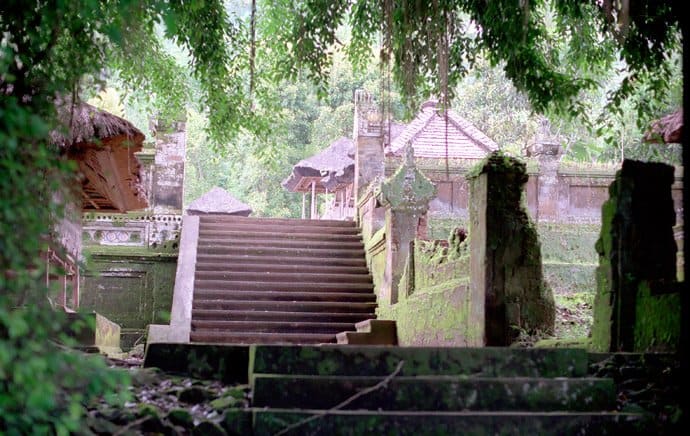
Although each temple is unique, they have certain elements in common. Each temple has two courtyards, an outer one that can be entered through the split gate Candi Bentar, which symbolizes the two halves of a stupa that are set apart, and a courtyard that can be accessed through a covered gate (Padu Raksa). In the outer courtyard, preparations for temple festivals or religious rites take place. The inner courtyard surrounds the actual sanctuary with the shrines and thrones of the gods. When entering the temple complexes, a selendang (temple scarf) must always be worn.

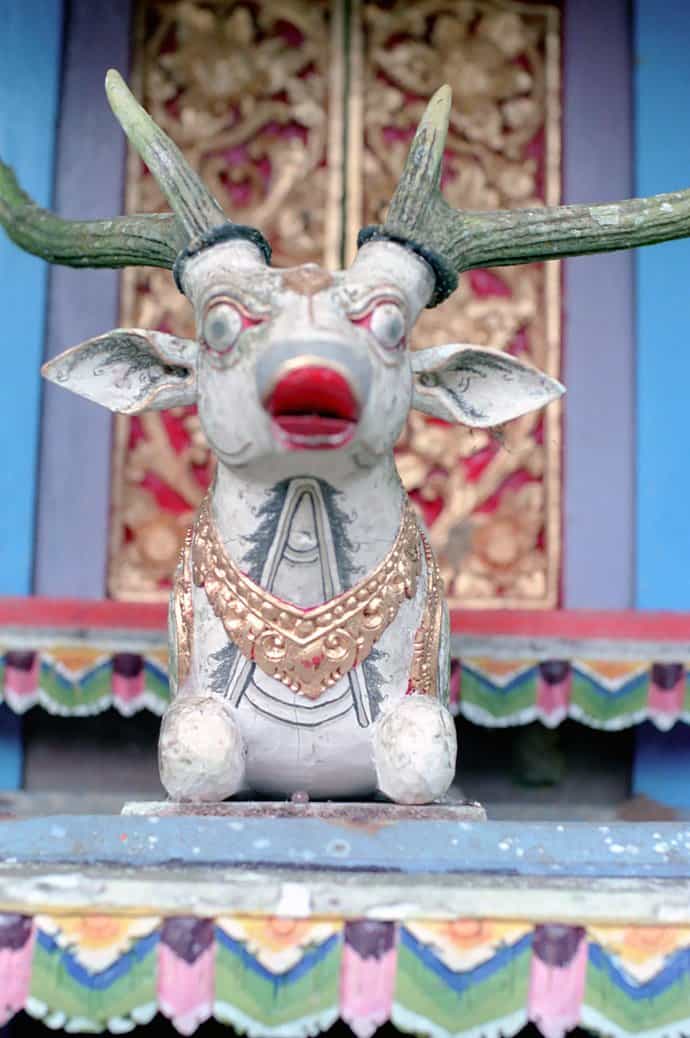
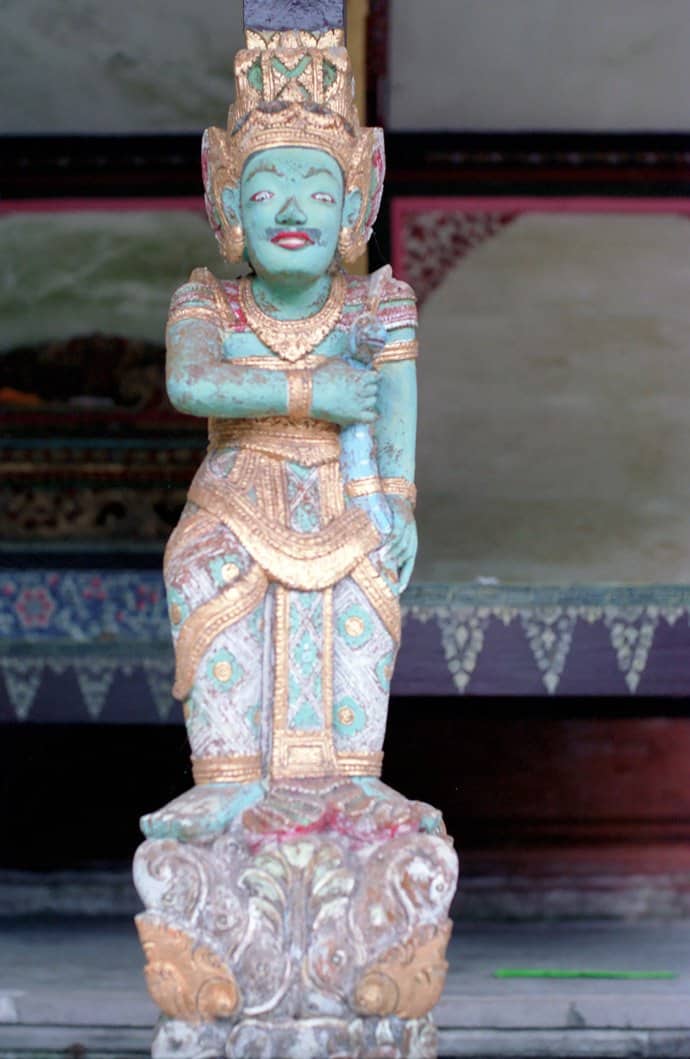
Balinese are united in a long chain of ancestors, connected to those who came before them and those who will come after. Death is the transition to another form of being. Life on earth therefore commands us to do everything that pleases the gods. Nature, the land and the sea are only a loan from the gods. Almost every temple is decorated with the imaginative figures. These, mostly wooden figures, are elaborately painted and embody the various demons and gods as well as guardians who are supposed to prevent the evil spirits from penetrating the sanctuary of the temple.

Photos Bali

Bali - Temple
Bali - Temple
Bali - Temple
Bali - Temple
Bali - Temple
Bali - Temple
Bali - Temple
Bali - Temple
Bali - Temple
Bali Temple - Travel Report

Questions about Bali

In the Asia forum you will get the answers !

27. August 2017 0 comments
0 FacebookTwitterPinterestEmail
Bali Temple - Travel Report
Bali

Bali – Temples – 2

by Joe OnTour 27. August 2017
written by Joe OnTour

Bali – Temple – Travelogue 2

There are about 20,000 temples in Bali! But every house also has a small sacrificial altar or temple. Brahman is the supreme of the gods. Vishnu is the god of good, the sun. Shiwa is the god of evil, of night. There are also many other gods, e.g. Dewi Sri, the goddess of fertility and Dewi Lakshmi, the goddess of luck.

Since the gods move from temple to temple, according to the Hindu calendar, a large temple festival takes place in each temple every 210 days. According to Hindu belief, life takes place between two poles (good – evil or day – night) and in three worlds (upper world = gods = head, middle world = people = body, underworld = demons = feet).

We drive via Butabulan to Klungkung, the former princely capital of Bali. The richly decorated open court hall Kerta Gosa is worth seeing. The religious court in Bali punishes the perpetrators of serious crimes with the death penalty by stoning. On the slope of the 3,100 m high volcano Gunung Agun lies the Pura Besaki temple, the main temple of Bali. It is a huge temple complex consisting of about 200 buildings arranged in five courtyards on top of each other on the mountainside.

Here you can also see the ritual of fights. Cockfighting is originally a religious ritual and the rooster killed in battle is sacrificed to the god Shiwa. This custom dates back to pre-Hindu times. The blood that flows into the earth during cockfighting is said to appease all demons. In any case, when visiting Bali, you should see the dances, which go back to old mythical traditions of the Balinese from the time of the Hindu kingdoms. The most famous is certainly the Kecak dance.

The dancing and singing of about 100 men dressed in sarongs around the story of Rama and Sita is absolutely worth seeing. Rama, the incarnation of Vishnu, defies evil in the form of Ravana, who has kidnapped his wife Sita. An army of monkeys helps him.
Temple complex on the island of Bali
Also worth seeing is the monkey temple of Alas Kedaton, where you are constantly chased by pushy, thieving and playful monkeys. The monkey plays an important role in Hindu mythology (Monkey King Hanuman). The so-called “monkey path” is intended to lead people to knowledge.

A tourist must-see is the Tanah Lot Sea Temple. The temple is located on a rocky outcrop in the surf. There are snakes in the rock caves. The serpent is a sacred animal. Shiwa is often depicted with a snake. The serpent spirits (nagas) dwell in the underworld of demons.

During our journey we also see a cremation of the dead again and again according to a traditional ritual. Usually, the entire village takes part in the ritual. If you join the celebration (possible without any problems) you will feel a little of the culture and faith in Bali. Before the actual funeral ceremony, the streets are decorated with flowers and garlands.

Then a big feast takes place in the family home. In the middle of the assembly lies the corpse wrapped in white cloths. The dead person is then placed on an altar and led in a procession of relatives and villagers to the place where the dead are burned. The family receives an urn from some of the ashes of the deceased. The remaining ash is poured into the sea. According to the Hindu belief in rebirth or ascent to nirvana, death is nothing sad for the Balinese. The cremation of the dead is therefore more of a celebration.

Photos Bali

Bali - Temple
Bali - Temple
Bali
Bali - Temple
Bali - Temple
Bali - Temple
Bali - Temple
Bali - Temple
Bali - Temple
Bali - Temple
Bali Temple - Travel Report
Bali - Temple
Bali Temple - Travel Report

Questions about Bali

In the Asia forum you will get the answers !

27. August 2017 0 comments
0 FacebookTwitterPinterestEmail
Bali

Bali – Cockfighting

by Joe OnTour 27. August 2017
written by Joe OnTour

Bali – Cockfight

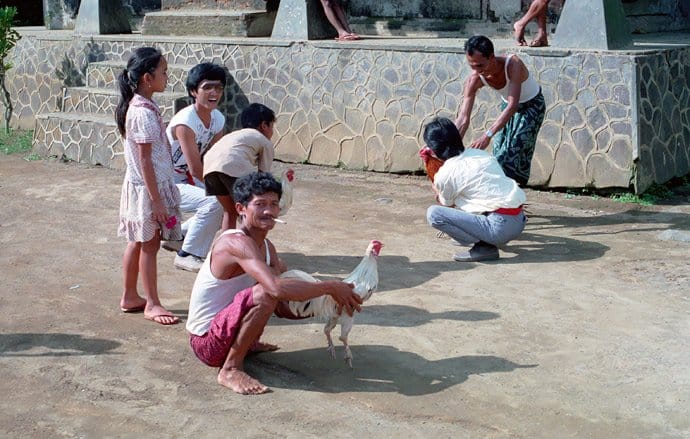
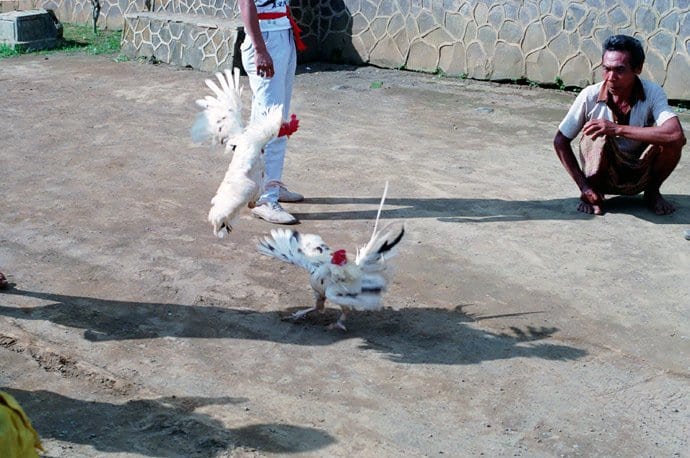
Cockfighting is originally a religious ritual and the rooster killed in battle is sacrificed to the god Shiwa. The custom dates back to pre-Hindu times. The blood that flows into the earth during cockfighting is said to appease the demons. In the meantime, however, cockfighting has increasingly become an entertainment sport for men.

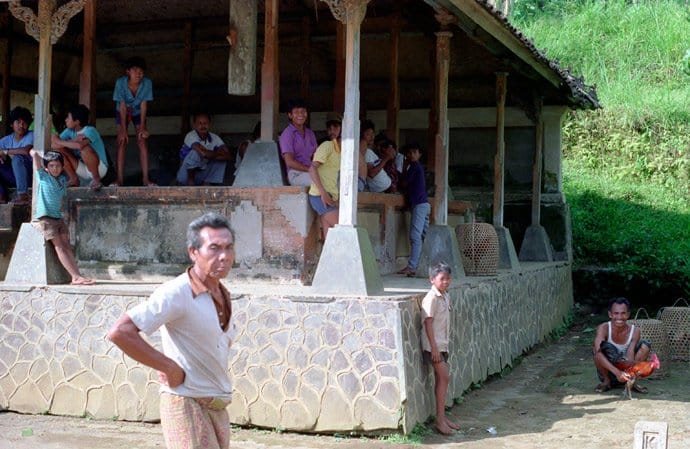
Cockfighting is the national sport of Bali’s men.On the streets you can see bell-shaped woven baskets everywhere, in which the roosters proudly walk up and down. They are vainly guarded, cared for and even massaged daily so that their muscles develop strongly.

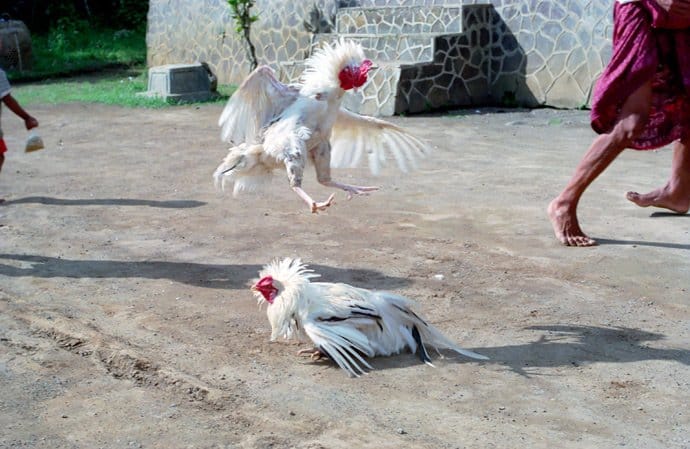
When the men sit together in the evening after work, they compare which is probably the best rooster and discuss past and future fights. Cockfighting dates back to pre-Hindu times, it was a rite to appease evil spirits through a blood sacrifice. Today, it is only used to satisfy the passion for betting. By tugging at the feathers, the animals are made angry. They attack each other with long, sharp knives attached to one of the feet.

After just a few seconds, the fight is usually decided. One of the two roosters collapses bleeding. Actually, cockfights, which are only held as part of a competition, have been banned since 1982.

Hanhnen fights are still allowed for ritual events (e.g. purification ceremonies, temple festivals). Despite the ban, however, many so-called “training events” continue to take place.

Photos Bali

bali hahnenkampf 043
bali hahnenkampf 042
bali hahnenkampf 041
bali hahnenkampf 040

Questions about Bali

In the Asia forum you will get the answers !

27. August 2017 0 comments
0 FacebookTwitterPinterestEmail
Bali - beaches
Bali

Bali – Beaches

by Joe OnTour 27. August 2017
written by Joe OnTour

Bali – Beaches

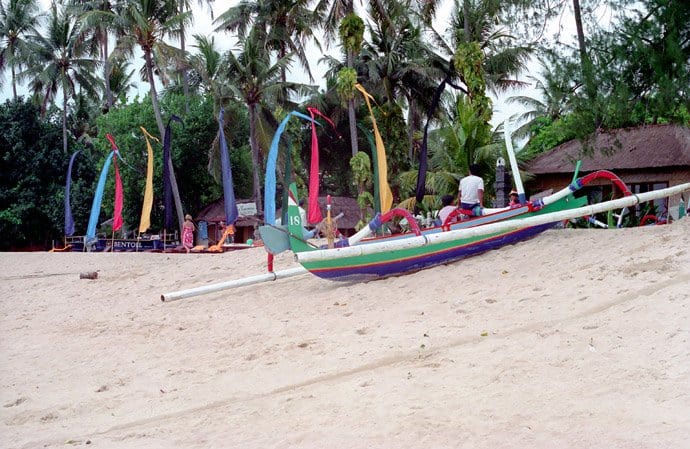
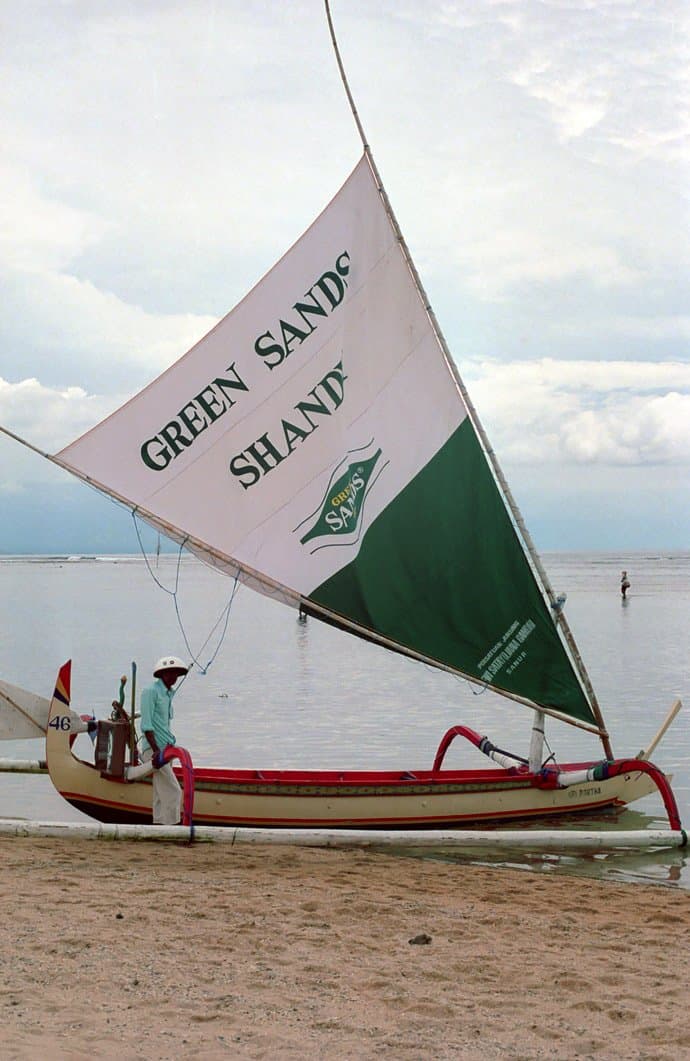
For many, Bali is considered the epitome of a dream vacation. Eternal sun, everlasting serenity, the island of the blissful. And with so much enthusiasm, there is some truth to it.

In addition to the fantastically beautiful landscape, it is above all the culture and the positive attitude to life of the Balinese that make this island so unforgettable for the traveler from Europe. The cheerful attitude and the willingness to embrace the new without giving up the old may be the reason why Bali has not lost its character and tradition despite the increasing influx of tourists from all over the world.

Even if it may seem as if the magnificent festivals and rites that are scattered across the island almost daily are merely a staging for tourists. But that’s not the whole truth. The numerous celebrations and festivals have been an integral part of Balinese life for centuries. Foreign visitors are included in this rhythm of life as a matter of course.

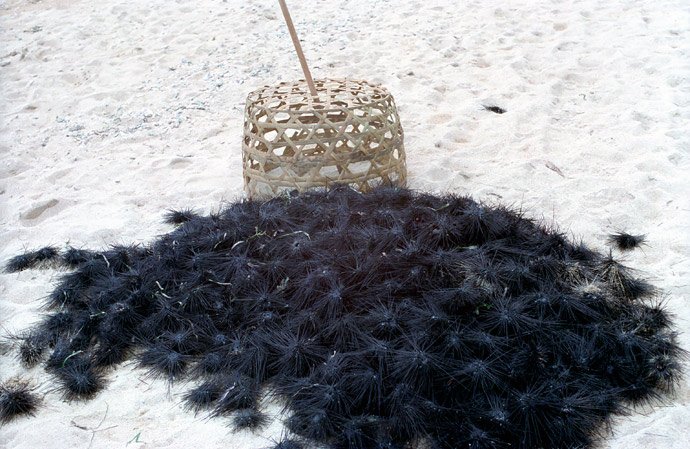
Most of the beaches are protected by an offshore reef. Unfortunately, snorkeling is not without danger. At low tide, the water retreats to a shallow pool and you can walk to the reef. This is a good opportunity to observe the small reef animals. There are a number of different types of starfish. As dangerous as they are when snorkeling, they are delicately prepared in the kitchen at home.

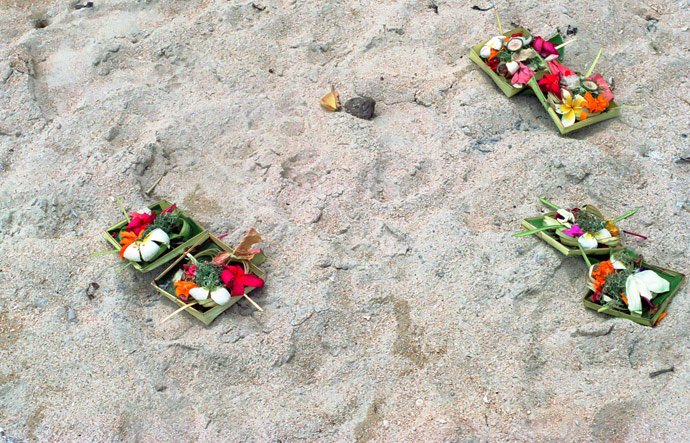
Small offerings on the beach are said to appease the gods and appease the demons from the sea. Animism, i.e. the belief in demons and spirits, is widespread in Bali. The Balinese have a strongly dualistic worldview in which heaven and earth, day and night, and gods and demons face each other as opposing but equally important elements.

Just like the gods, the demons also need offerings to make them mild and conciliatory. These offerings are often nothing more than a banana leaf with a handful of rice or a small flat basket of flowers, and you can find them everywhere, not only in the temples and shrines, but also on the pedestrian walkways in front of shops, on beaches, etc.

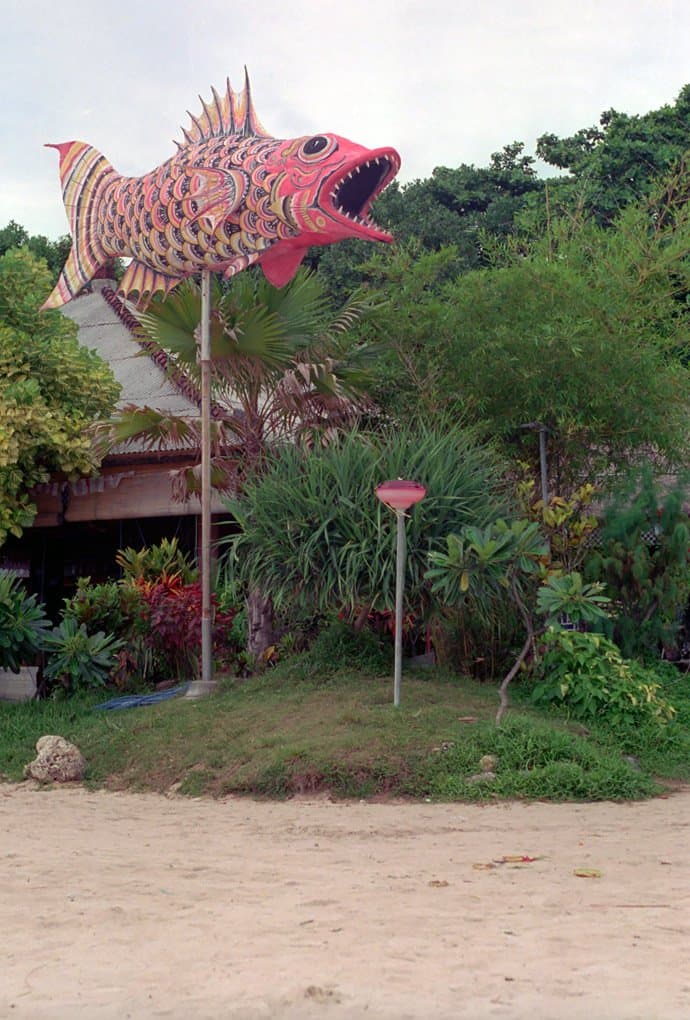
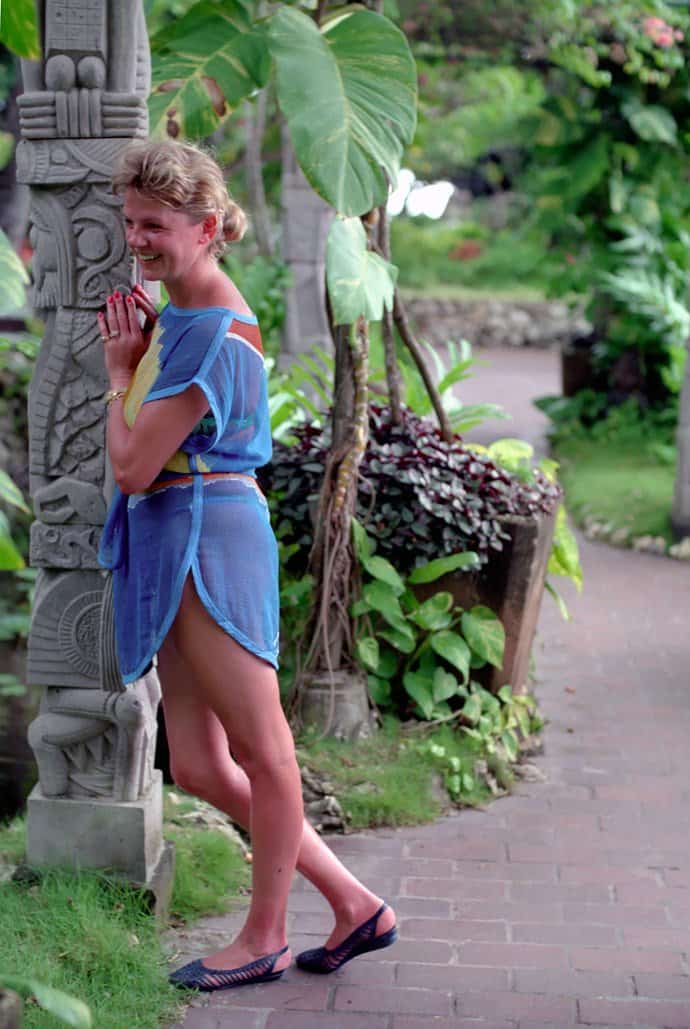
Most upscale beach hotels have their own small park with tropical vegetation.

Photos Bali

Bali - beaches
Bali - beaches
Bali - beaches
Bali - beaches
Bali - beaches
Bali - beaches
Bali - beaches

Questions about Bali

In the Asia forum you will get the answers !

27. August 2017 0 comments
0 FacebookTwitterPinterestEmail
Bali - People
Bali

Bali – Country and People

by Joe OnTour 27. August 2017
written by Joe OnTour

Bali – Country and People

Bali has a Hindu caste system that is very similar to the Indian one. The highest caste are the Bramahnen, the priests. Below that are the nobles. Today, these are the surviving members of Bali’s former royal families. Their names are Ksatriyas. The next most respected caste are the Vesiya, the warrior caste.

The lowest caste is the Sudra, to which about 95% of the Balinese population belongs. The members of the higher castes have special titles such as Gusti (descendant of the warrior caste), Ida Ayu or Ida Bagus (woman or man from a Bramahn family) or Anak Agung (member of a noble family), etc.

Balinese carving, like painting, was originally of a purely traditional character, and was used to decorate temples and palaces, instruments and doorways, as well as to make wonderful masks for dramatic performances.

Mass production has an inevitable impact on quality in some cases. However, the increasing demand has also led to the creation of a whole series of new objects invented by talented artists.

Photos Bali

Bali - Temple
Bali - Temple
bali hahnenkampf 042
bali hahnenkampf 040
Bali - beaches
Bali - People
Bali - People
Bali - People
Bali - People
Bali - People

Questions about Bali

In the Asia forum you will get the answers !

27. August 2017 0 comments
0 FacebookTwitterPinterestEmail
New York - City
General country informationNew York

New York – General info

by Joe OnTour 27. August 2017
written by Joe OnTour

New York – General Information

The state of New York has an area of 141,080 square kilometers and, with 18.98 million inhabitants, is the third most populous state in the USA after California and Texas.

The capital of the state of New York is Albany and the largest city in the state is New York City.

New York is located on the east coast of the United States and is located in New York Bay at the confluence of the Hudson River and East River. The city of New York rises only about six meters above sea level. Its coordinates are 40.46 degrees north latitude and 73.54 degrees west longitude.

New York’s city center is located on the island of Manhattan. The buildings of the city extend from the river banks with several suburbs far into the country. The suburban communities are Bronx, Brooklyn, Queens, Staten Island, and Manhattan. The city area has an area of 800 square kilometers.

New York’s coastal plain extends as far as Jacksonville as the foothills of the southern Appalachian Mountains.

The city is divided into five municipalities, the so-called boroughs. Each borough is subordinate to a borough president.

Manhattan (New York County) has a population of 1.6 million and a land area of 59 square kilometers. Manhattan consists mainly of Manhattan Island, which is surrounded by the Hudson River to the west, the East River to the east, and the Harlem River to the northeast. There are also other small islands such as Roosevelt Island, Belmont Island, Governors Island and a small piece of the mainland, Marble Hill.

Brooklyn (Kings County) has a population of 2.5 million and is the most populous community in New York. Brooklyn is located in the southeast of the city and at the western end of Long Island. The area is 183 square kilometers.

Queens (Queens County) has 2.3 million inhabitants and is the largest borough of New York with its area of 283 square kilometers. It is located in the west of Long Island. Queens was founded on November 1, 1683. It is also home to two of New York’s largest airports: John F. Kennedy International Airport and LaGuardia Airport.

The Bronx (Bronx County) has 1.4 million inhabitants and is 109 square kilometers in size. The Bronx used to be a city in its own right. Since January 1, 1874, it has been incorporated into New York. Bronx takes its name from an emigrant named Jonas Broncks, who came from Sweden.

Staten Island (Richmond County) has a population of 460,000 and a land area of 151 square kilometers. Staten Island is located southwest of Manhattan Island and west of Brooklyn, which is located on Long Island. The island is connected to Brooklyn via the Verrazano-Narrows toll bridge. New Jersey can be reached via the Goethals Bridge, the Bayonne Bridge and the Outerbridge Crossing. The highest point on the island is Todt Hill.

New York – Climate

The city of New York is located in the temperate climate zone.

The weather in New York is predominantly influenced by the continental landmasses in the west.

Summers are usually very hot and winters are very cold.

The temperature often rises above 30 degrees Celsius in July and August and can drop below -20 degrees Celsius in January.

Sometimes sea air from the northeast (the northeasters) brings moisture from the Atlantic Ocean combined with strong winds and heavy rainfall or snowfall.

The average annual average is 12.5 degrees Celsius and the average annual precipitation is 1,070 millimetres.

The warmest month is July with an average temperature of 24.7 degrees Celsius and the coldest is January with an average temperature of -0.4 degrees Celsius.

Most precipitation falls in the month of July with an average of 104 millimetres, the least in January with an average of 80 millimetres.

New York – History

As early as 1524, the first voyages of discovery to the area of present-day New York took place by Giovanni da Verrazano and in 1609 by Henry Hudson. Around 1610, merchants from the Netherlands began an extensive fur trade with the Indians living here.

The colonization of the area around New York began in 1624. The first settlers were 30 Dutch families who gained a foothold on the island of Manhattan and in the Delaware area.

In 1626, Peter Minuit bought the island from the natives, probably a branch of the Lenni-Lenape Indians, who called the island “Manna-hatta”, for 60 guilders. The settlement was given the name Nieuw Amsterdam and became the capital of the colony of Nieuw Nederland.

During the war between England and the Netherlands, Nieuw Nederland was plundered by the English, whereupon the governor Petrus Stuyvesant ceded the city on 24 September 1664. The colony was awarded to the Duke of York, later King James II. In his honor, the city was renamed New York. In 1667, the Dutch gave up all claims to the colony in the Treaty of Breda.

In the 18th century, New York actively participated in the independence movement. They did not leave the city until 1783, after American independence was also recognized by European states, including Great Britain. This year, a devastating fire destroyed large parts of New York. In 1785, another fire disaster devastated other areas of the city.

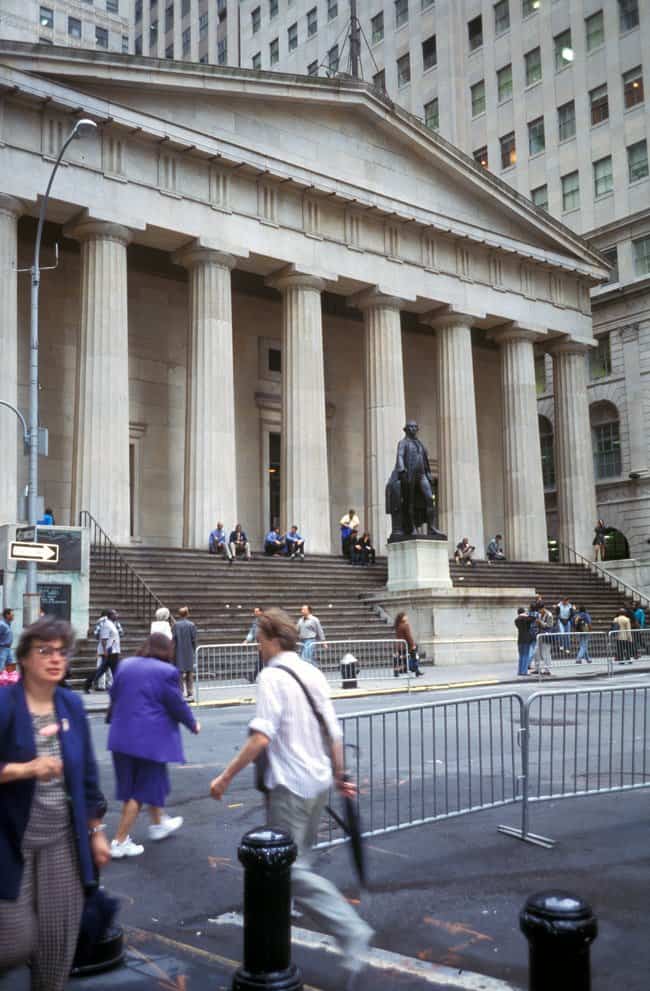
From 1788 to 1790, New York was the capital of the USA. George Washington was sworn in as the first president in New York in 1789. In the difficult economic times after the war, securities traders founded the New York Stock Exchange on May 17, 1792. In 1797, Albany was named the capital of the state of New York instead of New York. Albany is still the capital today.

At the beginning of the 19th century, the city grew faster than ever before in its history. In 1811, New York’s city planners decided to plan the entire island of Manhattan with a grid-shaped network of streets.

The completion of the Erie Canal in 1825 created a connection between New York, the Great Lakes, and thus the Midwest. Overnight, the city became the largest goods transshipment center on the American East Coast.

In the middle of the 19th century, a large city park, the so-called Central Park, was planned. Construction began in 1858 and was completed in 1866. In the second half of the 19th century, more and more immigrants came to New York. Irish, Italians and Germans came in the hope of a better life. However, many of them did not get out of the slums such as Five Points and the Bowery. Naturally, this led to strong conflicts that plunged the city into the greatest chaos in its history.

In 1898, the five boroughs of Manhattan, Brooklyn, Staten Island, Queens and the Bronx merged to form Greater New York.

In the first half of the 20th century, the city rose to become a center of industry and trade. In the Roaring Twenties, New York fell into a stock market frenzy, which came to an abrupt end on October 24, 1929. The economic crisis that followed hit New York hard.

The unemployment rate rose to over 25 percent. Many people lost their jobs and homes. The turning point came with the construction programs launched by Mayor Fiorello LaGuardia. This is how the first skyscrapers were built at the beginning of the 20th century, most notably the Woolworth Building and the Empire State Building as well as the Chrysler Building. All of them became landmarks of the city of Ney York.

After the end of the Second World War, the economy went downhill again. The middle class moved to the suburbs. Many industrial companies emigrated. In 1975, the city had to declare bankruptcy. Edward Koch redeveloped the city of New York during his term as mayor (1978-1989). In the economic boom that followed in the 1980s, Wall Street established itself in the financial world. In the 1990s, the popular New York mayor Rudolph Giuliani achieved resounding success in the fight against crime with the so-called zero tolerance strategy. This brought a new decisive influx of higher-earning citizens to New York.

In the late summer of 2001, the World Trade Center was completely destroyed in the terrorist attacks on September 11, 2001. This was the blackest day in New York’s history. It was not until May 2002 that the clean-up work on Ground Zero was completed. The city’s payment deficit is more than 7 billion dollars.

The decision for the Memorial at Ground Zero was made in 2004 – “Reflecting Absence” by Michael Arad and Peter Walkers.

Since January 1, 2002, Michael Bloomberg has been the 108th mayor of New York. In 2001, he won the mayoral election, succeeding Rudolph Giuliani, and was re-elected in 2005 with 59 percent of all votes cast.

Questions about the destination New York?

In the America Forum you will get the answers!

27. August 2017 0 comments
0 FacebookTwitterPinterestEmail
New York - Fifth Avenue
City tripsNew York

New York – City

by Joe OnTour 27. August 2017
written by Joe OnTour

New York – City

New York is a city in the U.S. state of New York. With around 8 million inhabitants on 800 square kilometers, it is the largest city in the country. 22 million people live in the region (as of 2005). To distinguish the city of New York from the state of New York, it is called New York City. As a nickname, the city of New Yok is also called “Big Apple”).

New York consists of the boroughs of Manhattan, Bronx, Brooklyn, Queens and Staten Island. The New York region is one of the most important economic areas in the world. The city of New York has many interesting architectural sights, 500 galleries as well as about 150 museums and more than 100 theaters. In the more than 17,000 restaurants, there is never a dull moment when it comes to the selection of dishes.

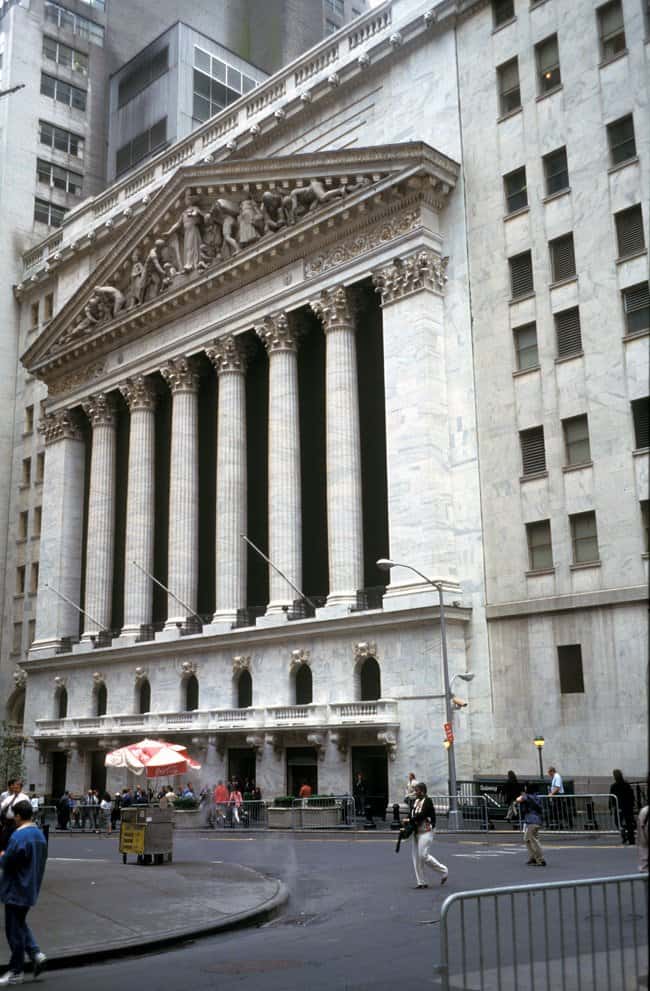
New York is one of the largest cities in the world with around 8 million people. The number of inhabitants has more than doubled since the beginning of the 20th century. Since 1825, the city has been the starting point for immigrants from all over the world due to its location on the Atlantic Ocean and the inland waterway of the Hudson River. Further development made New York the largest industrial city in America and the largest financial metropolis in the world. The most important institutions are the New York Stock Exchange. It is the largest stock exchange in the world.

The population of the city is divided into different classes. The upper class lives mainly just outside the city or in the expensive district of Manhattan. Socially disadvantaged people, on the other hand, live in decaying houses that are no longer renovated by the owners or in so-called projects.

General country informationNew York

New York – General info

by Joe OnTour 27. August 2017
City tripsNew York

New York – City

by Joe OnTour 27. August 2017
City tripsNew York

New York City – Helicopter Flight

by Joe OnTour 27. August 2017
City tripsNew York

New York – Buildings

by Joe OnTour 27. August 2017
City tripsNew York

New York – Broadway Theater

by Joe OnTour 27. August 2017
City tripsNew York

New York – Fifth Avenue

by Joe OnTour 27. August 2017

Pictures New York

New York - City
New York - City
New York - Fifth Avenue
New York - City
New York - City
New York - Buildings
New York City - Helikopterflug
New York - City
New York - City
New York - City
New York - City
New York - City
New York City - Helikopterflug
New York - Buildings
New York - Fifth Avenue

Questions about the destination New York?

In the America Forum you will get the answers!

27. August 2017 0 comments
0 FacebookTwitterPinterestEmail
New York City - Helikopterflug
City tripsNew York

New York City – Helicopter Flight

by Joe OnTour 27. August 2017
written by Joe OnTour

New York City – Helicopter Flight

We booked a helicopter tour over New York. The best way to organize it is through the respective hotel where you are staying in New York.

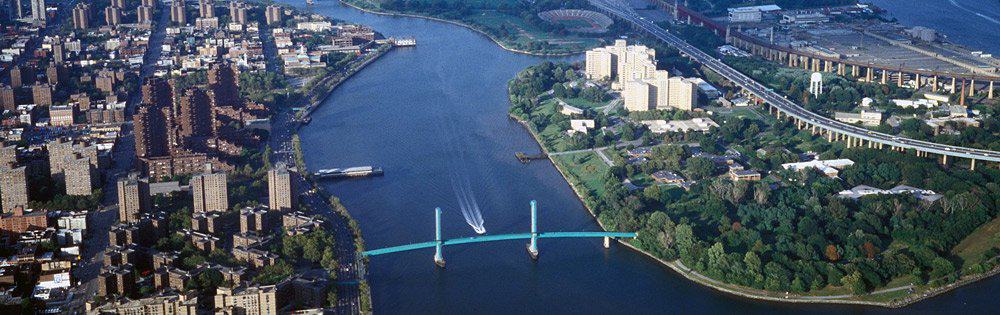
We are picked up from the hotel by a stretch limousine. The helicopter’s launch site is in Manhattan on the banks of the Hudson River. The flight is supposed to go around Manhattan, so to speak. We are not allowed to fly directly over the city.

In earlier years, this was still possible, when the helicopters could also land on the roofs of skyscrapers. After an accident in which a helicopter fell from the roof of a skyscraper, flights over the city were banned. The pilot always steers his aircraft past the edge of Manhattan and we fly over the Hudson River.

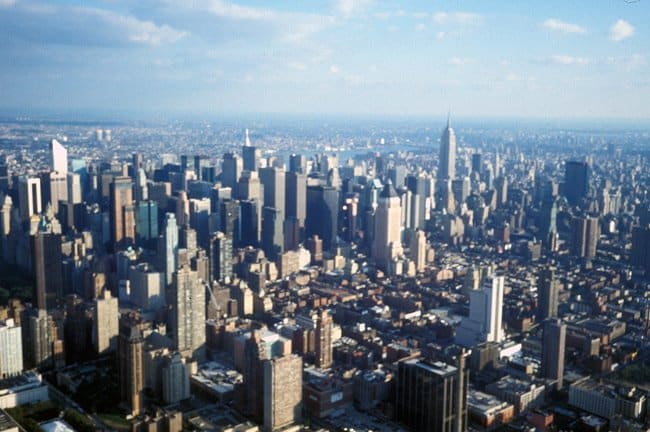
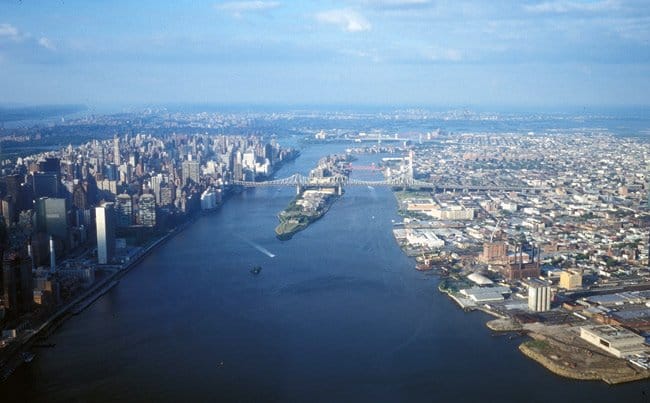
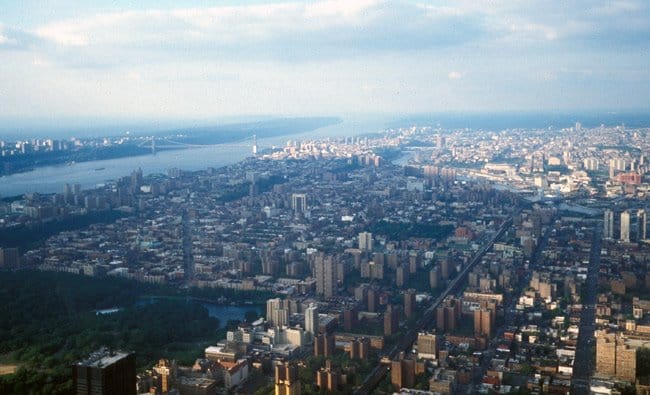
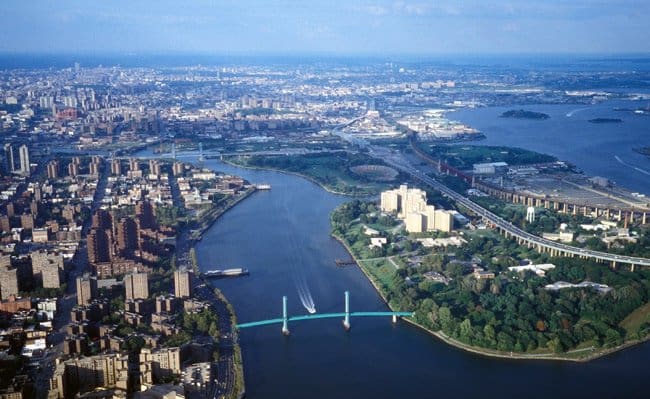
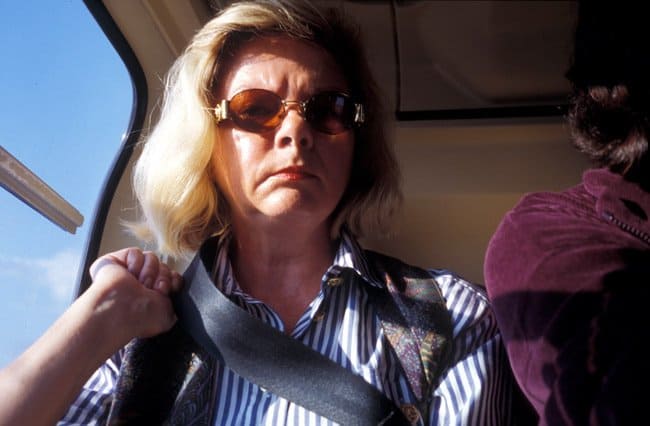
The view is fantastic and we can only really see the dimensions of the city of New York from this height. In the city of Manhattan, one skyscraper follows the other. From up here, you can see that New York rises only a few meters out of the sea. From the people’s perspective, you can also admire the grid-shaped network of streets that opens up Manhattan.

Pictures New York

New York City - Helikopterflug

Questions about the destination New York?

In the America Forum you will get the answers!

27. August 2017 0 comments
0 FacebookTwitterPinterestEmail
New York - Buildings
City tripsNew York

New York – Buildings

by Joe OnTour 27. August 2017
written by Joe OnTour

New York – Buildings

Skyscrapers dominate New York’s cityscape for the most part. Opened in 1902, the triangular Flatiron Building was one of the first skyscrapers in the city. Others include the Woolworth Building from 1915, the Chrysler Building from 1930 in the Art Deco style, and the Rockefeller Center complex with the NBC studio, completed in 1939. One of the most visited monuments in the world is the Empire State Building from 1931. About 3.5 million visitors look down on New York from the observation deck every year.

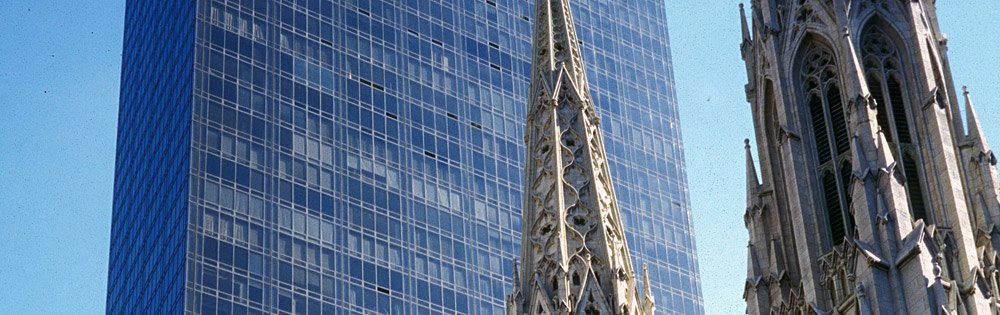
Among the well-known churches in the city are Saint Patrick’s Cathedral, completed in 1879, the Cathedral Church of Saint John the Divine, construction began in 1892, Trinity Church in the heart of Wall Street, St. John the Divine, the United Synagogue of Conservative Judaism, and the Armenian Apostolic Church of America Eastern Prelacy.

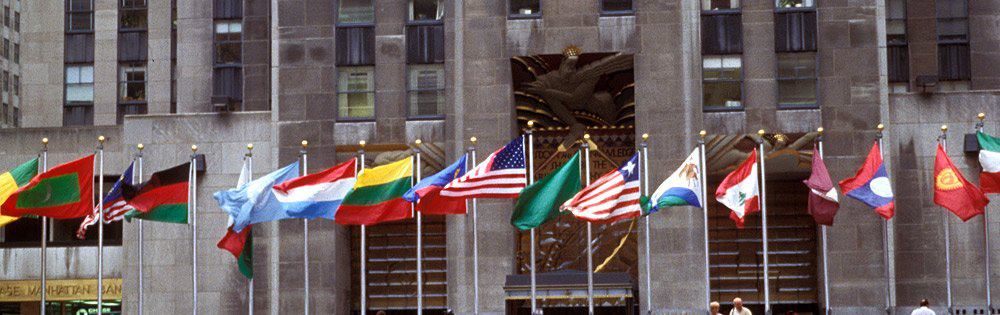
New York’s landmark is the Statue of Liberty from 1886 on Liberty Island, New Jersey, south of Manhattan. Other important buildings include New York’s main train station and Grand Central Terminal, which opened in 1913. Then the Brooklyn Bridge, which connects Manhattan and Brooklyn, as well as the world-famous arena Madison Square Garden and Carnegie Hall, are definitely worth seeing. The United Nations building complex is located on the East River in Manhattan. Brooklyn Heights, an old residential district, as well as Greenwich Village with its Arc de Triomphe and Jefferson Market Courthouse (now a library) should definitely be visited to understand the character of New York. Ellis Island has been the former arrival point for immigrants.

Well-known hotels include the Regent Wall Street on Wall Street (opened in 1842), the Peninsula on 5th Avenue & 55th Street (opened in 1900), The Plaza New York on 5th Avenue & Central Park (opened in 1907), the Walldorf-Astoria on Park Avenue (opened in 1930), the Carlyle on 76th Street (opened in 1931), and the Four Seasons on 57th Street (opened in 1993).

Pictures New York

New York - City
New York - Buildings
New York - City
New York - City
New York - City
New York - City
New York City - Helikopterflug
New York - Buildings
New York - Fifth Avenue

Questions about the destination New York?

In the America Forum you will get the answers!

27. August 2017 0 comments
0 FacebookTwitterPinterestEmail
New York - Broadway theater
City tripsNew York

New York – Broadway Theater

by Joe OnTour 27. August 2017
written by Joe OnTour

New York – Broadway Theater

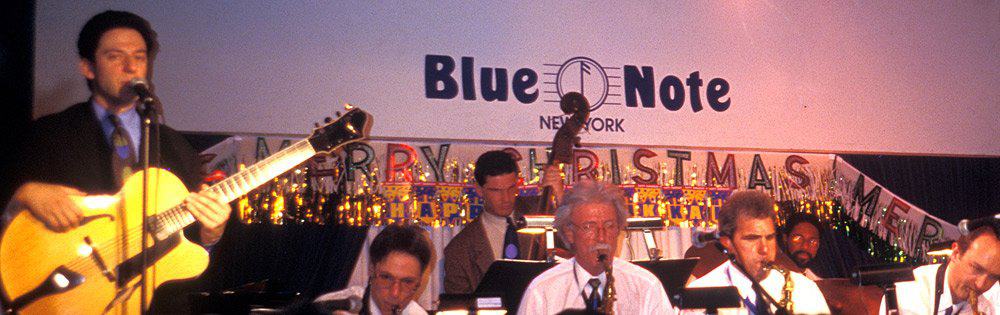
The center of theater life in New York is Broadway, with musical performances for all tastes. Broadway is the theater district in Times Square between 41st and 53rd Streets and between Sixth and Ninth Avenues. There are about 40 large theaters in this neighborhood and about 1500 off-Broadway and off-off-Broadway performances per year in smaller theaters.

The first theater to move from the previous theater district in Herald Square to Times Square was the Empire Theater. The building was built by Charles Frohman in 1893 with 1000 seats. It was located directly opposite the Metropolitan Opera House, at its old location between 39th and 40th Streets, at the corner of Broadway. Broadway experienced a large number of new theatres in the period from 1910 to 1930. The oldest theatre from this period is the Lyceum, which opened in 1903. It was the first theatre with electric light in the entire building. The lighting was installed by Thomas Alva Edison at the time.

In the 1980s, Broadway was overwhelmed by a veritable death of theatre. However, due to a complete restructuring of the theatre industry, this crisis is now a thing of the past. The biggest Broadway successes were Cats, 42nd Street, Les Misérables, Lion King and The Producers.

Not far from Central Park is the Metropolitan Opera House MET. The Metropolitan Opera Company is firmly established here. In addition to the large well-known theatres, there are a large number of small houses, the Off-Off Broadway houses, which enrich the scene.

Pictures New York

New York - Broadway theater

Questions about New York

In the America Forum you will get the answers!

27. August 2017 0 comments
0 FacebookTwitterPinterestEmail
New York - Fifth Avenue
City tripsNew York

New York – Fifth Avenue

by Joe OnTour 27. August 2017
written by Joe OnTour

New York – Fifth Avenue

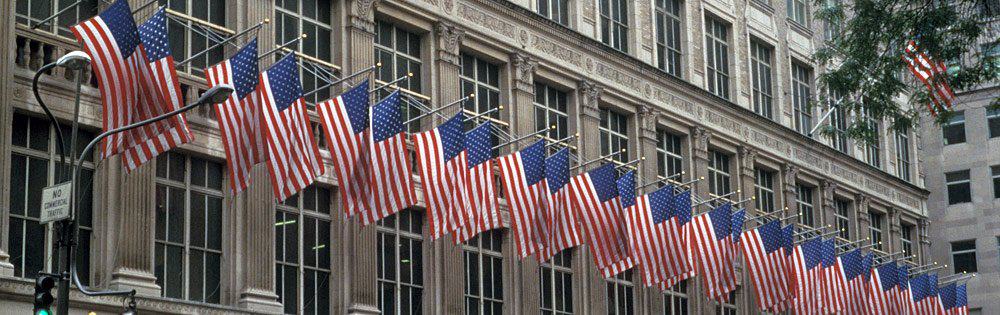
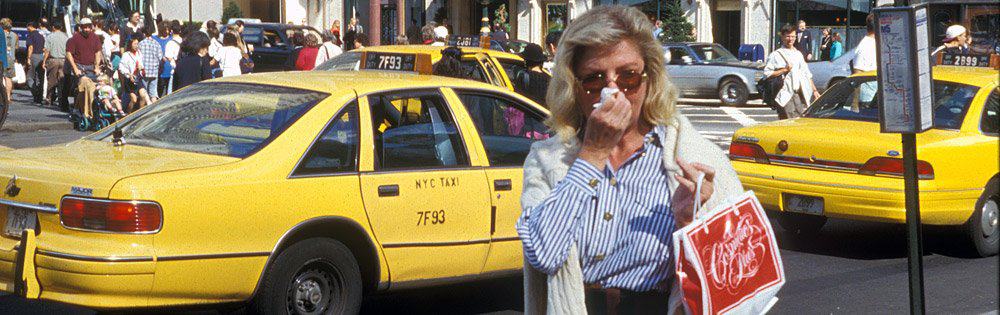
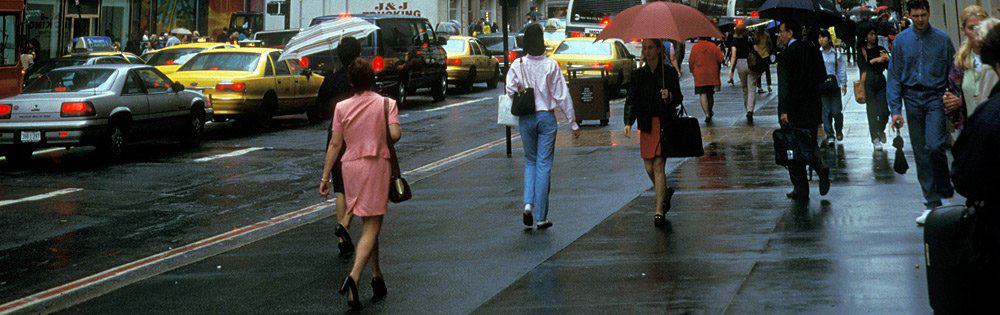
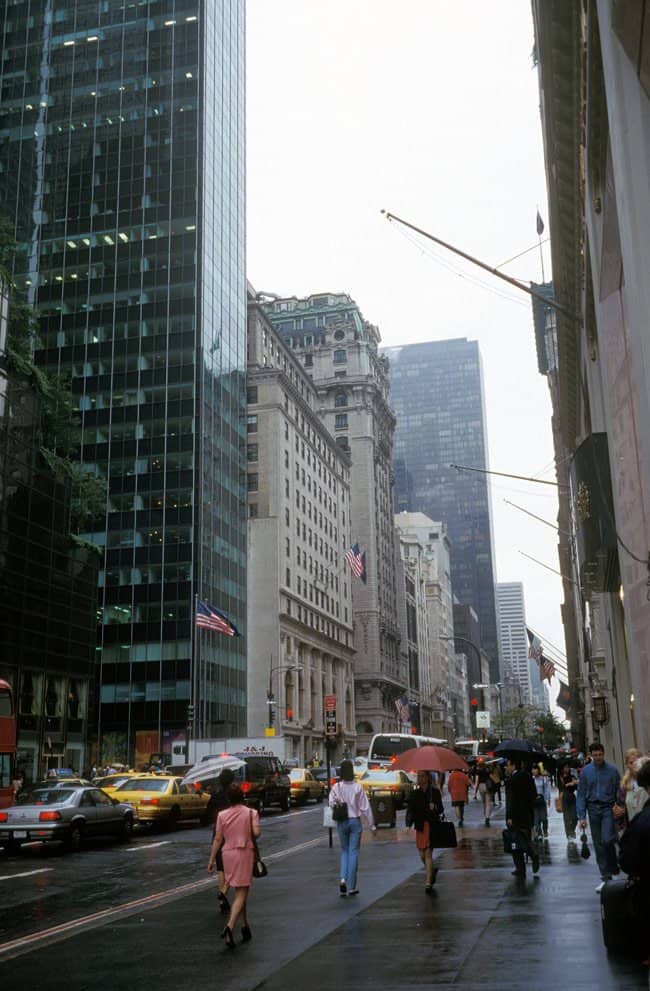
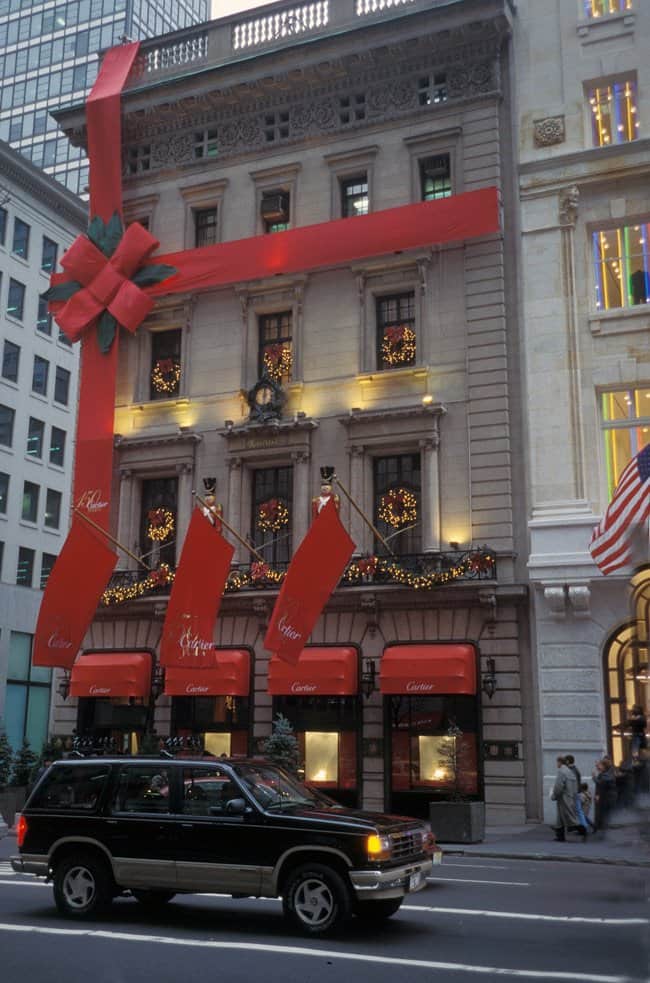
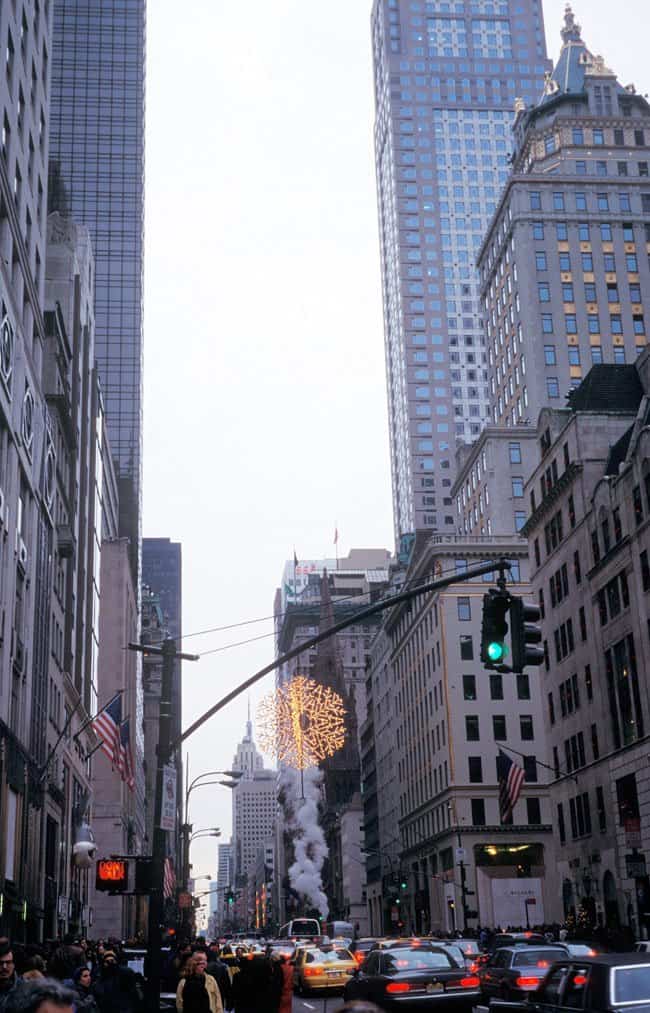
A special experience and a must for every traveler in New York is a visit to Fifth Avenue. It runs lengthwise through Manhattan, so to speak. Almost all of the city’s famous buildings are located here.

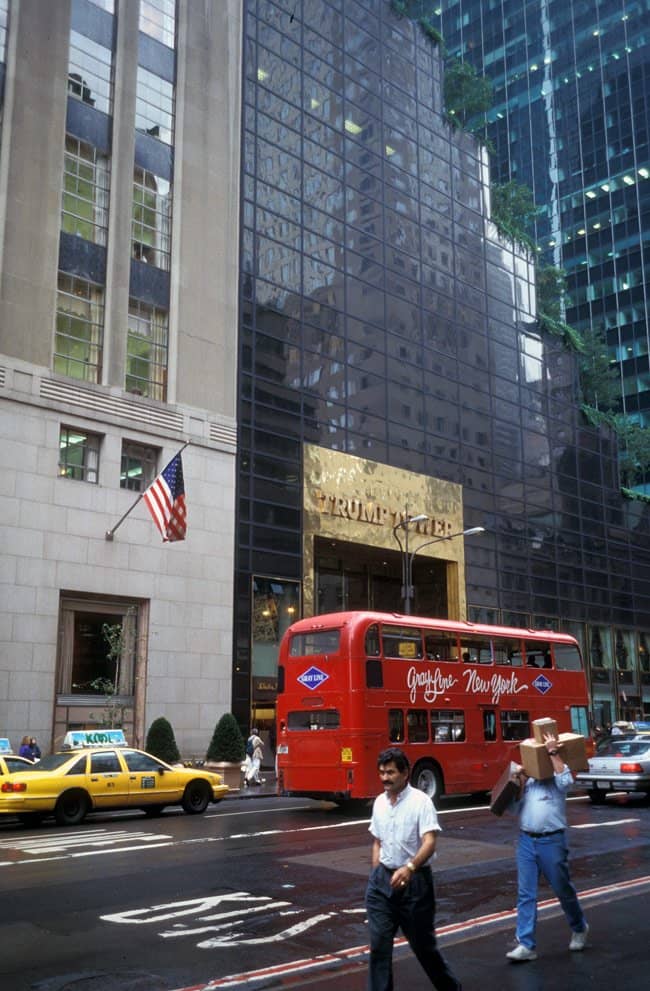
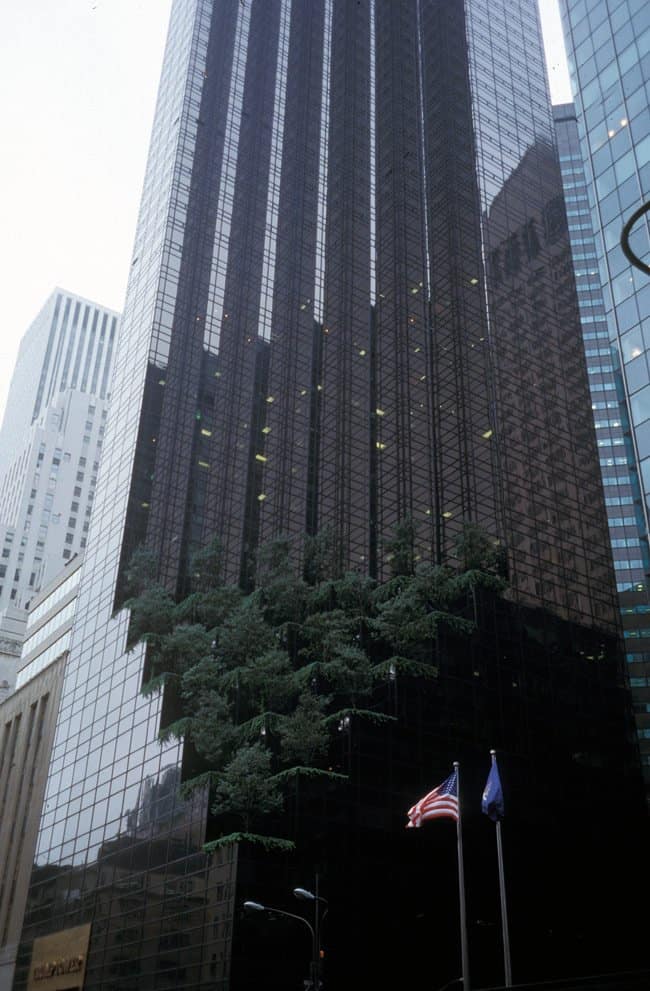
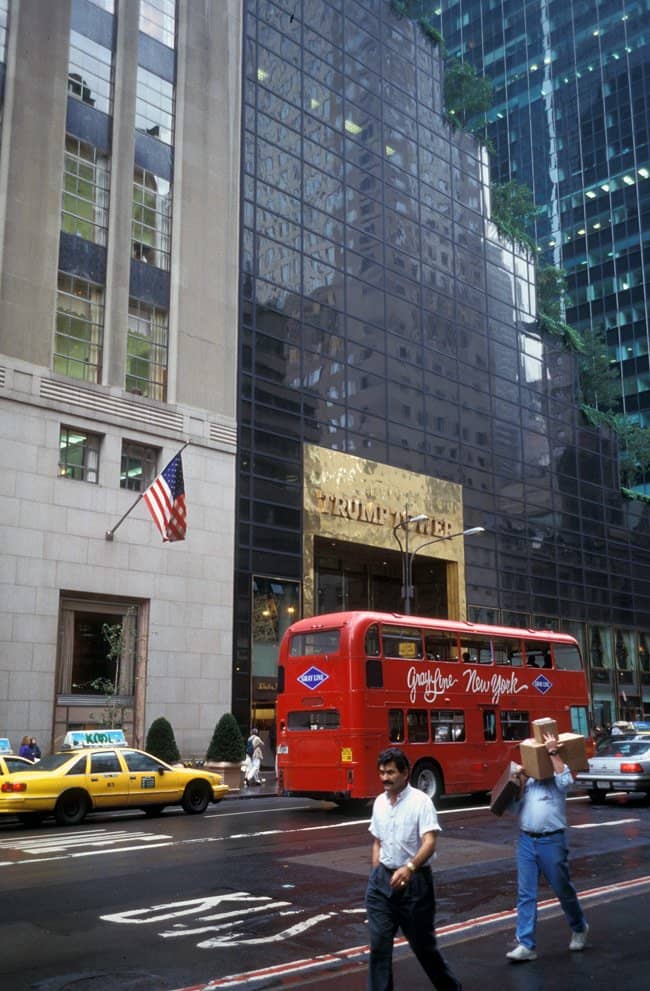
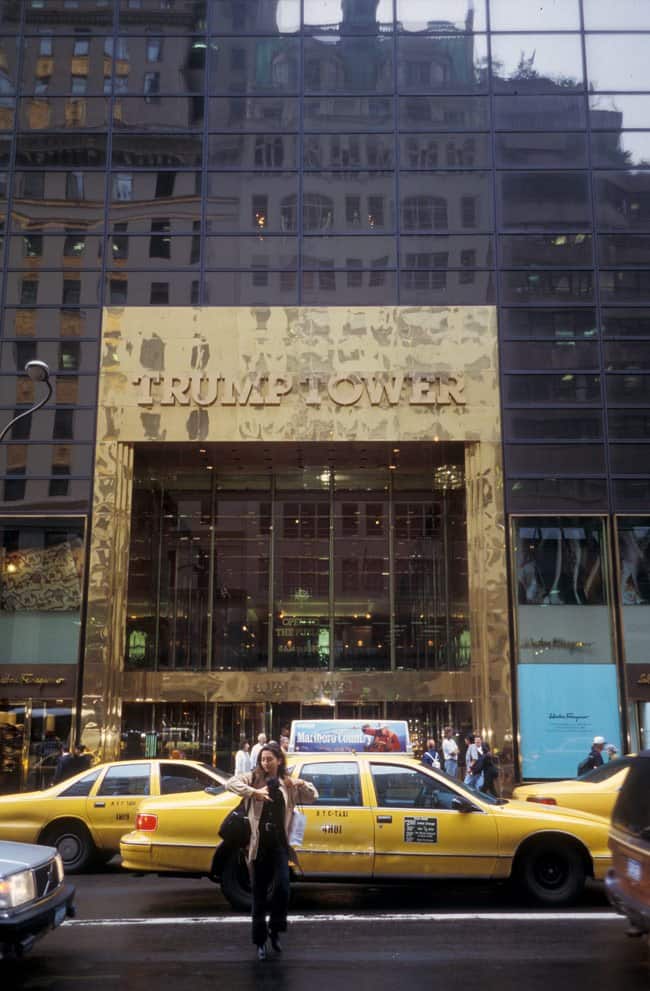
Countless skyscrapers line 5th Ave. One of the newer skyscrapers is the Trump Tower, which is not far from Central Park. It was built by the construction tycoon and casino owner Donald Trump.

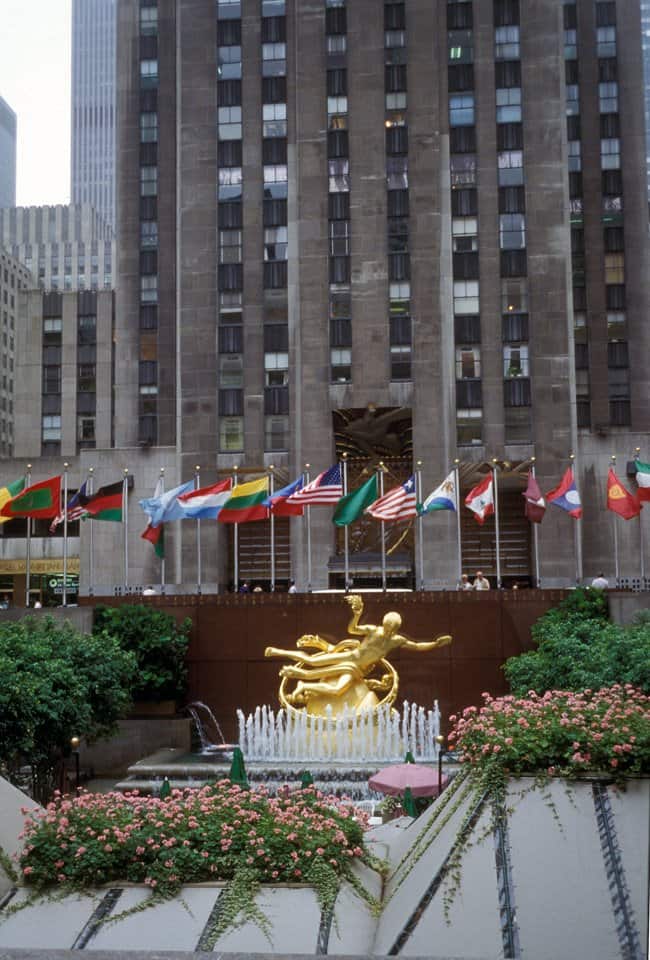
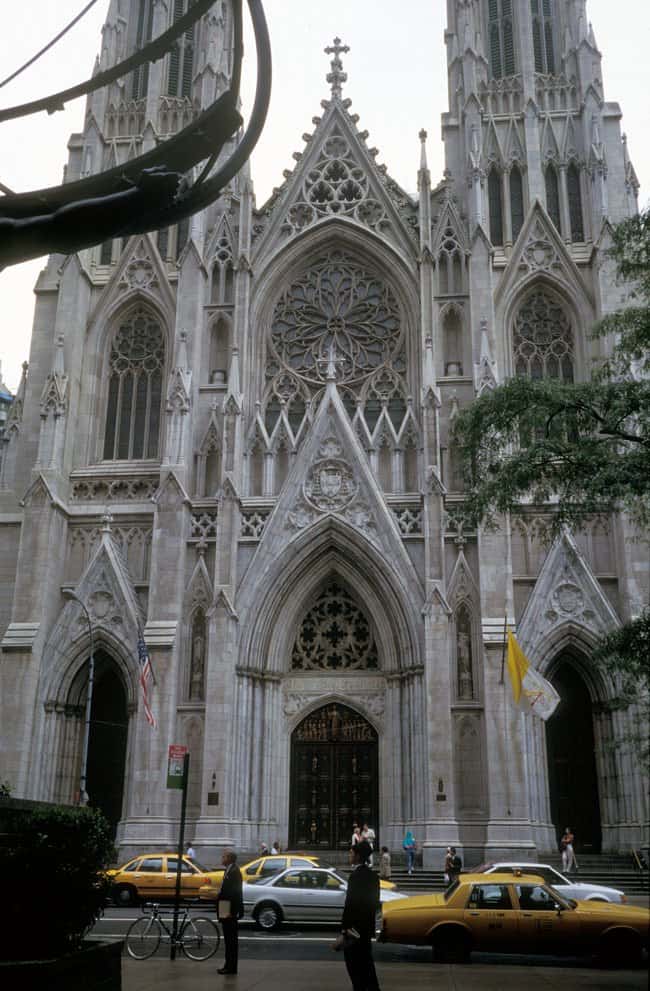
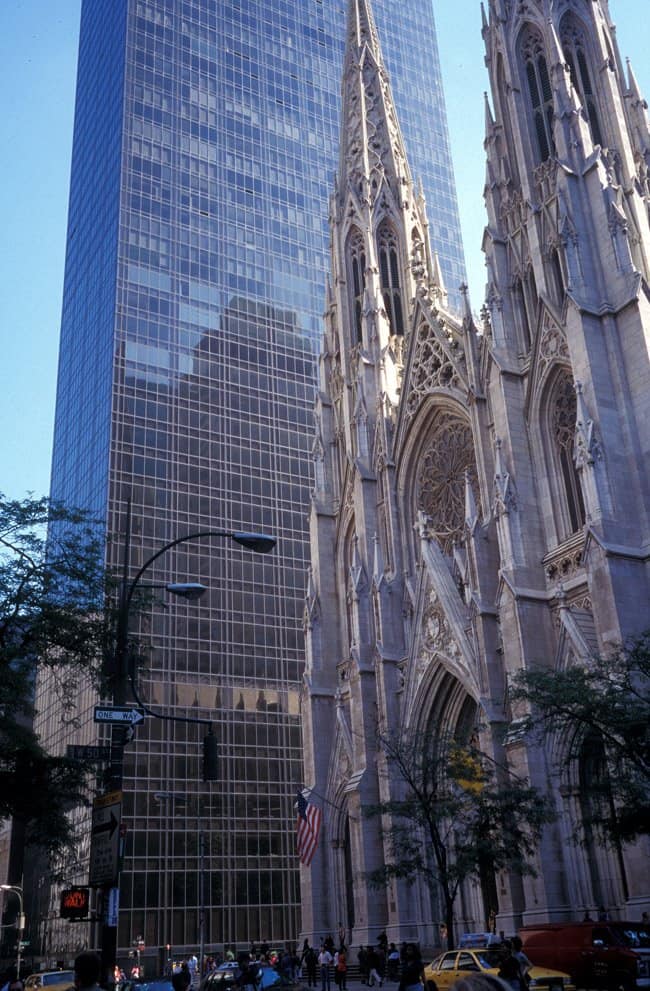
You can easily walk along 5th Ave and visit the most important sights in Manhattan almost in passing. Almost in the middle is Saint Patrick’s Cathedral and in a side street the Rockefeller Center. In the meantime, the Sacks department store has also become an institution.

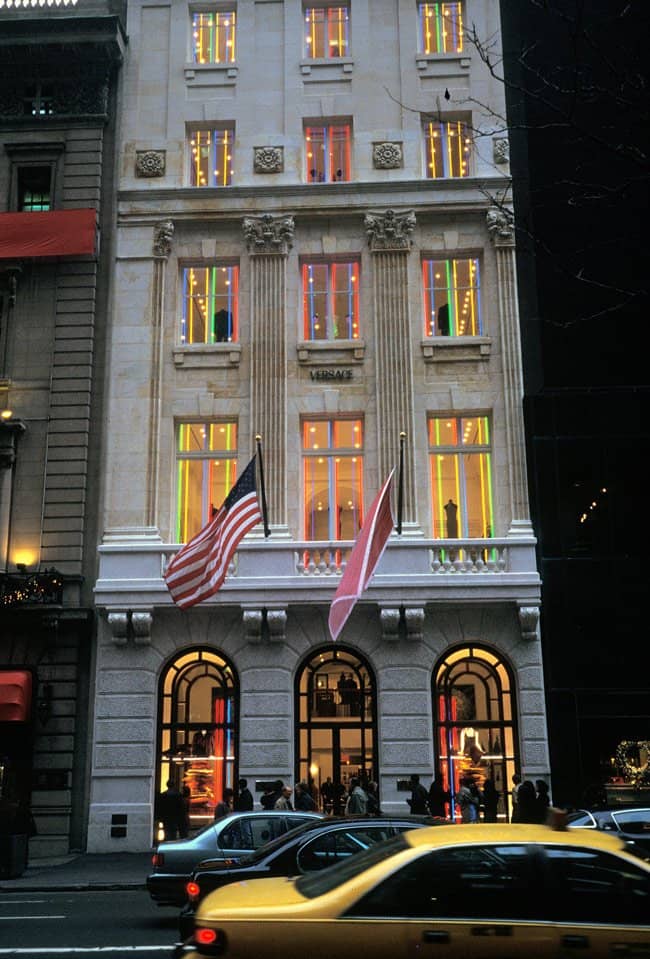
By the way, you have plenty of opportunity to shop on 5th Ave. Anyone who thinks that Fifth Avenue is only filled with skyscrapers and skyscrapers is mistaken. A special contrast are the few small four- to five-storey buildings from the Wilhelminian period of New York, which look like dwarfs among the huge skyscrapers.

Pictures New York

New York - City
New York - City
New York - Fifth Avenue
New York - City
New York - Buildings
New York - City
New York - City
New York - City
New York - Buildings
New York - Fifth Avenue
New York - City

Questions about the destination New York?

In the America Forum you will get the answers!

27. August 2017 0 comments
0 FacebookTwitterPinterestEmail
California - General Information
General country informationNew England

New England – General info

by Joe OnTour 27. August 2017
written by Joe OnTour

New England General Information

. Settlement initially began in the area of the coasts, where villages and towns were built.

New England includes the states of Connecticut, New Hampshire, Maine, Massachusetts, Rhode Island, and Vermont. This was the origin of the United States. In Boston, the capital of Massachusetts, the first uprising against the occupiers England took place. This uprising subsequently led to the independence of the USA.

The settlement of New England began in 1620 by the Pilgrim Fathers, who landed on the Mayflower in Massachusetts Bay, near the present-day city of Plymouth. In the 17th century, Boston developed into one of America’s most important ports.

New England is the most European part of the USA, which is probably why many Europeans like it so much here. The landscape, climate and vegetation of New England are familiar to Europeans. New England is a region steeped in history, where over 350 years ago the Mayflower landed with the Pilgrim Fathers on board, the secret capital of Boston, where the famous Tea Party took place.

New England is still the region of colleges and universities (research and science) today. In addition to the two most famous, Harvard in Massachusetts and Yale in Connecticut, there are a large number of other small and large universities that are known throughout the country.

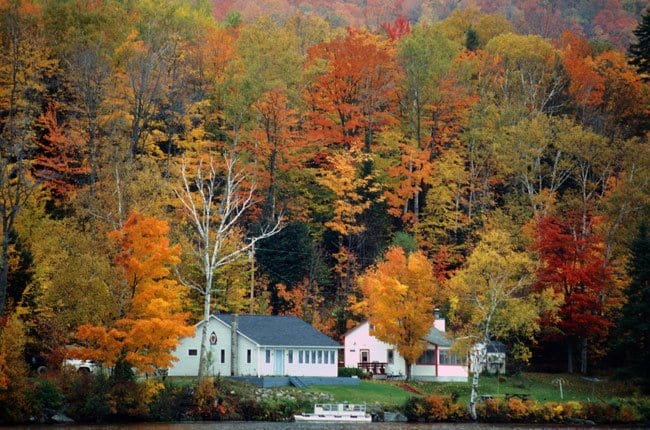
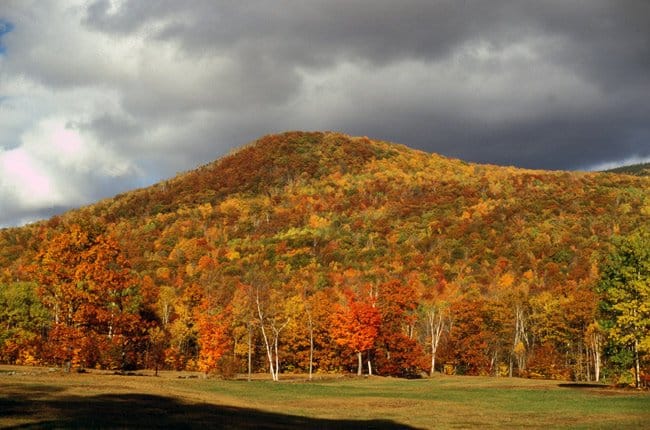
New England is almost as big as Austria and Portugal combined, but it is still rather tiny compared to the huge American continent. In the Indian summer, the forests of New England shine in the most beautiful colors.

Driving
Driving in the New England states is comparable to driving in Germany’s cities. In contrast to other states in the USA, the population density in Neueungland is quite high, but it is not comparable to Germany. Americans are also very disciplined drivers who do not vent their aggression while driving. Speed limits should always be observed, because controls are omnipresent and there is a risk of harsh penalties for exceeding them. On the highways, you should swim with the flow of traffic. In this way, you can sometimes exceed the speed a bit. Parking on yellow curbs and closer than 3 meters to a hydrant or driveway is prohibited.

The traffic lights are usually installed in the middle of the intersection. There is no yellow phase between red and green. Flashing yellow traffic lights are a warning. Red flashing traffic lights prompt you to stop. Turning right is allowed outside large cities, of course in compliance with the right of way rules, even when the light is red. School buses (these are yellow and have special warning signs) must not be overtaken or passed by oncoming traffic as soon as they have switched on the red turn signals. The German driver’s license is sufficient, for longer stays the issuance of an international driver’s license is recommended.

Car rental
The renter of the car should be over 21 years of age (some rental companies require an additional insurance premium for drivers under 25 years of age). A credit card is an advantage, otherwise you have to pay a high deposit. It is recommended that you take out sufficient insurance cover. This should contain the following addendums: CDW (Collision Damage Waver, sometimes called LDW – liability for self-inflicted damage to or theft of one’s own vehicle), PAI (Personal Accidents Insurance – passenger insurance) and LIS (Liability Insurance Supplement also EP (Extended Protection).

Money
In the land of credit cards, however, cash is also accepted. You should definitely bring cash with you. You should bring small denominations. In addition to the credit card, we took dollar traveler’s checks with us, which are accepted in the hotels and in most restaurants and shops.

Tipping is rarely included in the price and waiters as well as taxi drivers or chambermaids expect a tip of at least 10 to 15% of the bill. Taxes will be charged additionally.

New England – Climate

New England has a continental climate, which means that it can get very cold in winter and it is often very humid and warm in summer.

Most precipitation falls in the cold season. The ideal time to travel can be described as the time from April to August, even if the high humidity can be a bit unpleasant.

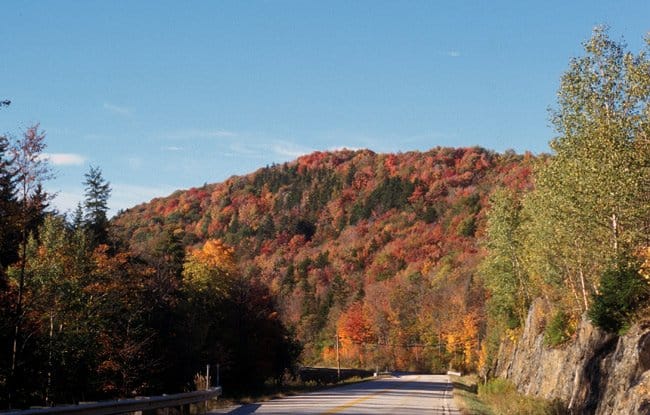
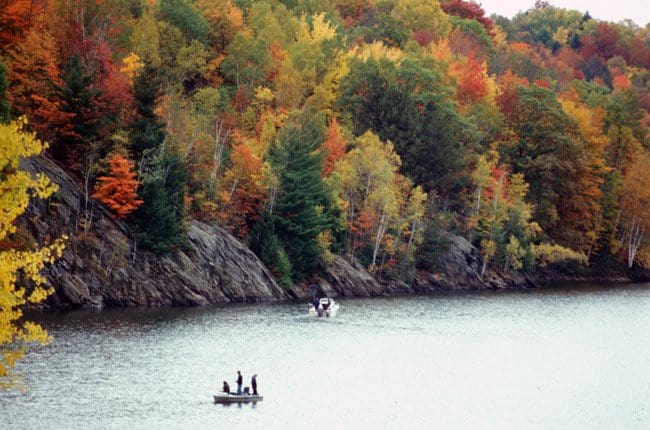
The most beautiful season, however, is autumn from the beginning of September to mid-October with the foliage or Indian Summer.

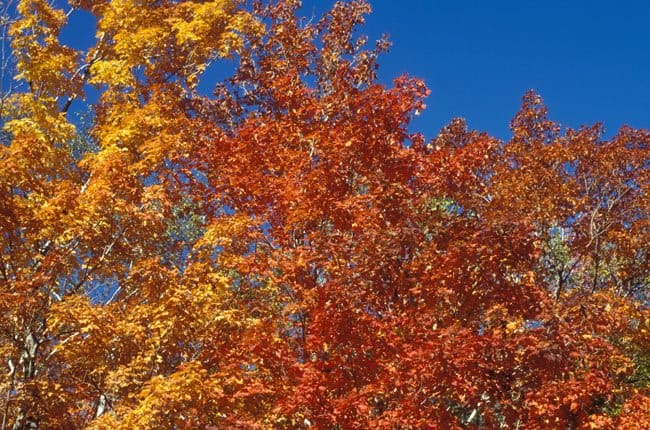
The deciduous forests show an incredible blaze of colour at this time of year.

Due to the high number of visitors from all over the world, you should definitely make hotel reservations during this time.

The current weather in New England can also be found at New England weather.

New England – Flora – Indian Summer

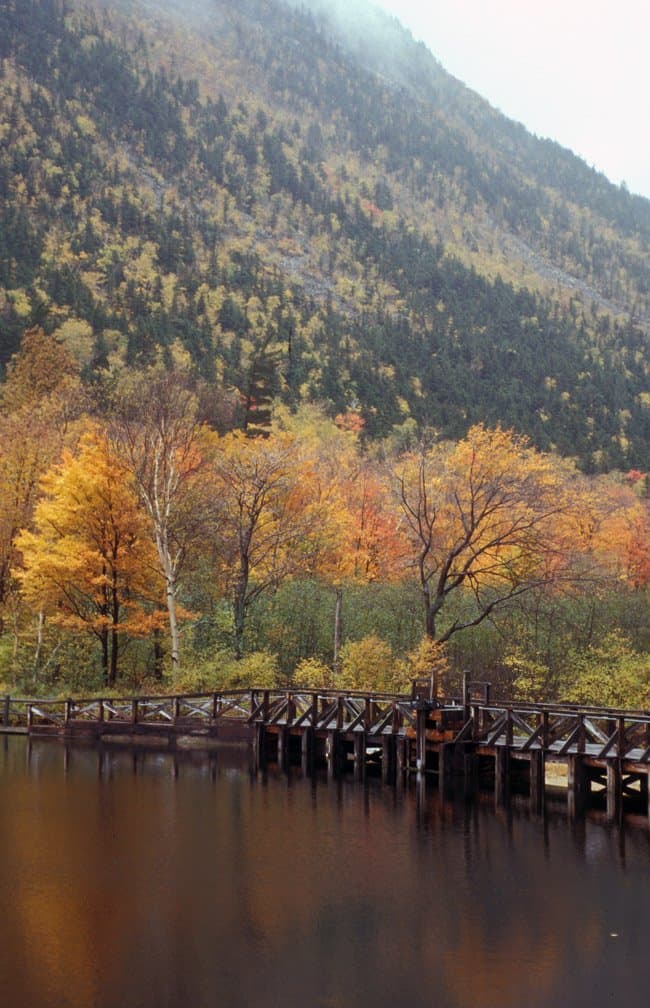
The most impressive season in all New England states is fall, which runs from early/mid-September to mid/late October. However, the time span varies every year. You should find out in advance when to expect the foliage or Indian Summer. There are enough websites here that provide information about this. The local radio stations also provide information about the old status of leaf colouring.

The deciduous forests are colorful at this time of year, and New England is teeming with leaf peepers. Hotel reservations are highly recommended during this time, otherwise it is difficult to get accommodation. The Berkshires, a mountainous region in the far west of Massachusetts, is one of the strongholds in the Indian summer.

However, you won’t find as many tourists in Baxter State Park and around Moosehead Lake in Maine. Many other regions, such as the White Mountains in New Hampshire or the Green Mountains in Vermont, are particularly worth visiting at this time of year. However, the exact start date and also the length and intensity of the discoloration depends on many factors (e.g. the temperatures and humidity in spring).

This blaze of colour is caused by the difference between cold night temperatures and relatively warm and sunny daytime temperatures. The leaf discoloration can be seen in the diverse tree species of the maple species Red Maple and Silver Maple, the oaks Northern Red Oak and Scarlet Oak, and others such as Sassafras, Dogwoods, Sweetgum.

Due to the extreme temperature fluctuations, the trees produce a cork-containing substance that blocks the exchange of fluids between leaves and branches. This reduces the chlorophyll content of the leaves and the sugar in the leaves makes them bloom in the magnificent colours.

The name “Indian Summer” is based on an old Indian legend, according to which the red of the trees symbolizes the blood of a killed bear.

New England History

New England is an area in the northeast of the United States and is known as the origin of the English settlement of the Americas.

Settlement of the American continent about 70,000 to 140,000 years ago. However, New England was still uninhabitable until the end of the last ice age about 12,000 years ago

first sites in New England from about 4000 BC (Fishweir – Boylston Street, Fish Weir in Boston, Muschelhaufen – Ellsworth Falls in Maine)
Indian tribes were: Mahican in Vermont and Massachusetts (= Mohicans, also in J.F. Cooper’s book “The Last of the Mohicans”)
around the year 1000, the first Viking advance to the coast of New England took place

in the 16th century, various explorers (Giovanni da Verrazano, Jacques Cartier) reached the coast of New England, but did not settle there

At the beginning of the 17th century, various voyages of discovery and research were made to New England by Samuel de Champlain, Adriaen Block, Bartholomew Gosnold, and John Smith. The name New England goes back to John Smith.

1620 The Pilgrim Fathers reached Plymouth by ship Mayflower and founded the Plymouth Plantation

1630 John Winthrop founds Salem, the leading center of New England Puritanism

1635 Founding of cities on the Connecticut River (colony of Connecticut)

1635/36 Roger Williams founds Providence (colony of Rhode Island)

1679 Founding of the Royal Province of New Hampshire

1684 Massachusetts becomes a royal colony

1773 Boston Tea Party

1775 Skirmish of Lexington – leads to the outbreak of the Revolutionary War

4 July 1776 Signing of the Declaration of Independence

Ratification of the new constitution: Connecticut (9.1.1788), Massachusetts (6.2.1788), New Hampshire (21.6.1788), Rhode Island (29.5.1790), Vermont (1791)

1820 Maine becomes an independent state

New England – Food and Drink

New England cuisine is hearty and substantial.

The national dish of New England is, of course, lobster. In Maine, lobster is offered at almost every stand-up bite. When the early settlers reached the New England coast, lobsters over a meter long were not uncommon.

Fish specialties are Clam Chowder. Chowder is a “thick” soup made from seafood. Clam chowder is a traditional recipe from New England cuisine. Their ingredients include mussels (clam is a generic term for the hard-shelled clams and the soft-shelled sand clams), pork, potatoes, milk and cream. The soup tastes just fantastic. The name Clam Chowder comes from French and translates as “chaudière”, the name for a pot in which the fishermen prepared their meals.

Then there is the clambake, a seafood pot baked in the ground made of potatoes, mussels, chicken, onions, corn, sausages, crabs and lobster.

In addition, cod (cod), cod (scrod), haddock, sole, flounder and sea bass are often on the menu.

New England Boiled Dinner is a Dutch oven made from beef, potatoes and vegetables.

Boston Baked Beans are the most typical of all Puritan dishes. They are composed of dried brown beans cooked with pork and molasses. Dark bread is served with it.

Boston Cream Pie is a dessert made from egg cream and chocolate.

Maple syrup is extracted from the sap of the sugar maple tree (Acer Saccarum). In spring, when the daytime temperatures are around 4 degrees Celsius, mainly with light night frosts, the farmer drills holes in the trunk. Then he inserts a cone through which the juice can drain. After a few hours, the buckets (up to three per tree) are full. It takes about 40 liters of maple sap to produce one liter of maple syrup. It is offered in different commercial classes depending on color and taste.

The cranberry, the red American cranberry, is not missing from any Thanksgiving table. It is an ideal addition to turkey dishes. The turkey is a true Native American and can still be found today in the forests of the northern states of New England.

The farming families used to provide themselves with fresh milk and butter from their own cows. The milk was also processed into cheese, among other things. Cheddar cheese was then usually produced in the English style, which was sealed in large wheels of half a metre in diameter with a wax shell, cloth and dry rind.

There is a huge selection of beers in New England, as in all of America, by the way.

Questions about New England?

In the America Forum you will get the answers!

27. August 2017 0 comments
0 FacebookTwitterPinterestEmail
New England - Rhode Island
New England

New England – Rhode Island

by Joe OnTour 27. August 2017
written by Joe OnTour

New England – Rhode Island

Rhode Island, RI (Island of the Red Clover) is the smallest state in the United States. It includes the flat land around Narragansett Bay with several islands and the hills to the west.

Rhode Island has been settled by Roger Williams and other Massachusetts dissidents since the founding of Providence in 1636. The first British colony practiced the strict separation of church and state and, after the Charter of Religious Freedom of 1644, became a refuge for persecuted religious communities (Quakers, Baptists, Jews).

Lively maritime trade and smuggling, such as in the city of Newport, as well as democratic opposition spirit and chaotic monetary policy, characterized Rhode Island’s development during this period. Rhode Island was the last of the 13 founding states to join the Union on May 25, 1790.

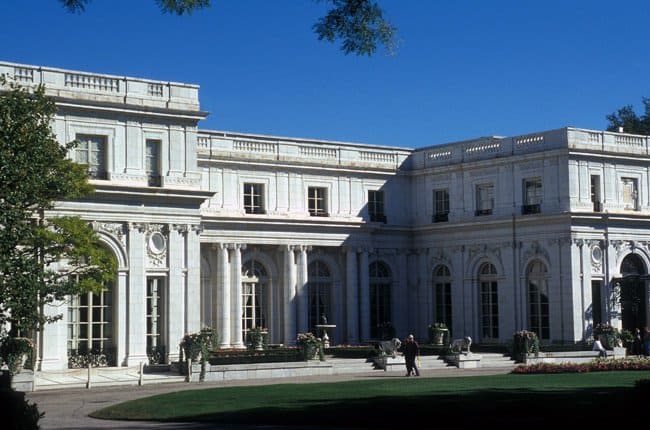
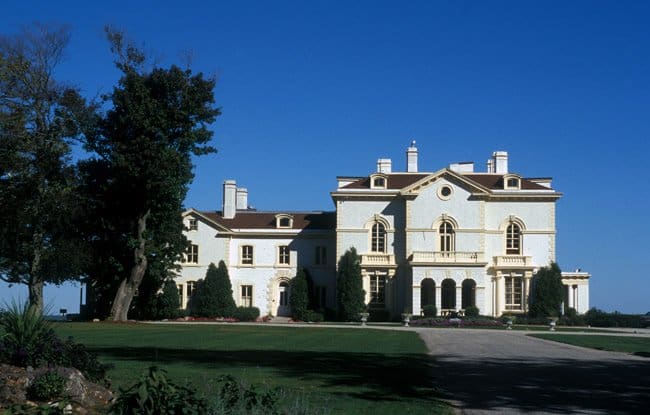
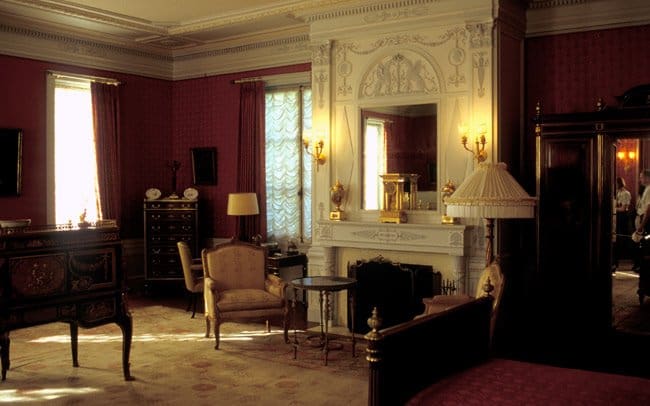
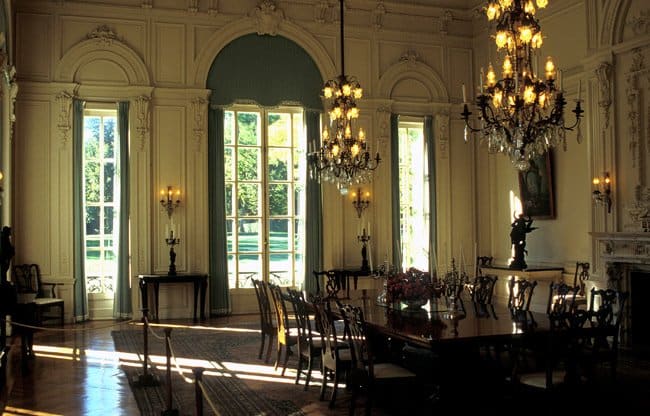
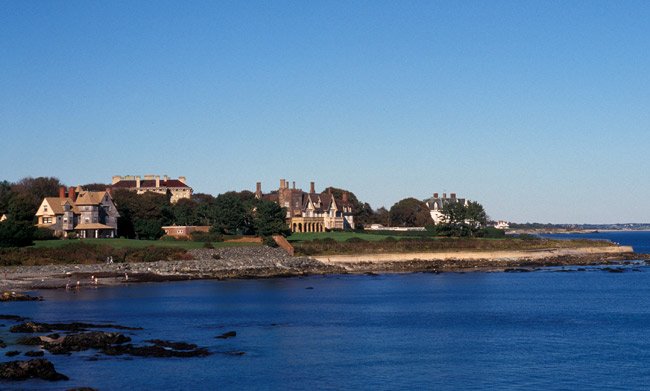
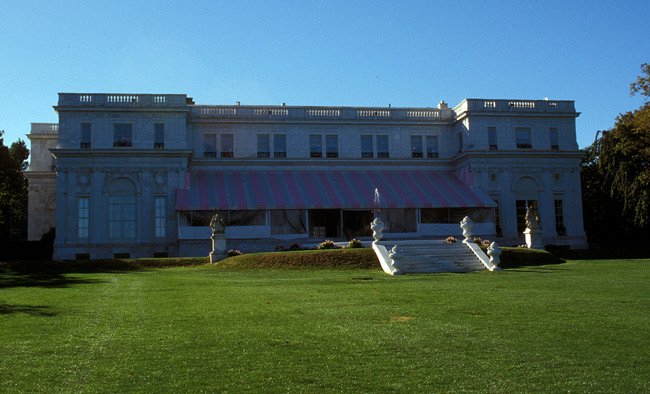
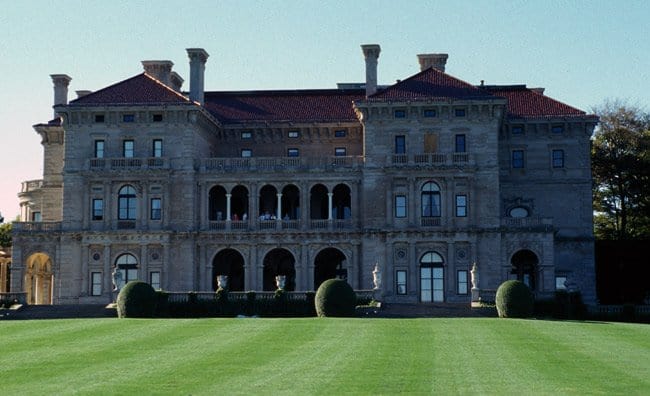
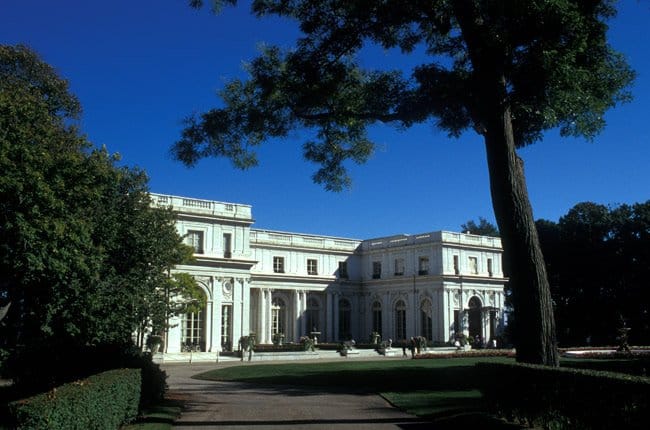
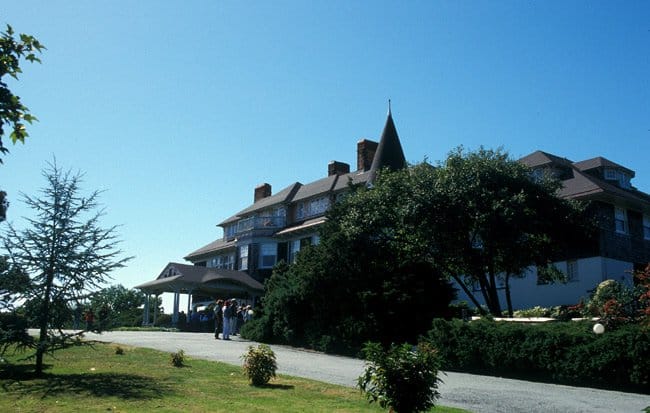
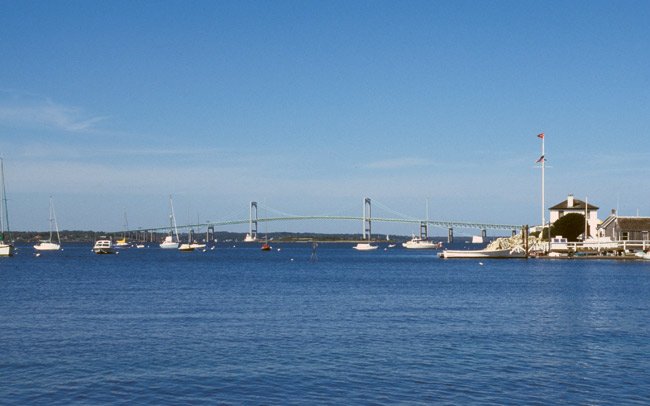
Special sights in Rhode Island include Providence – Benefit Street, a historic mile with more than 200 historic houses, and the Museum of Rhode Island History. In addition, Brown University and the State House. Newport was the summer residence of the very richest Americans in the 19th century. In particular, the Vanderbilts’ The Breakers, Marble House and Rosecliff, all of which can be visited from the so-called Cliff Walk (a small coastal footpath).

Here you can marvel at the huge estates of the former money barons. Bowen’s Wharf, the historic market district, is also remarkable. Then there’s the International Tennis Hall of Fame and the Museum of Yachting. The Touro Synagogue is the oldest Jewish church in America.

General country informationNew England

New England – General info

by Joe OnTour 27. August 2017
New England

New England – Rhode Island

by Joe OnTour 27. August 2017
New England

New England – Vermont

by Joe OnTour 27. August 2017
New England

New England – New Hampshire

by Joe OnTour 27. August 2017
New England

New England – Massachusetts

by Joe OnTour 27. August 2017
New England

New England – Maine

by Joe OnTour 27. August 2017
City tripsNew England

New England – Boston

by Joe OnTour 27. August 2017
City tripsNew England

New England – Newport

by Joe OnTour 27. August 2017
New England

New England – Kennedy

by Joe OnTour 27. August 2017

Images: New England – Rhode Island

New England - Rhode Island

Questions about New England?

In the America Forum you will get the answers!

27. August 2017 0 comments
0 FacebookTwitterPinterestEmail
New England - Vermont
New England

New England – Vermont

by Joe OnTour 27. August 2017
written by Joe OnTour

New England – Vermont

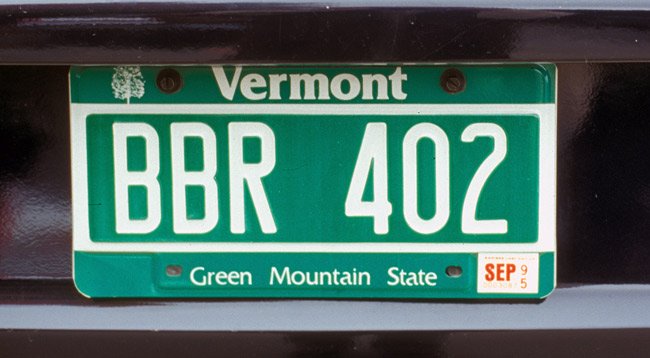
Vermont (VT) is also called “Les verts monts” in French. We simply say “The Green Mountains”. The state of Vermont was founded on March 4, 1791 as the 14th state of the United States. It is also called the Green Mountain State. The capital of Vermont is Montpelier. The largest city in the state is Burlington. The area of Vermont includes the northern Appalachian Mountains, i.e. from the Green Mountains (1338 m above sea level).

between Lake Champlain to the west and the Connecticut River valley to the east. 76% of the country’s land area is covered by forest. Vermont was discovered in 1609 by S. de Champlain. For many years, the French (Fort St. Anne, 1666) and English (Fort Dummer, 1724) fought over supremacy in the country. Vermont proclaimed independence in 1777.

We have chosen a special way to discover New England. It was supposed to be a round trip with mainly overnight stays in the wonderful Country Inns. These hotels are usually located in a historic and sometimes romantic place with a lot of atmosphere. The Country Inns are small romantic hotels with a high level of comfort in a typical New England atmosphere. They are located either in the old parts of the cities or in scenic areas.

Most of these hotels offer excellent cuisine. We can recommend every traveler in New England to stay at these hotels at least a few times. Our starting point was the city of Boston, where we spent a few days. As a travel time we had chosen the Indian Summer (leaf discoloration), i.e. autumn.

From Boston we first drove towards Rhode Island, then via Massachusetts to Vermont. Other destinations included New Hampshire and Maine, and from here back along the coast to Boston. Although New England does not have the typical huge American dimensions, such a round trip is associated with careful planning. If you have some time, you should check out Quechee Gorge State Park. It has a great gorge and has numerous beautiful hiking trails. Woodstock is particularly worth seeing with its upscale shops. It is also home to the Vermont Institute of Natural History.

In St. Johnsbury, it is worth visiting the Maple Grove Factory, the oldest and largest maple sugar factory, and the Fairbanks Museum with more than 3000 stuffed animals. Stowe is one of the most popular ski resorts on Mount Mansfield. Lake Champlain, on the other hand, is an Eldorado for water sports enthusiasts.

Pictures New England – Vermont

New England - New Hampshire
New England - Vermont

Questions about New England?

In the America Forum you will get the answers!

27. August 2017 0 comments
0 FacebookTwitterPinterestEmail
New England - New Hampshire
New England

New England – New Hampshire

by Joe OnTour 27. August 2017
written by Joe OnTour

New England – New Hampshire

New Hampshire (NH) was the ninth state to be founded on June 21, 1788 and is nicknamed the Granite State. The capital is Concord . New Hampshire has been settled from Massachusetts and Connecticut since 1623. After fierce battles against the Indians, a strong wave of immigration began around 1725. New Hampshire was considered the main starting point of the independence movement. In January 1776, it became the first of the British colonies to appoint a new government and joined the Union in 1788.

New Hampshire has almost always been the state where the first primary, a primary for the presidential election, traditionally took place. Bill Clinton broke this unwritten law in 1992, but until then, the one who won the primary in News Hampshire always moved into the White House. New Hampshire has another special position. No state sales tax is levied here. So there is a lot of traffic from the other states, as many New Englanders come here to shop.

There are a number of attractions in New Hampshire. Portsmouth is the only port in New Hampshire with a large open-air museum (Strawberry Banke Museum). In Rye Harbor you have the opportunity to go on election observation excursions. Concord is home to the League of New Hampshire Craftsmen Museum, the Capitol, and the New Hampshire Historical Society Museum. Canterbury Shaker Village is a replica of a historic Shaker sect village.

Lake Winnipesaukee is a popular holiday region with many attractions. You can take railroad rides on historic trains of the Wolfeboro Railroad. From Conway you can make wonderful exploration tours into the White Mountains. Mt. Washington is 1,917 m high. Here you will find the oldest cogwheel railway in the world and the Mount Washington Hotel.

In Franconia Notch State Park, visitors will find two face-shaped rock formations, the Indian Head and the Old Man of the Mountains. This is also where The Flume waterfall is located. Hanover is home to one of the most famous and exclusive American universities, Dartmouth College.

Pictures New England – New Hampshire

New England - New Hampshire

Questions about New England?

In the America Forum you will get the answers!

27. August 2017 0 comments
0 FacebookTwitterPinterestEmail
New England - Massachusetts
New England

New England – Massachusetts

by Joe OnTour 27. August 2017
written by Joe OnTour

New England – Massachusetts

Massachusetts (MA), the name is derived from the Indian word: mass adchu ut, which means so much: by the great hills. Massachusetts was founded as a state in 1788 with its nickname Bay State. Massachusetts has everything your heart desires: beaches, islands, cultural, historical and a charming capital. Here, New England is represented in the smallest of spaces. In addition, together with Boston, it is the spiritual center of the region. Massachusetts has a hilly foothills and a richly indented coastline to the east.

Massachusetts has a rich history, starting with the Mayflower’s landing in Plymouth in 1620. Settlement has taken place under the Royal Charter in the Mass. Bay Colony since 1629. The capital has been Boston since 1632.

Oppressed Puritans begin mass emigration from England in 1630 (Great Migration). In Massachusetts, they are creating a theocratic community. In 1684, the charter was lost due to a dispute with the motherland. In 1686, Massachusetts united with the neighboring colonies and New York to form the Commonwealth of New England. In the 18th century, it had its heyday due to trade. Even today, there are many historical and military spectacles to see all year round, reminiscent of the ancient Zeoten. Cape Cod is also known as the Cod Cape. The strikingly shaped peninsula south of Boston is also a popular vacation spot. Worth seeing there are Hyannis and Martha’s Vineyard, which is considered the summer residence of wealthy New Yorkers. Bill Clinton also has his summer house here.

If you want to understand the Americans in their very own feelings and sense of entitlement, you absolutely have to travel here. The Mohawk Trail, an old Indian trail, is also worth visiting. It leads through one of the most charming landscapes in the state of Massachusetts. You hike past Mt. Greylook, the highest mountain of the Berkshire Mountains at 1064m.

From here you have a beautiful view. Also worth seeing is Nantucket, a charming island off Cape Cod. Nantucket is much quieter than Martha’s Vineyard. Whale watching is very popular in Massachusetts. At Provincetown you can see the giants of the seas up close.

Images New England – Massachusetts

New England - Massachusetts

Questions about New England?

In the America Forum you will get the answers!

27. August 2017 0 comments
0 FacebookTwitterPinterestEmail
New England - Maine
New England

New England – Maine

by Joe OnTour 27. August 2017
written by Joe OnTour

New England – Maine

The state of Maine (ME) was founded on March 15, 1820 as the 23rd state of America with the nickname “Pine Tree State”. Maine is the largest state in New England. The capital is Augusta, while the largest city is Portland. Maine comprises most of the rump mountain landscape of the northern Appalachian Mountains. Mount Katahdin is 1606 m high. The state of Maine is extremely rich in lakes. On the rugged Fjaerdenkueste you will find more than 1200 mostly wooded islands.

In 1622, Maine became an owner’s colony, owned by Sir Ferdinando Gorges. In 1677, Maine was annexed to Massachusetts. Later, Maine was separated again by the Missouri Compromise. In 1820, Maine joined the Union.

There are a number of attractions in Maine. First of all, there is Kennebunkport – a popular seaside town. Kennebunkport became known through President Bush, among others, who owns an estate there. Then there’s the Sea-shore Trolley Museum, with over 200 trams, horse-drawn carriages and other transport vehicles.

Portland is the social, cultural, and economic center of the state. You should definitely visit the Museum of Art, the Scarborough Marsh Nature Center and the Portland head Light lighthouse. Brunswick is home to Bowdoin College. Brunswick is also the venue for several music festivals. Another attraction is the Indian Reservation in Eastport and the Penobscot River near Old Town. In Bath, the Maine Maritime Museum and Shipyard is worth seeing.

In Boothbay Harbour you will find the Colonial Pemaquid Histori Site with foundations of old Indian settlements and houses from the 17th century. Searsport is a beautiful little harbour town where you can visit the Penobscot Marine Museum. The Acadia National Park is a special nature park with a mountain about 400 meters high. You can see ospreys and bald eagles in the nature park, and activists can also go on walking, boating and cycling tours. In Bar Habor you will find the Mount Desert Oceanarium, which you should definitely visit at least once. In East Coast, lobster fishing dominates.

At Bangor you will find a rough and wildly romantic landscape, where moose and black bears can still be found. A special highlight here is the Baxter State Park. This is also where the Appalachian Trail ends. For outdoor enthusiasts, the Allagash Wilderness Waterway is a must-see. Moosehead Lake is also beautifully situated.

Images: New England – Maine

New England - Maine
New England - Maine
New England - Maine
New England - Maine
New England - Maine
New England - Maine
New England - Maine
New England - Maine
New England - Maine

Questions about New England?

In the America Forum you will get the answers!

27. August 2017 0 comments
0 FacebookTwitterPinterestEmail
New England - Boston
City tripsNew England

New England – Boston

by Joe OnTour 27. August 2017
written by Joe OnTour

New England – Boston

Boston is a mixture of a European city worth seeing, lively history and modern America. In addition, the city is manageable and, as one of the attractions in the USA, is ideal for exploring on foot.

Boston can also be described as the secret capital of New England. The port, commercial and industrial city is located at the mouth of the Charles River. Many banks and insurance companies are also located here. In addition, Boston is the seat of the Catholic Archbishop. Boston was founded in 1630 by a group of settlers led by J. Winthrop. Boston is a world-renowned cultural and educational center with a lot of European flair. It is the most Irish city in the USA and you can see that not only on St. Patrick’s Day.

With Logan International Airport, Boston has the largest airport in the New England states, which is served directly by the major European airlines. A taxi from the airport to the city costs around $20. But there are also cheaper connections by bus and subway.

The name Boston is strongly associated with the Boston Celtics, the famous basketball team. They play in the Fleet Center (easy to reach by the Green Line). Tickets are always available on the black market. Then there are the Boston Red Sox, who are an institution for those interested in sports. The most important newspaper in Boston and one of the most important in the USA is the Boston Globe. Of course, it offers the most detailed information about Boston’s cultural life.

In addition to a city tour along the Freedom Trail, you should definitely visit the Beacon Hill district. These 18th- and 19th-century homes were home to Boston’s wealthy citizens. The Back Bay with its many boutiques and galleries invites you to go on an afternoon shopping spree. The cultural center of the city is Midtown. There are a large number of theatres here that host operas and musicals or ballet performances.

Pictures New England – Boston

New England - Boston

Questions about New England?

In the America Forum you will get the answers!

27. August 2017 0 comments
0 FacebookTwitterPinterestEmail
New England - Newport
City tripsNew England

New England – Newport

by Joe OnTour 27. August 2017
written by Joe OnTour

New England – Newport

During many a walk on Bellevue Avenue in Newport at the end of the 19th century, many an aristocratic visitor from old Europe will have turned green with envy. Here, the manor houses with the dimensions of small castles are lined up like a string of pearls. The mostly nouveau riche industrialists referred to their estates as “summer houses”, slightly understated.

What was possible with a lot of money in America’s golden age, the traveler in Rhode Island learns in at least a dozen of these mansions, which are open to him for viewing in the villa district of Newport. These small palaces (in the city about a two-hour drive west of Boston on the Atlantic Ocean) did not have ordinary house numbers.

These properties were given names such as “Chateau-Sur-Mer”, “The Elms” or “Hunter House”. The largest properties are “The Breakers”, the “Marble House”, which is somewhat reminiscent of the White House in Washington, and “Rosecliff”. The Rosecliff has often had to serve as a film set. Among other things, the films “True Lies” and “The Great Gatsby” were filmed here.

Another property, the “Rough Point”, is not located on Bellevue Avenue but around the corner on Touro Street directly on the sea. The garden of this estate was designed by Frederick Law Olmsted, who also designed Central Park in New York. As the third owner, James B. Duke took over “Rough Point” in 1922.

He has had the property increased by two more wings to 105 rooms. Since the death of Doris Duke’s daughter, “Rough Point” has been managed by a foundation. The visitor can be amazed: the lady of the house treated herself to works by great painters such as Renoir and Van Dyck for the furnishings. The house was peppered with 18th-century French furniture and vases from the Ming Dynasty.

However, the lady was also a bit quirky at her advanced age. Referring to a nibbled carpet, the guide tells us during the tour of the house that two camels were allowed to share the property with Doris Duke. She had received the two animals as an encore for the purchase of a used Boeing 747 from an Arab airline.

Even today, the port of Newport is downright sophisticated. This is where mainly the yachts of the modern gentlemen are moored. The fishing boats have now been largely displaced. Newport is an absolute sailing town. Many regattas started from here. Sailing fans will definitely have a visit to the Museum of Yachting on their list.

Not the money aristocracy, but the tennis nobility is indulged in in the Miller Hall of Fame. In the showcases of the museum, which was built in 1880, you can find worn-out tennis shoes by Steffi Graf and worn shirts by Pete Sampras. Newport Casino hosts the only grass court tournament in the USA. The atmosphere is typically American, familiar. You just come to Newport to enjoy the summer retreat.

Photos New England – Newport

New England - Newport

Questions about New England?

In the America Forum you will get the answers!

27. August 2017 0 comments
0 FacebookTwitterPinterestEmail
New England - Kennedy
New England

New England – Kennedy

by Joe OnTour 27. August 2017
written by Joe OnTour

New England – Kennedy

Many famous people from the USA have their roots in New England. This is not surprising, because New England has long been the center of American culture, business, and science. Among these personalities was the Kennedy family.

John F. Kennedy was arguably the most famous U.S. president of modern times. He was born in Boston and his family still plays a significant role in New England politics today.
New England – Kennedy’s House
The Kennedy family estate is located directly on the New England coast, has a beautiful ocean view and is located just outside in beautiful and sophisticated Newport. The plot has direct access to the sea.

The house is now a museum. Guided tours of the rooms of the house are organized at predetermined times. Somehow it is a strange, oppressive feeling to walk through the small rooms and the study of John F. Kennedy. Everything has remained as it was during the president’s lifetime. Personal belongings are still everywhere in the rooms.

The study is equipped with a small desk and above it hangs the portrait of JFK. One almost thinks that the master of the house could come out of one of the adjoining rooms at any moment….
New England – John F. Kennedy’s Offices
We feel like intruders in a private sphere…..

Pictures New England – Kennedy

New England - Kennedy

Questions about New England?

In the America Forum you will get the answers!

27. August 2017 0 comments
0 FacebookTwitterPinterestEmail
Canada Flag
CanadaGeneral country information

Canada – General info

by Joe OnTour 27. August 2017
written by Joe OnTour

Canada – General Information

Geography
Canada is a country of almost unimaginable proportions. It is the second largest country in the world with a size of 10 million square kilometers. This makes Canada 28 times larger than Germany. If all the lakes of Canada were to be combined, they would correspond to twice the area of Germany. The coastline of Canada measures around 58,000 km. The extension from north to south is = 5,500 km and from west to east = 4,600 km.

Economy
Canada has a highly developed economy and has enormous mineral resources with huge energy reserves. The main trading partners are the USA. This is followed by the Commonwealth, the EU, Japan and the CIS. Commodity trading is Canada’s great strength. The manufacturing industry in the east of the country is the main source of income. As a result, almost a third of Canadians live in the metropolitan areas around Ontario and Quebec. The service director is the fastest growing sector.

Politics
Canada is a federalist state with a separation of powers between the national government and the governments of the ten individual provinces.

Religion
The population is 88% Christian, of which 47% are Roman Catholic and 41% belong to the many different Protestant denominations. In addition, due to the high immigration rate, there are various other faiths such as: Buddhists, Muslims, Mennorites, Mormons, Greeks, etc.

Population
Around 30 million people live in Canada. That is not even half as much as in Germany. Two-thirds live in the eastern provinces. The largest city is Toronto. 4.3 million people live here alone. The second largest city is Montreal (3.4 million), followed by Vancouver with 1.8 million inhabitants. Ottawa, the capital, is home to about 1.0 million people. This means that there are 3 Canadians per square kilometer. 77% of Canadians live in the big cities. Canada is a classic immigration country. However, due to the pool of nations, the problems are also increasing more and more.

Canada – Climate

Canada’s climate is divided into arctic and temperate zones due to its continental location. Most of the country has pronounced and dry-hot summers and very cold but mostly sunny winters. These periods last at least five months.

If you go further north, the seasons of spring and autumn are shorter and all the more so the further north you go. Here, these seasons are limited to two to three months. In winter, the Arctic climate with its cold air fronts is noticeable far into the southern parts of the country.

In summer, temperatures of up to +35° Celsius are often found in the southern regions of Canada due to the warm air fronts from the Gulf of Mexico. In the northern parts of the country, however, summer temperatures average +15° during the day. These can drop to below freezing at night.

In winter, temperatures drop to an average of -5° to + 10° in the south and +5° to -40° in the north of the country.

On British Columbia’s milder southern Pacific coast, temperatures tend to stay above freezing. In winter, heavy snowfall can be found in all parts of the country except Nova Scotia.

Canada – Fauna

Canada’s animal species find a rich habitat in the large forest areas.

It is home to numerous smaller animal species such as rabbits, hares, squirrels and foxes, but also the larger species such as bears, moose and porcupines.

Forest buffalo still live in the national parks. Mountain sheep and goats hide in the mountain forests. In addition, Waipiti deer can be found. Even the grizzly bears, which weigh up to 800 kilos, can be found there.

The northern areas on the edge of the Arctic are home to numerous fur animal species such as ermines, minks, wolverines and wolves.

Caribou and musk oxen live in the subarctic. The caribou live in large herds with often several hundred thousand animals. In summer, millions of migratory birds can be found here.

Polar bears, seals, walruses and whales live off the Arctic coast.

But this enormous population of wild animals should not hide the fact that resources are limited even here.

Fish stocks in the richest fishing grounds on earth, the continental shelf off the coast of Newfoundland, are already declining alarmingly.

The game population in the forests is steadily decreasing. The exploitation of the rainforest native to the west coast of Canada further limits the habitat of wild animals.

The pollution of the large lakes has reached such severe proportions due to industrial use that only 2% of the total lake population still has drinking water quality.

However, there has already been a rethink in the use of nature. Deforestation has recently been subject to strict quotas. Tougher environmental laws are intended to reduce the poisoning of waters.

The future will show to what extent these measures will be sufficient to reverse the negative trend.

Canada – Flora

Half of Canada’s area is covered with forests. In southwestern Ontario you can find partly pure deciduous forest.

In the area of the large lakes, mixed forest predominates. This consists of beeches, oaks, elms, firs and pines, not to forget the maple (sugar maple), which is needed to obtain the maple syrup.

In the northern regions there is an approximately 6000-kilometre-long belt of pure coniferous forest, consisting of firs, spruces and pines. The largest forest area on earth is located here. At an altitude of 2000 meters above the tree line, this merges into alpine flora.

In the rainy areas of the west coast there is a veritable tropical forest. Ferns and giant cedar trees also have their stock here.

In the south of the country, prairie grass predominates due to the long dry seasons in the prairies. This can store rainwater with its close-meshed roots and thus prevent soil erosion. In some coastal areas you can even find cacti.

High in the north of the country, there is no extensive tree population due to the cold winters and permafrost. Here are mainly crippled spruces and willows.

In the tundra of the north, only alpine flowers and grasses as well as lichens can be found.

Canada – History

Early history – The first settlement took place about 15,000 years ago over a land bridge between Siberia and Alaska.

around 1000 – The Vikings briefly settle in Newfoundland.

1497 – John Cabots (Giovanni Caboto of Venice – in British service) lands in Labrador or Newfoundland.

1534/35 – Jacques Cartier carries out a land grab for France on the Gaspésie peninsula and the upper St. Lawrence River.

1608 – Quebec City and Montreal are founded (1642) by the French (Samuel de Champlain and de Maisonneuve).

1663 – the settlement areas are united to form the colony “Nouvelle France”.

1670 – The Hudson’s Bay Company is founded by English aristocrats: English settlers come in the following period. This leads to Anglo-French rivalries and disputes over fishing rights and the fur trade.

1840 – Ontario (Upper Canada) and Quebec (Lower Canada) are united to form the self-governing “Canada”.

01.07.1867 – “Canada” is elevated to the “Dominion of Canada” by the British North America Act together with Nova Scotia and New Brunswick and expanded between 1870 and 1905 to include the provinces of Prince Edward Island, Manitoba, British Columbia, Alberta, Saskatchewan and in 1949 Newfoundland (after referendum).

1931 – Canada is granted Dominion status (Westminster Statute)

1980 – Quebec referendum results in the province remaining with Canada.

17.04.1982 – Canada receives its full sovereignty (Canada Act of the British Parliament). The new constitution also applies to the province of Québec.

1987 – Meech Lake Agreement is signed. This is a reform project by the conservative Mulroney government regarding the status of Quebec (failed in 1990 due to rejection by the provinces of Manitoba and Newfoundland).

10/26/1992 – A referendum reveals that 54% of Canadians – including a majority in Quebec – oppose the Charlottetown Accord, a concept to strengthen the provinces and create a special status for Quebec.

1993 – The separatist Bloc Québécois wins the federal elections (the strongest opposition party in the federal parliament with 54 seats).>

30.10.1995 – a second referendum is held on the question of Quebec’s independence: the result is a narrow majority in favour of remaining with Canada (50.6 to 49.4%).

01.04.1999 – the Territory of Nunavut is established

28.06.2004 – The result of the federal elections: minority government of the Liberals led by Prime Minister Paul Martin

Canada – Food & Drink

Some believe that in Canada there are only hamburgers, beefsteak and cardboard coffee. That’s not true.

Canadians, for example, are real artists in preparing tasty salads.

They create wonderful desserts.

There are a wide variety of “burgers” that are related to the hamburger only in name.

Immigrants from Italy, India, China, etc. imported their cuisine.

So you can find many specialty restaurants from these countries in almost all places in Canada.

A special feature in Canada are the so-called “free refills” of cheap drinks such as coffee or soft drinks.

In the big cities, there are thousands of offers of memorably delicious cuisine. Urban food lovers frequent bistros, eateries and cafes that offer everything from home cooking in usually full eateries to gourmet masterpieces in the posh restaurants.

CanadaGeneral country information

Canada – General info

by Joe OnTour 27. August 2017
CanadaCity trips

Canada – Vancouver

by Joe OnTour 27. August 2017
Canada

Canada – Banff National Park

by Joe OnTour 27. August 2017
Canada

Canada – Jasper

by Joe OnTour 26. August 2017
Canada

Canada – Jasper – Sled Dogs

by Joe OnTour 26. August 2017

Questions about Canada

In the Canada forum you will get the answers !

27. August 2017 0 comments
0 FacebookTwitterPinterestEmail
Canada - Vancouver
CanadaCity trips

Canada – Vancouver

by Joe OnTour 27. August 2017
written by Joe OnTour

Canada – Vancouver

Our first port of call in Canada is Vancouver. We land here a few days before Christmas, so that we still get something of the pre-Christmas season. On our arrival day, the temperatures are unusually warm for this time of year at + 4 degrees. There is no snow yet. The airport is only a few kilometers north of Vancouver, so we can reach the city quickly. Already on the approach through the suburbs, we observe the typical residential structure of Vancouver: small, neat single-family houses, all of which make a well-kept impression and have been individually styled by their residents with Victorian columned portals etc. Downtown again offers a completely different picture with its jagged skyline against the dramatic backdrop of the snow-capped mountains.

For the next day we have planned an exploration tour through Vancouver. Most Canadians name Vancouver as their desired place of residence. The city is beautifully nestled between the Pacific Ocean and the Rockies. They can be reached in about an hour from Vancouver. Vancouver enjoys a high recreational value and is filled with a lively life. You will find a distinct cultural scene, a diverse selection of restaurants and plenty of opportunities to spend your money in the chic boutiques. The city is home to 1.8 million Vancouverites.

A must-see is Stanley Park, located just a few blocks from downtown. The forest area was founded in 1888 and reforested with old hemlock firs. In the eastern part of the park, mighty original totem poles are erected, which refer to the former lords of the country. From here, the view extends far over Coal Harbour Bay to the city centre. There is also an aquarium in the park where you can admire beluga whales. Stanley Park is 404 acres and is located at the end of Georgia Street on a peninsula. It is one of the most popular destinations in all of Vancouver. Trails and bike paths lead through the rainforest. A promenade leads directly along the sea around the park. Numerous picnic areas and sunbathing meadows invite you to linger. Because of its size, the park does not seem overcrowded even with high traffic on weekends. The park is named after Lord Stanley, the then Governor General of Canada.

Just to the right of the park is Coal Harbour, a small inlet. In earlier times, coal was indeed loaded here. Today’s “coal” consists of the magnificent yachts of the Royal Vancouver Yacht Club. When the weather is nice, a huge forest of masts is reflected in the still water in front of the city skyline. Both seaplanes and SeaBus ferries depart from here. From Stanley Park, you can cross the Lions Gate Bridge to North and West Vancouver. There, the modern apartment buildings grow up the mountain slopes. Here is also the entrance to the marina and you have a beautiful view of the incoming and outgoing ships.

In wonderfully clear weather we visit the harbour on the Burrard. The former warehouses have been converted and many shops, boutiques and restaurants have settled. In addition, artisans, painters and potters have settled here. The offer is huge and is not only used by tourists. Nautical souvenirs and old nautical charts are also offered. Now, at Christmas time, a different music band plays on every corner. A colorful mixture of Dixieland, jazz and Christmas music will be played. In the shops and restaurants, even in the fast food outlets, the Christmas spirit can be felt. On the other side on Pacific Boulevard is the Canadian Pavilion (Kanada Place), built in 1986 on the occasion of the Expo, which is now used as a convention center. This is where the big cruise ships dock and where a number of luxury hotels are located.

From Queen Elizabeth Park we have a great view of the surrounding mountain scenery of the Coast Mountains. The park is located on a 150-meter-high hill in Vancouver’s otherwise almost flat cityscape. The Vancouver skyline in front of it looks quite tiny in comparison. At the top of the park is a glass dome of a greenhouse of the Bloedel Conservatory. As darkness falls, we find a small honorable company in the park. The sculptures are a popular photo motif. When we reach the city again after our excursion in the dark, a sunset presents itself to us with bizarre reflections like at the Arctic Circle. The temperature has now dropped noticeably. Over the car radio we hear that heavy snowfall is forecast for the coming day. Hopefully we will be able to take the flight to Calgary.

Pictures Canada – Vancouver

Canada - Vancouver
Canada - Vancouver
Canada - Vancouver
Canada - Vancouver
Canada - Vancouver
Canada - Vancouver
Canada - Vancouver
Canada - Vancouver
Canada - Vancouver
Canada - Vancouver

Questions about Canada

In the Canada forum you will get the answers !

27. August 2017 0 comments
0 FacebookTwitterPinterestEmail
Canada - Banff National Park
Canada

Canada – Banff National Park

by Joe OnTour 27. August 2017
written by Joe OnTour

Canada – Banff National Park

We leave the city of Calgary and take over our pre-booked Dodge, an off-road vehicle with typical North American dimensions. We have driven through the city of Calgary in two hours and realize that it is not worth seeing for us. So we make our way to Banff National Park. We plan to stay in Banff for a week and explore the national park from here. Via the Trans-Canada Highway we drive into the heart of the Rockies. The familiar country tones from the on-board loudspeaker accompany us on our journey. On the outskirts of the city, we pass the Canada Olympic Park with its 90-meter-high ski jump. Now the highway opens up to a four-lane highway. The area around Calgary is located in a flat landscape. In the distance, however, the first foothills of the Rockies can already be guessed. The gently hilly terrain now slowly climbs and you can already see the peaks of the Rocky Mountains, which are covered in snow. The settlement decreases and we pass a wide, undulating farmland, where the Indians hunted the buffalo in primeval times. The farms are so huge that the ranchers can only monitor them by helicopter. Alberta invests part of its vast oil wealth in the country’s infrastructure and nature reserves. In recent years, many cycling and hiking trails as well as golf courses have been built. Banff National Park has a size of 6,600 km² and was founded in 1885. The park is located about two hours from Calgary.

While it was almost spring-like warm in Calgary due to the Chinook, a downwind (Föhn), it is now getting much cooler here in the Rockies. The thermometer drops 20 degrees within 20 hours of driving. We drive past huge rock formations that tower vertically into the air. The mountain ranges were formed 75 million years ago by earth folds. The highway winds through the magnificent high mountain landscape. Shortly before Banff, a wide valley opens up, through which the Bow River flows. Banff National Park is the oldest of the 37 parks in Canada. Shortly after the welcome sign of Banff National Park we are already warned of the bears by a huge sign. However, we hope that they are now hibernating.

But we are spoiled with the sight of other wild animals already on our arrival. Two adult Waipiti deer troll each other on a frozen lake. In the coming days, we should have plenty of opportunity to experience Canada’s large game population. Our destination is the Banff Springs Hotel, which resembles a medieval castle. The hotel in its Victorian Gothic Revival is perched on a mountainside on the outskirts of Banff. It was opened by the Canadian Pacific in 1888. The room rate at that time was 3.50 dollars. It hasn’t remained the same, but the unobstructed view of the Bow Valley and the Bow River as well as the adjacent peaks of the Rockies. Traffic is not particularly heavy on Banff Avenue during the winter months. This will certainly be different in the summer months. So far, there has been very little snow in the lower regions. The temperature is -15° Celsius. However, a cold snap is expected in the next few days with up to -25°.

The next morning therefore brings no surprise, as we check the thermometer and find that it now reads -28 ° Celsius. Nevertheless, we want to make a first exploration tour to Moraine Lake. In the city we equip ourselves with face masks against the extreme cold, then we start. Even the short journey to the lake gives a first impression of the magnificent natural scene. To acclimatize, we chose a route around the lake. At the entrance to the hiking trail, we are again asked by warning signs to watch out for bears. The hiking trail is a narrow path that leads largely within sight of the lake through the wildly rugged mountain landscape. We didn’t see a soul on the way there. For this reason, you should always check out at your accommodation before each tour and leave which route you are going and when you intend to be back. In any case, no snowfall is to be expected in the freezing cold and so we start the tour calmly. After the first few kilometers, however, we notice the enormous effort, as breathing is very difficult at the low temperatures. It is always an impressive experience to move in this still largely untouched nature. On the way we observe mountain sheep and several Waipiti deer running across the frozen lake.

After five hours we are back at our starting point. This was a wonderful tour that we will remember for a long time. For the next day we have decided to choose a slightly further route in the immediate vicinity of the lake, which we want to complete with cross-country skis. We report on the other tours on our next pages.

Pictures Canada – Banff National Park

Canada - Banff National Park

Questions about Canada

In the Canada forum you will get the answers !

27. August 2017 0 comments
0 FacebookTwitterPinterestEmail
Canada - Jasper
Canada

Canada – Jasper

by Joe OnTour 26. August 2017
written by Joe OnTour

Canada – Jasper

After our stay in Banff National Park, we now drive on to Jasper in the Jasper National Park of the same name. The park is 10878 km² in size and was founded in 1907. Our route takes us from Banff on Highway No. 1 to Lake Louise. From there, the highway continues west and to the northwest the Icefields Parkway leads to Jasper. The route from Lake Louise to Jasper is 230 km long and is full of spectacular natural spectacles. The Icefields Parkway is the most famous panoramic route in Canada. The highway is generously developed and leads along an old Indian route along the Bow River. Along the route are Herbert Lake, Hector Lake, glacier-fringed Pulpit Peak at 2075 meters, Bow Lake (4.3 km long) and the Columbia Icefield with a size of 325 km² (the largest contiguous ice field in the northern hemisphere), which almost reaches the highway. From here you can take special vehicles to the Athabasca Glacier. To the left, i.e. west of the highway, are the main ridges of the Rocky Mountains, which are over 3600 meters high. Mount Columbia is 3747 meters high. To the right are the lower front ranges. Behind it are the prairies in the east of the country. The parkway winds through the mountain ranges. The highest pass elevations are around 2000 meters.

We had planned a schedule of 6 hours for the route. As so often in life, however, things turned out quite differently. Shortly after Lake Louise, it began to snow so heavily that visibility was limited to 20 meters. We could only drive at walking pace. Thank God we had a four-wheel drive Dodge with which we dared to continue the route. Within an hour we drove a distance of 30 km and already had a snow depth of 50 cm. At Bow Lake, a snow plough overtook us, so that navigating in the snow was now a bit more comfortable. Our initial concerns about turning back and waiting for better weather for the pass trip now disappeared and we continue the journey after all. It seemed strange to us that we were not overtaken by any other vehicles despite various stops along the way.

As it turned out later, the track behind us was completely closed to traffic. It was snowing so heavily that it was not possible to take pictures on the way. The pictures shown here were all taken on the way back. After 7 hours of driving, we have reached the Sunwapta Pass. Here the blizzard subsided and went into normal snowfall. After a total of 11 hours of driving, we reached Jasper. At the entrance to the village of Jasper we are greeted on the main road by caribou and elk, which appear in packs and solitary and are looking for food in the front gardens and green areas. After the long lonely drive through the Rockies, we are now quite happy to see some life again. We even meet some cars and there are a few people to be seen on the street.

Jasper is a small dreamy town with about 3000 inhabitants and was founded after 1900 with the support of Canada’s second major railway company, the Grand Trunk Railroad. In contrast to Banff, Jasper is hardly commercially marketed and you feel transported back to the 19th century. Everything is modest and original, even the shops and a few restaurants are not adapted to tourism but to the needs of the inhabitants. We find a shop on the main street that sells every conceivable item and equipment needed to live in the wilderness. Everything from sacks of flour to chainsaws, clothing and weapons is available here. It is already late and we stock up on only the bare necessities for today. The snowfall thickens again and expands into a storm. With such a blizzard, which comes completely unexpectedly, the view range drops to a few meters. The snow comes vertically whipped by the strong storm. We quickly make our way to our pre-booked accommodation, the Jasper Lodge. On the road we see some caribou deer, which are not impressed by the storm.

Jasper Lodge is located a few kilometers outside of Jasper and consists of a spacious main house with lobby, restaurants and leisure facilities. Around the lodge various bungalows and log cabins have been built for the guests. The entire complex is spacious and spacious. Some of the log cabins are located directly on the nearby shore of the lake, which is now frozen. We pass the entrance to Jasper Lodge. The lodge has a number of log cabins built in the Canadian style.

After checking in, we fall into bed, dead tired from the long and exhausting drive. The next morning, the day welcomes us with wonderful sunshine and freezing cold of -30° Celsius. First of all, we want to explore the surroundings a little. However, this requires a lot of preparatory work, because the Dodge is completely covered with ice and it takes a full hour until we have fought it free. Despite the cold, it starts immediately at the first take-off attempt and so we can set off.

Jasper National Park consists of a 200 km long and 90 km wide rectangle. The park is characterized by a barely touched wilderness. Worthwhile destinations in the area are the Athabasca Falls, the ice cascades of Angel Glacier and Mount Edith Cavell, which rises steeply with its 3363 meters in altitude. The black bear is a problem child here in the park because accidents occur again and again in summer. The population is estimated at 60,000 to 120,000 specimens in British Columbia, and the trend is increasing. Of course, the problems with the steadily increasing number of tourists are inevitable. Due to the constant feeding, the bears have partially lost their natural shyness of humans. That’s why marauding bears are spotted again and again on campsites etc. and thus become a serious threat to the often unsuspecting tourists. The warnings and notices should therefore always be taken seriously. But we think we are experienced enough and besides, Master Petz hibernates at this time of year. For the next day we have organized a tour with sled dogs through the wilderness north of Jasper National Park. On the following pages we report on these experiences.

Photos Canada – Jasper

Canada - Jasper
Canada - Jasper
Canada - Jasper
Canada - Jasper
Canada - Jasper
Canada - Jasper
Canada - Jasper
Canada - Jasper
Canada - Jasper
Canada - Jasper
Canada - Jasper
Canada - Jasper
Canada - Jasper
Canada - Jasper
Canada - Jasper
Canada - Jasper - Huskies

Questions about Canada

In the Canada forum you will get the answers !

26. August 2017 0 comments
0 FacebookTwitterPinterestEmail
Canada - Jasper - Huskies
Canada

Canada – Jasper – Sled Dogs

by Joe OnTour 26. August 2017
written by Joe OnTour

Canada – Jasper – Sled Dogs

Since we are already in the wilderness of Canada, we also want to experience the hard, original life of the Canadians. By chance, we meet Tommy in a small pub in Jasper in the evening over a bottle of beer. As he tells us, he is a woodcutter by profession in the summer. In winter, he is on tour with his sled dogs and explores the untouched nature in the Rocky Mountains. At the end of the day, he spends the night in small log cabins, which he is allowed to use from acquaintances. He invites us to take part in a day tour. Of course, we are thrilled and so we arrange to meet for the next day. The car is supposed to start at 5 a.m. in the morning. Since sled dog driving is prohibited in Jasper National Park, we have to drive into the wilderness about 2 hours north of Jasper outside the national park. At a lonely farm station, Tommy has rented a log cabin as a base for his tours.

Once there, we first need a little refreshment in the form of a breakfast we have brought with us. The sled dogs housed in the trailer are then harnessed. The dogs are well rested and you can tell they are looking forward to the upcoming tour. Tommy has brought his wife Patricia with him to support us and so we are two sled dog teams. One is run by Jürgen as a musher, the other by Patricia. Tommy will follow us later with his snowmobile. In the event of an accident or unforeseen event, we have built in a small safety level in this way. Before the start, we are introduced to our huskies and receive a crash course in team driving. Of course, Tommy has already stuffed us with a lot of theory the evening before, but the practice looks a bit different as always.

This starts with the harnessing of the dogs and does not end with the unusual commands during the journey. Thickly wrapped up with several layers of underwear and thermal shoes, we are still very optimistic about the matter. It will be okay. The temperatures today are about 25 degrees below zero. Due to the wind chill, it can sometimes reach -40 degrees Celsius during the average 20 to 30 kilometers per hour. Brigitte is to be accommodated by some blankets well padded in front of me on the floor of the sleigh. I stand on the rear runners of the sled and do my best not to let the team go too fast. But this is only the case in the initial phase of our tour, as the Huskies still have too much excess strength. The team consists of 10 dogs. They require a lot of persuasion even before the start to do what I imagine. Okay, so much for the theory. Then you’re ready to go

The first few kilometers are so fast that there is hardly any time to enjoy the natural beauty of the wilderness we drive through. I’m too busy navigating the corners correctly and keeping the speed. The route initially leads us through dense forest area. We scurry past the trees at breakneck speed. The terrain is characterized by constant ups and downs. Uphill I have to test my condition and make the work easier for the huskies by pushing along. Downhill, the ride becomes so fast that sometimes the brakes have to be pulled. The curves at the end of a downhill ride are difficult. If the speed is too high, there is a constant risk of overturning. Gradually, in the course of the morning, the feeling arises as if I have done nothing else all my life than drive a sled dog team. Mushers and dogs are already growing together into a homogeneous unit. Only Brigitte has some difficulty sorting her battered cross on the hard ground after several hours. But the completely untouched nature with its impressive beauty compensates us many times over. On the way we pass wild mountain rivers, most of which are icy.

In a wooded area, we meet a moose who, given its considerable size, advises us to keep a proper distance. On a wide open plain, a herd of rams crosses us in search of food.

In the last few days it has snowed considerably at night. The trees writhe under the weight of the masses of snow. At lunchtime, we treat ourselves and especially the huskies to a well-deserved breather. The tea from the thermos flask I took with us is delicious. We enjoy the silence of the forest, which is only interrupted by the panting of the huskies. Soon we are on our way again, after all, we still have a few hours until dark. Where the rivers are still partially free due to the strong current, dense fog banks form due to the enormous temperature difference between water and air.

A few hours further on we find two moose grazing together and do not feel affected by us. It is an impressive experience to come face to face with these huge animals in the wild. Towards evening we reach our starting point. We are completely exhausted but satisfied and happy to have survived everything safe and sound. It was a great experience that we can only recommend to anyone who is interested.

Pictures Canada – Jasper – Sled Dogs

Canada - Jasper
Canada - Jasper
Canada - Jasper
Canada - Jasper
Canada - Jasper
Canada - Jasper
Canada - Jasper
Canada - Jasper
Canada - Jasper - Huskies

Questions about Canada

In the Canada forum you will get the answers !

26. August 2017 0 comments
0 FacebookTwitterPinterestEmail
Samoa
General country informationSouth Seas

South Seas – General information

by Joe OnTour 26. August 2017
written by Joe OnTour

South Seas – General Information

Interesting facts about French Polynesia
French Polynesia, a department of France, consists of 5 archipelagos (the Society Islands with Tahiti, Moorea, Bora Bora, the Tuamotu Islands, the Marquesas Islands, the Austral Islands and the Gambier Islands) These cover a total area of about 4 million square kilometers.

Papeete Airport is located on the main island of Tahiti. It is about 17,500 km from Europe. The flight time is about 20 hours.
Entry requirements:
EU citizens do not need a visa. The following are required:
– possession of a valid return or onward ticket, with the required
travel documents.
– a passport valid for at least six months.
– proof of sufficient funds for the duration of the stay.
Currency:
Central Pacific franc: 100 XPF = 0.84 EUR or 1 EUR = 119 XPF (as of 2003).
Money:
Credit cards are widely used in the South Seas, traveller’s cheques are exchanged everywhere by the banks, but on the less touristy islands, only cash (national currency or US dollar) helps.
Mains voltage:
On the Cook Islands, Tonga, Samoa and Fiji, the mains voltage is 240 volts / 50 hertz. The connection is made via a three-pin flat plug. Be sure to take a multiple adapter (world travel plug) with you. Voltage in French Polynesia: 220 volts / 50 hertz.
Time:
The International Date Line runs through the middle of the South Pacific, which means that if you fly from west to east, you will arrive one day earlier, and vice versa, you will lose a day. Central European Summer Time shifts the times forward by one hour at a time.
Post:
Letters or postcards from the South Seas to Europe take about two weeks. If you want to have letters forwarded from Europe, you have to have them sent to the General Post Office of the respective country with your own name and enter the note “Poste restante” (post-resting).
Vaccination & Health:
In principle, no vaccination is required for direct entry from Germany.

However, health organizations expect that ten percent of the 6 million inhabitants of the South Pacific have contracted hepatitis types “A” and “B”. While hepatitis “A” is mainly caused by a lack of hygiene, the more dangerous hepatitis “B”, which can even lead to death, spreads during blood transfusions, but also during sexual intercourse.

Therefore, at least the following vaccinations are recommended before the trip to the South Seas: hepatitis “A”, polio, tetanus and typhoid fever (oral vaccination).

Malaria prophylaxis is indispensable when visiting Vanuatu, Papua – New Guinea and the Solomon Islands. Dengue fever, which occurs in the South Seas, is transmitted by mosquitoes. It occurs about two to three weeks after infection like a severe flu-like effect.

The medical care in the South Seas is rather poor, the hygienic conditions in the hospitals (especially in Fiji) leave much to be desired, on the Cook Islands and on Tahiti you will find mostly well-trained medical staff.

In the case of more serious illnesses, you should fly out to Australia or New Zealand. Additional travel health insurance should be taken out in any case.

It is recommended to take a small first-aid kit (antibiotics, disinfectants and especially iodine). You should not forget a mosquito net, which can be provisionally attached over the bed.

In Tahiti, the luggage of passengers from Fiji or American Samoa is extensively disinfected (duration approx. two hours). What you need for the first night should be in your hand luggage for hygienic reasons.
Population:
220,000 inhabitants, of which about 83% are Polynesian, 5% Asian and 12% European.
Language:
Cook Islands
The official language of the country is English. In addition, the Cook Island Maori language is widely spoken: Kia orana (hello), meitaki (thank you), tapu (no entry).
Fiji
There are three official languages: Fijian, Indian (Hindi) and English. The Fijian language takes a lot of getting used to. In Fijian, people say: Bula (Hello), Ni sa yadra (Good morning), Vinaka (Thank you), ni sa moce (Goodbye).
French – Polynesia
French and Tahitian are the official languages, but English is also a good way to get around the islands that are developed for tourism. In Tahitian, they say: la orana (hello), maeva (welcome), maruru roa (thank you).
Samoa
English is the official language, Samoan is very similar to the Polynesian language in Tahiti, the Cook Islands and Tonga. Talofa (Hello), Afio mai (Welcome), Tofa (Goodbye), Manuia (Good Luck), Fiafia (Feast), Palagi (White-skinned).
Tonga
Tongan, English is learned at school. In Tongan, they say Malo e lelei (Good day), malo àupito (Thank you), ‘Ofa atu (Cheers), Fale (House), malo e lelei ki he efiafi ni (Good evening).
Travel time:
The best time to travel to the South Seas is between May and October, in the South Seas – “winter”; however, on the Cook Islands, Tonga or French Polynesia you may need a sweater late at night.

In July and August, Australians and New Zealanders spend their holidays on the sunny islands. During this time, Tahiti is also a little tighter due to visitors from France.

Between November and April, during the rainy season with mostly short but heavy rainfall, the climate is hot and humid (especially in Samoa and Fiji), and the risk of cyclones is high. In winter, the temperatures during the day are 23 – 25 degrees.
Security:
The crime rate is low on all islands. Hospitality is very popular. Nevertheless, thefts are also increasing here, especially on beaches. You should take the usual precautions.
Car traffic
Cook Islands
Left-hand traffic, seat belts are compulsory, maximum speed is 50 km/h, please watch out for dogs and pigs on the road.
Fiji
Left-hand traffic, compulsory use of seat belts, maximum speed on country roads: 80 km/h, in villages 50 km/h, sometimes less if the route has been traffic-calmed with road humps.
French – Polynesia
Right-hand traffic, seat belts compulsory. Maximum speed 40 km/h in villages and 80 km/h on country roads.
Samoa
Right-hand traffic. The roads off the circular route are sometimes quite bumpy, the villages with speed bumps traffic-calmed.
Tonga
Left-hand traffic. Maximum speed 65 km/h, in villages 40 km/h. When the king comes towards you in a minibus with a motorcycle escort and blue lights, you have to stop. Hitchhiking is undesirable in Tonga. To rent a car, you have to apply for a driver’s license in Tongatapu for about 5 euros (without any problems).
Cook Islands
For 33 euros (budget or avis) you can get an open jeep on Rarotonga or for about 13 euros/day the popular small motorcycles, for about 5 euros you can get a bike (push bike). If you want to rent a vehicle, you have to pick up an island driver’s license from the police beforehand (about 5 euros). Buses run every half hour around Rarotonga and can be stopped anywhere. A day pass costs about NZ$6. The restaurants along Inselstraße are also regularly visited in the evenings.
Fiji
A rental car with no mileage limit and insurance costs about 50 euros per day. Air-conditioned buses (Fiji Express and Transport Pacific) run daily in the morning from Suva along the Coral Coast to Nadi Airport and back (departing approximately 1.30am). The maximum cost is 18 euros.
French – Polynesia
The cost of taxi rides, especially at night, is very high (about 20 euros for 10 km). In Tahiti, especially in the area around Papeete, you can get around cheaply with “le truck”. If you leave the bus, you pay about 1 euro for the ride. For a tour of the island in Tahiti, a rental car makes sense (about 80 euros per day without mileage limit), on the other islands you can get around well with motorbikes, bicycles or the bus.
Samoa
For the journey from the airport to Apia (approx. 30 km), the taxi driver charges about 12 euros, the bus costs 3 euros. A rental car is available from 35 euros/day. Taxis can be recognized by the “T” on the license plate. The bus service is busy, the ride in the wooden, windowless bodies of hard-sprung trucks is a special experience, which is also acoustically refined by loud pop music. In the villages, the last bus returns to Apia around 2 p.m., and there are very few buses on Sundays. The fare is between 25 cents and 1.80 euros.
Tonga
For the 25-kilometer route from the airport to Nuku’alofa, you pay about 7 euros. A rental car costs about 40 euros/day. Buses run very irregularly.

Diving:
Equipment for dives can be rented. One of the most popular diving areas is the Astrolabe Lagoon near Kadavu Island. The Castaway Island Resort offers its guests its own diving station.
Fishing:
The hotels Beachcomber Travelodge, Fijian, Korolevu Beach and Regent of Fiji operate fully equipped deep-sea fishing boats. Water skiing and horse riding are also possible.
Golf:
Numerous golf courses are available, the most famous are: Fiji Golf Club in Suva, Pacific Harbour, Reef Resort, Fijian Resort, Nadi Airport, Lautoka Club and Denarau Beach.
Gratuities:
Tipping is not customary in restaurants or hotels in the South Seas, sometimes even frowned upon and an insult to the hospitable Polynesians. An exception is the Micronesian islands with many Japanese and American tourists.
Climate:
Tahiti has a refreshing South Sea wind all year round. There are 2 seasons: the hot season from November to March with average temperatures of 27 °C and a cold season from April to October with average temperatures of about 25 °C. The water temperature is a constant 26 °C.
Embassy (France):
Germany:
French Embassy:
Alexanderplatz 5
10969 Berlin
Phone: 030 / 20 63 90 00
French Polynesia:
Honorary Consulate Germany,
Consul Honoraire de la République fédérale d’Allemagne,
BP 452, Papeete, Rue Tihoni Tefaatau -Pirae, Phone 00 689 / 42 99 94

South Seas – Climate

Tahiti has a refreshing South Sea wind all year round. There are two seasons: the hot season from November to March with average temperatures of 27 °C and a cold season from April to October with average temperatures of about 25 °C. The water temperature is a constant 26 °C.
Travel time:
The best time to travel to the South Seas is between May and October, in the South Seas – “winter”; however, on the Cook Islands, Tonga or French Polynesia you may need a sweater late at night.

In July and August, Australians and New Zealanders spend their holidays on the sunny islands. During this time, Tahiti is also a little tighter due to visitors from France.

Between November and April, during the rainy season with mostly short but heavy rainfall, the climate is hot and humid (especially in Samoa and Fiji), and the risk of cyclones is high. In winter, the temperatures during the day are 23 – 25 degrees.

South Seas – Fauna

Pacific Flying Fox
The fruit bat or the flying fox is often found in the Koroyanitu National Park. Most of the time, these animals are spotted in the evening when they leave their camps. The Flying Fox flies long distances in search of fruit or flowers and screams loudly all night. The female bat carries her young hanging on her belly.

Another flying fox, the Bekwa Lulu, the Samoan flying fox, can be found in the Koroyanitu National Park. It has a less intense color and prefers to fly alone rather than in groups. This bat can often be observed during the day and in flight.

Wild boars
The wild boar was brought to Fiji and other islands in the South Seas by the first settlers. Most wild boars are black, but there are also animals in white, brown and black coloration. They like to plunder the gardens of the villagers and then flee back into the forests. The residents try to catch the pigs with traps, but this does not bring the hoped-for success. Hunters and dogs follow the tracks. Hunting pigs is not entirely without danger, as the male boar is a defensive opponent, especially when cornered. With his razor-sharp tusks, he has already finished off many an opponent.

Stable Owl
Widespread but only active at night, the barn owl feeds almost exclusively on rodents. Their screams, which can often be heard during the flight, are unmistakable.

Barking Dove
The barking pigeon is a large wood pigeon that is particularly found in Fiji. You can often see them sitting on clearly visible branches. It is best known for its loud barking calls. The barking pigeon feeds on large fruits such as nutmeg and the Sakiki palm.

Red Avadavat
Small groups of Red Avadavat are often found in the grassy plains. The breeding plumage of the male is not to be confused and is characterized by a dark burgundy red with white dots. Outside the breeding season, both males and females are dull brown.

Golden plover
Fiji’s most common immigrant from the north is the plover. These birds usually arrive in large numbers in September and leave again at the end of March / beginning of April. Jule can be spotted regularly on muddy and sand plains on all islands.

Yellow-breasted Musk Parrot
This parrot lives only in the forests of Viti Levu. It is a large and conspicuous bird that frequently emits loud cries. Due to the progressive clearing of the rainforest, the continued existence of this bird is severely endangered.

South Seas – Flora

Carnivorous plants
The nutrient deficiency is great in the jungle. The carnivorous fauna in the form of pitcher plants is particularly tricky. The trapping organs of these species consist of can-like shaped leaves. The nectar scent and colouring of the plant attract insects. The surface of the inner walls is smooth and slippery and the insects and small animals are thus caught. On the ground, the animals are dissolved by the digestive juice and become important sources of nitrogen. Usually, insects, in the case of particularly large specimens, a tree frog or larger centipedes are the victims.
Carnivorous plant
Orchids
Orchids belong to the largest family of flower-bearing plants. Their shape and size varies from 1 cm to more than 5 m. The majority of orichiideas are epiphytes. In addition, there are also terrestrial species growing on rocks. They have exotic flowers with all variations of the colour spectrum.

Each flower has three sepals and three petals. One of them is shaped into a lip. The insects land on it. The shapes of the flowers are extremely diverse and they have been given many popular names.

Taro
The taro plants thrive mainly in the tropical and subtropical regions of the world. Over 2000 years ago, the first plants were cultivated. After that, it spread quickly. The taro tubers contain about 20% starch and about 3% proteins. In addition, they contain plenty of provitamin A and vitamin C. In addition to traces of fat, the roots contain slimy substances.

There are about 1000 different varieties of the taro plant. After peeling, the tubers are washed in salted water and can be cooked almost like potatoes. The cooking water must definitely be changed once. In the process, the calcium oxalate contained in the tubers is destroyed and remains in the cooking water. Taro tubers can also be grilled, baked or fried. The tubers can also be sliced and dried in the sun. The tubers are also used for starch production and are used to bind soups and bake bread.

Yams
An important source of starch in all markets is the yam plant. It weighs up to 50 kg.

Breadfruit
The breadfruit tree grows up to 20 m high. It stores the starch in the green fruits, which weigh up to 2 kg. The tree has huge leaves up to 80 x 50 cm in size.

Jackfruit
These fruits are similar to breadfruit, but differ from it in their extreme fruits, up to one meter long and 50 kg heavier. The tree grows up to 25 meters high and has egg-shaped leaves. The fruits grow out of both the trunk and older branches. This is also called trunk flowering.

Coconut
Coconut meat is also used to make face creams. The water of the coconut provides important substances that are used, among other things, for organ disorders and constipation.

South Seas – History – Culture – Art

1502
Christopher Columbus learns from Indians that an ocean stretches beyond the Central American isthmus, but misinterprets the message.

1520
Ferdinand Magellan (Fernando de Magallanes) enters the South Pacific on the western route to the Moluccas through the strait named after him. He gives the ocean the name “mar pacifico”.

1521
Magellan lands on Guam and calls the entire archipelago “Islas de Ladrones” (Mariana Islands, Micronesia).

1616
Cornelisz Schouten and Jaques Le Maire meet the north of the Tonga Islands (Polynesia), they discover the horn group and New Ireland (both Melanesia).

1642-43
Abel Janszoon Tasman discovers Tasmania, New Zealand, the centre of the Tonga Islands, and touches on the Fiji archipelago and New Britain (Melanesia) on his southland journey from Batavia.

1722
Jakob Roggeven discovers Easter Island and the Samoa archipelago.

1764-66
John Byron’s South Seas Journey. It runs through the Tuamotus, the Tokelau Islands (both Polynesia) and the Gilbert Islands to the Mariana Islands.

1766-69
First expedition to the South Seas accompanied by scientists, led by Jean Louis Antoine de Bougainville: exploration of Tahiti (after the discovery by Valais, see below), rediscovery of the Samoa archipelago, the New Hebrides and the Solomon Islands, discovery of the Louisiades (Melanesia).

1766-69
Samuel Wallis discovers Tahiti; Philip Carteret rediscovers the Santa Cruz Islands and the Solomon Islands and discovers the Carteret Strait between New Ireland and New Britain.

1768-71
James Cook’s first Pacific voyage: discovery of the Tubuai (Austral) group and the Cook Strait, rediscovery of the Torres Strait.

1772-75
James Cook’s second Pacific Circles: discovery of the Cook Islands, visits to Tonga and the Marquesas, discovery of New Caledonia.

1776-80
British expedition in the Pacific, led by James Cook until 1779; Discovery of the Hawaiian Archipelago (Polynesia), death of James Cook on February 14, 1779 in Hawaii.

1789
The English captain William Bligh, abandoned by mutineers with a few loyalists in an open boat, sails from Tonga to Timor. He crosses the little-known Fiji Group, discovers its main island Viti Levu and meets the Banks Islands. The American whaling captain finds Nauru (Micronesia) in the same year.

1835
Charles Darwin travels through Oceania with the “Beagle” expedition led by Robert Fitzroy. He clarifies essential natural phenomena on the Tuamotus, Tahiti and New Zealand and substantiates his theory about the construction and distribution of coral reefs.

1838
Tahiti is declared a French protectorate.

1843
Tahiti becomes a French colony.

1874
Fiji becomes part of the British colonial empire. First Godeffroy branches in the Bismarck Chip (Melanesia).

1875-76
German “Gazelle” expedition under Freiherr von Schleinitz: Forschungen im Bismarckarchipel, in der Salomonen-, Fiji- und Samoagruppe.

1885-86
The northern Solomon Islands and the Marshall Islands are assigned to the German sphere of influence, the southern Solomon Islands to the British sphere of influence.

1888
Nauru becomes part of German New Guinea, Chile annexes Easter Island, Great Britain declares the Cook Group (territory of New Zealand from 1901) and Fanning, Manihiki and Christmas Island as protectorates.

1897
Hawaii becomes an American protectorate after the last Hawaiian queen Liliuokalani was overthrown in 1893.

1898-1900
In the wake of the American-Spanish War, Guam falls to the United States. The German Empire acquires the remaining Mariana Islands, the Caroline Islands and Palau Islands from Spain and finally seizes the Marshall Group and the Samoa islands of Upolu and Savaii. Eastern Samoa (Tutuila and Manua) enters the American colonial empire, Tonga and Niue in the west of the Cook Group into the British colonial empire. In addition, Great Britain receives Choiseul and Ysabel (northern Solomon Islands) from Germany as compensation for its renunciation of Samoa, while Buka and Bougainville remain German colonies.

1900
Hawaii becomes American territory.

1914-1918
Germany loses its colonies in the course of the First World War.

1919-20
The former German colonies are assigned by the League of Nations as mandate territories: the Mariana Islands (except Guam), Caroline Islands, Palau and Marshall Islands to Japan, Nauru alternately to Great Britain, Australia and New Zealand, Buka and Bougainville to Australia, Western Samoa to New Zealand and Northeast New Guinea with the Bismarck Archipelago to Australia.

1941-42
Japanese troops conquer Guam, Wake, Nauru, numerous other islands in Micronesia, part of New Guinea and several Solomon Islands.

1943-45
American forces, together with their allies and local auxiliaries, smash Japan’s oceanic colonial empire.

1959
Hawaii becomes a state of the USA.

1962
Western Samoa becomes the first state in the Pacific region to gain independence.

1970
Tonga and Fiji become independent.

1980
The new Hebrides form the independent state of Vanuatu. An attempt at secession by the Nagriamel movement on Espiritu Santo is suppressed with the help of Papua New Guinea and Australia.

1981
Belau (Palau) declares its separation from the other Caroline Islands and strives for an association treaty with the USA, which is adopted by the USA in 1986 but fails several times in Belau due to the two-thirds majority.

1987
Two military coups take place in Fiji one after the other, as a result of which Fiji leaves the British Commonwealth. Fiji becomes a republic.

1992
A new constitution is to help Fiji restore democratic conditions.

1994
Belau (Palau), the youngest nation, becomes the 185th UN member.

1996
After fierce protests, France decides to finally stop all nuclear tests in the South Pacific.

South Seas – Food & Drink

The hotels and restaurants mainly offer French cuisine, but there are also some Chinese restaurants and pizzerias. The typical Polynesian food, on the other hand, is mainly served in families and less in restaurants.

What is offered is what nature offers on the individual islands. All ingredients for the dishes are freshly caught and natural. These include: poisson cru (raw fish), the national dish of Tahitians, as well as baked and grilled fish with homemade mayonnaise and tasty langoustines. Octopus or killer clams are also a delicacy. Meat dishes usually consist of chicken or, in rare cases, fried boobies.

Homemade bread, rice and Schnalz pastries are served as side dishes. Breadfruit, taro and sweet potatoes are also often found on the table. For dessert, fruit salads or crepe polynesia are often found, as well as tender pancakes sprinkled with sugar. Often there is also coffee with vanilla flavor and instead of the usual cream with coconut cream.

Polynesians eat mainly with their fingers. Cutlery is largely unknown and is only served in restaurants. In families, it is often still customary to play music and singing with the okulele after eating.

A special specialty in Polynesia is the Tamaara’a. It consists of a pig that has been fed coconuts. It is wrapped in banana leaves and cooked together with breadfruit, taro and sweet potatoes for a few hours on hot stones in an earth oven. Raw fish is served as a starter.

For dessert, there is poe, a thick porridge made from bananas, papaya, mango and coconut milk.

South Seas – Accommodation

Bungalows in the style of traditional huts are called bures in Fiji, in Polynesia they are called fales, they offer space for two to four, on the Cook Islands up to six people. In general, you can save money by booking hotels through the airlines in Australia or New Zealand. It is also worth asking for special rates on site. Backpackers now have it a little easier in the South Seas. In Tahiti, there are now some campsites, youth hostels and also inexpensive accommodation available. Also in Samoa, Cook Islands and Fiji there are now some sleeping places (backpacker accommodations) available for about 9 euros, as you can often find them in Australia and New Zealand.

Cook Islands
Because New Zealanders and Australians are so used to it, many rooms and bungalows on the Cook Islands have been equipped with a kitchen. On the other hand, the air conditioning is usually missing. Outside of New Zealand holidays, houses (2 to 3 bedrooms) are rented for NZ$450 – NZ$1,800 per week (e.g. Island Hopper Vacations, tel. 220 26, fax 220 36)

Fiji
The luxurious island resorts are disproportionately expensive, but the choice of budget family accommodation (for the Australian and New Zealand markets) is wide. In Australia and New Zealand you can definitely book a stay in Fiji cheaper than in Central Europe. Backpackers will find acceptable accommodations in Fiji.French – Polynesia

In Tahiti, only the larger hotels have air conditioning, very occasionally the rooms are equipped with kitchens (which noticeably reduces additional costs). A good hotel room cannot be obtained for less than 90 euros. On Bora Bora, acceptable rooms for individual tourists cost an average of 125 euros / day. It is a little cheaper if you book the hotel room (incl. breakfast!) at home or – for the Society Islands – order so-called packages in Tahiti (flight / overnight stay / transfer).

Samoa
Outside of Apia there are very few hotels. They rarely have a good beach. If you want to camp, you have to ask the Matai (the village chief) for permission.

Tonga
Most hotels lack the money for renovations, so the standard is rather mediocre (except for the island resorts), but so are the prices: The rent of a house in Tonga costs between 175 and 500 euros per month (information and mediation via the Tonga Visitors Bureau, Nuku’alofa, Tel. 006 76 / 253 34, Fax 235 07). Camping holidays are not planned in Tonga. You can only spend the night on the uninhabited islands with official permission. Information can be obtained from: Tonga Visitors Bureau.

Camping
There are no designated campsites anywhere. However, you can pitch your tent on private property after consultation with the respective owner.

Currently PopularSouth Seas

South Seas – Bora Bora

by Joe OnTour 7. April 2018
South Seas

South Seas – Bora Bora – II

by Joe OnTour 7. April 2018
South Seas

South Seas – Bora Bora – III

by Joe OnTour 7. April 2018
South Seas

South Seas – Samoa – Apia

by Joe OnTour 3. April 2018
South Seas

South Seas – Samoa – I

by Joe OnTour 3. April 2018
South Seas

South Seas – Samoa – Folklore – fia fia

by Joe OnTour 2. April 2018
South Seas

South Seas – Samoa – Beaches

by Joe OnTour 1. April 2018
South Seas

South Seas – Tahiti

by Joe OnTour 31. March 2018
South Seas

South Seas – Tahiti – Folklore

by Joe OnTour 31. March 2018
South Seas

South Seas – Cook Islands

by Joe OnTour 30. March 2018
South Seas

South Seas – Cook Islands – Roratonga

by Joe OnTour 30. March 2018
General country informationSouth Seas

South Seas – General information

by Joe OnTour 26. August 2017
South Seas

South Seas – Samoa – II

by Joe OnTour 26. August 2017
South Seas

South Seas – Samoa – III

by Joe OnTour 26. August 2017
South Seas

South Seas – Samoa – Aggie Greys

by Joe OnTour 26. August 2017
South Seas

South Seas – Samoa – People

by Joe OnTour 26. August 2017
South Seas

South Seas – Tahiti – Culture

by Joe OnTour 26. August 2017
South Seas

South Seas – Tahiti – People

by Joe OnTour 26. August 2017
South Seas

South Seas – Cook Islands – People

by Joe OnTour 26. August 2017

Questions about the destination South Seas

In the Südsee-Forum you will get the answers!

26. August 2017 0 comments
0 FacebookTwitterPinterestEmail
South Sea - Samoa
South Seas

South Seas – Samoa – II

by Joe OnTour 26. August 2017
written by Joe OnTour

South Seas – Samoa – Travelogue 2

The former Western Samoa is today’s “Samoa” and has nothing to do with American Samoa. Samoa is located in the heart of the South Seas and is only a few hours’ flight away from New Zealand. Tonga and Fiji are also within easy reach by plane. We traveled to Samoa on our South Seas trip.

The inhabitants of the island live in open houses where the outer walls are made of tree trunks. In the evening or when it rains, braided blinds are lowered between these tree trunks made of brushwood or bamboo. These form the wall replacement, so to speak. The platform of the houses is usually slightly raised from the ground in order to be reasonably protected against vermin and small animals. The roof is made of palm fronds, sometimes also of corrugated iron.

The larger house (bottom left) is a community house where people meet for special occasions and celebrations. It has already been built very comfortably with a concrete foundation. The Samoans live in these open houses in a completely uncomplicated way. Every passer-by can participate in daily life. This is where people cook, sleep and live for all to see. Tables, furniture and all household goods are open on the floor slab. The open design replaces the air conditioning that would otherwise be so necessary. On the picture below you can see the walls hung and raised under the corrugated iron roof.

The open buildings are built for all community tasks. Next door, in a small wooded area, the domestic pigs roaming freely and without any fencing meet with their feral neighbors, the wild boars.

Free-living domestic pigs in Samoa have no respect for the tourists and in unobserved moments they sniff through the bags for possible usable delicacies. Such moments seem to be particularly suitable when the travelers refresh themselves in the 23-degree cold sea.

Often the only means of transport are the colorful buses that are open on all sides, which are also operated by private drivers. Most of the time they are filled to the last seat.

Pictures South Seas – Samoa

South Sea - Samoa
South Sea - Samoa
South Sea - Samoa
South Sea - Samoa
South Sea - Samoa
South Sea - Samoa
South Sea - Samoa
South Sea - Samoa
South Sea - Samoa
South Sea - Samoa
South Sea - Samoa

Questions about the destination South Seas

In the Südsee-Forum you will get the answers!

26. August 2017 0 comments
0 FacebookTwitterPinterestEmail
Newer Posts
Older Posts
  • Blog OntourWorld Travel Blog
  • GTC
  • Imprint
  • OnTourWorld
  • Privacy Policy
  • Useful links

@1993 - 2026 OnTour World | All Rights Reserved | Powered by OnTour World

Travel blog OnTourWorld
  • HOME
  • TRAVEL REPORTS
    • Europe
      • Spain
      • Portugal
      • France
      • Ireland
      • Italy
      • Croatia
      • Netherlands
      • Austria
    • Africa
      • South Africa
      • Mauritius
      • Seychelles
      • Egypt
    • America
      • Hawaii
      • New England
      • New York
      • Arizona
      • Ecuador
      • Galapagos
      • Canada
      • California
      • Mexico
      • Dominican Republic
      • Puerto Rico
      • Bermudas
      • Bahamas
    • Asia
      • Bali
      • Hong Kong
      • Java
      • Maldives
      • Philippines
      • Singapore
      • Sri Lanka
      • Thailand
      • Turkey
    • Oceania
      • Australia
      • New Zealand
      • South Sea
  • CITY TOURS
  • Forum
  • SERVICE
    • Videos
    • Imprint
    • Data protection
  • German
  • English