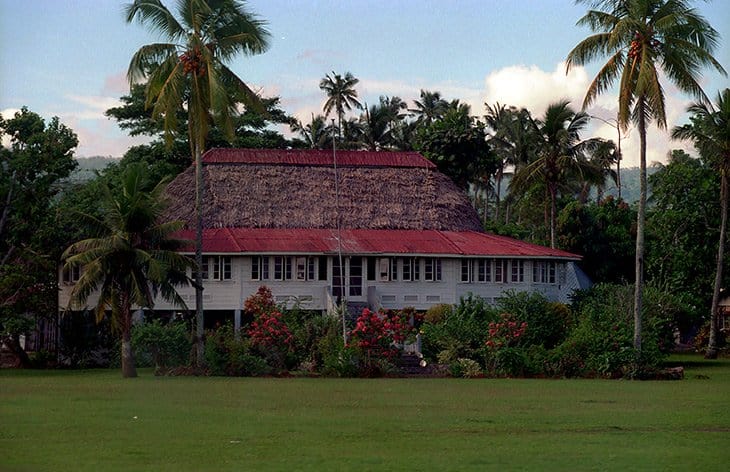
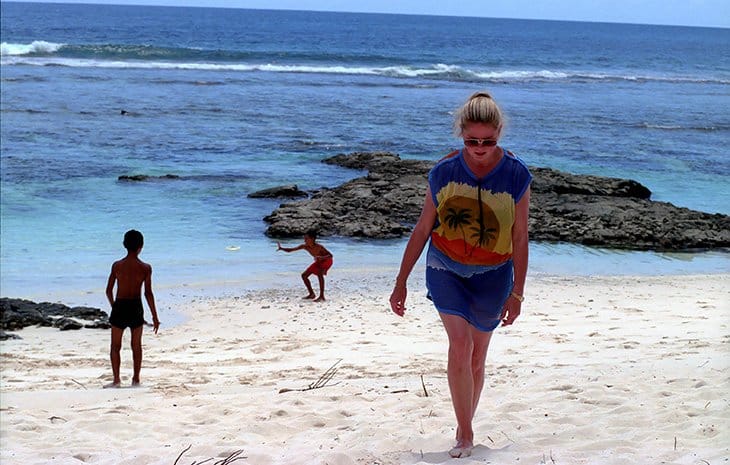
The former Western Samoa is today’s Samoa and has nothing to do with American Samoa. Samoa is located in the heart of the South Seas and is only a few hours’ flight away from New Zealand. Tonga and Fiji are also within easy reach by plane. We visited Samoa on our South Seas tour.
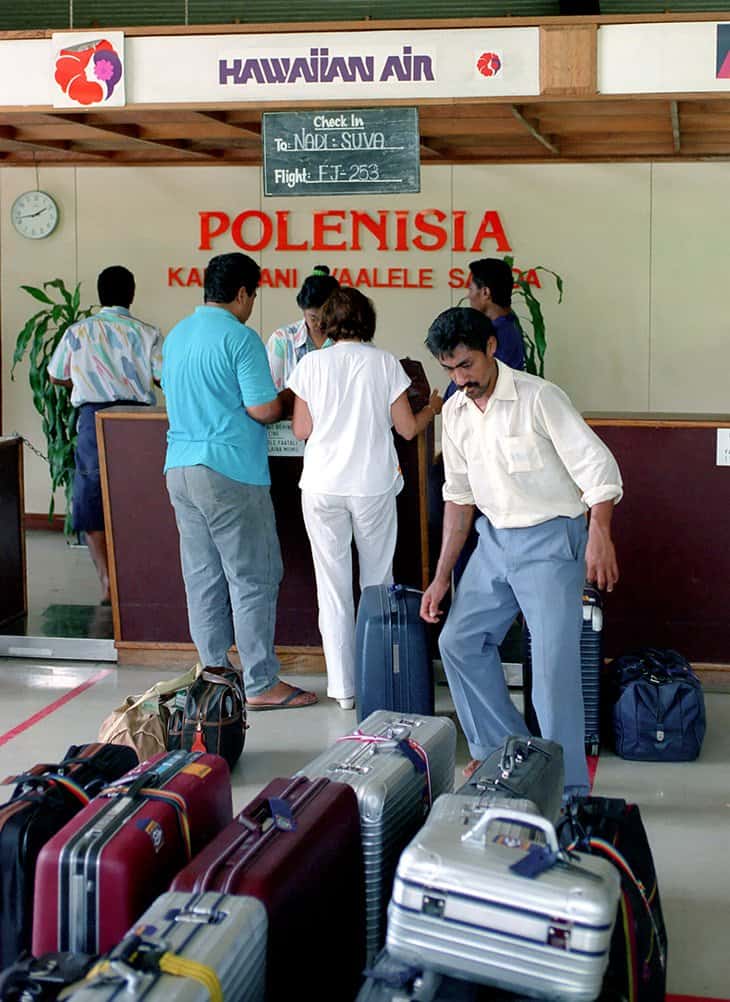
Check in to Samoa. As soon as we arrive, we are impressed by the touristic integrity of this island. There are only a few hotels and the flow of tourists seems to dry up here.
But first some historical information about Samoa: according to archaeological investigations, the historical roots of Samoa can be traced back to the year 1000 BC. Around this time, Polynesians settled in Samoa and developed their own culture.
The fertile volcanic soil and lush fishing grounds made Samoa the home of the Polynesians. About a thousand years later, the islanders settled the Marquesas Islands and Tahiti. There were contacts with Fiji and Tonga at an early stage. In contrast to the other Polynesian kingdoms, where succession applied, in Samoa the chiefs have always been elected by the people. Social classes did not exist even then. The development into Christianity began in 1830. In that year, the English Reverend John Williams of the London Missionary Society landed on the island with his ship Messenger of Peace.
By 1840, the missionary preacher had convinced all Samoans of his faith. He managed to get the Samoans to dress in long dresses and scarves. This in turn attracted the attention of Western traders, who immediately founded a trading post for cotton fabrics. Germans, British, and Americans began to build embassies and exert their influence on the Samoan government. The insecure chiefs immediately concluded peace treaties with all nations and established trade relations.
The international confrontation was led to an armed uprising of the Samoans in 1889. Warships from Germany, England and America arrived and anchored in the port of Apia. Here they were surprised by a hurricane that capsized four of their ships and cost the lives of over 200 people. This unstable political situation dragged on until the end of the 19th century. Then England withdrew. On December 2, 1899, Germany, America and Samoa signed a treaty dividing the country between the protecting powers of Germany and America. This is how the states of Western Samoa came into being as a “German colony” and American Samoa as an “American colony”.
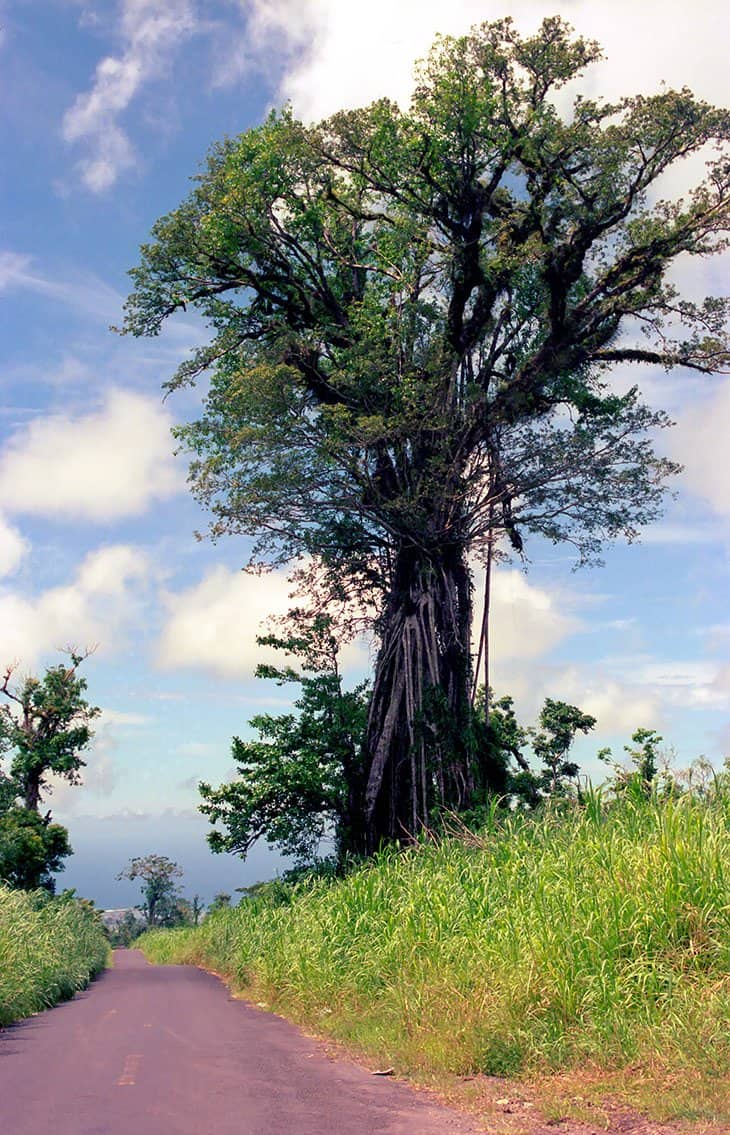
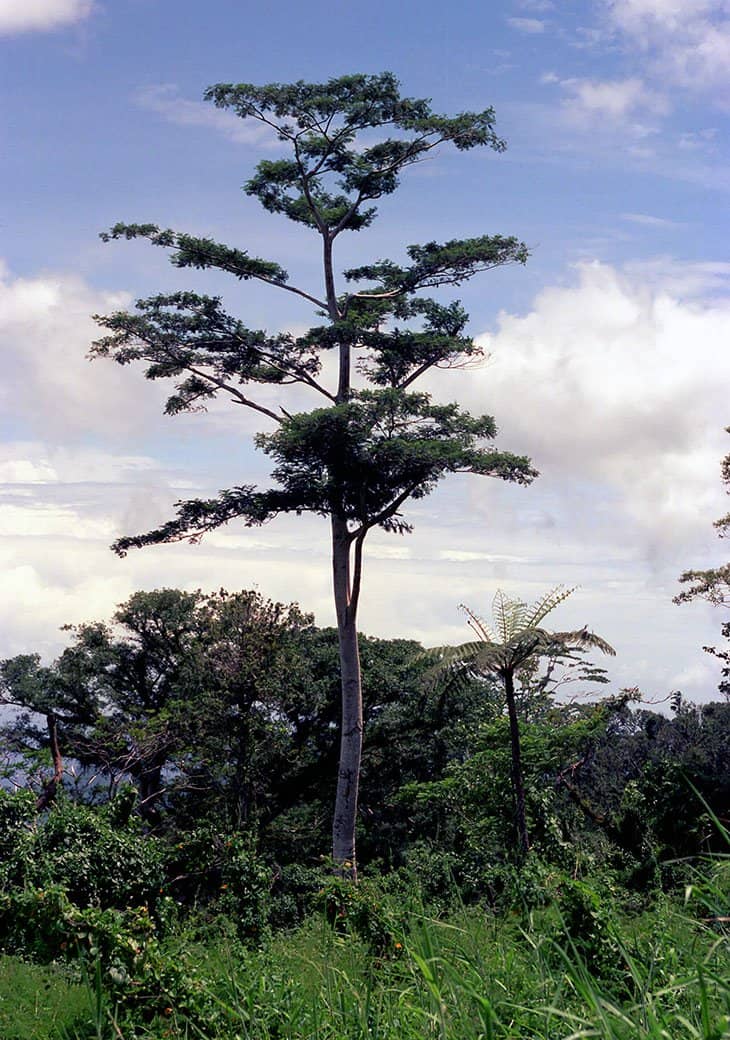
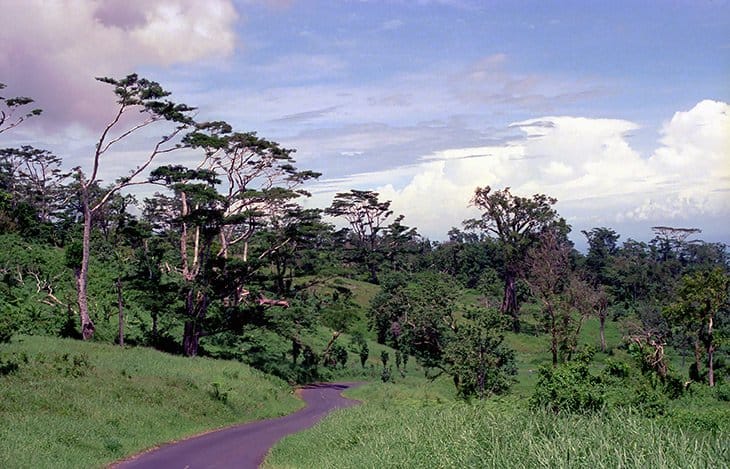
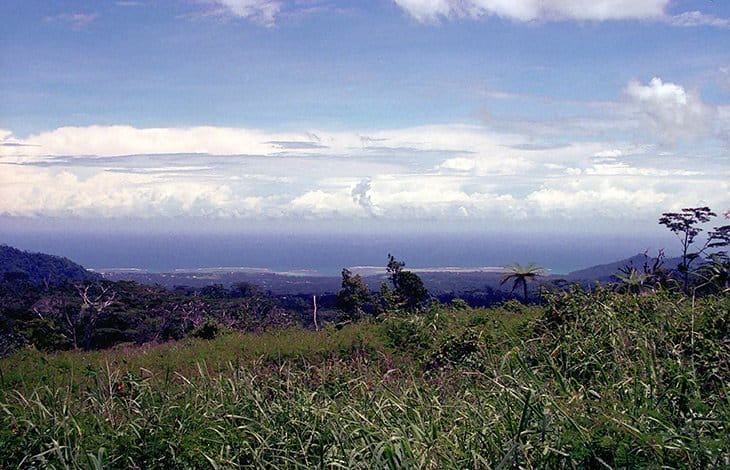
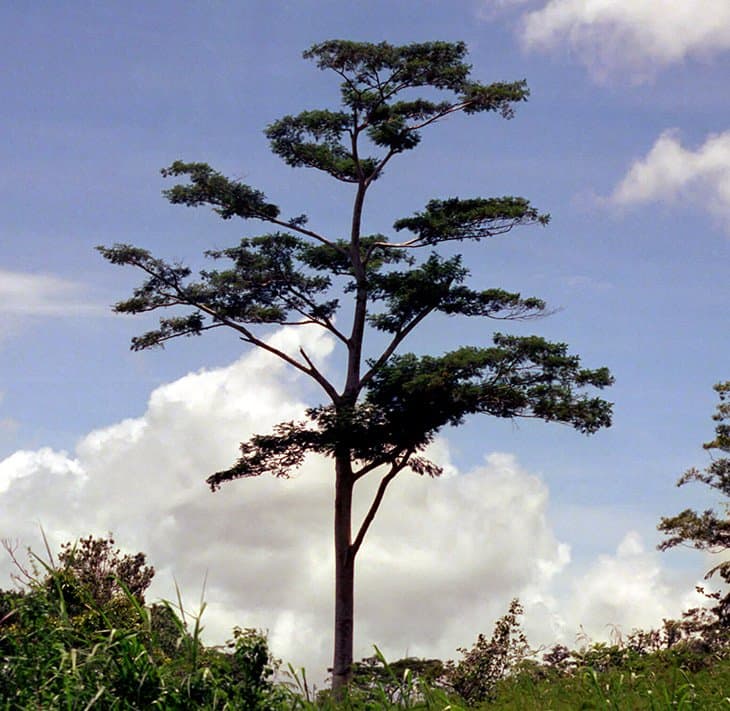
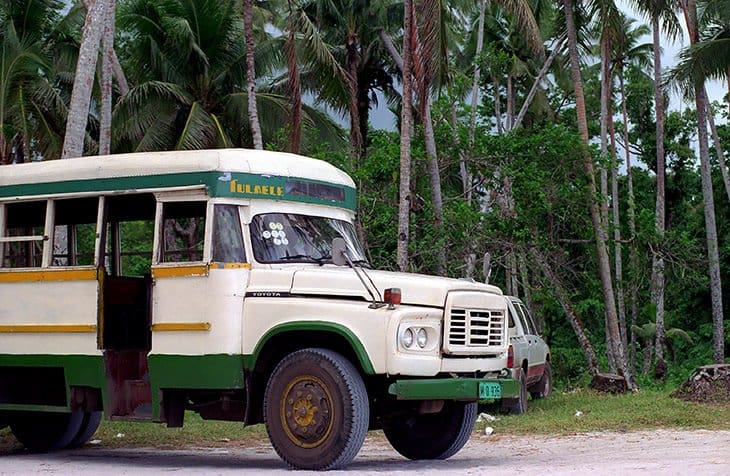
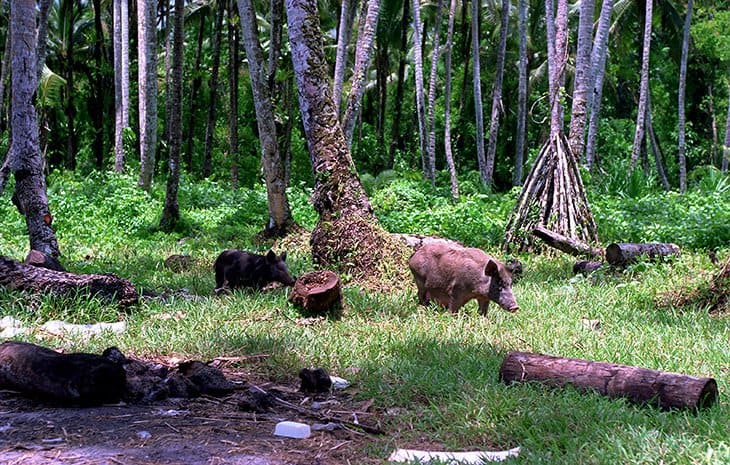
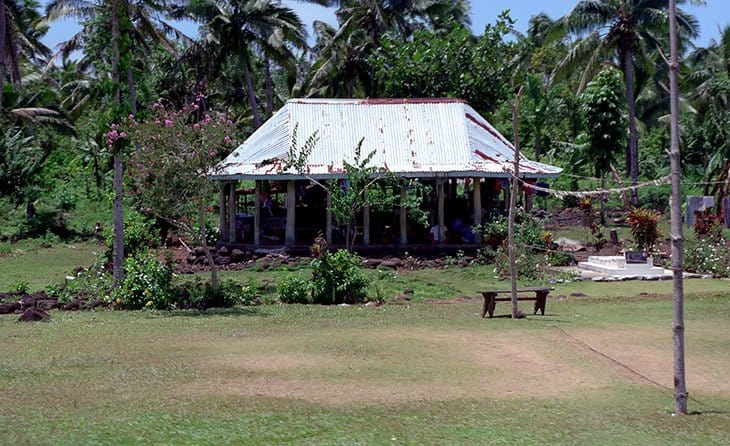
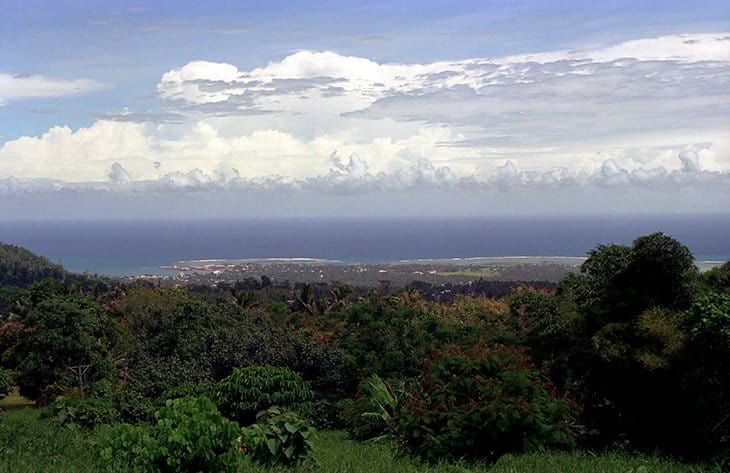
So much for the history of Samoa. During our journey across the island, we are surprised by the variety of vegetation. The main roads are reminiscent of dirt roads. There is hardly any car traffic. Again and again we see huge trees with a height of 30-40 m, which stand in a largely uncultivated landscape.