Bali – Temple – Travelogue 1
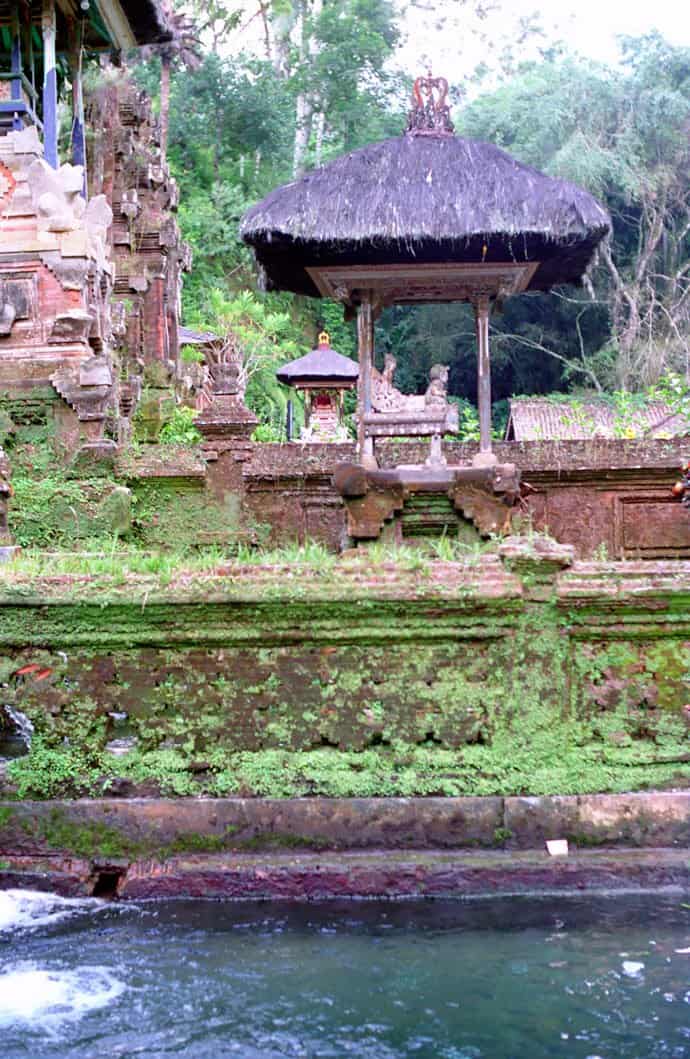
Bali is often called the island of 10,000 temples (or “island of the gods”). This is not an exaggeration. Every single village has at least 3 temples: the Pura Desa, where temple festivals are celebrated, the Pura Dalem for the goddess of death (this is also the place where the cremation ceremonies begin) and the Pura Puseh, which is dedicated to the gods of heaven. Temples can be found everywhere, on the mountains, in the valleys, in the rice fields and by the sea. Every temple is different. According to Balinese mythology, water was in the beginning. The gods created the turtle, which they released into the sea. On the back of the turtle, the island of Bali was created. The kingdom of heaven is the abode of the ancestors. The sea is the realm of demons. People live between these two extremes. But all this is ruled by the gods. The Balinese consider their homeland to be on loan from the gods.
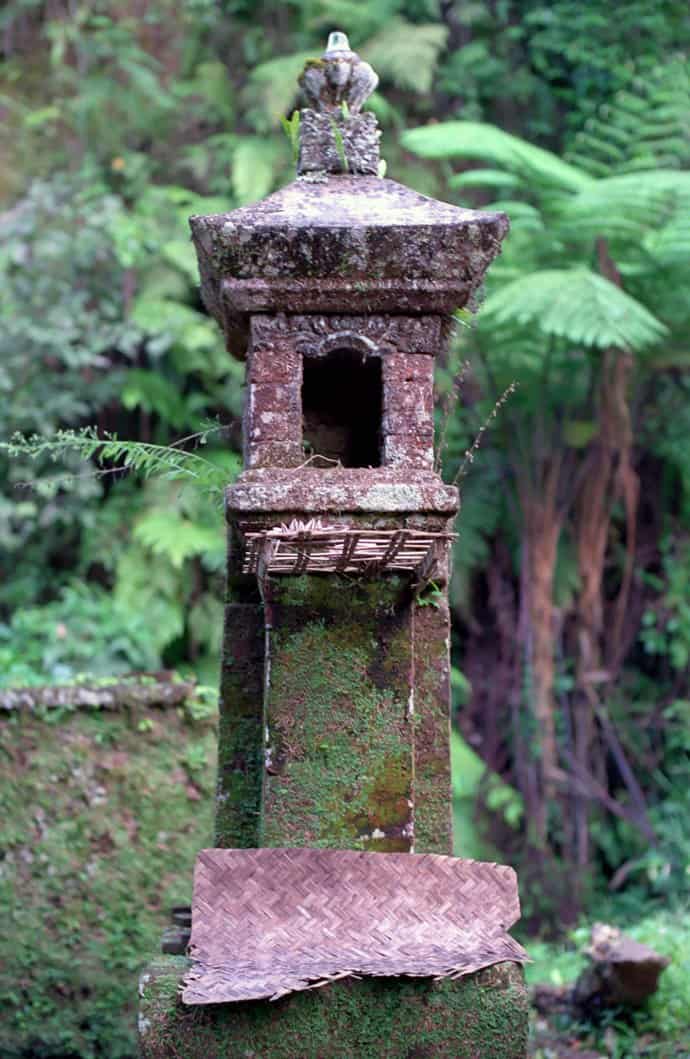
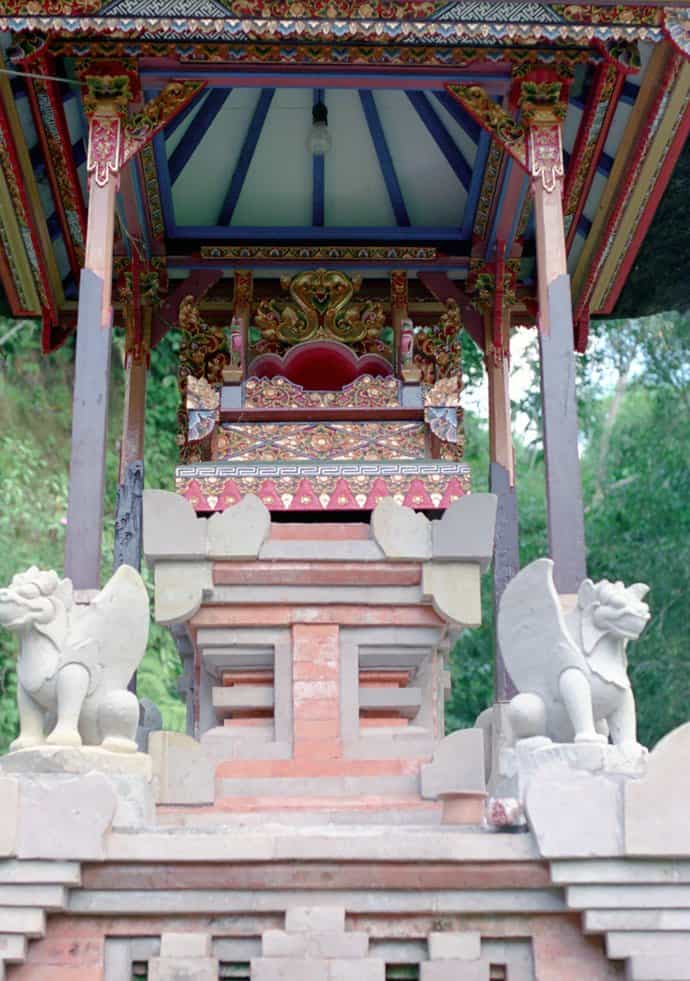
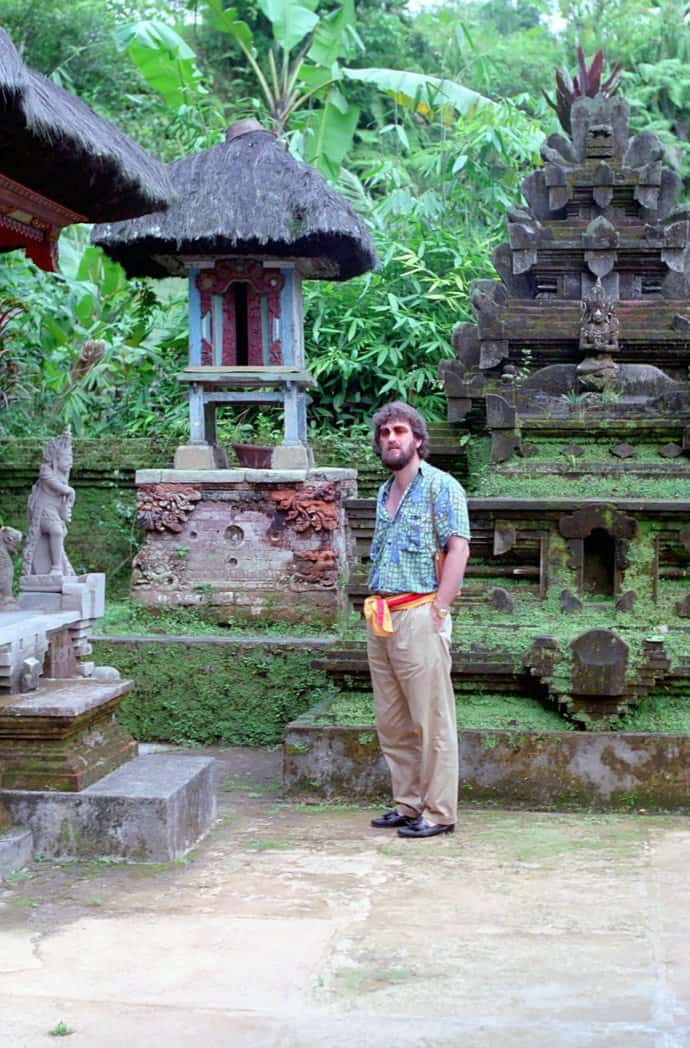
The population consists of 95% Hindus. The so-called Agama Hindu Bali, Buddhism, Islam or Christianity are characterized by animism, the belief of animated nature, in demons and magical powers. And the saying – “Bali, island of gods and demons” – can be found confirmed everywhere. Each temple has a shrine to the ancestors (which is the most important shrine in any temple) and two shrines to Bali’s two holiest mountains, the volcanoes Gunung Agung and Gunung Batour. There is also always a throne for the sun god Surya and shrines for so-called auxiliary deities, who are supposed to make sure that everything is done properly during the worship ceremonies and who keep a record of the offerings for the gods.
The gods and demons are paid homage to by countless small wickerwork, in which flowers, food and incense sticks are placed. You can find these baskets on the side of the road, in front of the shop entrance, at the entrance to the house, at temples, at crossroads, in cars, on the beach… ….in short, everywhere. The Balinese religion is still very much alive. Every morning somewhere in Bali you can see small or large groups of girls and women walking to a temple with elaborately decorated offerings. The most important temple festivals are celebrated with long processions in which everyone participates and which are also accompanied by gamelan musicians.
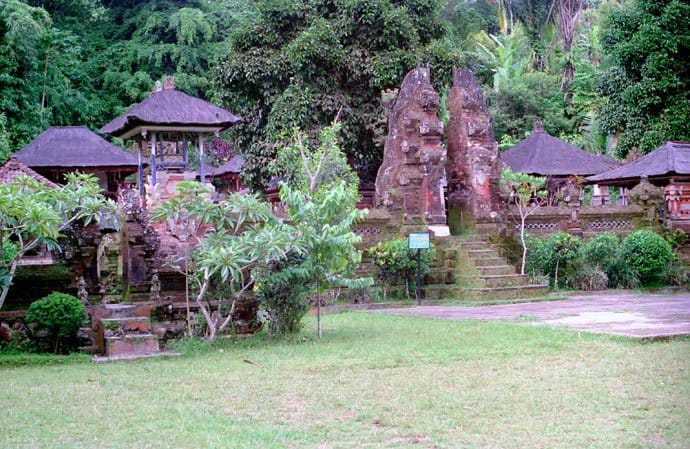
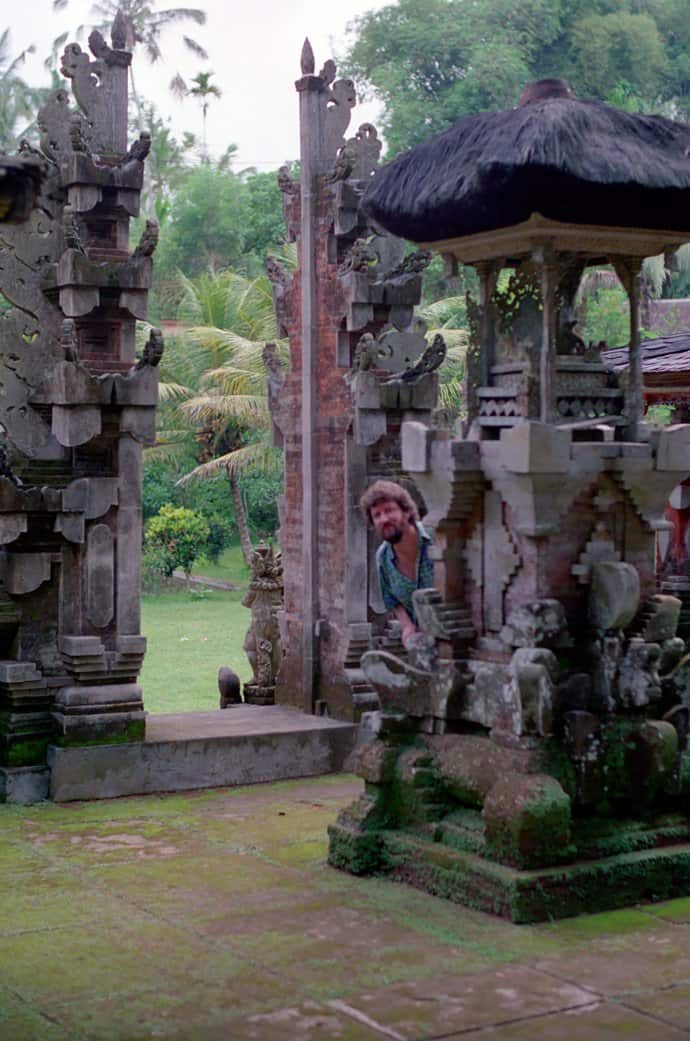
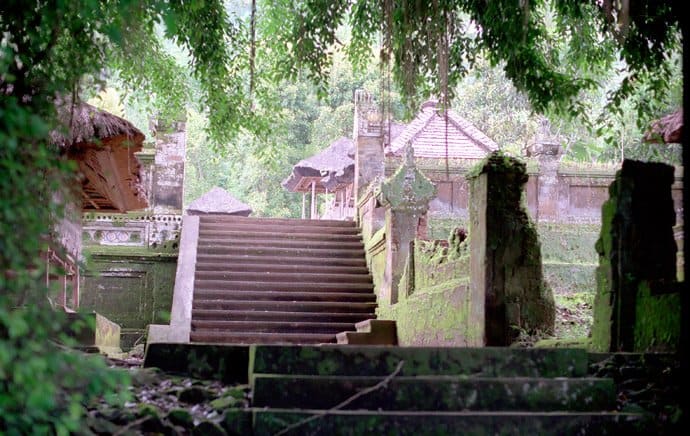
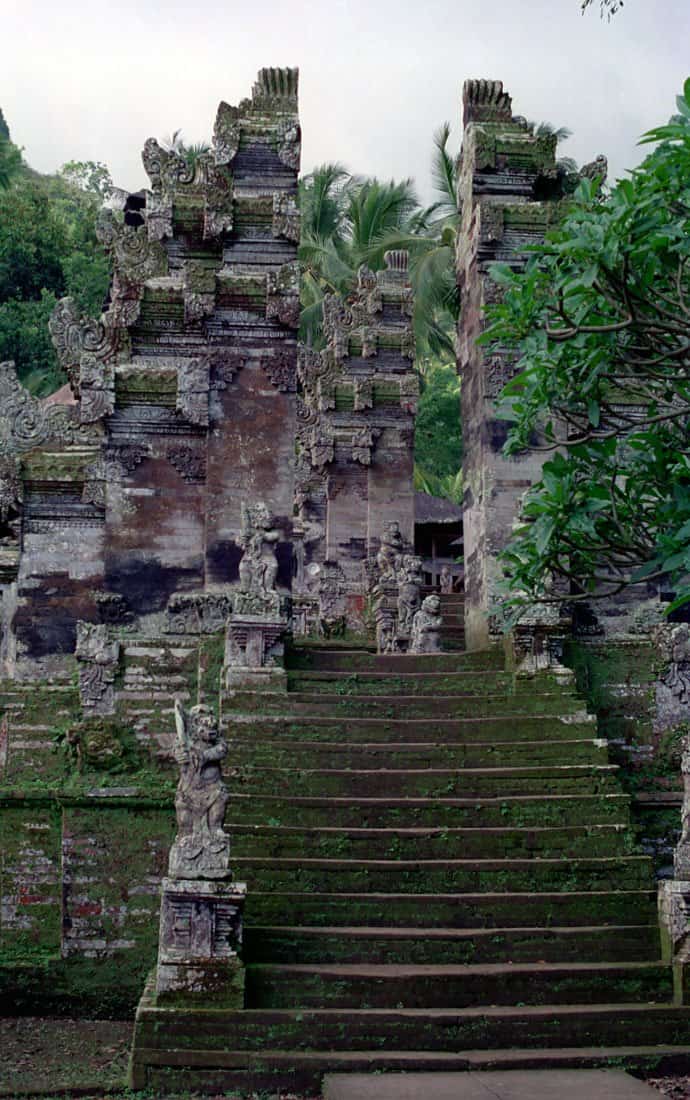
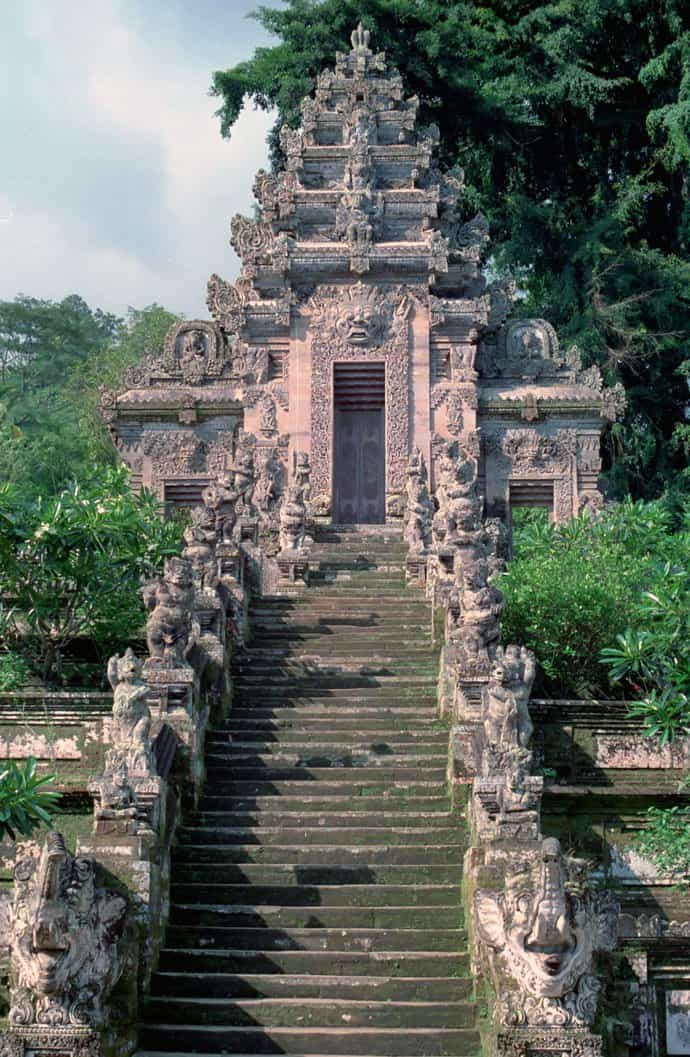
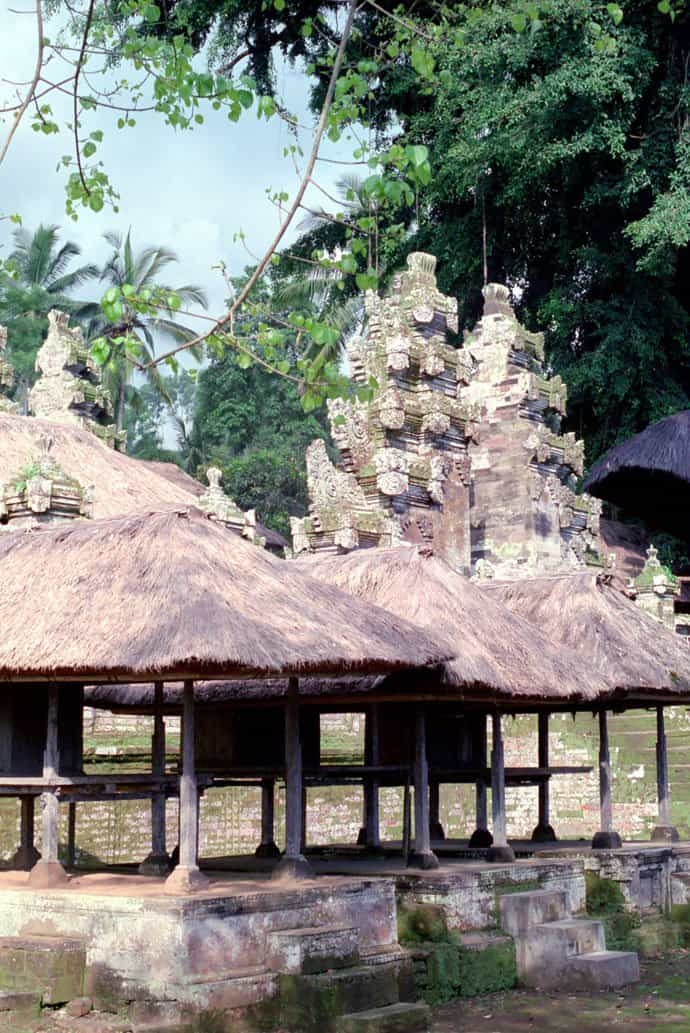
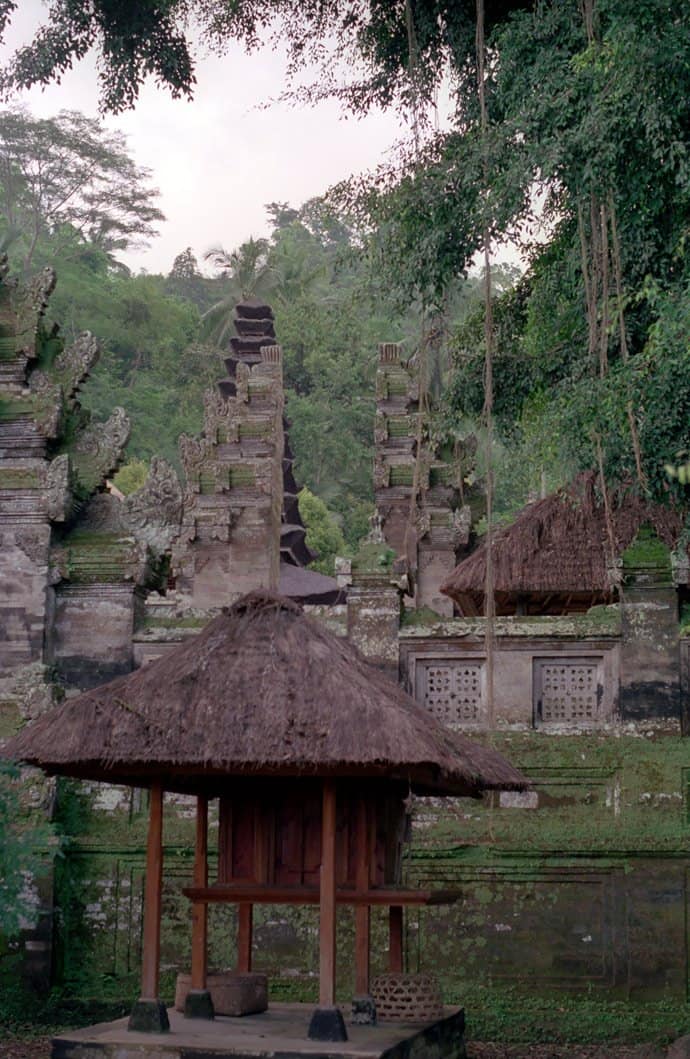
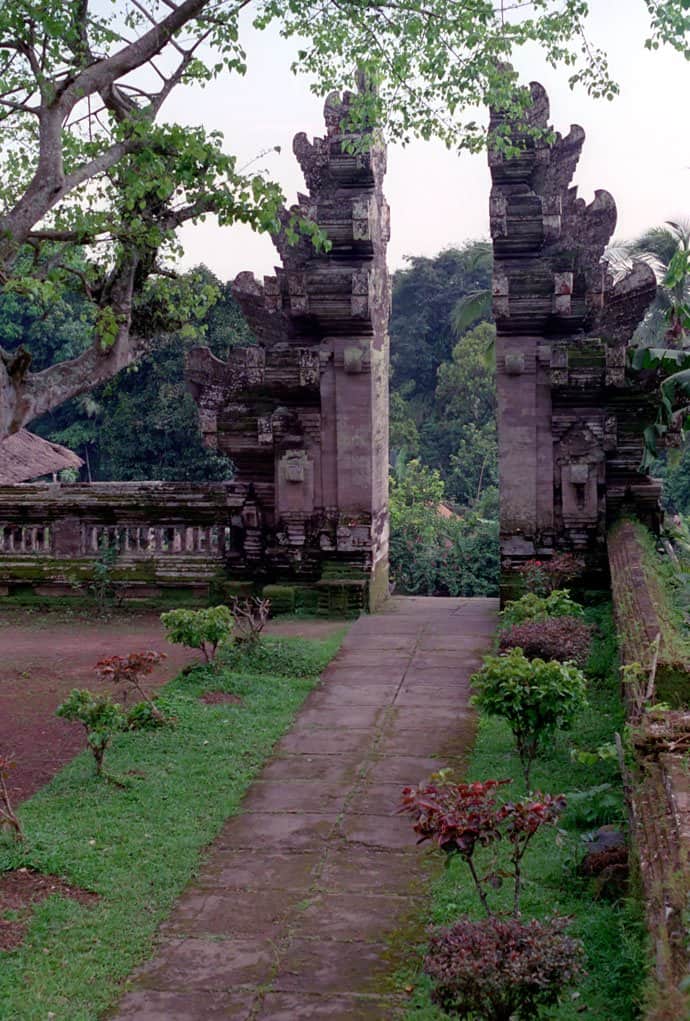
Although each temple is unique, they have certain elements in common. Each temple has two courtyards, an outer one that can be entered through the split gate Candi Bentar, which symbolizes the two halves of a stupa that are set apart, and a courtyard that can be accessed through a covered gate (Padu Raksa). In the outer courtyard, preparations for temple festivals or religious rites take place. The inner courtyard surrounds the actual sanctuary with the shrines and thrones of the gods. When entering the temple complexes, a selendang (temple scarf) must always be worn.
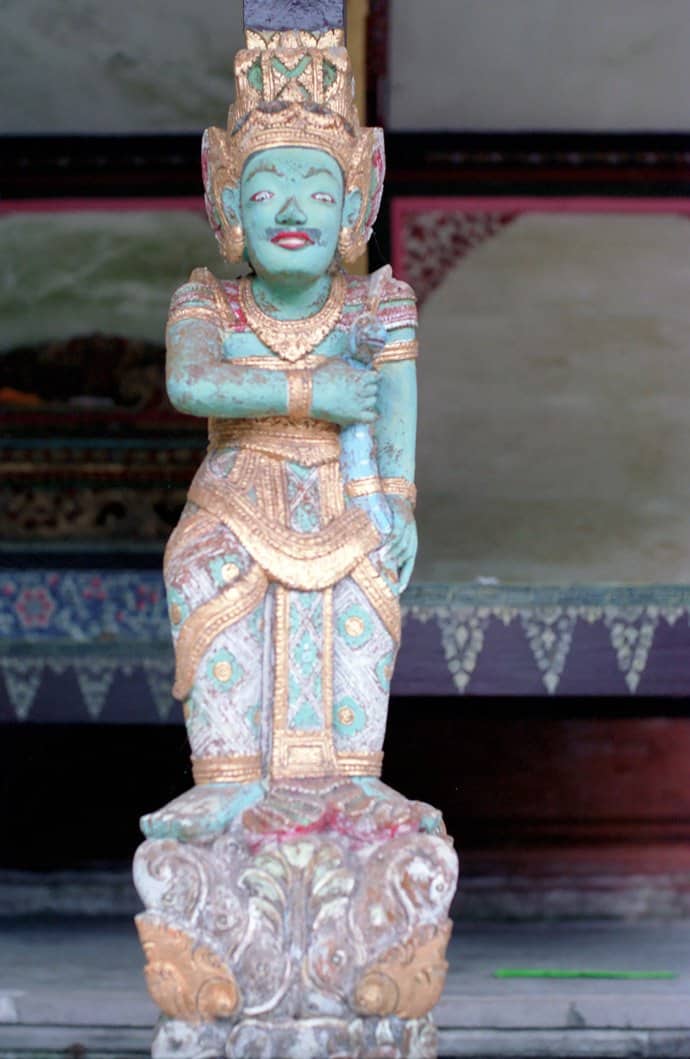
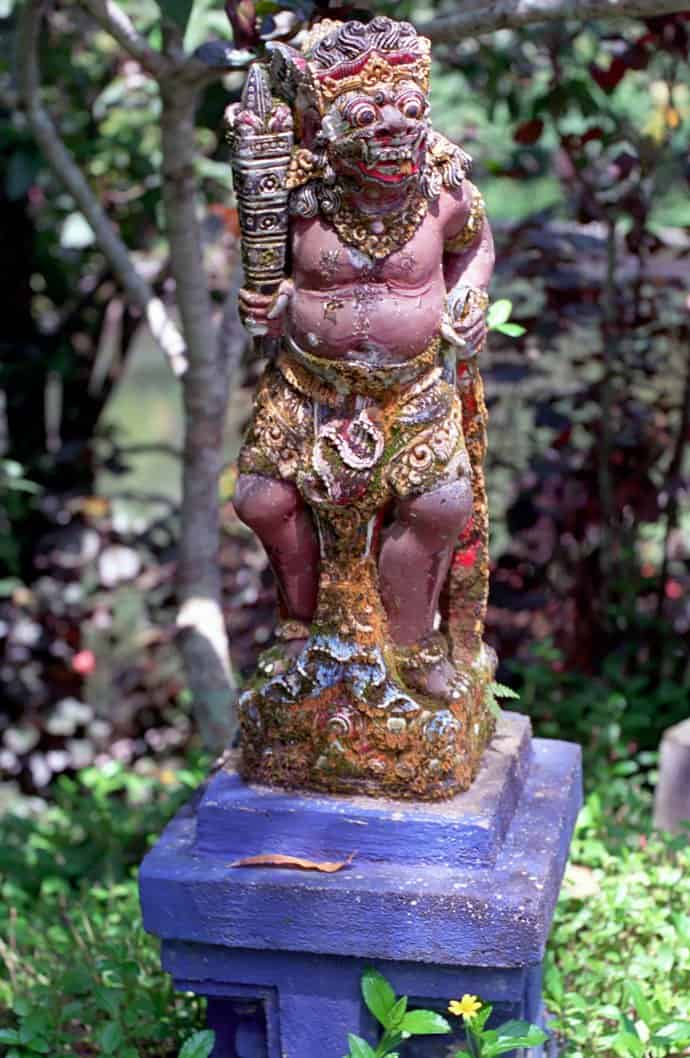
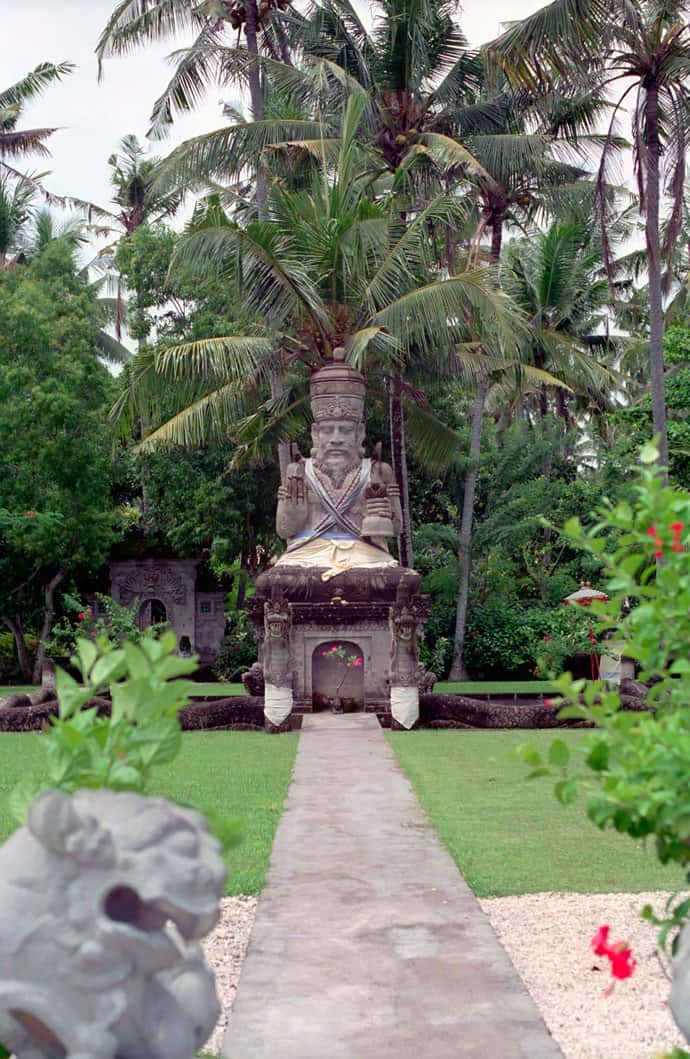
Balinese are united in a long chain of ancestors, connected to those who came before them and those who will come after. Death is the transition to another form of being. Life on earth therefore commands us to do everything that pleases the gods. Nature, the land and the sea are only a loan from the gods. Almost every temple is decorated with the imaginative figures. These, mostly wooden figures, are elaborately painted and embody the various demons and gods as well as guardians who are supposed to prevent the evil spirits from penetrating the sanctuary of the temple.
Photos Bali

Questions about Bali
In the Asia forum you will get the answers !

Author: Joe OnTour
Autor + Reise-Blogger