Travel blog OnTourWorld
  • HOME
  • TRAVEL REPORTS
    • Europe
      • Spain
      • Portugal
      • France
      • Ireland
      • Italy
      • Croatia
      • Netherlands
      • Austria
    • Africa
      • South Africa
      • Mauritius
      • Seychelles
      • Egypt
    • America
      • Hawaii
      • New England
      • New York
      • Arizona
      • Ecuador
      • Galapagos
      • Canada
      • California
      • Mexico
      • Dominican Republic
      • Puerto Rico
      • Bermudas
      • Bahamas
    • Asia
      • Bali
      • Hong Kong
      • Java
      • Maldives
      • Philippines
      • Singapore
      • Sri Lanka
      • Thailand
      • Turkey
    • Oceania
      • Australia
      • New Zealand
      • South Sea
  • CITY TOURS
  • Forum
  • SERVICE
    • Videos
    • Imprint
    • Data protection
  • German
  • English
Sri Lanka - rice fields
Sri Lanka

Sri Lanka – Rice Fields

by Joe OnTour 9. September 2017
written by Joe OnTour

Sri Lanka – Rice Fields

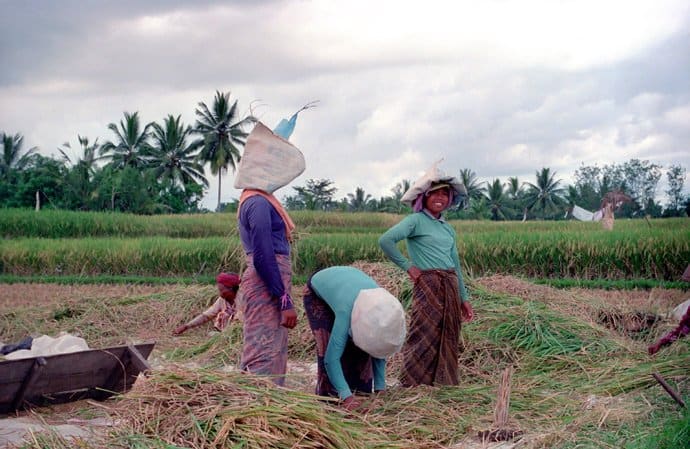
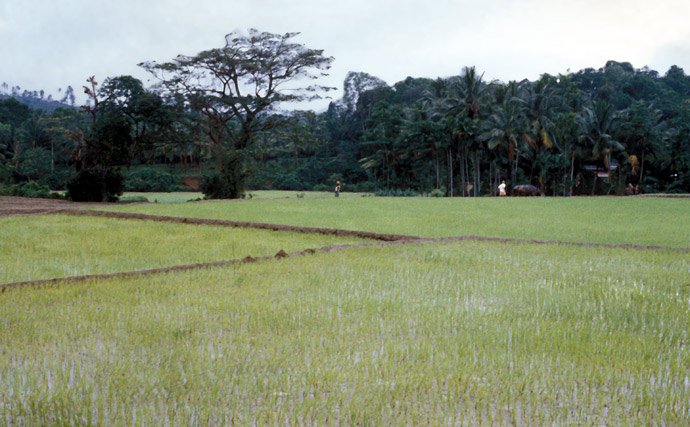
They can be found outside the cities all over the island of Sri Lanka. We are talking about the countless rice fields where the farmers work to supply the country.

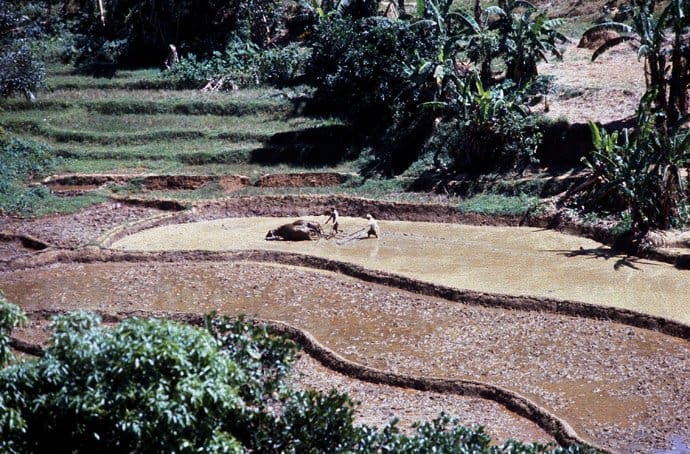
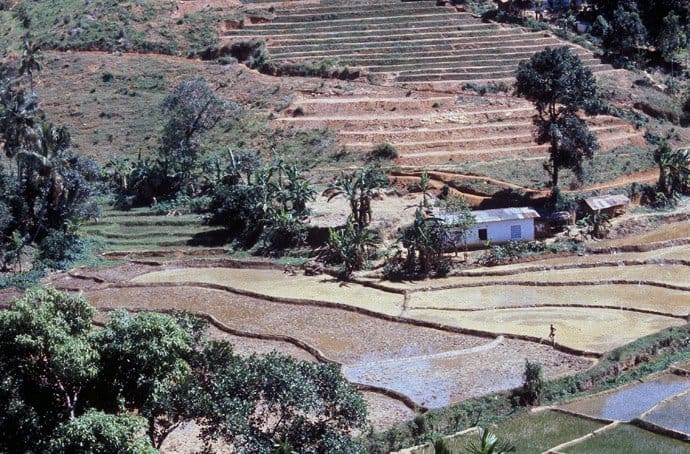
As soon as we leave the city of Colombo behind us, we drive past huge rice fields. The fields are artistically laid out and often reach up into the mountain landscape of the island.

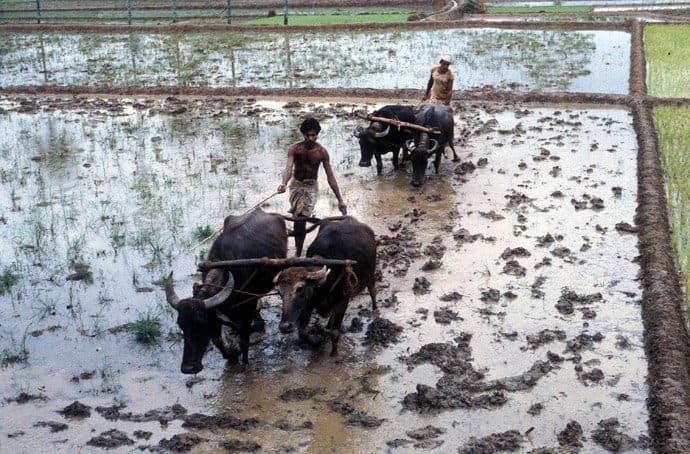
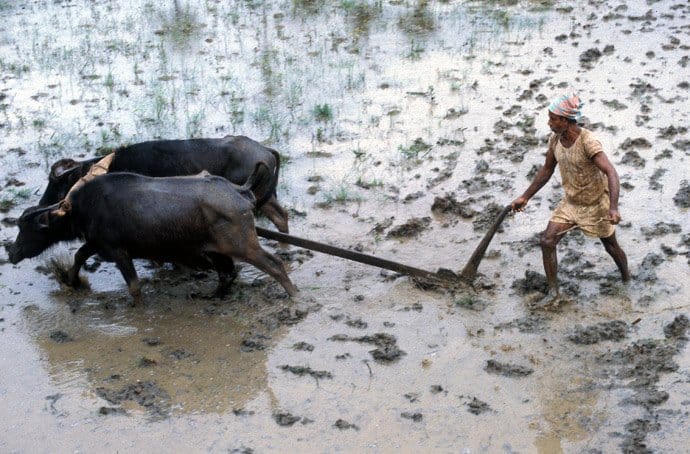
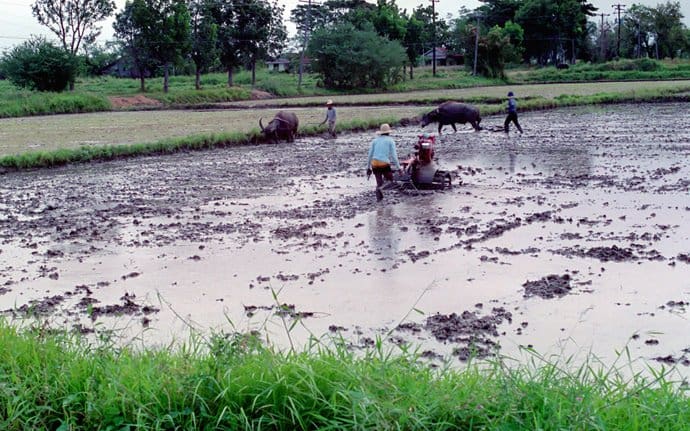
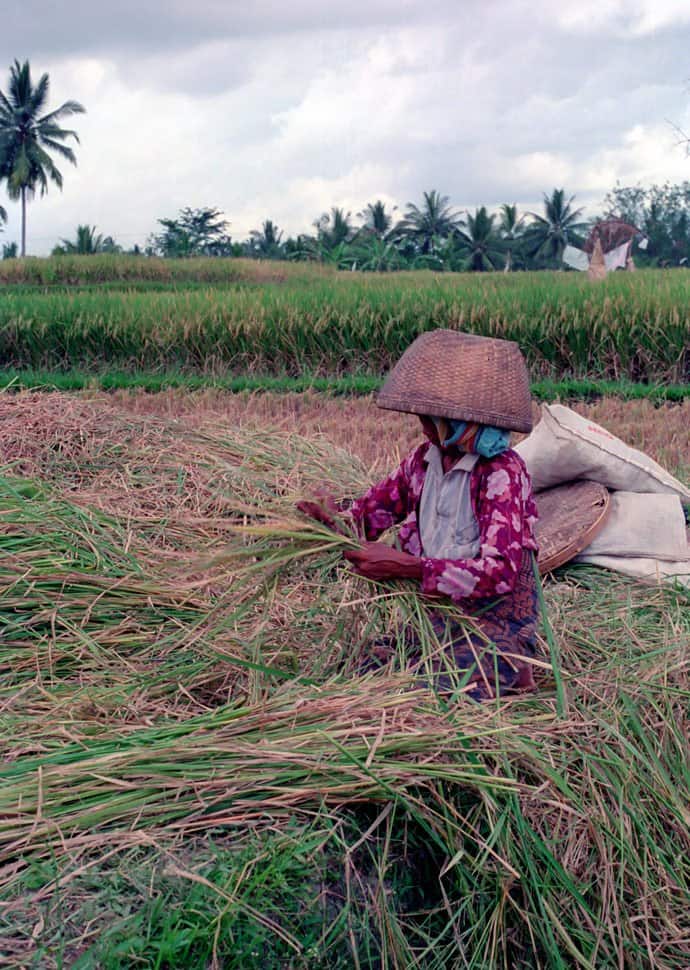
With ox teams in front of a primitive wooden plough, the fields are still ploughed today as they were hundreds of years ago. The workers move in the deep mud. A physically hard work that is usually done by the men, while the harvest is usually the responsibility of the women.
Ox team and rice farmer in a rice field – Sri Lanka
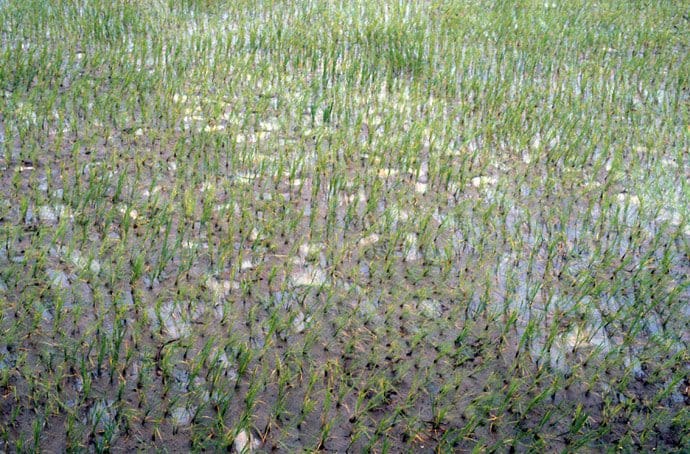
The individual terraces are kept moist by a sophisticated irrigation system to give the rice plants the basis for growth.

The wages of work are so low that they provide families with just the bare necessities for daily life. The rice farmers usually live in the poorest huts on the edge of the rice fields.

Despite the difficult life, the people are mostly cheerful and friendly. Sowing and harvesting takes place several times a year, as the growing conditions on the island are optimal.

General country informationSri Lanka

Sri Lanka – General info

by Joe OnTour 9. September 2017
City tripsSri Lanka

Sri Lanka – Colombo
by Joe OnTour 9. September 2017
City tripsSri Lanka

Sri Lanka – Kandy

by Joe OnTour 9. September 2017
Sri Lanka

Sri Lanka – Rice Fields

by Joe OnTour 9. September 2017
Sri Lanka

Sri Lanka – Tea Plantation

by Joe OnTour 9. September 2017
Sri Lanka

Sri Lanka – Everyday Life

by Joe OnTour 9. September 2017
Sri Lanka

Sri Lanka – Impressions

by Joe OnTour 9. September 2017
Sri Lanka

Sri Lanka – People

by Joe OnTour 9. September 2017

Pictures Sri Lanka – Rice Fields

Sri Lanka - rice fields

Questions about Sri Lanka

In the Asia forum you will get the answers!

9. September 2017 0 comments
0 FacebookTwitterPinterestEmail
Sri Lanka - tea plantation
Sri Lanka

Sri Lanka – Tea Plantation

by Joe OnTour 9. September 2017
written by Joe OnTour

Sri Lanka – Tea Plantation

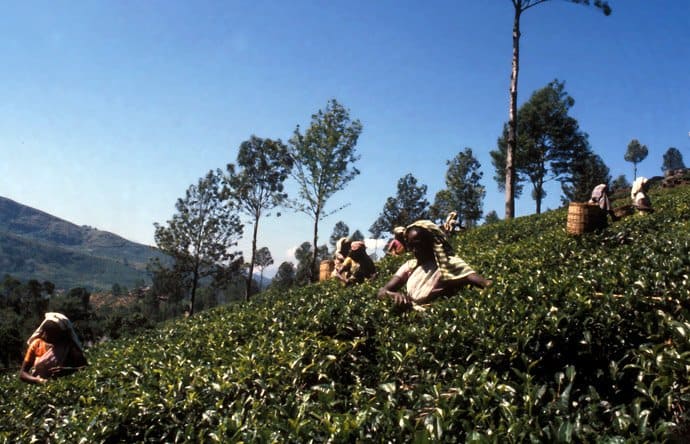
A special experience on our trip across the island of Sri Lanka was a visit to one of the many tea plantations. On the journey from Colombo to Kandy, we had the opportunity to visit one of many tea plantations in the country.
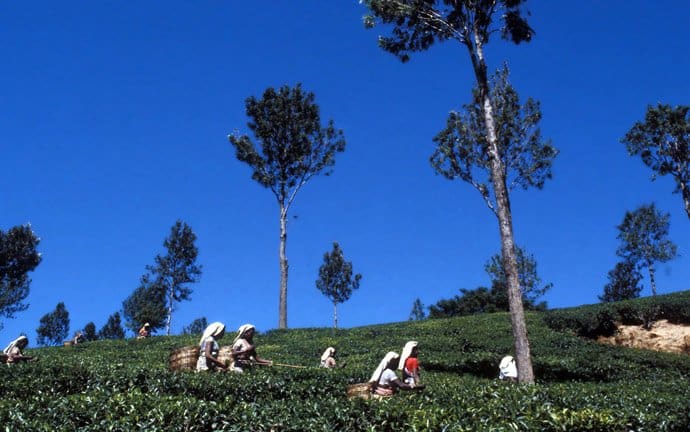
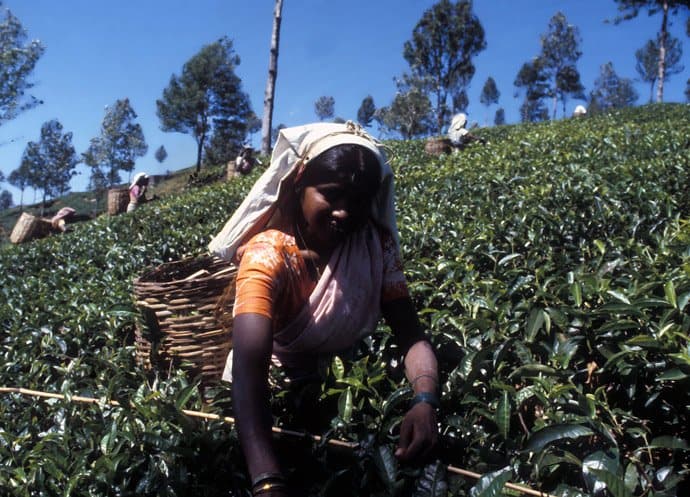
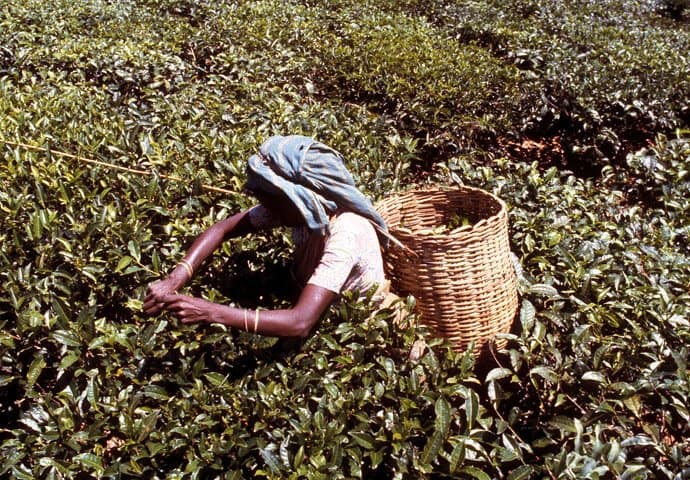
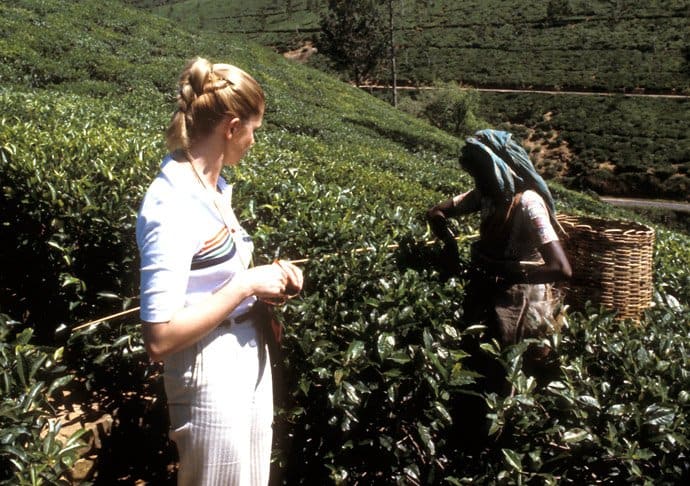
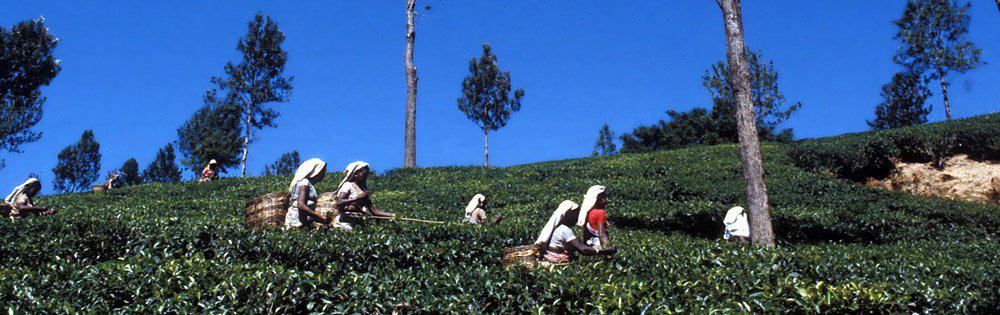
First we hiked over the slopes of the plantation and were able to watch the tea pickers at work. The pickers stand up to their chests in the tightly growing plants.
Tea picker at work – Sri Lanka
To demarcate the harvested area, bamboo sticks are placed on the bushes. This way, the women do not lose track of the harvest. The harvested flowers are placed in the basket, which is carried on the back the whole time.

The work is done in the scorching sun and despite the heaviness of the work, the jobs here are very much in demand. Early in the morning, the job seekers wait in front of the small factory building to be assigned.

As picturesque as the plantations with the pickers look to the passer-by from a distance, it is hard and difficult work when you look at the events up close. The plantation is one of the medium-sized farms and still has a considerable area.

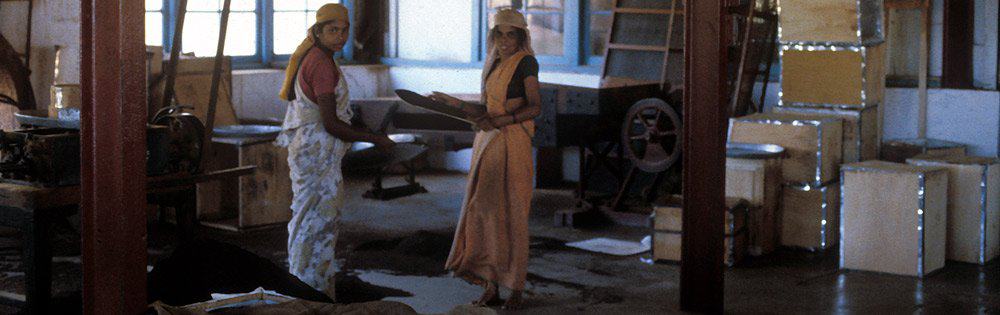
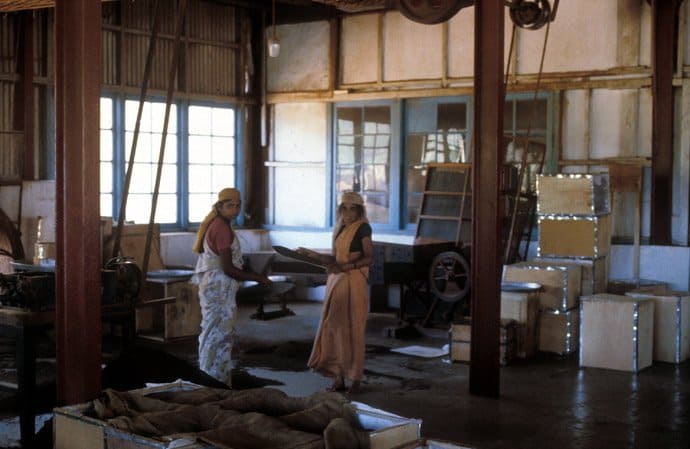
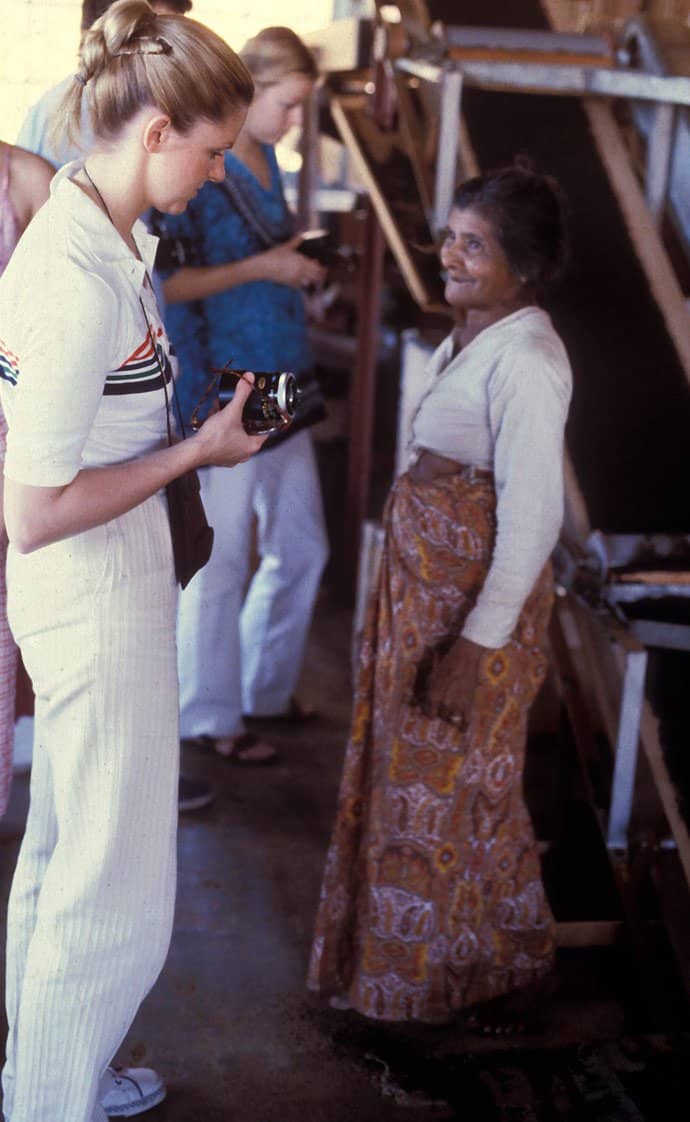
On the slope and in front of the blue sky, the workers look like busy bees. The subsequent visit to the tea factory, where the harvest is prepared for export, is interesting. Packed in large wooden boxes, the product usually goes on its long journey to Europe.

Pictures Sri Lanka – Tea Plantation

Sri Lanka - tea plantation
Sri Lanka - Colombo
Sri Lanka - Colombo

Questions about Sri Lanka

In the Asia forum you will get the answers!

9. September 2017 0 comments
0 FacebookTwitterPinterestEmail
Sri Lanka – daily life
Sri Lanka

Sri Lanka – Everyday Life

by Joe OnTour 9. September 2017
written by Joe OnTour

Sri Lanka – Everyday Life

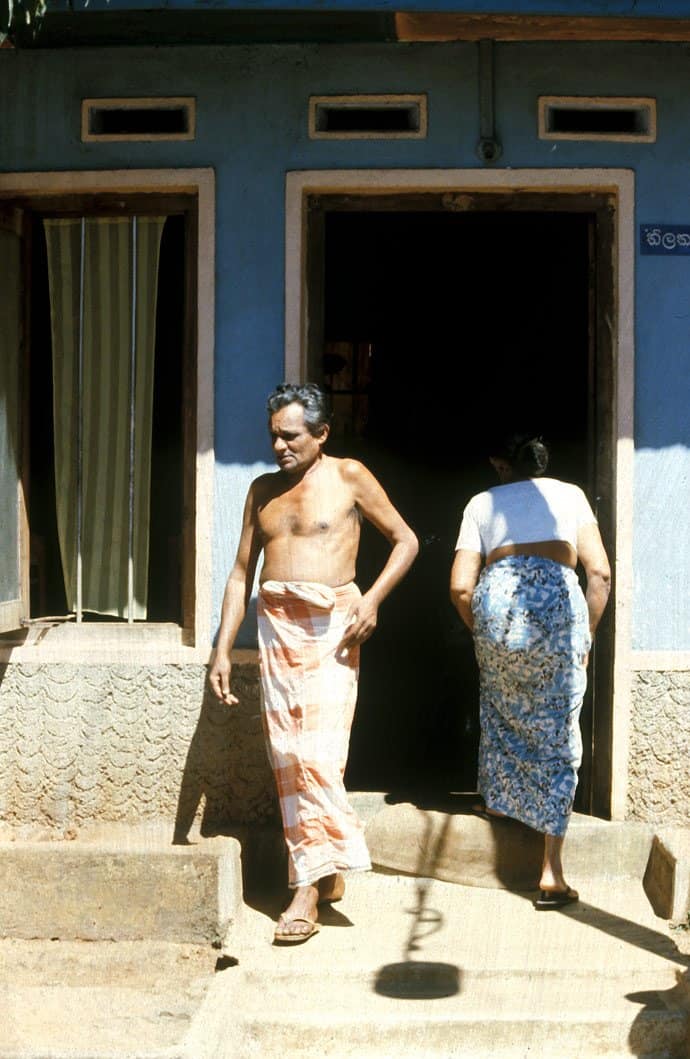
Everyday life on the island of Sri Lanka is a hard struggle for existence for most of the inhabitants. Nevertheless, the people are animated by a cheerfulness and friendliness that is impressive. We encounter this inner happiness of the people again and again on our journey across the island.

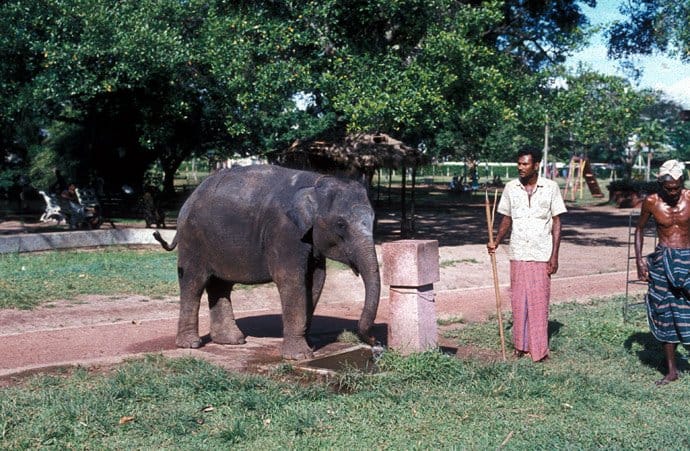
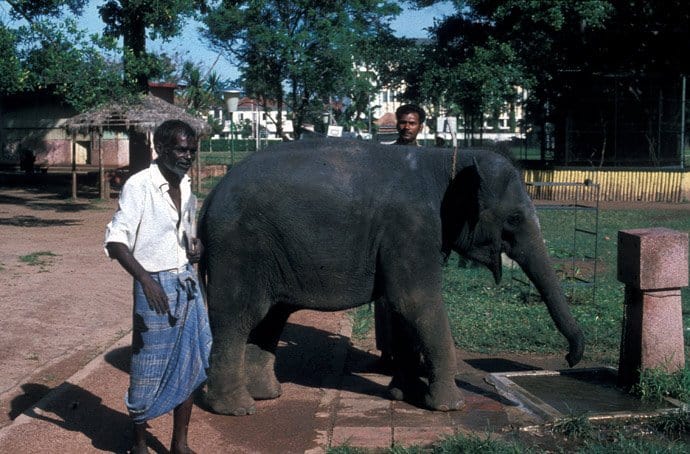
The owners of this elephant are to be regarded as wealthy. Owning an elephant is an enormous wealth in Sri Lanka. The animals are treated and cared for very well.

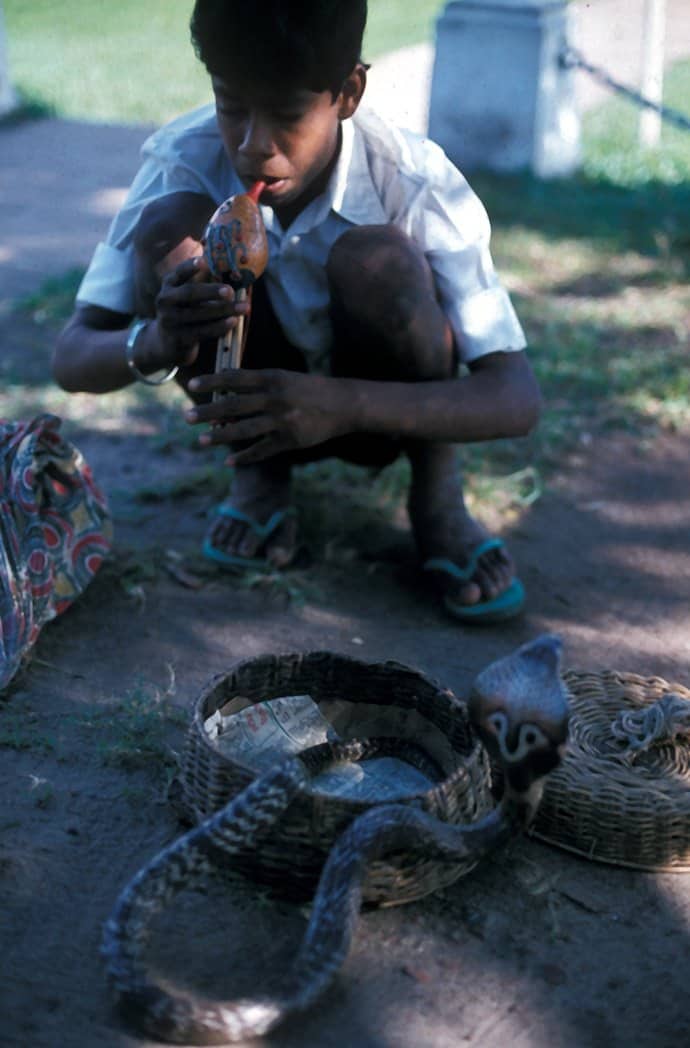
On a marketplace we meet a snake charmer who shows us his art. With haunting flute playing, the cobra rises from the basket. We only dare to approach the couple within the furthest flight distance.

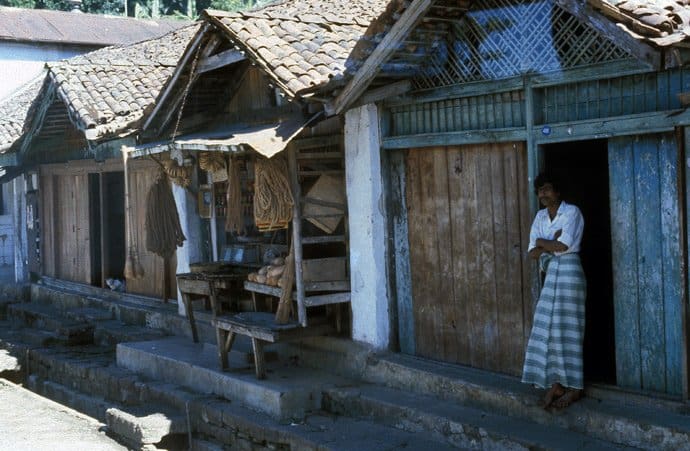
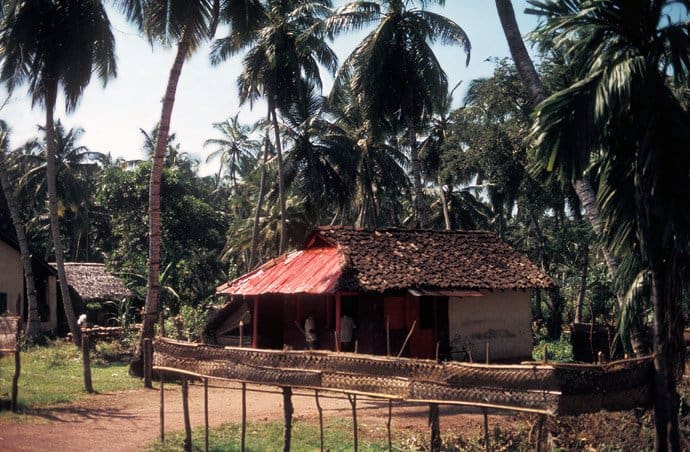
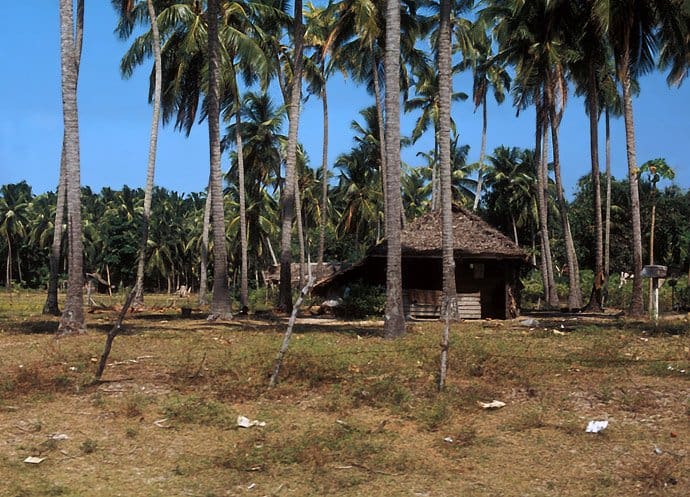
During our further journey across the country, we often see primitive wooden dwellings under palm groves. The roofs are covered with palm fronds.

Outside the big cities, most people still live in the simplest accommodations as they did a hundred years ago.

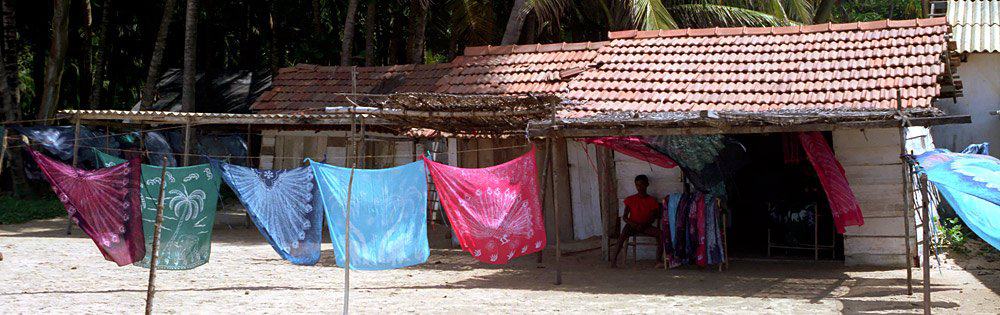
In the villages, the corrugated iron shops, usually set up on the thoroughfares, are the meeting place for the villagers.

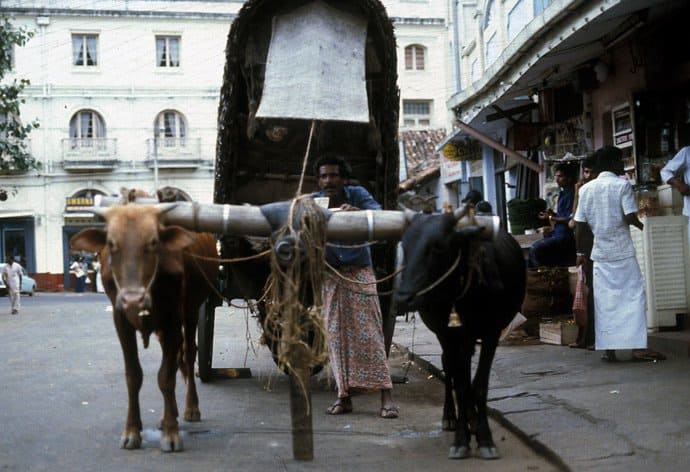
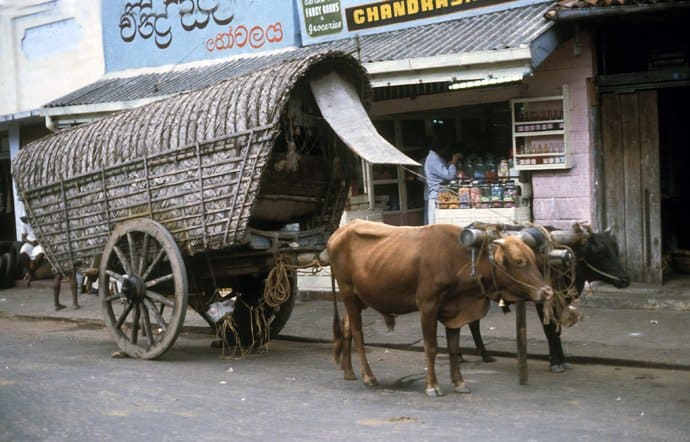
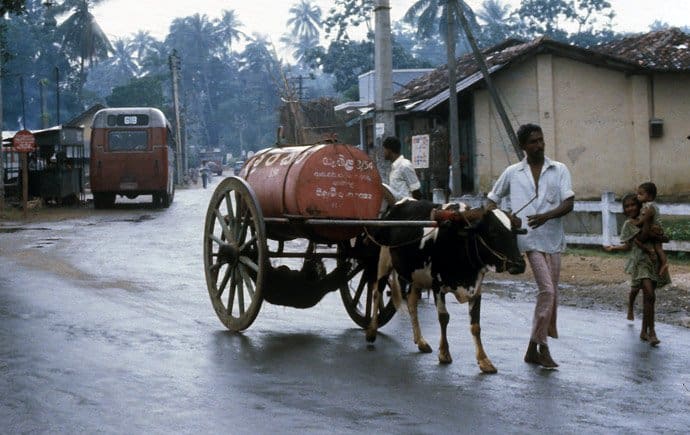
It is not uncommon for the road to be blocked by ox carts, on which virtually everything is transported.

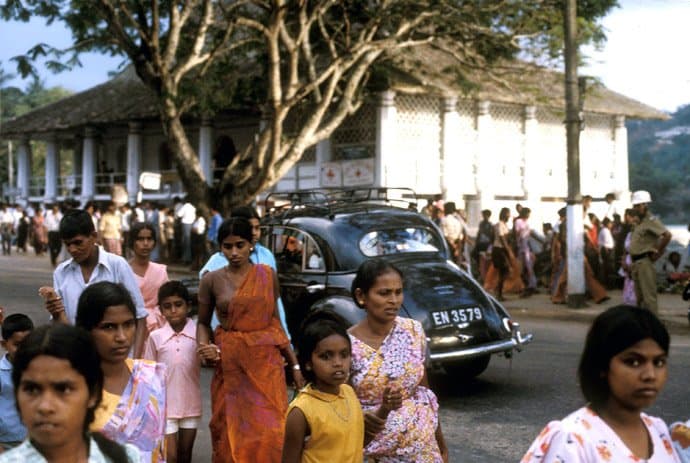
Life on the island of Sri Lanka takes place almost without exception on the streets. This is where people trade, haggle, sell, buy and hold the usual Smaltalk. This scenery often goes on until late at night.

Pictures Sri Lanka – Everyday Life

Sri Lanka – daily life
Sri Lanka - Impressions
Sri Lanka - People
Sri Lanka - People
Sri Lanka - People
Sri Lanka - People

Questions about Sri Lanka

In the Asia forum you will get the answers!

9. September 2017 0 comments
0 FacebookTwitterPinterestEmail
Sri Lanka - Impressions
Sri Lanka

Sri Lanka – Impressions

by Joe OnTour 9. September 2017
written by Joe OnTour

Sri Lanka – Impressions

The preferred means of transport in the villages (but also in larger cities) in Sri Lanka is the ox cart.

The flora in Sri Lanka is impressive and extremely versatile. All kinds of flowers, fruits and spices grow here.

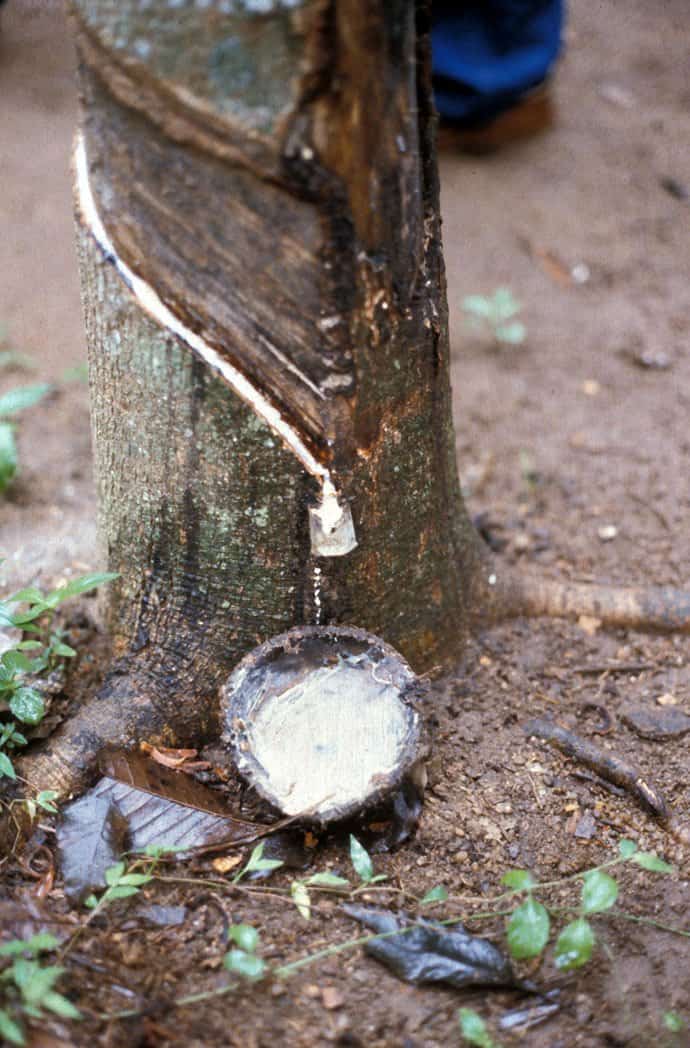
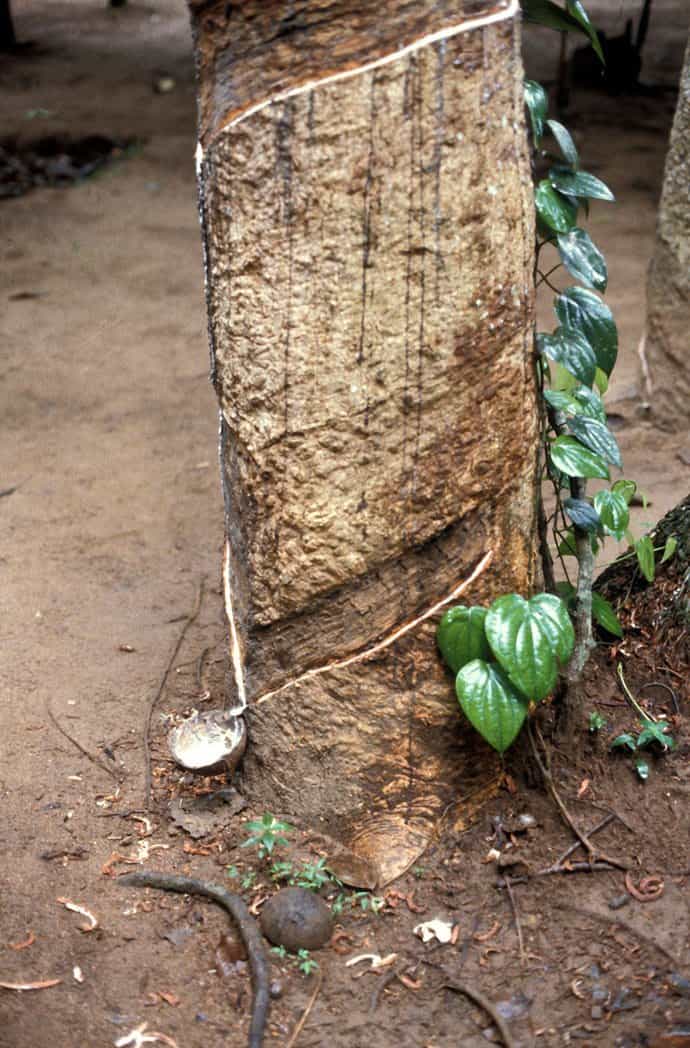
Rubber extraction is still widespread on the island of Sri Lanka.

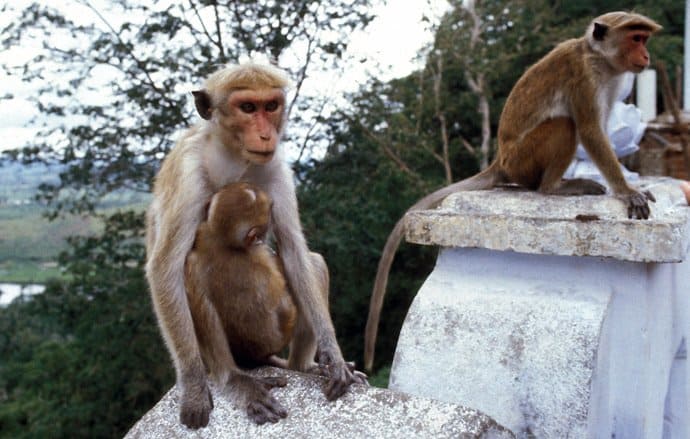
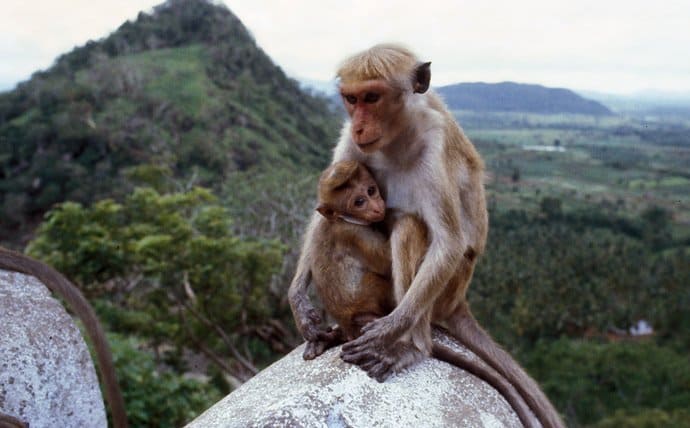
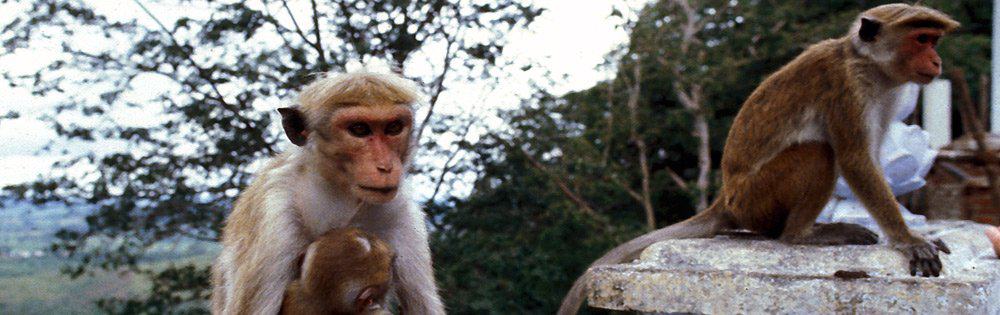
The Monkey Temple is one of the attractions on the island of Sri Lanka.

Pictures Sri Lanka – Impressions

Sri Lanka - Colombo
Sri Lanka - Impressions
Sri Lanka - Colombo
Sri Lanka - Colombo
Sri Lanka - Colombo
Questions about Sri Lanka

In the Asia forum you will get the answers!

9. September 2017 0 comments
0 FacebookTwitterPinterestEmail
Sri Lanka - People
Sri Lanka

Sri Lanka – People

by Joe OnTour 9. September 2017
written by Joe OnTour

Sri Lanka – People

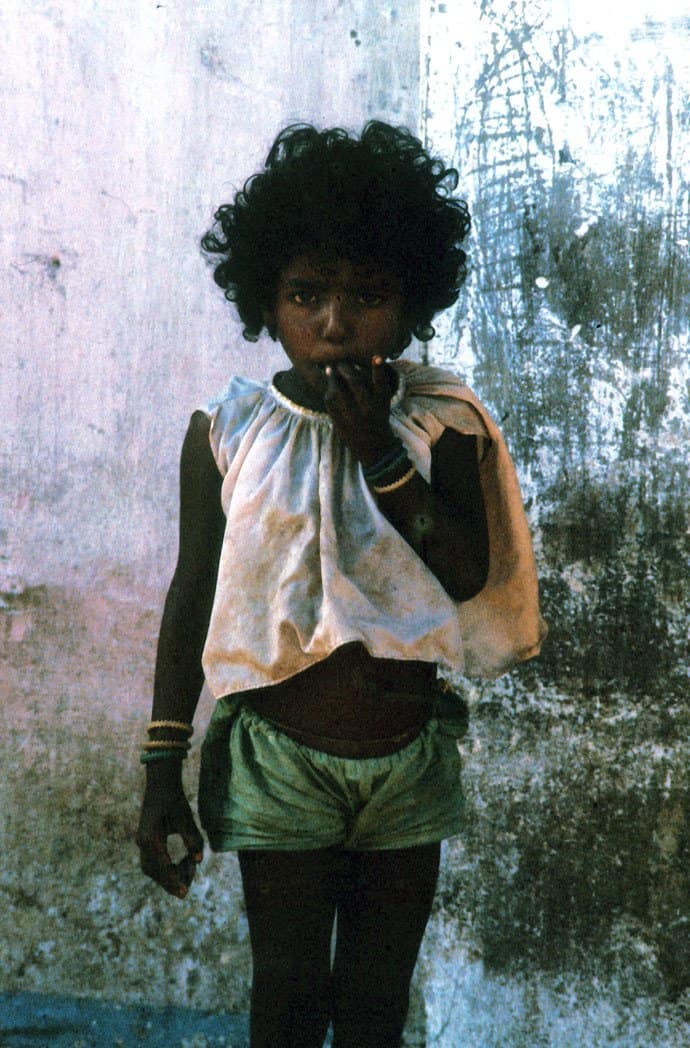
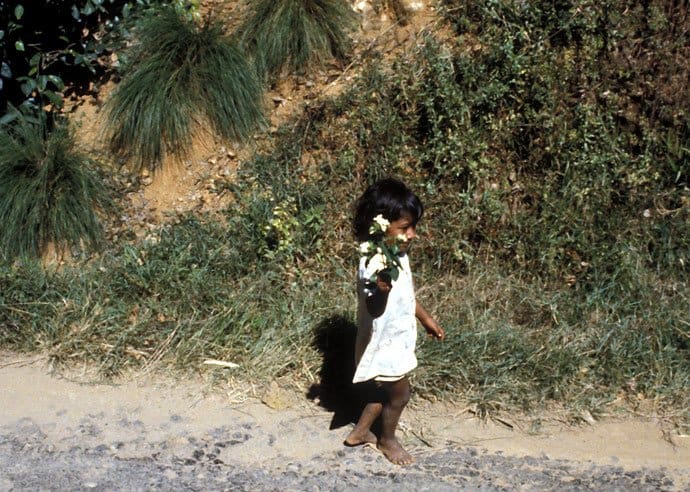
In Sri Lanka you can find an incredible wealth of human impressions. We captured a few snapshots of life on the island.

Pictures Sri Lanka – People

Sri Lanka - Colombo
Sri Lanka - Colombo
Sri Lanka - Colombo
Sri Lanka - Colombo
Sri Lanka - Kandy
Sri Lanka - tea plantation
Sri Lanka – daily life
Sri Lanka - People
Sri Lanka - People
Sri Lanka - People
Sri Lanka - People
Sri Lanka - People
Sri Lanka - People
Sri Lanka – daily life

Questions about Sri Lanka

In the Asia forum you will get the answers!

9. September 2017 0 comments
0 FacebookTwitterPinterestEmail
Thailand
General country informationThailand

Thailand – General info

by Joe OnTour 9. September 2017
written by Joe OnTour

Thailand – General information

Area
513,115 sq km.
Population
60.246.000 (1999).
Population density
117 per sq km.
Capital
Bangkok (Krung Thep). Population: 6,320,174 (2000).
Geography
Thailand is bordered by Myanmar and the Indian Ocean to the west, Malaysia and the Gulf of Thailand to the south and east, Cambodia to the east, and Laos to the north and east. The Chaophraya River and its tributaries flow through large parts of mainland Thailand. In the northeast, the Korat plateau rises about 300 m above the plateau. This largely barren region makes up about a third of the country, with the forested hills in the north covering another third.
Form of government
Thailand has been a parliamentary monarchy since 1932. The constitution has existed since 1997. Bicameral parliament: House of Representatives with 500 members, Senate with 200 members. The head of state is King Bhumibol Adulyadej (Rama IX), since 1946, and the head of government: Thaksin Shinawatri, since 2001.
Language
The official language is Thai (Siamese). Colloquial languages include Malay and Chinese. English is the language of commerce.
Religion
Theravada Buddhists (95%); Christian, Muslim and Hindu minorities.
Local time
CET+6 (UTC+7).
Mains voltage
220 V, 50 Hz. Different sockets, adapters recommended.
Country code
66.
Mobile phone
GSM 900 and 1800. Network operators include: Advanced Info Service (Internet: http://www.ais900.com/) (GSM 900), Digital Phone Co (GSM 1800) and Total Access Comms. (Internet: http://www.dtac.co.th/) (GSM 1800).
Fax service
At the Communication Authority of Thailand and larger hotels.
Internet/E-Mail
Everywhere in the cities and holiday areas there are numerous Internet cafés with public Internet/e-mail access. Internet providers are: Internet Thailand (Internet: http://www.inet.co.th/) and Asia Infonet (Internet: http://www.asianet.co.th/).
Telegrams
Check in at the main post office on New Road, Bangkok, as well as any telegraph office.
Post
Airmail to Europe takes up to a week. Post office opening hours: The main post office in Bangkok is open Mon-Fri 08:00-20:00 and weekends and holidays 08:00-13:00. Post offices in other parts of the country usually open from 8.30 a.m. to 3.30 p.m.
Deutsche Welle
Shortwave frequencies change several times over the course of a year It is advisable to request the current frequencies directly from Deutsche Welle’s customer service (Tel: (+49) (0221) 389 32 08. Internet: http://www.dwelle.de/).
Nightlife
Thailand’s and especially Bangkok’s nightlife is world-famous; Nightclubs, street cafés, classical dance theatres and cinemas are open until late.
Shopping tips
Particularly beautiful souvenirs with memorable value are Thai silk and cotton fabrics, leather goods, silver, ceramics with green celadon glaze, dolls, masks, lacquer work as well as articles made of bamboo and bronze. The weekend market in Bangkok’s Chatuchak Park is a great place to browse and marvel, selling everything from real antiques to betta fish. Tailor-made clothing is also recommended and can be made within a few days. Opening hours of the shops: Mon-Sat 10.00-19.00 (department stores), 08.00-21.00 (smaller shops). Most shops are also open on Sundays.
Sports
Swimming and diving are popular on the extensive beaches and islands. Even with the diving goggles you get a unique insight into the clear, colorful underwater world; Equipment for deep-sea diving is available for rent, especially in the holiday areas. Water skiing can be done mainly in Pattaya and inland on the Chaophraya near Nonthaburi and Pakred near Bangkok. Jet skis are available for hire in the resorts. There are also golf courses in most holiday areas.

Paragliding is offered on many beaches. Public sports: Boxing matches are held three nights a week and Saturday afternoons at the Lumphini Stadium and four times a week at the Ratchadamnoen Stadium. Horse racing takes place every two weeks on Sundays at the Royal Bangkok Sports Club and Sundays at the Royal Bangkok Turf Club. Kite fighting is a sport that can only be found in Thailand, in Bangkok you can attend the events from the end of February to the beginning of June in Pramane Park (Bangkok’s largest park).
Veranstaltungen und Events
In Thailand, countless celebrations and festivities take place throughout the year. Some of them, such as Songkran, the old Thai New Year (in April), Visaka Puja, a Buddhist festival (in March), and Loi Krathong (in November), are celebrated nationwide, while others are limited to certain regions. A detailed calendar of events is available from the Tourism Authority of Thailand (see addresses).
Shopping
Everyone talks about the fantastic shopping opportunities in Bangkok, Pattaya and Co. The label goods from BOSS, D&G, JOOP etc. should be treated with caution outside the renowned shops. The imitation watches have an amazing quality, at least at first glance. On closer inspection, there is not much more left than scrap. Real goods are certainly cheaper than in Europe, but they are still quite expensive. Except in the large department stores, bargaining is mandatory for purchases and services of all kinds. The worthwhile night markets in Patpong and Sukumvith are more for looking than buying. Most things in the markets in the country are much cheaper to get. The Chatuchak Weekend Market is an absolute must if you are in Bangkok for the weekend.

Thailand – Climate

The climate in Thailand is tropical, with temperatures of 30 to 35 degrees with very high humidity.
Rainy season
The rainy season is from May to October.

When walking through the city, closed shoes should be put on. Always take a (cardigan) jacket with you and preferably put on zip pants (sometimes short/sometimes long). In this way, you save yourself a cold and prevent any foot diseases.

With the short shortwear that is so often seen, you are also not let in everywhere. Thais attach great importance to well-groomed clothing. The better the clothing, the higher the social standing. Shorts and faded shirts do not go down well with the Thais. They wonder how the stranger can afford the flight if he can’t even afford the money for decent clothes.
The right time to travel
for Thailand is from mid-November to mid-March. Then it is hot and dry. The rest of the year is either very hot and humid or terribly wet. However, this does not apply to all of Thailand. In Koh Samui it rains non-stop in November. While you can easily drive here in our summer time, you are in Phuket at this time of day – not so far away, full of rain.

Thailand – Fauna

Especially in the wooded areas, there is a species-rich fauna. There are many elephants that are often used as pack animals.

Rhinos, tigers, leopards, gaurs and water buffaloes also live here. Primates are represented by langurs, macaques and macaques.

Other interesting members of the mammalian fauna are tupaias, fruit bats and pangolins.

The diverse bird life includes hoopoes, black-naped orioles, gurials (from the kingfisher family), swallow starlings, hornbills and drongos.

Thailand is home to over 50 species of snakes, including several venomous snakes, as well as turtles, agamas (including kites) and crocodiles.

A total of 13.1 percent (1997) of the state’s area is under nature conservation.

Thailand – Flora

In the southeast of the country and on the Malay Peninsula, tropical rainforest dominates. Evergreen hill forest is the name given to the dense, bushy forests at an altitude of about 800 m above sea level.

in other regions, there are species-rich, moist monsoon forests with deciduous trees, as well as mangrove swamps on the coasts and pine stands at higher altitudes.

Water hyacinths were imported from Java to Thailand, where they multiplied rapidly. For a long time, people in Thailand tried in vain to prevent the spread of the tough plant. Only recently have their advantages been recognised, because water hyacinths have the natural effect of a sewage treatment plant with their roots hanging in the water.

Woody plants in the coastal regions include red tang palms and ebony plants.

Economically valuable trees of the highlands are teak trees, agarwood and oaks.

In addition, a wide variety of tropical plants and fruits thrive, including orchids, gardenias, hibiscus, bananas, mangoes and coconuts.

Thailand – Country and People

The traditional customs in Thailand have been exposed to cultural influences from China, India and more recently from the West for centuries.

Western visitors are often greeted in greeting, Thais are greeted in the traditional way, with palms placed together with fingertips pointing upwards and a slight bow.

Western visitors should not be afraid to greet Thais in the traditional way. Buddhist monks are always greeted in this way. The royal family enjoys boundless respect, and their actions are never questioned. Visitors should take this into account and not criticize in any way.

In general, Thais are very reserved people and rarely lose their cool. Western visitors should note that only children express anger and frustration. An adult who behaves in this way “loses face”. Patience and calm are the order of the day.

Before entering a private house or a temple, shoes are always taken off.

You should never point your finger at people or objects or touch Thais, especially children, on the head.

Casual clothing is acceptable everywhere, men are rarely expected to wear a suit. A traditional Thai shirt is the best special occasion clothing for men. Swimwear, on the other hand, belongs on the beach as an exception, “topless” is not seen.
Smoking
is allowed almost everywhere.
Gratuities
Most hotels charge 10% service charge and 11% government tax. Taxi drivers do not expect tips.

Thailand – Food and Drink

There are a myriad of restaurants in Thailand. In the hotels, the food is rather expensive. The out-of-town restaurants are therefore preferable. You can find something for every taste. there are many good Italian restaurants as well as German, American, Greek, Chinese, Japanese and Thai.

Nice, clean and inexpensive restaurants can also be found at the Lumpini Night Market.

You should definitely try Thai cuisine. By the way, the Singha beer tastes very good. The water, on the other hand, is not drinkable. In all hotels, a free bottle of drinking water is always provided in the bathroom or in the minibar. Drinking water is also served in the restaurants. However, you should be very careful with ice in drinks. We have always rejected this. It is said that the hollowed-out round ice is usually fine and everything else should not be taken. It is safer to do without it altogether.

There are both European and Asian restaurants. Thai food is extremely tasty and spicy; in most restaurants, however, it is taken into account that Europeans are not used to spicy food. Pri-Kee-no, small red or green peppers, in particular, should be treated with extreme caution by newcomers. These are usually served in a vinaigrette with the main course. Specialties include Tom Ka (coconut milk soup with macroot leaves, lemon grass, ginger, and chicken or crab); rice with kaeng pet (spicy “red” curry with coconut milk, herbs, garlic, peppers, crab paste, coriander and other spices); Kaeng Khiaw (“green” curry with eggplant, beef or chicken); Gai Yang (grilled chicken) and Kao Pat (rice pan with crabs, chicken and pork, onions, eggs and saffron).

These dishes are often served with onions, cucumbers, soy sauce, and peppers. Among desserts, salim (sweet noodles in coconut milk) and songkaya (pudding made from coconut milk, egg and sugar, often served in a coconut shell) are particularly recommended.

Mangoes with sweet rice (cooked in coconut milk) are also delicious for breakfast, but they are only offered during the mango harvest from March to May.

Other exotic fruits include papaya, jackfruit, mangosteens, rambutans, pomelos (sweet grapefruit) and, above all, durians, which are either dearly loved or downright loathed by foreigners (who are called “farangs” here) because of their peculiar smell.

However, it should be noted that many hotels do not allow durians to be stored in the room. In Thai restaurants, people eat with a spoon and fork, in Chinese restaurants with chopsticks or, if desired, with a knife and fork.

In restaurants, hot or cold refreshing towels are usually served to wipe hands before eating.

Drinks: Coconut milk is offered directly from the shell. In addition to numerous other local drinks, Singha beer and Sang Thip whisky are worth a try.

Thailand – Accommodation

Hotels and other accommodations in Thailand are available in all price ranges. Most hotels have air conditioning, which has advantages but also disadvantages. On the one hand, the tropoic temperatures are more bearable (at least for the Central Europeans), on the other hand, you quickly catch a cold and since the windows are rarely opened, it often smells unpleasant in the rooms.
Hotels in Bangkok
Bangkok is home to some of the best hotels in Asia; over 12,000 of the hotel rooms meet international standards. All luxury hotels have swimming pools and air conditioning, room service is available around the clock. The hotels on the Chao Phraya River are a bit quieter and the air is better than in the city. The disadvantage is that the distances to the sights are longer.

However, the better hotels often offer a shuttle service by bus or boat. Accommodation is cheaper in the Bang’lampoo area. The hotels outside the capital are less luxurious, but extremely affordable. Service and hospitality are very important everywhere.

The Thai Hotel Association has a hotel reservation desk at almost all airports and can be reached at the following address: Thai Hotels Association (THA), 203-209/3 Rachadamnoen Klang Avenue, Bawonnivet, Bangkok 10200. Tel: (02) 281 94 96. Fax: (02) 281 41 88. (E-mail: info@thaihotels.org, Internet: http://www.thaihotels.org/).

There are no official hotel categories, the room price is usually based on the standard. The tourist office (see addresses) will provide information.
The following hotels are particularly recommended:
Nai Lert Park
(the former Hilton) has a central location on Skytrain Ploenchit Road and is still quiet with its own beautiful park.
Tawana Ramada
Located on Patpong is a bit older, but has very friendly staff and good service.
Menam
located on the river and very cheap in value for money. The hotel has a free boat shuttle to the Skytrain station. The disadvantage is that a lot of group travelers stay in the hotel, which is associated with significant noise. In addition, the rooms are very small.

You might think that nowhere in the world is it as cheap to stay in an elegant five-star hotel as in Bangkok. When choosing a hotel in Bangkok, you should make sure that you have a central location and that the Skytrain or Metro station is not far away.
Holiday homes and apartments
Offered in the advertising section of English-language newspapers; you can also simply ask directly in restaurants in holiday areas.
Youth hostels
Hostels of the YMCA/YWCA (CVJM) and small, cheap hotels are available throughout the country. Further information from Thai Youth Hostels Association, 25/2 Phitsanulok Road, Dusit, Bangkok 10300. Tel: (02) 282 09 50. Fax: (02) 628 74 16. (E-mail: bangkok@tyha.org; Internet:
Camping
Most of the campsites are located in the national parks under the administration of the Ministry of Forestry, otherwise there are also campsites in some holiday areas. In general, camping is not very common, as cheap rooms are available everywhere.

Questions about Thailand

In the Asia forum you will get the answers !

9. September 2017 0 comments
0 FacebookTwitterPinterestEmail
Thailand - Bangkok
City tripsThailand

Thailand – Bangkok

by Joe OnTour 9. September 2017
written by Joe OnTour

Thailand – Bangkok

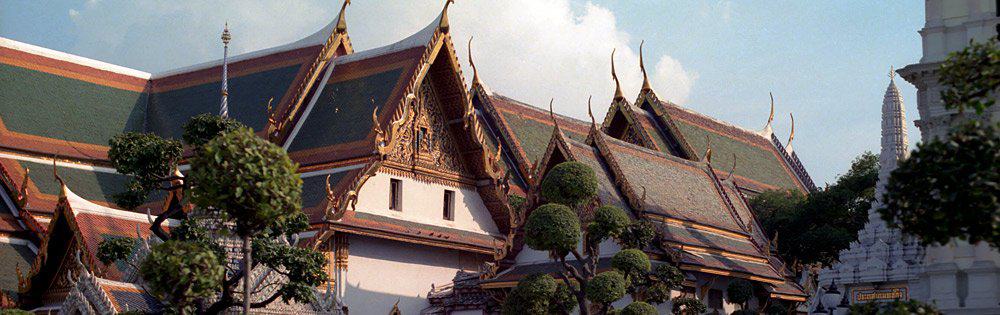
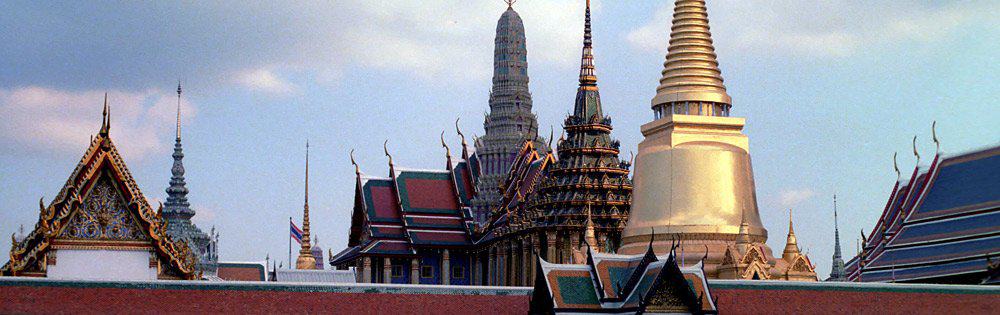
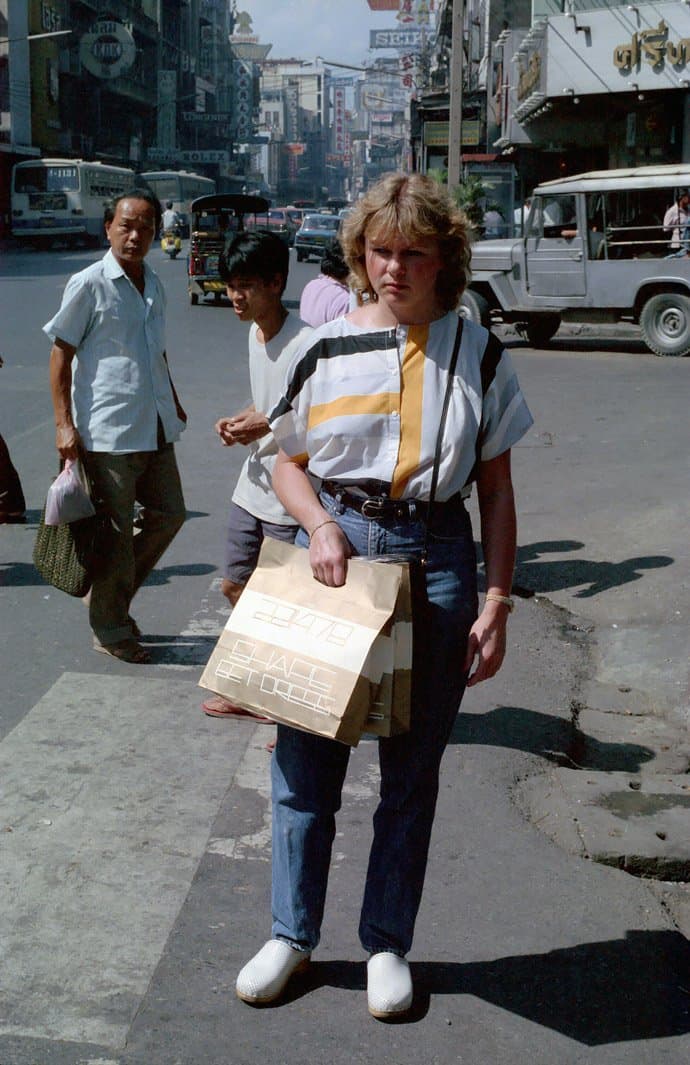
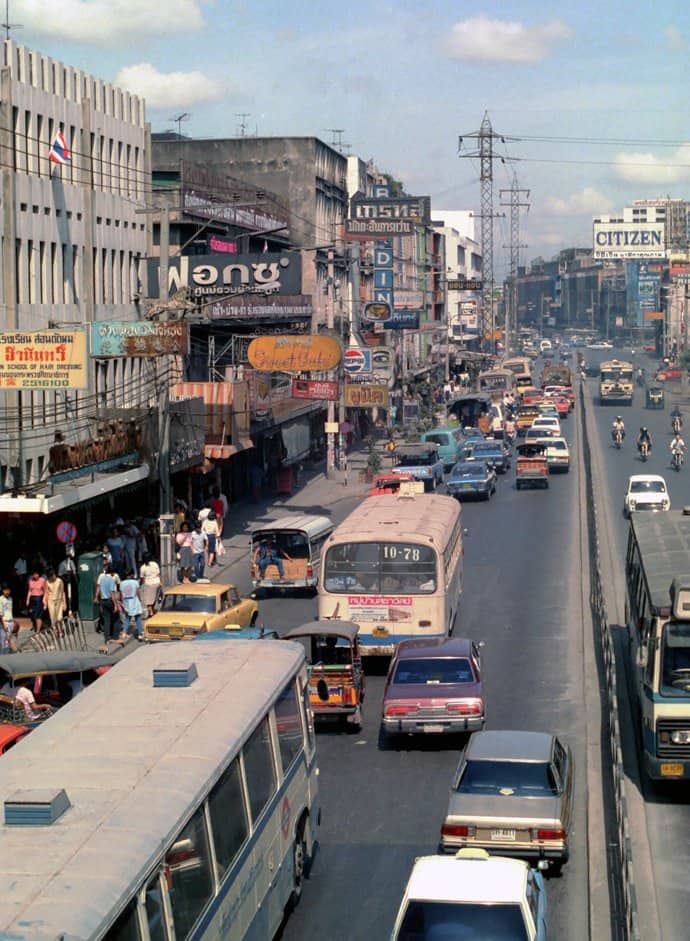
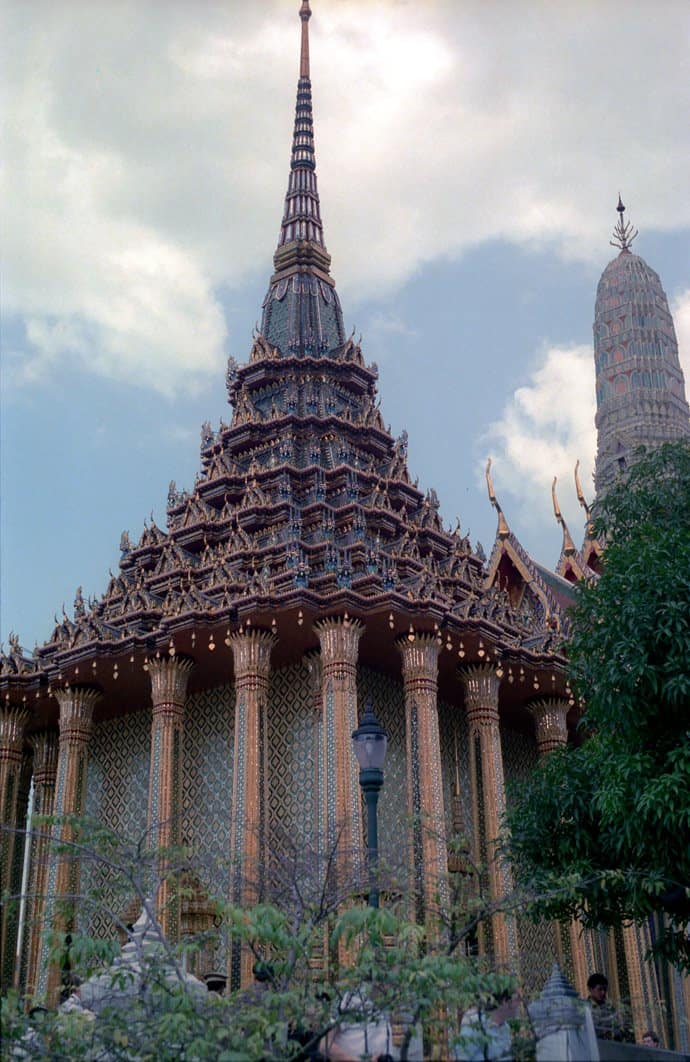
Bangkok is first and foremost a fascinating mixture of chaos and tranquility. The city is big, overpopulated, noisy, crammed in every way – with people, with cars and every other kind of motorized vehicle, with buildings. But it also has – sometimes in the most unexpected places – quiet places, oases of peace. In the midst of the hustle and bustle you will find peaceful little streets lined with old teak houses and the bright colours of the magnificent chapels (bots and viharns) and towers (chedi) of the Buddhist monasteries and the peace and shade of the temple courtyards.

Bangkok is a strongly Western-oriented capital. Nevertheless, it has retained its roots and its Asian traditions. Bangkok is the political, cultural and economic center of the country. However, the rapid changes and increasing prosperity have also brought disadvantages. There is too much road traffic and the city often comes to a complete standstill.

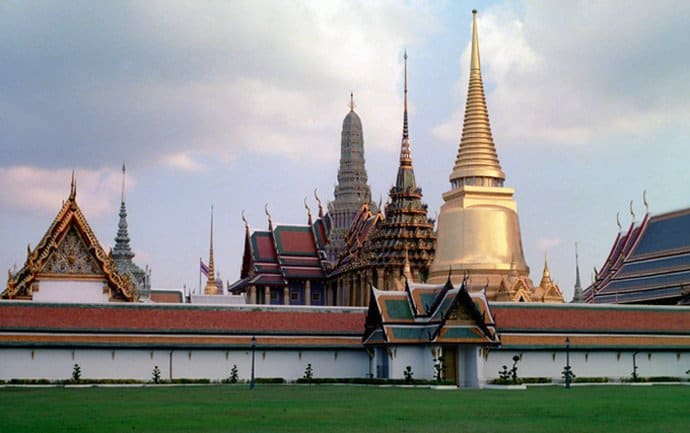
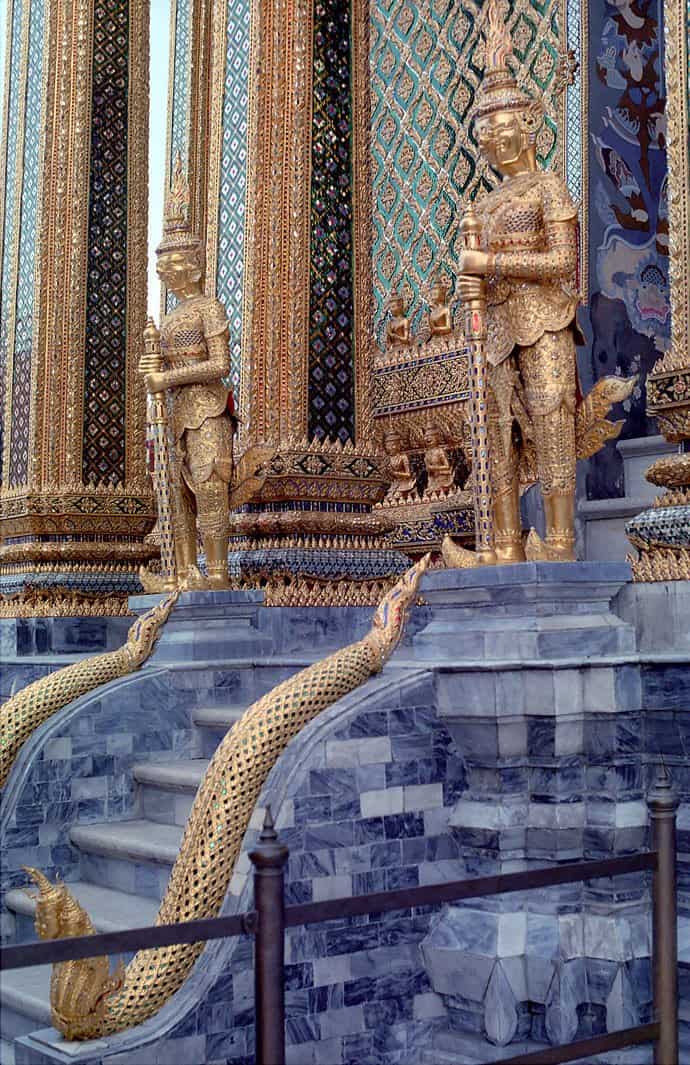
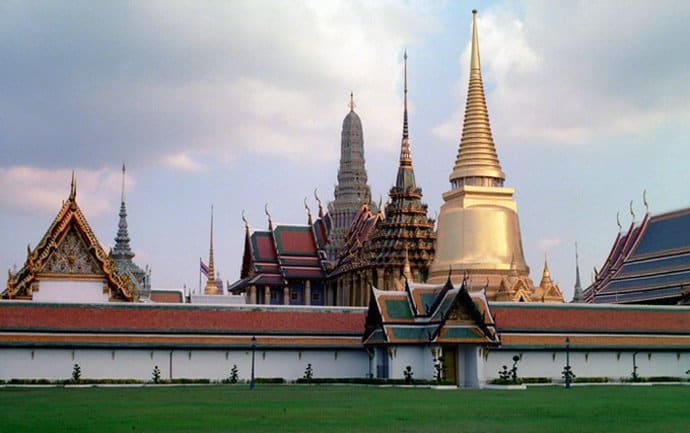
The best and mostly 5-star hotels overlook the Chaophraya River, on the banks of which the Grand Palace can also be found. The huge area is home to Wat Phra Kaeo. The Buddha figure is made of a particularly bright green type of jade and is not, as one might assume, studded with emeralds. To visit the Grand Palace (as for many other cultural sites, by the way), certain dress rules apply. Women must wear a skirt that covers the knees. Men are expected to wear long trousers. In case of improper clothing, entry will be denied.

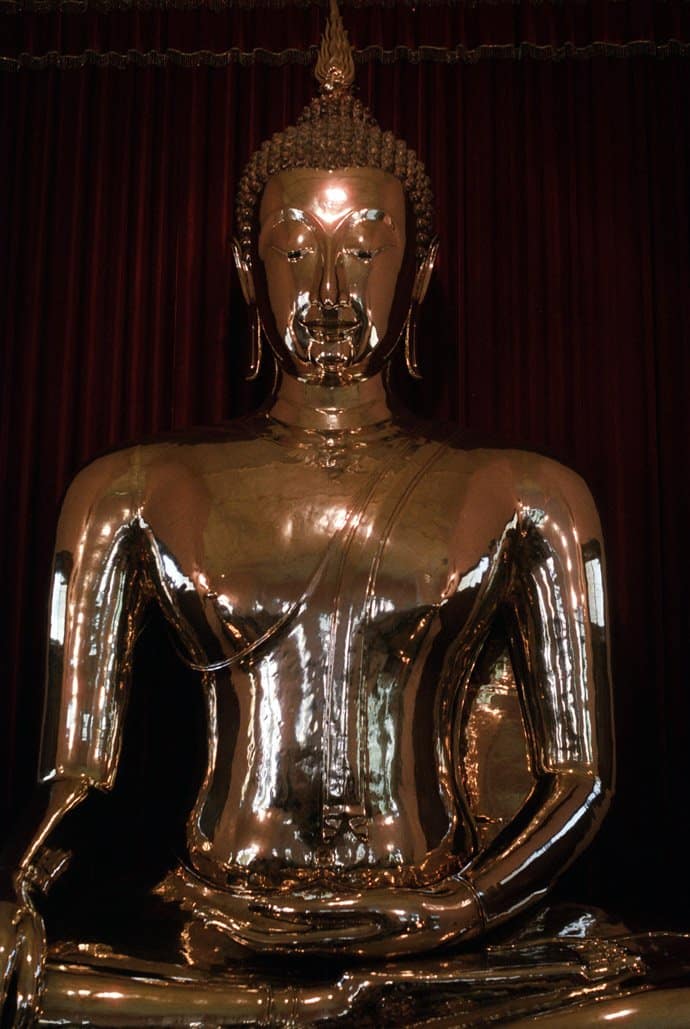
If you go upstream from the Grand Palace, you will come to the Royal Boathouse. Here you can admire the richly decorated royal barges, which are also used for special processions on the Chaophraya. Within Bangkok’s city limits, there are more than 300 temples and shrines. The most famous of them are Wat Benchamabophit (Marble Temple), Wat Arun (Temple of Dawn) and Wat Traimit (Temple of the Golden Buddha).

Speaking of Bangkok – the city is actually not called that! The correct and full name of Bangkok is: “Krung Thep Manakhon Bovorn Ratanskosin Magintharayutthaya Mahadilokpop Noparatratchathani Burirom Udomratchanivetmahasathan Avatartsathit Sakkathattiya Visnukarmrasit”, which translates as: “City of Angels, greatest of all cities, abode of the Emerald Buddha, impregnable fortress, immortal, precious jewel, exceedingly powerful, time-honored, nine times adorned with jewels, heavenly city, donated by Indra and rebuilt by Vishnu”. The Thais call the city for short: “Krung Thep” (City of Angels). It was founded by King Rama I, who also had Wat Phra Kaew and the Grand Palace built.

One of the largest temple complexes in the country is WatPho. The entire complex consists of over 30 temples, of which the Temple of the Reclining Buddha is the largest. With a length of over 44 m and a height of 15 m, this Buddha figure has incredible dimensions.

We can definitely recommend a visit to the many colorful markets, especially the famous floating market. However, we heard that it has become more and more of a tourist attraction in recent years. Other attractions include the LakMuang (city stone), the Erawan Shrine, where fresh offerings are made daily, and the National Museum. In the Suan Pakkard Palace you can see valuable antiques.

The sights also include the house of the American silk merchant Jim Thompson, who disappeared without a trace in Malaysia in 1967, which was converted into a museum of decorative arts. Equally interesting are the Bangkok Zoo and the snake farm of the Red Cross Center. The distances between these attractions are quite long. They can hardly be done on foot. We definitely recommend the use of a taxi, especially since the costs for this are very low.

General country informationThailand

Thailand – General info

by Joe OnTour 9. September 2017
City tripsThailand

Thailand – Bangkok

by Joe OnTour 9. September 2017
Thailand

Thailand – Temples

by Joe OnTour 9. September 2017
Thailand

Thailand – Beaches

by Joe OnTour 9. September 2017
City tripsThailand

Thailand – Bangkok – Floating Markets

by Joe OnTour 9. September 2017
Thailand

Thailand – Impressions

by Joe OnTour 9. September 2017

Pictures Thailand - Bangkok

Thailand
Thailand
Thailand
Thailand
Thailand
Thailand
Thailand
Thailand
Thailand - Bangkok
Thailand - Bangkok
Thailand - Bangkok
Thailand - Bangkok
Thailand - Bangkok
Thailand - Bangkok
Thailand - Bangkok
Thailand - Bangkok
Thailand - Bangkok
Thailand - Bangkok
Thailand - Temple
Thailand - Temple
Thailand - Temple
Thailand - Temple
Thailand - Temple
Thailand - beaches
Thailand - beaches
Thailand - Bangkok - Floating markets
Thailand - Impressions

Questions about Thailand

In the Asia forum you will get the answers !

9. September 2017 0 comments
0 FacebookTwitterPinterestEmail
Thailand - Temple
Thailand

Thailand – Temples

by Joe OnTour 9. September 2017
written by Joe OnTour

Thailand – Temples

There are around 300 temples in Bangkok. To see everyone is almost impossible and who wants that. You should look at the five most important ones and plan enough time for them.

Buddhist, Thai temple districts consist of several buildings and also have similar functions such as praying, learning, working, living and living.

Bot
The most sacred and most important building for the faithful is the “Bot”. Bots are usually not accessible to tourists (and non-monks in general).

Viharn
While the bot is often reserved only for monks for ritual acts, vihars serve as a place of prayer for the whole people. Thailand’s most famous viharn is the one at Wat Po in Bangkok, which houses the gilded reclining Buddha.

Chedi
Visible from afar are the tower-high, slightly bell- or cone-shaped “Chedis”, comparable to church towers in the European sense. Relics are often buried inside.

Sala
are open and small outbuildings to linger without ritual significance.
Wat Phra Keo, the Temple of the Emerald Buddha, is part of the royal palace and is Thailand’s highest-ranking temple. The Buddha himself, a 60 cm high figure, is considered Thailand’s national shrine. Three times a year at the beginning of the three Thai seasons (summer, rainy season, winter), the king personally hangs the new gem-studded robe around this Buddha that matches the climate. The small statue is made of jade. The origin of the figure is unknown. Supposedly, it comes from Ceylon, turned up in Laos, was stolen in the meantime and found again. Then King Rama I finally laid his hand on it and brought the Emerald Buddha to Bangkok in 1785.

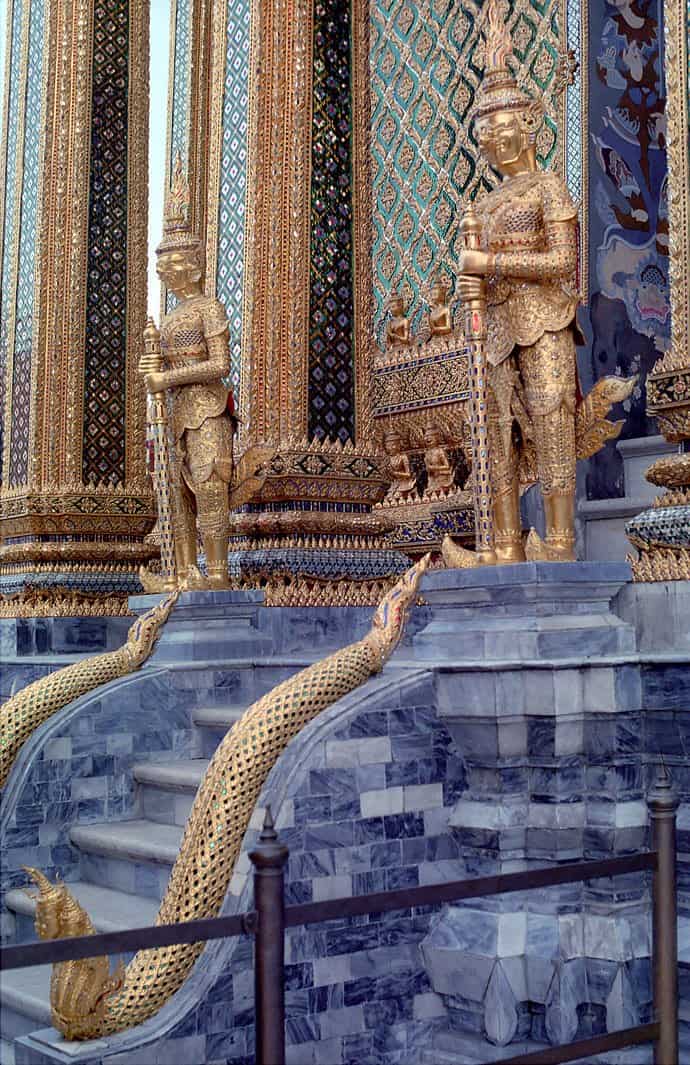
There has been and is much controversy about the artistic qualities of Wat Phra Keo. Some consider it the most beautiful temple in the world, others consider it a colorful jumble of colors, building materials and styles. What is certain is that it is neither uniform nor thoroughly of high artistic value. The monuments erected in 1785 have been constantly repaired and enlarged. The temple must be understood as a colorful summary of all architectural styles in Thailand and Bangkok. Between the individual buildings and statues, however, you can discover many beautiful and interesting things.

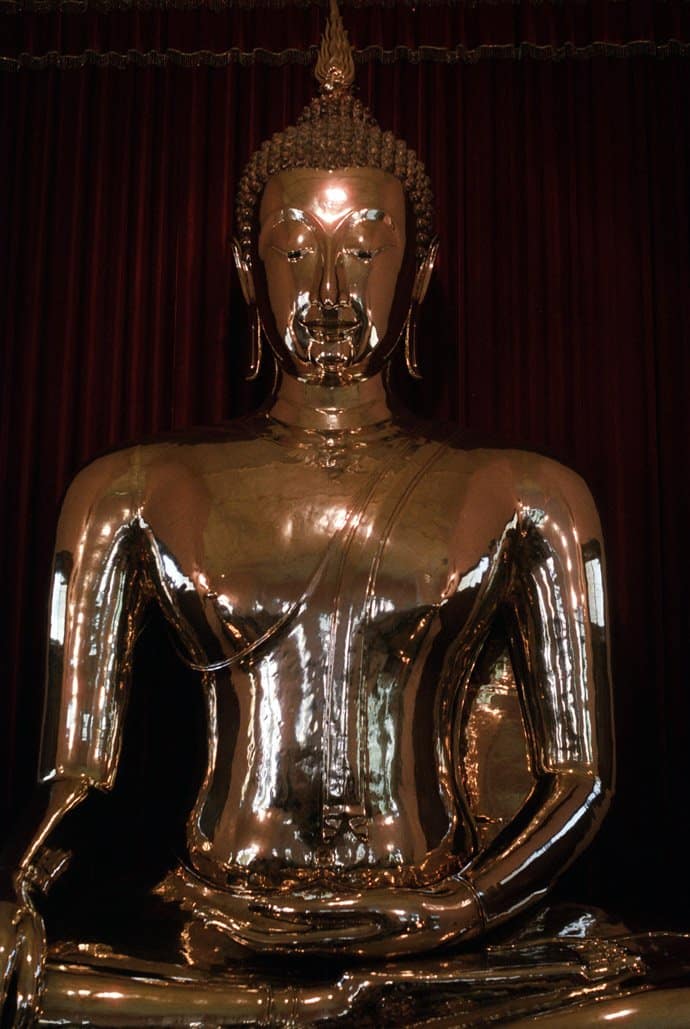
Wat Traimitr is the temple of the Golden Buddha. The East Asiatic Company wanted to enlarge its airport on the site where an almost destroyed temple stood on the banks of the Menam River for a long time. The temple was demolished and the statues were temporarily moved to a warehouse. When in 1953 a three-meter-high, black-lacquered Buddha figure from the Sukothai period (around 1300) broke down, the heavy statue remained standing in the soggy dirt of the construction site. It was exposed to the rain overnight. The next day, the worried abbot tried to clean her. In the process, he brushed off the black paint. Under this layer of varnish, the figure shimmered out of solid gold. It was painted a long time ago only to protect it from predators. Now it stands in a new golden splendour, shining in a small temple.

Here again the etiquette for temple visitors for those who do not want to embarrass themselves and do not want to be seen as prolls:

Never lose your composure and always smile. Scolding or even outbursts of anger disqualify us in the eyes of most Thais.

It is 35 degrees in the shade and the humidity is like in a steam bath. You would like to tear off all your clothes and put on your beach clothes. Embarrassing professionals present cellulite, fat wrinkles and the consequences of excessive consumption of Singha and sunshine to anyone who does not want to see it. Not only the Thais are not very pleased with such unappetizing views.

It is extremely rude in the temples and according to the Thai Penal Code it is sometimes forbidden to disturb people while praying, as well as to point their feet at Buddha statues, touch Buddha statues or climb Buddha statues. In addition, it is forbidden to enter temples with shorts or a short skirt and a light T-shirt, etc. Many Thais also find long outer clothing improvised from sarongs and scarves extremely ridiculous.

Pictures Thailand - Bangkok

Thailand
Thailand
Thailand
Thailand
Thailand - Bangkok
Thailand - Bangkok
Thailand - Bangkok
Thailand - Bangkok
Thailand - Bangkok
Thailand - Bangkok
Thailand - Temple
Thailand - Temple
Thailand - Temple
Thailand - Temple
Thailand - Temple
Thailand - Impressions

Questions about Thailand

In the Asia forum you will get the answers !

9. September 2017 0 comments
0 FacebookTwitterPinterestEmail
Thailand - beaches
Thailand

Thailand – Beaches

by Joe OnTour 9. September 2017
written by Joe OnTour

Thailand – Beaches

South of Bangkok on the Gulf of Thailand are Pattaya, Southeast Asia’s best-known beach resort, and the less crowded holiday resort of Bang Saen. Not far away is KohSamet, an unspoiled island that can be easily reached by boat (travel time 30 minutes) from Rayong. About a two-hour drive from Bangkok are Chaam and Hua Hin. Hua Hin was once a royal seaside resort and is currently enjoying increasing popularity again. Numerous popular holiday destinations are located on the Indian Ocean.

The island of Phuket is connected to the southwest coast of Thailand by a causeway. In recent years, numerous hotels have sprung up on this island, so that Phuket is gradually challenging Pattaya’s claim to the “number one” among the holiday areas in Southeast Asia.

But there are still some deserted beaches and secluded bays. In Phang Nga Bay, which is easily accessible from Phuket, the view of the sea and the surrounding islands is truly breathtaking. More than 3500 islands (hongs) are spread over the bay. These rocky islands have a rich fauna and flora. Until some time ago, there was no access to the Hongs, so nature could develop without any human influence. There are also special canoe trips here, with which you can visit the interior through crevices and caves. Songkhla in the south of the country on the Gulf of Thailand is about 1300 km from Bangkok. It is a charming and friendly place with Chinese flair and ideal for those seeking relaxation.

Further north in the Gulf of Thailand are the idyllic islands of Koh Samui and Koh Phangan with fine sandy beaches and numerous coconut plantations. There are also many waterfalls here. Although they are no longer an insider tip, they are an acceptable alternative to the large tourist centres.

Pictures Thailand - Bangkok

Thailand - beaches
Thailand - beaches

Questions about Thailand

In the Asia forum you will get the answers !

9. September 2017 0 comments
0 FacebookTwitterPinterestEmail
Thailand - Bangkok - Floating markets
City tripsThailand

Thailand – Bangkok – Floating Markets

by Joe OnTour 9. September 2017
written by Joe OnTour

Thailand – Bangkok – Floating Markets

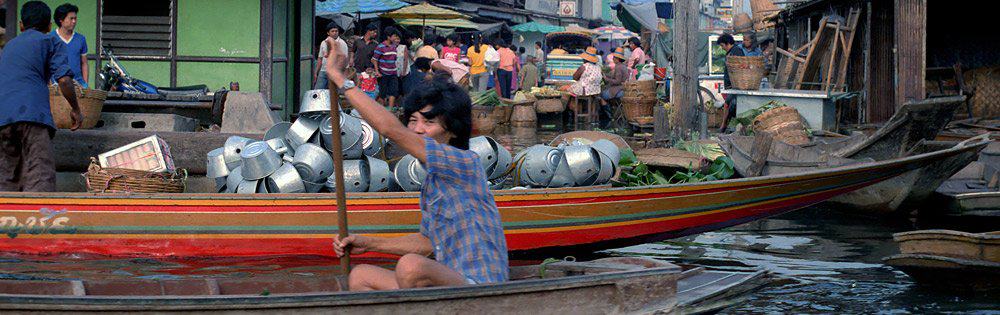
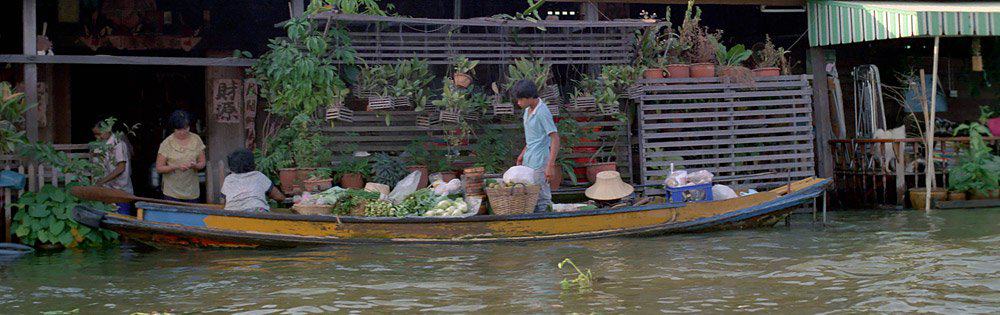
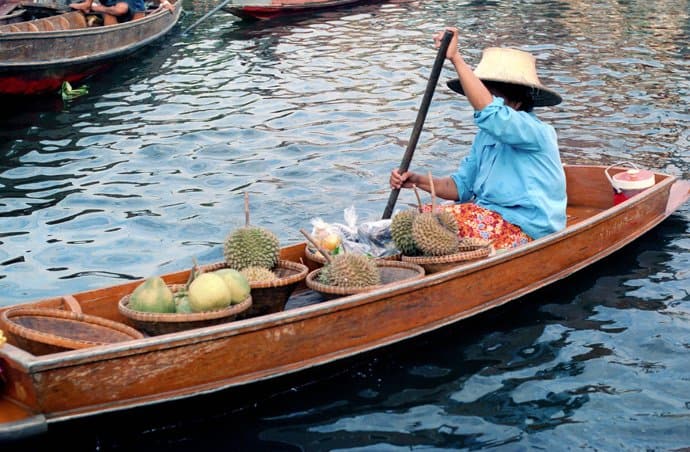
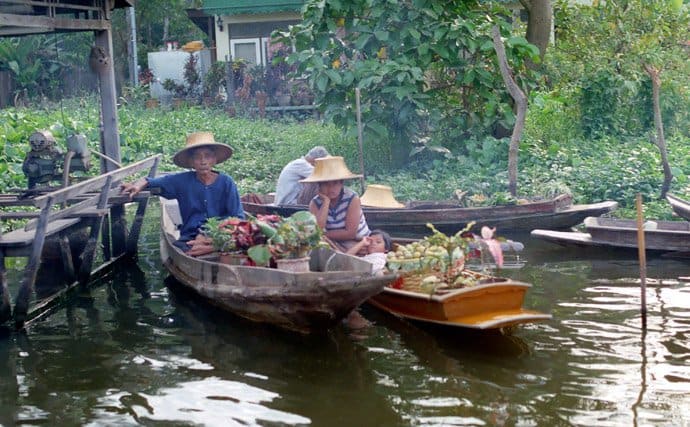
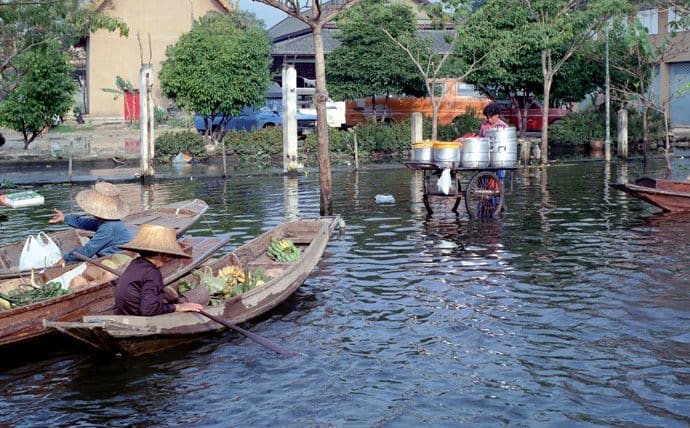
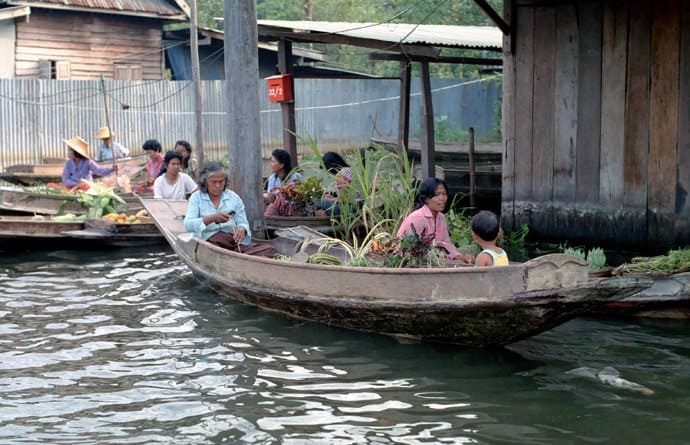
The first “real” street in Bangkok was built in 1862. Before and long after, all transports took place almost exclusively on the river and the klongs. In the early morning, the farmers’ wives met and held floating markets with their boats. Bangkok has rightly been called the “Venice of the East”. For Europeans, it is hard to imagine. There the Thais sit in long narrow boats loaded with flowers, fruits, vegetables and many other goods and try to sell the goods.

A colorful, wild mess that amazes the strange spectators. It is by no means unusual when the goods sold to each other are already processed into a delicious meal by the new owner in his boat and resold. The ingenuity here seems to be limitless.

The photos shown here are from our trip in 1984. At that time, the floating markets in Bangkok still served to supply the population with essential things. Today, however, the original markets are no longer found in Bangkok but rather in Damnoen Sudak, about 100 km from Bangkok. This excursion can be done by taxi, bus or organized in groups. However, you should arrive there in the early hours of the morning to experience the market in its natural form, without the tourist crowds.

Pictures Thailand - Bangkok

Thailand
Thailand
Thailand
Thailand - Bangkok - Floating markets

Questions about Thailand

In the Asia forum you will get the answers !

9. September 2017 0 comments
0 FacebookTwitterPinterestEmail
Thailand - Impressions
Thailand

Thailand – Impressions

by Joe OnTour 9. September 2017
written by Joe OnTour

Thailand – Impressions

Thailand is rich in traditions and cultural traditions. The European eye is presented with a flood of new and often incomprehensible events on an overwhelming journey through time into past cultures. If you undergo the luxury of a short moment of leisure and contemplation, you will find a little understanding for this foreign culture.

The fine line between lived creed and modern way of life, which is practiced by the Thais in an unprecedented way, is impressive.

The fact that both, both strict faith and the modern way of life can very well coexist, can be seen especially in vibrant, hectic and at the same time contemplative Bangkok. The opposites are only a stone’s throw away from each other.

Pictures Thailand - Bangkok

Thailand - Bangkok
Thailand
Thailand - Impressions
Thailand - Bangkok
Thailand

Questions about Thailand

In the Asia forum you will get the answers !

9. September 2017 0 comments
0 FacebookTwitterPinterestEmail
philippines
General country informationPhilippines

Philippines – General info

by Joe OnTour 9. September 2017
written by Joe OnTour

Philippines – General Information

Area
300,000 sq km.
Population
85.000.000
Capital
Manila (with about 12,000,000 inhabitants).
Geography
The Philippines is located off the Southeast Asian coast between Taiwan and Borneo in the Pacific Ocean. They consist of 7107 islands and islets. Of these, 2773 have a name, only about 900 are inhabited, and around 500 islands are larger than 1 sq km. The two largest islands, Luzón in the north and Mindanao in the south, make up 65% of the landmass. 60% of the population also lives here. Between Luzón and Mindanao lies the Visayas archipelago.
Form of government
Presidential republic since 1987. Constitution was introduced in 1987. Parliament consists of two chambers: House of Representatives = 260 members and Senate = 24 members. Head of State and Government: Maria Gloria Macaray Macapagal-Arroyo, since 2001. Independent since 1946, a Spanish colony until 1898.
Language
The official language is Filipino. English is also widely spoken, as well as a little Spanish and Chinese. There are over 100 cultural and ethnic groups, each of which has its own language. A total of 990 languages are registered.
Health
Before a trip, you should take precautionary measures in good time so that the holiday becomes the holiday you imagine. A reasonably equipped first-aid kit (at least medication for diarrhea, fever, pain as well as bandages, plasters, wound disinfection) and first aid knowledge are definitely recommended. Vaccinations against corresponding diseases in the holiday country, for example vaccinations against typhoid, hepatitis A or hepatitis B, must be clarified by a specialist. Not to be forgotten are the vaccinations against tetanus, diphtheria and polio.
Malaria incidence
all year round, different risk in the individual parts of the country
medium risk
in rural areas below 600 m of the following regions/islands: East Luzon, parts of Mindanao, Palawan, Samar, Sulu Archipelago, Mindoro Occidental
Low risk
in the other parts of the country or islands as well as at altitudes above 600 m
Malaria-free
are the urban areas as well as the islands of Bohol, Catanduanes and Cebu.
Religion
84% Catholics. Buddhists, Muslims, followers of the Independent Church of the Philippines and followers of natural religions.
Local time
220 V (110 V in Baguio), 60 Hz. 110 V connections are available in most hotels. Flat and round two- and three-pin plugs are used.
Phone
The use of digital mobile phones is possible. International country code for the Philippines: 0063 area code from Phil. to Germany 0049, to Austria 0043, to Switzerland 0041.
Currency
1 Filipino Peso (P) = 100 Centavos
Clothing
When visiting churches or mosques, shorts and overly revealing clothing are offensive.
Embassy
The German Embassy is located: 6th floor Solid Bank Building, 777 Paseo de Roxas, Makati, Metro Manila.
Entry
Nationals of countries with which the Philippines has diplomatic relations do not need a visa for the first 21 days of stay. For a longer stay, a tourist visa is required.
Trade in endangered species
Set priorities for life. Avoid buying any animal species such as giant clams. They are subject to a strict export ban according to Philippine law and you also avoid inconveniences when entering your home country.
Security
The crime rate is quite high in the big cities. Therefore, never walk alone through lonely streets at night, leave jewelry and expensive watches in the safe. Always take only as much money with you as is to be spent on the corresponding occasion.
Economy
Agriculture employs a third of the workforce and generates about a quarter of the gross domestic product. It accounts for around 25% of the export business. Around 90% of the land area is used for agriculture and forestry. Rice is the most important crop, ahead of maize and the coconut palm.

The Philippines was less affected by the Asian crisis than other countries in the region. Consistent deregulation and liberalization of the economy, as well as the privatization campaign of the state-owned monopolies initiated by the then Ramos government, had strengthened economic growth until the outbreak of the regional crisis. Nevertheless, a sustainable revival of the growth forces has so far failed to materialize.

A stable and growing economy is the main goal of Philippine economic policy. In 2001, gross domestic product (GDP) grew by 3.8% (2000: 3.9%). Above all, the service sector and investments in the privileged export and special economic zones have contributed to this. Agriculture, which is the main pillar of GDP at 20% of the working population and about 40% of the working population, recovered in the course of 2001. Production increased by 9%. This led, among other things, to a decline in imports of basic foodstuffs (rice) and contributed to the stabilization of inflation despite the fall in the price of the peso against the USD. This was 6.7% most recently (6.9% in 2000).

Rising unemployment (approx. 12%) with approx. 25% underemployment and the unequal distribution of income increases continue to be problematic. The external debt of the Philippines currently amounts to a total of US$ 51 billion with a slight upward trend.

In terms of export products, the electronic industry (semiconductors) and the textile sector dominate. Both branches generated 70% of export revenues. The most important target markets for Philippine exports were the USA (34%), Europe (15%), Japan (17%), and ASEAN countries (19%). Due to the one-sided nature of the export share from the economic zones, there is a strong dependence on world market prices.

Philippines – Climate

The Philippines is subject to two seasons: rainy season from June to October, dry season from November to May, which is also the best time to travel.

They offer the full range of tropical and subtropical climate characteristics.

It is generally warm, sometimes oppressively hot with high humidity. In Manila, for example, the average temperatures vary from 25°C during the cooler dry season (November to February) to over 35°C in the second half of the dry season (March to May).

On the coasts, the maritime climate provides refreshment through the alternation of land and sea wind.

In the mountains, it can cool down to below 10°C at night.

In general, there are significant regional deviations. This is especially true for precipitation, which sometimes falls outside the rainy season.

Between July and November, typhoons cross the east and north of the country. Its foothills also reach the Visayas from time to time and very rarely Palawan.

Philippines – Fauna

The Philippines is home to hundreds of different species of birds and mammals, as well as 200 different repilia.

Philippine animal species that are exclusive to Palawan include the ant-eating armadillo pangolin, the pygmy deer Pilandok – the smallest red deer species in the world – and the Palawan bear cat, a species of marten.

Also abundant are freshwater and saltwater crocodiles, monitor lizards, snakes and other reptiles, as well as parrots, hornbills and colourful butterflies.

Unfortunately, the less rare animal species also include the Nik-Niks, pinhead-sized bloodsuckers that populate some beaches in myriads, mostly box jellyfish that occur between December and February, whose strong venom secretes stinging cells can cause painful burns to the skin.

In addition, there are the Anopheles mosquitoes, a malaria-transmitting mosquito species.

Philippines – Flora

The flora of the Philippines is considered one of the most diverse in the world, with around 10,000 species of trees, shrubs, flowers and ferns.

Despite the large-scale deforestation, the share of forests in the total area is still estimated at 30 to 50%.

Extensive mangroves dominate large areas on the coasts of the islands.

The rainforests in the Philippines, which were particularly widespread in the east, have been cut down except for a few remains.

A comparatively species-poor secondary forest or grassland has taken its place.

In the central and western island regions, there are still large monsoon forests, which at higher altitudes turn into mixed oak forests or cloud forests.

Philippines – History

250000 years
ancient finds prove the existence of hominids in the Philippines
For about 30000
Homosapiens has been living on Palawan for years.
13000 – 10000 BC
Aeta, small-statured, dark-skinned gatherers and hunters immigrate from the Asian mainland.
From about 4000 BC
seafaring protomalaia from Inner Asia displace the Aeta from the island coasts into the hinterland.
From about 300 BC
Deutereo or Young Malays immigrate and introduce a higher culture.
7th – 9th century AD
The southern Philippines comes under the influence of the powerful Buddhist empire Sri Vijaya, founded on Sumatra.
10th – 11th century
Chinese seafarers establish trading bases in the Philippines
14th century
The Javanese empire of Majapahit extends its power to the Philippines.
1380
The first Arab scholar, Makdum, reaches the Sulu Islands. Islam is spreading in the south.
1521
Ferdinand Magellan lands on Samar and Cebu.
1543
the islands are named after King Philip II Las Isla Felipinas.
1565
Miguel López de Legazpi takes possession of the Visayas. This marks the beginning of 333 years of colonial rule by the Spaniards.
1762
During the Seven Years’ War, the British succeeded in occupying Manila for two years.
1821
Mexico, from which the Philippines were administered, becomes independent; the colony is now directly subordinated to Madrid.
1892
the physician and writer Dr. Josè Rizal founds the Liga Filipina, a reform movement that is directed more against the supremacy of the church than against Spanish rule. He is exiled to Mindanao.
1896
the Katipunan uprising breaks out. Rizal, although not involved, is arrested and executed in Manila. The uprising fails.
June 12, 1898
After Admiral Dewey takes Manila in the Spanish-American War, Aquinaldo returns and proclaims the independence of the Philippines.
1901
After a cruel war by the Americans, William Taft becomes the first civilian governor. As a result, the Americans reform the school system and gradually grant the Filipinos political self-government at the regional level.
1935
President Roosevelt recognizes the new Philippine constitution, Manuel L. Quezon becomes the first president of the Philippine Commonwealth.
1944
General MacArther returns and conquers the islands occupied by the Japanese since 1941.
On July 4, 1946
the independent Republic of the Philippines is proclaimed.
1965
Ferdinand E. Marcos becomes the sixth president of the Philippines. As a clever tactician, he achieved his re-election in 1969, which according to the constitution was also to be his last.
1972
Marcos imposed martial law. His “New Society” also makes him prime minister.
1981
martial law is lifted, Marcos is re-elected president.
1983
Opposition leader Benigno Aquino returns from exile and is shot while leaving the plane.
1986
Aquino’s widow Corazon is running against Marcos in the presidential elections in February. When Marcos announces his election victory, the people stand united behind Corazon. The peaceful People’s Power movement finally drove the dictator into exile in Hawaii, where he died in 1989.
1987
Cory Aquino, as President of the Philippines, adopts a new constitution.
1992
Fidel Ramos, Minister of Defense under Aquino, is elected as the eighth president.
1993
Ramos announces his catalogue of measures “Philippines 2000”, which is intended to bring political and social stability to the country.
1996
After 26 years of civil war between the Muslim rebels and the government, Ramos and rebel leader Misuari signed a peace agreement in September.
1998
Joseph Estrada emerges from the presidential elections.
2000
In February, the volcano “Mayon” erupts again after 7 years of dormancy.
January 20, 2001
Vice President Gloria Macapagal-Arroyo is sworn in as President of the Philippines following the impeachment of President Estrada.
June 30, 2004
After 7 weeks of counting, Gloria Macapagal-Arroyo is sworn in again as president. In her first speech, she appeals for unity and reconciliation.

Philippines – Food and Drink

By default, there is only one side dish in the Philippines: rice – morning, noon and evening. Filipino food is often served lukewarm, especially in the simple restaurants. In contrast to many other Asian countries, Philippine cuisine is generally not spicy.

An exception are the dishes of the Bicol region, or in the style of Bicol. All prices below are per serving without side dishes. As of May 2004. A portion of rice costs 5 pesos (8 cents) in the eatery, 20 pesos (32 cents) in the restaurant.
Fish, mussels, snails, crabs
There is a wide range of freshwater and saltwater fish, mussels and snails, shrimp and crabs on the markets almost everywhere. Lobsters and lobsters are rare, except directly on the coast. Unfortunately, outside of Manila, you can only find a small part of this offer in the restaurants.

The carp-like tilapia and the bangus, both common and farmed freshwater fish, are inexpensive. Catfish (Hito), a type of catfish that can survive out of the water for a long time, and can even move across meadows, are also often offered, and finally the Dalag (mudfish). Popular and somewhat more expensive sea fish such as the Lapu-Lapu, fresh tuna, as well as Blue Marlin, the swordfish, are almost only available in the better restaurants or on the coast. The same applies to shrimp, snails, mussels and crabs.

Fish is offered grilled, fried and boiled, crabs and shrimps are usually served in their shells. Sinigang na isda is sour boiled fish with tamarinds or tomatoes in broth and vegetables. Paksiw (pronounced: “Packsiu”) boiled fish with onions, ginger and vinegar.
Sweet and sour Fish
(fish in sweet and sour sauce) is not only available in Chinese restaurants.
Rellino Bangus
is a delicately stuffed bangus.

Prices: in the Eatery from 50 pesos (80 cents) per serving, in the restaurant from 100 pesos. Sea fish is slightly more expensive than freshwater fish.
Pork, beef, water buffalo
Apart from the coast, pork dishes have unfortunately replaced fish as the standard meal. Whoever can afford it eats pork: the fatter, the better. Pork is available grilled or cooked through. A specialty of the country is Lechon, the Filipino suckling pig.

By the way, Filipinos like to eat intestines – liver is more expensive than fillet here! Beef and water buffalo do not play a major role; they are often tough because usually only slightly older animals are slaughtered and processed without long hanging. Therefore, beef and buffalo are mainly found in the form of braised thin strips as “finger food” – small side snack, e.g. during extensive drinking.

Adobo: braised pork with lots of garlic and soy sauce.

Igado: Pork strips (fillet, liver, kidneys, heart) with peas in tomato soy sauce.

Minudo: minced meat cooked in broth with potatoes as vegetables. Eaten, like everything else, with rice as a side dish!

Estafado: pieces of bone-in pork with tomato soy sauce and fried potatoes as vegetables.

Mechado: Pork, potato and carrot cubes and peas in ketchup sauce.

Milaga: boiled meat with various vegetables, in sour broth.

Meatballs: meatballs

Papaitan: Meat goulash made from beef and water buffalo offal. Tastes bitter, as the bile is partly processed.
Poultry
Practically only occurs as a chicken. There are plenty of ducks, but unfortunately only as egg suppliers, especially of the notorious balut: hatched, boiled duck eggs with embryos, which are sold everywhere on the streets. The dishes listed above: Adobo, Igado, Minudo, Estafado and Mechado are all also available in a version with chicken instead of pork. The name is simply preceded by “Chicken”, i.e. Chicken-Adobo, Chicken-Estafado, etc.

Chicken curry: one of our favorites, chicken in a delicious coconut curry sauce

Pinola: Chicken stew with mixed vegetables and ginger
Vegetable dishes
Pinakbet: Mixed vegetables (eggplant, ampalaya, okra, peppers, pumpkin) with bagoong. Bagoong is fermented, salted fish or small shrimp as a spice. The smell is much worse than the taste, but Europeans rarely love the strong taste.

Amapalaya with egg: Bitter melon in pieces mixed with eggs and fried. Often with bacon strips. The taste of bitter melon takes some getting used to, but I, for example, like it quite a bit.

Kaari: White beans and bacon strips in tomato sauce. Delicious.

Talong: Eggplant, boiled or grilled with eggs.
Pasta dishes
They are often found in special, small Pansiterias. Cheap, large portions, filling, therefore popular with pupils and students. Noodles with sauce and some vegetables, as a luxury version also with eggs or a little meat or liver in soy sauce.Pansit Canton – Filipino wheat noodles.

Pansit Bihon – Filipino rice noodles.
Miscellaneous
Lumpia Shanghai: Small spring rolls with minced meat filling

Lumpia Sariwa: Small spring rolls with vegetable fillingAso is fried dog, Abalin are fried and salted beetles of a certain species and their larvae. Grasshoppers and frogs are also eaten. With the exception of Aso, practically not available in restaurants.
Desserts
Halo-Halo: Peculiar mixture of canned fruit, crushed ice, sugar and sweet condensed milk. In summer at every street corner for 10 pesos, in the restaurant 40 pesos. Definitely refreshing.

Leche Flan: Egg Pudding with Caramel Sauce
Snacks
Often offered on buses and in street sales, they cost a few cents. Bibingka: Small rubbery cakes made from coconut milk and sticky rice. Not for people with teeth.

Fishballs: Fish balls made of fish and flour. Probably made from leftovers, so not particularly tasty.

Turon: banana pieces fried in batter. Tasty, sweet and cheap.

Empanadas: differently filled dumplingsBalut: the notorious incubated boiled duck eggs with embryo.
Drinks
Not all restaurants offer alcohol because a separate license is required. Beer is usually available, wine only in more upscale restaurants. Spirits are often not offered even in the restaurants of hotels. Local beer is of very good quality and costs 40 (65 cents) pesos per 0.3 liters in the restaurant and about 15 pesos in the store. A glass of cola costs 20 to 35 pesos in the restaurant.

Juices are often not available, and if so, expensive: at least 30 pesos. Local gin is dirt cheap and good – 0.7 liters of Ginebra San Miguel are available in the store for only 50 pesos (80 cents).

Cognac and rum from domestic production are only marginally more expensive. Good Spanish cognac (Fundador) is also much cheaper than in Germany. In return, wine is subject to its own luxury tax, which means that a bottle of wine is often more expensive here than in Germany.

Philippines – Accommodation

As a rule, there are hardly any problems getting a suitable place to stay, even in regions of the Philippines that are less developed for tourism. In the high season from December to April, however, the cheaper hotels and guesthouses are heavily frequented by local tourists, so early reservations are advisable. Early booking should be made especially during the Christmas and Easter period.

In the resorts, there are two or three tariff categories, which can differ by up to 150-200%. The most expensive rooms are at Christmas and Easter. High discounts are available in the low season from June to October. It is also common to negotiate room rates in all hotels (even in the top hotels), especially if you want to book a longer stay. For accommodation in the upper categories, it is recommended to book through a travel agency from Europe or on site, as the price reductions are serious.
Hotels
As a rule, the hotels of the upper categories have Western standard. All multi-star hotels have air-conditioned rooms with bathroom, toilet, telephone and television. The top hotels often include various restaurants, bars, shops and exchange offices. They are also often equipped with swimming pools, tennis courts and fitness centres.

In the seaside resorts, there are hotel complexes in the typical style of the country, which usually leave nothing to be desired. The grounds are often stylishly laid out and built up with lush parks. The sports offer is rich and includes diving, snorkeling, tennis, golf, horseback riding, parasailing, water skiing and windsurfing. In all upscale hotels, there is a surcharge of 10% each for VAT and service.
Guesthouses – Hostels
Even the simpler hotels and guesthouses have good facilities. Some small accommodations hardly differ in quality from hotels in the star category, usually they offer a more pleasant atmosphere, which is often missing in the large tourist hotels. The guesthouses, which are usually run as a family business, often have clean, air-conditioned rooms, almost always with private bathroom and toilet.

If you can do without an air conditioning system and make do with a fan, you will find a wide range of low-budget accommodations everywhere. Shower and toilet are all communal facilities in such hostels. Since bed linen is usually not provided there, you should take a linen sleeping bag with you.

Questions about the destination Philippines

In the Asia forum you will get the answers !

9. September 2017 0 comments
0 FacebookTwitterPinterestEmail
Philippines - Manila
City tripsPhilippines

Philippines – Manila

by Joe OnTour 9. September 2017
written by Joe OnTour

Philippines – Manila

Manila is located on the main island of Luzon as the political and economic hub of the Philippines. Manila is a magnet for residents from all parts of the country. Manila is loved and cursed, cesspool of sin and juggernaut, dotted with slums and venerable churches, home to several universities and also stronghold of a vibrant nightlife. Manila is the gateway to the world. The capital with around 12 million inhabitants is an absolute challenge.

For most travelers, the megacity of Manila is hardly worth more than a few days’ stay. Most of them are drawn to the tranquillity and originality of the province. But Manila offers an insight into the culture and history of the island kingdom precisely because of the abundance of contrasts.

Intramuros, the core city surrounded by partially restored ramparts with Fort Santiago, Manila Cathedral, San Agustin Convent Church, the oldest church in the city, invite you to take a tour through the history of the Philippines. Past times can also be felt in the well-kept buildings of the colonial district Barrio San Luis. When Magellanes landed on the island of Homahon in 1521, he took possession of it in the name of King Philip II. At that time he knew but little of the riches of these still unexplored dreamlike islands. He had no idea of the spectacular sunsets and the temperate climate in which such a warm and friendly people lived.

Via the multi-lane prestige mile Roxas Boulevard, which upgrades noble hotels and the Cultural Center of the Philippines, you reach the business and banking district of Makati. In the midst of high-rise canyons and glittering shopping malls, the Ayala Museum displays its valuable collections of art, history and ethnography. Near the old town you will find the Luneta Park. It is a place for concerts and Sunday promenades. Huge buildings in the classicist style, such as the National Museum, frame it.

A tall obelisk commemorates the writer and physician José Rizal as a liberation from the colonial yoke. In 1896 he was executed by Spanish soldiers. The opponents of the Europeans were the Islamic princes, who had united a large part of the archipelago under the Koran and crescent moon since the 12th century.

In the country today, imposing church buildings and fortresses bear witness to the battles of the conquistadors. And today’s events, especially in the south of the Philippines, prove in a bloody way that these interests have not diminished on either side. In 1898, at the end of the Spanish-American War, the USA had taken over the Philippines, which was now economically devastated.
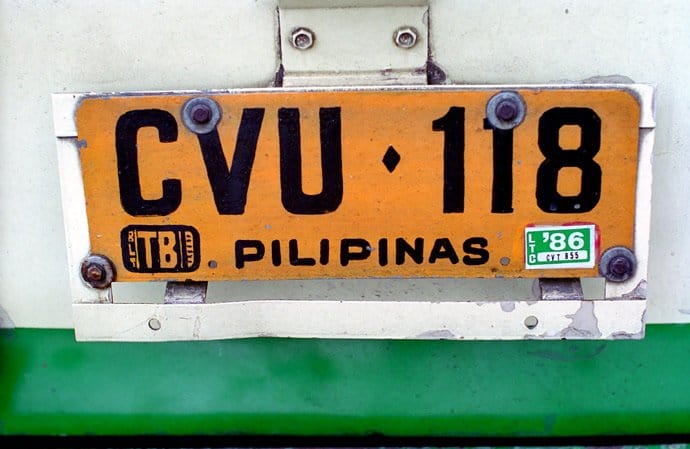
License plate in the Philippines
It was not until 1946 that the country, which had been devastated during the World War, gained its political independence. Economic upswing, but also ongoing paternalism by the USA, increasing corruption and crime accompanied the seizure of power by the Marcos clan. The dictator couple Ferdinand and Imelda oppressed their people for 21 years. In 1986, they had to give way to the “People Power” movement.

Corazon Aquino appeared as a superfigure and, as the first female president, put the people in the mood for democratic conditions with her charisma. However, she lacked the necessary assertiveness. Their successors Fidel Ramos, Joseph Estrada and the incumbent President Gloria Macapagal-Arroyo also failed to solve the major problems in the state and society. Corruption, social injustice and the spiral of violence in the south of the country, where Muslim separatists continued to demand autonomy, continued. North of the Pasig River is the bustling Chinatown with its numerous shops and restaurants, the Buddhist Seng Guan Temple and the curious Chinese Cemetery.

We take our onward flight to the island of Jakarta (Java) from Manila Airport with a small regional plane of Philippin Airlines. It’s a good thing that Brigitte only sees during the flight that the aircraft is already very old. Considerable amounts of oil flow from the fairings of the engines, as it seems to me, a real crash candidate. But I keep my knowledge to myself, everything went well again.

General country informationPhilippines

Philippines – General info

by Joe OnTour 9. September 2017
City tripsPhilippines

Philippines – Manila

by Joe OnTour 9. September 2017
Philippines

Philippines – Luzon

by Joe OnTour 9. September 2017
Philippines

Philippines – Bontoc

by Joe OnTour 9. September 2017
Philippines

Philippines – Jeepney

by Joe OnTour 9. September 2017
Philippines

Philippines – People

by Joe OnTour 9. September 2017
Philippines

Philippines – Rice Terraces

by Joe OnTour 9. September 2017

Pictures Philippines

Philippines - Manila

Questions about the destination Philippines

In the Asia forum you will get the answers !

9. September 2017 0 comments
0 FacebookTwitterPinterestEmail
Philippines - Luzon
Philippines

Philippines – Luzon

by Joe OnTour 9. September 2017
written by Joe OnTour

Philippines – Luzon

Like a fragmented bridge, the islands of the Philippines lie between Taiwan in the north and Indonesia in the south. Volcanoes, shifts in the earth’s plates with the resulting uplifts and subsidences, and melting Ice Age glaciers have created them. The largest island is the northern main island of Luzon. It is culturally and scenically very varied. At the same time, it forms the economic backbone of the country.

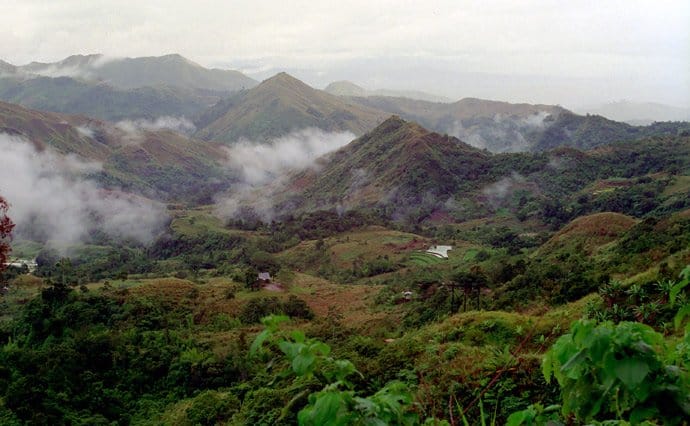
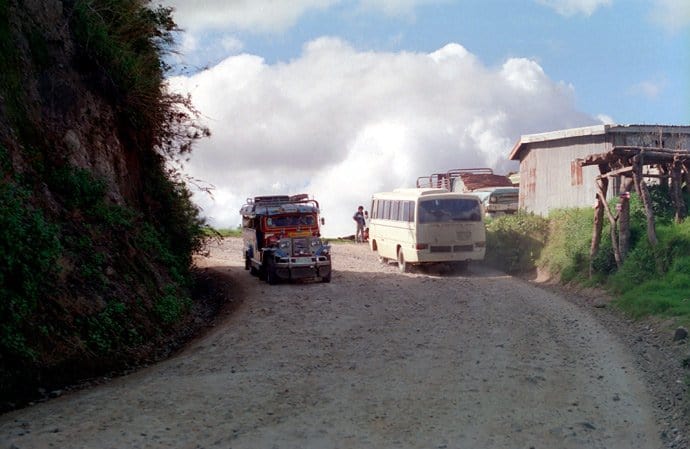
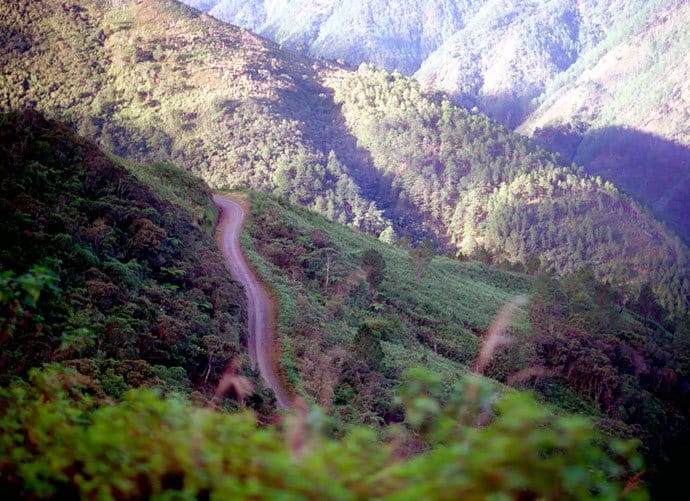
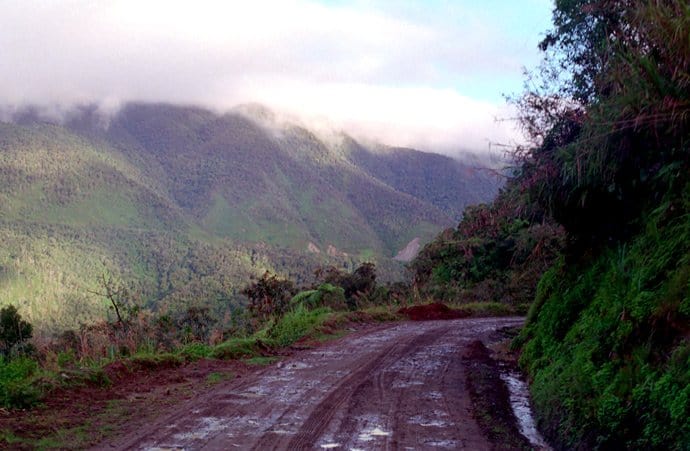
We drive to the mountainous region of Luzon Island. In steep inclines, a small narrow country road winds towards Bontoc. It was still pouring out of buckets early in the morning and the road is muddy and slippery. We are making very slow progress. But this gives us the opportunity to admire the landscape with its many charms. In some places the hills are completely deforested and in other places we are greeted by dense rainforest. The road is not very busy, two cars in the same place are a rarity. Usually only buses are on the road that are packed to the top. People even ride on the roofs as passengers. Our tour to the mountain region is supposed to last several days and we have pre-booked hotels and guesthouses for the nights.

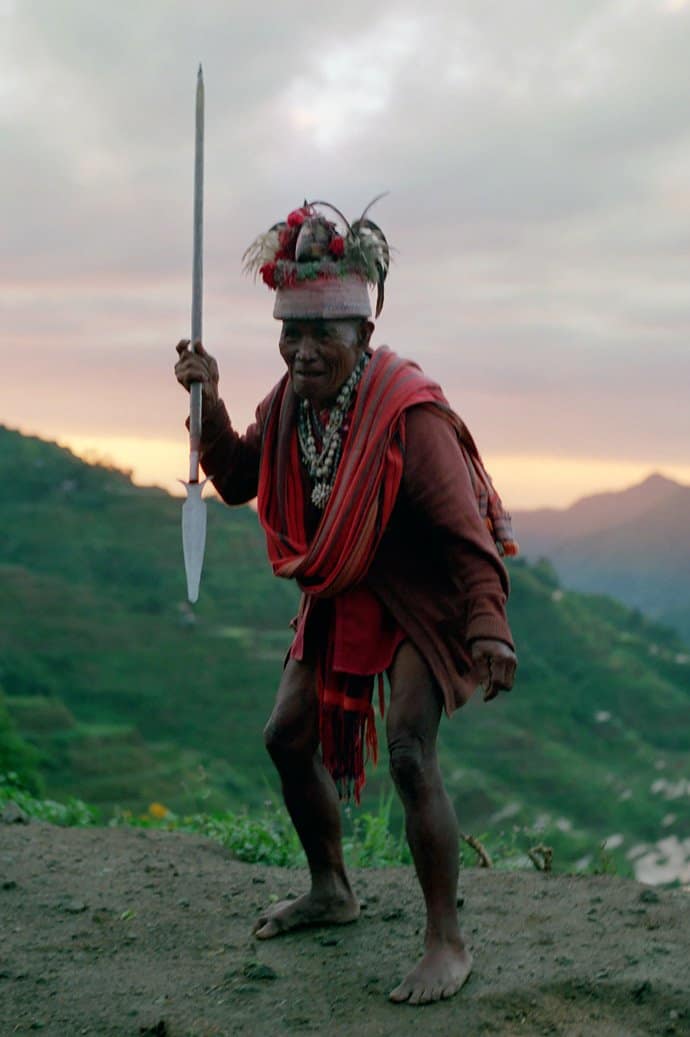
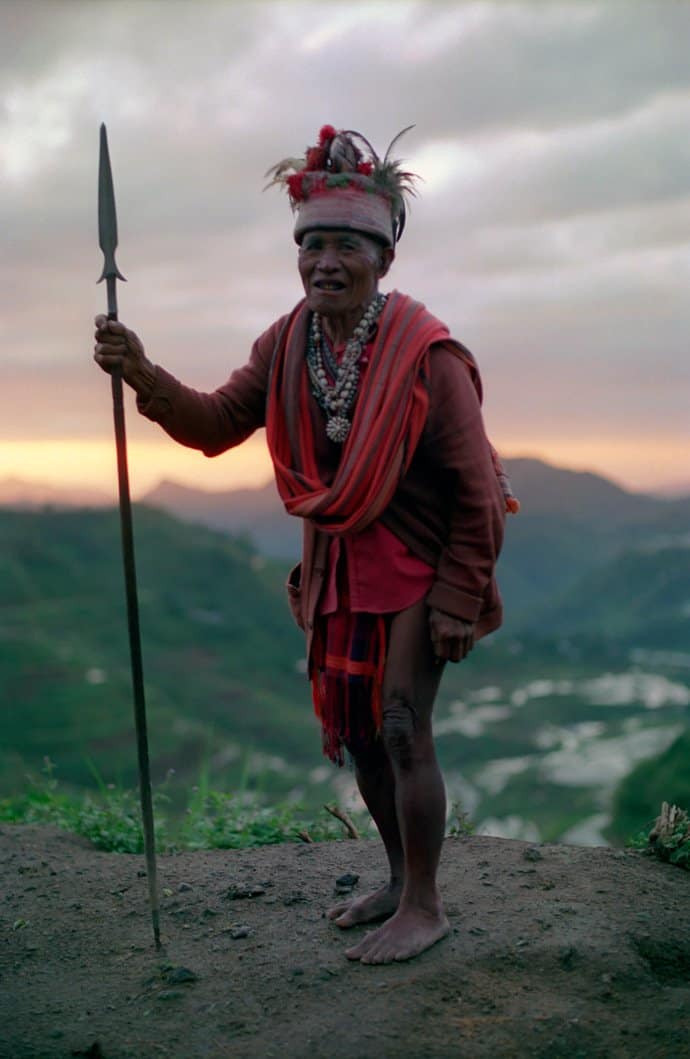
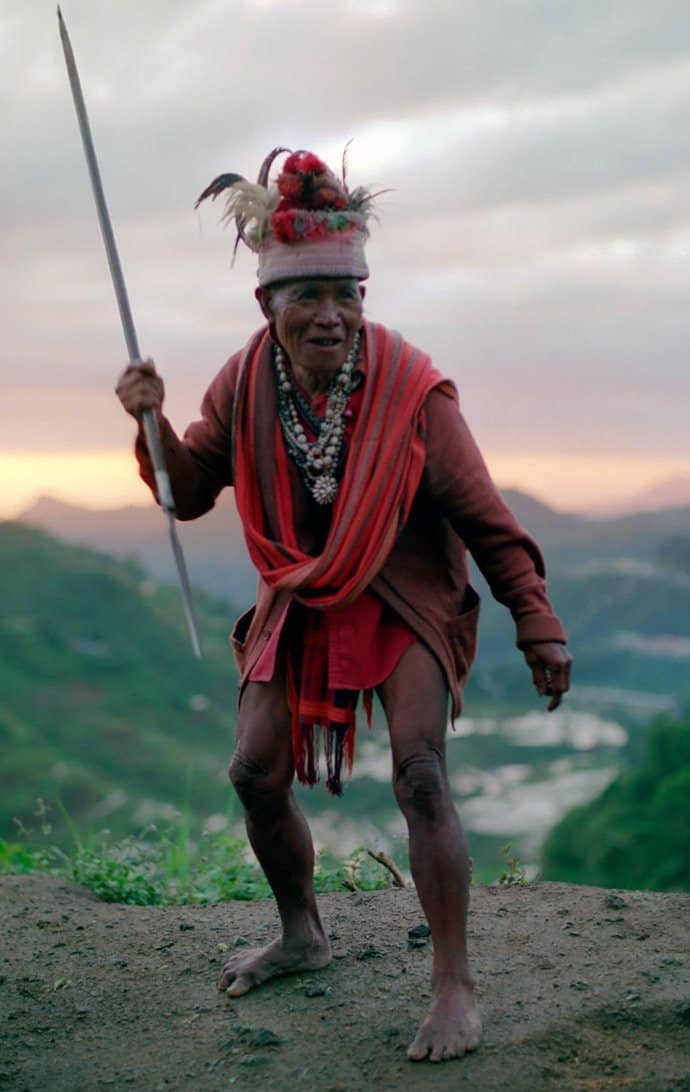
In a small mountain village, at the entrance to the village, an Ifugao hunter welcomes us in his typical colorful and richly decorated costume. Communication is difficult because he only speaks his native dialect, of which there are said to be about 200. But with gestures and hand signals and body language, we get into a “conversation” with him quite well. At our request, he takes one of his preferred hunting positions.

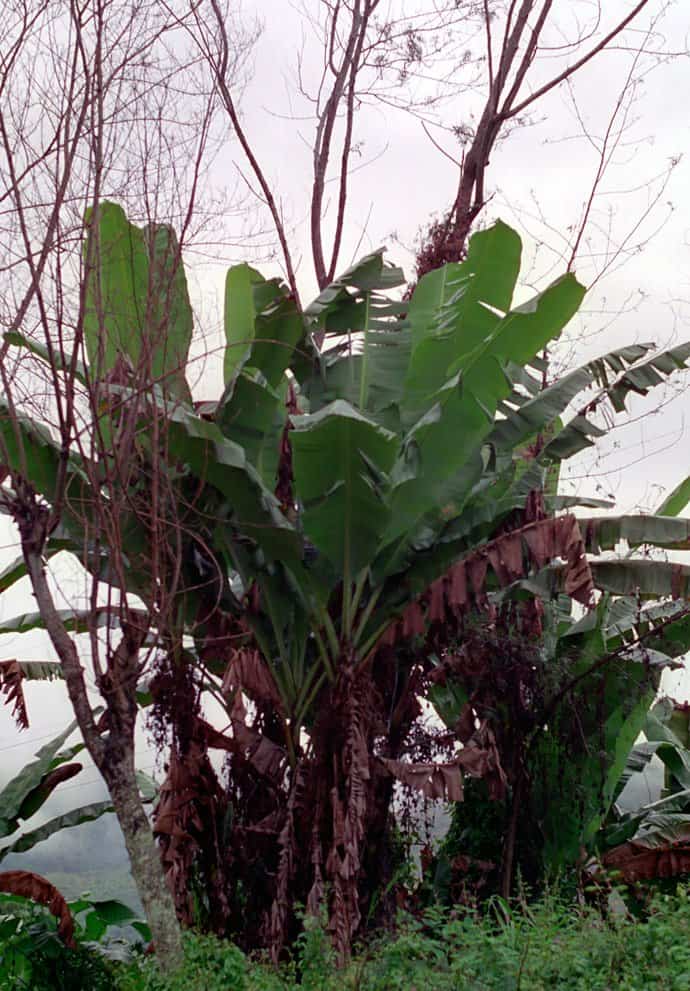
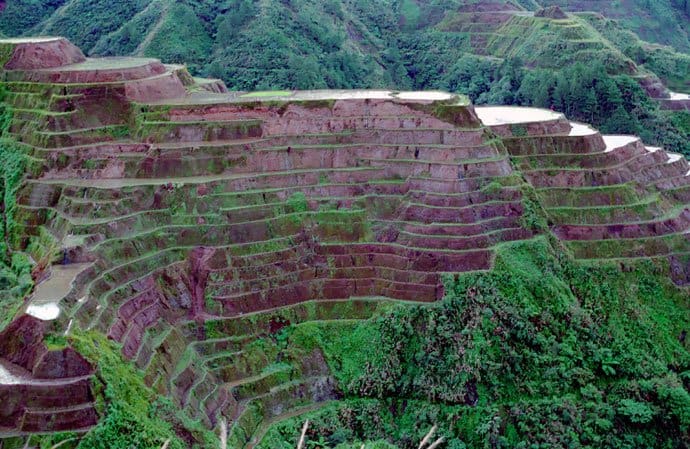
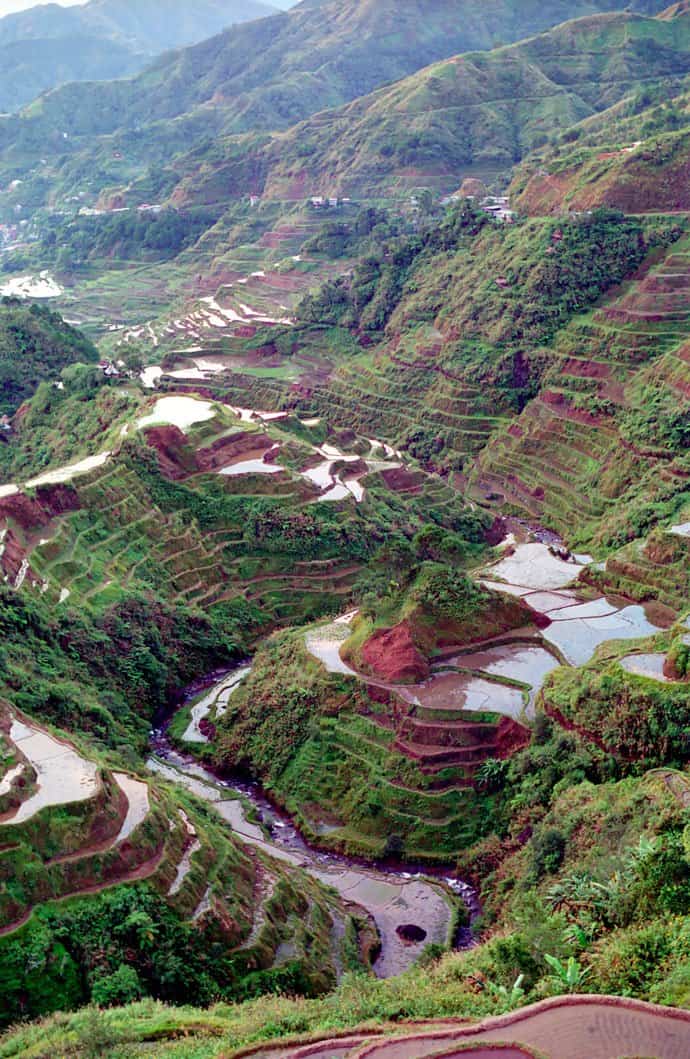
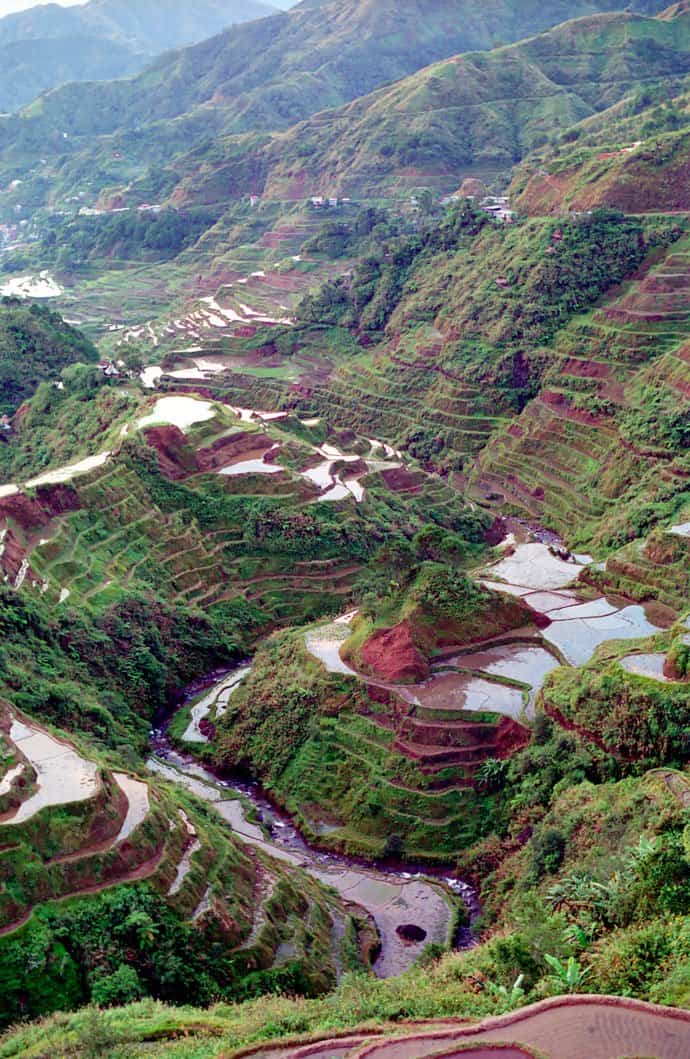
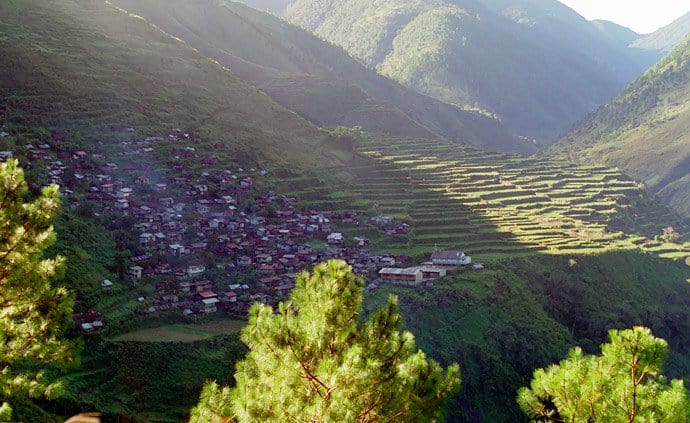
The sun sets glowing red on the horizon. An impressive scenery. We are moving up to higher and higher regions. At an altitude of over 1,500m, palm trees and banana plants still grow here. Again and again we see artistically landscaped rice terraces in the higher regions. Entire mountain ranges are laid out with these terraces. For most inhabitants of these mountainous regions, this is the only type of income. A sophisticated natural water system supplies the rice terraces with the necessary water. You can see the rice farmers standing barefoot up to their ankles in their fields and planting the seedlings. A tedious and strenuous job.

An incredible variety of plants, fruits and spices accompanies us up to an altitude of almost 1500m. In European regions, the tree line often ends here. For the night we are registered in a small country hotel. We are glad to have made the booking beforehand as the hotel is fully occupied. There is no other in this region. We would have had to spend the night in the car. The white walls and ceilings of our room are black from mosquitoes. Good thing we took our mosquito net with us. We have renamed the hotel “Mosquito Hotel”. Nevertheless, we survive the night to some extent and the next morning the journey can continue.

Pictures Philippines

Philippines - Luzon
Philippines - Luzon
Philippines - Luzon
Philippines - Luzon
Philippines - Luzon
Philippines - Luzon
Philippines - People
Philippines - Luzon
Philippines - Luzon
Philippines - Bontoc
philippinen reisterrassen 003
philippinen reisterrassen 004
philippinen reisterrassen 002

Questions about the destination Philippines

In the Asia forum you will get the answers !

9. September 2017 0 comments
0 FacebookTwitterPinterestEmail
Philippines - Bontoc
Philippines

Philippines – Bontoc

by Joe OnTour 9. September 2017
written by Joe OnTour

Philippines – Bontoc

The image of the Philippines is shaped by the geographical and climatic conditions. On the one hand, there are beach idylls on palm-fringed islands, on the other hand, majestic mountains up to almost 3000 m high (“Mont Apo”), colorful shimmering coral gardens, lush fields, unique rice terraces and dense rainforests. But also devastation caused by typhoons, volcanoes, earthquakes, droughts and erosion damage that cause clear-cutting and slash-and-burn agriculture, mountains of garbage and slums, exhaust clouds over the big cities are characteristic of the Philippines.

We are on our way from Manila to Bontoc on the main island of Luzon. The road conditions to the mountainous region and the highlands correspond to those of a rainforest. From the heavy downpours, during which it pours like buckets, the paths are soaked and muddy. Every now and then, the roads are completely buried by landslides. In narrow serpentines it goes up the mountains. An average speed of 20-30/kmh is announced.

Dense subtropical vegetation stands up to an altitude of 1,500m. In the narrow valleys there are a few huts of the mountain farmers, who grow their rice here in terraces. Occasionally we find small villages with clusters of houses clinging to the mountain slopes like swallows’ nests. From time to time we encounter buses that are so packed up to the roof with people and goods that you think they are going to break apart at any moment.

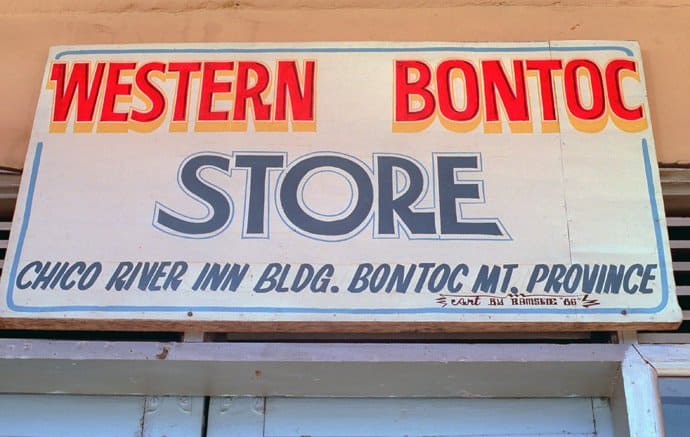
We drive through the spa town of Baguio, which welcomes us as a lively town at an altitude of 1500 m. It also bears the name “City of Flowers”, is also a university town with 60,000 students and a high-altitude health resort as well as the summer residence of rich Filipinos. A destination worth seeing here is the “Botanical Garden”. Everywhere you can see the typical houses of the mountain people. Another attraction is the “Bell Temple”, the so-called “world church”. It is a huge Chinese temple complex. Here, Buddhist and Christian elements of faith are combined into a unity. After another dizzying journey, always past deep gorges, we reach the trading town of Bontoc, which is well worth seeing.

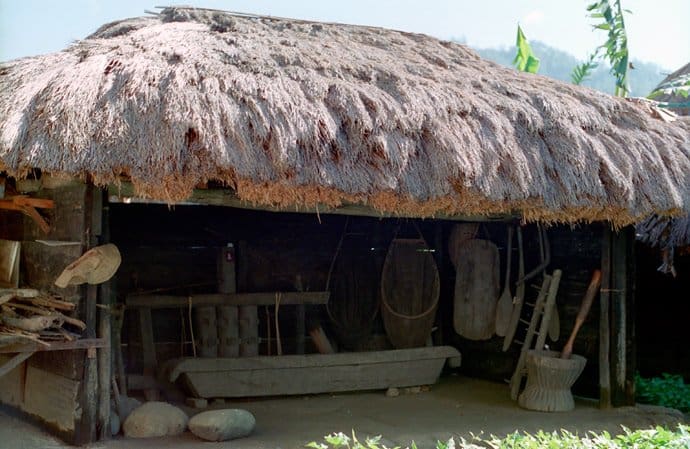
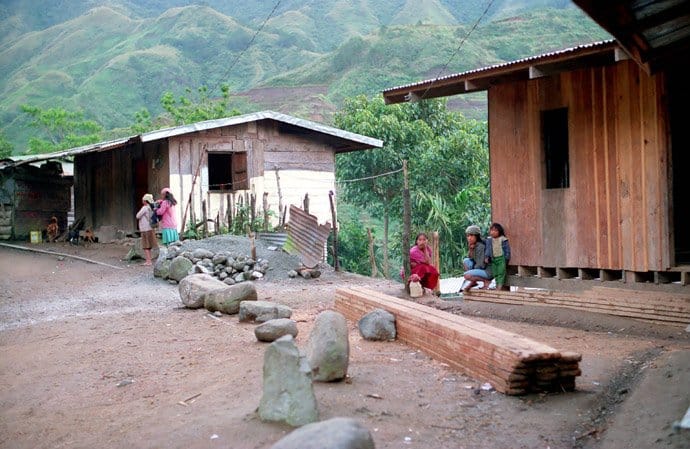
Most of the inhabitants of the region come here to sell their goods and on the other hand to stock up on other things of daily use. In the more remote villages, we find open huts like the one next door, where people live and work. The products are then usually offered for sale directly on the street.

Pictures Philippines

Philippines - Luzon
Philippines - Luzon
Philippines - Luzon
Philippines - Bontoc
Philippines - People
philippinen people 005
Philippines - People
philippinen reisterrassen 006
philippinen reisterrassen 004
philippinen reisterrassen 003
philippinen reisterrassen 002

Questions about the destination Philippines

In the Asia forum you will get the answers !

9. September 2017 0 comments
0 FacebookTwitterPinterestEmail
Philippines - Jeepney
Philippines

Philippines – Jeepney

by Joe OnTour 9. September 2017
written by Joe OnTour

Philippines – Jeepney

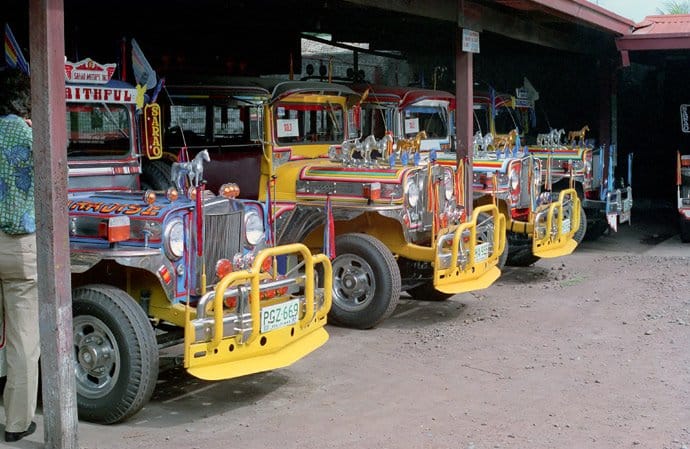
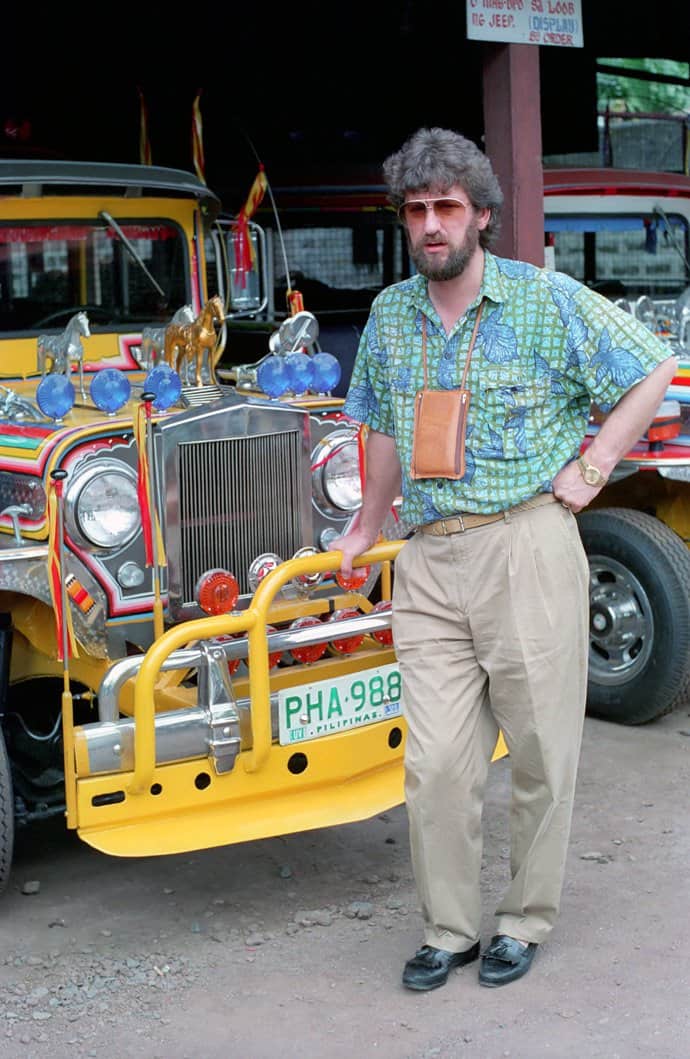
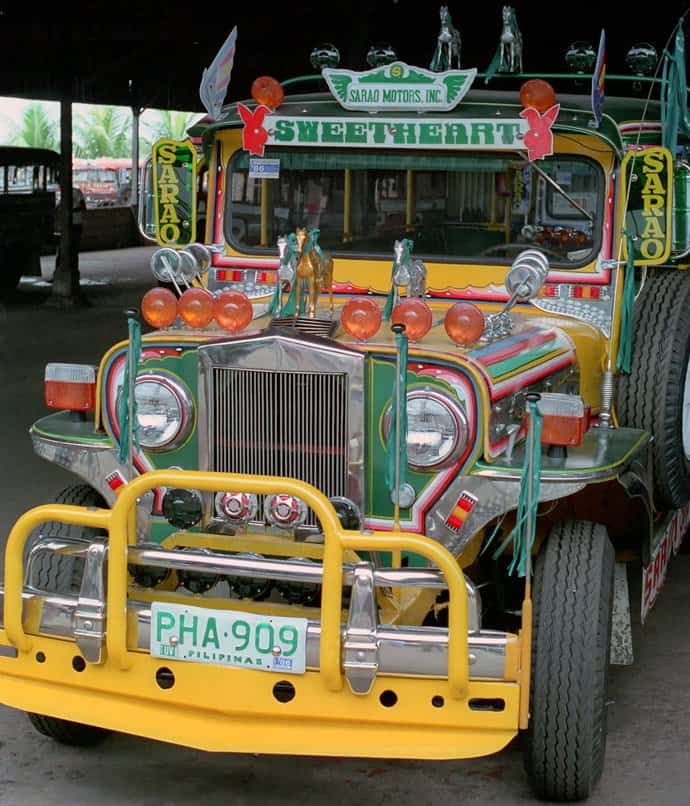
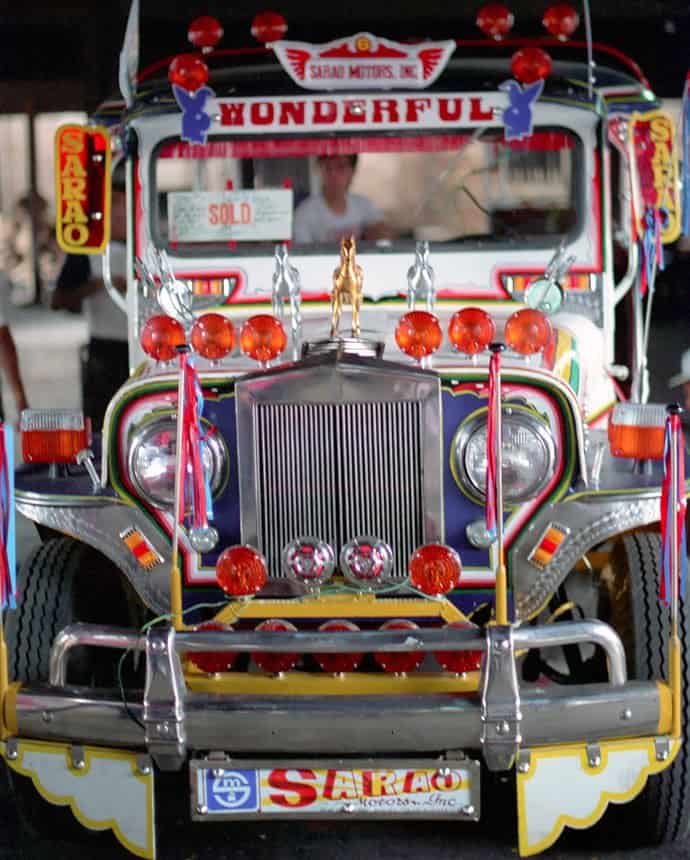
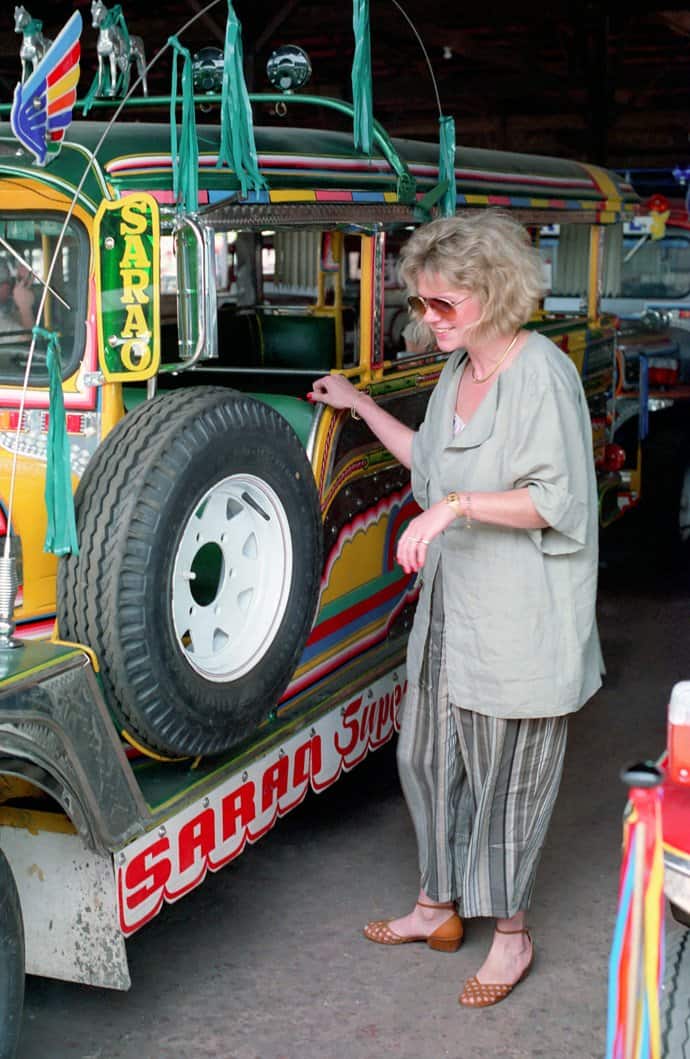
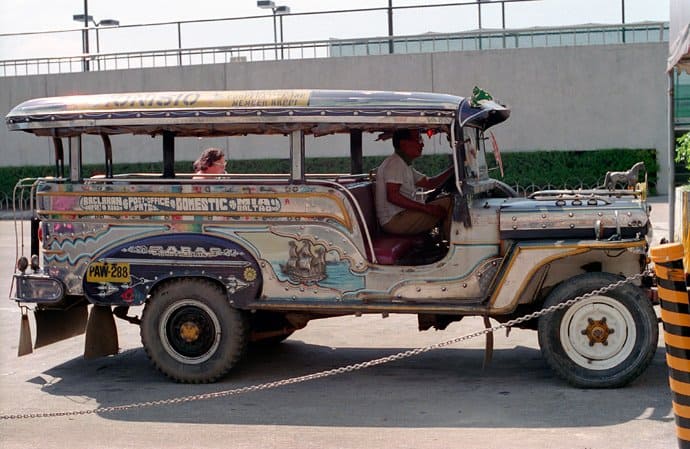
A special feature in the cities are the jeepneys. The jeepney was once a jeep that was in service with the American armed forces. It was saved from scrapping by the Filipinos and provided with wildly romantic pictures. Now jeepneys are the cheapest means of transport in the Philippines.

If you want to know how the jeepneys are made, it’s best to squeeze into such a trendy vehicle and let yourself be chauffeured to Las Piñas.

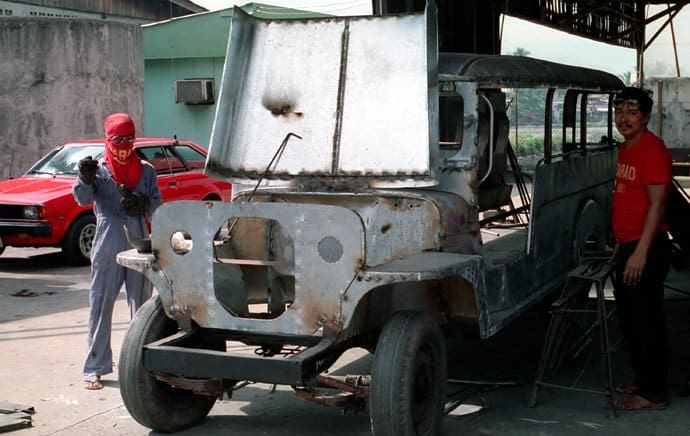
There, the vehicles of unshakable joie de vivre and landmarks of the country are built by hand. The jeepney can carry up to 20 passengers. It stops wherever someone makes themselves known to get in or out.

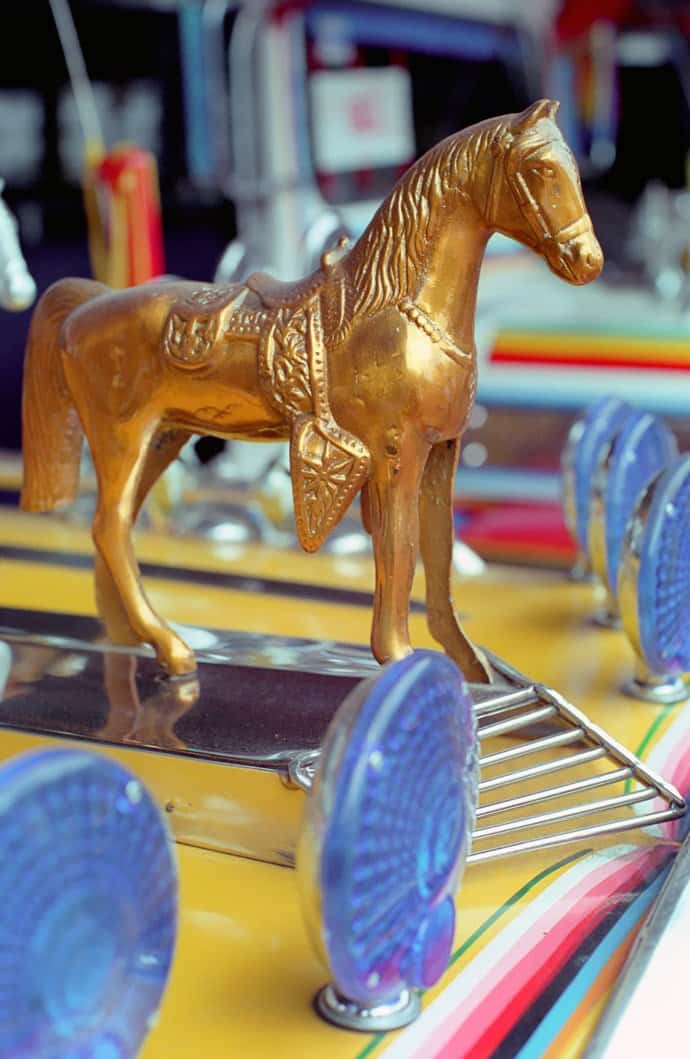
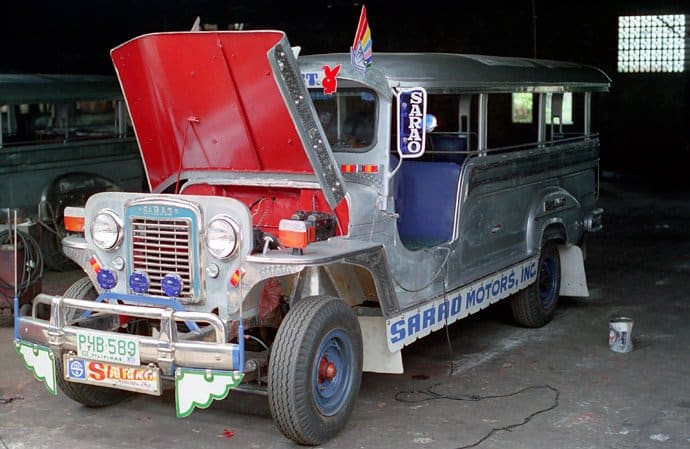
The factory is well worth seeing. The individual jeepneys are welded together by hand and equipped with the few necessary little things and then colorfully painted with wild ornaments and figures, provided with small status symbols and the jeepney is ready.

The jeepneys are one of the most important means of transport in the Philippines. Most are run by small business owners and families.

Pictures Philippines

Philippines - Jeepney

Questions about the destination Philippines

In the Asia forum you will get the answers !

9. September 2017 0 comments
0 FacebookTwitterPinterestEmail
Philippines - People
Philippines

Philippines – People

by Joe OnTour 9. September 2017
written by Joe OnTour

Philippines – People

The Filipinos are friendly and helpful and always up for a smile. We captured a few moments in the lives of these people with our camera.

On the way we see an Ifugao hunter from the area of North Luzon in the Philippines.

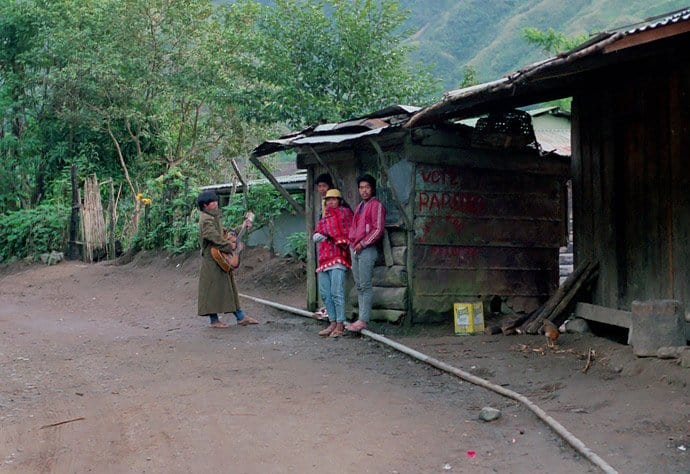
In a mountain village in northern Luzon, we meet some young people on the street of the village who have gathered to make music together.

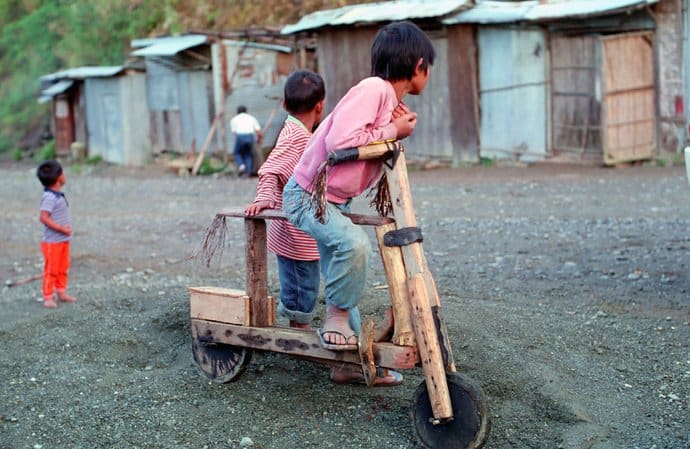
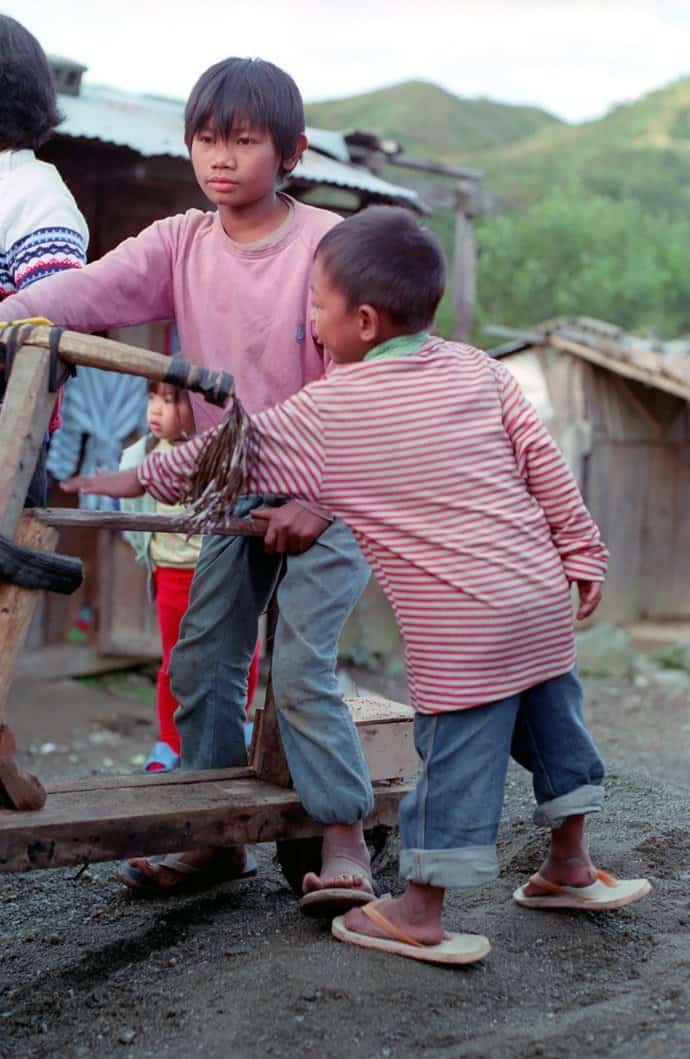
We were able to shoot wonderful scenes in a remote mountain village in northern Luzon, Philippines. Interesting were the children playing, who had fun with a self-made scooter on Main Street in a small mountain village of Luzon.

Two brothers negotiate who is allowed to drive now. The footwear of the “smaller” should be sufficient for the next 10 years.

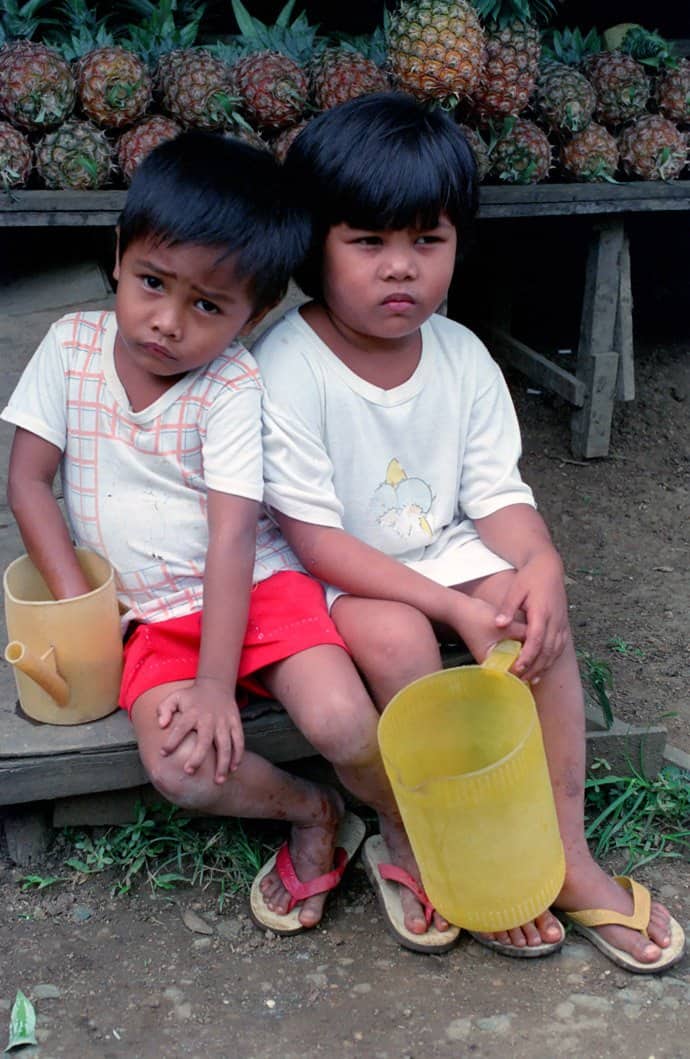
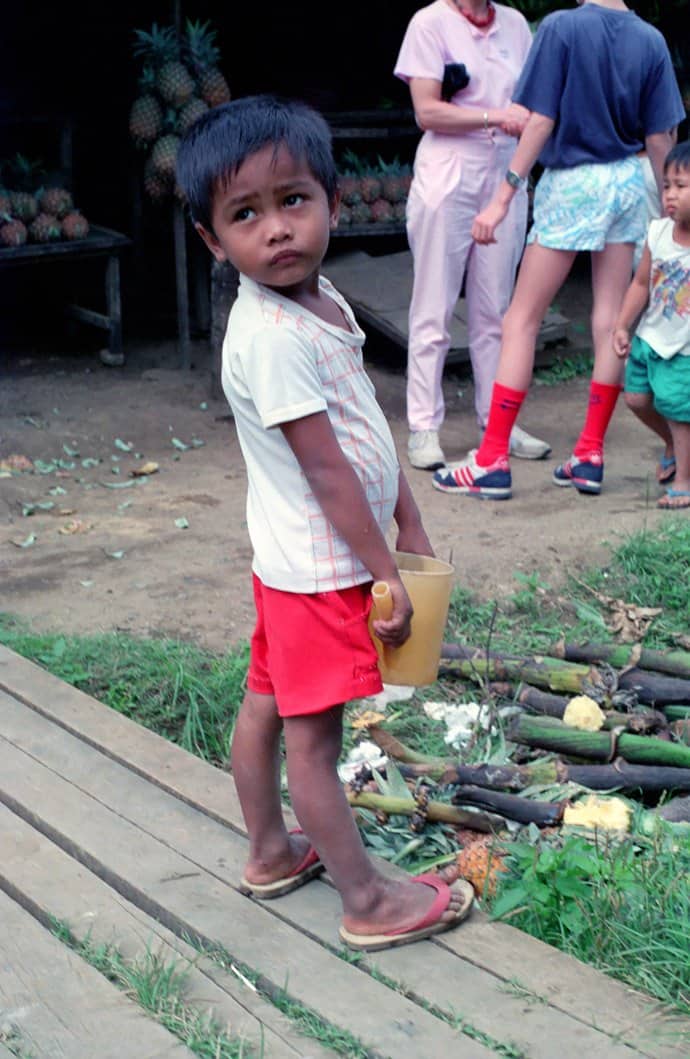
At a pineapple stand in the mountains of Luzon, we take unique photos. Popsicles? No! Pineapple on a stick! The little ones take care of the dishes after a juicy pineapple meal.

We try to get into conversation with the young entrepreneur in the Philippines with negotiating skills.

Pictures Philippines

Philippines - Luzon
Philippines - Jeepney
Philippines - People
philippinen people 005
Philippines - People
Philippines - Luzon
Philippines - Manila

Questions about the destination Philippines

In the Asia forum you will get the answers !

9. September 2017 0 comments
0 FacebookTwitterPinterestEmail
Philippines

Philippines – Rice Terraces

by Joe OnTour 9. September 2017
written by Joe OnTour

Philippines – Rice Terraces

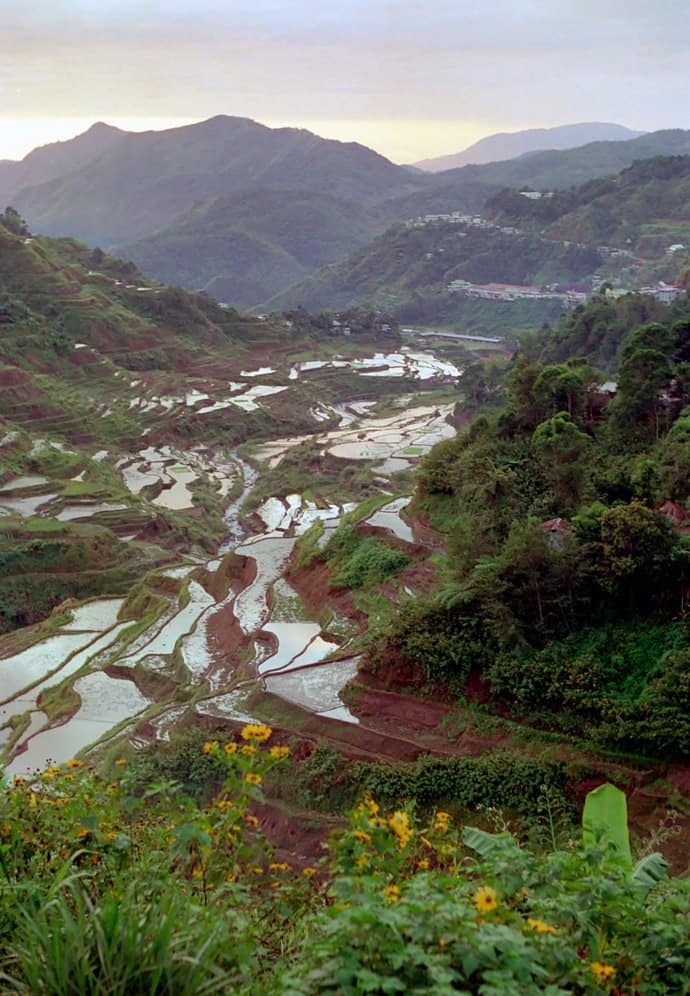
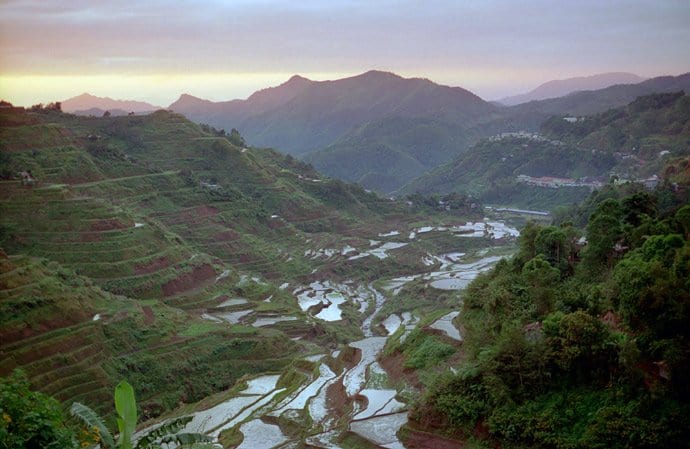
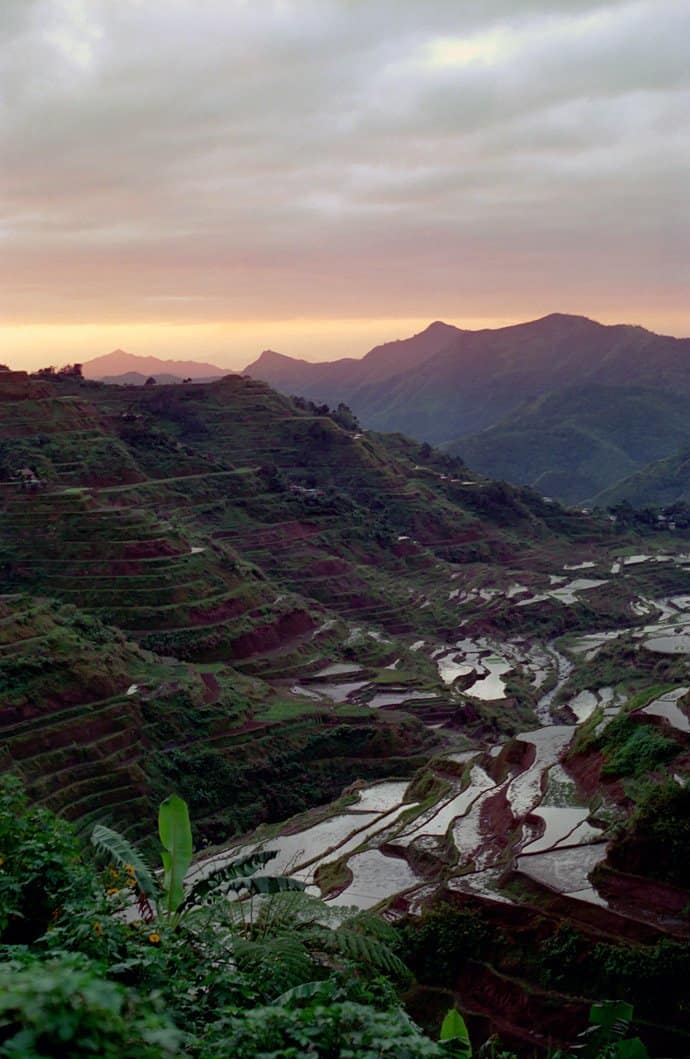
In the high mountainous regions, the world-famous rice terraces can be found on the mountain slopes in the north of Luzon. After a dizzying approach via the spa town of Baguio, the trading town of Bontoc is reached. Rice grows on the laboriously laid out stepped fields, which has great religious significance as a gift from the gods for the tradition-conscious mountain tribes. The Ifugao living further north call the Rice Terraces Steps to Heaven.

The ancestors have been building them for over 2000 years despite earthquakes and hurricanes over gorges and rivers. The greatest threats today, however, are dam projects and the rural exodus of the young generation. It is an impressive experience to see these huge rice terraces, created and maintained only by hand.

They have been declared a World Heritage Site by UNESCO. Further north of Bontoc, the road conditions become more and more impassable. At many curves, it goes vertically several hundred meters into the depth. The roads are completely unsecured, so driving here requires absolute attention. A small mistake can have fatal consequences here, especially since the ground, softened by continuous rain, is slippery and slippery. The crops built by the farmers look like small works of art.

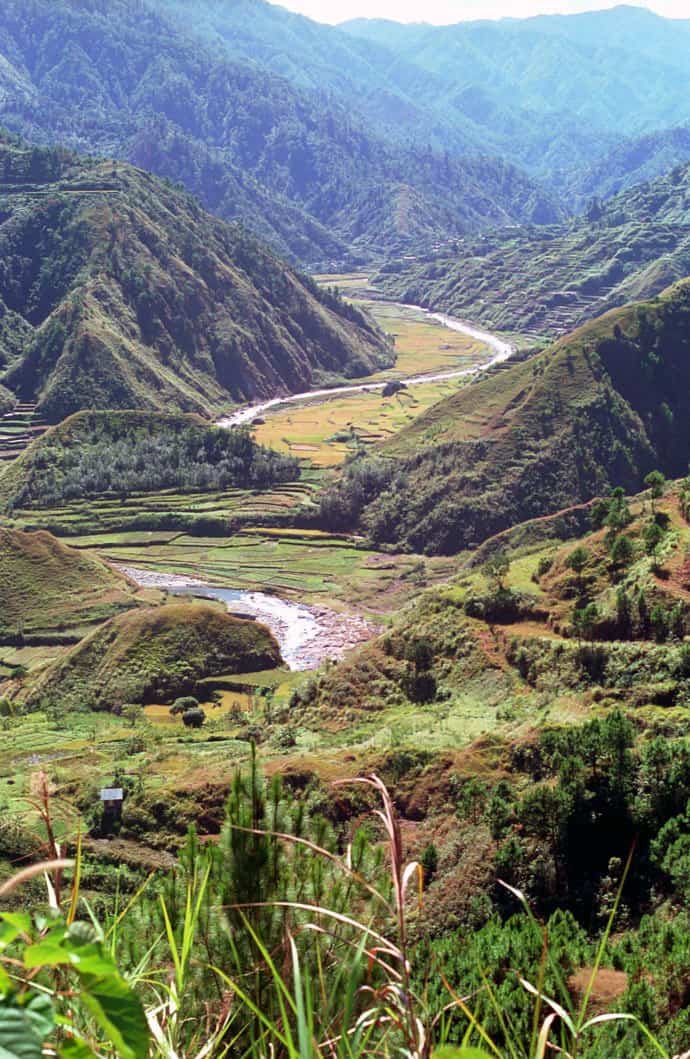
Jürgen has chosen a vantage point for a rest, from which you have a wonderful view of a deserted valley. A small river meanders from the high mountains to the sea. The mountain ranges are covered with subtropical vegetation. Unfortunately, we can’t stay here too long, as we still have a long way to go.

Pictures Philippines

Philippines - Luzon
Philippines - Luzon
Philippines - Bontoc
philippinen reisterrassen 006
philippinen reisterrassen 007
philippinen reisterrassen 005
philippinen reisterrassen 004
philippinen reisterrassen 003
philippinen reisterrassen 002
philippinen reisterrassen 001

Questions about the destination Philippines

In the Asia forum you will get the answers !

9. September 2017 0 comments
0 FacebookTwitterPinterestEmail
Maldives
General country informationMaldives

Maldives – General info

by Joe OnTour 9. September 2017
written by Joe OnTour

Maldives – General information

The Maldives is located in the Indian Ocean and consists of 1090 individual palm islands that stretch from north to south along a 900 km long atoll chain.

The islands are located about 500 km south of Sri Lanka and India.

Individual islands are surrounded by a house reef, while the outer reefs of the archipelagos form the atoll.

The highest elevation of the islands rises about 1.5 meters from the sea.

There are about 250,000 inhabitants living in the Maldives.

The common language is Dhivenhi, which comes from Hindhi and Sinhalese.

The main religion is Islam.

Tourism began in 1972 on the island of Kurumba near the main island of Male.

The time difference is +3 hours (based on CET summer time).

Maldives – Fauna

One of the most interesting native birds in the Seychelles is the corvid parrot, whose population is reduced to about 100 animals, as well as the thick-billed flight bird, wart fruit pigeon and the cave salangane.

The only mammals on the sexchelles are the Seychelles fruit bats and the bat species Coleura seychellensis, which belongs to the smooth-nosed freetail family.

The sea, with its almost inexhaustible wealth, not only provides for life under water, it also provides the basis of life for many millions of birds. Some islands, such as Bird Island, are a true bird paradise.

There are no enemies here, neither alligators nor snakes, no rats or cats. In addition, the Bird Islands, Bird Island or Aride are extremely difficult to reach. Therefore, birds that have long since become extinct in the world can still exist here.

The wildlife of the Seychelles has many special features to offer. First of all, there is the great abundance of fish in the Seychelles waters, which makes the islands with their still intact coral reefs good diving areas. At least snorkeling should therefore be tried by every visitor.

The small, grey, omnivorous skinks can be found again and again.

The geckos, which are usually grey or brown on Mahé, are unmissable, but almost always have a bright green colouring on La Digue. The green geckos are also called day geckos. These useful insectivores are almost always found in buildings, where they can be observed in the evening by lamplight.

Among the unloved small animals are cockroaches and mosquitoes. The former, which can actually be found everywhere in the tropics, is less common in the Seychelles. This is certainly due to the generous use of insecticides.

On the other hand, mosquitoes can be found almost everywhere in the Seychelles. However, their number is limited, as there are hardly any standing waters. In addition, the constant wind drives away the unloved ghosts. Only at dusk in swampy areas such as La Digue do you have to do something against the mosquitoes. The Anopheles mosquitoes, which are feared as malaria carriers, do not exist in the Seychelles. Malaria prophylaxis is therefore not necessary.

A bigger problem on beaches are the small sand flies. They are comparable in effect to creepy mosquitoes.

The sand of the beaches is home to countless small animals and crabs. Larger specimens are mainly found after dark or on lonely beaches.

The huge, black and yellow palm spiders sitting in their webs everywhere in the undergrowth look dangerous, but are all the more harmless in comparison.

One should beware of large centipedes, whose bite is poisonous and can cause nasty wounds. However, they are very rare.

On some islands you can find small scorpion species, but their bite is not life-threatening. All in all, it can be said that the wildlife of the Seychelles hardly poses any significant risks for visitors.

Particularly beautiful to look at are the many bird species of the Seychelles, a number of which are extremely rare. The Seychelles Shame Thrush, which only lives on Frégate, is particularly noteworthy here. The birds know no instinct to flee. Therefore, the island must be kept free of rats and cats so that the survival of the last few dozen specimens is ensured.

Not so rare, but extremely beautiful are the snow-white fairy terns, which have pitch-black eyes and blue beaks. Equally remarkable are the tropicbirds sailing in the warm updrafts on the mountain slopes. Some areas of the Seychelles are under strict supervision as bird sanctuaries. This also includes the islands of Aride, Cousin or Bird Island. They are an absolute must for those interested in ornithology.

The only native mammal species is the Seychelles fruit bat. The large animals, which resemble the smaller bats in their behaviour, can often be seen and heard at dusk. The Flying Fox looks like a small fox up close with its reddish-brown fur. The food of fruit bats consists exclusively of fruits.

Maldives – Flora

The most important feature of the flora on the Maldivian islands is the great poverty of species and the resulting unstable balance.

Of the 600 plant species counted in the Maldives, only about 100 to 150 are endemic. The remaining 450 to 500 species were imported over the millennia for cultural and ornamental purposes. The most widespread are coconut palms and pandanus. Both tree species can thrive wonderfully on the islands. The banyan tree can also hold its own, because it feeds on its shallow-rooted host plants, pandanus plants or shrubs.

Of decisive importance for the creation and preservation of an island, however, are shallow grasses (pioneer plants) growing in the shore area. They first establish themselves on a sandbank. There they fortify the shore area with their dense roots. Later, they settle behind hedges and bushes and consolidate the soil.

Over the centuries, a thin layer of humus then develops, in which salt-free rainwater can accumulate. Above the waterline, a dense tree population of coconut palms, strangler figs and pines, almond trees and other plants finally develops.

The more untouched the islands remain by human hands, the more easily and densely the plants will colonize the habitat most favorable to them. This is the basic prerequisite that even strong storms and floods can hardly erode and damage the islands.

If one of the filigree chains of vegetation is disturbed, for example by deforestation, etc., even the smallest floods sponge out sand and soil between the roots on the coconut palms. This is usually the end of the palm trees, as they then fall over and are later washed away by the sea.

Due to the ever-increasing settlement of the islands with their negative effects on the ecosystem (deforestation and clearing of plant and tree growth), the destruction of the paradisiacal conditions has long since begun.

How long will paradise last?……….

…………..Will the next generation still be able to dream of white beaches under palm trees?

Maldives – History

500-200 BC – Sinhalese seafarers discover the atolls of the Maldives. The dialect that is still spoken today is strongly reminiscent of Sinhalese. Some customs and Buddhist finds during excavations also indicate that the settlement of the Maldives took place from south to north.

150 AD – The Maldives must have been known in the Western world, as the geographer Claudius Ptolemy describes islands pointing to the Maldives as “islands west of Ceylon” in his notes. He had his knowledge from records of the Phoenicians, who advanced into the Indian Ocean with their merchant ships and probably also sailed to the Maldives.

800-900 – On the way to Asia, some presumably Phoenician ships crash into the reefs that are not mapped. The stranded then settled on the islands.

1141 – In this year, the writing of the “Tarikh” began for the first time. This “Chronicle of the Sultans”, at that time still hammered into copper strips, which were then tied together like a fan, reports on 83 sultans and sultanates, of which, however, often nothing is known and often only the name alone has been handed down.

In the 14th century, the Maldives was ruled by the first sultana Khadeeja Rehendi Kabaidhi Kilege. She ruled for a total of 35 years. Although the Maldives were devout Muslims, there were some local customs that were horrified by Arab Muslims. The women of the Maldives have never worn a face scarf and some were only dressed in a hip scarf. Marriage customs in the Maldives have always been very uncomplicated. That hasn’t changed to this day.

At the beginning of the 16th century, the Portuguese reached the Indian Ocean and first occupied South India and Ceylon.

In 1558, Hassan the 9th asked the Portuguese for help against rebellious Maldivians. This was the opportunity for the Portuguese, under the leadership of Andreas Andre, to occupy Male and the other atolls. They destroyed all the mosques and built churches in their place to convert the Maldivians to the Christian faith. The Portuguese met with strong resistance.

The Dutch replaced the Portuguese in Ceylon. Since they were more interested in trade than in conquest, they maintained a loose tribute relationship with the Maldives.

In 1802, the English took Ceylon and, under the leadership of Captain Moresby, set out to map the Maldives in 1834. His notes still serve as the basis for English nautical charts today.

In 1932, the first constitution of the Maldives came into force.

From 1932 onwards, the democratisation process began in the Maldives. The then Sultan Shamsuddin III transformed the sultanate into a constitutional one.

On January 1, 1953, the first republic was founded under the presidency of Amin Didi. He has pushed through many reforms for the country. Only now did electricity come to Male, schools were built and he provided sufficient malaria prophylaxis. After only 9 months in office, he was shot dead in Male and is now buried in Kurumba Village.

1954-1968 – Sultan Mohammed Fareed came to power.

In 1965, the Maldives gained complete independence.

The Austrian Hans Hass undertook the first diving expedition to the Indian Ocean with his research vessel Xarifa, which sailed under the Austrian flag. From December 1957 to May 2, 1958, the Xarifa cruised from Gan up to the Shaviyani Atoll. The films of Hans Hass can be seen as the initial spark for today’s diving tourism.

On July 26, the Maldives became finally independent and in the same year it became a full member of the UN.

A referendum on 11 November 1968 proclaimed the “Second Republic” under the leadership of Ibrahim Nasir. After ten years, Maumoon Abdul Gayoom took over the presidency. During his tenure, the current Friday Mosque and the Islamic Centre were built, and the Maldives transformed from the poorest country in the world to modest prosperity.

On February 16, 1972, the first tourists – 22 Italian divers – landed on the island of Kurumba in the North Male Atoll.

President Maumoon Abdul Gayoom was elected president for the first time on 11 November 1978 and was re-elected in office in 1983, 1988, 1994, 1998 and 2003.

1980 – Failed coup attempt by ex-president Ibrahim Nasir.

On September 3, 1988, Tamil separatists staged a coup. President Maumoon Abdul Gayoom has to flee the capital Malé and asks for foreign support. Indian paratroopers land in Malé and put down the rebellion.

General country informationMaldives

Maldives – General info

by Joe OnTour 9. September 2017
Maldives

Maldives – Diving

by Joe OnTour 9. September 2017
Maldives

Maldives – Sea Fushi

by Joe OnTour 9. September 2017

Questions about Maldives

In the Asia forum you will get the answers !

9. September 2017 0 comments
0 FacebookTwitterPinterestEmail
Maldives - Diving
Maldives

Maldives – Diving

by Joe OnTour 9. September 2017
written by Joe OnTour

Maldives – Diving

The Maldives is located in the Indian Ocean and consists of 1090 individual palm islands that stretch from north to south along a 900 km long atoll chain. The islands are located about 500 km south of Sri Lanka and India. Individual islands are surrounded by a house reef, while the outer reefs of the archipelagos form the atoll. The highest elevation of the islands rises about 1.5 meters from the sea. There are about 250,000 inhabitants living in the Maldives. The common language is Dhivenhi, which comes from Hindhi and Sinhalese. The main religion is Islam. Tourism began in 1972 on the island of Kurumba near the main island of Male. The time difference is +3 hours (based on CET Daylight Saving Time). The average annual temperature is 29 degrees, the water has an average temperature of 25 degrees.

This is the second time we have approached the Maldives. We had our first stay in December 1979. From the plane, the islands look like grains of sand scattered by magic. We have chosen the island of Meerufenfushi in the North Male Atoll as our destination and want to explore part of the North Male Atoll from here.

In contrast to the first stay, this time we want to explore the world of the Maldives under water. We brought all our diving equipment with us. As we have learned, there has already been a dive center on the island for a year. We already know the dive guide from another diving trip. He wrote to us that the diving sites are fantastic and we are looking forward to some eventful weeks. The islands were still largely undeveloped last time. There was only a small landing site on an island off the main island of Male, which could only be approached by regional aircraft from Sri Lanka.

That has already changed now, three years later, in 1982. In the hope of the Maldives’ most harmonious economic sector, tourism, the extension of the runway for intercontinental flights was expanded. For example, the large aircraft with up to 240 people on board can now land directly in the Maldives and no longer have to take the much more “time-consuming detour” via Sri Lanka. We are skeptical whether this has not had an effect on the untouched nature of the islands. Well, we’ll see.

During the last stay in 1979, there were only a handful of islands developed for tourism, most of which had only minimal comfort by European standards. In the last three years, many more islands have already been developed and developed into more or less luxurious resorts. From the Landing Island, you will take a dhoni to Meerufenfushi Island in a 3-hour ride.

On the way we are accompanied by dolphins and flying fish. When we arrive, we find out that the new dive center has actually established itself on the island. We are greeted stormily by our dive guide. The accommodations are still characterized by minimal comfort. We are not angry about this, as we appreciate the remoteness of this far northern island. After a hearty dinner and a night spent with the doors open under our mosquito nets, we are already dreaming of sharks and manta rays.

The next morning we go to the house reef for the first exploratory dive. Our dive guide wants to get to know our diving skills first, as there are also some other guests on board, unknown to him. So we set off with an adventurous old fishing boat. Brigitte is very skeptical whether we will arrive safely with this old barge, especially since the main equipment consists of several large buckets to remove the penetrating water.

But then we learn that the small boat only serves as a feeder to the slightly larger submersible. As it turns out, this is a converted dhoni and also at least 100 years old.

Three years ago, we explored the underwater world with diving goggles and snorkel and free-diving. Most of the reefs were fantastically untouched and characterized by a great abundance of fish. Small baby sharks and rays even ventured into the shallow water on our beach.

On the reef edges, we saw a variety of reef sharks and huge manta rays or devil rays during our snorkeling sessions. Now, of course, we are curious to see how everything has developed. The anticipation is great. Jürgen is already encouraging himself and tries the emergency, so this is how a shark attack is averted?

Our boat driver uses the time and in the meantime ensures that there is enough food, because the dives are exhausting and exhausting. The sea still provides an incredible abundance of food here. Due to the almost always strong currents in the reef channels, countless schools of fish cavort here. As soon as the fishing line is lowered into the water, the catch can already be pulled out.

But now it starts. Diving tank, regulator, depth gauge and other equipment are once again thoroughly checked for functionality. Do the diving goggles fit correctly? Ok, then let’s get ready to jump into the depths. My diving partner Rüdiger is already downstairs. We have agreed not to stray too far from each other. The water is very clear. Visibility is about 100 meters. The current is not very strong here on the house reef, so we expect a leisurely dive. We are greeted by huge coral banks with a wide variety of formations.

On the dying corals, new corals grow again and again in an intact reef, so that the reefs grow steadily. While everything was still a bit loud and hectic up on board, a special peace welcomes us down here, which is only broken by the sound of the regulator. So we slowly float along the sloping reefs and enjoy the always impressive flora and fauna of the underwater world.

Rüdiger is once again on an exploratory tour and is looking for a moray eel he has discovered in a small cave. The bites of adult specimens are not without danger. Therefore, very careful tactics are called for. In the distance we see the first blacktip sharks, which are reef sharks at a depth of 1 to 270 meters.

In some places, the first effects of the expansion frenzy on the islands can already be seen. The building material for the huts and bungalows consists mainly of corals that are broken from the reefs. The damage can still only be seen in a few places. However, we fear that the very sensitive underwater ecosystem will suffer lasting damage in the long run. Our air supply is slowly coming to an end and so we start to surface after about an hour. We weren’t particularly deep this time and didn’t dive further than 20 meters. This saves us the otherwise lengthy decompression times when we surface.

Back on the boat we are satisfied with our first successful dive. The dive guide promises us much more spectacular dives for the next few days. The next day we are supposed to go to a remote, previously undived and completely untouched outer reef. The trip by boat there, he says, is about 2 hours. But we are still in the process of processing what we have just experienced. The equipment is checked again. The camera has remained tight and everything else is fine. The first long-awaited pictures are in the can. After a short drive, the island quickly comes into view again. We are all pretty exhausted and are already looking forward to the dinner that our boat driver has caught for us.

Pictures Maldives

Maldives - Diving
Maldives - Diving
Maldives - Diving
Maldives - Diving
Maldives - Diving
Maldives - Diving
Maldives - Diving
Maldives - Diving
Maldives - Diving
Maldives - Diving
Maldives - Diving
Maldives - Diving
Maldives - Diving
Maldives - Diving
Maldives - Diving
Maldives - Diving
Maldives - Diving
Maldives - Diving
Maledives - Meerufenfushi

Questions about Maldives

In the Asia forum you will get the answers !

9. September 2017 0 comments
0 FacebookTwitterPinterestEmail
Maledives - Meerufenfushi
Maldives

Maldives – Sea Fushi

by Joe OnTour 9. September 2017
written by Joe OnTour

Maldives – Meerufenfushi

After the first dive in the Maldives, we now have time to look around the island extensively and explore all the changes that have taken place in recent years. The island is one of the largest of its kind. However, there are no cars or other motorized land vehicles here. The island can be easily circumnavigated on foot in 45 minutes. The dive center and 20 bungalows are grouped around the main house.

The main building consists of the kitchen and the restaurant, which is also a meeting place and communication centre. It is located about 30 meters from the beach and is surrounded by ancient tall coconut palms and dense mangrove bushes. We notice that relatively little has changed and mass tourism has not yet found its way here in a negative form.

The cuisine is simple but good. There is freshly caught fish every day, which the fishermen deliver with small dhoni boats. For a change, meat is also prepared on the grill on some days. The restaurant is open on all sides, so that in the evening a fresh sea breeze usually provides the necessary air conditioning.

The oceanic-tropical climate is determined by the monsoon winds. From December to April, the pleasant northeast monsoon blows with winds of 2 to 4 and relatively low regular rainfall. So the climate is actually very bearable. If you don’t go diving, look for a shady spot between the palm trees and enjoy the paradisiacal tranquility. Part of the island is crisscrossed by low mangrove bushes and is almost impossible to penetrate. There is also a lush vegetation on the island, which is favored by the tropical climate.

In the evenings, Brigitte and I regularly set off to explore the island. We walk around it along the beach. We regularly spot small baby sharks and rays that come directly to the beach. We have to be careful not to step on the many crabs that come out of their shelters in the evening and leave small sand castles everywhere on the beach.

Brigitte has made herself comfortable in the hammock for the time being. A shady spot is a must, as the direct sun cannot be enjoyed for too long with impunity. After the dive, the washed-out tachan suits are dried on the line.

There is a calm and peaceful atmosphere before sunset. The first bats are already getting ready to start the evening hunt for food. It is teeming with geckos, spiders and other small animals.

The water supply is secured by its own treatment plant. The salt water filtered in this way is not drinkable and always has a slightly brackish smell. However, it is sufficient for showering, although a slightly sticky layer of salt remains on the skin. We already know this feeling from our first stay. For newcomers, this is usually always a cause for complaints. Most people forget all too easily that we are not in Europe but in Asia.

The only danger you constantly expose yourself to on the island are the coconuts. They have a habit of rushing down from a height of 15 to 20 meters in the most impossible moments, without warning. This is particularly dangerous. So the gaze is always directed upwards with one eye. We have made it a habit to open some coconuts every day.

The milk is very tasty and the meat is very nutritious. With time and under the previous instruction of the islanders, we soon have the trick of opening out. So after a short acclimatization we feel like Robinson “temporary” again. It is amazing how quickly the hectic everyday life that we do to ourselves in Europe is forgotten and gives way to a more leisurely rhythm. Jürgen has a lot of fun with the diving knife, which is guided like a machete, to first knock off the outer layer of fiber and then open the shell of the coconut at the top.

For many of the originally inhabited islands, this is one of the main foodstuffs, except of course for the fruits, which the sea still has to offer in abundance. The fishermen come to the beach with their extremely manoeuvrable, small dhoni boats to sell freshly caught fish. Some fishermen also offer rare mussels, which they take out of the reefs while freediving. These beautifully drawn shells are extremely rare and were originally worn only for celebrations.

With the beginning of tourism on the islands, this has also become another source of income for fishermen. Of course, we reject the purchase offer. It is quite a picturesque sight to watch the boats emerge from a long distance as a small white dot from the deep blue water on the horizon. It is hard everyday life for the fishermen. But they are always cheerful and make a deeply satisfied impression on us. Some very tireless people want to go on a night dive and so the submersible leaves the jetty one last time for today. Further trips are not possible at night due to the lack of navigation and are also too dangerous because of the reefs.

Slowly the day is coming to an end and we once again admire the natural spectacle of the setting sun. We end the day with a can of tropical beer. Brigitte collects a few more interesting shells on the beach.

The sunset takes place very quickly. In a few minutes, the sun sinks into the sea and leaves a last firework display on the clouds. A fantastic day is coming to an end. It’s a good thing that we still have some of them ahead of us and don’t have to think about saying goodbye yet.

Pictures Maldives

Maldives - Diving
Maldives - Diving
Maldives - Diving
Maldives - Diving
Maldives - Diving
Maldives - Diving
Maldives - Diving
Maldives - Diving
Maldives - Diving
Maldives - Diving
Maldives - Diving
Maldives - Diving
Maldives - Diving
Maldives - Diving
Maldives - Diving
Maldives - Diving
Maldives - Diving
Maldives - Diving
Maledives - Meerufenfushi
malediven 026
Maledives - Meerufenfushi

Questions about Maldives

In the Asia forum you will get the answers !

9. September 2017 0 comments
0 FacebookTwitterPinterestEmail
singapur
General country informationSingapore

Singapore – General info

by Joe OnTour 9. September 2017
written by Joe OnTour

Singapore – General Information

Area
647.8 sq km
Population
4.017.733 (2000)
Population density
6101 per sq km
Capital
Singapore. Population: 3,163,500 (1998)
Geography
The island state of Singapore is located off the southern tip of the Malay Peninsula and is connected to it by two navigable dams. The island is separated from the mainland by the approximately 1 km wide Strait of Johor, and another 57 islets are also part of the territory. Singapore is mostly flat, the 166 m high Bukit Timah is the highest elevation. In the northeast of the island, large areas have been reclaimed from the sea, the jungle and the swamps in the lowlands have been largely cleared or drained.
Form of government
Republic (in the Commonwealth) since 1959. Constitution of 1959, last amended in 1996. Head of state: Sellapan Ramanathan, since 1999, head of government: Goh Chok Tong, since 1990. Independent since 1965 (former British Crown Colony), part of the Federation of Malaysia from 1963-65.
Languages
The official language is English. Malay is the national language, but Chinese (Mandarin and some dialects, including Hokkien) and Tamil are also spoken.
Religions
Buddhism, Christianity, Hinduism, Islam, Sikh religion and Taoism.
Local time
CET+7 (UTC+8).
Mains voltage
220/240 V, 50 Hz; Adapter recommended.
Phone
Self-dialing long-distance service.
Country code
65
Fax
Fax machines are available at many hotels and the telecom offices in Robinson Road and Exeter Road.
Internet/E-Mail
Numerous internet cafes in Singapore offer access to the internet and e-mail. The main Internet providers are Cyberway (Internet: www1.starhub.net.sg) and Singnet (Internet: www.my.singnet.com.sg)

Singapore – Country & People

Just as Asian and Western, modern and backward alternate at every turn in Singapore, the different ethnic groups living in the port city also form a colorful ethnic mosaic.

More than three-quarters of all Singaporeans are of Chinese descent, around 14% are Malays and about 7% are of Indian-Tamil origin. All three ethnic groups cultivate their cultural customs and their languages, with English being the unifying lingua franca.

Singapore’s state television is in four languages, the evening radio and television news is broadcast in all four languages at different times and on different channels, and the kiosks offer local press products in the four languages.

Gone are the colonial times when Singapore’s three most important tribes lived separately in individual urban areas: the Chinese in and around Chinatown, the Malays in their “kampongs”, the traditional stilt dwelling settlements, and the immigrants from the Indian subcontinent in their quarter on Serangoon Road, which is still called “Little India” today.

In an effort to make the local Malays, along with the immigrant Chinese, Indians and Tamils and their descendants, Singaporean citizens, the government tore down the ethnic barriers in both a literal and figurative sense.

A large-scale social housing program, with massive apartment blocks scattered far across the island nation, brought all ethnicities together and made almost 80% of the population owners. This is because the cheap apartments built by the state cannot be rented, but only purchased, whereby a sophisticated system of social security contributions ensures that almost every working Singaporean can come into possession of such an apartment. The government is speculating that everyone who owns an apartment feels committed to the young nation and is prepared to defend it in the event of a crisis or war.

In general, the government is making enormous efforts to awaken a national consciousness in the population, which consists of 90% immigrants or their descendants.

On the one hand, it conducts large-scale popular education campaigns in good Chinese tradition, which draconically punish any misconduct. For example, anyone who throws a cigarette butt on public ground several times or puts his feet on the bench in the ultra-modern subway faces a fine of up to 250 US dollars.

On the other hand, she hires international public relations firms, for example, which compose shallow songs and beautiful sounds on the subject of national consciousness, thanks to which the government’s concerns then penetrate very directly into the subconscious of the Singaporeans.

Heroic compositions such as “Stand up for Singapore”, “Singapore my Lady” or “We are Singapore” ingratiate themselves with their catchy melodies in the ears of the still very young Singaporean population – over 30% of the inhabitants of the island state are under twenty years old – and are deliberately made local hits by the government.

General country informationSingapore

Singapore – General info

by Joe OnTour 9. September 2017
City tripsSingapore

Singapore City

by Joe OnTour 9. September 2017
City tripsSingapore

Singapore – China Town

by Joe OnTour 9. September 2017

Questions about Singapore

In the Asia forum you will get the answers !

9. September 2017 0 comments
0 FacebookTwitterPinterestEmail
Singapore
City tripsSingapore

Singapore City

by Joe OnTour 9. September 2017
written by Joe OnTour

Singapore

The Southeast Asian island state off the southern tip of the Malacca Peninsula consists of the island of Singapore (573 km²) and about fifty smaller islands with a total area of 45 km². However, these areas increase from year to year, as new land is gained by filling the sea.

The main island, which is up to 177 m high in Timah Hill, is connected to the Malay Peninsula by a 1200 m long dam over the Strait of Johor, which provides road and rail connections to the mainland and also contains water pipes. The surface of the main island is flat undulating and crisscrossed by a branched network of small bodies of water. The city of Singapore occupies an area of about 100 km² on the southern part of the island.

The tropical rainforest, which originally covered a large part of the island, has been largely destroyed by heavy settlement. Foreign visitors often encounter Singapore with clichés: Some praise the island for its cleanliness as the Switzerland of Southeast Asia. Others disparagingly refer to the totally organized and strictly controlled dwarf state as “Nation 1984” in allusion to George Orwell’s novel. Still others see Singapore as a totally Westernized entity, a kind of Asian Houston or Vancouver, because of its wide streets and bold highway viaducts, its skyscrapers and its countless American-style fast food chains.

Historians date the founding of modern Singapore to the year 1819, when the envoy of the British East India Company, Stamford Raffles (1781-1826), landed on the island, which was then only inhabited by a few fishing families. Raffles acquired the island in order to build a British port there to protect the British possessions in Southeast Asia and as a counterpoint to the Dutch presence in Malacca. With this decision, he laid the foundation for Singapore’s development.

The British naval base, built for strategic reasons, has become an internationally important trading port over the years. In 1867, Singapore, which had included the entire island since 1824, was declared a British Crown Colony. After gaining independence in 1963, the island state, whose port is now one of the largest in the world, had to pass several tests. For a few years, more precisely 1963-1965, the island formed a part of the Federation of Malaysia.

The merger with the resource-rich neighbor was based on the conviction that Singapore had no chance of survival on its own, that a port without a hinterland was completely useless. But the integration of the resourceless port city – Singapore even has to import its drinking water from Malaysia – failed due to political differences. In 1965, Singapore left the federation to make a new start as a sovereign state. No sooner had the young nation organized itself to some extent than London ordered the closure of its naval base in Singapore.

The port city thus lost one of its most important employers. Thousands were threatened with a future without employment, and for many observers, the British naval withdrawal from Singapore sealed the demise of the young island state. But Singapore’s government was not impressed by these gloomy prophecies. Trusting in the will to survive and the strength of the population, the government launched an ambitious industrialization program that brought foreign capital and technical “know-how” to Singapore. This made it possible to create the urgently needed new jobs.

In return, the government made generous tax concessions to foreign corporations. With comprehensive new laws, it ensured political stability, a relaxed labor market and harmony among the different ethnic groups of the island nation. Modern Singapore is proof that the founding fathers’ calculations worked. The People’s Action Party (PAP), which has ruled Singapore since 1959, transformed the formerly run-down port city, where gangs, corruption,

Drug trafficking and prostitution have been at home in an internationally recognized Asian center of modern technology and finance, where the vices of the past have been reduced to a minimum. Officially, the government has set itself the goal of achieving a standard of living in Singapore comparable to that of Switzerland.

One of the government’s favorite words is “excellence.” Singapore is to become an excellent state, a nation that, out of a collective urge for survival, does everything it can to always be one step ahead of its resource-rich and populous neighbors economically and technically.

Pictures Singapore

Singapore
Singapore
Singapore
Singapore
Singapore
Singapore
Singapore
Singapore
Singapore
Singapore
Singapore
Singapore
Singapore
Singapore
Singapore - China Town

Questions about Singapore

In the Asia forum you will get the answers !

9. September 2017 0 comments
0 FacebookTwitterPinterestEmail
Singapore - China Town
City tripsSingapore

Singapore – China Town

by Joe OnTour 9. September 2017
written by Joe OnTour

Singapore – China Town

The “Lion City” at the southern tip of the Malay Peninsula, just one degree north of the equator, has always been a melting pot of peoples. Even today, traces of Chinese, Malay, Indian and British cultures can still be found in Singapore. At first glance, the ultra-modern skyline dominates, but a closer look reveals the old traditions in Chinatown, “Little India” and Arab Street, and unexpected new contrasts open up, for example in the Bird Park with its 3500 species of birds, in the Chinese fairy tale parks or when visiting the zoo, one of the largest in the world, which invites you to take a night tour with a jungle atmosphere or to have breakfast with an orangutan.

Singapore’s Chinatown is unique: not only is it one of the founding nuclei of the city, but many of the historic buildings have been preserved to this day. Chinatown in Singapore is still a place where centuries-old traditions are still maintained, but also a lively district of the metropolis of Singapore. This is where modernity and tradition meet and so the ideas of the future are developed here. The richness of contrasts is what makes Chinatown so fascinating, and many parts of Chinatown are not even of Chinese origin.

The visitor will find, for example, the oldest Hindu temple in Singapore and also mosques that were built here – long before the wave of immigration from China. Chinatown’s roots date back to 1819, when Sir Stamford Raffles established a trading post on this strategically located bay. Singapore was founded as a free port and so the small trading post quickly became an attraction for immigrants and fortune hunters. The first major wave of immigration from China began in 1821. The immigrants from Xiamen built the Thian Hock Keng Temple out of gratitude for the happily survived journey and in hope for a good future.

Chinatown became the home of Chinese immigrants, the place where they lived. They found work near the river. The richness of contrasts is what makes Chinatown so fascinating, and many parts of Chinatown are not even of Chinese origin. The visitor will find, for example, the oldest Hindu temple in Singapore and also mosques that were built here – long before the wave of immigration from China. Chinatown’s roots date back to 1819, when Sir Stamford Raffles established a trading post on this strategically located bay.

Singapore was founded as a free port and so the small trading post quickly became an attraction for immigrants and fortune hunters. The first major wave of immigration from China began in 1821. The immigrants from Xiamen built the Thian Hock Keng Temple out of gratitude for the happily survived journey and in hope for a good future. Chinatown became the home of Chinese immigrants, the place where they lived. They found work near the river.

The influence of the Empire is particularly noticeable in the Gregorian style of the windows. The Chinese sponsorship is evident in the rich colors that decorate the whole house. Also everywhere in and around the shophouses you can find Chinese lucky symbols, which are supposed to banish evil spirits and preserve the happiness and wealth of the inhabitants. You can also see some houses whose ceramic-covered roofs form a crescent. This roof construction is intended to collect the runoff of rainwater and drain it over the façade of the house as a visible sign of wealth.

The living conditions of the Chinese immigrants were anything but good. Gang crime and poor sanitation made life difficult for the workers. Many of the unskilled workers who had come here with high hopes saw their hopes dwindle. The abuse of opium further fueled poverty and hopelessness. But the bad situation in China and the glimmer of hope for a better life in Singapore did not stop the flow of immigrants in the next few years. Today, Chinatown is an island in the otherwise hectic city of Singapore. Many things still show the old tradition here. You feel like you’ve been transported back to the last century. Goods and food are sold on the street.

In the small shops of the shop houses you can find everything from souvenirs to medicines made from herbs, snake skins and other indefinable tinctures. It’s fun to look around here and negotiate with the sellers. You could spend days browsing the small shops and still discover something new. If walking is too much for you, you can help yourself to one of the countless rickshaws. All of Singapore is a foodie’s paradise, and Chinatown is no exception.

Food plays a big role everywhere in Chinatown. Here, businessmen dine and pamper the palate with fine wines and shark fin soup, while just a few meters away a Chinese family satisfies their hunger with a bowl of vegetables. Of course, Chinese cuisine is the most common in Singapore – especially in Chinatown. Here you will find the specialties of almost every Chinese province, especially the dishes from Canton, Hakka, Hokkien and Hainan.

Pictures Singapore

Singapore
Singapore
Singapore
Singapore
Singapore
Singapore
Singapore
Singapore
Singapore
Singapore
Singapore
Singapore
Singapore
Singapore
Singapore - China Town

Questions about Singapore

In the Asia forum you will get the answers !

9. September 2017 0 comments
0 FacebookTwitterPinterestEmail
Bali Indonesia
General country informationJava

Java – General information

by Joe OnTour 8. September 2017
written by Joe OnTour

Java General Information

Area
1,912,988 sq km
Population
231.328.092 (2002)
Population density
12.1 per sq km
Capital
Jakarta (Java)
Population
9.341.400 (1996)
Geography
Indonesia consists of the six main islands of Sumatra, Sulawesi, Java, Bali, Kalimantan (part of Borneo) and West Papua (Irian Jaya, western half of New Guinea) and 30 smaller archipelagos. In total, Indonesia consists of over 13,000 islands, of which 6000 are uninhabited, which extend over 5150 km and are located in the volcanic zone with over 300 mostly extinct volcanoes. From a landscape point of view, the islands are quite different; some have mountains or plateaus, others consist of flat coastal plains and alluvial plains.
Form of government
Presidential republic since 1945. Constitution of 1945, last amended in 1969. Bicameral parliament: Chamber of Deputies with 500 members and People’s Consultative Assembly with 700 members. Head of State and Head of Government: Megawati Soekarnoputri, since 2001, Vice-President: Hamzah Haz, since 2001. Independent since 1949 (former Dutch colony).
Languages
The official language is Bahasa-Indonesian. Each ethnic group has its own language. Around 250 languages and dialects are spoken. English, Dutch and Arabic are compulsory languages at school. The older generation is more likely to speak Dutch as a second language, while the younger generation is more likely to speak English.
Religions
88% Muslims, 10% Christians, 2% Hindus (especially in Bali), 1% Buddhists and followers of nature religions in remote regions.
Local time
Bangka, Belitung, Java, West and Central Kalimantan, Madura and Sumatra: West: CET + 6 (UTC + 7), Central: CET +7 (UTC + 8), East: CET + 8 (UTC +9).
Mains voltage
220 V, 50 Hz, in rural areas sometimes also 110 V, 50 Hz.
Phone
International direct dialing in the larger cities. Even in smaller towns there are telephone offices from which you can easily call abroad. Many hotels have public telephones that accept phone cards or credit cards. There are telecommunications centres, warung telekomunikasi (WARTEL), throughout the country where international calls can be made and received. Telephone numbers for emergencies are: 110 (police), 118 (ambulance for traffic accidents), 119 (emergency doctor) or 113 (fire brigade).
Country code
62 – Area network codes: Bandung “022”, Jakarta “021”, Medan “061” and Surabaya “031”.

Java – Climate

Java has a tropical monsoon climate with pronounced regional differences.

The east monsoon brings the driest weather to Java in the months of May to October.

The west monsoon carries the rainy season to Java in the months of December to March.

In the west of Java, year-round precipitation is often to be expected.

It is cooler in the mountains.

Java – Country & People

There are over 200 different languages and dialects in Indonesia. Since independence, many Indonesians have developed a strong national pride.

The traditional dances and the traditional techniques of painting, wood carving and sculpture are still adhered to. Dancing is an important art form in Indonesia and is promoted and practiced from early childhood.

The comprehensive repertoire is based on old legends and traditions. Performances take place in village halls and village squares, as well as in some of the leading hotels. Some of Bali’s most famous dances include the Legong, a slow, graceful dance of divine nymphs; the Baris, a fast-paced, noisy
Monkey – Java
Depiction of masculine, martial behavior, and the Jauk, captivating solo dance of a masked and richly costumed demon. In the dramatic Kecak dance with 100 or more participants, young men dressed only in loincloths act as a wild flock of monkeys, subjects of the Hindu monkey god Hanuman.

Indonesian gamelan orchestras consist primarily of various xylophone-like percussion instruments, flutes, and instruments similar to the harp. These sounds can be heard in many Indonesian shops and restaurants and are part of every dance and shadow theater performance.

Shadow plays are performed nationwide, using the traditional wayang kulit shadow puppets made of wood and leather. The subject of the plays is often the stories of the Ramayana and Mahabharata, famous ancient Hindu legends. However, modern plays will also be shown.

For visitors who do not understand Indonesian, it is most interesting to sit behind the stage, because there you can best watch the puppeteer at work.

For ticket and hotel bookings on the island of Java and within Indonesia, often only the first name is used.

In company, you are often quite formal, for example, you should not start eating or drinking at a meal before the host asks you to. You should never point your finger at people or objects or touch children’s heads.

Food or money is always taken or given with the right hand in Java.

Indonesians are polite and friendly and render countless favors and friendship services to foreigners they trust. Shaking hands as a greeting is common.

If you are invited to a private home, a gift is welcome. Casual attire is common, but some elegant establishments require evening wear at mealtimes.

Islamic customs and traditions concerning women’s clothing should be observed. Temples should only be entered with sarong and shoulder/arm covering tops.

Tipping is customary, but not mandatory. In some hotels and restaurants, 10% extra is charged for service.

Java – Food & Drink

Food

Indonesian spices make the local cuisine, which is based on rice (nasi), incomparable.

There are countless specialties, including Rijstafel (Indonesian-Dutch mixture of a variety of meats, vegetables, salads, fish and curry), Sate (spicy spiced, grilled beef, fish, pork, chicken or lamb on a skewer with peanut sauce), Ayam Ungkap (Java; marinated chicken fried in oil), Ikan Acar Kuning (Jakarta; lightly marinated fried fish with a sauce of pickled spices), SotoAyam (soup with dumplings, Vegetables and Chicken), Gado-Gado (Java; Salad of raw and cooked vegetables with coconut milk and peanut sauce), pempek (palembang; fried fish balls in warm sweet and sour vinegar sauce), Babi Guling (roasted suckling pig) and Opor Ayam (boiled chicken in mildly spiced coconut milk). Fish and seafood as well as tropical fruit round off the menu.

Indonesians like their food very well seasoned, especially the small red and green peppers, which are often found in salads or vegetables, are hot and hot.

In restaurants that are used to foreign tourists, however, you are usually set up to their taste. Visitors who like to experiment also try the specialties of the many street stalls (warungs).

Some warungs are fixed and have tables with benches where guests can sit and offer, for example, nasi goreng (fried rice with vegetables) or mie goreng (fried noodles) and drinks, while other warungs consist only of a larger glass and wooden box on wheels and specialize, for example, in tahu (tofu, soybean cheese) or tempe goreng (dish of deep-fried, fermented soybeans), sata, fruit or sweets. Almost every flavor of international cuisine is represented in Jakarta.

Drinks

Domestic and imported beer in Java is available in almost every restaurant, but the larger restaurants also have spirits. Bali’s alcoholic speciality is the rice wine Brem, in South Sulawesi there is the high-proof Tuak. Tea and coffee are usually drunk black and sweet. Throughout Indonesia, many different, extremely tasty fruit juices are offered, such as pineapple, papaya, avocado and durian juice.

General country informationJava

Java – General information

by Joe OnTour 8. September 2017
Java

Java – Jakarta

by Joe OnTour 8. September 2017
Java

Java – People

by Joe OnTour 8. September 2017
Java

Java – Temple Dances

by Joe OnTour 8. September 2017
Java

Java – Temple

by Joe OnTour 8. September 2017

Questions about the destination Java

In the Asia forum you will get the answers !

8. September 2017 0 comments
0 FacebookTwitterPinterestEmail
Java - Jakarta
Java

Java – Jakarta

by Joe OnTour 8. September 2017
written by Joe OnTour

Java – Jakarta

The capital Jakarta offers a fascinating mix of different influences. The old town with buildings from the Dutch and Portuguese colonial times is worth seeing. The national monument rises 140 m above Merdeka Square and is crowned with a gilded “flame”. The Central Museum has a good ethnological department and shows, among other things, sculptures from pre-Hindu times. The Portuguese Church with the huge Dutch pump organ (1695) is also worth a visit.

The modern Istiqlal Mosque in the center of the city is one of the largest in the world. Also worth seeing is the antique market on Jalan Surabaya (Surabaya Street) and the countless batik factories in the Karet district. In the southeast of the city is Taman Mini Indonesia Indah, a 100-hectare theme park that offers an overview of the 26 Indonesian provinces, some of which are culturally very different.

Each province is represented in Taman Mini by a scale house in the respective traditional architectural style, in the houses there are also exhibitions of traditional clothing and handicrafts of the respective region. Most houses also offer cultural performances, and a calendar of events is available from the tourist information. The Jakarta Cultural Center is one of the largest in Southeast Asia.

Java is the smallest but most important of the Greater Sunda Islands. The island is predominantly mountainous. Active and extinct volcanoes and volcanic groups form the central axis of the island. On both sides of the volcano alignments (there are 17 active volcanoes), mountainous and hilly countries have formed. In the north of the island, the mountains are partly swampy alluvial plains. The Javanese soil is extremely restless and sometimes highly explosive. There are 35 active volcanoes on the island.

Due to the fertile volcanic soils, many people have settled here. However, they live in constant danger. The Fire Mountains are nowhere as clearly felt as on Java. Jakarta is practically a huge collection of kampungs, i.e. villages, interspersed with many high-rise buildings and highways. The urban area has a huge extension. However, an actual center cannot be found. In the metropolis, wealth and poverty are close together. Worth seeing is the National Museum and the old port Sunda Kelapa with the traditional sailing ships as well as the “flea market” in Surabaya Street. In addition, you should visit Glodok, the Chinese quarter. Also worth seeing are “Taman Merkdeka”, the Freedom Square with the presidential palace and the “Istiqlal Mosque”, the largest mosque in all of Indonesia.

Staying in Jakarta is not a recreation in the usual sense, the air pollution is extremely high. As in most Third World countries, drinking water is a rare commodity. Another problem is the huge mountains of garbage. However, all these problems do not seem to fundamentally affect people’s lives. In the smaller temple complexes, you can study the culture of the country and the habits of the people in an unadulterated way. Offerings brought along are offered to the gods.

180 km from Jakarta is Bandung, the capital of West Java and the third largest city in Indonesia. Because of its European ambience, pleasant climate and many parks and gardens, Bandung was also called the Javanese Paris in colonial times. Many residential areas are still characterized by Dutch colonial architecture. Craftsmanship has a high priority in Java. Our further journey takes us to Yogyakarta.

Photos Java - Jakarta

Java - Jakarta
Java - Jakarta
Java - Jakarta
Java - Jakarta
Java - Jakarta
Java - Jakarta
Java - Jakarta
asien indonesien 002
Java - Jakarta
Java - Jakarta
Java - Jakarta
Java - Jakarta
Java - Jakarta
Java - Jakarta
Java - Jakarta
Java - Jakarta
Java - Jakarta
Java - People
Java - People
Java - People
Java - Temple dances
java tempel 008
java tempel 007
java tempel 006
java tempel 005
java tempel 004
Java - Tempel
java tempel 002
Java - Temple

Questions about Java - Jakarta

In the Asia forum you will get the answers !

8. September 2017 0 comments
0 FacebookTwitterPinterestEmail
Java - People
Java

Java – People

by Joe OnTour 8. September 2017
written by Joe OnTour

Java – People

With the camera we captured some special scenes from everyday life on Java.

On Java you can find a variety of crafts. This also includes the wood carvers.

Scene in a temple complex. Women make offerings in a temple.

Photos Java - Jakarta

Java - Jakarta
Java - Jakarta
Java - Jakarta
Java - Jakarta
Java - Jakarta
Java - Jakarta
java tempel 008
Java - People
Java - People
Java - People

Questions about Java - Jakarta

In the Asia forum you will get the answers !

8. September 2017 0 comments
0 FacebookTwitterPinterestEmail
Java - Temple dances
Java

Java – Temple Dances

by Joe OnTour 8. September 2017
written by Joe OnTour

Java – Temple Dances

Dancing is an important art form in Indonesia and is promoted and practiced from early childhood.

The extensive repertoire of dance performances is based on old legends and traditions. Performances take place in village halls and village squares, as well as in some of the leading hotels.

Some of Bali’s most famous dances include the Legong, a slow, graceful dance of divine nymphs; the Baris, a fast-paced, loud portrayal of masculine, warlike behavior, and the Jauk, a captivating solo dance of a masked and richly costumed demon.

In the dramatic Kecak dance with 100 or more participants, young men dressed only in loincloths act as a wild group of monkeys, subjects of the Hindu monkey god Hanuman. Indonesian gamelan orchestras consist primarily of various xylophone-like percussion instruments, flutes, and instruments similar to the harp. These sounds can be heard in many Indonesian shops and restaurants and are part of every dance and shadow theater performance.

Photos Java - Jakarta

Java - Temple dances

Questions about Java - Jakarta

In the Asia forum you will get the answers !

8. September 2017 0 comments
0 FacebookTwitterPinterestEmail
Java - Tempel
Java

Java – Temple

by Joe OnTour 8. September 2017
written by Joe OnTour

Java – Temple

13 km from Yogyakarta is the huge Prambanan temple complex, built in honor of the Hindu gods Shiva, Brahma and Vishnu. The Loro Jongrang Temple, built in the 10th century, is considered the most beautiful Hindu temple in Indonesia. On a hill west of Yogyakarta lies Borobodur, probably the largest Buddhist sanctuary in the world, with stone reliefs totaling over 5 km in length.

The Royal Mangkunegaran Palace in Surakarta is now a museum that displays dance ornaments, jewelry, and royal carriages from the 19th century. Mount Bromo, in the east of Java, is a volcano that is still active today. From Surabaya, you can go on excursions on horseback to the crater wheel. In August and September, Madura is the scene of ox races. The highlight of the ox races is the Pamekasan City Carnival, which lasts two days and nights.

Today we left very early in the morning to visit the Prambanan Temple. It is located 17 km from Yogya. We caught a nice day with no rain so the visibility was very good. An endless queue of people is already rolling towards the temple complex.

Prambanan is the largest Hindu temple complex on Java, which is said to have been built in the 9th to 10th centuries, as evidenced by the discovery of an urn with grave goods. On a huge terrace is a group of eight temples with the main temple Lara Jonggrang. To the south and north of it is a temple dedicated to the god Brahma and the god Vishnu.

The large terrace is surrounded by a lower one, on which 224 small temples stand in three concentrated rows. The whole complex was almost completely destroyed by an earthquake in the 16th century. Reconstruction had already been carried out since 1918 with extensive restoration work. After the Prambanan temple complex we visit Borobodur the next day.

Among the Hindus, there are no appeals (e.g. through sermons) with regard to religious and moral behavior. There are also hardly any community celebrations. The Borobodur complex has no interiors at all, it covers an entire hill in terraces. Three levels correspond to the idea of Buddhism:

• the lowest for everyday existence,

• above it the spiritualized form

• and at the very top, complete abstraction and detachment from the worldly world.

The terraces have reliefs from the Buddha legend and are about 5 km long. At the top there are countless stupas (bell-shaped stone cages) in which Buddhas sit in the typical meditation position. The temple complex of Borobodur was buried by an eruption of the Merapi volcano until the last century, it was restored by UNESCO for 21 million US$.

Photos Java - Jakarta

Java - Jakarta
Java - Jakarta
asien indonesien 002
Java - Jakarta
Java - Jakarta
Java - Jakarta
Java - Jakarta
Java - Jakarta
Java - Jakarta
Java - Temple dances
java tempel 008
java tempel 007
java tempel 006
java tempel 005
java tempel 004
Java - Tempel
java tempel 002
Java - Temple

Questions about Java - Jakarta

In the Asia forum you will get the answers !

8. September 2017 0 comments
0 FacebookTwitterPinterestEmail
Hongkong
General country informationHong Kong

Hong Kong – General info

by Joe OnTour 27. August 2017
written by Joe OnTour

Hong Kong – General information

Geography
Hong Kong is located in Southeast Asia, south of the Tropic of Capricorn. The former British colony consists of the island of Hong Kong (83 sq km), other smaller islands, the Kowloon Peninsula and the New Territories on the southern Chinese mainland. The island of Hong Kong is located 32 km east of the Pearl River and 135 km southeast of Canton. It is separated from the mainland by a natural harbour.

Form of government
Special Administrative Region (SAR) of China since 1 July 1997. Parliament: Legislative Council with 60 members. Hong Kong sends 36 deputies to China’s People’s Congress. Head of state: Hu Jintao, since 2003. Chief Executive: Tung Chee-hwa, since 1997. The former British crown colony was returned to the People’s Republic of China on July 1, 1997.

Languages
Cantonese is the most widely spoken language. English is widely spoken, especially in business circles. Both languages are recognised as official languages.

Religions
Buddhism, Taoism, Confucianism; Christian, Muslim and Hindu minorities.

Local time
CET+7 (UTC+8)

Mains voltage
200/220 V, 50 Hz

Phone
International direct dialing. The telephone directory enquiry is computerized and can be reached under the numbers 1081 (English) and 1083 (Chinese).

Country code
852

Vaccinations
Vaccinations are not required to visit Hong Kong. All visitors are advised to take out travel and health insurance in their own country before starting their trip in order to be covered in the event of illness or accident. Hong Kong does not have free healthcare, and any medical treatment must be paid for. First aid services in state hospitals are excluded.

Clothing
What you wear depends on the season. For the hot months of May to October, you pack a lot of light things made of cotton or blended fabrics. Shorts, T-shirts and comfortable shoes are important, especially if you spend a lot of time outdoors.

From November to April, temperatures can change dramatically from one day to the next, and accordingly, you should plan for warm and cold days. A light sweater, raincoat or cape, umbrella and warm socks or stockings are highly recommended.

No matter what time of year you’re here, people in Hong Kong change for dinner. If you want to eat in an elegant restaurant or are invited to a private dinner, formal attire is recommended. Be careful: Some discos and nightclubs won’t let anyone in who wears sneakers, jeans or shorts in.

One more word about air conditioning: restaurants, hotels, and offices can be uncomfortably cold even on the hottest summer days. In the summer months, take a light sweater or jacket with you in case you suddenly find yourself in such an icy trap.

Contact lens wearers who are not used to air conditioning could face problems: glasses and hard contact lenses tend to fog up when you come out of air-conditioned rooms and into the humid air outside.

Hong Kong – Climate

Hong Kong is located just south of the Tropic of Cancer. The climate is subtropical, there are four seasons.
Winter
From the end of December to February it is sometimes mild, sometimes cool with fog and rain. Temperatures will be between 13 and 20 degrees Celsius, and occasionally there will be short periods of frost.
Spring
From March to mid-May, rainy weather prevails, the sky is cloudy. It can be days before you see the sun again. The average daily temperature is 17 degrees in March and 28 degrees in May.
Summer
From the end of May to mid-September, temperatures and humidity reach almost unbearable heights when the southwest monsoon determines the weather. The thermometer climbs slightly to 35 degrees in the afternoon. Thunderstorms and typhoons are frequent.
Autumn
Now comes the northeast monsoon and with it cooler, drier air from Central Asia. From the end of September to the end of December, you can expect clear skies and pleasant temperatures between 18 and 29 degrees.
Travel time
The cheapest time to travel to Hong Kong is from October to early December. Then there are pleasant temperatures (about 20 degrees Celsius) and it is often sunny. You don’t have to expect rain or thunderstorms too often.

The heavy rains and thunderstorms (typhoons) usually come in June, when the monsoon season begins. However, you don’t have to be afraid of the tropical storms! Typhoons that have severe, devastating consequences are rather rare. The last of the truly devastating typhoons raced over Hong Kong in the 1930s. Between the rain showers that occur again and again in summer (monsoon season), it is very important to use a good sunscreen whenever the sun is shining. Some travelers forget this and only realize in the evening that their face is burned.

There is never really snow or frost in Hong Kong. In winter, a temperature of 10°C is normal. Winter lasts from the beginning of December to the end of March and is not necessarily the best time to visit Hong Kong.

The average daily temperature between October and December is around 20°C, in June the average daily temperature is around 30°C. The average night temperature in December is around 13°C, in June about 25°C

General country informationHong Kong

Hong Kong – General info

by Joe OnTour 27. August 2017
City tripsHong Kong

Hong Kong City Trip

by Joe OnTour 27. August 2017
City tripsHong Kong

Hong Kong – Kowloon

by Joe OnTour 27. August 2017
Hong Kong

Hong Kong – People

by Joe OnTour 27. August 2017
Hong Kong

Hong Kong – Impressions

by Joe OnTour 27. August 2017
Hong Kong

Hong Kong – Sea Palace

by Joe OnTour 27. August 2017

Questions about HongKong

In the Asia forum you will get the answers !

27. August 2017 0 comments
0 FacebookTwitterPinterestEmail
Hong Kong City Trip
City tripsHong Kong

Hong Kong City Trip

by Joe OnTour 27. August 2017
written by Joe OnTour

Hong Kong

Hong Kong consists mainly of the mainland city of Kowloon and Victoria on Hong Kong Island. The latter is also home to the impressive skyline of Hong Kong, almost the entire waterfront is taken up by skyscrapers.

The south of Hong Kong Island is quite different from the rest of Hong Kong. It has a “southern”, more carefree, almost a holiday atmosphere. To the south is the district of Tsim Sha Tsui.

Due to its proximity to the waterfront and the good accessibility to the subway for visitors, this is quite a good location for the hotel.Across Kowloon, Nathan Road forms the main artery in a north-south direction.

Especially at night, the street offers an almost eerie spectacle of neon signs. Above the city of Hong Kong you have a wonderful view of the town and the harbour area. The skyscrapers form the skyline of Hong Kong.

The eighties are the beginning of a wild construction boom in Hong Kong. The high-rise buildings are scaffolded with scaffolding made of bamboo poles. A strange sight for European eyes. The high-rises will be built in a construction period of a few months.

An unmistakable army of workers is bustling on the construction sites. Many construction workers and unskilled workers from China are hired as guest workers. The workers spend the night on the construction sites in the unfinished apartments and in the basements. Often up to 10 people share a small room of 10 square meters.

Pictures HONG KONG

Hong Kong City Trip
Hong Kong City Trip
Hong Kong City Trip
Hongkong
Hong Kong City Trip
Hong Kong City Trip
Hong Kong City Trip
Hong Kong - Kowloon
Hong Kong - Kowloon
Hong Kong - Kowloon

Questions about HongKong

In the Asia forum you will get the answers !

27. August 2017 0 comments
0 FacebookTwitterPinterestEmail
Hong Kong - Kowloon
City tripsHong Kong

Hong Kong – Kowloon

by Joe OnTour 27. August 2017
written by Joe OnTour

Hong Kong – Kowloon

Kowloon (translated: “Nine Dragons”) is the large peninsula north of Hong Kong Island (the name “Hong Kong” means “Fragrant Harbor”). Tsim Sha Tsui is the southernmost district of Kowloon. This is the most popular with tourists. The main attraction here is the shopping.

Aberdeen Harbour used to be famous for the many Chinese sampans (small flat-bottomed boats) and junks that anchored there, and for the ‘floating’ restaurants and houseboats on which the fishermen lived.

At the Hung Hom Ferry Piers, you can take a trip across the harbour to the Star Ferry or Queens Pier in Victoria. Although it is no longer the fascinating exotic place it once was, Aberdeen is still worth a visit. It is most interesting in the early morning, when the catch of the previous night is sold on the harbour promenade.

A wide variety of boats can be admired in the harbour. Here you will find both the larger cargo ships and smaller boats that serve regional trade. There is a colorful hustle and bustle. Trade is done and lived on the water. Many Chinese cannot afford any of the expensive apartments in the high-rise buildings and therefore live on their boats, which are moored at the piers.

We visit a small fish factory, of which there are many here. In small water basins, lobsters and other rare marine animals are kept fresh for the clientele. Ornamental fish are also popular here, which are offered for sale at horrendous prices. Lobsters are a delicacy that are offered at all fish markets.

It is interesting to watch the fishermen unloading their fresh catch. The fishing seen below looks very successful. The boat is filled to the brim with baskets full of fish. The baskets are so heavy that they can just about be carried by two fishermen. Several families often have to live on the proceeds. The fishermen are often at sea for several days. Only the richer fishermen can afford their own boat.

The boating industry consists of small shipyards scattered around the coast, which painstakingly manufacture the boats entirely by hand from wood. Real carpentry work is still required here.

Everywhere in the harbour area you can find the houseboats, on which not only the fishermen live. The boats are close to each other and usually in several rows from the shore. This creates a lively melting pot of different habitats.

However, certain berths are reserved for larger ships. Opposites attract, they say.

The small wooden boats directly in front of the gigantic backdrop of Hong Kong’s skyscrapers provide a bizarre picture.

Photos Hong Kong

Hong Kong - Kowloon
Hong Kong - Kowloon
Hong Kong - Kowloon
Hong Kong - Kowloon
Hong Kong - Kowloon
Hong Kong - Kowloon
Hong Kong - Kowloon
Hong Kong - Kowloon
Hong Kong - Kowloon
Hong Kong - Kowloon
Hong Kong - Kowloon
Hong Kong - Kowloon

Questions about HongKong

In the Asia forum you will get the answers !

27. August 2017 0 comments
0 FacebookTwitterPinterestEmail
Newer Posts
Older Posts
  • Blog OntourWorld Travel Blog
  • GTC
  • Imprint
  • OnTourWorld
  • Privacy Policy
  • Useful links

@1993 - 2026 OnTour World | All Rights Reserved | Powered by OnTour World

Travel blog OnTourWorld
  • HOME
  • TRAVEL REPORTS
    • Europe
      • Spain
      • Portugal
      • France
      • Ireland
      • Italy
      • Croatia
      • Netherlands
      • Austria
    • Africa
      • South Africa
      • Mauritius
      • Seychelles
      • Egypt
    • America
      • Hawaii
      • New England
      • New York
      • Arizona
      • Ecuador
      • Galapagos
      • Canada
      • California
      • Mexico
      • Dominican Republic
      • Puerto Rico
      • Bermudas
      • Bahamas
    • Asia
      • Bali
      • Hong Kong
      • Java
      • Maldives
      • Philippines
      • Singapore
      • Sri Lanka
      • Thailand
      • Turkey
    • Oceania
      • Australia
      • New Zealand
      • South Sea
  • CITY TOURS
  • Forum
  • SERVICE
    • Videos
    • Imprint
    • Data protection
  • German
  • English