Travel blog OnTourWorld
  • HOME
  • TRAVEL REPORTS
    • Europe
      • Spain
      • Portugal
      • France
      • Ireland
      • Italy
      • Croatia
      • Netherlands
      • Austria
    • Africa
      • South Africa
      • Mauritius
      • Seychelles
      • Egypt
    • America
      • Hawaii
      • New England
      • New York
      • Arizona
      • Ecuador
      • Galapagos
      • Canada
      • California
      • Mexico
      • Dominican Republic
      • Puerto Rico
      • Bermudas
      • Bahamas
    • Asia
      • Bali
      • Hong Kong
      • Java
      • Maldives
      • Philippines
      • Singapore
      • Sri Lanka
      • Thailand
      • Turkey
    • Oceania
      • Australia
      • New Zealand
      • South Sea
  • CITY TOURS
  • Forum
  • SERVICE
    • Videos
    • Imprint
    • Data protection
  • German
  • English
New Zealand - Maori - Folklore
New Zealand

New Zealand – Maori – Folklore

by Joe OnTour 10. September 2017
written by Joe OnTour

New Zealand – Maori – Folklore

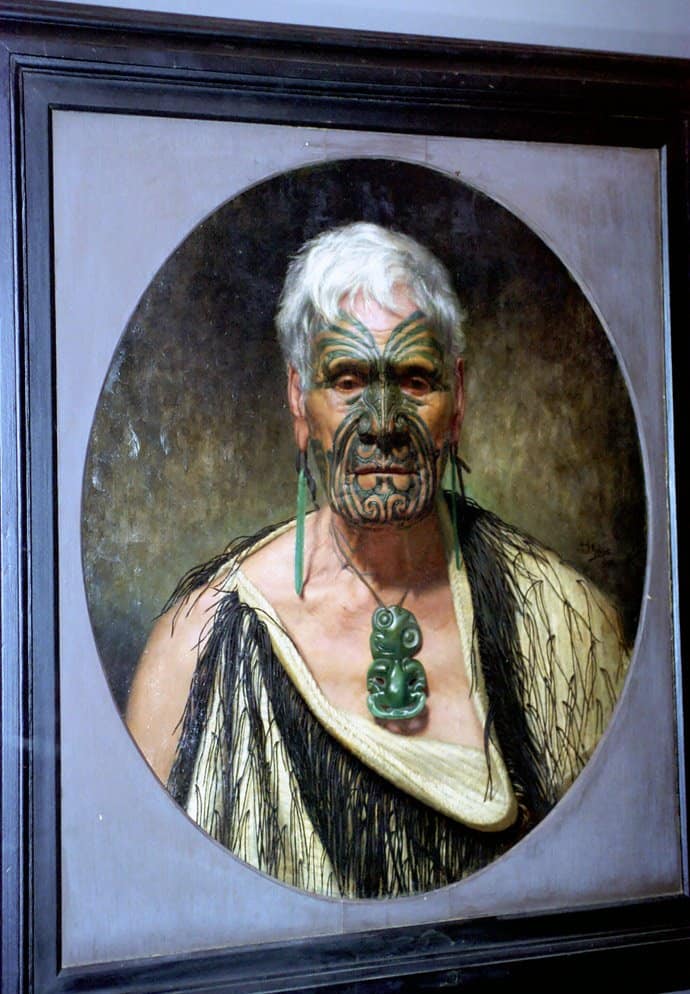
The Maori were the first settlers of New Zealand. From Polynesia (Hawaiki) they set out on the long and adventurous journey to New Zealand about 1000 years ago. Tradition says that the explorer “Kupe” found the land first and named it “Aotearoa” (Land of the Long White Cloud). The Maoris come from different Pacific areas such as Eastern Polynesia, Tahiti or even Hawaii. Between 800 and 1200, there were several waves of emigration due to overpopulation on their home islands or armed conflicts. Here, the people headed for the new country with all their belongings. They began agricultural use, built fortified settlements and village communities and settled down.

The Maori wear their traditional clothing on special occasions such as traditional festivals, cultural ceremonies or ritual acts. Maoris greet each other with a hug or the traditional Hongi greeting. Here, you press your noses together with your eyes closed and make a sound like “mm-mm”.

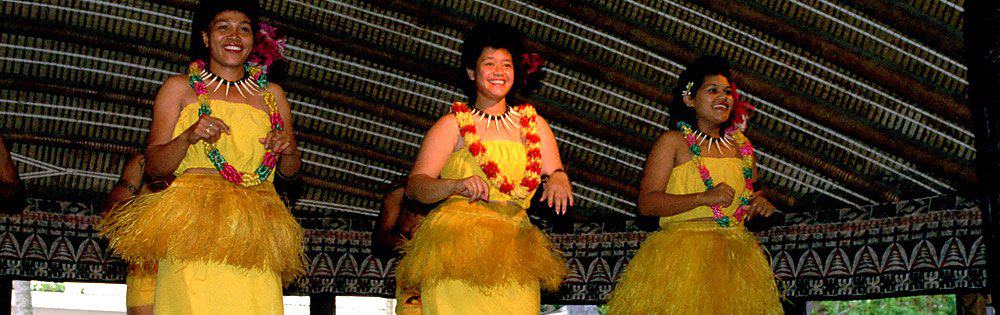
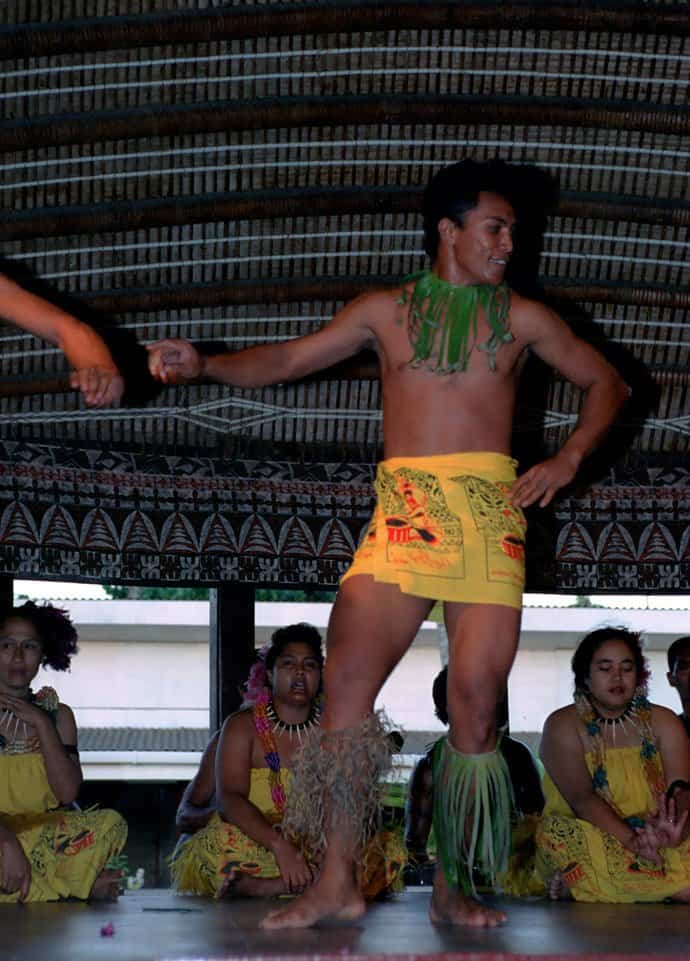
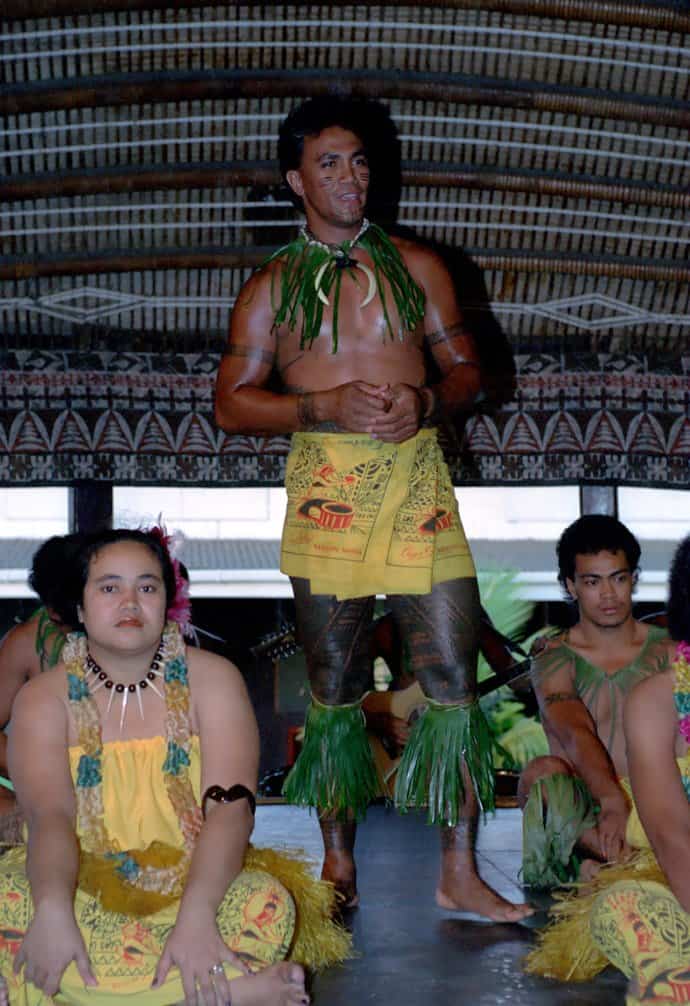
Before the Maoris took possession of the land, the so-called Moa hunters lived mainly on the west coast of the North Island and in the great plains of the South Island. The folkloric performances in the small village we visit are all realistic, we are assured. There are still a few tribes that live far in the hinterland in very simple conditions. These Maori live in simple huts without floors.

They still maintain the old traditions and above all speak the language that many modern Maori in the cities have abandoned in favor of English. In any case, you should watch one of these traditional folklore events if you have the opportunity. This can be done, for example, in “Tamaki Village”. The village is located on the outskirts of Rotorua. In this way you get a small impression and the feeling for the original way of life of the Maori.

So we learn a lot from one of the dancers about his relatives in a small neighboring village: there the power of the hot springs is still used. The Maori cook their food in holes in the ground, which saves electricity and gas. The village pool was also created due to the existing heat from the geysers. The size of a small swimming pool has the “bathtub” in the village.

It is at least 80 meters deep and boiling hot. The Maoris hang corn cobs and vegetables in nets there. They only need a few minutes to cook. In winter, the water is 90 degrees, in summer up to 120 degrees. This giant cooking pot for the whole village is practical and inexpensive. But it is also life-threatening. People have already fallen into it a few times. They didn’t survive that.

New Zealand

New Zealand – National Museum

by Joe OnTour 21. April 2018
New Zealand

New Zealand – Abel Tasman National Park

by Joe OnTour 20. April 2018
New Zealand

New Zealand – Paparoa National Park

by Joe OnTour 20. April 2018
New Zealand

New Zealand – Sheep Farm

by Joe OnTour 19. April 2018
New Zealand

New Zealand – Rotorua

by Joe OnTour 18. April 2018
New Zealand

New Zealand – Kea Parrot

by Joe OnTour 17. April 2018
New Zealand

New Zealand – Coromandel

by Joe OnTour 16. April 2018
General country informationNew Zealand

New Zealand – General info

by Joe OnTour 10. September 2017
New Zealand

New Zealand – Maori – Folklore

by Joe OnTour 10. September 2017
New Zealand

New Zealand – People

by Joe OnTour 10. September 2017
New Zealand

New Zealand – Motorhome

by Joe OnTour 10. September 2017
New Zealand

New Zealand – Beaches

by Joe OnTour 10. September 2017
New Zealand

New Zealand – Coasts

by Joe OnTour 10. September 2017
New Zealand

New Zealand – Impressions

by Joe OnTour 10. September 2017
New Zealand

New Zealand – Helicopter Scenic Flight

by Joe OnTour 10. September 2017
City tripsNew Zealand

New Zealand – Auckland

by Joe OnTour 10. September 2017
New Zealand

New Zealand – Auckland Waterfront

by Joe OnTour 10. September 2017
New Zealand

New Zealand – North Island

by Joe OnTour 10. September 2017
New Zealand

New Zealand – Kahurangi National Park

by Joe OnTour 10. September 2017
New Zealand

New Zealand – Fjords

by Joe OnTour 10. September 2017
New Zealand

New Zealand – Mount Cook – Oyster Bay

by Joe OnTour 10. September 2017
New Zealand

New Zealand – Huka Village

by Joe OnTour 10. September 2017
New Zealand

New Zealand – Milford Sound

by Joe OnTour 10. September 2017

Pictures New Zealand – Maori – Folklore

New Zealand - Impressions
New Zealand - Maori - Folklore
New Zealand - National Museum

Questions about the destination New Zealand?

In the New Zealand forum you will get the answers!

10. September 2017 0 comments
0 FacebookTwitterPinterestEmail
New Zealand - People
New Zealand

New Zealand – People

by Joe OnTour 10. September 2017
written by Joe OnTour

New Zealand – People

New Zealanders are very proud of their homeland. It is reluctant to hear New Zealand mentioned in the same breath as Australia, because the New Zealanders are counting on their independence.

New Zealand has a much more relaxed and less regimented lifestyle compared to other industrialized countries. People are independent, frugal and practically oriented. But they are also open-minded and extremely hospitable. Many New Zealanders are extremely enthusiastic about sports.

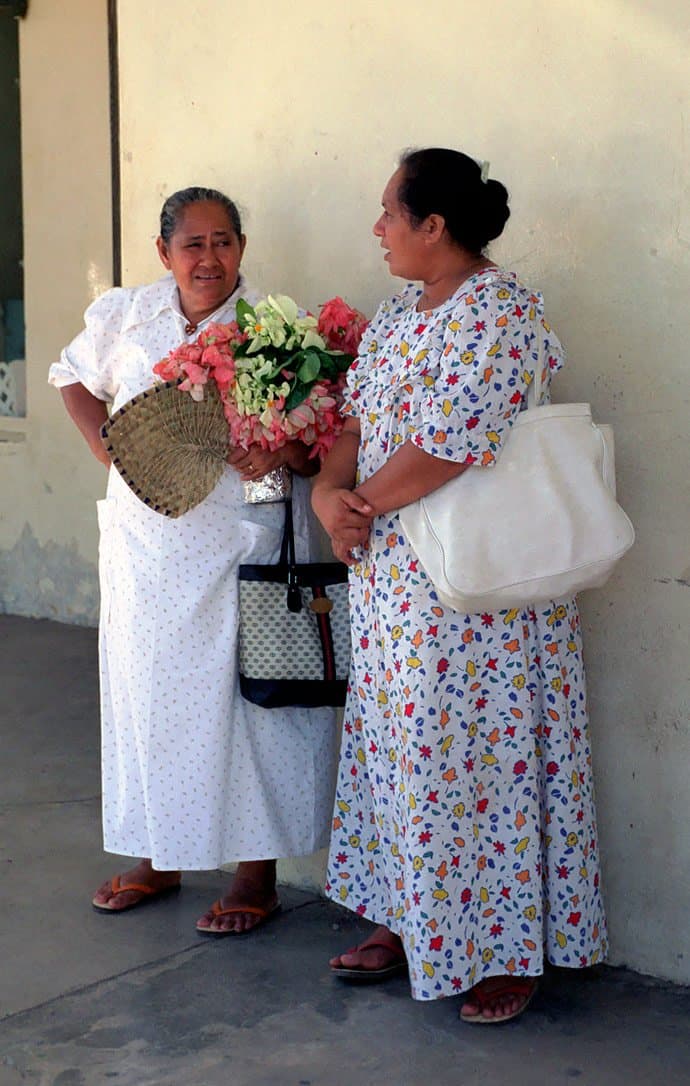
The Maori are proud of their Polynesian origins and the cultural heritage that comes with it.

In New Zealand, people usually greet each other with a handshake. The most commonly used greetings are gidday after the English “Good Day” or simply “Hello” or “Hi”.

The Maori greet each other with a hug or the traditional Hongi greeting. Here, you press your noses together with your eyes closed and make a sound like “mm-mm”.

Sport has a high priority in the lives of most New Zealanders. In winter, rugby and football are the most popular sports, in summer cricket is more popular.

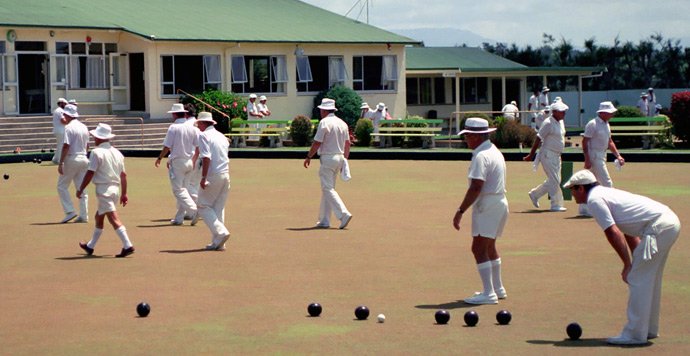
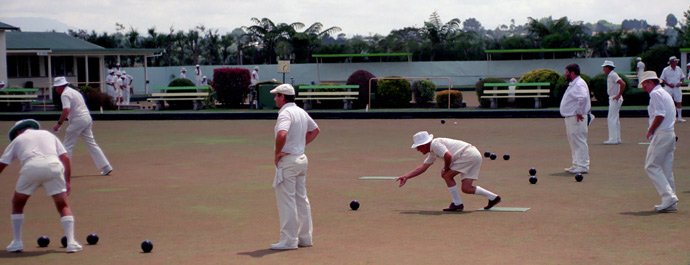
In addition, many other sports are practiced all year round, such as tennis, lawn bowling, jogging and athletics, golf, equestrian sports, swimming and sailing (most families own their own boat).

Pictures New Zealand – People

New Zealand - Impressions
New Zealand - People
New Zealand - Huka Village
New Zealand - People
New Zealand - sheep farm

Questions about the destination New Zealand?

In the New Zealand forum you will get the answers!

10. September 2017 0 comments
0 FacebookTwitterPinterestEmail
New Zealand - Kea
New Zealand

New Zealand – Motorhome

by Joe OnTour 10. September 2017
written by Joe OnTour

New Zealand – Motorhome

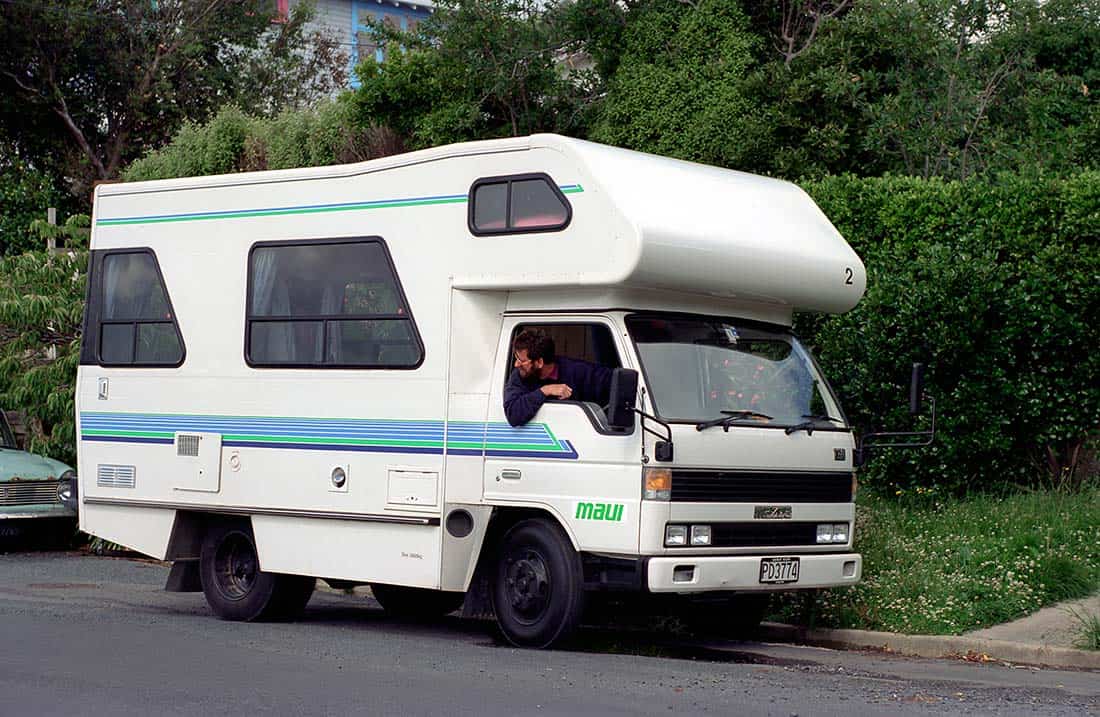
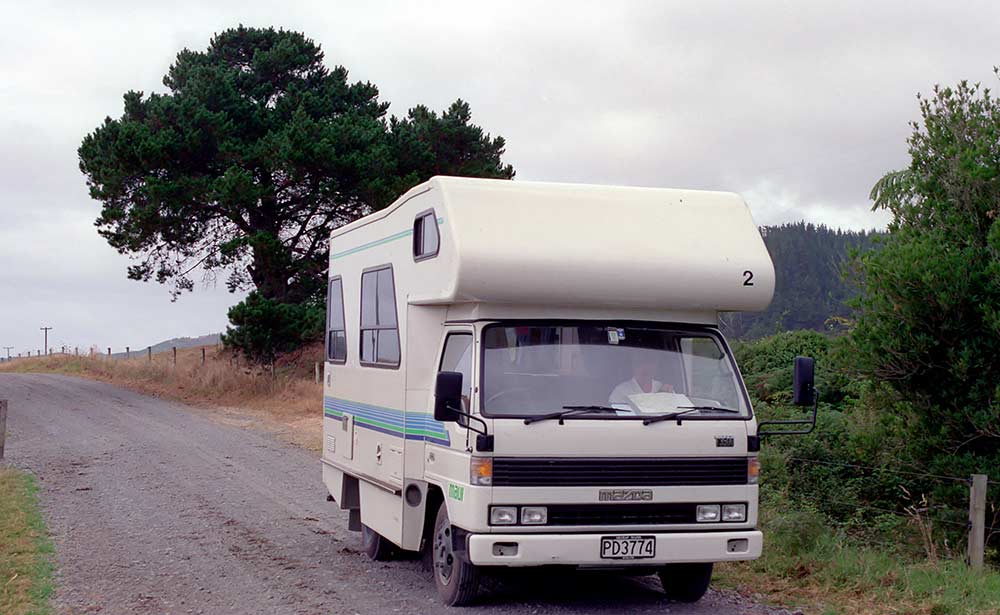
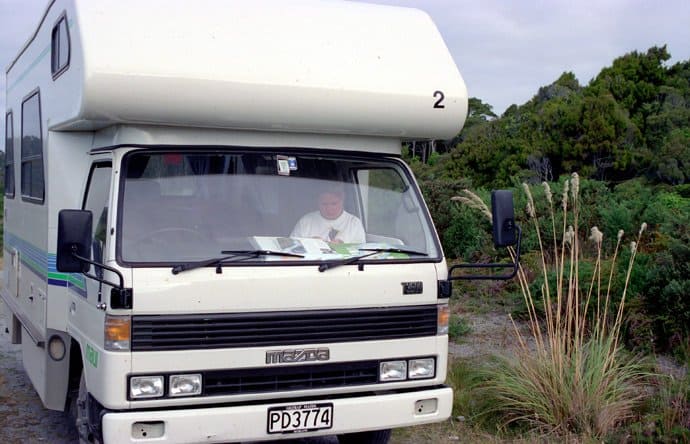
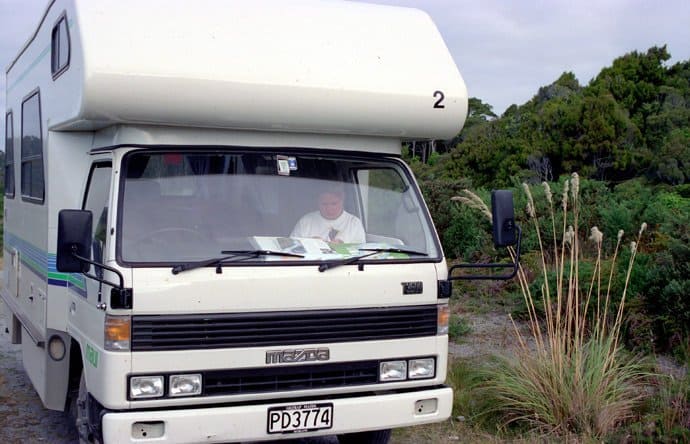
We have rented a campervan in Auckland on the North Island of New Zealand and start from here on a circumnavigation of the North and South Islands. At the ferry to the South Island of New Zealand, a long traffic jam awaits us, which only slowly resolves.

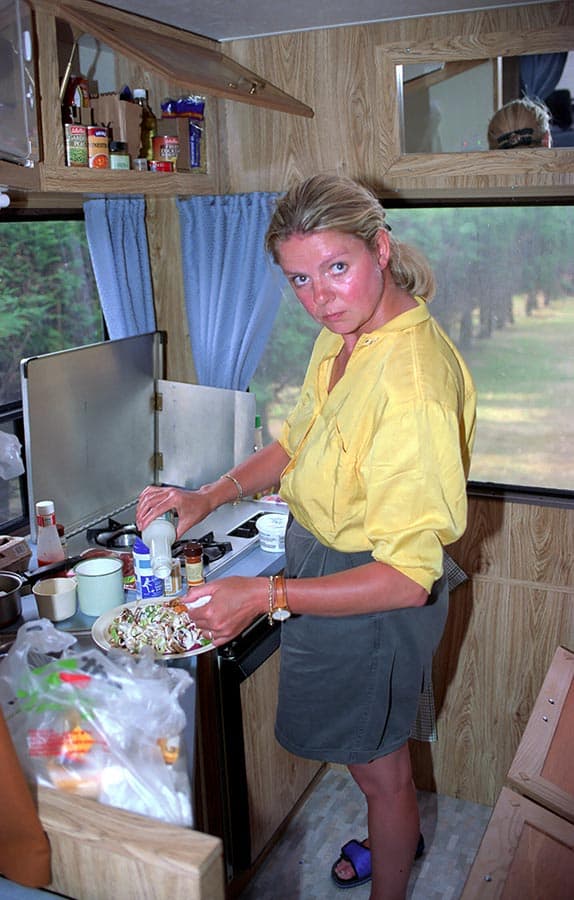
Brigitte takes it with humor. The motorhome is comfortable and equipped with all the necessities for our trip. In this way, we are independent of the hotels and guesthouses and can take a break at the places that seem interesting to us. Sufficient supplies are provided and so we enjoy a small meal while the others roast in the traffic jam and in the sun.

In the evening, we usually look for resting places in the great outdoors or park the car near a farm. Most New Zealand farmers allow you to use their land by prior arrangement. In this way, you also get a good contact with the New Zealanders and learn more about their way of life and culture.

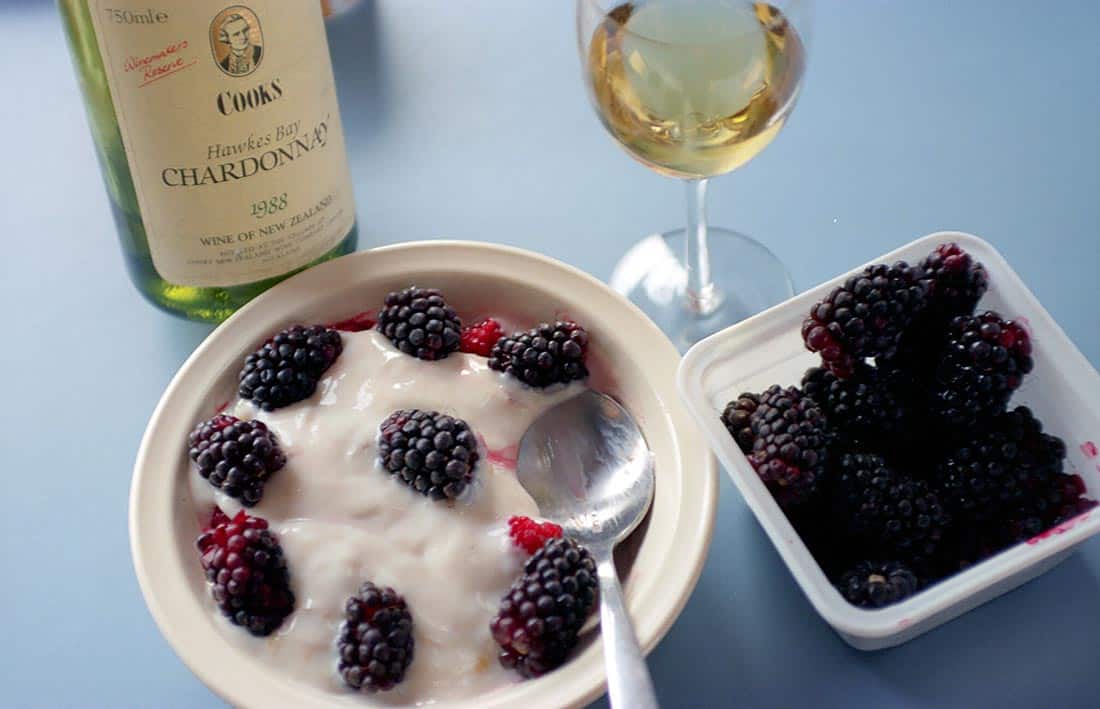
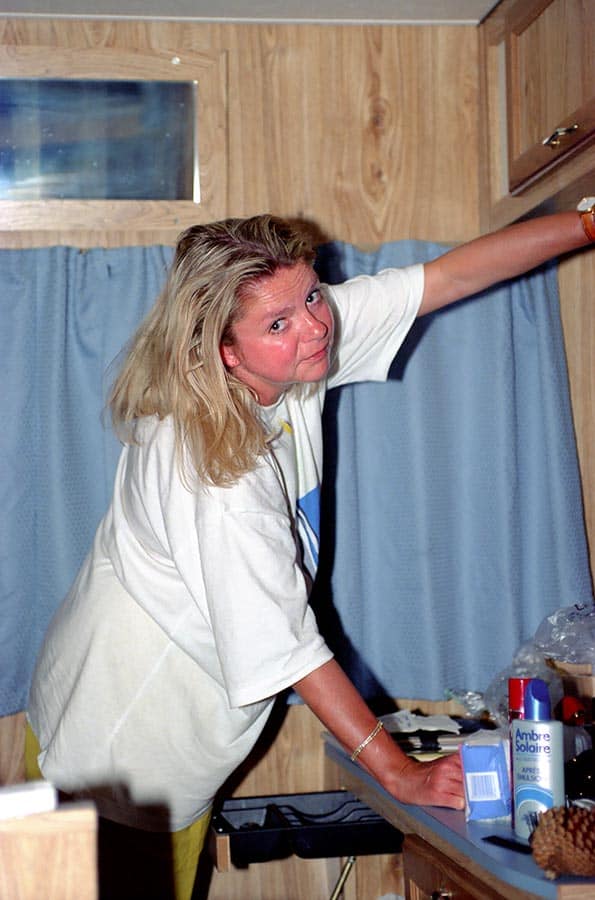
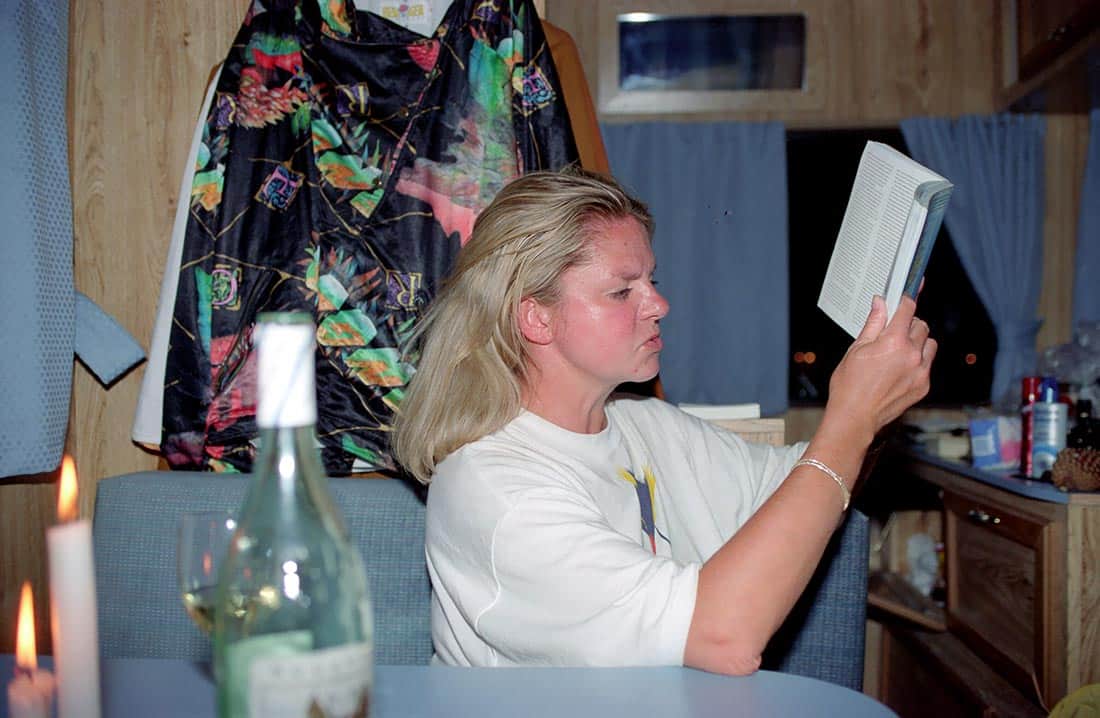
While Brigitte is already testing the kitchen, I set up my bed under the roof. After the “driving stress”, which is actually not a stress, because we always laze along comfortably, we have a good time in the evening with a bottle of wine and candlelight. So we can review the impressions of the day and prepare for the next day tour. We don’t have a strictly planned route, but let ourselves be driven by our impressions.

Travelling in a campervan is an ideal way for New Zealand to get around. On the South Island of New Zealand we find relatively few hotels and we are glad to have chosen this type of travel. Jürgen enjoys his little nap after a long day tour.

Pictures New Zealand – Motorhome

New Zealand - Mount Cook - Oyster Bay
New Zealand - Camper
New Zealand - Kahurangi National Park
New Zealand - Impressions
New Zealand - Coromandel
Neuseeland - Coromandel Halbinsel

Questions about the destination New Zealand?

In the New Zealand forum you will get the answers!

10. September 2017 0 comments
0 FacebookTwitterPinterestEmail
New Zealand - Beaches
New Zealand

New Zealand – Beaches

by Joe OnTour 10. September 2017
written by Joe OnTour

New Zealand – Beaches

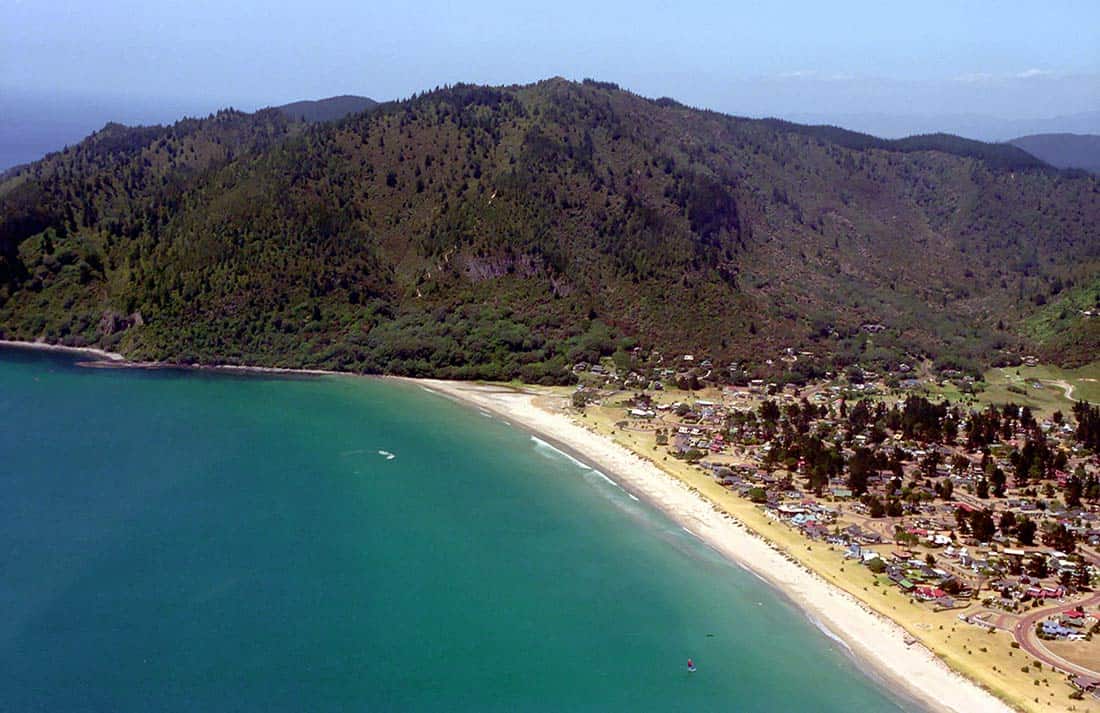
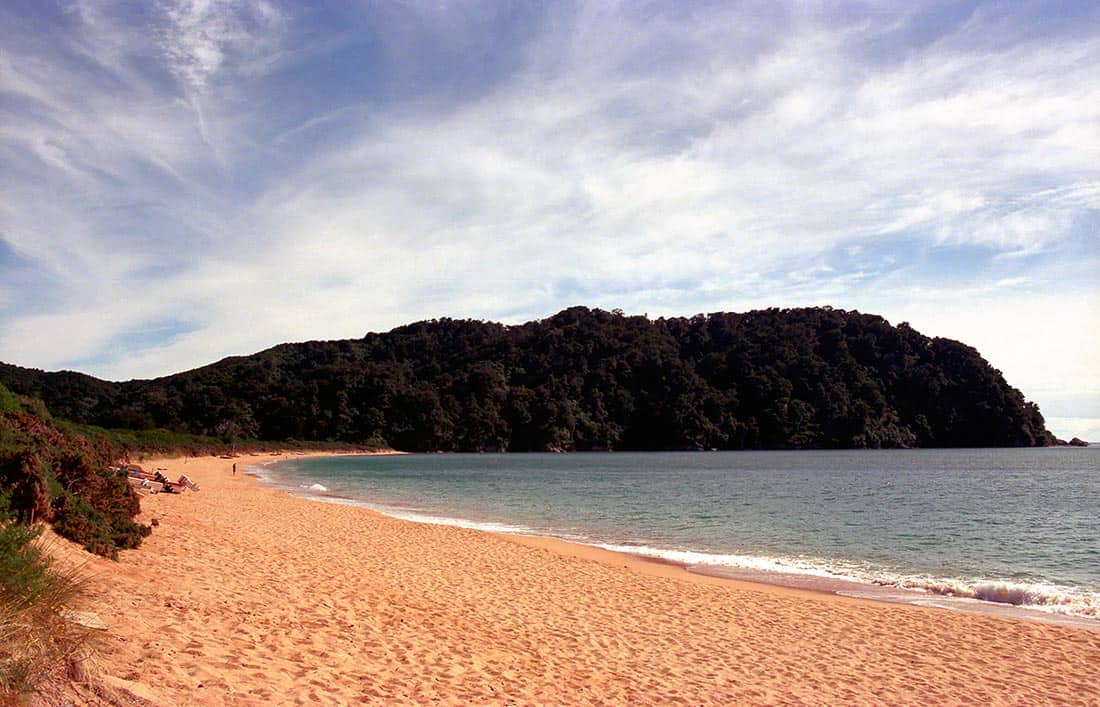
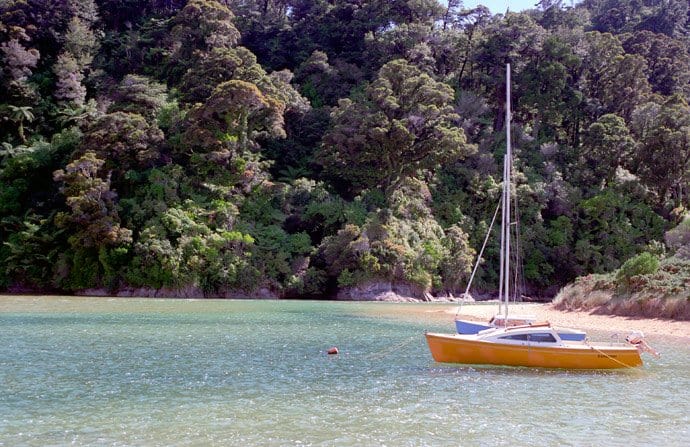
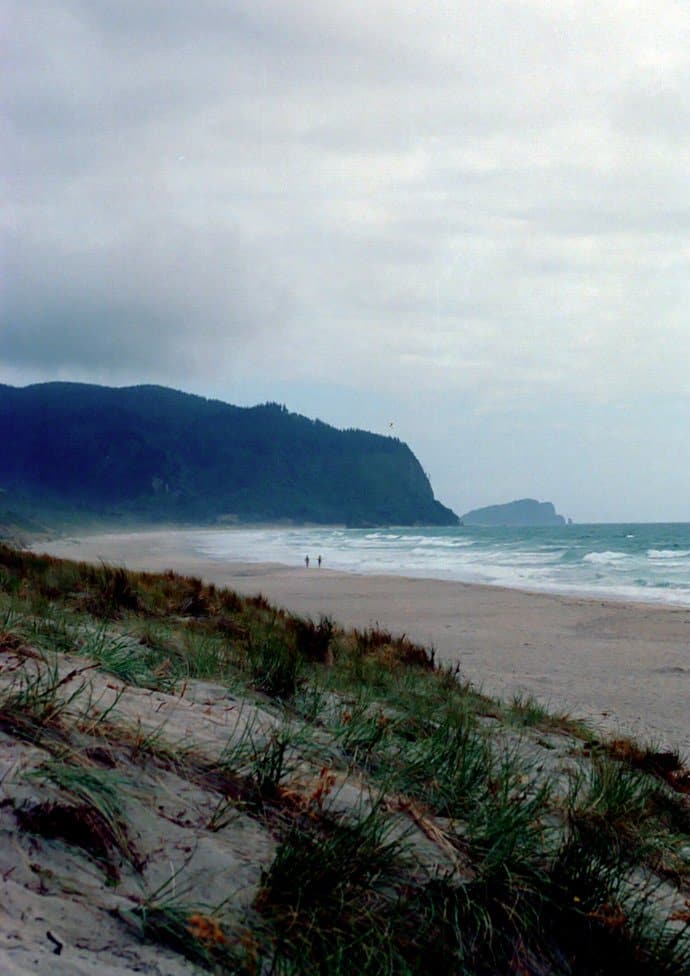
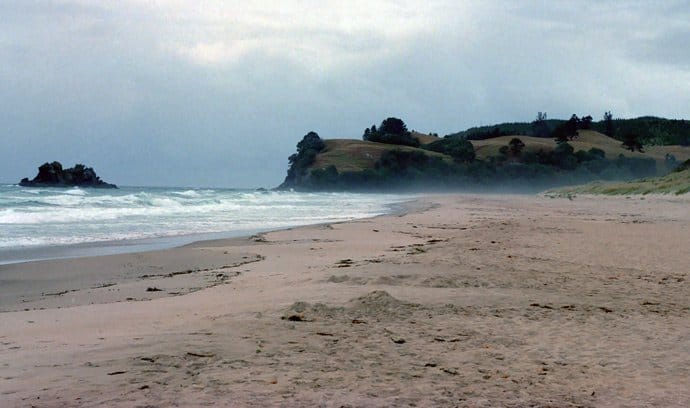
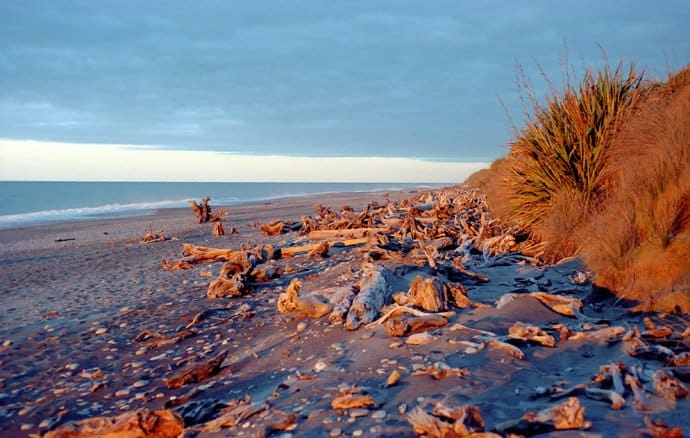
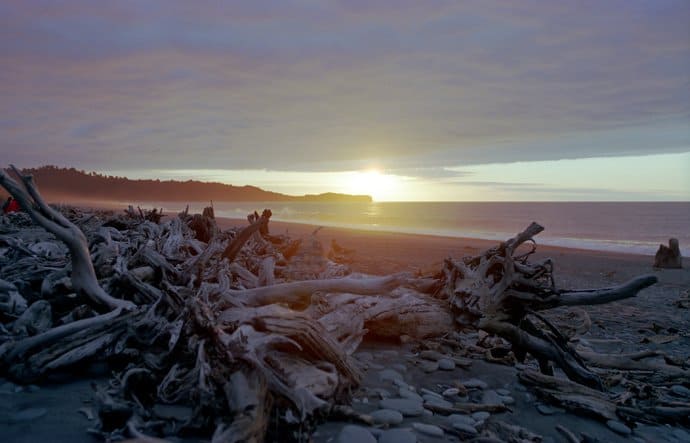
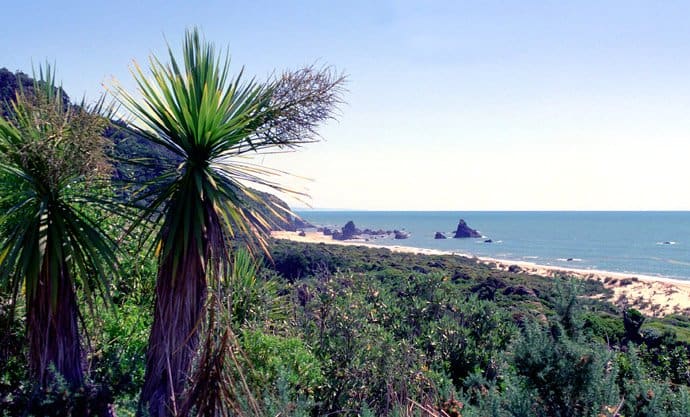
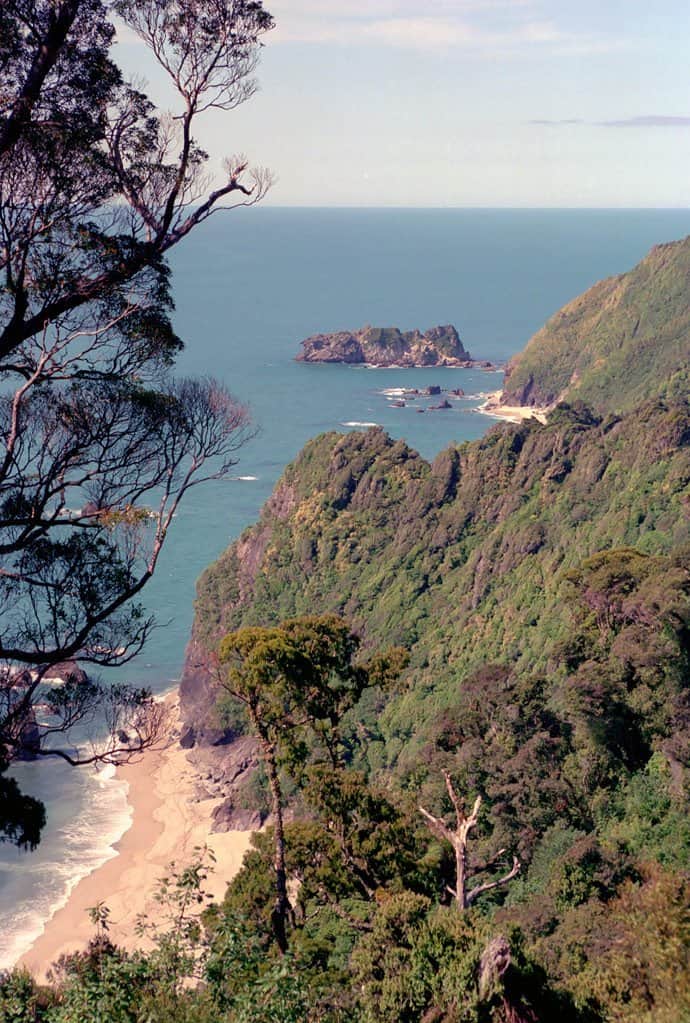
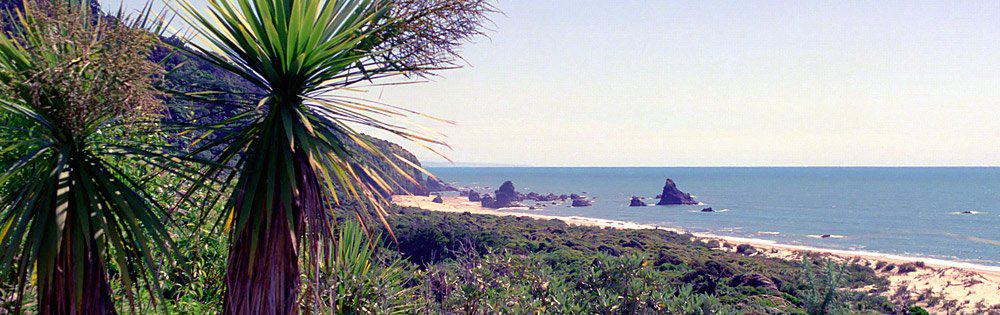
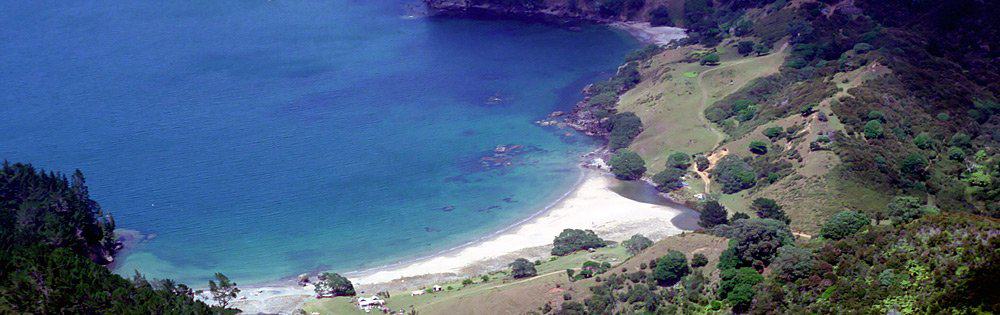
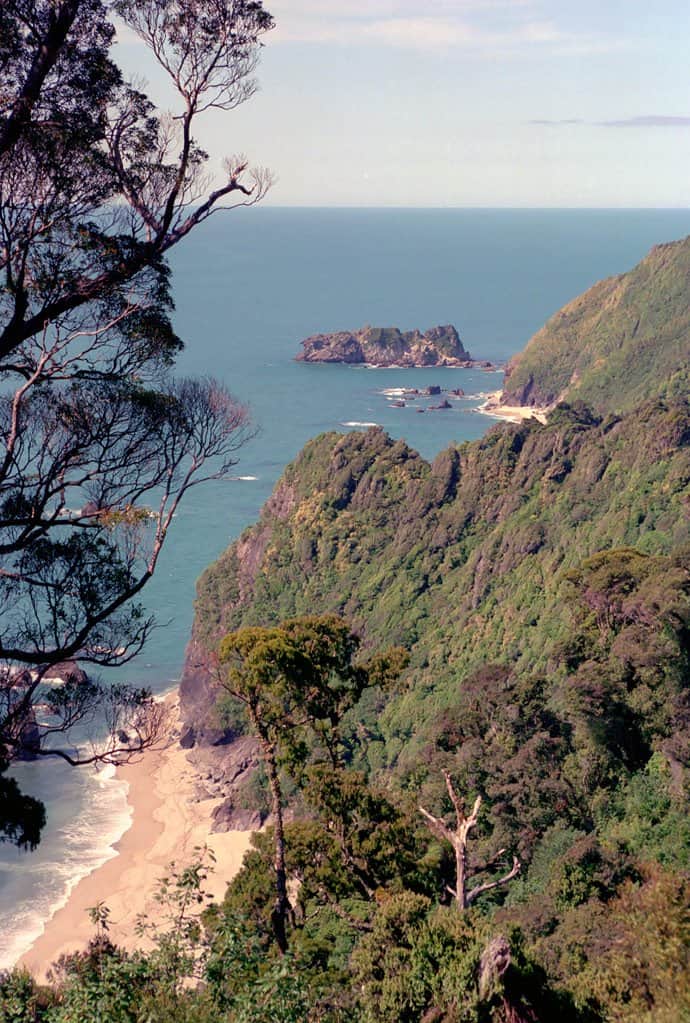
In New Zealand you will find a large number of mostly fine white sandy beaches. The beaches outside the big cities are usually little or not at all visited. Kilometre-long bays are not uncommon.

Turquoise blue water with white sandy beaches are reminiscent of the South Seas. Many regions on the coasts with their beaches are difficult to reach because they have no road connection. Subtropical vegetation has been able to form in these remote areas.

The picture is different in the inhabited areas, however. There is usually a lot of activity on the beaches and in the area of the coasts. Most New Zealanders are water sports enthusiasts. Almost every family has its own boat. In the north of New Zealand on the Coromandel Peninsula, however, you can still find almost untouched beaches where you can walk for miles without meeting a person.

Pictures New Zealand – Beaches

New Zealand - Beaches
New Zealand - Kahurangi National Park
New Zealand - Coast
New Zealand - Coast
New Zealand - heli-tour
New Zealand - Coromandel
Neuseeland - Coromandel Halbinsel
New Zealand - North Island

Questions about the destination New Zealand?

In the New Zealand forum you will get the answers!

10. September 2017 0 comments
0 FacebookTwitterPinterestEmail
New Zealand - Coast
New Zealand

New Zealand – Coasts

by Joe OnTour 10. September 2017
written by Joe OnTour

New Zealand – Coasts

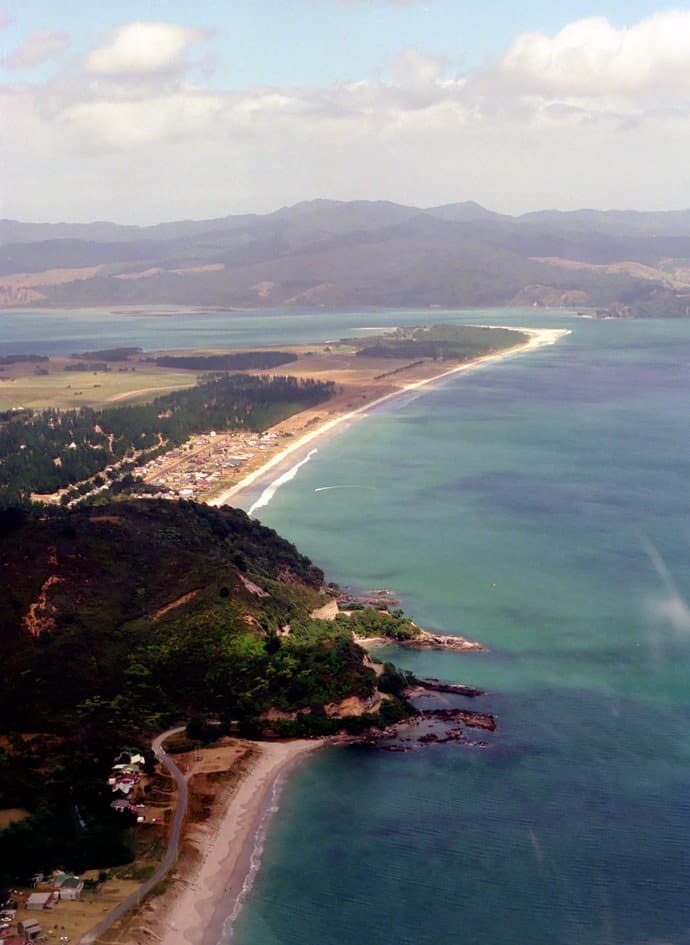
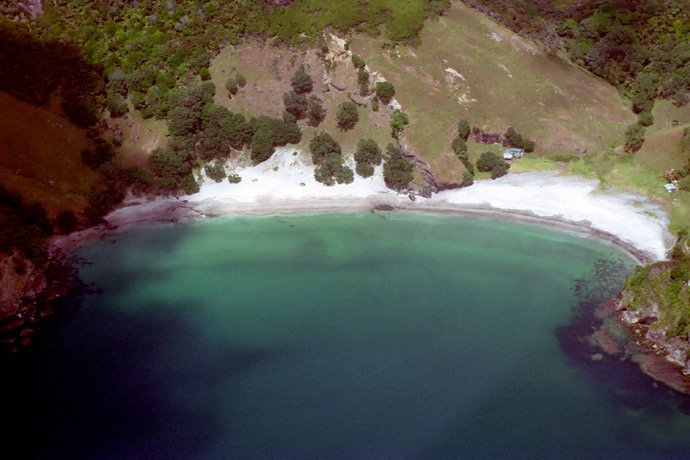
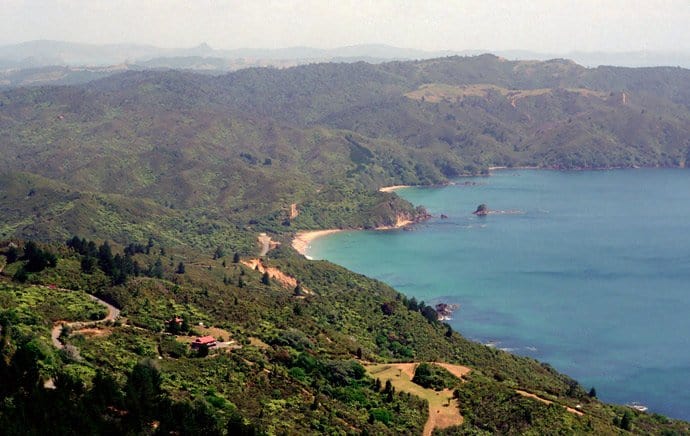
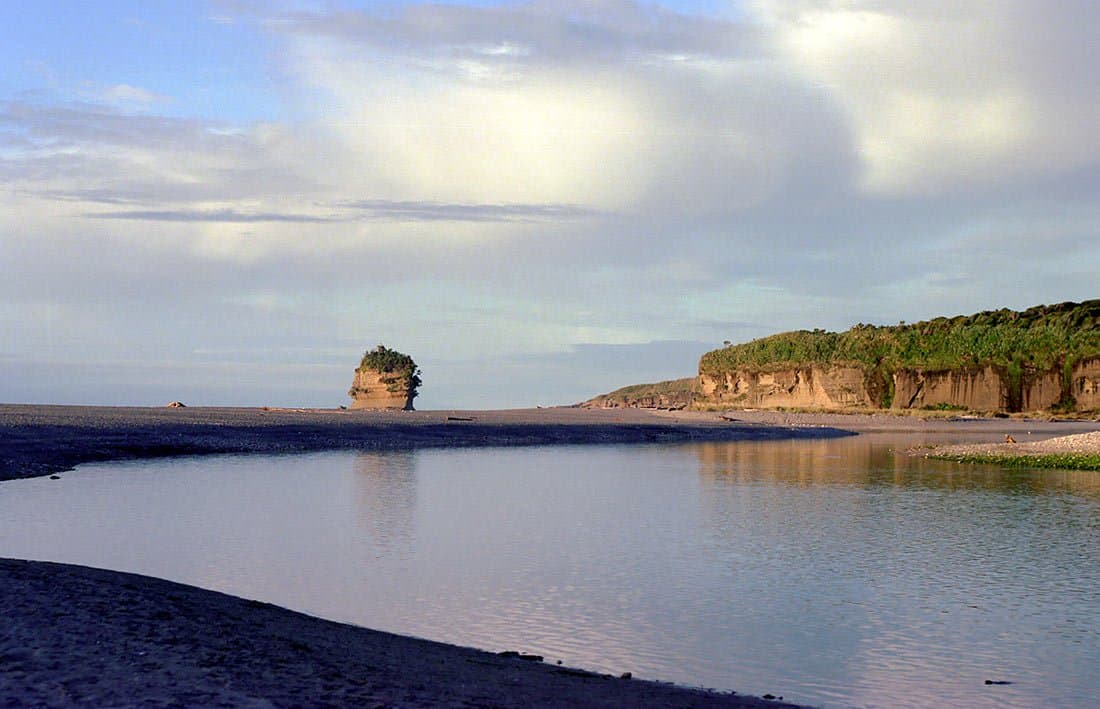
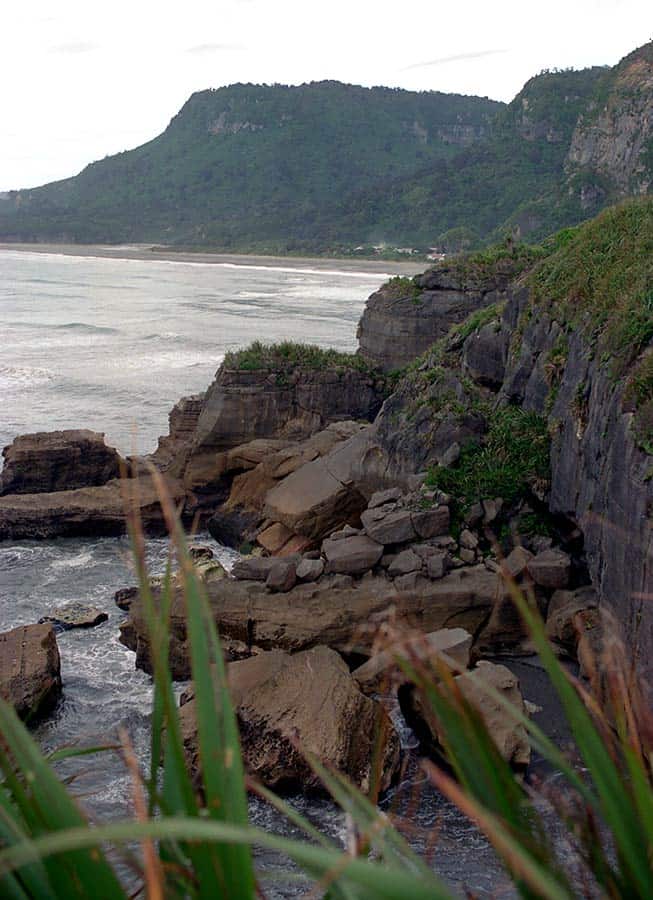
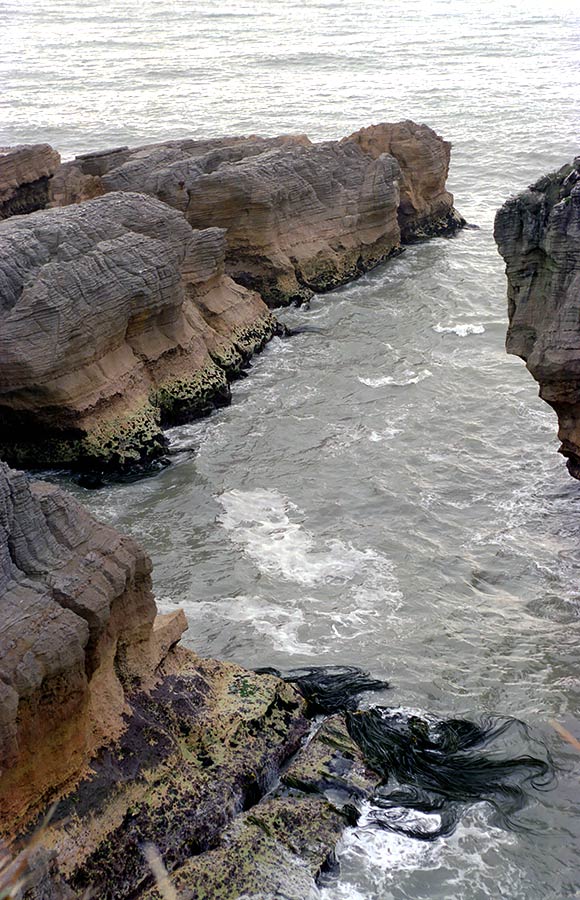
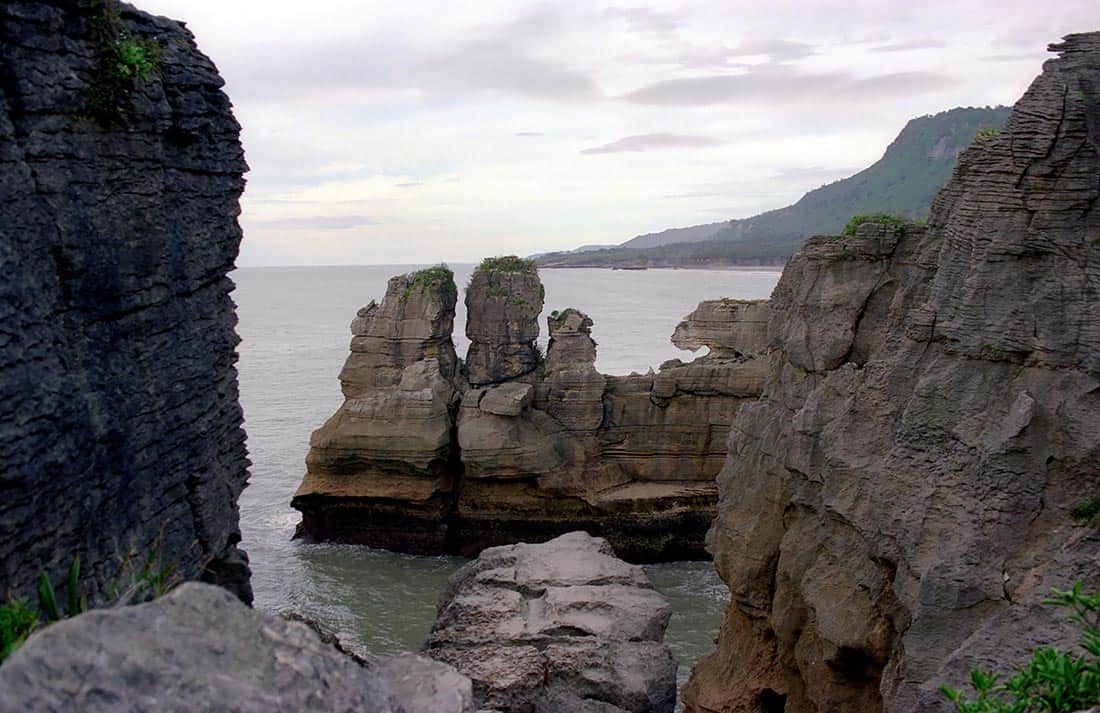
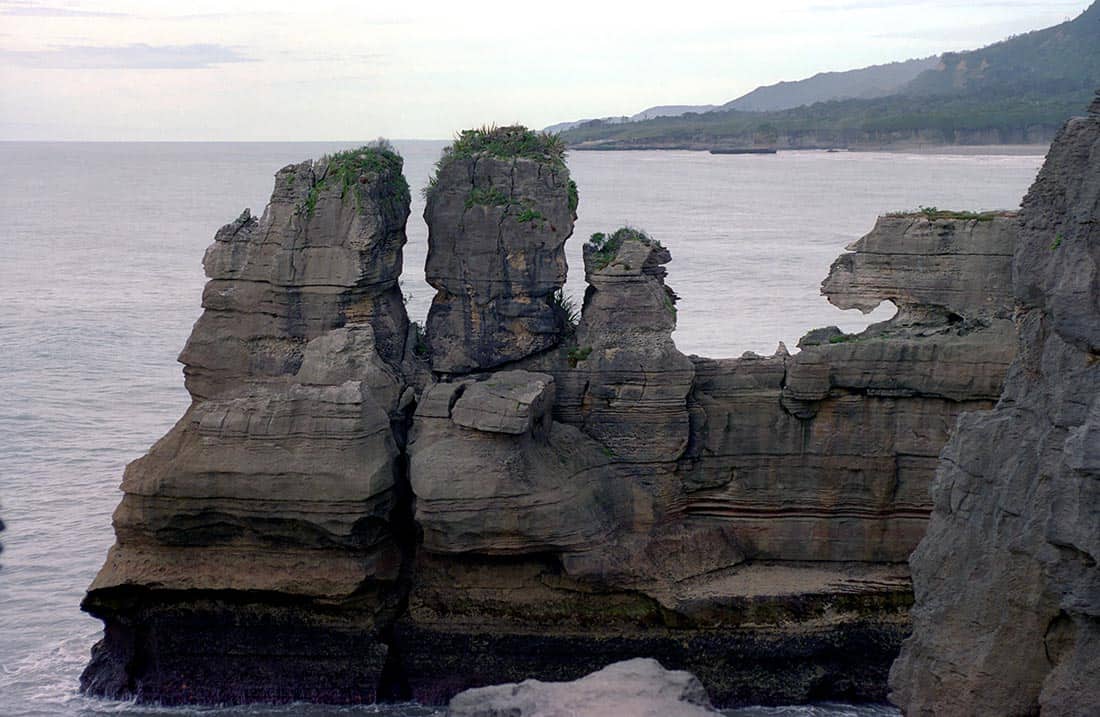
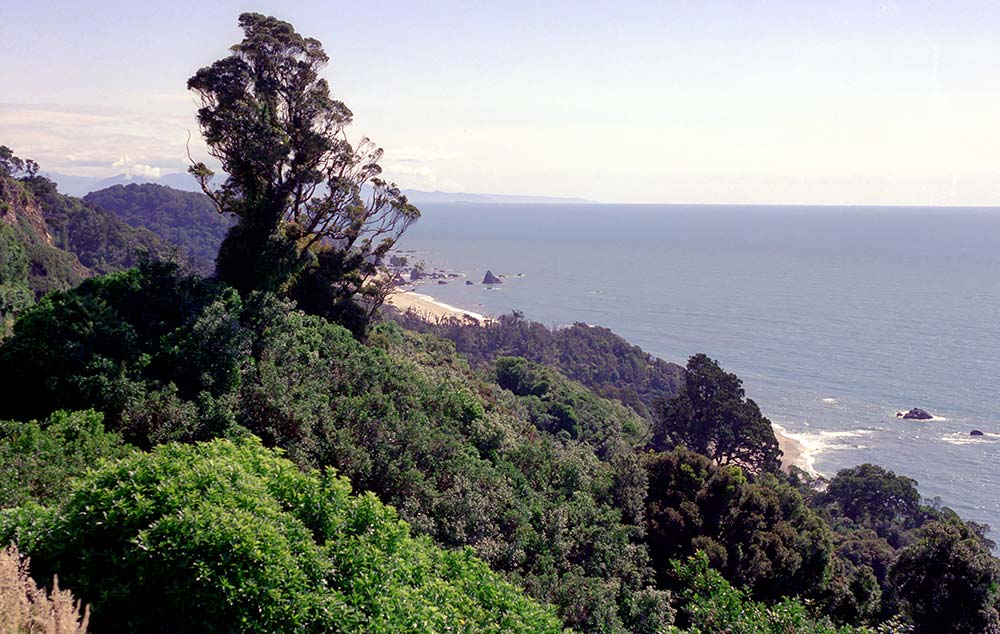
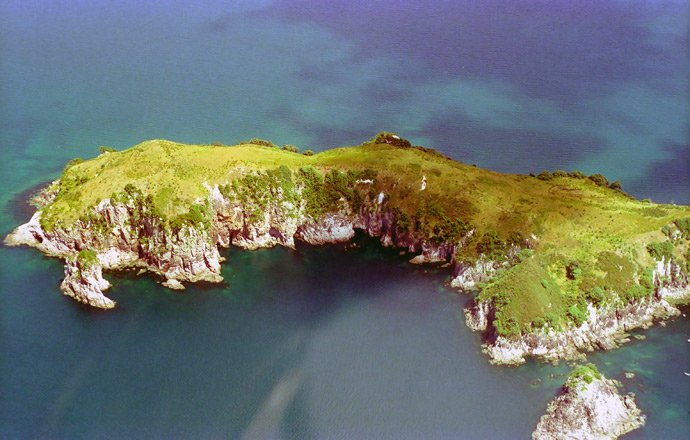
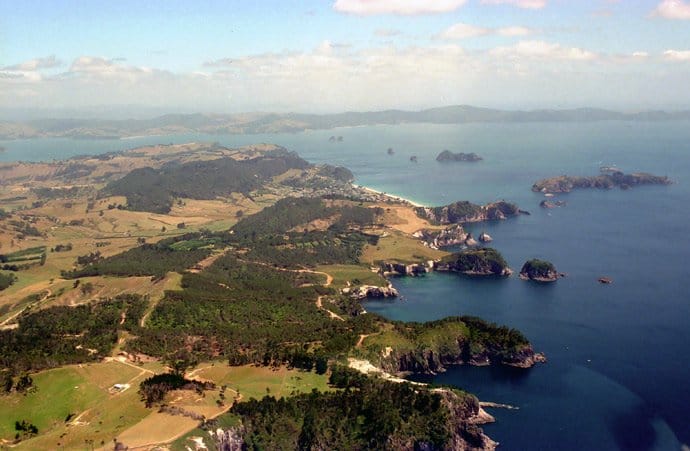
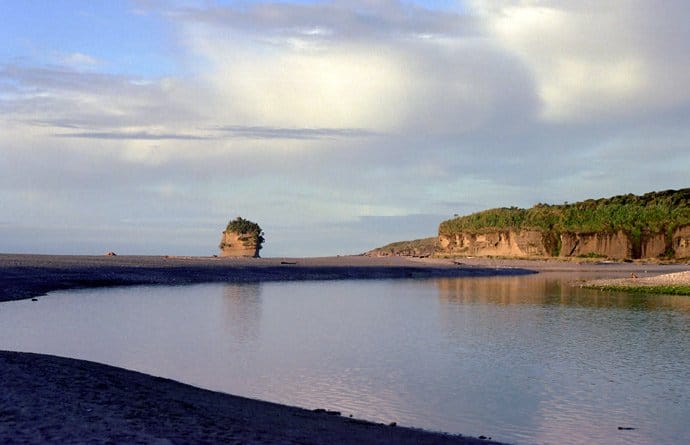
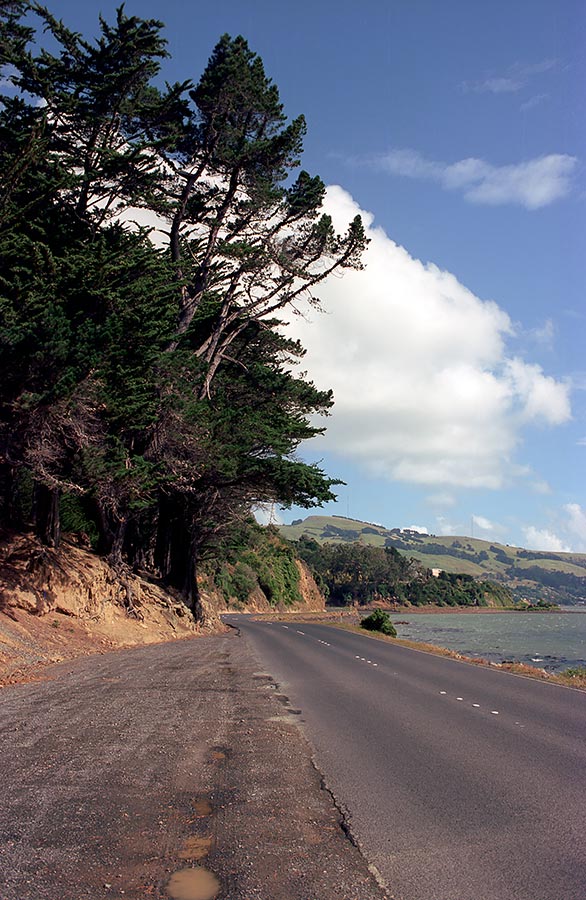
The coasts in New Zealand are as diverse in structure as the whole country. In New Zealand you will find both steep cliffs with bizarre cuts and flat zones with long white sandy beaches.

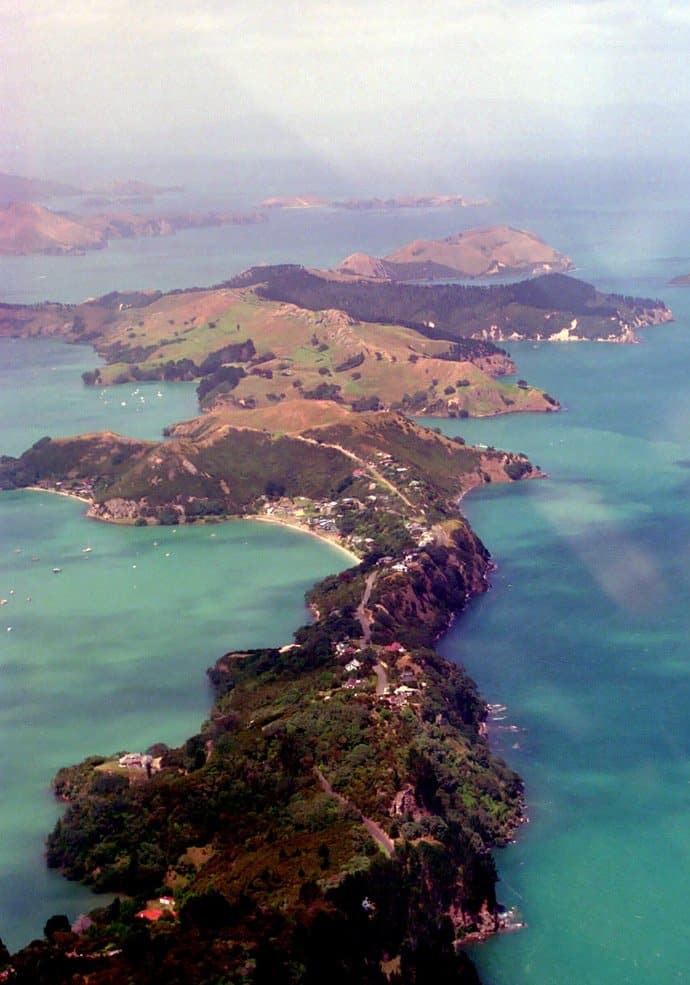
Small islands can be seen off the coast in all coastal areas. The photos shown here show the coastal area in the north of the North Island of New Zealand.

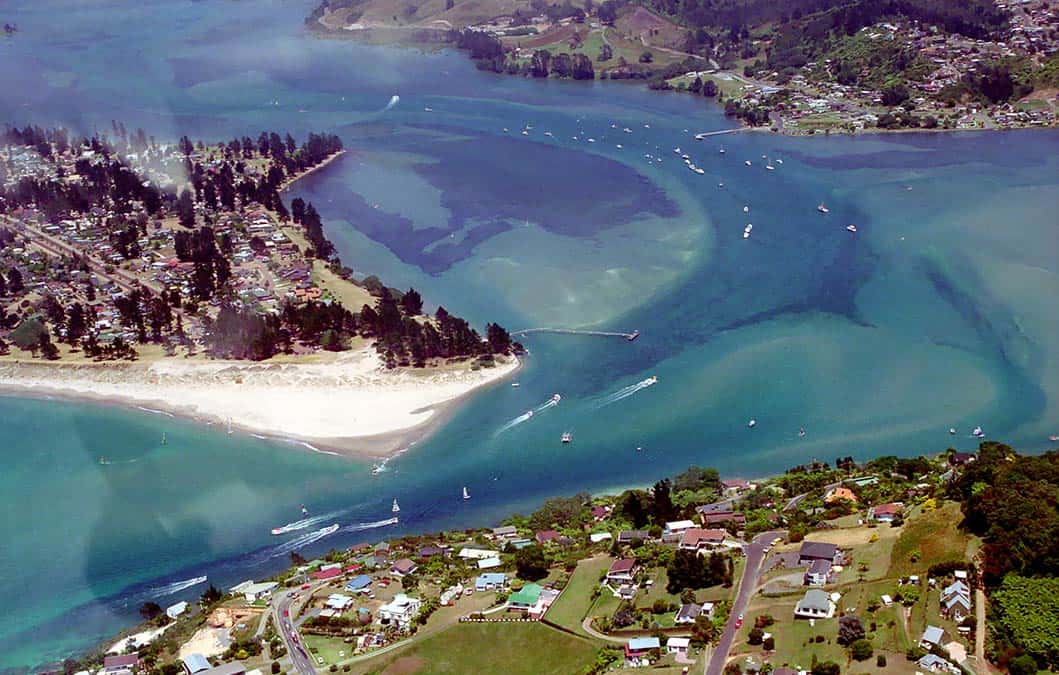
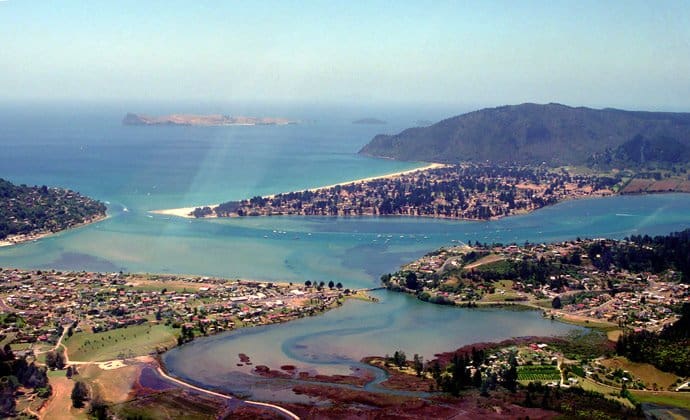
The images below show the coast at Pauanui on the east coast of the Coromandel Peninsula. On the Coromandel Peninsula you will find miles of sandy beaches with the characteristic of this region.

Pictures New Zealand – Coasts

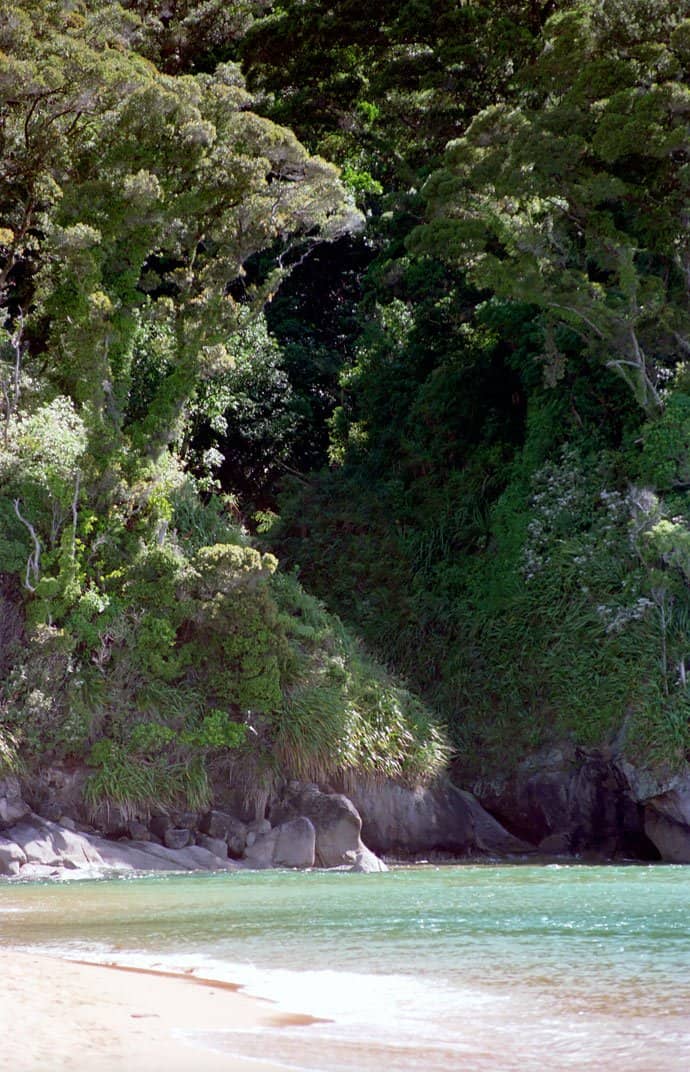
New Zealand – Abel Tasman Nationalpark
New Zealand– Abel Tasman Nationalpark
New Zealand - Paparoa National Park
New Zealand - fjords
New Zealand - Beaches
New Zealand - Kahurangi National Park
New Zealand - Impressions
New Zealand - Coast
New Zealand - Coast
New Zealand - Coast
New Zealand - Coast
New Zealand - Coast
New Zealand - Coast
New Zealand - heli-tour
New Zealand - Coromandel
Neuseeland - Coromandel Halbinsel
New Zealand - North Island
New Zealand - Milford Sound

Questions about the destination New Zealand?

In the New Zealand forum you will get the answers!

10. September 2017 0 comments
0 FacebookTwitterPinterestEmail
New Zealand - Impressions
New Zealand

New Zealand – Impressions

by Joe OnTour 10. September 2017
written by Joe OnTour

New Zealand – Impressions

Below we have compiled some impressions and snapshots that came in front of our camera on our trip through New Zealand.

Pictures New Zealand – Impressions

New Zealand - Mount Cook - Oyster Bay
New Zealand - fjords
New Zealand - Impressions
New Zealand - People
New Zealand - Maori - Folklore
New Zealand - People
New Zealand - National Museum
New Zealand - Impressions
New Zealand - Auckland
New Zealand Auckland Waterfront
New Zealand - North Island
New Zealand - Huka Village
New Zealand - North Island
New Zealand - Impressions

Questions about the destination New Zealand?

In the New Zealand forum you will get the answers!

10. September 2017 0 comments
0 FacebookTwitterPinterestEmail
New Zealand - heli-tour
New Zealand

New Zealand – Helicopter Scenic Flight

by Joe OnTour 10. September 2017
written by Joe OnTour

New Zealand Helicopter Tour

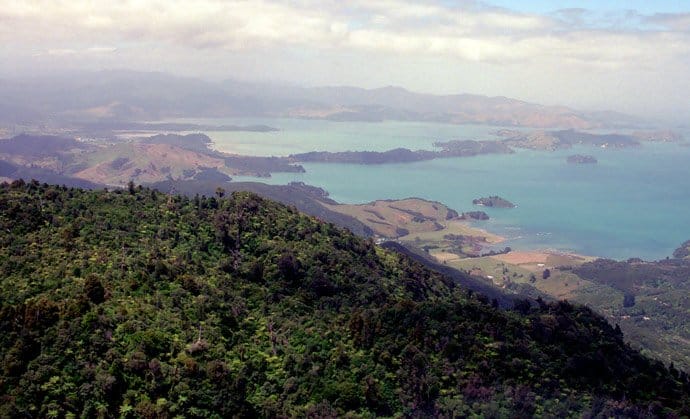
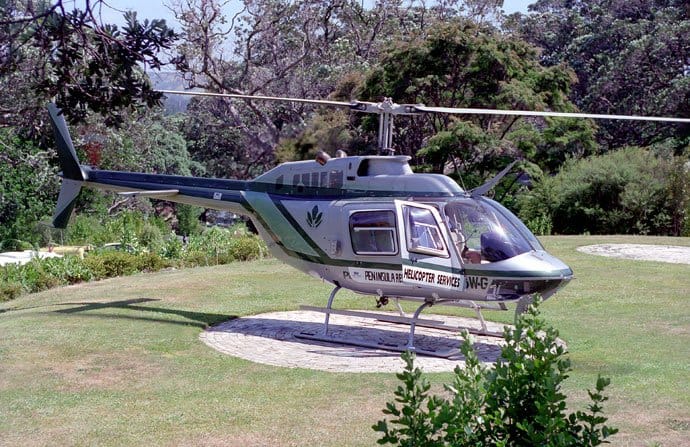
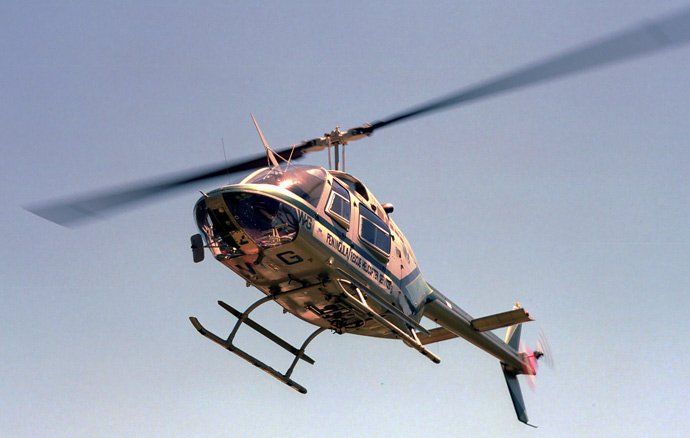
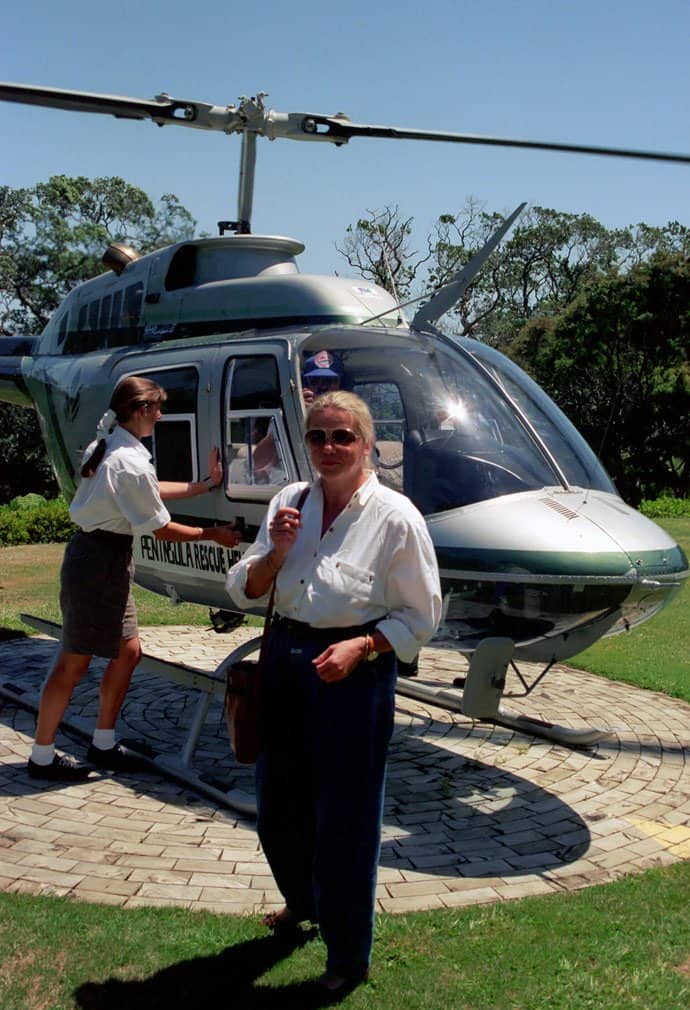
We have booked a few days stay at Puka Park Lodge and want to explore the North Island of New Zealand, especially the area of the Coromandel Peninsula, from here. To get a first impression, we chartered a helicopter to fly us over this area.

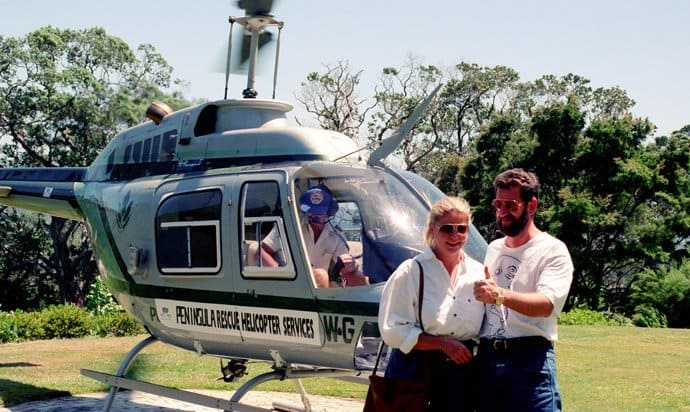
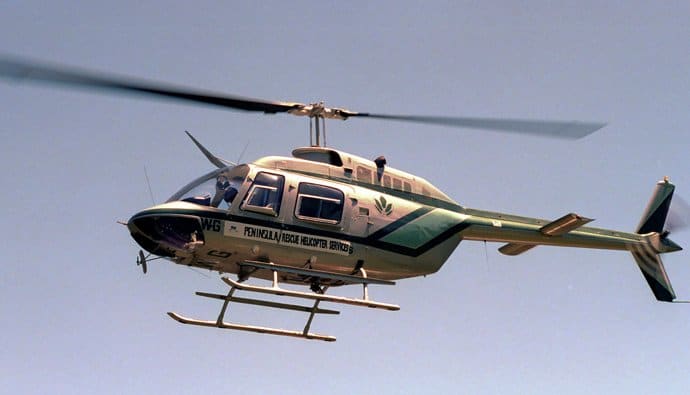
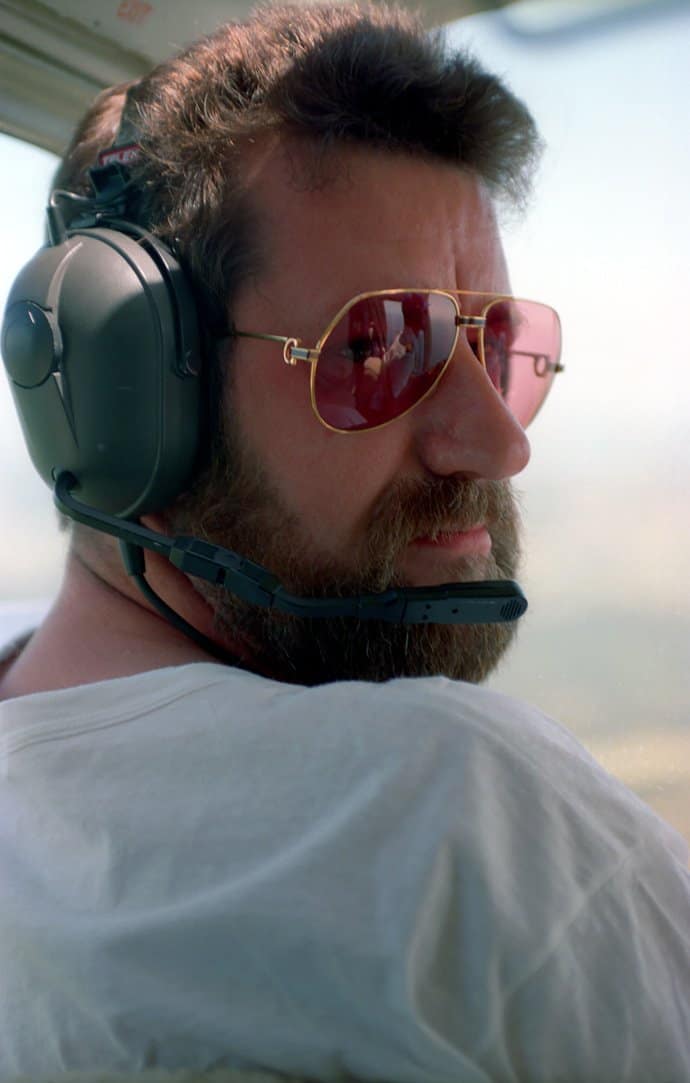
The helicopter picks us up directly from the Puka Park Lodge. Brigitte prepares herself mentally for the upcoming flight. The “Peninsula Rescue Helicopter Services” was recommended to us by the owner of the Puka Park Lodge. He is a German Lufthansa captain who realized his lifelong dream here after his retirement with the construction of the lodge.

O.K. – we take off for our two-hour flight over large parts of the North Island and to the tip of the Coromandel Peninsula. In a steep climb, it goes directly over the lodge to the north. We are connected to the pilot via headphones and microphone, so that good communication and the necessary explanations about the area flown over and the special features are guaranteed.

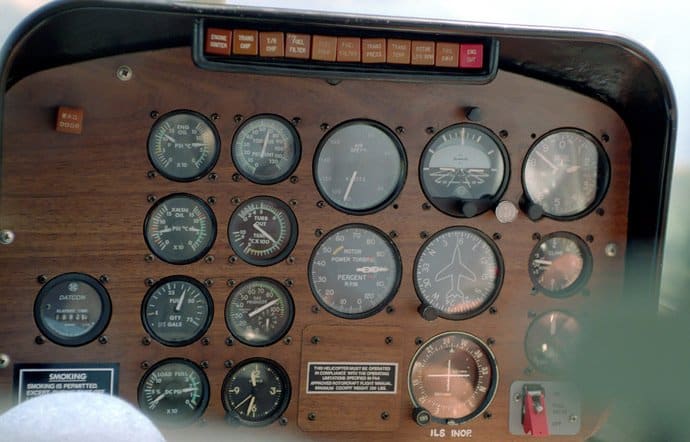
The cockpit and instrumentation of the helicopter is a little different from that of a pure sports aircraft.

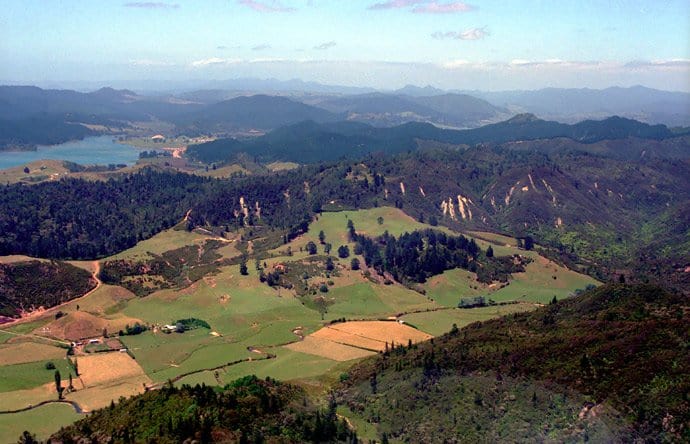
The first impression is already overwhelming. The island is densely covered with wild bushes, trees and subtropical vegetation. But we also fly over larger areas of pasture land again and again. In the uninhabited areas, small sandy roads lead to the mostly untouched and extensive sandy beaches.

From the Puka Park Lodge we took off for our sightseeing flight over the North Island of New Zealand. We fly over small secluded bays that can only be reached from the sea or with all-terrain vehicles.

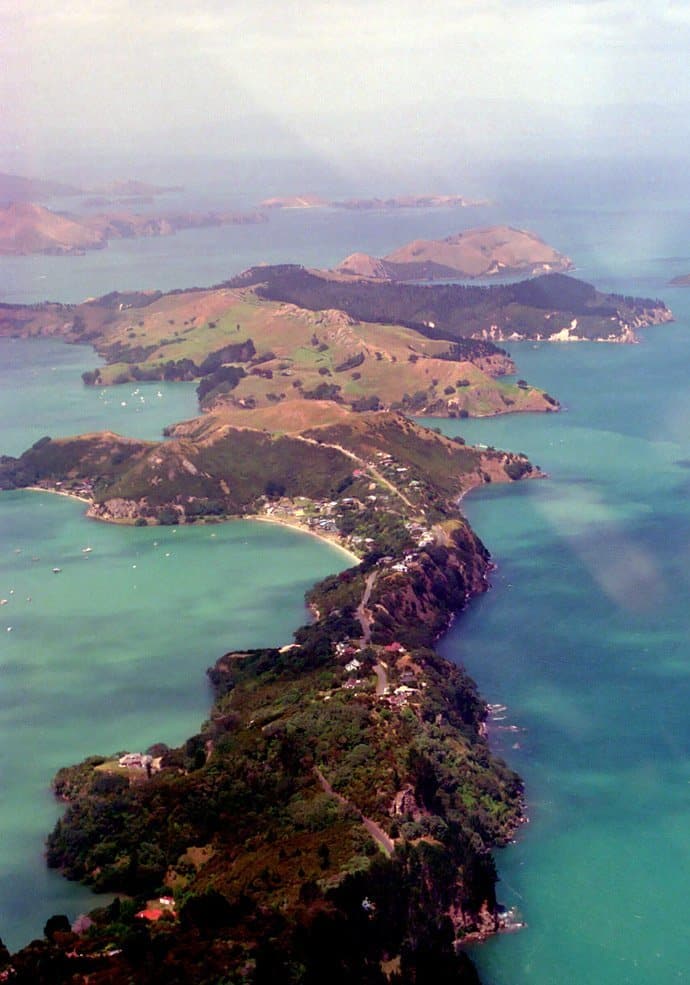
Then we reach the Coromandel Peninsula. It stretches into the sea like a string of pearls. The Coromandel Peninsula is a tongue-shaped peninsula in the North Island of New Zealand. We want to explore this area with the motorhome in the next few days and can get a good insight into the special features of this region.

The roads are mostly gravel or sand roads that are hardly used. Only in a few places does a direct, often steeply winding dirt road lead to the sea. That will still be a difficult task for us. The Coromandel Peninsula is endowed with subtropical vegetation and has a variety of small, mostly lonely, white sandy beaches.

Already from up here you can see the wonderfully wild vegetation. Large parts of the North Island are rugged and rivers pour into the sea in various places. On our return flight, we cross the slopes of Mount Pauanui, on the edge of which the Puka Park Lodge is located. The helicopter on landing…..

….a perfect precision landing. Well, we have already taken helicopter flights in other countries, but this time we are particularly enthusiastic because the landscape here is so varied and interesting.

Pictures New Zealand – Helicopter Sightseeing Flight

New Zealand - heli-tour
New Zealand - Coast
New Zealand - Coast
New Zealand - Coast
New Zealand - Coast
New Zealand - Coast
New Zealand - Coast
New Zealand - heli-tour
New Zealand - North Island

Questions about the destination New Zealand?

In the New Zealand forum you will get the answers!

10. September 2017 0 comments
0 FacebookTwitterPinterestEmail
New Zealand - Auckland
City tripsNew Zealand

New Zealand – Auckland

by Joe OnTour 10. September 2017
written by Joe OnTour

New Zealand – Auckland

Auckland – the secret capital
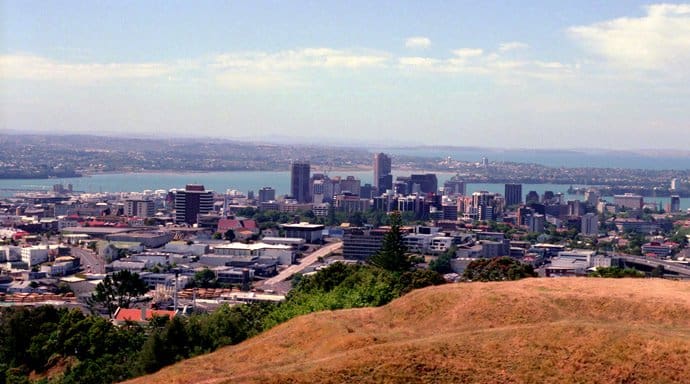
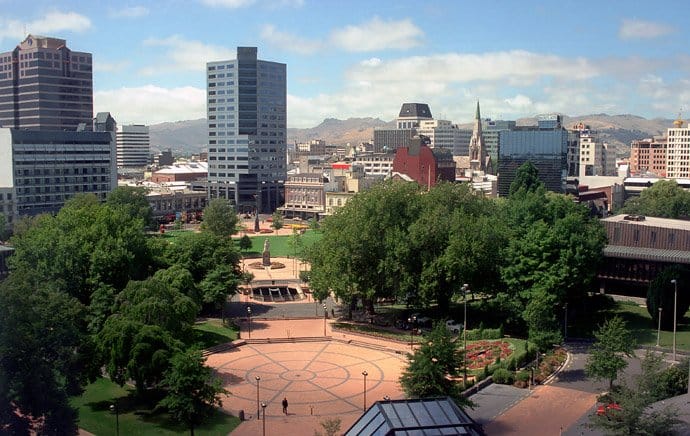
The city of Auckland is located between two inlets directly on the water. It was built on the remains of a series of extinct volcanoes and is therefore very hilly. Auckland can be recognized from afar by its skyline. The Sky Tower is one of the city’s landmarks at 328 meters high. In good weather, you have a fantastic view from the platform halfway up the tower.

It takes a whole 24 hours on the plane to get to New Zealand from Europe. Afterwards, the excited visitor can expect space without end. Just 3.8 million people are spread over the two main islands. Large parts of the country are completely untouched. New Zealand is a natural paradise: snow-capped mountains, lonely beaches, bubbling hot springs and endless kiwi plantations. New Zealand cuisine is just as varied and inventive. Nobody takes old traditions into account, because they don’t exist anyway. All this results in a limitlessly creative cuisine with ingredients from all over the world.

In Auckland, you are most likely to notice that New Zealand is located in the middle of the South Pacific. Many people from Polynesia live in the secret capital of New Zealand, immigrants from Fiji, Samoa or other South Sea islands. Once here, you can enjoy life on a variety of beaches and in the cafes. The annual Auckland Regatta is known worldwide as one of the largest one-day races of its kind. As the largest city in New Zealand, Auckland has the highest proportion of Polynesian population in the world.

With its Skytower, the tallest building in the southern hemisphere, the best and widest shopping offer in New Zealand as well as attractions for fun and games for the whole family and its approx. 800 restaurants, Auckland offers more than any other city in New Zealand. The interesting mix of culture, theatre, art and fashion gives Auckland a touch of cosmopolitan city; be it live music, classical music to fine jazz, or the latest designer fashion in elegant boutiques – Auckland has something for everyone.

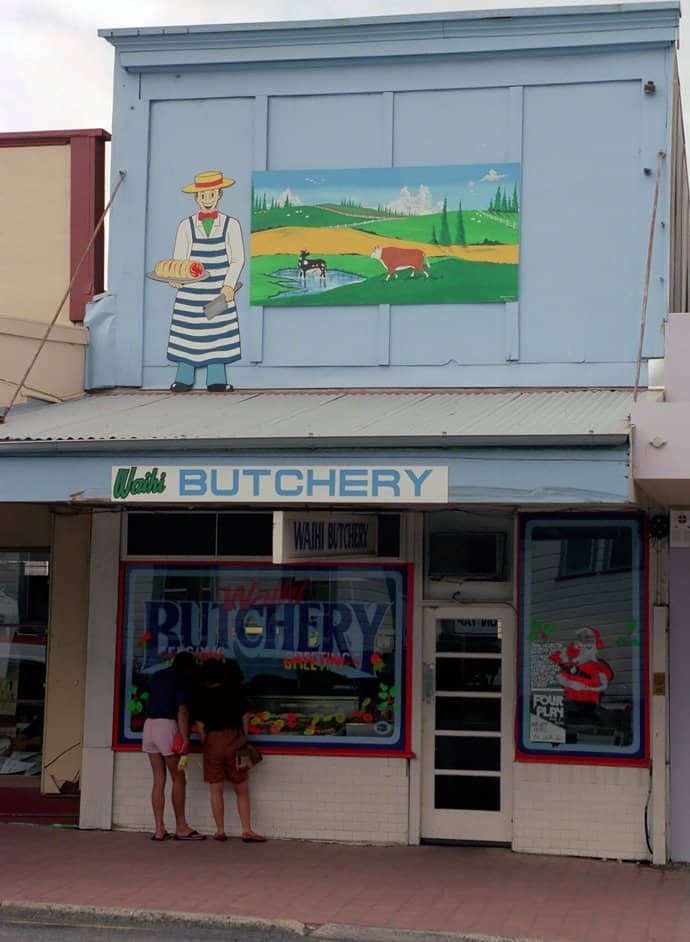
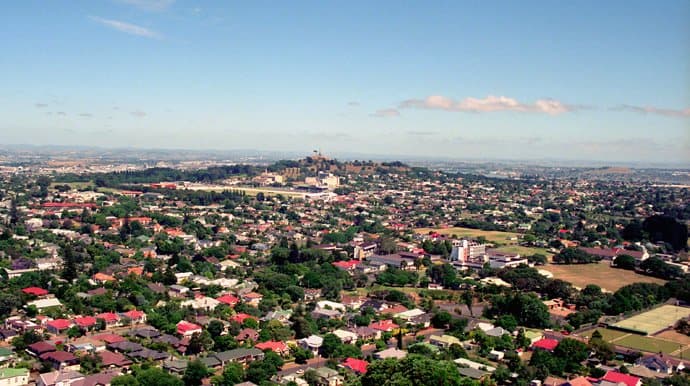
The street canyons in Auckland are magnificently decorated for Christmas. In the suburbs, you can often see brightly painted retail stores. We take every opportunity to pay a visit to these small shops. The owners are friendly and you learn a lot about the country and its people. Auckland’s romantic hinterland is characterised by architecture from the last century. The houses are mostly built of wood and rarely higher than two storeys.

Pictures New Zealand – Auckland

New Zealand - Auckland
New Zealand Auckland Waterfront

Questions about the destination New Zealand?

In the New Zealand forum you will get the answers!

10. September 2017 0 comments
0 FacebookTwitterPinterestEmail
New Zealand Auckland Waterfront
New Zealand

New Zealand – Auckland Waterfront

by Joe OnTour 10. September 2017
written by Joe OnTour

New Zealand – Auckland Waterfront

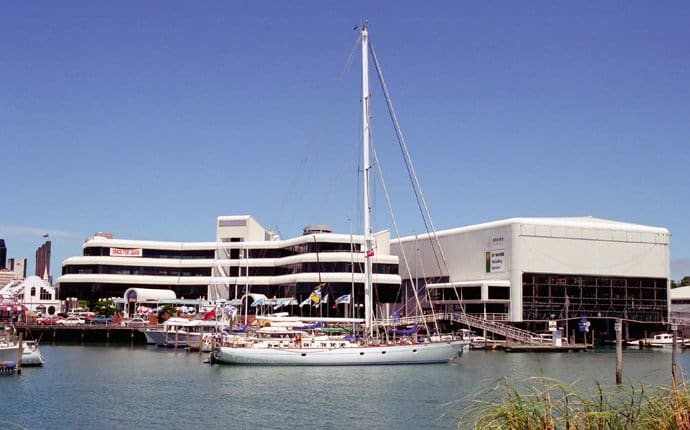
Auckland is a vibrant and modern metropolis. The skyline is subject to constant change. At the “Waterfront” (marina) there is always a lot of activity. You will find chic bistros, cozy cafes and first-class restaurants that invite you to linger at any time of the day. Here you can indulge in Pacific delicacies, fresh seafood and fine wines.

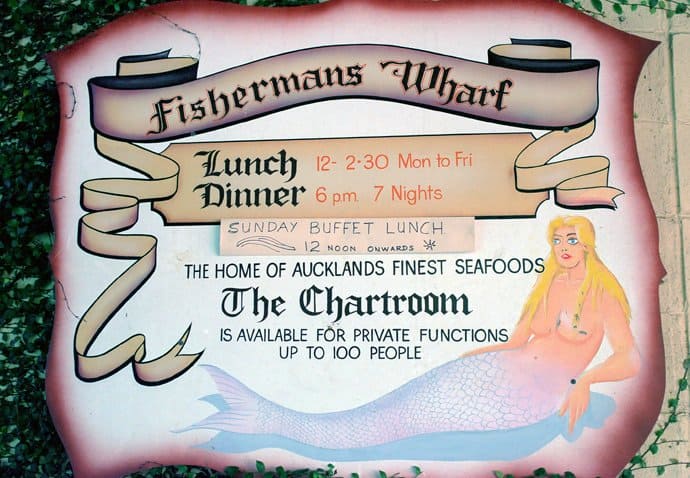
Auckland stretches over an 11 km wide strait of volcanic rock that separates two ports – Waitimata and Manukau – and enjoys a reputation as a paradise for water lovers. It is said to have the highest per capita number of boat owners in the world. At the gates of Auckland lies the Gulf of Hauraki, which offers another attraction with its island kingdom. Definitely worth a visit is the Fishermans Wharf. Here you can get the best and freshest seafood dishes in Auckland.
New Zealand – Auckland – Waterfront

New Zealand – Auckland – Waterfront – Seafood Restaurant
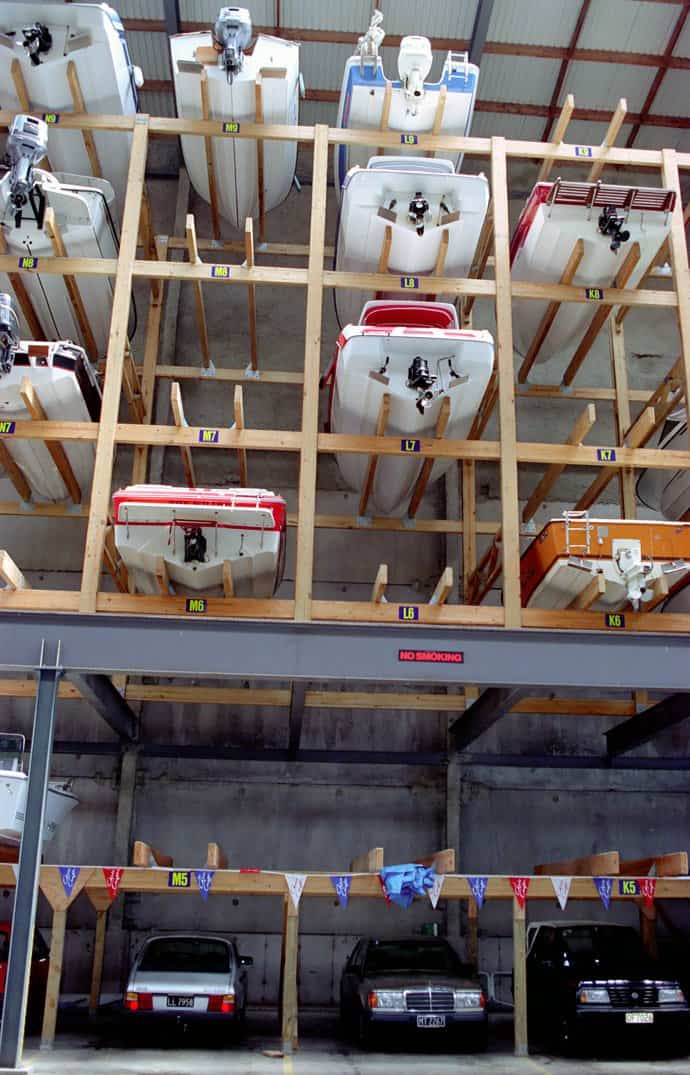
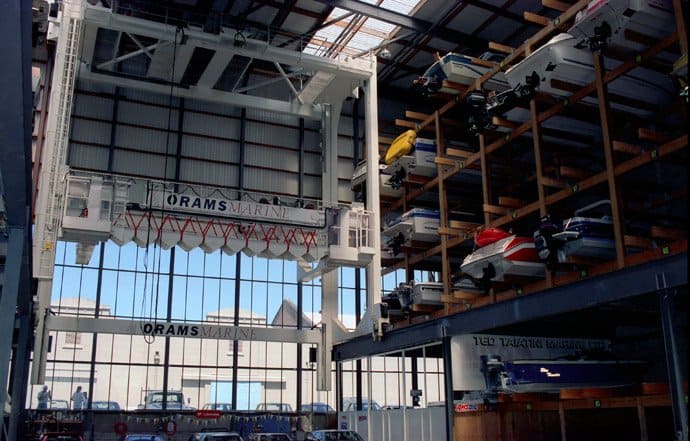
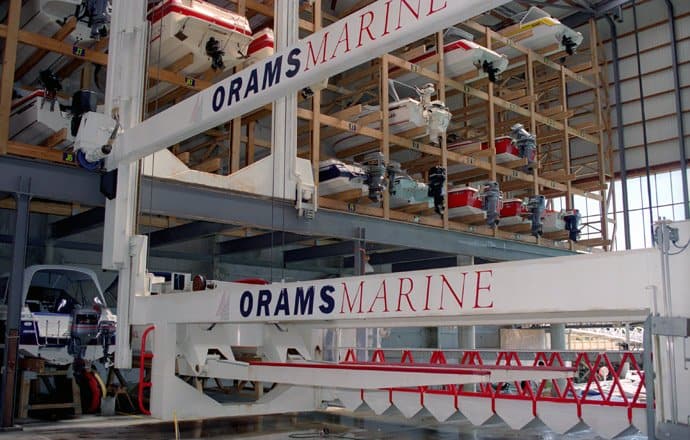
There is always something going on in the marina. The many shops, restaurants and cafes are “the attraction” for Kiwis and tourists. On weekends, masses of onlookers waft along the promenades. You should also visit the docks, where the ships have their “parking spaces” in huge warehouses.
New Zealand – Auckland – Waterfront

New Zealand – Auckland – Waterfront
The boats are loaded into their boxes via large cranes and taken out again when necessary. The halls are usually fully booked, as the Kiwis are a water sports enthusiast.

Photos New Zealand – Auckland Waterfront

New Zealand - Auckland
New Zealand Auckland Waterfront

Questions about the destination New Zealand?

In the New Zealand forum you will get the answers!

10. September 2017 0 comments
0 FacebookTwitterPinterestEmail
New Zealand - North Island
New Zealand

New Zealand – North Island

by Joe OnTour 10. September 2017
written by Joe OnTour

New Zealand – North Island

New Zealand is generally considered a natural paradise and rightly so, because nowhere in the world can you find a more diverse mix of different habitats than here. In a short time, you can get from desert regions to the rainforest. The coast, glacier and jungle are only a few kilometres apart. Furthermore, you will find a fascinating volcanic landscape on the North Island. Here you also have close contact with Maori culture.

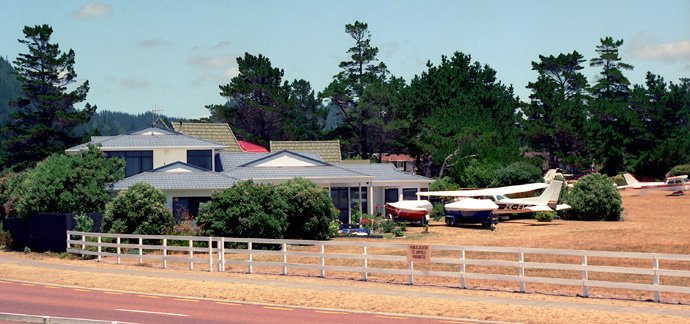
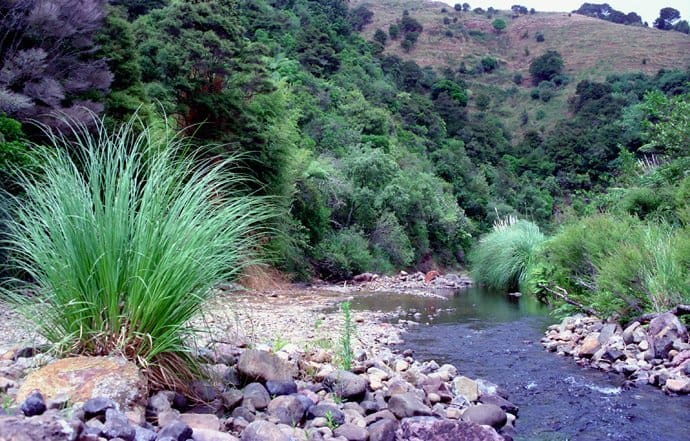
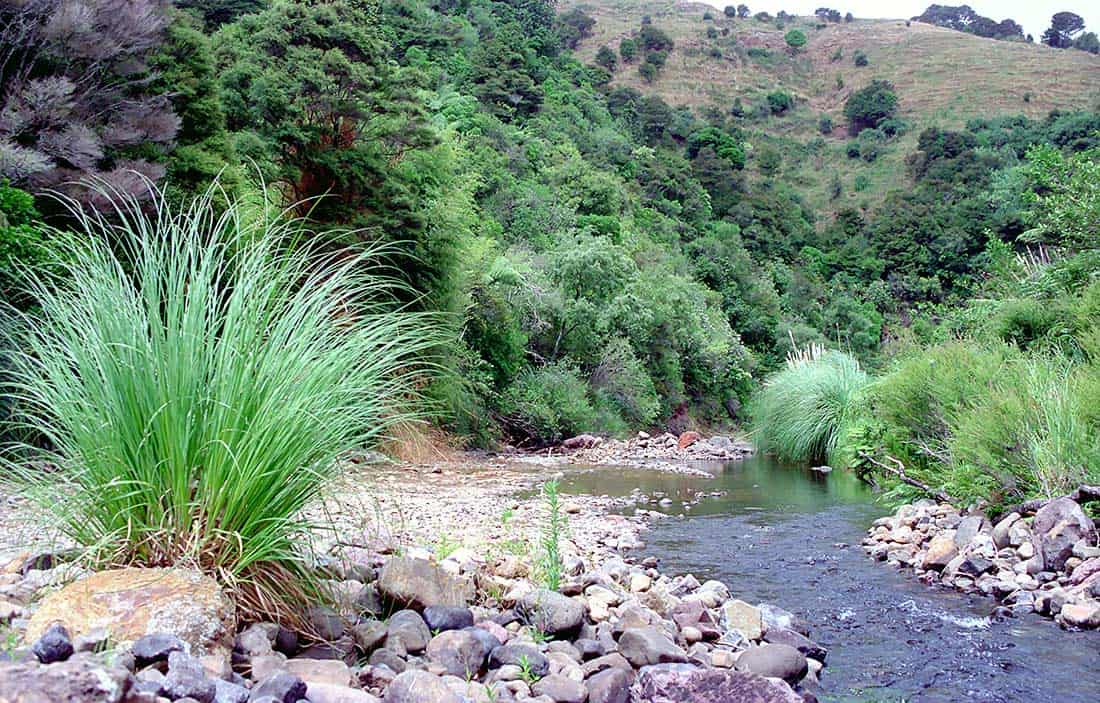
A river looks for its bed to the sea, a wonderful landscape on the North Island of New Zealand. Many New Zealanders, especially in more remote areas, have their cars, their boats and their small sports plane right in front of the house. The beaches on the Coromandel Peninsula are infinitely long and almost always deserted.

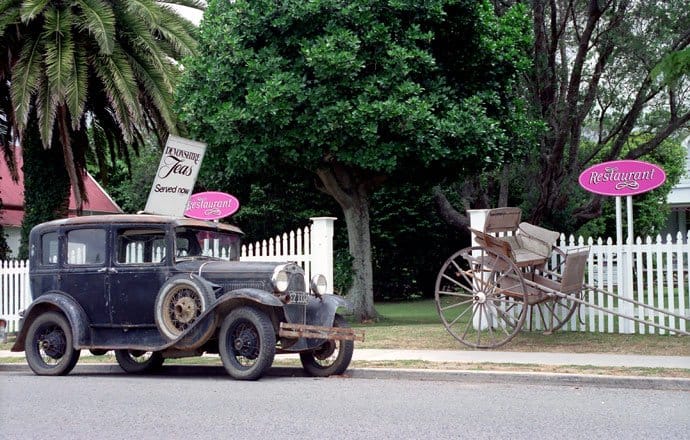
Such classic cars from the twenties can often be seen standing on the side of the road. Has Brigitte ever made friends with her new darling? But then she gave preference to our comfortable motorhome.

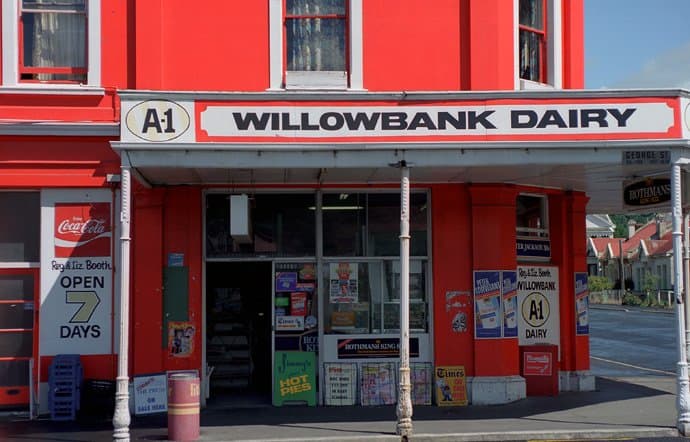
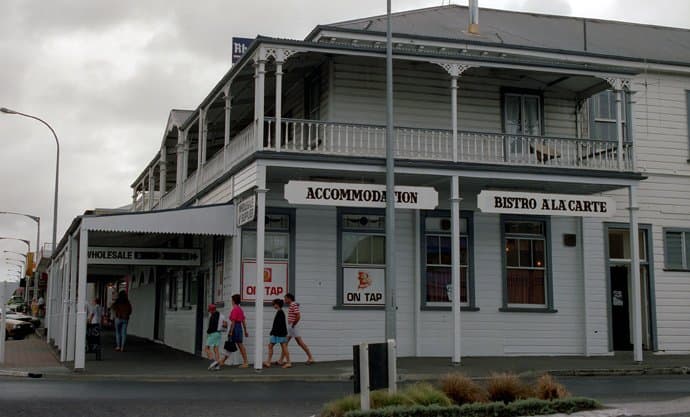
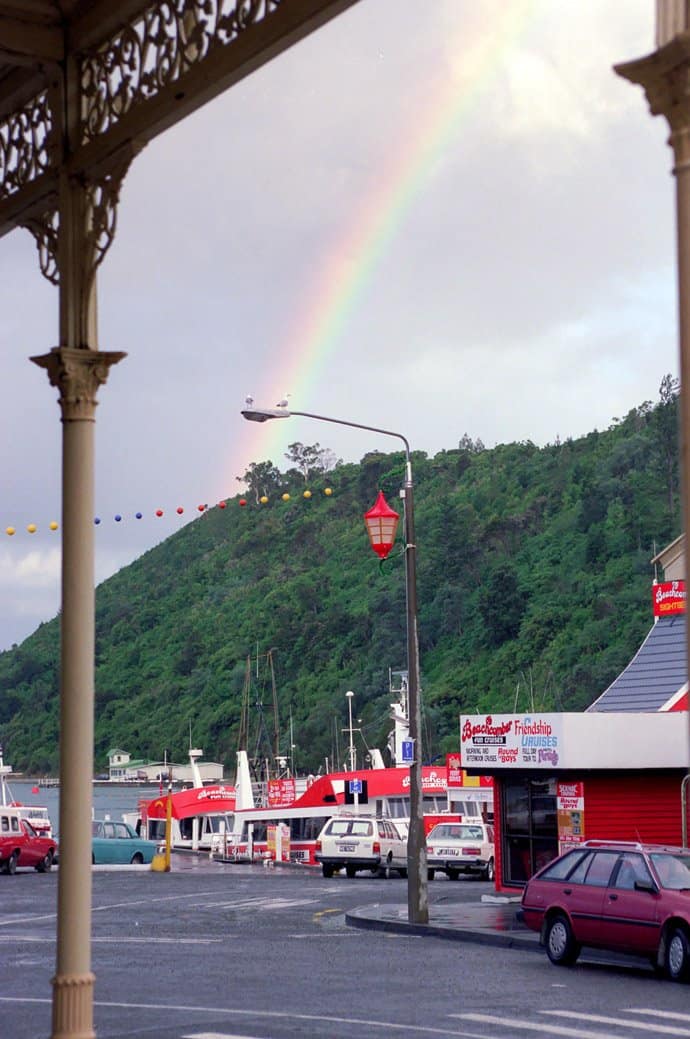
The smaller cities in New Zealand are usually dominated by a single main street with shops. In small shops you can find everything for your daily needs. This is also where the hotels and guesthouses (B & B) are located. As a rule, the houses are no higher than two storeys high and in the countryside are almost always built of wood. Exceptions are the public buildings, town halls, hospitals and churches that were built of stone. At the bottom right you can see a typical New Zealand shop, beautifully painted and with a lot of advertising.

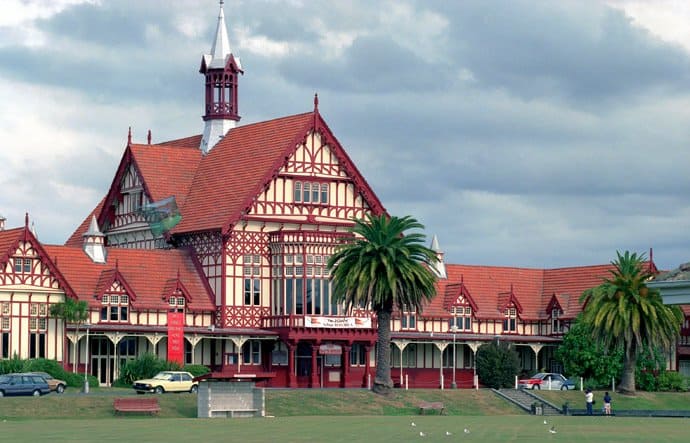
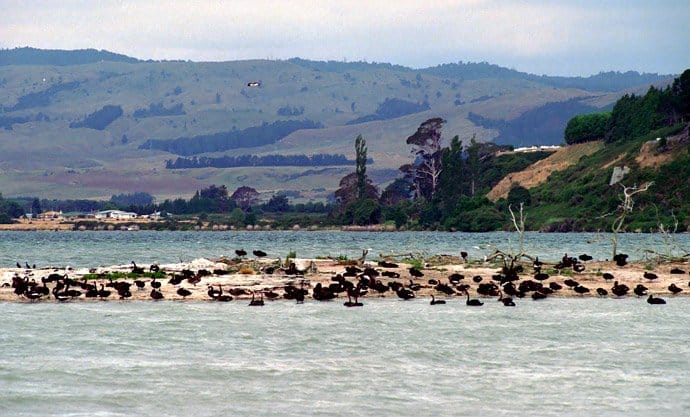
Pictured below left is the bathhouse with thermal springs in Rotorua. On our trip we see a huge flock of black swans on a lake, which have settled here in search of food.

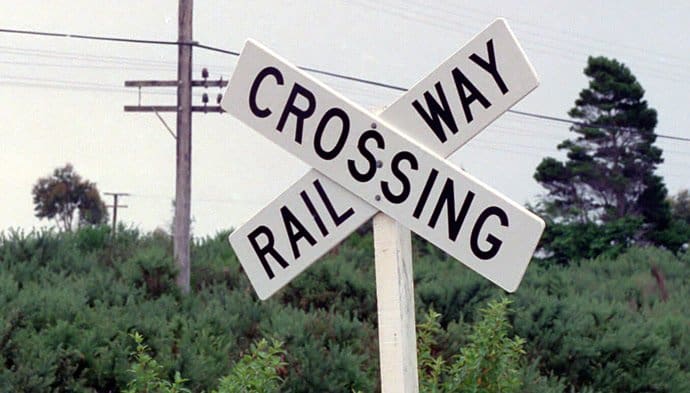
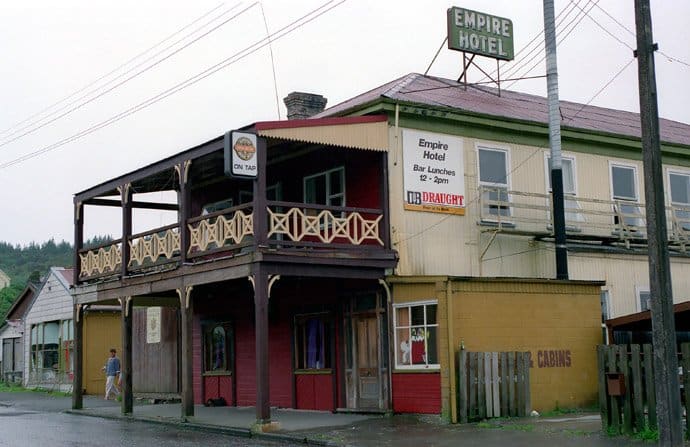
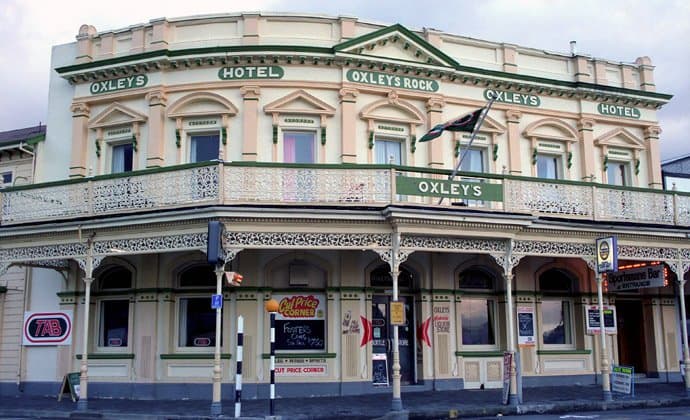
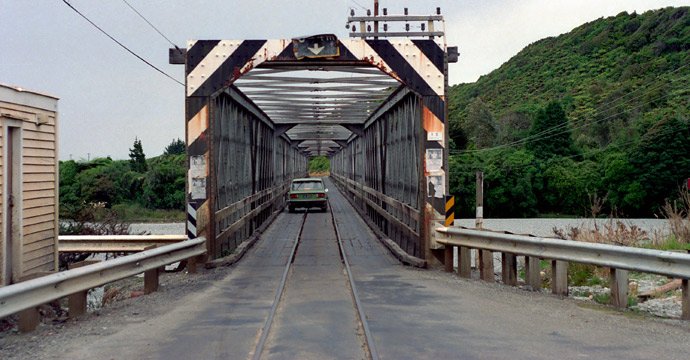
On our trip with the motorhome we find a hotel in the style of the turn of the century in a small village by the sea. There is a pub on the lower floor and the rooms are upstairs. We often have to cross rivers. The bridges are usually characterized by single-lane carriageways, which are even shared by railways and cars.

The “Empire Hotel” Melodious names have to replace the standard on the periphery in New Zealand. On our further journey we see a gold panning plant from the old days.

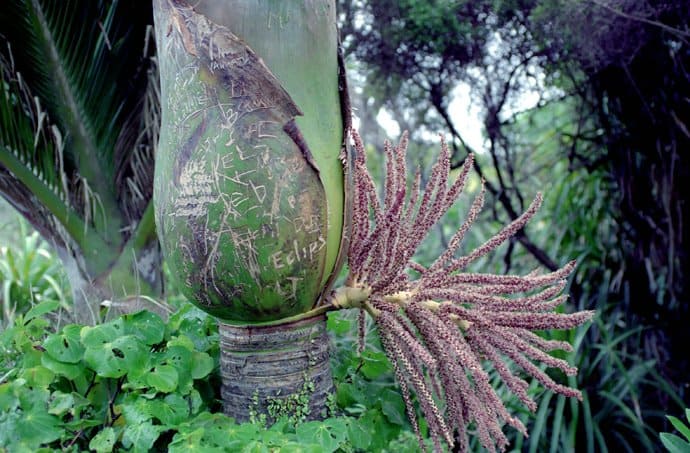
New Zealand is a natural paradise: snow-capped mountains, lonely beaches, bubbling hot springs and a landscape that is immensely varied. Coconut palm, which had to serve as a “bulletin board”. The colour “white” dominates the flora of New Zealand.

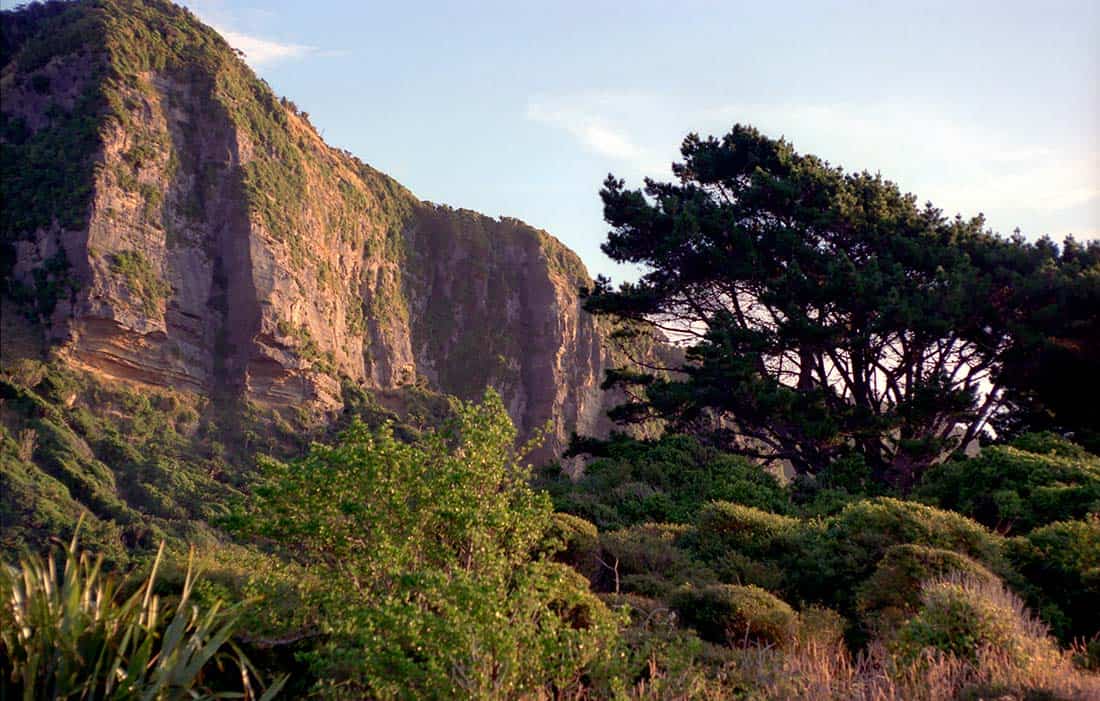
The towering rocks of the North Island are often home to birds of prey, which find ideal conditions for their breeding and rearing here.

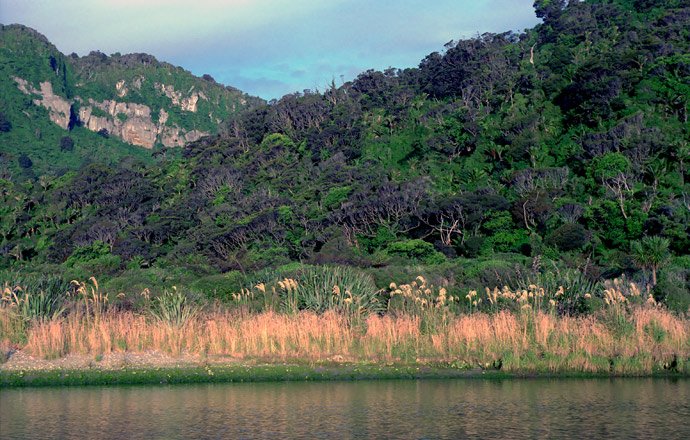
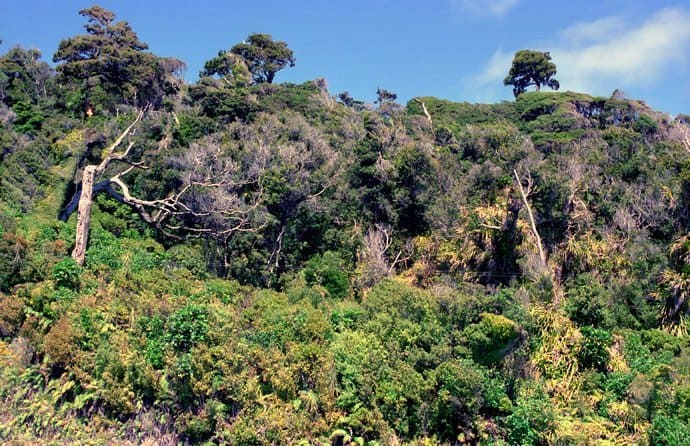
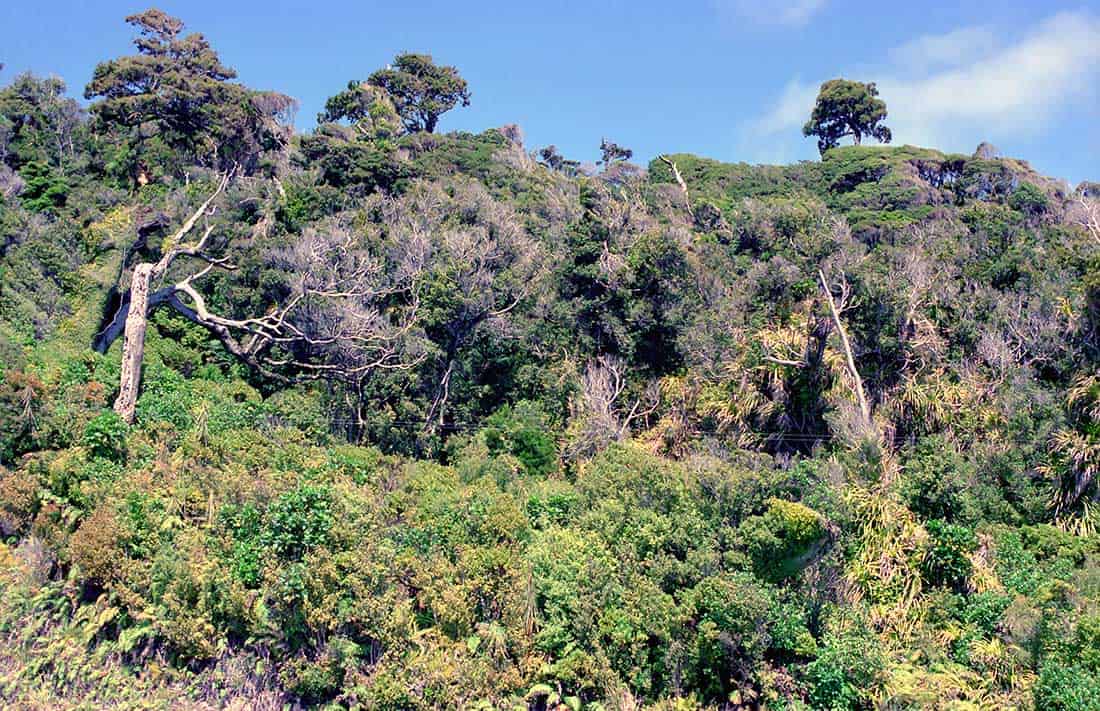
In the coastal areas, one usually finds a rich and often impenetrable plant cover. Often the shore zones are overgrown with mangroves. We always find impressive landscapes that offer an unforgettable panorama. In many places on the North Island, we found a temperate rainforest interspersed with mosses, ferns, tree ferns, creepers and lichens.

Pictures New Zealand – North Island

New Zealand - heli-tour
New Zealand - Coromandel
Neuseeland - Coromandel Halbinsel
New Zealand - North Island
Neuseeland - Coromandel Halbinsel
New Zealand - North Island
New Zealand - Coromandel

Questions about the destination New Zealand?

In the New Zealand forum you will get the answers!

10. September 2017 0 comments
0 FacebookTwitterPinterestEmail
New Zealand - Kahurangi National Park
New Zealand

New Zealand – Kahurangi National Park

by Joe OnTour 10. September 2017
written by Joe OnTour

New Zealand – Kahurangi National Park

The Kahurangi National Park was founded in 1996 and is the second largest national park in New Zealand with its 4520 km². It covers the entire northwestern part of the South Island. Translated, Kahurangi means “valuable possession”.

Our hiking trail leads past beautiful beaches that are so tempting that we don’t get far and linger here. The Kahurangi National Park offers geological formations worth seeing and several endemic plants and animals.

The wildlife of the national park is mainly made up of bird species. Once again, we move away from the main roads. The small gravel roads are easy to drive on, you are also forced to drive slowly and see more of the beautiful landscape.

We rarely encounter passing cars on our route. We can pass on the recommendation to all travelers to leave the well-trodden main routes and go in search of the unspoilt New Zealand, which you can actually always find off the beaten track.

Photos New Zealand – Kahurangi National Park

Neuseeland – Abel Tasman Nationalpark
New Zealand– Abel Tasman Nationalpark
New Zealand - fjords
New Zealand - Kahurangi National Park
New Zealand - Coromandel
Neuseeland - Coromandel Halbinsel
New Zealand - North Island

Questions about the destination New Zealand?

In the New Zealand forum you will get the answers!

10. September 2017 0 comments
0 FacebookTwitterPinterestEmail
New Zealand - Milford Sound
New Zealand

New Zealand – Fjords

by Joe OnTour 10. September 2017
written by Joe OnTour

New Zealand – Fjords

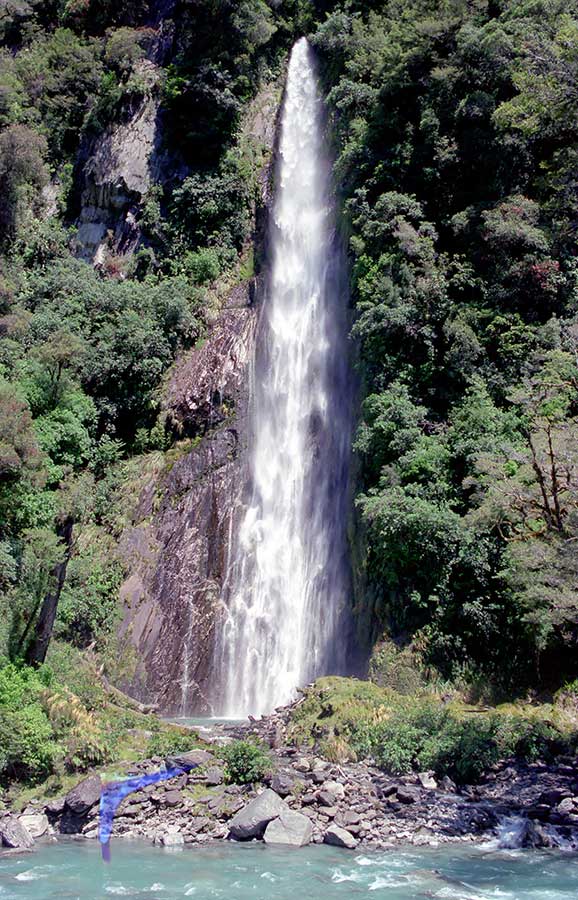
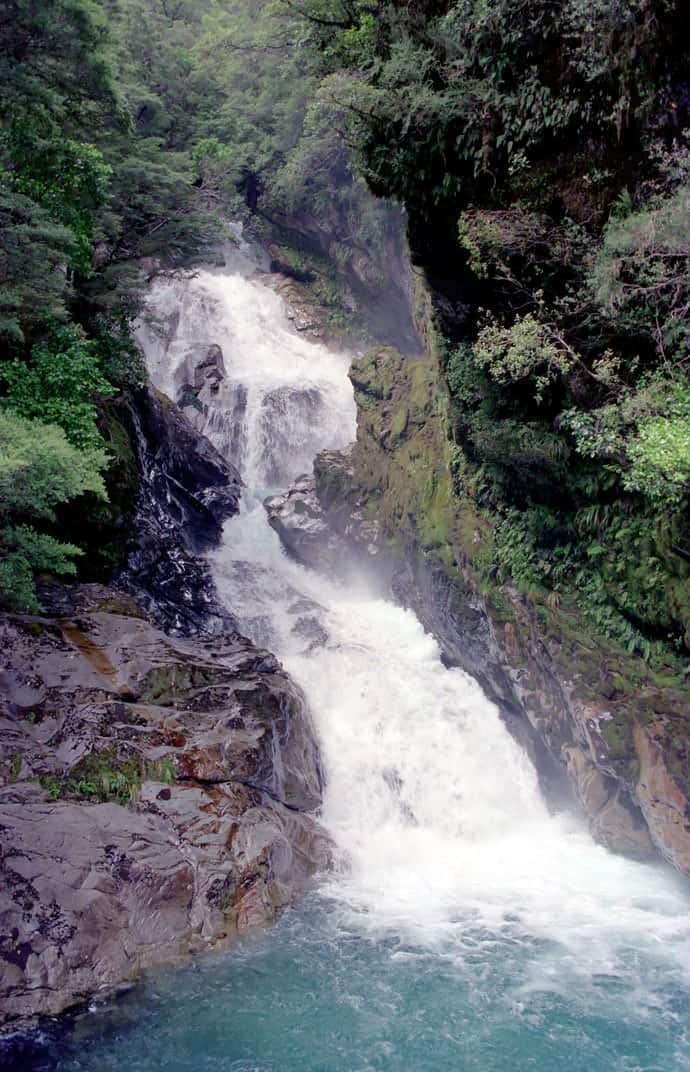
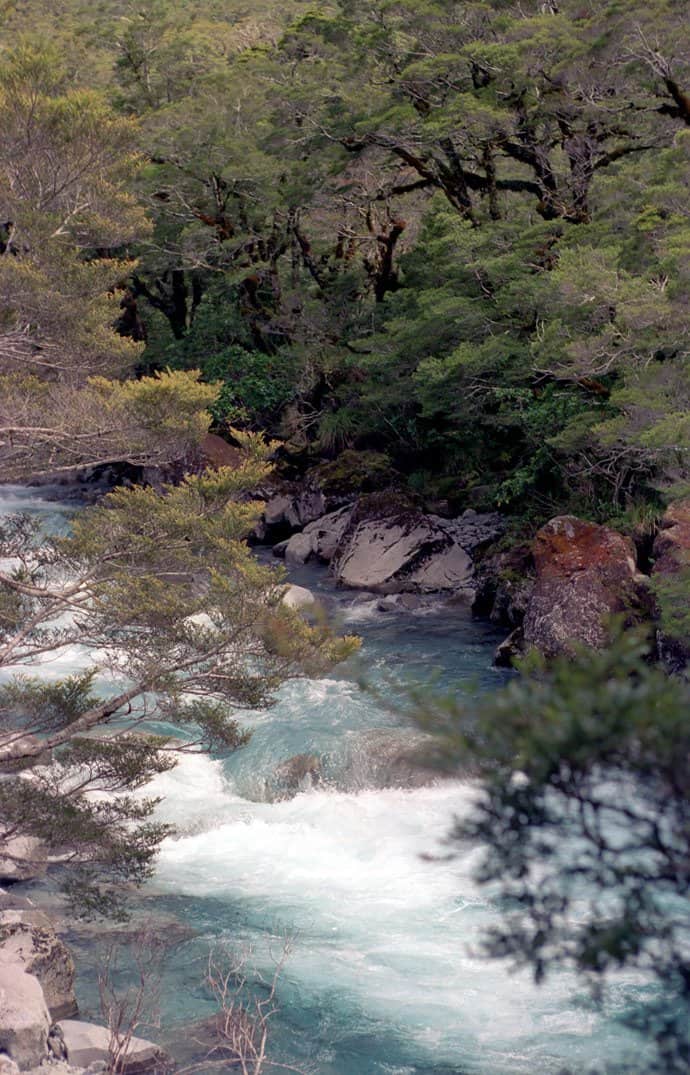
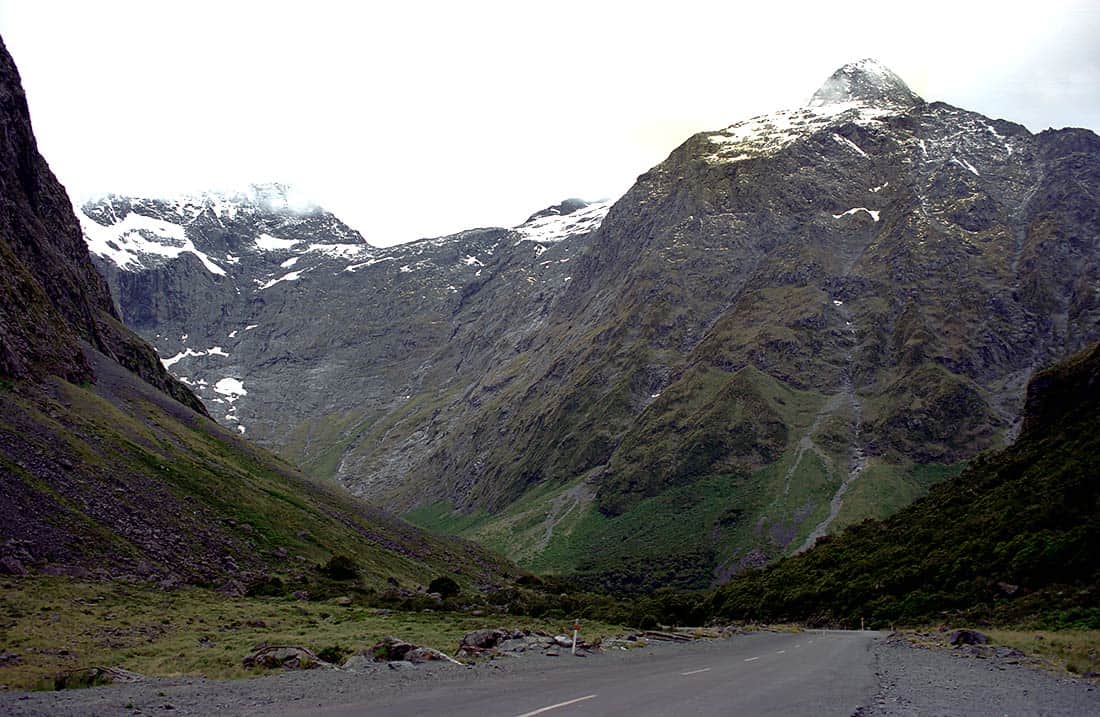
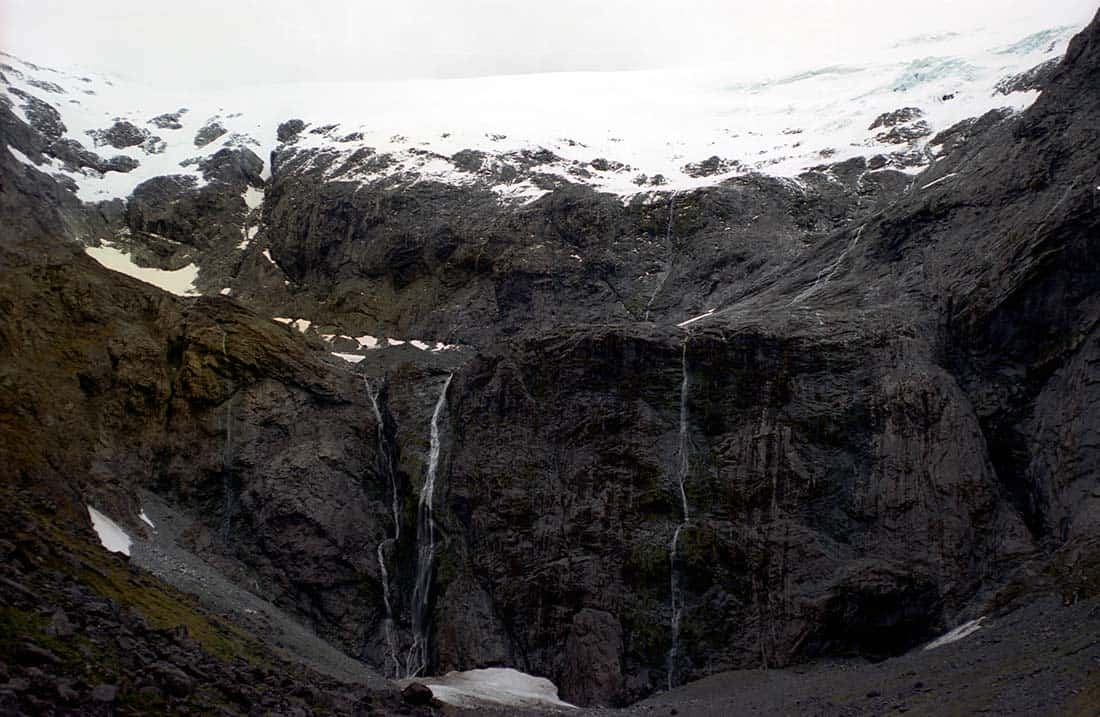
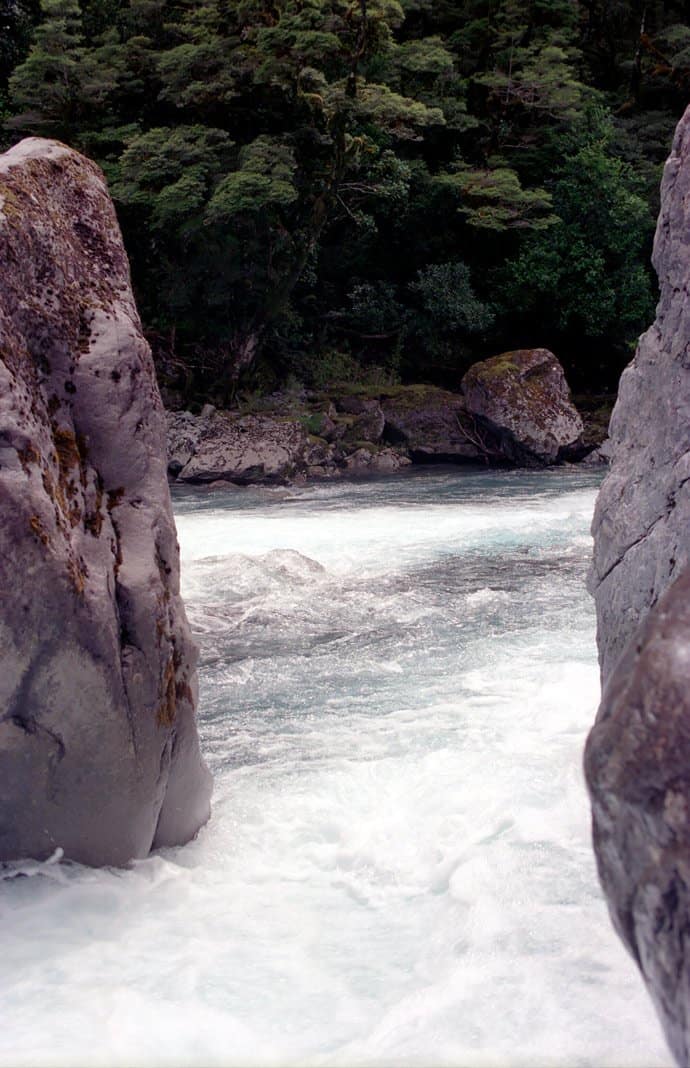
Wild mountain streams flow from the glaciers. An impressive fjord landscape. Again and again we drive past wild waterfalls that shoot unexpectedly out of secret crevices. A landscape that you can’t get enough of.

Pictures New Zealand – Fjords

New Zealand - fjords
New Zealand - Coromandel
Neuseeland - Coromandel Halbinsel
New Zealand - Milford Sound

Questions about the destination New Zealand?

In the New Zealand forum you will get the answers!

10. September 2017 0 comments
0 FacebookTwitterPinterestEmail
New Zealand - Mount Cook - Oyster Bay
New Zealand

New Zealand – Mount Cook – Oyster Bay

by Joe OnTour 10. September 2017
written by Joe OnTour

New Zealand – Mount Cook – Oyster Bay

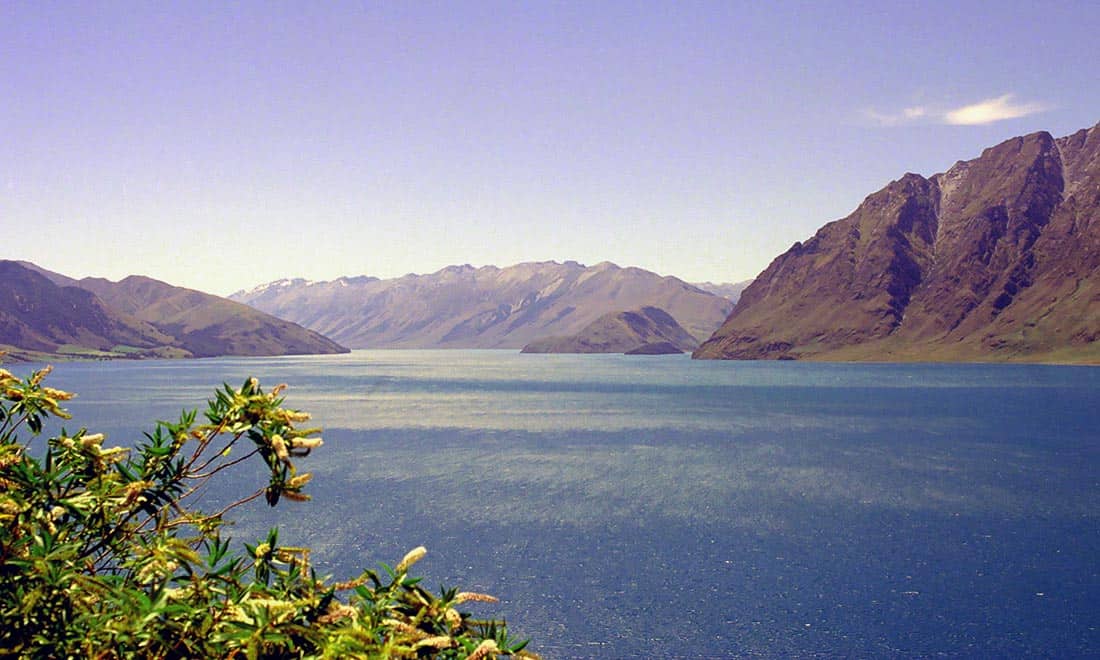
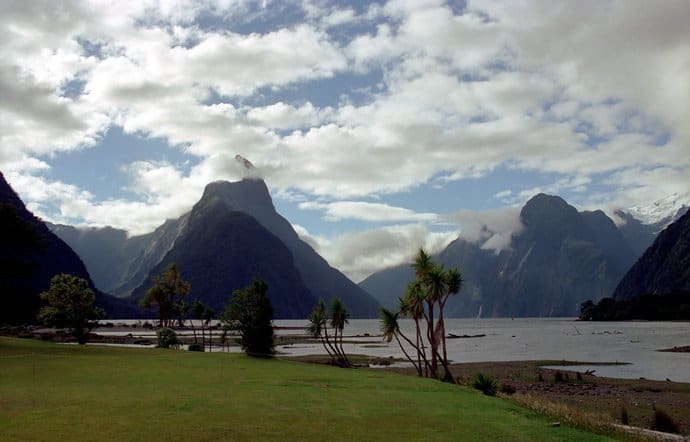
The South Island of New Zealand is reminiscent of the landscape of Switzerland with its mountains. In addition to the over 3,700-meter-high Mount Cook, New Zealand’s highest, eternally snow-capped mountain, there are several huge glaciers that reach down into the rainforests of the west coast.

Fjordland National Park is a rugged wilderness of snow-capped mountains, dense rainforest, raging rivers and waterfalls. One of the most beautiful long-distance hiking trails in New Zealand runs through this area.

You will find huge mountain massifs with glacier areas where you can ski. Ancient tunnels lead us on our route through the mountainous regions. The waters of the glaciers pour out of the eternal ice, which grow into rivers and flow from here into the sea.

In a breathtaking landscape there are glaciers that wind down almost into the valley into the rainforests and you will find an untouched flora and fauna. While you sweat under the sun down in the valley, skiing takes place on the glacier.
New Zealand – South Island – Mount CookNew Zealand – South Island – Mount Cook New Zealand – South Island – Mount
On the South Island, we see farming areas of huge proportions. You can turn off the main road for half an hour or more to get to the farmhouse. So it is not surprising that the mail is always deposited in small boxes on the street. Surrounded by the spectacular beauty of the Southern Alps and the Tasman Sea, the West Coast combines adventure and the past.

With our motorhome, we are largely independent of the otherwise daily search for accommodation.
New Zealand – South Island – Oyster BayNew Zealand – South Island – Oyster BayNew Zealand – South Island – Oyster Bay
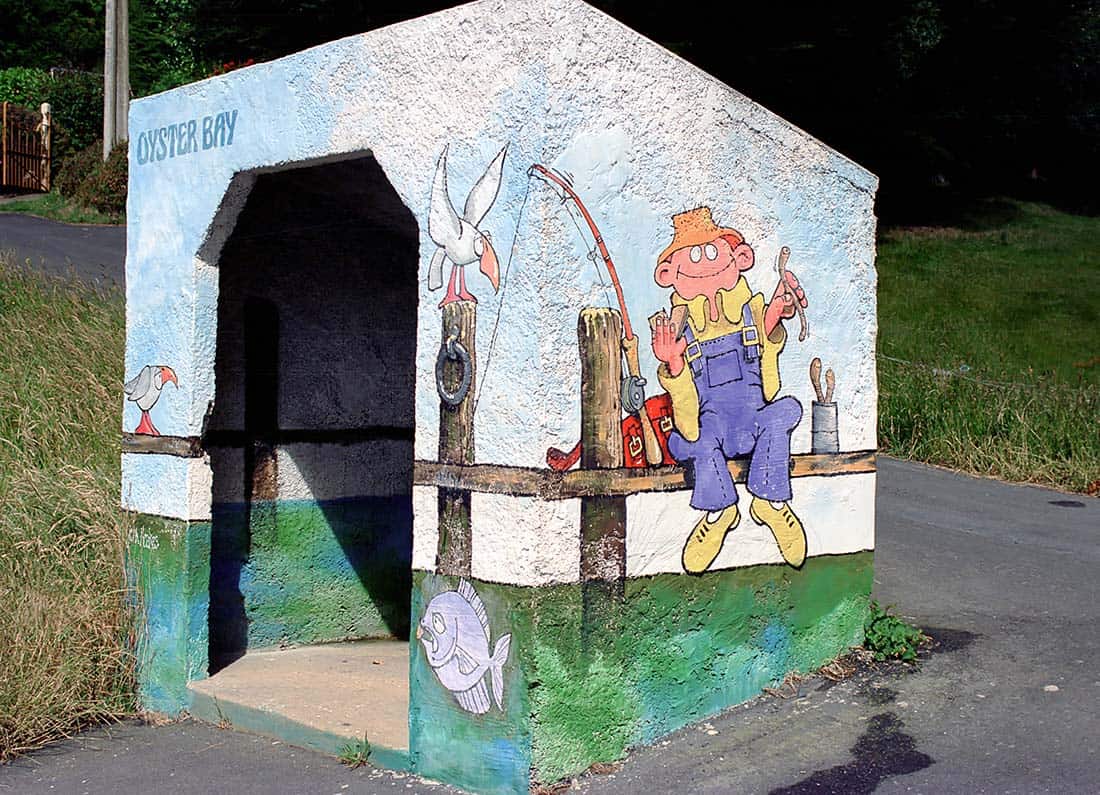
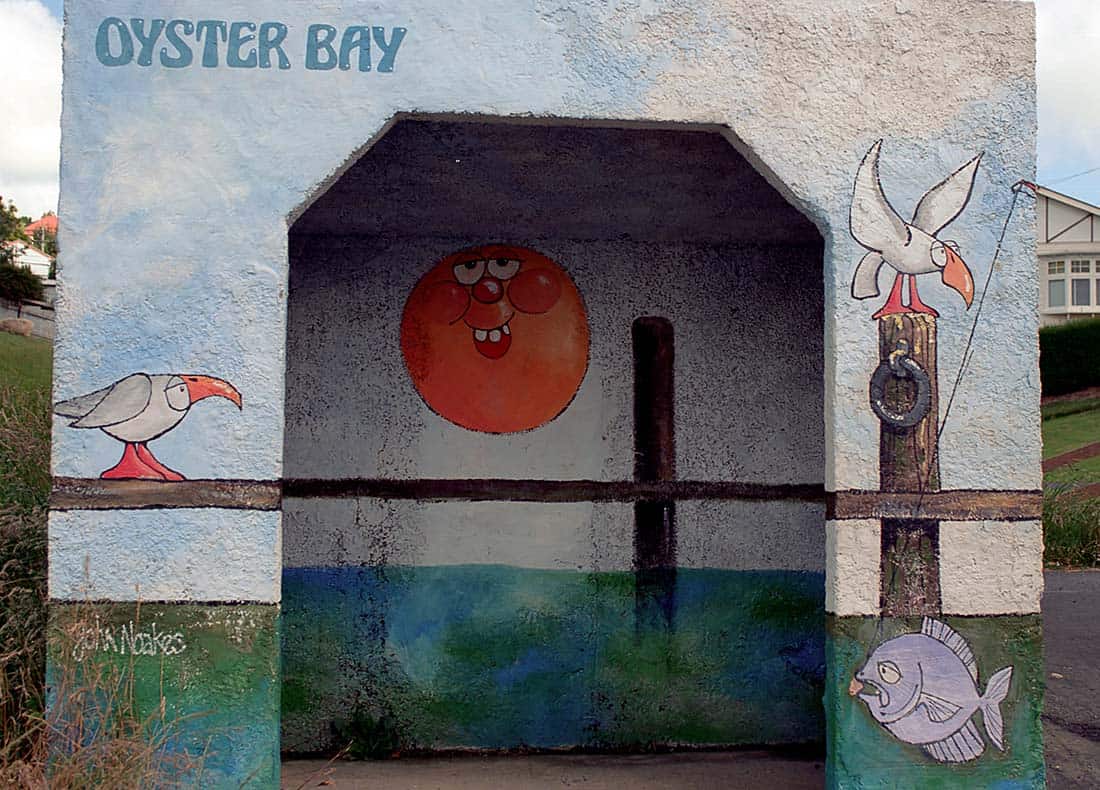
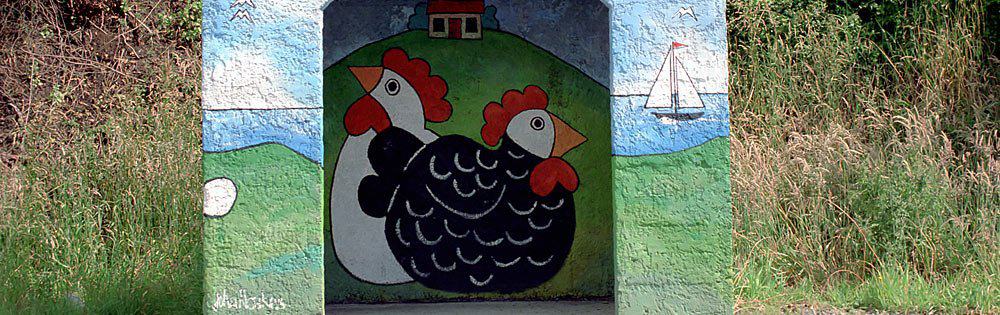
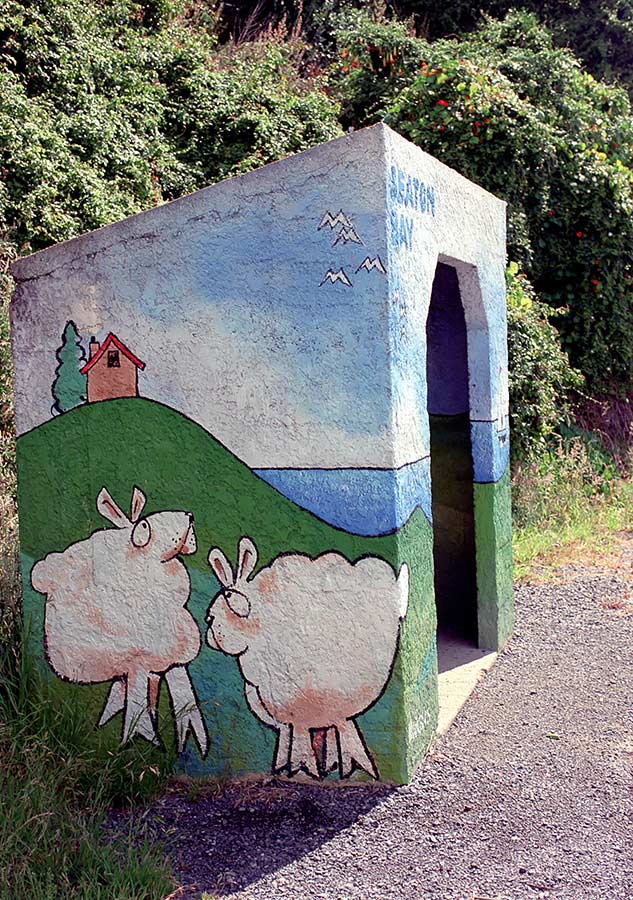
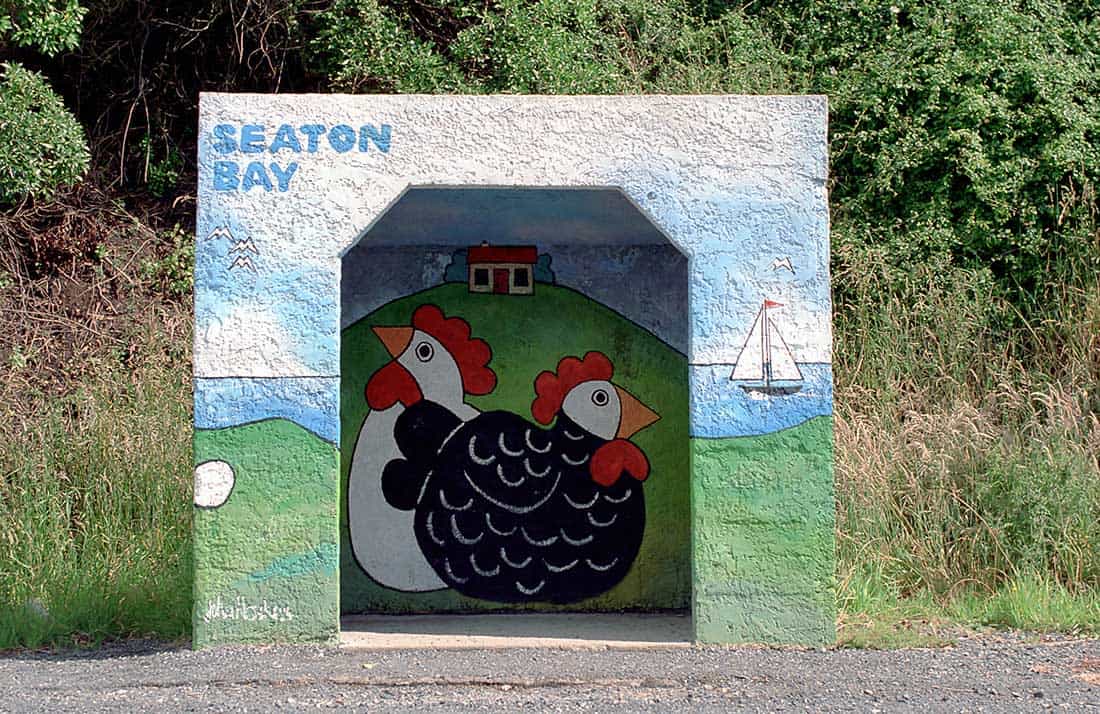
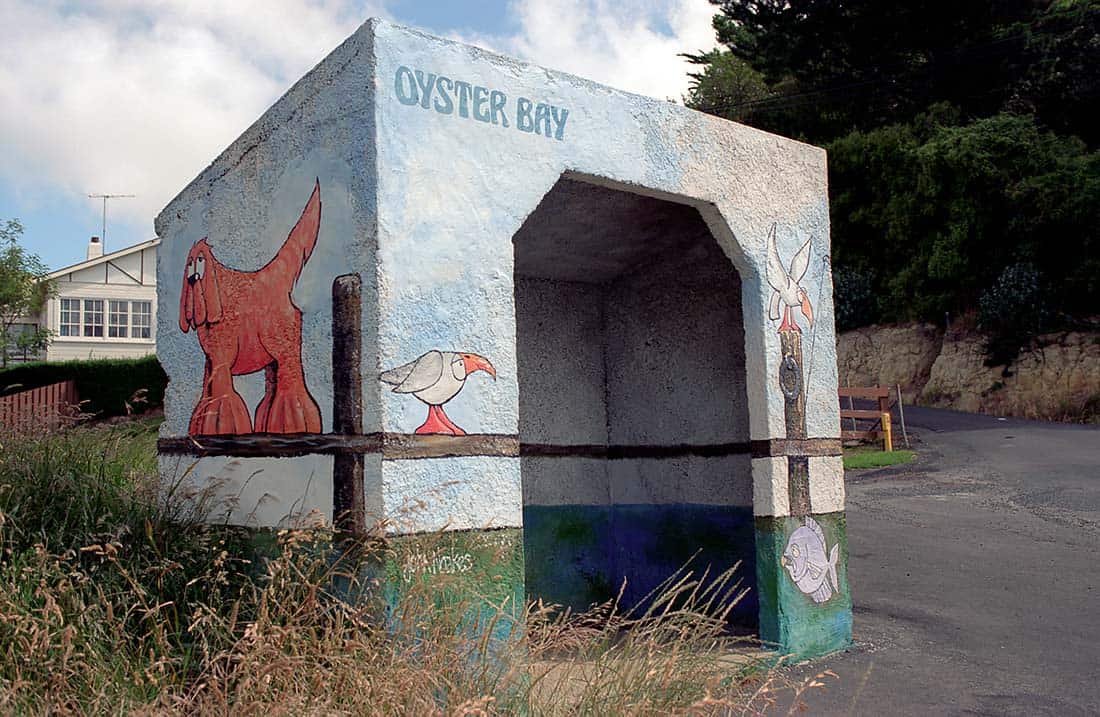
Oyster Bay on the South Island in New Zealand is a huge area for oyster farming. Since we are true friends of fresh oysters, we make a stopover here. You can find many small restaurants that offer these delicacies. A fun attraction in Oyster Bay are the brightly painted bus shelters that stand on every corner. A small coastal road winds around the many curves of Oyster Bay. The route is a bit of a hassle to drive, but Oyster Bay is definitely worth a visit.

In Oyster Bay, you can always find these funny bus shelters at the bus stop, which are painted with bright colors and motifs.

Photos New Zealand – Mount Cook – Oyster Bay

New Zealand - Mount Cook - Oyster Bay

Questions about the destination New Zealand?

In the New Zealand forum you will get the answers!

10. September 2017 0 comments
0 FacebookTwitterPinterestEmail
New Zealand - Huka Village
New Zealand

New Zealand – Huka Village

by Joe OnTour 10. September 2017
written by Joe OnTour

New Zealand – Huka Village

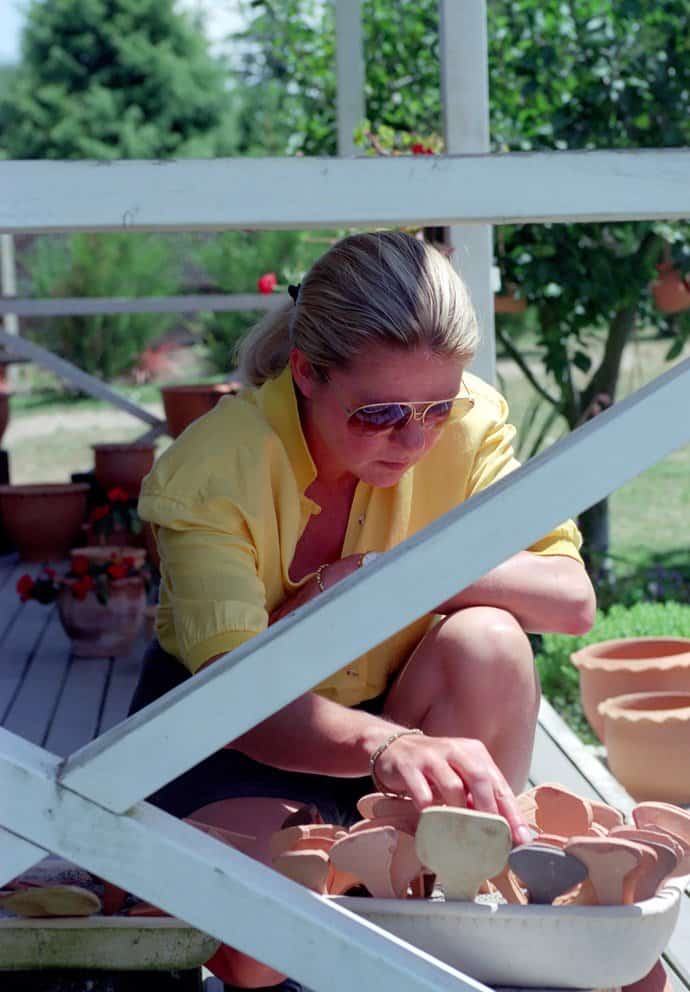
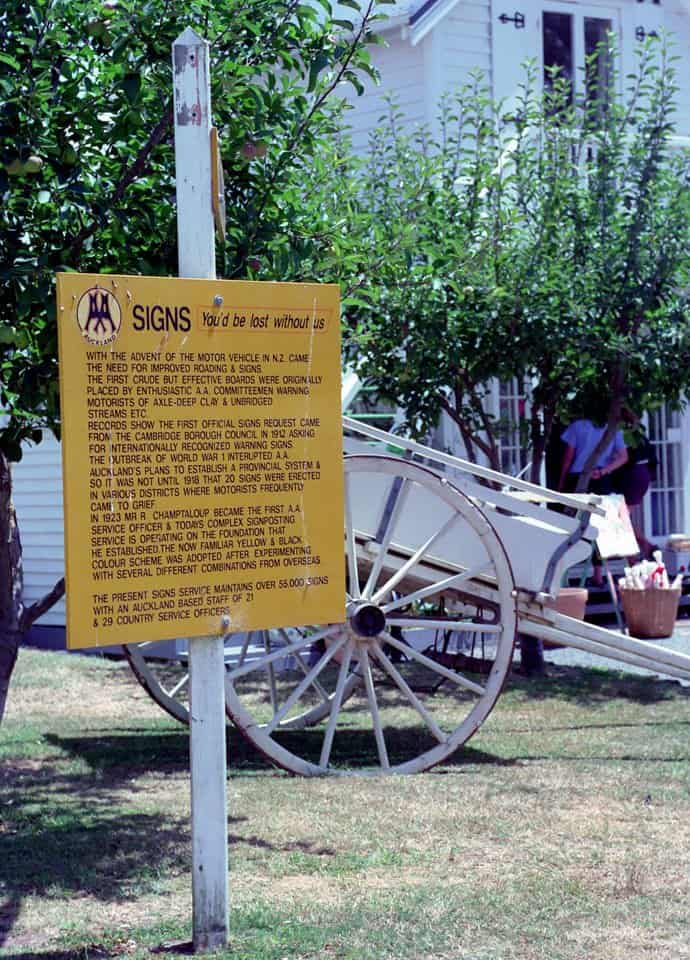
We visit Huka Village, a small historically recreated town with houses and vehicles etc. from the last century. In Huka Village, visitors will get an impression of life from the settler era

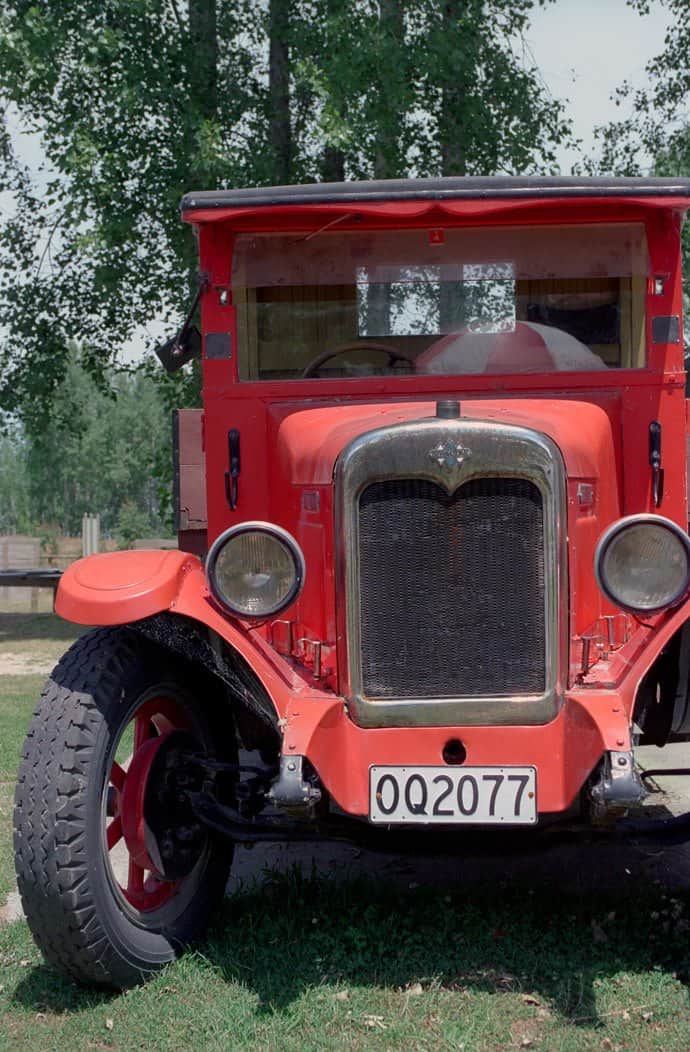
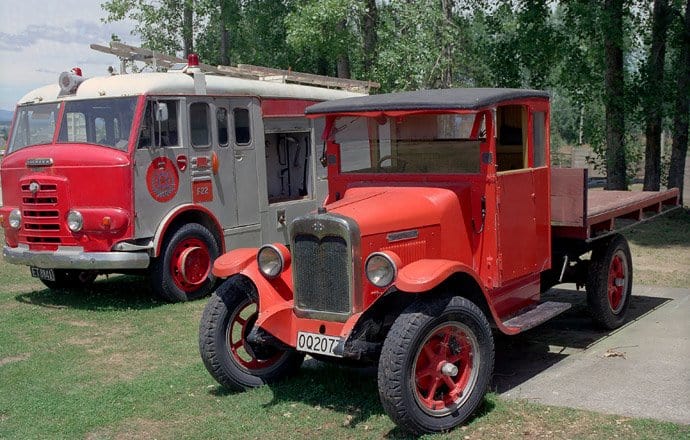
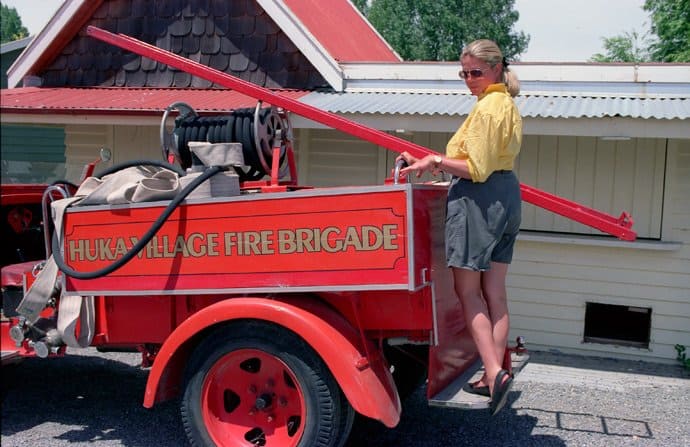
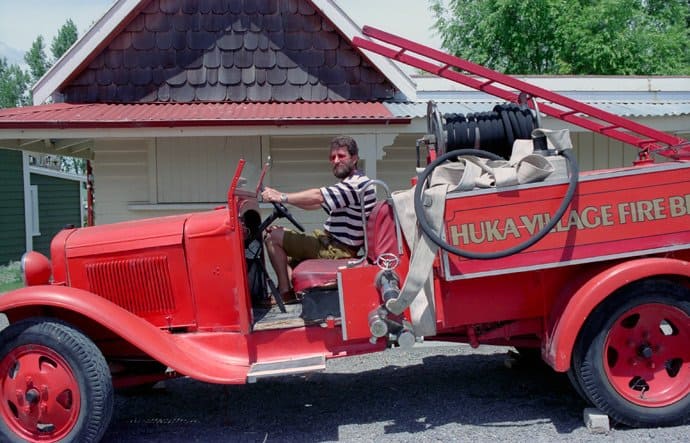
Here you will find one of the first fire engines to be used in New Zealand, of course with charming company.

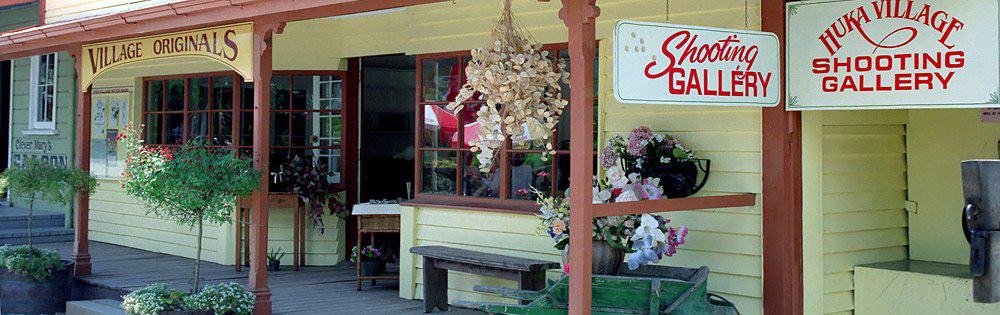
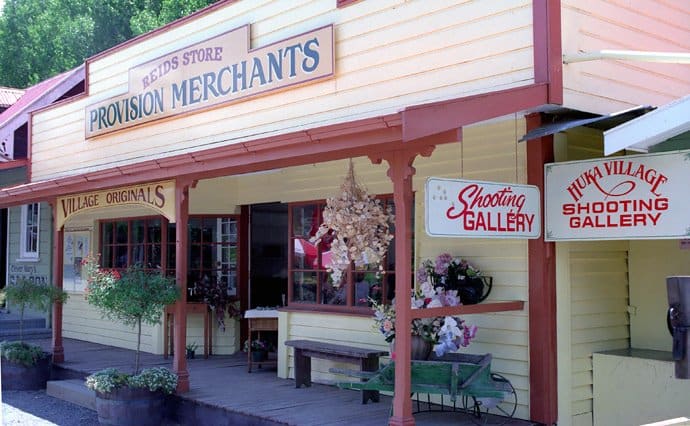
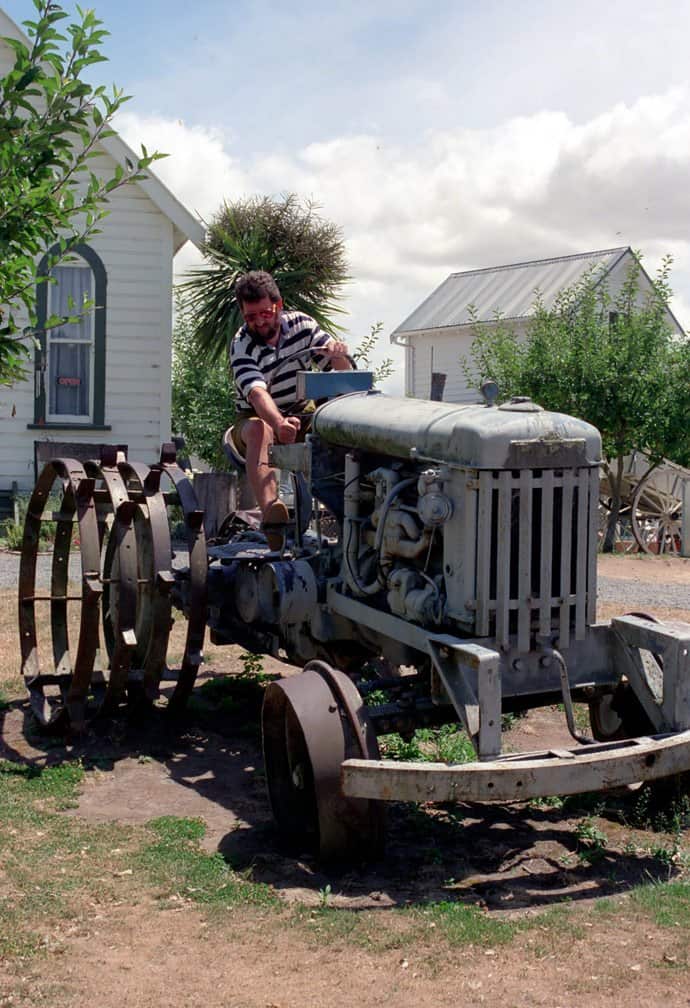
Jürgen can’t resist moving the peculiar tractor himself. In a small shop, handmade goods and everyday items can be found.

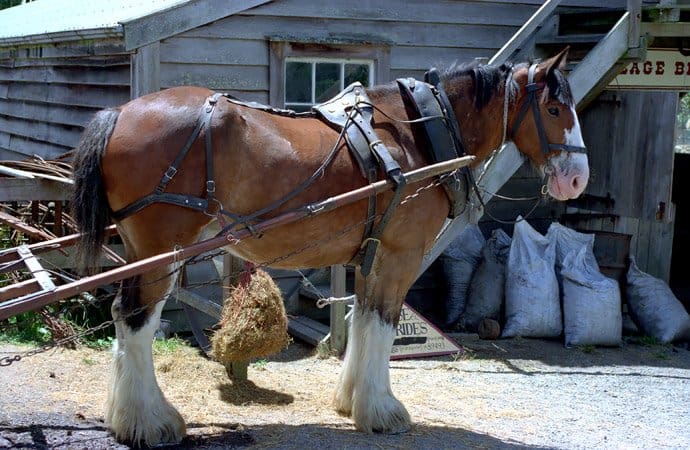
For classic car enthusiasts, this place is a real treasure trove. The predecessor of our pick-ups today. I wonder if it has exceeded 30/kmh? In front of the automobile came the horse-drawn carriage. Here is a stately steed, which is used as a driving force in Huka Village.

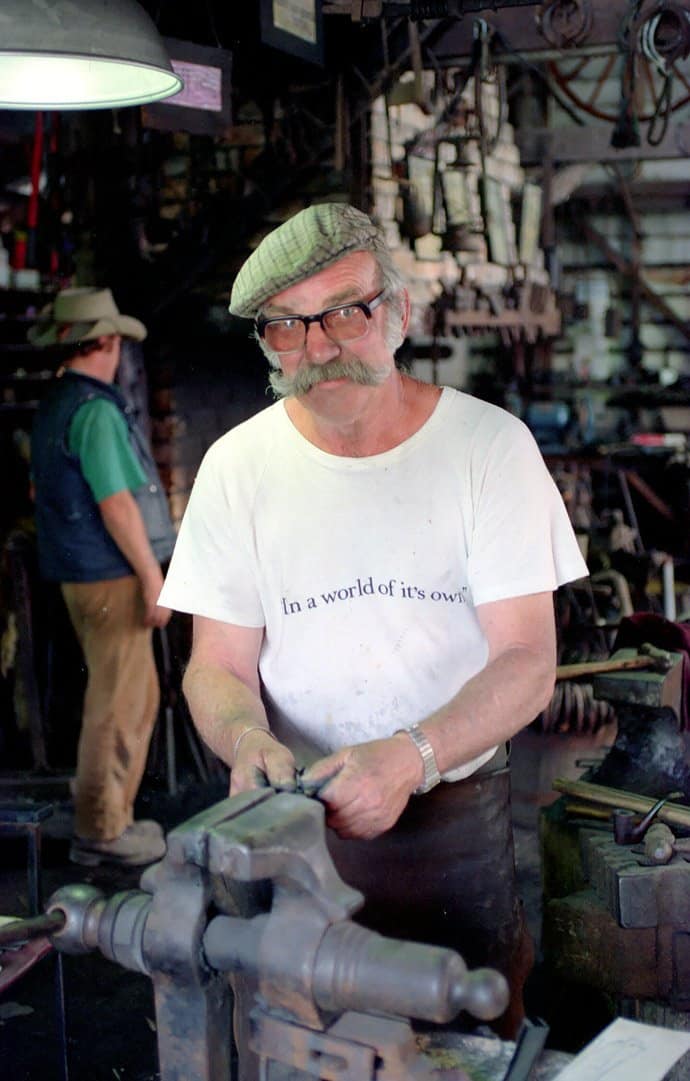
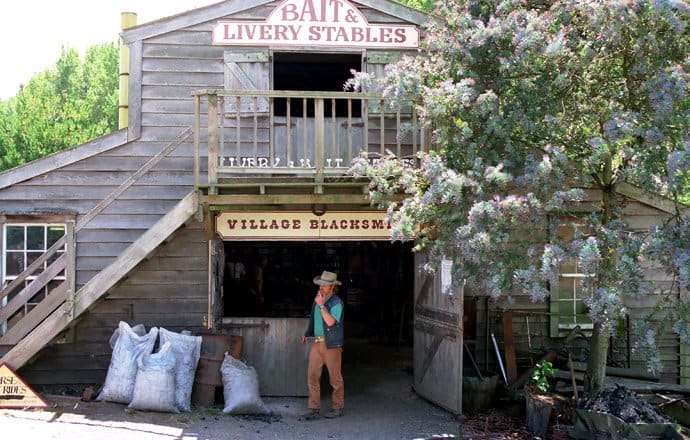
We visit a blacksmith’s shop in Huka Village, which is still actively operated. The fire in the forge has already been lit. All objects are still present from historical times. The forge has been restored according to old plans.

The blacksmith also looks like he is from another time and he understands his craft like his ancestors.
New Zealand – Huka Village – Blacksmith at work
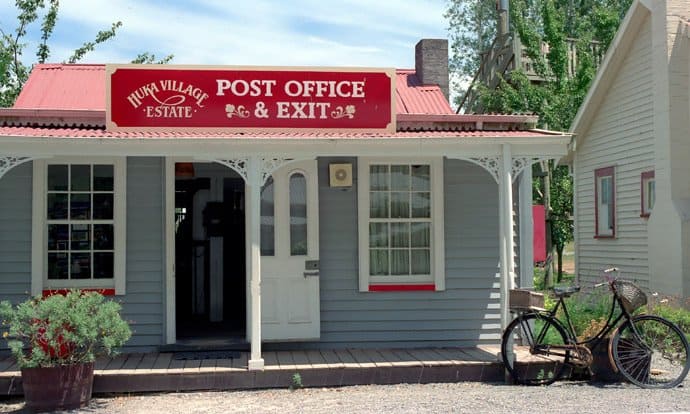
The buildings are historically reconstructed. The Post Office is not only visitable, it even delivers stamps and you can actually post mail here.

You feel like you’ve been transported back 200 years to another dimension in a time machine.

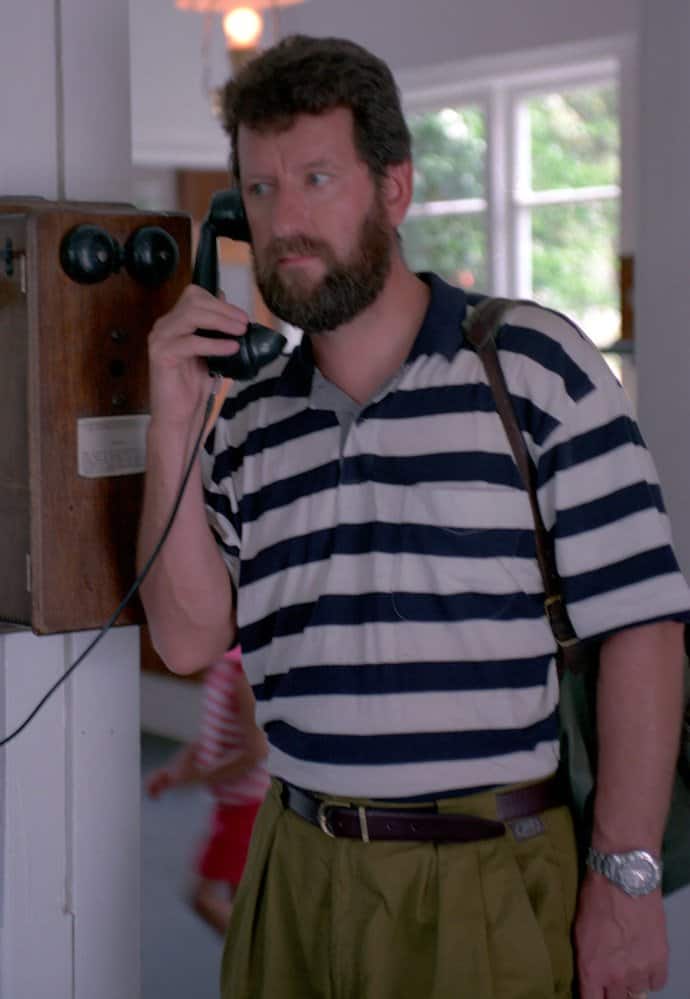
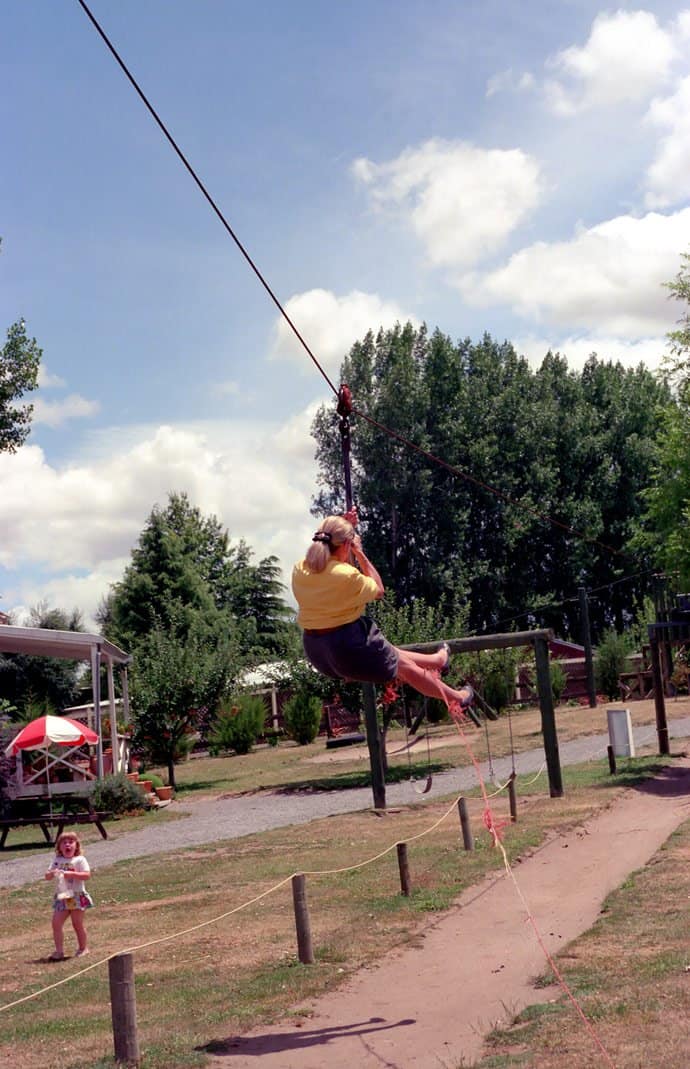
Action is also provided! Brigitte has herself transported out of the 2nd floor of the fire station with the help of an ancient self-built cargo transport system. Meanwhile, Jürgen alerts the emergency services, of course on a phone from the early days of telephony.

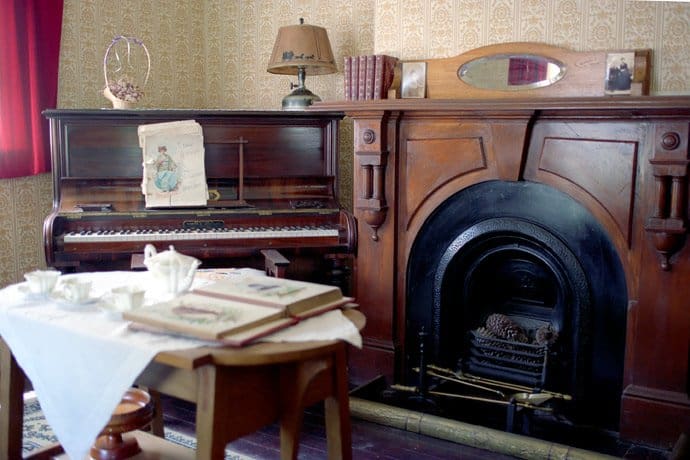
In another building we find a typical living space from the last century with all the objects of daily life.

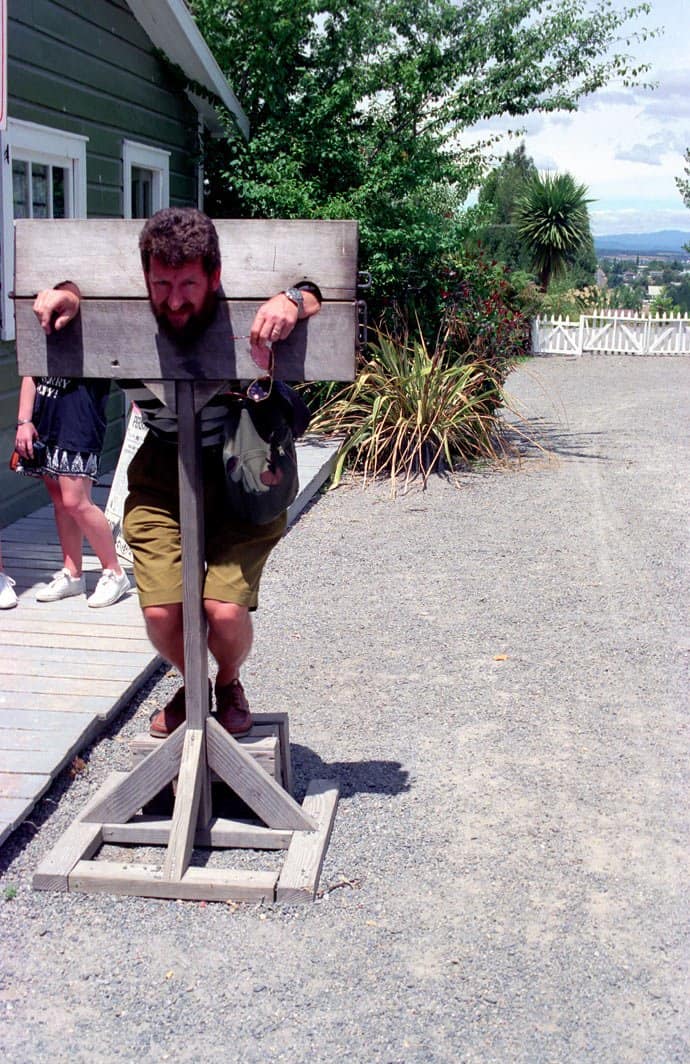
And so horse thieves and other unloved fellows were punished in New Zealand a hundred years ago.

Pictures New Zealand – Huka Village

New Zealand - Huka Village

Questions about the destination New Zealand?

In the New Zealand forum you will get the answers!

10. September 2017 0 comments
0 FacebookTwitterPinterestEmail
New Zealand - Milford Sound
New Zealand

New Zealand – Milford Sound

by Joe OnTour 10. September 2017
written by Joe OnTour

New Zealand – Milford Sound

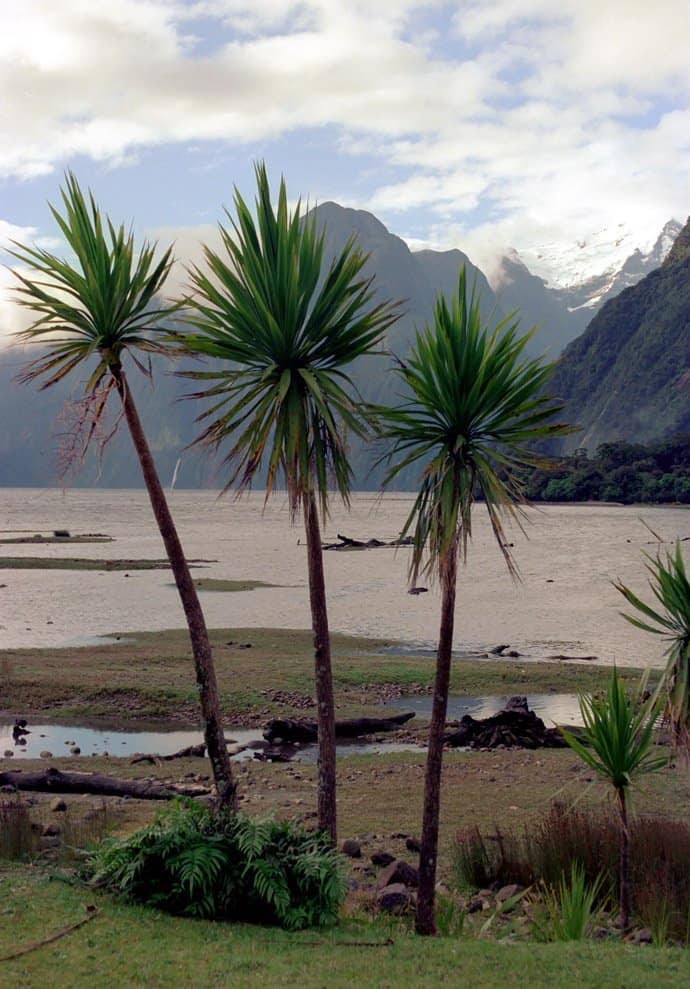
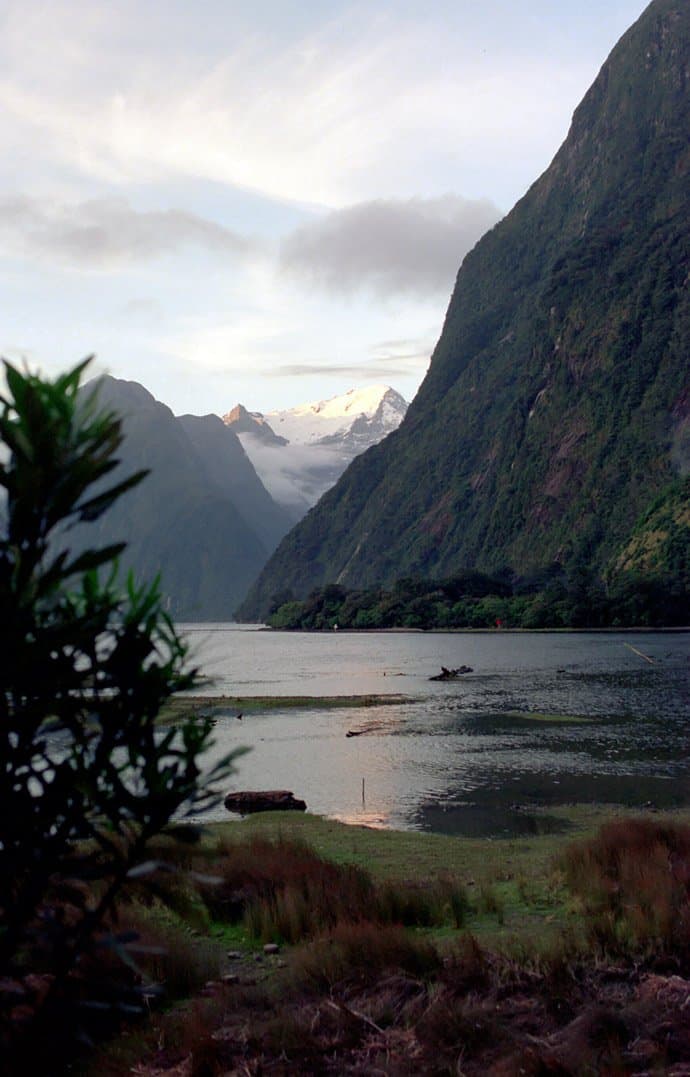
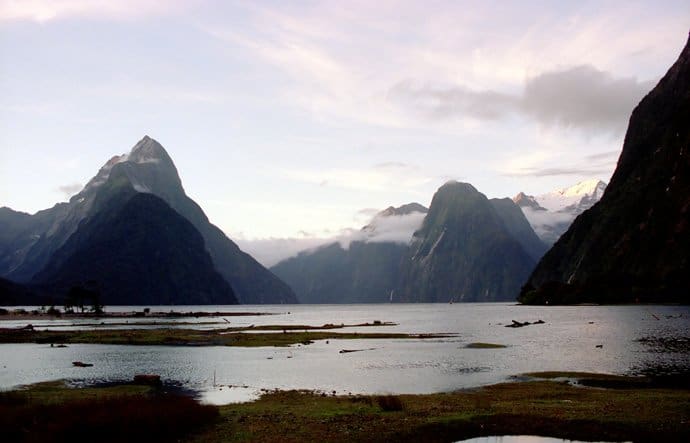
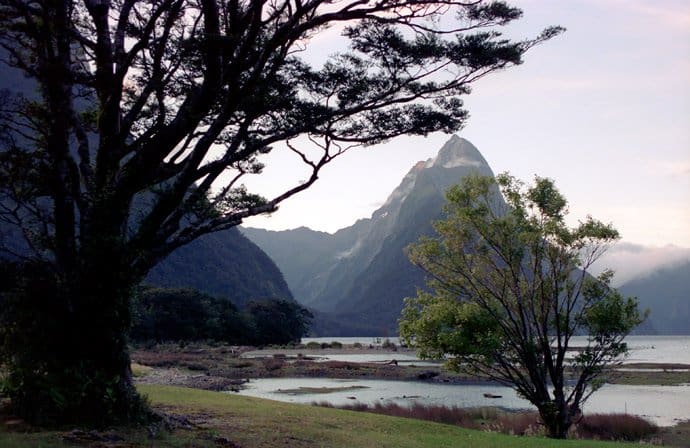
New Zealand’s most famous wilderness – Milford Sound (fjord) gained international recognition in 1870 with the ascent of the famous “Milford Track”. Rudyard Kipling visited the area before 1900. He called Milford Sound the “Eighth Wonder of the Earth”. Since then, the most famous of all fjords has attracted thousands of visitors from all over the world. Milford Sound is a branching, deep blue strait of spectacular beauty that extends from the Tasman Sea deep into the Fiordland National Park.

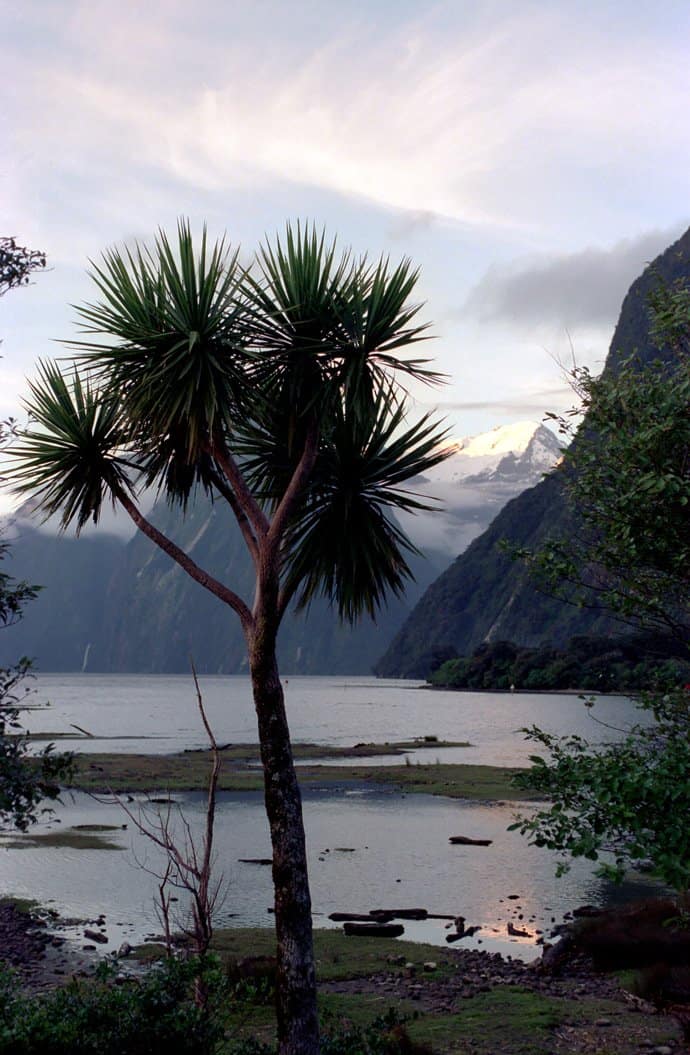
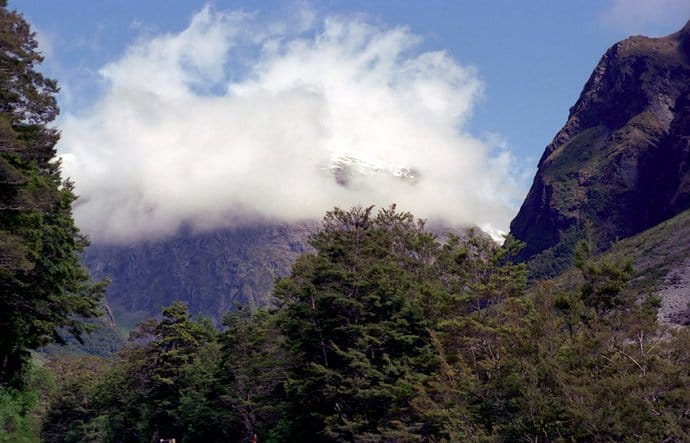
The Milford Sound adventure begins on the 120 km long way there. Numerous stations invite you to linger. As a precaution, we stocked up on mosquito spray beforehand. This should also be absolutely necessary. We are impressed by the beauty and seclusion of this landscape. It reminds us a little of the fjords in Norway. The difference is the subtropical vegetation. The peaks of the highest mountains in the distance are covered in snow.

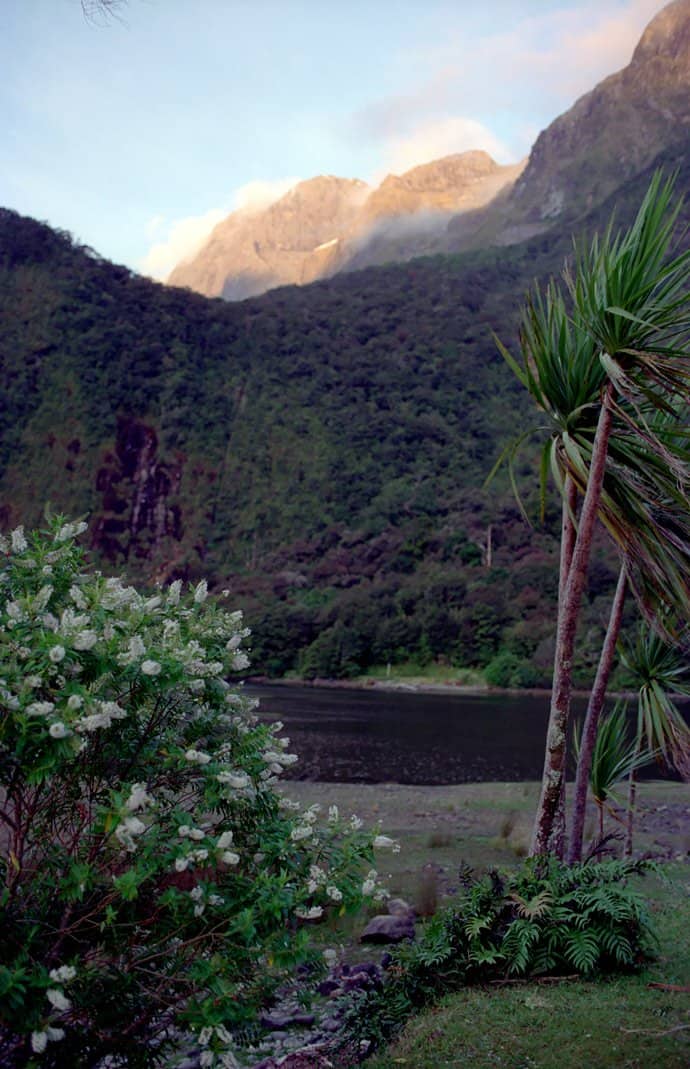
At nightfall, we enjoy the spectacles of nature. The bands of clouds turn reddish and the peaks of the mountains tint in the glow of the setting sun. We park our motorhome directly at Milford Sound, although this is expressly not allowed. But we are lucky, the route is probably not very busy today. So we remain the only guests here and can enjoy the unique landscape.

An unforgettable experience, which is only disturbed by the many mosquitoes from time to time. We now have the peace and quiet to take some beautiful pictures of this landscape. Afterwards we make a small campfire at dusk to scare away the mosquitoes…..and to fry our steaks. We dream at night that we will never have to leave again.

Reality dissolves our dreams with awakening. With snow-capped mountains reflected in crystal-clear lakes, we are called back to “real life”. After breakfast we drive on and find new motifs in the wildly rushing rivers that pour from the glaciers into Milford Sound.

Milford Sound is also a hiker’s paradise. Te Anau, in the heart of Fiordland, is the starting point of the best hiking trails, which are known for their fascinating scenic beauty. The Milford Track is said to be the most beautiful in the world. It is 53.9 km long and can be guided or undertaken independently. The tour lasts 4 days.

On our trip we stop at several places in the Milford Sound to take pictures or simply enjoy the landscape. A landmark of the national park are its numerous, mighty waterfalls, of which the 145m high Bowen Falls are probably the most famous. We observe dolphins, penguins and seals up close in their natural environment. Nature still seems to have its balance here, will it still have that in 10 or 20 years, when tens of thousands of tourists in buses invade here? We will see if nature has a chance to defend itself against its exploitation.

Photos New Zealand – Milford Sound

New Zealand - Milford Sound

Questions about the destination New Zealand?

In the New Zealand forum you will get the answers!

10. September 2017 0 comments
0 FacebookTwitterPinterestEmail
Australia
AustraliaGeneral country information

Australia – General info

by Joe OnTour 10. September 2017
written by Joe OnTour

Australia – General information

With an area of 7,682,300 square kilometres, Australia is the sixth largest country in the world and thus 21 times the size of Germany. It is divided into two climate zones. The northern half (Brisbane – Alice Springs line) represents the tropics, the southern half the temperate climate. Australia has a population of 18 million.

Australia is surrounded by the Indian and Pacific Oceans. It is 350 km away from Asia, 13,000 km from South America. The coastline is 19,700 km long. The average annual income is $23,600 .

Life expectancy is 78 years on average. Colloquial language is English. Australia is becoming more and more a holiday destination for us Europeans. Whereas in the past you could travel up to 36 hours by plane due to the numerous stops, today it is possible to reach Australia in less than 24 hours with modern aircraft. Usually, only one stopover is necessary per route. Australia is a country of stark contrasts with the adventurous interior and the (sub)tropical rainforest on the other.

There are miles of deserted sandy beaches with a pleasantly temperate ocean. The cities are world-class. But there are also the small, dreamy villages, where you can still understand the adventure romance of gold mining and opal hunting.

The national holiday is 26.1.

The time zones from west to east are CET + 7 hours, 8 1/2, 9 hours.
Currency
The currency is the Australian dollar ($A or AUD) = 100 cents.
Politics
The states of Australia are New South Wales, Queensland, South Australia, Western Australia, Northern Territory, Victoria, Tasmania and the Capital Territory.
Population
Of Australia’s approximately 18 million inhabitants, most live in coastal areas or large cities. The inhabitants come from many different countries.

The indigenous people are the Aborigines, who represent a minority on the continent with about 220,000 people. They live mainly in the north of the country and are still partly housed in reserves.

The majority are whites, of which about 85% are of British origin. The remaining inhabitants come mainly from other European countries. Recently, the proportion of Asians has continued to increase to 8%. More than 2/3 of the continent is extremely sparsely populated. Well over 90% of the entire population lives in the SE of Australia. The majority of them live in the big cities.

Australia – Climate

Tropical zone
The tropical zone is the closest zone to the equator and extends to the Tropic of Capricorn. Hot and humid temperatures with monsoon-like rainfall are present in summer. Uniformly warm temperatures, on the other hand, in winter.

A distinction is made between the wet season (November-April) and the dry season (May-October). In the rainy season, heavy rainfall prevails, which causes the rivers to overflow. This leads to large-scale flooding. In addition, large cyclones often form. Many roads often become impassable during this time. The Australians then speak of so-called floodways, which are created. In the process, entire cities are cut off from the outside world.

On the coasts in the north of the country, the temperatures seem more bearable due to the south-east trade winds than in the humid interior.

Subtropics
The subtropics are located in a narrow area along the coastal areas of Queensland and Western Australia. The temperatures here are more pleasant, but the tropical influence with its humid and hot climate all year round can still be felt.
Continental climate
The continental climate is found in the middle of the continent. In the summer months, it is extremely hot during the day. The winters are warm, although the nights are sometimes frosty. Rain is very rare inland. When it rains, it is short and heavy. Rivers then swell quickly and meters high, entire land masses are washed away. However, the rainwater seeps away as quickly as it came. Then fresh plants sprout from the moist soil everywhere. The roads and slopes are then hardly passable.

Temperate zone
Most of the population lives in the south of the country. This is probably also directly related to the more pleasant temperatures. In the south, hot summers and mild winters predominate. Often a fresh wind blows from Antarctic regions in the evening, the “Southerly Buster” in Sydney or the “Fremantle Doctor” in Perth.

Australia – Fauna

Due to Australia’s isolated location, some endemic archetypes of fauna have been preserved. There are many rare animals in Australia.

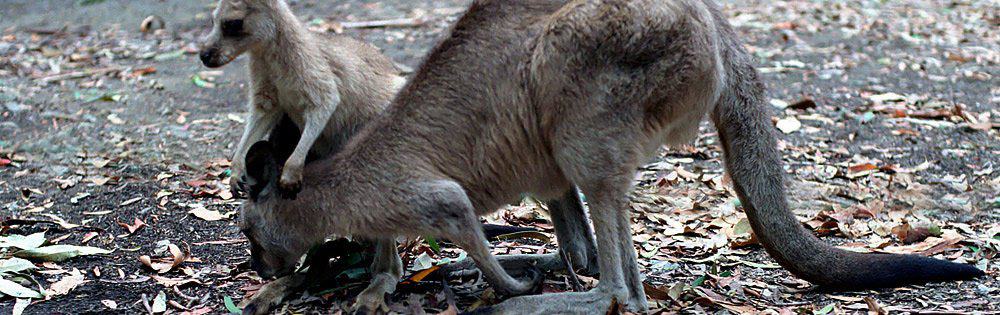
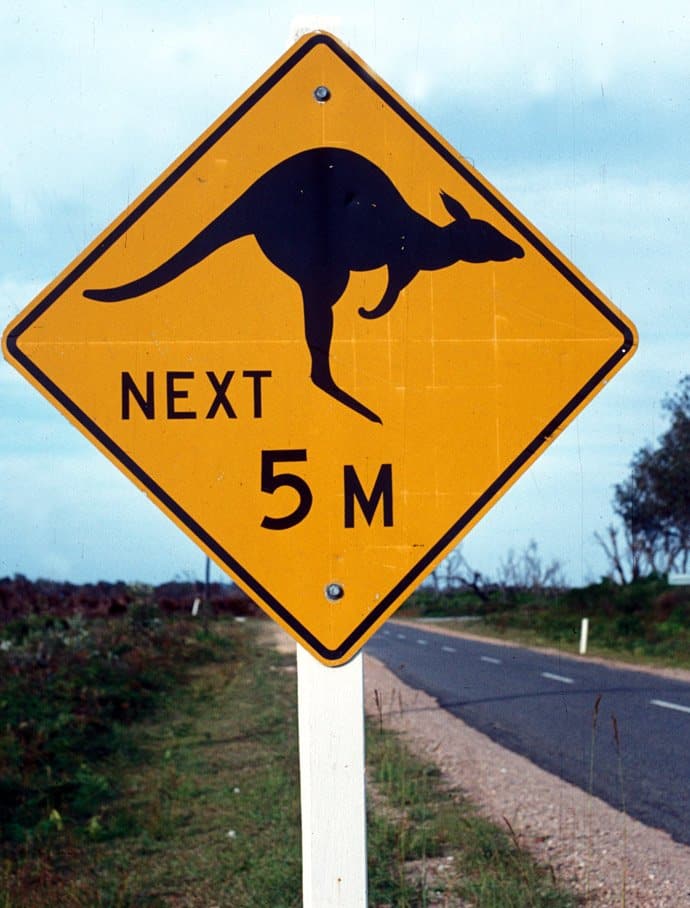
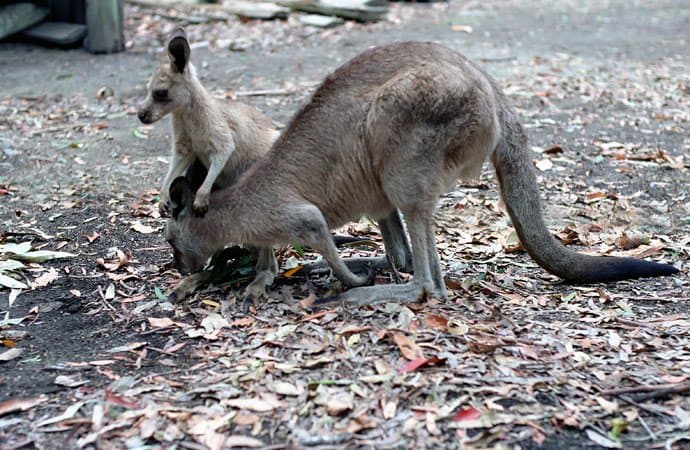
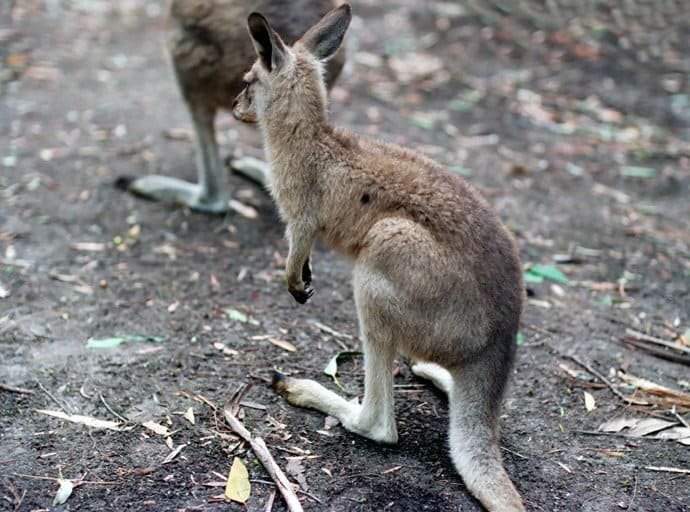
The most famous animals are the kangaroos (called “Roos” for short). There are 45 species of these. They belong to the genus of marsupials. The kangaroo species of different sizes have adapted optimally to the most adverse living conditions. In all species, the young animals are born as embryos. The 3-8 cm tall young are born incompletely developed and are fed on a teat in the mother’s breast pouch for eight months. The kangaroo is the heraldic animal on the flag of the Commonwealth, along with the emu. The smallest kangaroos are the kangaroo rats with only about 23 cm in size. The largest are the “Red Giant Kangaroos”. They grow up to 2 m tall and can jump up to 10 m. The Wallabies are an independent group. They reach a size of 45 cm to 1.20 m. Then there are the tree kangaroos that live in trees. The kangaroos are best observed in the wild at dawn and dusk. It is not uncommon for them to be seen at campsites in national parks.

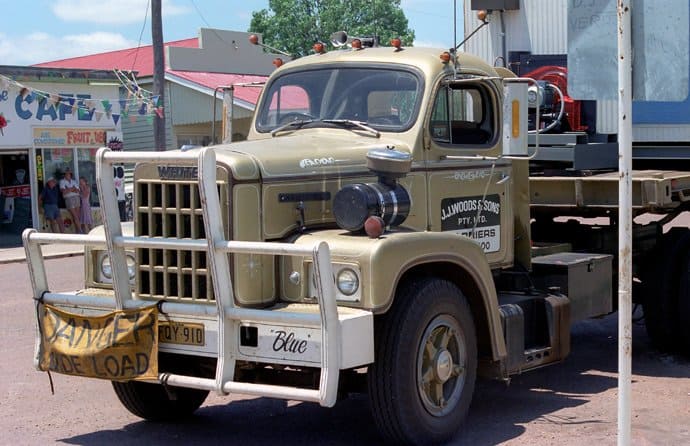
You should be careful when driving at night outside of cities, as kangaroos are attracted to the light of the headlights and often end up in the radiator of the car. The same applies to grazing cattle. The Aussies therefore have so-called roo bars or bill bars on their wagons as additional ram protection.

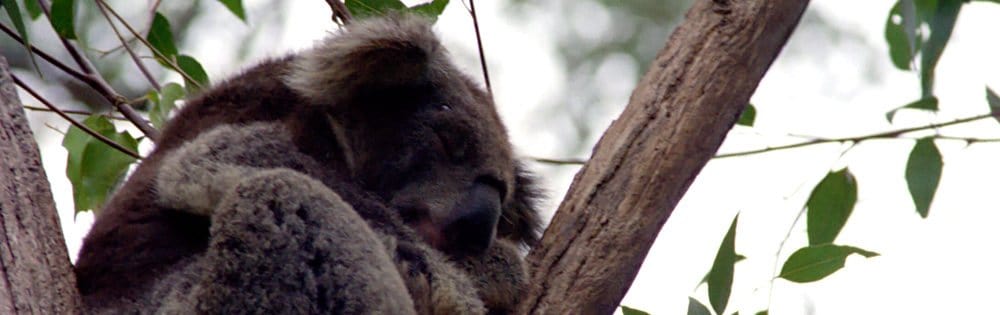
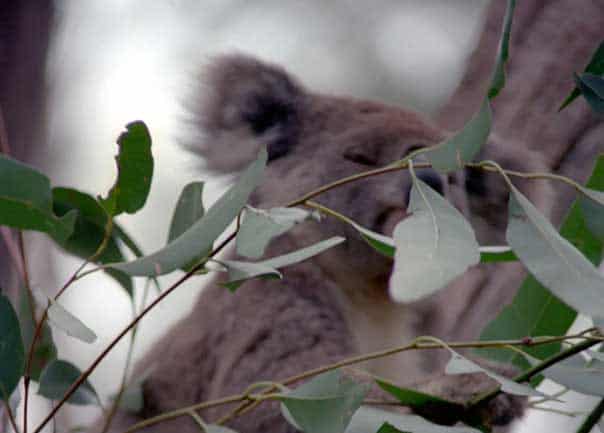
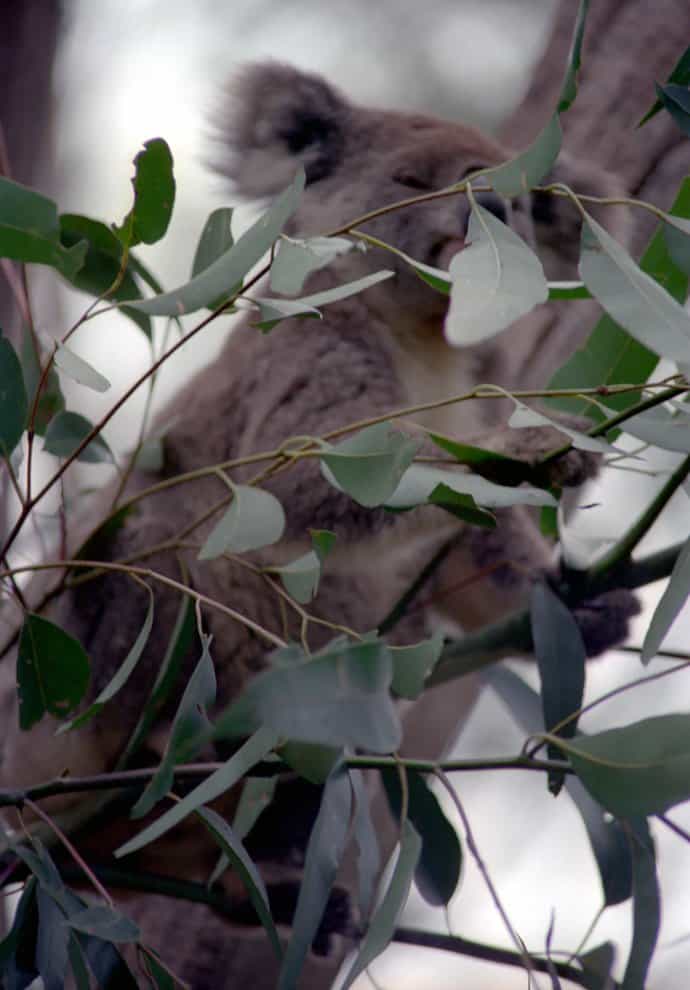
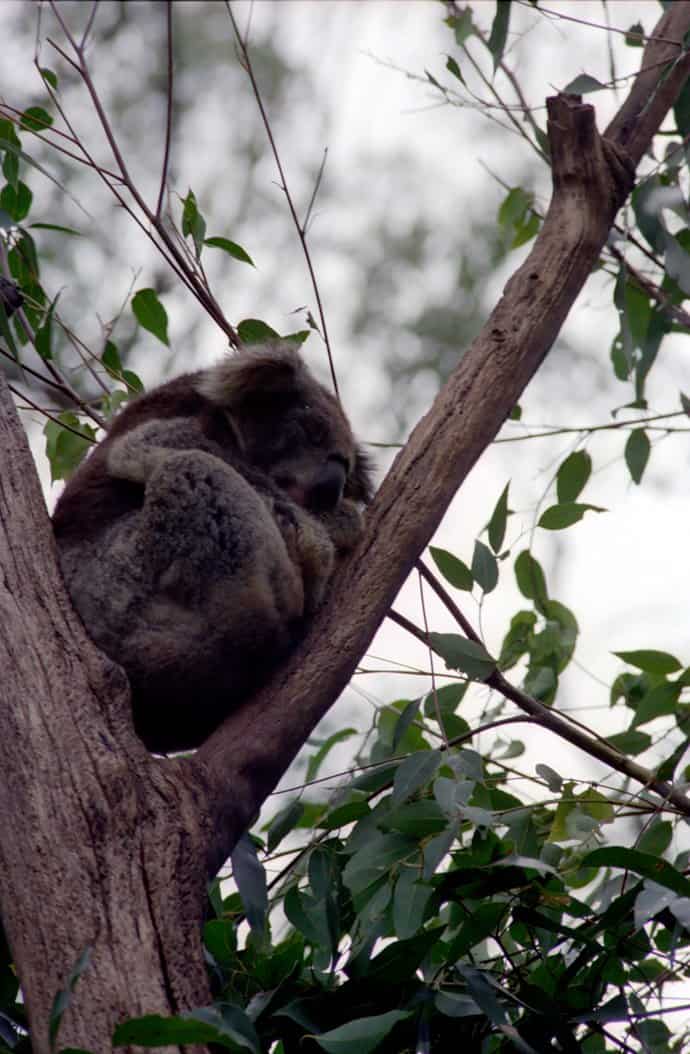
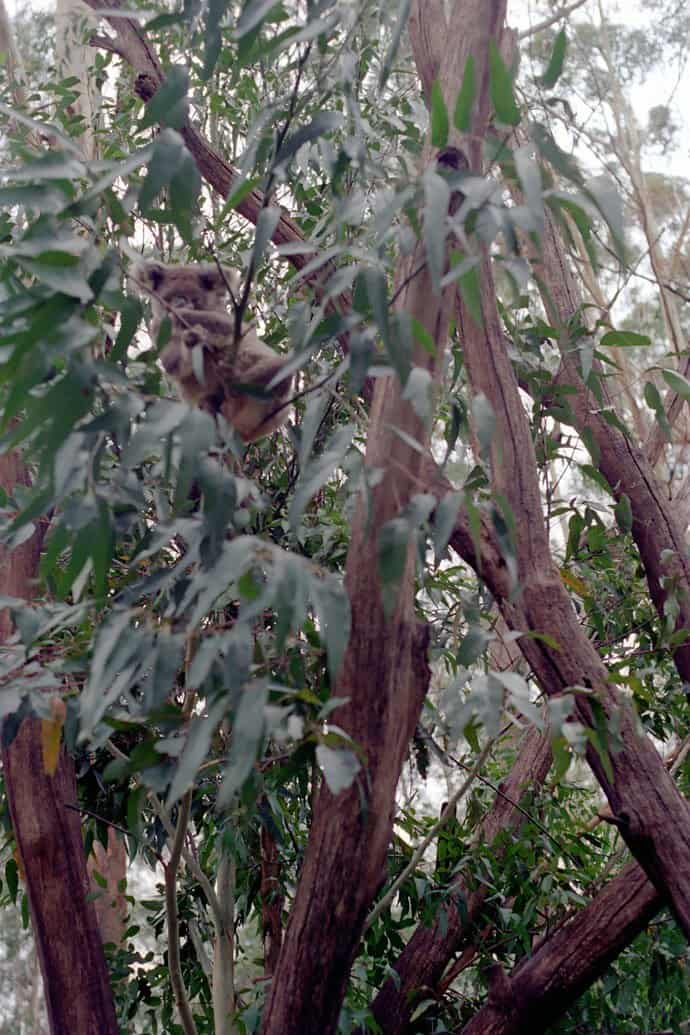
Despite its appearance, the koala is not a bear, but a marsupial. It is one of Australia’s best-known and most popular animals. The word “koala” comes from the Aborigines and means “no water”. Koalas drink very little water and doze in the eucalyptus trees for most of the day. The eucalyptus leaves are the preferred source of food. They are said to have a narcotic effect. Koalas rarely leave the trees. Their claws make them good climbers. The number of animals up to 60 cm in size is said to be around 308,000 animals.

Around half of the koalas are infected with the infectious disease chlamydia. They can cause the animals to go blind or become infertile. The “national mascot” koala is also suffering from the decline of its natural habitat.

The wombat is also a marsupial. The animals living in Western Australia grow up to 1 m long and are not welcome by farmers because of their burrowing work.

The Tasmanian devil, also a marsupial, is a carnivore. He looks like a little black dog.

Possums (also opossums) are small marsupials that live mainly and in many species on trees. Because of their strong reproduction and herbivorous lust, they are extremely unpopular.

Other small marsupials, such as the nocturnal numbat, are hardly found in the wild. Like many other small animals (insects, lizards), they are threatened with extinction because they often fall victim to introduced animal species such as cats and foxes.

The flightless emu, Australia’s second heraldic animal, resembles the African ostrich. The fast-running emus grow up to 1.60 m tall and live mainly in the dry savannahs of Australia. The male takes over the rearing of the young.

The platypus is unique in the animal world. The very shy animals are found in rivers and lakes in eastern Australia, on Tasmania and on Kangoroo Island. Characteristics are the duck-like beak, the claws with webbed feet and the seal-like fur.

The Australian greyhound is the dingo. It was probably introduced to Australia by the indigenous people. He cannot bark and is usually shy. Sometimes you can watch him at campsites rummaging through waste. The dingo does not occur in New South Wales and southern South Australia due to the dingo fence. The fence with a length of 9,600 km is intended to protect sheep farming in the south.

Reptiles found in Australia include two species of crocodiles, the smaller of which, the Australian crocodile, lives in the fresh waters of the interior. The larger saltwater crocodile is at home in the swamps and estuaries on the north coast and can reach a length of up to six meters. It can be dangerous for humans. Other numerous lizard species include geckos, skinks, agamas and monitor lizards, including the giant monitor lizard. Furthermore, the Australian fauna includes 100 species of venomous snakes, the most dangerous of which are the taipan, native to the north of the country, and the death otters. The tiger otter, the copperhead and the black viper are other poisonous snakes.

The colourful Australian birdlife is unique. One of the most famous birds is the kookaburra. With its typical sounds, it remains in the memory of the visitor for a long time.

The lyrebird, a ratite, is known to be a good voice imitator. There are over 300 species of parrots that populate the trees in large flocks and in all colors even in the cities. The most common species are budgies and cockatoos. The black cockatoo is rather rare. However, with a little luck, it can also be observed in the wild. Not to forget the large number of water birds, pelicans and swans in the coastal regions. Inland, numerous birds of prey such as buzzards, falcons and eagles can be found.

Particularly noteworthy is the fantastic underwater world of Australia. On diving and snorkeling safaris on the Great Barrier Reef and on the Ningallo Reef (Western Australia) you can get an impression of the enormous biodiversity of fish. The most well-known freshwater and edible fish is the baramundi, a perch that occurs in several species. Some whale species are native to the southern waters, and seal colonies occur on the Bass Strait islands and in Tasmania. Edible fish and shellfish exist in large populations. It is also home to about 70 species of sharks. Lungfish, sometimes referred to as a “living fossil,” breathe through a lung, rather than through gills like other fish. Penguins and seals live on the coasts of Victoria, South Australia and Tasmania. There is also a variety of species of insects, spiders and earthworms in the field of invertebrates. Most insect species from this evolutionary period are found in Australia and include flies, beetles, butterflies, bees and ants.

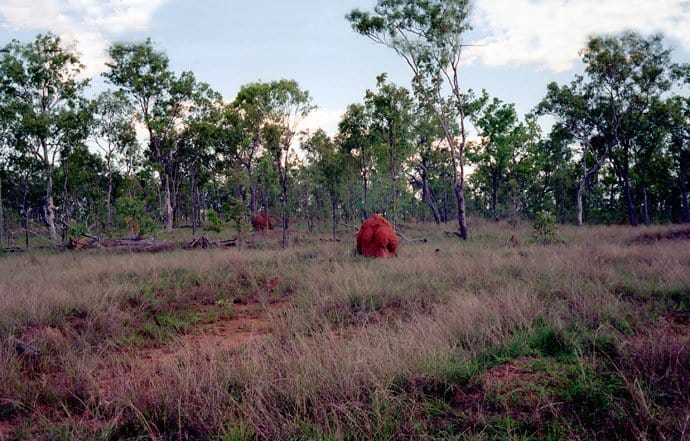
The giant termites in the north of Australia build huge termite mounds that reach a height of up to six meters. Earthworms occur in great diversity; the giant worms in Victoria are particularly striking.

Many Australian spider species are poisonous, including the well-known funnel-web spiders and red-backed spiders.

Australia – Flora

On the Australian continent you will find its own distinct vegetation with about 20,000 different plant species. More than 90 percent of the plant species found here are endemic (occur only here).

In the tropical north you will find extensive rainforests with lianas and ferns.

Mangroves grow in the coastal area of Australia. The swamps are the habitat of countless plant species. The special features of the rainforest also include a wide variety of orchid species.

Large eucalyptus forests are particularly common. There are far more than 400 species of the eucalyptus tree (Gumtree). One of the hardest woods in the world is the Jarrah eucalyptus in Western Australia. Other species, such as the Swamp Gum in Tasmania, grow up to 80 m high. The tallest trees in the world are the Karri eucalyptus in the southwest and the Mountain Ash Tree in the southeast with heights of over 100 m.

In the dried-up riverbeds inland, the River Red Gum is often found. Of particular note are the extensive eucalyptus forests of the Blue Mountains in the Sydney hinterland. The blue fumes that the trees emit have given them their name. Eucalyptus leaves are also used as medicinal plants. The Desert Oak is able to store water for a very long time. The tree usually leaves its branches hanging, only after rainfall does it open.

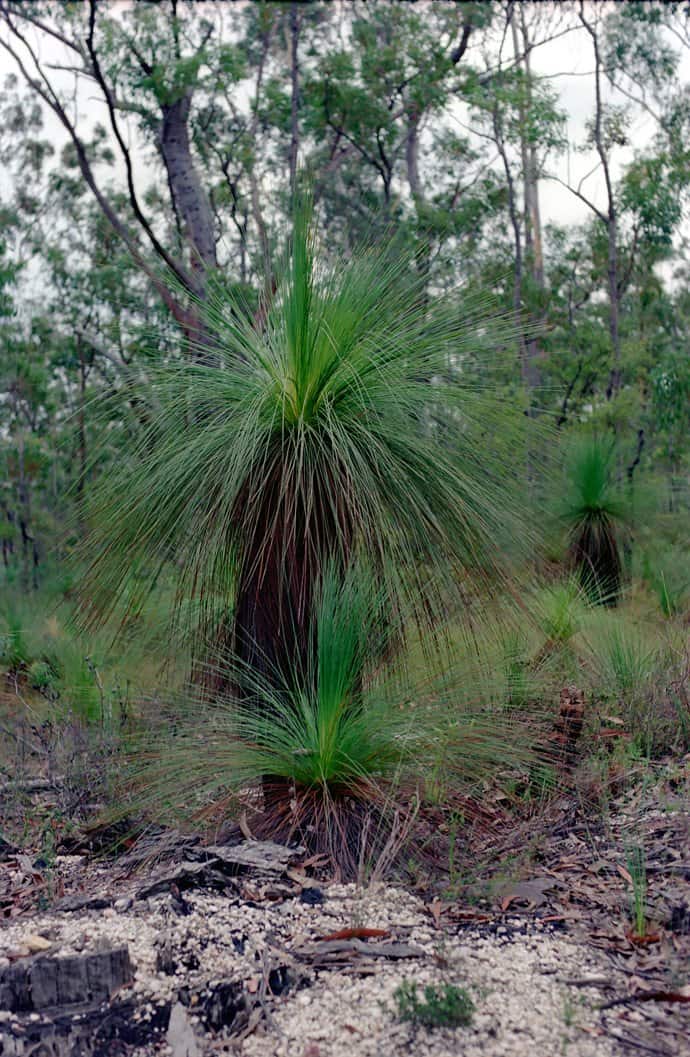
The Grass Tree, like the eucalyptus, is found throughout Australia. Its top consists of a large tuft, from the middle of which light reed leaves grow during the flowering period. The tropical zone falls within the monsoon climate range and is heavily forested.

Rainforests are found on the northeastern coast of Queensland. Palms, ferns and vines thrive in large numbers between the deciduous trees. Mangrove forests stretch along the mud holes and inlets of the low northern coastline. Plants such as the purple Telopea, the red-gold Banksie and the scarlet Firewheel trees can be found here. Inland, the savannah landscape dominates with low-growing trees.

In the temperate zone, hardwood trees dominate. It has mallee scrubs and other scrub species, shrub-shaped sand heather.

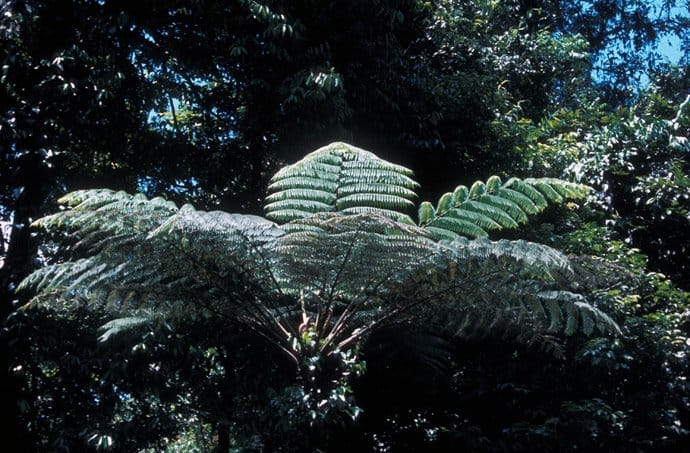
Alpine vegetation is found in the Australian Alps and the mountainous landscapes of Tasmania. Along the east coast up to and including Tasmania there are stands of pines and conifers. After eucalypts, pines are in second place because of their economic importance. In the wooded areas of the warm and well-irrigated southeastern and southwestern areas, eucalyptus predominates, of which there are over 500 species and can reach a height of over 90 meters. In the undergrowth of the eucalyptus trees of the southeast, acacia and tree ferns thrive.

In the dry zone (scrub land, bush), only specially adapted plants thrive. In the less dense regions inland, red and green kangaroo paws, boroniums, wax flowers, bottle trees, lamp cleaner trees and smaller eucalyptus species thrive. Acacia trees come in around 900 different species. The Golden Acacia is the national floral symbol of Australia and appears on the country’s coat of arms. In the dry interior of the country, the mulga bush is found. Deserts in the sense of pure sand deserts are hardly found, mostly vegetation is present.

The Spinifix grass is widespread in the interior. It grows practically everywhere. The spread of the prickly cactus was a problem for a long time, as it made many areas practically inaccessible. In addition to the native flora, there are about 2,000 subsequently introduced plant species in Australia.

Australia – History

About 50,000 years before Christ, the immigration of the Australian aborigines from Southeast Asia began over land bridges that still existed at that time, over the Indonesian Islands and New Guinea. The sea level was much lower before the end of the Ice Age about 12000 years ago, New Guinea and Tasmania belonged to the Australian mainland at this time.

About 30,000 years before Christ, the first settlements of the indigenous people were established in Australia.

About 10,000 years before Christ, Tasmania broke away from the continent. Pedro Fernandez de Quiros landed in the New Hebrides in 1606 and called it ‘Terra Australis’. Spanish explorer Luis Vaez de Torres sails through the strait between New Guinea and Australia (Torres Strait) and discovers that New Guinea is not part of the legendary unknown southland.

In the same year, the Dutchman Willem Jansz sailed on the coast of Western Australia in 1616, near Shark Bay (Dirk Hartog Island).

In 1642, Abel Janszoon Tasman discovered the southern tip of Tasmania (until 1856 Van Diemen’s Land) and the South Island of New Zealand.

Willem de Vlamingh, the last of the Dutch navigators so important for the history of discovery, explored Rottnest Island (off Perth/WA) and the Swan River in the southwest in 1696.

William Dampier explores the northwest coast in 1699 and discovers the islands of the Dampier Archipelago.

In 1768, Chevalier Antoine de Bougainville was prevented by the Great Barrier Reef from claiming the east coast for France.
In 1769, James Cook discovered the North Island of New Zealand on his first trip around the world and circled both islands. Cook explores the east coast of ‘New Holland’ in 1770 and anchors in Botany Bay. In the Great Barrier Reef north of Cairns, the “Endeavour” runs aground on a reef and needs to be repaired (Cooktown). On Possesion Island, he took possession of the eastern part of the continent for the British King George III and returned to London via the Torres Strait via Batavia (now Jakarta).

On 18 January 1788 the “First Fleet” landed in Botany Bay. 11 ships under the command of Captain Arthur Phillip with 1030 people, including 736 convicts, reach Australia after an eight-month voyage. He considered Botany Bay to be an unfavorable place and sailed north to Port Jackson, which Cook had marked on the maps but had not explored closely. Phillip found one of the best natural harbours in the world here.
On 26 January, the date on which Australia Day is celebrated today, the first permanent European settlement was established in the far inland part of Port Jackson in Australia and was named Sydney after the British Home Secretary, Lord Sydney, who was responsible for the colonisation plans.

The French captain Galaup de la Perouse reaches Botany Bay six days after the “First Fleet”, but on the way home the ship and crew are lost.
Bruni D’Entrecasteaux explores the south coast of Tasmania, the Dervent River and the channel between Bruny Island and the main island in 1792.
The first free settlers arrive.

In 1798, Goerge Bass and Matthew Flinders sail around Tasmania, which had previously been thought to be the southern tip of the continent. They discovered the Tamar River and explore the Bass Strait between Tasmania and Victoria.

Matthew Flinders sailed around the entire continent of Australia in 1802, meeting his French rival Thomas Nicolas Baudin (off Adelaide). On his way home, Flinders was arrested in Mauritius and held in French custody for seven years. In 1804, Hobart (Tasmania) was founded on the Derwent River near Sullivan Cove by David Collins.

In 1820, Sydney had about 26,000 inhabitants, 10,000 of whom were convicts. During this time, the “squatter period” begins. In the wake of researchers, pioneers penetrate the hinterland, which has not yet been cleared for settlement, occupy it without allocation and begin to breed livestock. It was not until much later that the “squatters” were legally recognized as landowners by the colonial administration.

Fremantle takes possession of Western Australia for Great Britain in 1829. Perth is founded. In 1831, the proclamation of the colony of Western Australia takes place.

In 1836, South Australia was established as a colony.

Australia – Food and Drink

The days when most of Australia lived on steaks and pies are now over. Immigrants from all parts of the world have enormously enriched the range of dishes.

Especially in the larger cities, many first-class restaurants and cafés can be found. However, pies and hamburgers have not disappeared from the menu. In the café, breakfast options range from English breakfasts with scrambled eggs, ham, hashbrowns (grated fried potatoes) and toast to muesli and excellent croissants, cappuccini and espressos.

For the main meals, the dinner (also called “tea”), there are different flavors. Take-aways (as in America) are varied in their offer.

However, the barbecue (BBQ for short) is indispensable for the Aussies. This is a real cult. All meat dishes (beef, pork and lamb) are good and extremely cheap. The dishes made of kangaroo and emu meat that are specially offered in Australia are almost fat-free and very tasty. The meat is somewhat reminiscent of our local game meat. Australians also eat crocodile meat, which is compared to chicken or pork in taste.
Restaurants
Restaurants without a so-called “alcohol license” can be recognized by the fact that they are labeled “BYO” (“Bring your own”). If the door says “BYO and licensed”, the guest can consume drinks they have brought with them as well as use the in-house drinks. For a small fee (corkage), guests are also provided with glasses for alcoholic beverages.
Seafood
Particularly noteworthy is the variety of fish and seafood on the coasts of Australia. Particularly noteworthy here are:

Cray fish, Blue Swimmer Crabs, King Prawns, Balmain Bugs, Yabbies, Mudcrabs, Sydney Rock Oysters, Tasmanian Oysters and Scallops. Barramundi is particularly appreciated as a food fish. The salmon from Tasmania is also a delecat esse.
Beer
Australia is known as a beer-drinking nation. No wonder, because in the hot climate, the cool hop juice tastes particularly delicious. The selection of beers is huge. Each state has its own types of beer. Queenslanders like to drink the varieties “Fourex” (XXXX) and Powers, while Western Australians like to drink “Swan”, Victorians prefer “VB”. In New South Wales, people drink “Tooheys”. There are also the beers offered by smaller local breweries, such as Cascade in Tasmania and Redback in Western Australia.
Wines
Australian wines have been in increasing demand lately. The preferred grape varieties among the white wines are Chardonnay, Semillon and Sauvignon Blanc. In addition, there is the widely used Rhine Riesling.

When it comes to red wines, Shiraz is the first choice. But the varieties Cabernet, Sauvignon, Grenache, Pinot Noir and Merlot also thrive. There are over 600 wineries in Australia, especially in the areas of Western Australia, Victoria and Tasmania.
The bush food
Typical for Australia is the “Bush Tucker”, a traditional food of the Australian aborigines. “Bush eating” includes everything that thrives wild in nature or can also be hunted and collected. These include snakes, goannas and possums. The nuts of the pandanus palm as well as fruits and bush tomatoes can also be mentioned here.

Australia – Accommodation

Hotels
Hotels in Australia are usually found in central locations in the big cities and holiday areas. All categories are present. From cheap dormitories to luxury accommodation, everything is available here. Caution is advised with the given stars, as the classification is often self-assigned and rarely meets the European standard. The network of hotels is dense in Australia, but rather narrow in the outback.

In Australia, the term hotel is only associated with the license to serve alcohol. In the countryside, the small hotels sometimes actually give their two to three rooms to travelers. If dust is clearly visible on the duvet, you shouldn’t be surprised. You may be the first guest in years.
Motels
Motels can be found everywhere on the arterial roads of larger cities. In the outbacks they are rather less to be found. Well-known chains such as Best Western and Flag Choice Hotels offer hotel voucher systems – also through tour operators in Europe. Cheaper chains of “(low) budget motels” are e.g. Golden Chain Motor Inns, Budget Motel, Sundowner Motor Inns or Metro Inns. Their facilities are simpler (swimming pool rare), there is less service (room service is sometimes non-existent) or they are a bit off the beaten track. They are also not as widespread and are usually limited to certain regions.

Apartments

Anyone who has to spend more than a few days in a foreign city particularly appreciates an environment tailored to their personal needs. “Serviced Apartments” is the name of the solution for all those who do not want to do without the independence and individuality of their own apartment or the service and comfort of a hotel.

Resort / Holiday Resorts
Resorts and holiday resorts can be found in areas of particular tourist interest, especially in Queensland along the coast and on the islands.

Bed & Breakfast
In AUSTRALIEN-INFO.DE you will find a very detailed special page for planning a bed and breakfast holiday.

Farm & Homestays
Accommodation on the farms and fruit farms comparable to a farm holiday in Europe. The advantage is the integration into the host family. Accommodations vary from simple to luxurious. In Australia in slightly different dimensions than in Europe. The large cattle and sheep farms in the outback are usually happy to have contact with the stranger and offer the traveller a direct insight into the everyday life of Australian country life in addition to accommodation.

Cabins & On-Site-Vans
These are small holiday homes that are located on campsites or with private landlords. Especially for tent travelers, they are an alternative in the cooler winter months in the south or during the rainy season in the north.

Youth Hostels
These are spread all over the country, both in cities and in the countryside.

Backpacker Hostels
Backpacker guesthouses are simple guesthouses in a private style. Also suitable for longer stays, usually with a very lively atmosphere. Since the owners sometimes change quickly, you should not rely on tips from two or three years ago. It is highly recommended to use up-to-date information here – for example, from a more recent edition of a travel guide.

Campsites
The campsites are usually equipped with a laundry room (washing machine / dryer) and cooking facilities as well as a lounge and TV room. In some cases, disposal facilities for chemical toilets are also available. They often have swimming pools and tennis courts.

Free or wild camping
Free camping is allowed as long as you do not spend the night on private property. However, the ranchers and owners are usually willing to allow camping on their property by arrangement, you just have to make contact. For us, this was an excellent opportunity to get in touch with the local population. Bush campsites are rest areas that are specially designed for overnight stays in tents and motorhomes. They are particularly suitable for nature-oriented travellers. Campsites can be found all over the country, but mainly in the national parks.

Basics
You can find accommodation in Australia almost always and everywhere, if you are not traveling in the high season in the months of January and February. You can defuse this time by booking in advance. We did make our trip by motorhome and were thus independent of hotel accommodation and the like. However, a combination of both is also a good idea from time to time.

Australia – Aboriginal

The first people to settle on the continent of Australia were the Aborigines (lat. “ab origine” = “from the beginning”). The general terms “Aboriginal” or “Aborigine” come from the Europeans and are not used by the indigenous people.

In Australia, you can find the term “Indigenous People”. The various clans and tribes give themselves names such as “Yolngu” (north), “Murri” (east), “Koori” (southeast), “Nanga” (south), “Nyungar” (southwest), “Wonghi” (west) and many other names.

The Aborigines had discovered the land long before the white man and developed their own language and culture. Their lives were perfectly adapted to the requirements of the country. The social order was well developed and its abilities and knowledge of nature still amaze civilized people today. Just 200 years ago, the existence of this primitive people was unknown to Europeans. The “Terra Australis”, the southern continent, had not yet been discovered. Until this time, Aborigines were able to live undisturbed in harmony with nature and wrap up a complex culture. But after the settlement by the Europeans, the Aborigines were in danger of extinction or complete adaptation, which was pushed by the white man.

With the demise of numerous tribes, much of the Aboriginal culture was lost. In doing so, they also lost their identity and their will to live. Although conditions have improved for the Aborigines today, they are still in a disadvantaged position.
History of the indigenous people
Based on current finds, the scientists assume that the Aborigines came from Asia about 50,000 years ago and immigrated to Australia. During the last cold season, the inhabitants of Southeast Asia spread southwards and settled the Australian mainland. This was possible because the sea level had receded sharply as a result of the Ice Age, leaving only a narrow strait separating the Asian islands from the Australian continent. The abundant food supply of the tropical north and the unspoilt nature of Australia enabled the Aborigines to quickly establish themselves throughout the continent.

When the sea level rose again in the later period as a result of the fading ice age, the Aborigines were isolated in this way. They could then no longer mix with other breeds. The nomadic tribes lived in practical huts or under windscreens made of twigs or bark. Long spears, boomerangs and spear throwers were used for hunting. The women carried a club made of hardwood as a weapon.

The boomerang was used as a hunting weapon or for fighting and also as a tool. There were two types, the returning and the non-returning boomerang (kylie).

The Aborigines lived as hunters and gatherers and roamed the country as wandering nomads. They never developed any kind of sedentariness. Because of the wealth and size of the country, this was not necessary. They found in their country everything they needed to live. Their social organization was developed, but only up to the level of the tribe. Each tribe owned a piece of land, the yield of which was lived. The Aborigines did not know the concept of property.

When the first convict transports of the British arrived and with the subsequent settlement by the “whites” after 1788, the saddest chapter in the long history of the Aborigines began. The settlement by the white man had a devastating influence on the indigenous people. They were hunted and treated as subhumans. Various attempts to resettle the tribes failed because the religious ties to their territories were too strong.

Of the estimated 300,000 Aborigines at the beginning of the 18th century, only about 75,000 remained in 1947. It was not until the middle of the 20th century that Australians began to treat their indigenous people in a more humane way. However, there was no protection or resettlement of the Aborigines living there at that time.

In 1994, the government paid the Aborigines $14 million in compensation for nuclear tests carried out in the desert. However, the contamination of this area and the suffering of the Aborigines caused by it could not be compensated for with money. However, it was a first sign of a change in thinking at the political level as well.

In 1960, the indigenous people were recognized as having civil rights, which also went hand in hand with the right to vote. The Aboriginal Land Rights Act, passed in 1976, returned large tribal territories to the original owners. In 1983, an important sanctuary, Uluru (Ayers Rock), was handed over to them.

However, the self-determination demanded by the indigenous people and promised several times by liberal-minded politicians has not yet been contractually realized.

The livelihoods of the natives remain critical: 60 percent have an annual income of less than $12,000 and 50 percent live mostly on government funds. High unemployment and alcoholism, as well as the reluctance to work in the white man’s economic system, are the biggest problems today.

Australia – Backpacking

A particularly common type of travel in Australia is backpacking. Australia’s popularity as a destination for young tourists from all over the world continues to grow.

The need for cheap, satisfactory hostels is therefore steadily increasing.

This has been taken into account with many new buildings, at least on the east coast of Australia.

The competition for the favor of backpackers is so great that many houses are not only cheap but also state-of-the-art. Of course, you can’t compare a backpacker inn with a hotel, but compared to German youth hostels, they are very luxuriously furnished.

Queensland is home to many sailboat and car rental companies that compete fiercely for the backpacker customer base. It is often advertised with special offers and promotions that can save a lot of money on almost any activity in the metropolises.

A special feature that is not limited to Queensland is the backpacker trail from Sydney to Cooktown.

You can travel from one city to the next and take advantage of the backpacker hostels up or down the coast. This is a particularly cheap and organizationally secure alternative for backpacker travelers in Australia.

AustraliaGeneral country information

Australia – General info

by Joe OnTour 10. September 2017
Australia

Australia – on the road

by Joe OnTour 10. September 2017
Australia

Australia – Impressions

by Joe OnTour 10. September 2017
AustraliaCity trips

Australia – Sydney

by Joe OnTour 10. September 2017
Australia

Australia – New South Wales

by Joe OnTour 10. September 2017
Australia

Australia – Queensland

by Joe OnTour 9. September 2017
Australia

Australia – Cape York

by Joe OnTour 9. September 2017
Australia

Australia – Beaches

by Joe OnTour 9. September 2017
Australia

Australia – Coasts and Islands

by Joe OnTour 9. September 2017
Australia

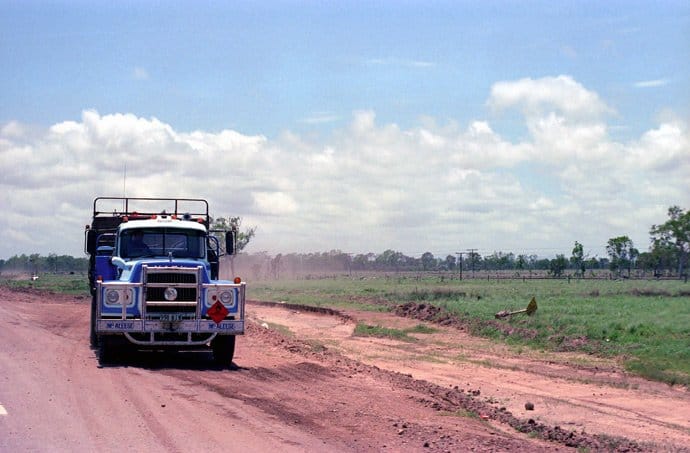
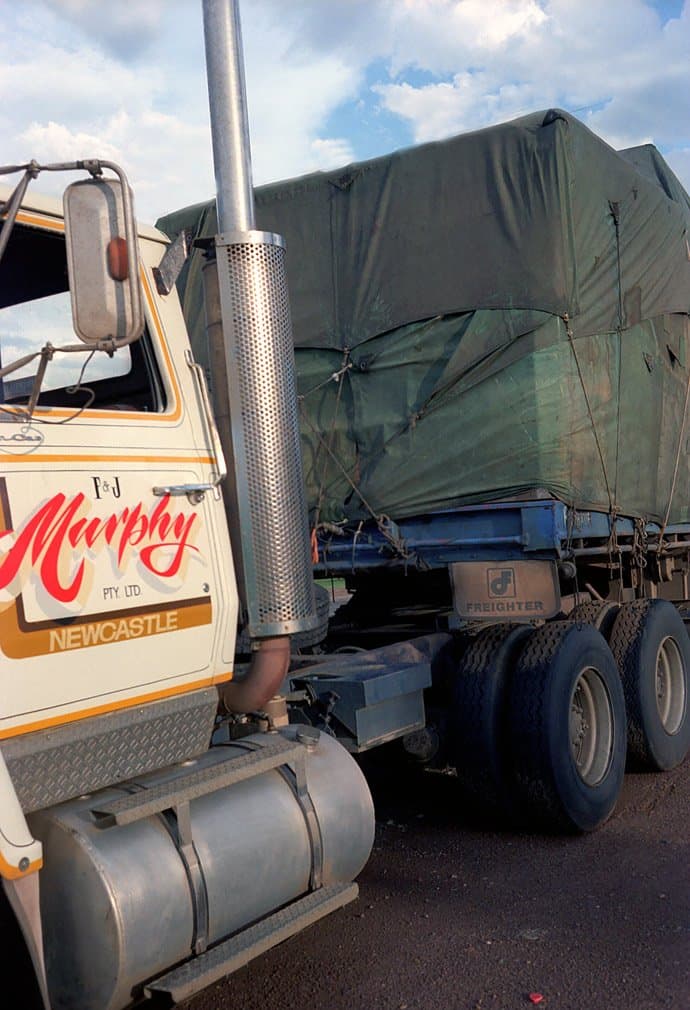
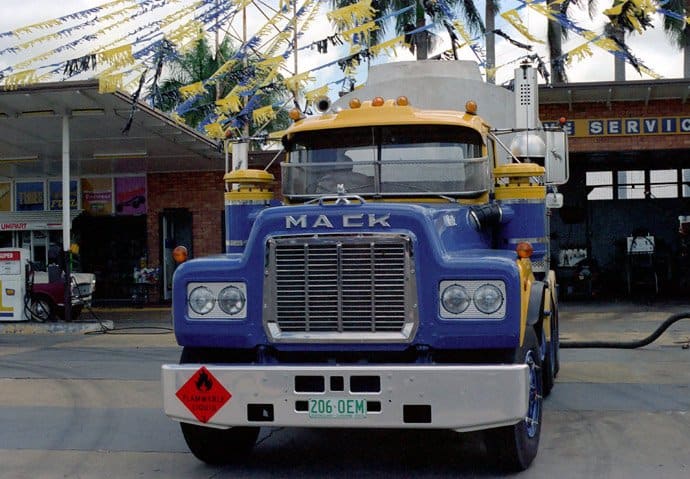
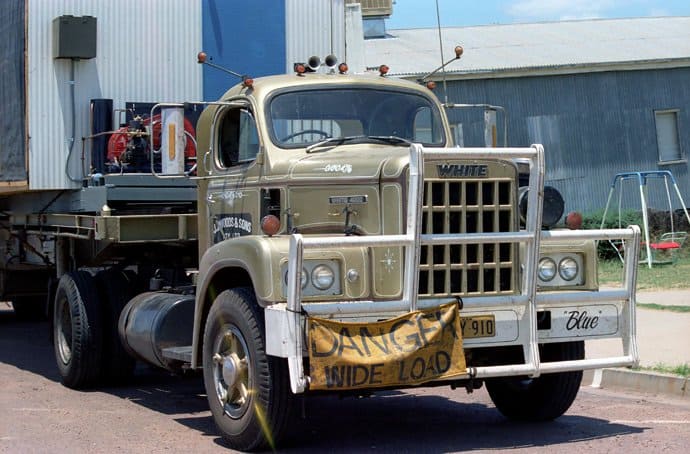
Australia – Trucks

by Joe OnTour 9. September 2017
Australia

Australia – Old Sydney Town

by Joe OnTour 9. September 2017
Australia

Australia – Koalas

by Joe OnTour 9. September 2017
Australia

Australia – Kangaroos

by Joe OnTour 9. September 2017
Australia

Australia – Great Barrier Reef

by Joe OnTour 9. September 2017

Questions about the destination New Zealand?

In the Australia forum you will get the answers!

10. September 2017 0 comments
0 FacebookTwitterPinterestEmail
Australia - on the road
Australia

Australia – on the road

by Joe OnTour 10. September 2017
written by Joe OnTour

Australia – on the road

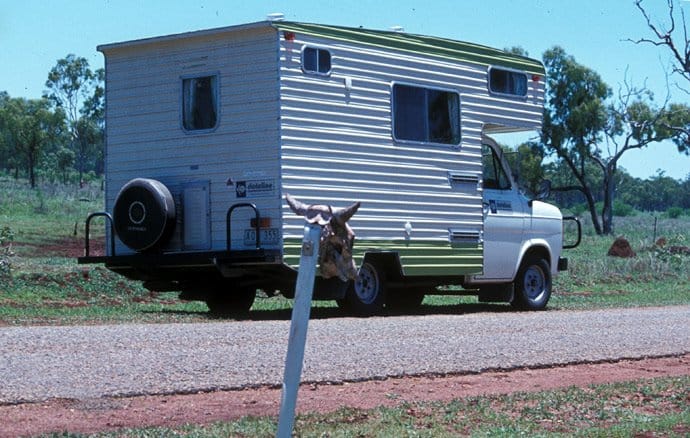
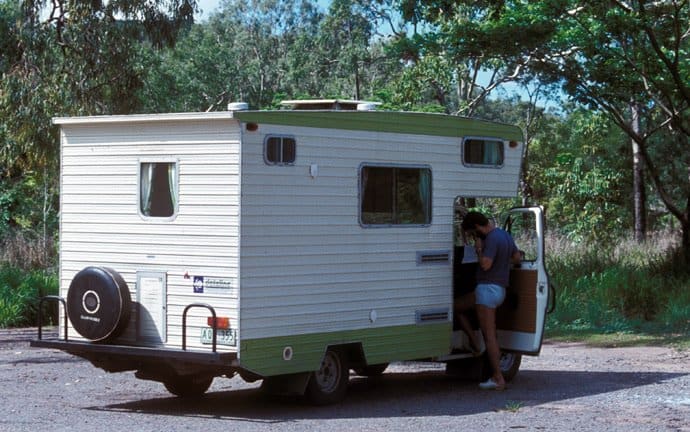
With the caravan on tour on the slopes and gravel paths in the outback. We have put together a few snapshots of our long journey across Australia.

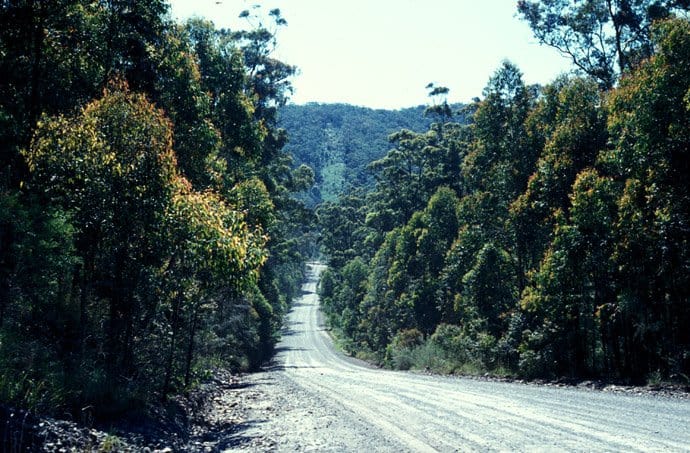
North of Cairns, the roads become dirt roads. Further north, the dirt roads become gravel roads. We have a stone chip grille in front of the windshield, but the drive gets slower and slower, not only because of the danger of broken windows. Sudden potholes, in which the front wheels would disappear completely, remind us to drive slowly.
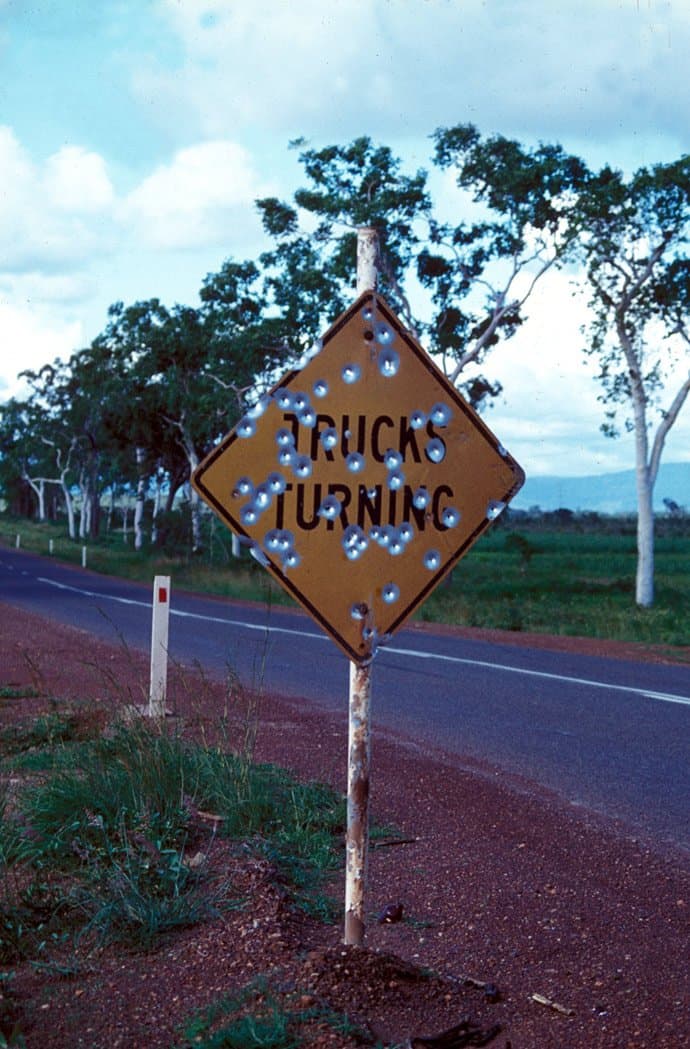
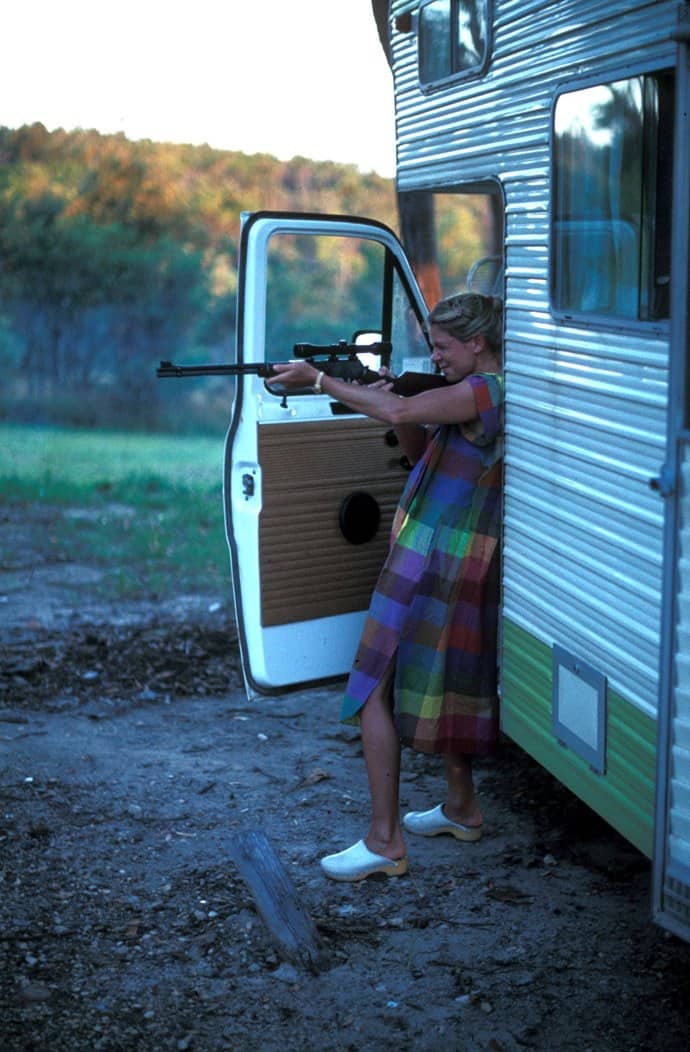
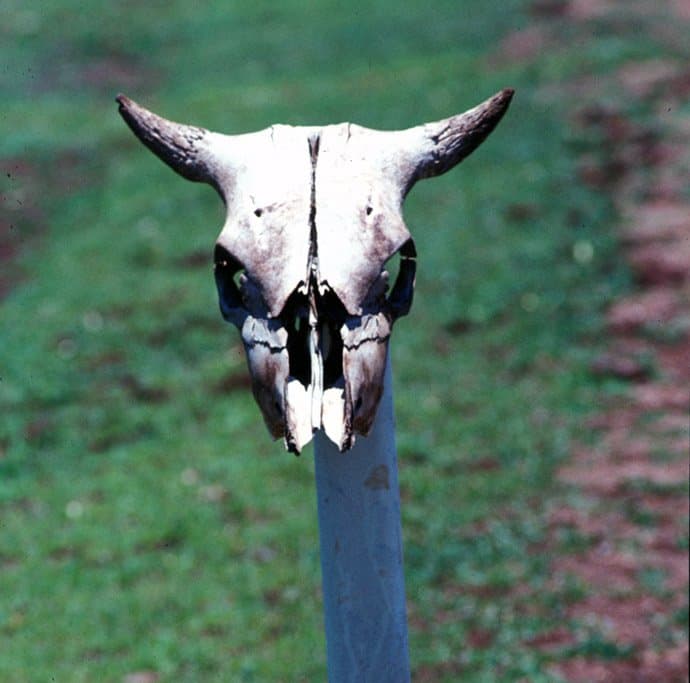
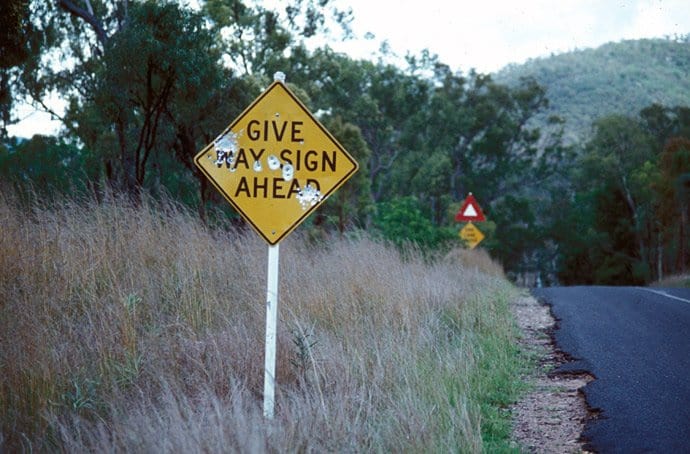
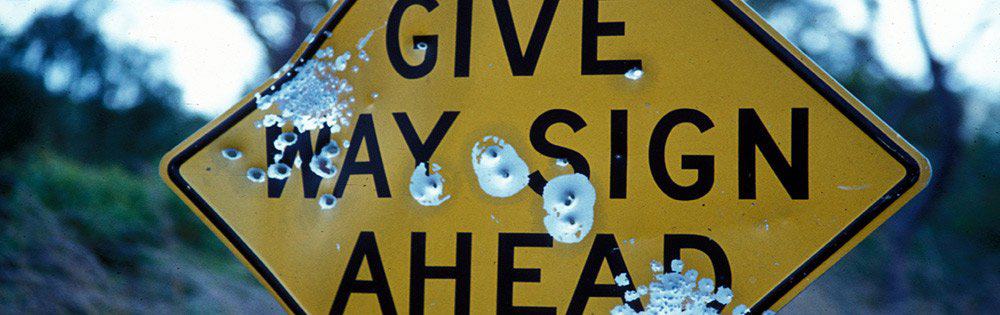
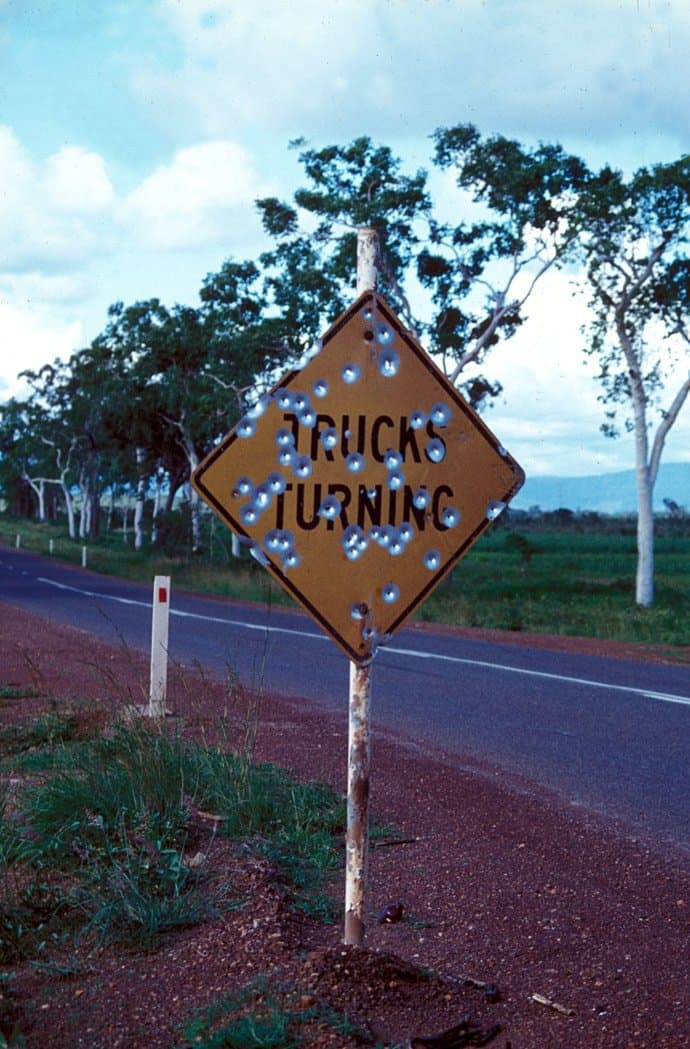
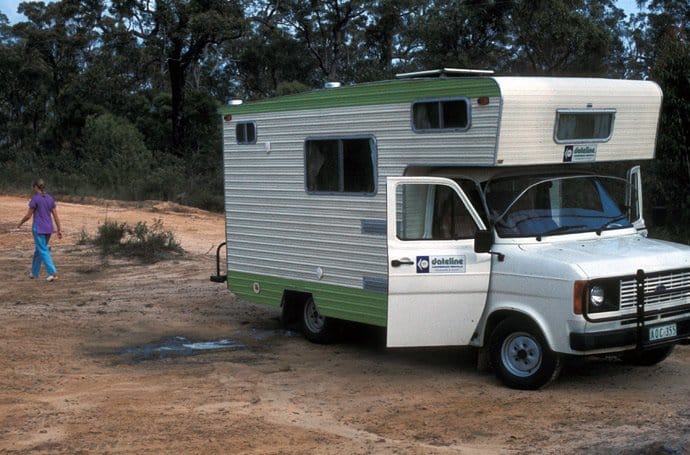
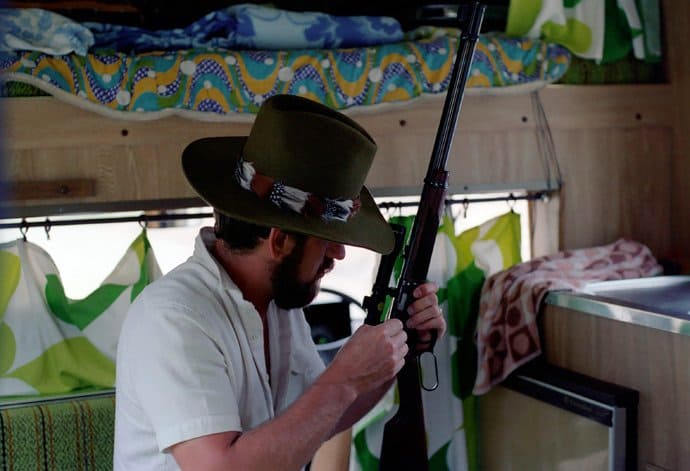
Our hourly average drops to around 30 kmh. In between, we take a break more and more often. Concentration decreases noticeably. In Cairns we bought a small-caliber rifle (22 Magnum). The first shooting exercises on empty beer bottles are a bit meager……. The signs on the roadsides are gnawed by large-caliber weapons of the cowboys. The rangers fly the flag in the rear windows of their pickups. Their rifles are hung across the rear windows. A few days ago we had an unpleasant encounter with some rioting and obviously drunk teenage cowboys at night at a lonely rest area not far from the road. At dusk, they shot wildly with their rifles, just a few meters from our camper. They soon left, but the night was over for us. For camouflage and deterrence, we now also hang our small-caliber (which you can’t see from the outside) rifle in our window. We never had problems of this kind again.
At the roadsides, the carcasses of dead and obviously run over animals are piling up. The further north we travel, the less traffic we encounter. Sometimes we drive for hours without seeing a car or a soul.

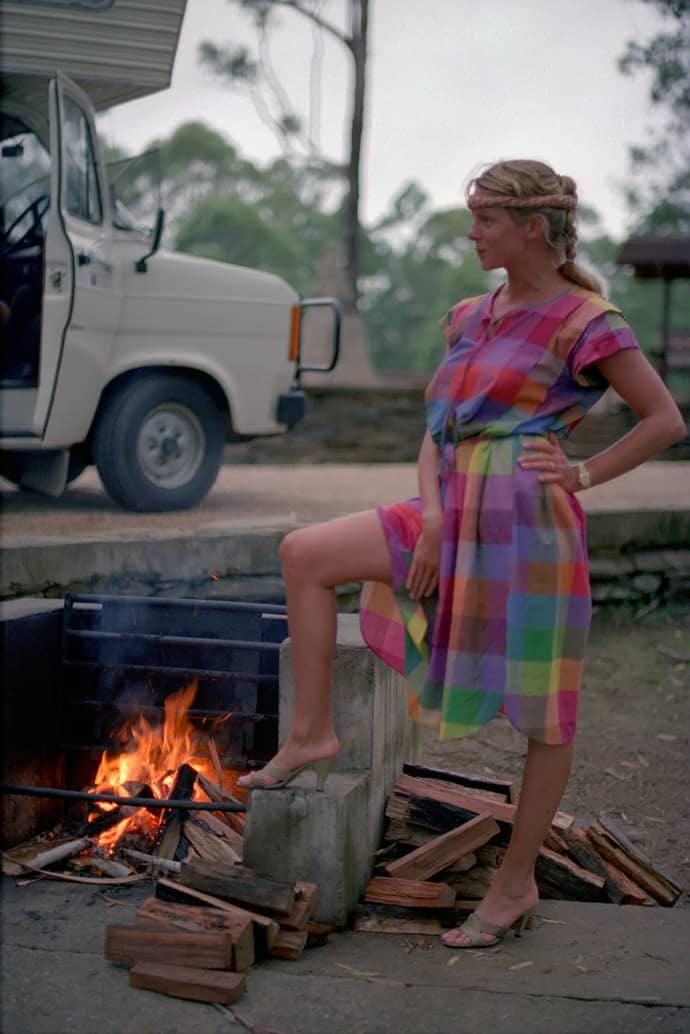
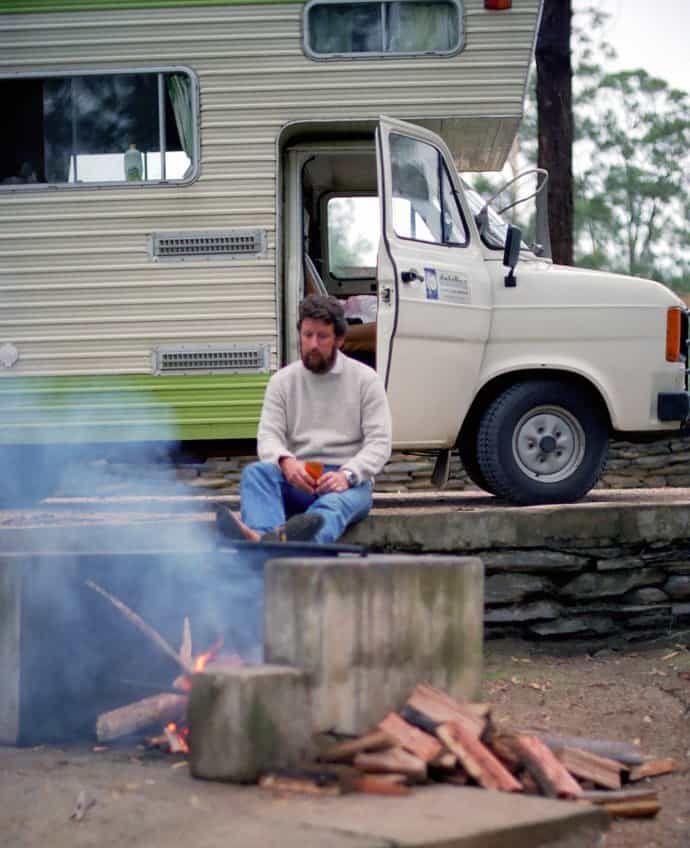
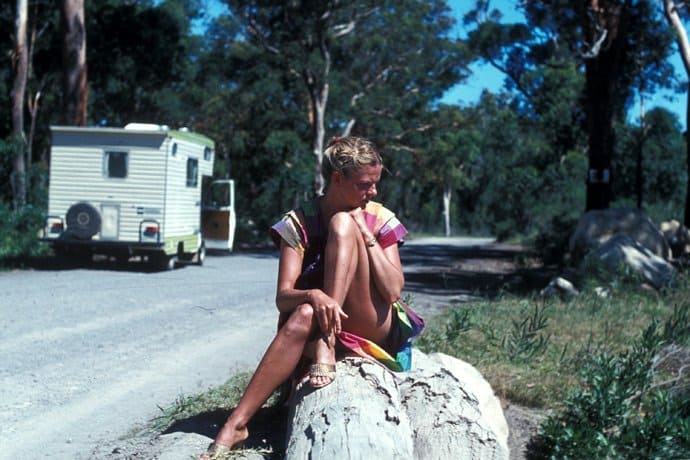
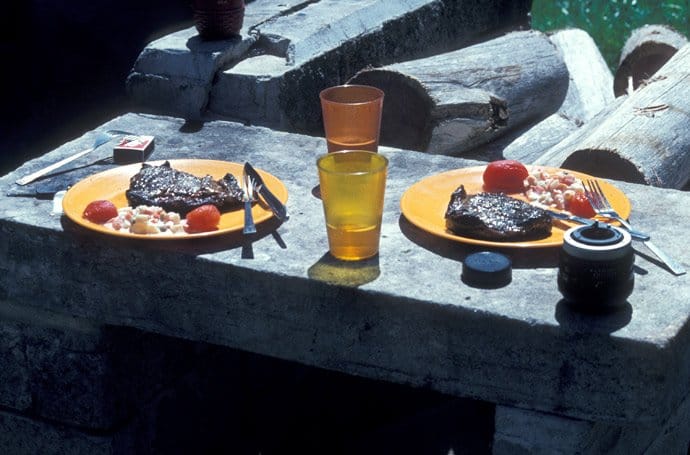
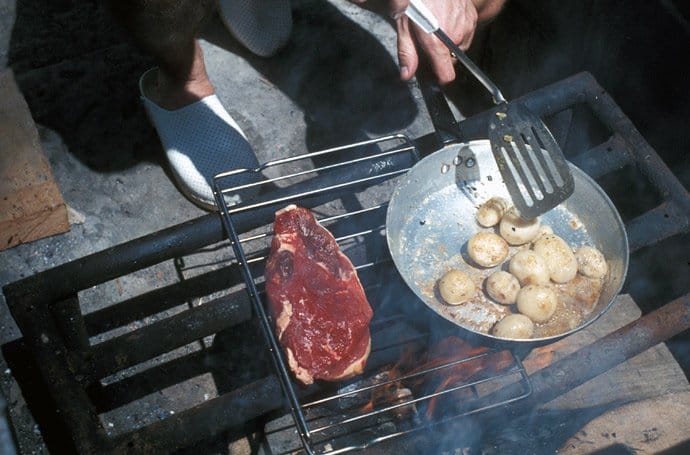
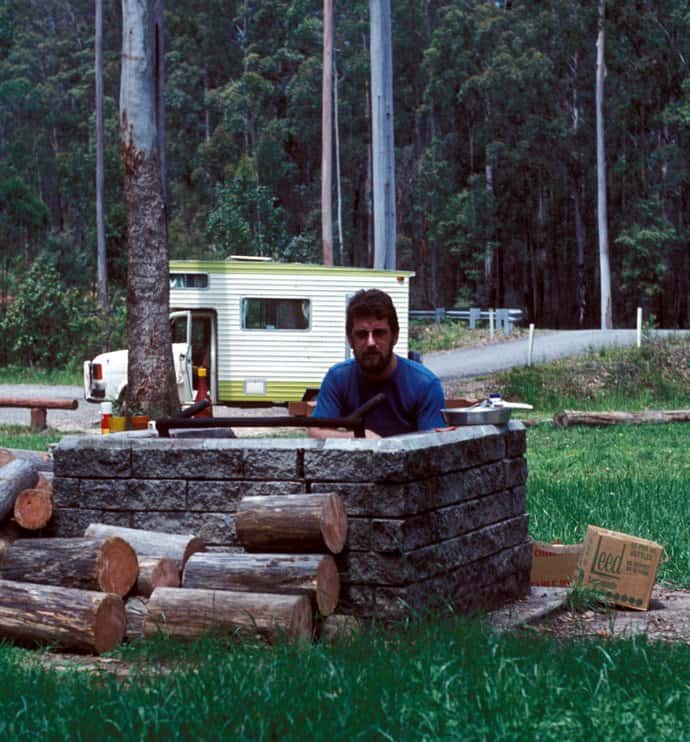
We use a small shop on the road to refresh our supplies for the last time. We were told that behind Mossman we would no longer find a way to shop. At a fireplace, Jürgen first cuts wood. A good fitness balance after the long drive. This makes dinner taste all the better. Here, everyone is on their own. We get a taste of life as a hermit. But that smells like adventure and is also fun. The steaks roasted on an open fire taste delicious. Jürgen decides to spend the night outside in his sleeping bag. The temperatures in the car are almost unbearable.

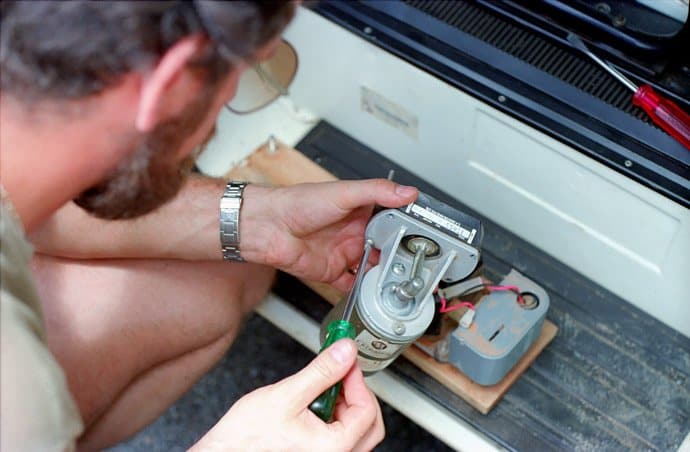
The next morning we don’t get far, the water pump of our shower has failed. Now Jürgen’s craftsmanship is in demand. It takes a few hours until we get the problem halfway under control. The pump only lasts one day, then cat washing is the order of the day. We don’t let ourselves be deterred and drive a good distance and two days up the Cape York Peninsula. But then the sand path narrows more and more and becomes a pure off-road track that can only be used by off-road vehicles. The risk of being stranded here in the wilderness is getting bigger and bigger. Finally, we consult each other and after a short discussion we turn back. We still have to cover the whole way back to Sydney with a few thousand kilometers (with a detour inland).

Pictures Australia – on the road

Australia - on the road

Questions about the destination New Zealand?

In the Australia forum you will get the answers!

10. September 2017 0 comments
0 FacebookTwitterPinterestEmail
Australia - Impressions
Australia

Australia – Impressions

by Joe OnTour 10. September 2017
written by Joe OnTour

Australia – Impressions

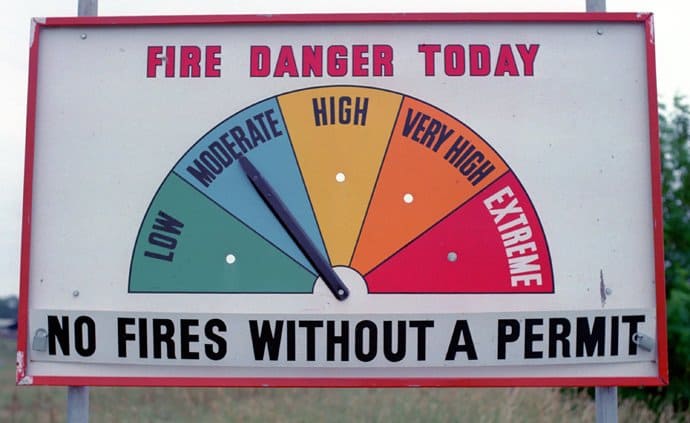
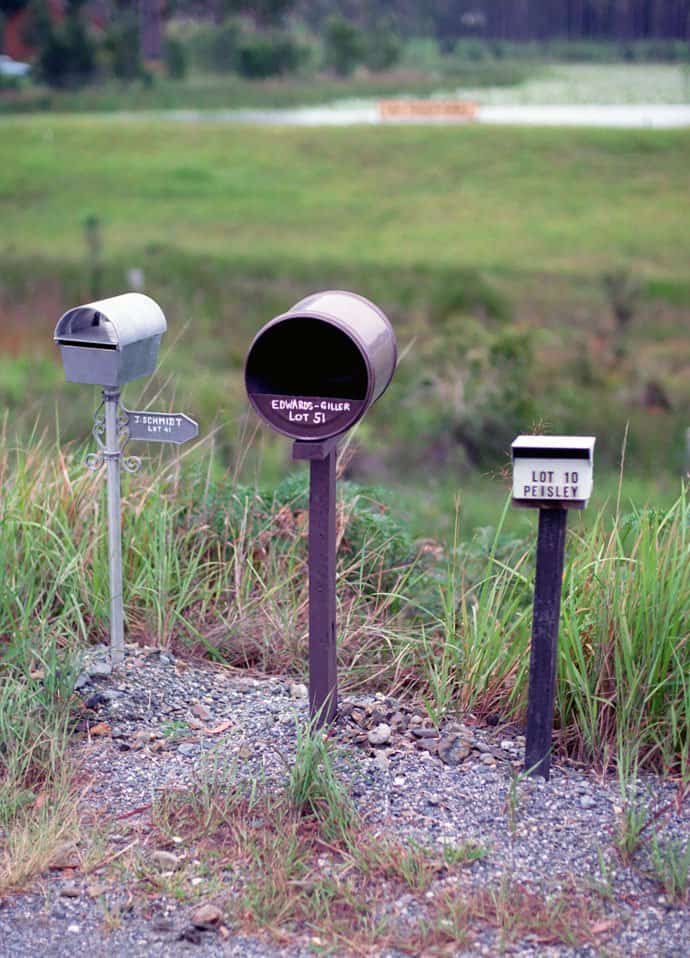
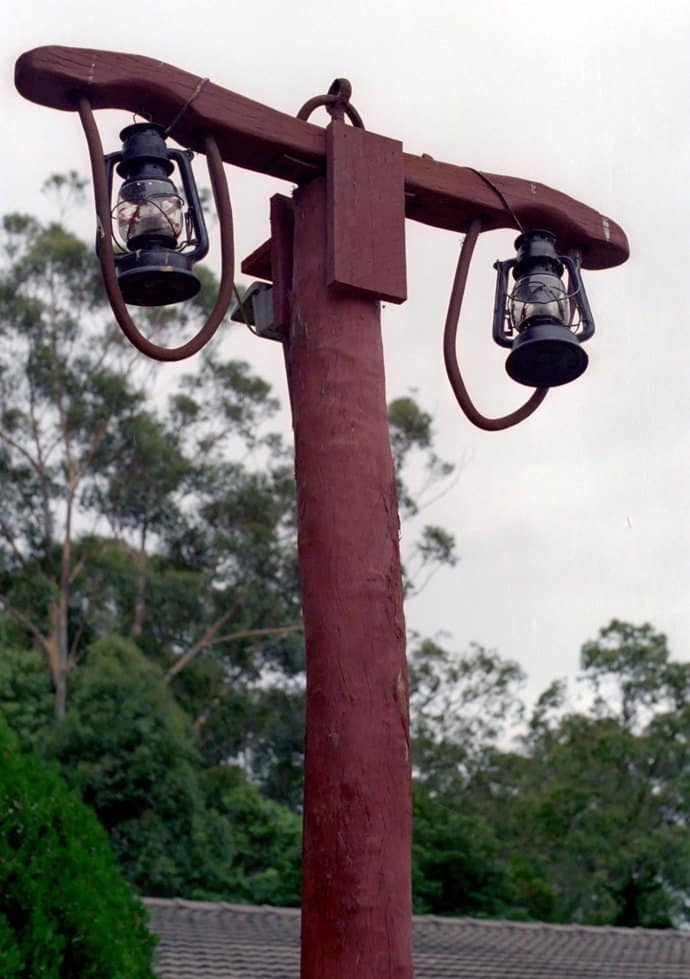
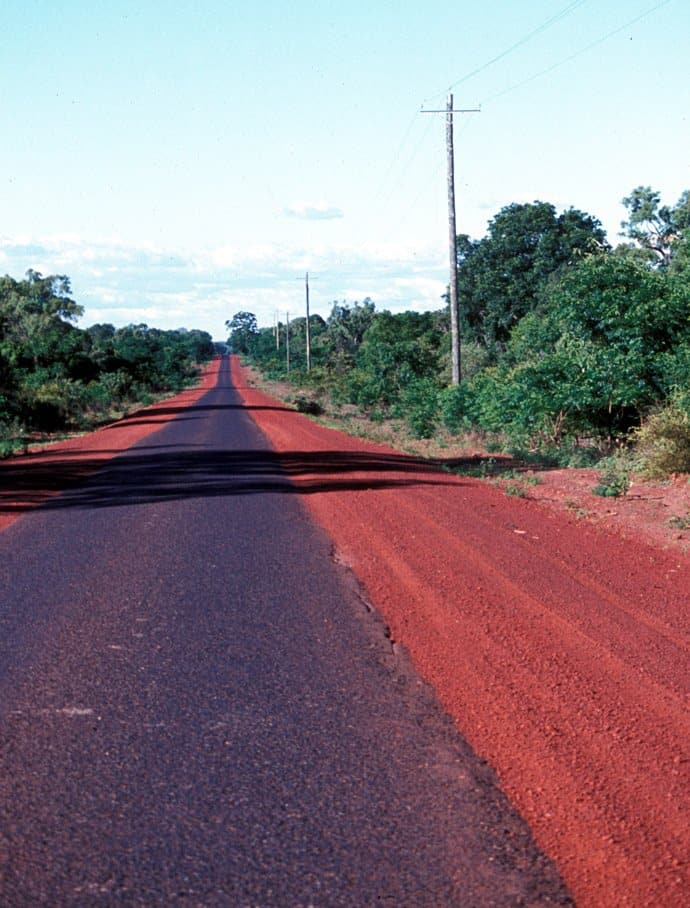
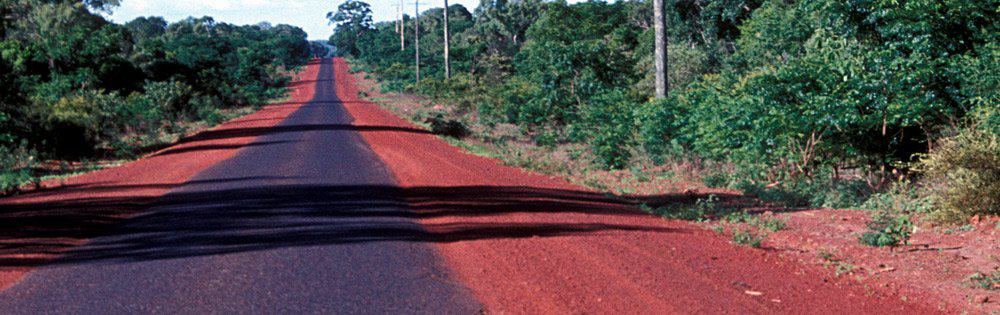
The flora and fauna in Australia is a bit more colorful and beautiful than elsewhere, the streets are a little redder, the street lamps hang a little higher, the mailboxes a little lower than elsewhere.

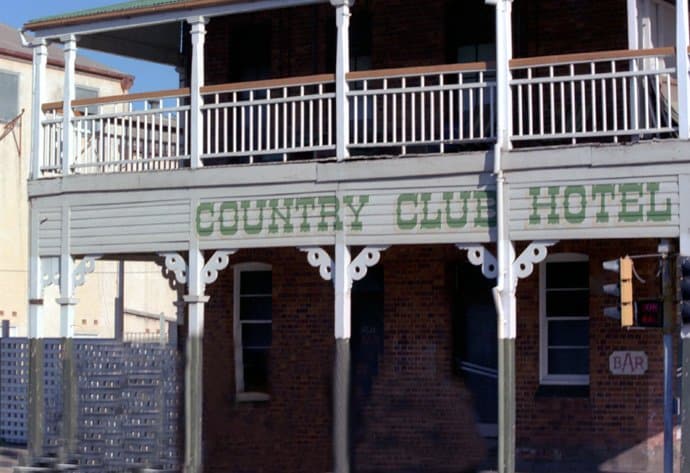
On the other hand, the country clubs are much hotter than elsewhere, but culture and nature are pure.

Pictures Australia – on the road

Australia - Impressions
Australia - Sydney
Australia - New South Wales
Australia - Impressions
Australia - Sydney
Australia - Cape York

Questions about the destination New Zealand?

In the Australia forum you will get the answers!

10. September 2017 0 comments
0 FacebookTwitterPinterestEmail
Australia - Sydney
AustraliaCity trips

Australia – Sydney

by Joe OnTour 10. September 2017
written by Joe OnTour

Australia – Sydney

The city of Sydney not only offers the advantages of a true cosmopolitan city, it also reflects the peculiarities of the people “down under” in an incomparable way. This gives you a deep look into the special soul of this continent.

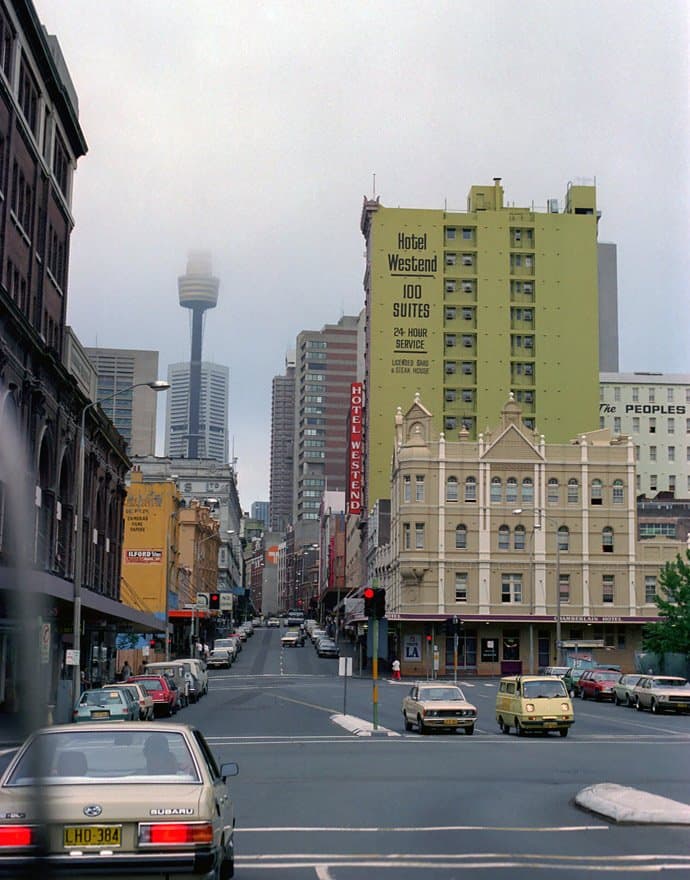
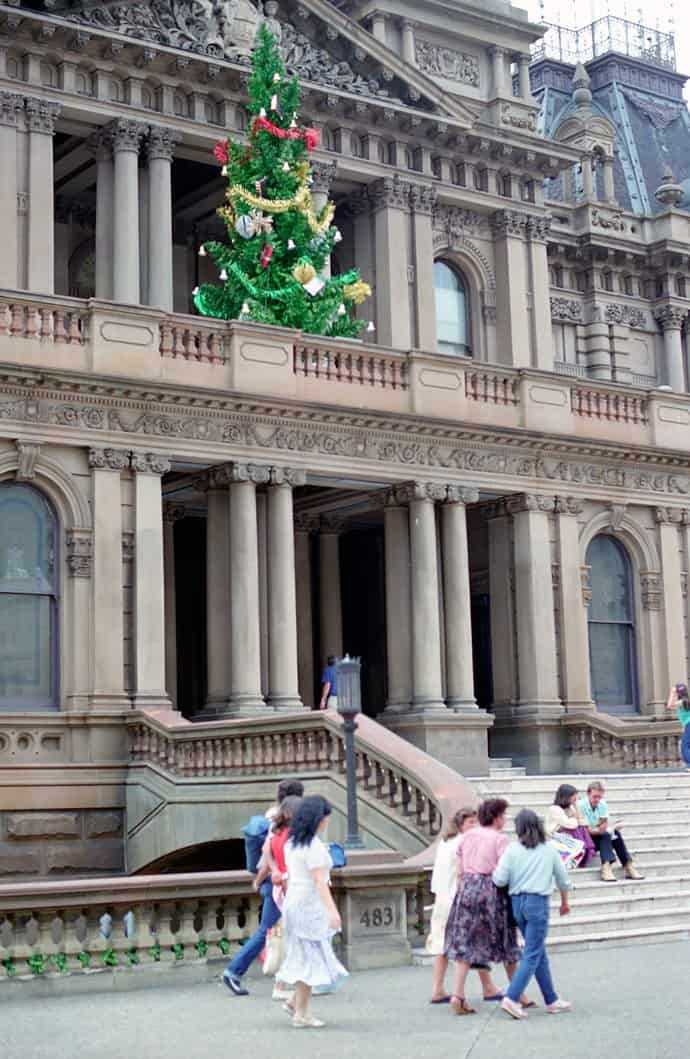
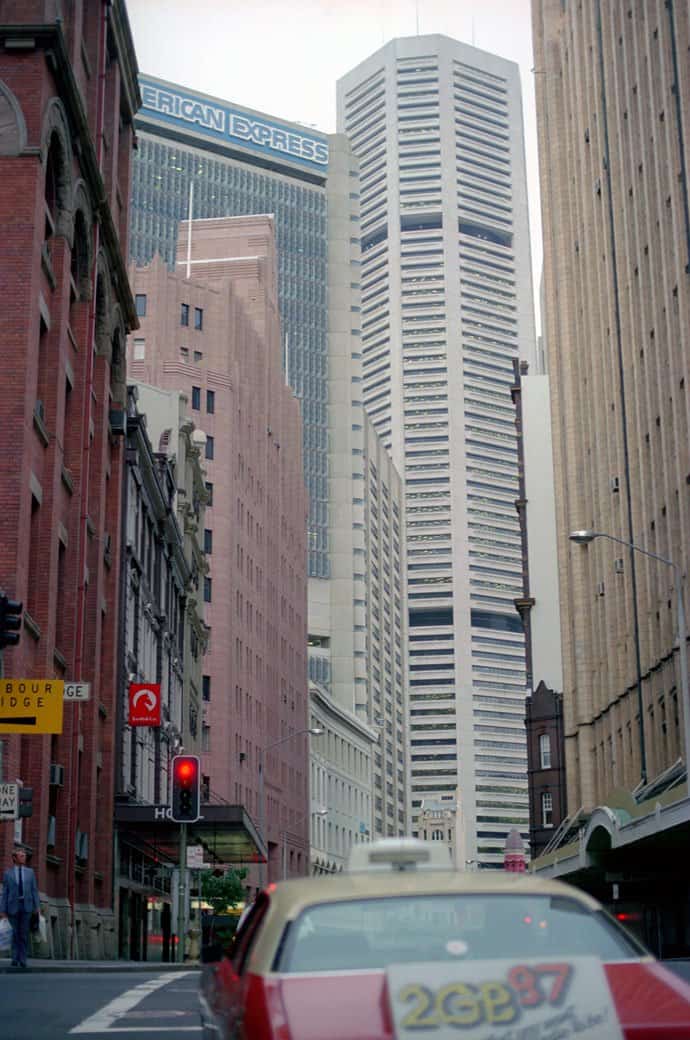
At the end of our round trip through Australia, we spend several days in Sydney to explore the many sights of this city. The city centre is characterised by a number of high-rise buildings. But time-honoured buildings from the last century also have their place here.

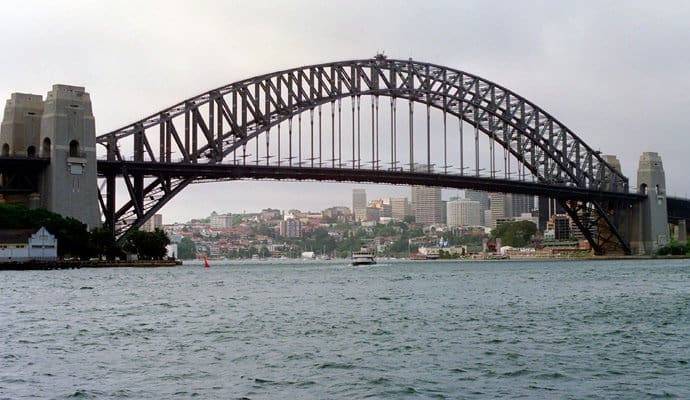
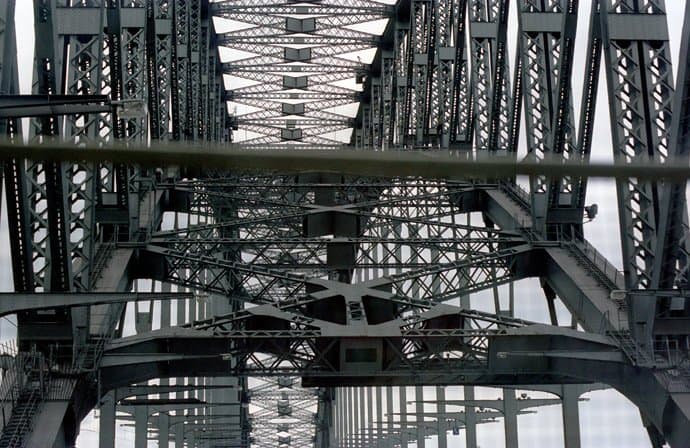
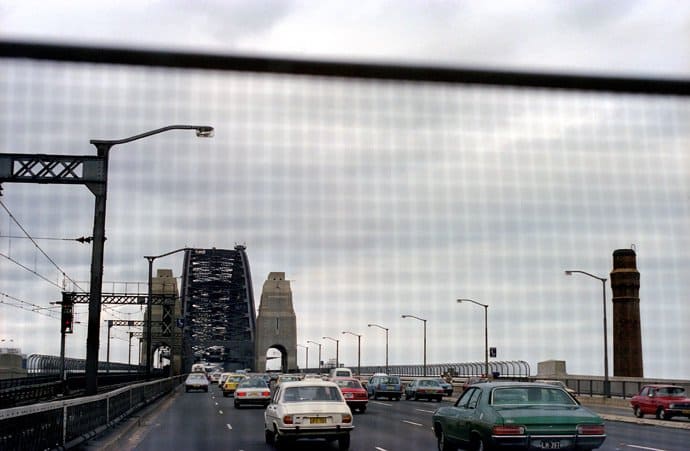
Into the city we drive over the Harbour Bridge. Our windshield is still equipped with the rockfall grille from our multi-week tour through the outback. In the meantime, we have become accustomed to the limited visibility. The entire bridge construction of the Harbour Bridge is impressive and worth seeing at the same time.

From the Harbour Bridge we have a great view of the harbour and the futuristic Sydney Opera House, which is located directly on the harbour. This fame is probably no wonder: the opera house is considered one of the greatest architectural constructions of the 20th century, building and work of art at the same time, and at the same time it forms the center of artistic life in Sydney. During the laying of the foundation stone in 1959, a construction period of three to four years was assumed and the costs were calculated at around 7 million dollars.

The Danish architect Jörn Utzorn left Australia in the course of construction and did not return to look at the finished building. This escape is easy to understand given the actual cost of the building. When the Opera House was inaugurated by Queen Elizabeth II in 1973, it had devoured the incredible budget of 102 million dollars. The Sydney Opera House consists of three separate buildings that house not only the Opera House, but also the Concert Hall and the Bennelong Restaurant. In total, there are several theatres and restaurants in the building complex of the opera house.

Pictures Australia – Sydney

Australia - Sydney
Australia - Sydney
Australia - Sydney
Australia - Sydney
Australia - Sydney
Australia - Sydney
Australia - Sydney
Australia - Sydney
Australia - Sydney
Australia - Sydney
Australia - Sydney
Australia - Sydney
Australia - Sydney
Australia - Sydney
Australia - Sydney
Australia - Sydney

Questions about the destination New Zealand?

In the Australia forum you will get the answers!

10. September 2017 0 comments
0 FacebookTwitterPinterestEmail
Australia - New South Wales
Australia

Australia – New South Wales

by Joe OnTour 10. September 2017
written by Joe OnTour

Australia – New South Wales

Jürgen surprises me when he presents me with the Quantas flight tickets and a voucher for a camper. The trip is to go to Australia. As always, the decision comes at short notice, but I’m already used to that. Returning the tickets is no longer possible anyway, so there is only one thing that helps now……..to deal with the preparations for the trip.

Greetings
Anne

It wasn’t that short-term either…….after all, I had already organized everything 2 weeks in advance (flight tickets, motorhome, information material, etc.). In addition, you don’t have to worry about it unnecessarily and can start the journey with an open mind……..right?

Greetings
Jürgen

We reach Australia after a 30-hour flight (with stopovers in the United Arab Emirates and Bangkok). When we arrive at the airport in Sydney, we are pretty exhausted. First we take over the motorhome.

In the hustle and bustle and drowsy, we forget to take the vehicle documents from the rental company. We are already on the outskirts of Sydney……….so we go back again. In the meantime, 34 hours have passed. Finally we are out of the city again to the north. Now the most necessary things are bought in a small store. A few kilometers outside of Syndney we find a secluded spot off the road where we can spend the night. In a dream, Jürgen encounters a flying koala that shows him the way north on the Pacific HWY.

When we wake up the next morning at 8:00 a.m., we look into a cloudless sky and it promises to be a hot day. Showers are taken outside with a water hose. We realize that we have stopped right at the entrance to a cattle farm.

We make sure that we clear the property and set off in a good mood and reasonably rested. Freeway No. 1 takes you from Sydney via Newcastle towards Port Macquarie. Around noon we stop at one of the numerous rest areas that are located right next to the freeway in the middle of one of the nature reserves. These are equipped with fireplaces and wooden tables. The fire pits are even supplied with firewood by the local rangers. So we take a break here after a good 250 km drive. Here we have our first encounter with the local wildlife. A large lizard shoots out of the nearby bushes and runs away from a tree as we unpack our steaks. Of course, Jürgen doesn’t miss this and follows the lizard with his camera. It is a beautiful specimen. The lizard keeps an escape distance of only a few meters. A good opportunity to take enough pictures.

After this experience and the small delay, it’s now time to prepare the steaks we bought yesterday in a house butcher’s shop. As we realize, we have indeed purchased huge steaks that do not fit in the pan. Brigitte christens them “toilet lid steaks” because they really ……. are great.
Australia – Fireplace – Jürgen makes fire We have no choice but to grill them over an open fire. We are completely undisturbed here. Traffic is low. Every half hour we hear a car rushing past on the freeway in the distance. We leave ourselves enough time for lunch, after all, we don’t have a fixed schedule.

We have resolved to let everything come to us in peace. Slowly, after the long flight, the first relaxation sets in. It is a wonderful feeling to move here in the great outdoors away from all the tourist hustle and bustle. The first impressions of the hustle and bustle of the big city of Sydney are slowly fading. After eating, the fireplace must be thoroughly extinguished with water. There is a permanent risk of forest fires at this time of year. We read in the daily press that a huge forest area around Melbourne burned down just before our arrival.

It is already noticeable that we are moving off the usual tourist paths. Traffic away from the cities is becoming less and less. Vehicles rarely come towards us. The freeway is still paved, but is already getting narrower and narrower. The first yellow signs to watch out for kangaroos are on the side of the road. Shortly before Port Macquarie, a truck comes towards us with an unusual load. Without warning, the detached house rushes past us into the next town………… a rather unusual way of changing residence for our eyes. Here, as we learn later, this type of move is part of everyday life.

The next day, the freeway becomes even more lonely. It has rained heavily overnight and in many places the landscape is flooded meters high. We drive past large grazing grounds that are completely under water. Every now and then a lonely pick-up truck comes towards us, which is driven by a cowboy. The street signs are shot through by large-caliber weapons. Apparently, the cowboys use the signs as targets, which doesn’t seem to bother anyone here. Carrying long guns is legal for every citizen. Only for handguns do you have to apply for gun ownership cards. Outside of major cities, most domestic trucks and ATVs are decorated with rifles in the rear windows. For us Central Europeans, this is a rather unusual sight.

In the vast farmlands and endless wilderness, these are certainly indispensable tools of the harsh everyday life. The country is regularly covered by rabbits and hare plagues, whose population is completely out of hand. In addition, the populations of kangaroos, which are multiplying rapidly, must be controlled. In the coastal waters and ponds there are many saltwater crocodiles, which reach a length of 7 meters and are extremely dangerous.

Today we spend the night in a quiet spot right on the beach. Far and wide there is not a soul to be seen. A small sailboat lies on the beach, which was deposited here by its owner. We enjoy the magnificent sunset and the silence of the place. The sea is completely smooth. The slight sound of the surf lulls us to sleep after a hearty supper. The next day we are up early and have already completed a large part of our pre-calculated route by noon. Therefore, we take a good opportunity to make an extensive stop at one of the increasingly rare rest areas.

The flora here is becoming more and more tropical. The first large palm trees and banana trees can be admired. For today’s night we have chosen a regular campground, which also has the necessary infrastructure such as running water and an electricity connection. The facility is idyllically located and little visited. We look for a nice place directly under a large fan palm. The kilometre-long sandy beach is 30 metres away. We like the site so much that we decide to stay a few more days to explore the surrounding area. In this area there are hungry crocodiles and lots of “King Brown Snakes” and other poisonous creatures. On the beach we encountered several saltwater crocodiles with an impressive size of six meters and larger. After that, we became very careful. Even the small-caliber rifle bought by Jürgen in Cairns doesn’t help anymore (you don’t always have it at hand). Swimming in the sea is not necessarily recommended in view of the saltwater crocodiles (Meneater – man-eaters) and also because of the stingers, which are feared throughout Australia.

Pictures Australia – New South Wales

Australia - New South Wales
Australien - New South WalesAustralien - New South Wales
Australia - New South Wales

Questions about the destination New Zealand?

In the Australia forum you will get the answers!

10. September 2017 0 comments
0 FacebookTwitterPinterestEmail
Australia - Queensland
Australia

Australia – Queensland

by Joe OnTour 9. September 2017
written by Joe OnTour

Australia – Queensland

The name says it all – Sunshine State. The Australian holiday region stretches along the east coast from Cairns to just beyond Brisbane. There you have the Great Barrier Reef and in the hinterland the Outback, with areas rich in gold and emeralds.

We sail the Australian continent from south to north, from Sydney to north of Cooktown. In doing so, we advance into the territory of the Aborigines. After touring New South Wales, we arrive in the Queensland area.
Australia – Map of Queensland
Brisbane’s hinterland on the southern border is known as the Darling Downs. Here, behind the Great Dividing Range, are the most productive soils in Australia. The largest towns here are Ipswich and Warwick.

Winton and Longreach are cities that represent the outback for every Australian. The first settlers and Waltzing Matilda and the Quantas as the first Australian airline have their origins here. Longreach is the true home of the Quantas and is also home to the Stockmen’s Hall of Fame, Australia’s most famous museum. It shows the history of the settlement of the Australian continent and is actually very worth seeing.

Brisbane has always been a popular city. Once considered a refuge for pensioners who liked the warm climate, it is now the third largest city in Australia. But Brisbane has also done a lot for this. The Commonwealth Games and Expo 88 took place here in 1982. Brisbane is characterized by the Brisbane River and by many viewpoints from which you can overlook the city and the river with its bridges. You also have a nice overview from the City Hall. However, it is now surrounded by skyscrapers. Another attraction is the Queen Street Mall. There are hundreds of shops here. Several buildings have been awarded by the National Trust. These include the Old Government House, Mansions and Harris Terrace. And one of Brisbane’s first buildings, the Old Windmill and Observatory. In addition to several museums, there is also an interesting Hands on Science Museum.

Noosa and all the other towns along this beach are very well known and popular, especially among surfers. Also, many Brisbane residents come here on the weekends. In the hinterland of the sunshine coast are the “Glass House Mountains”. They invite you to extensive hikes and climbing tours. Right at the mouth of the Brisbane River lies the Bay of 365 Islands. In addition to the two large islands “Moreton Island” and “North Stradbroke Island”, there are numerous smaller islands worth seeing. The 35 km long region between NSW and Brisbane is known as the “Gold Coast”. This is an extremely important and popular holiday paradise in Australia. The offers of leisure activities, such as surfing and many theme parks (WB Movie World, Sea World, etc.) are almost inexhaustible. The most famous main town is Surfers Paradise.

Ravenshoe is a small nest that is worth seeing. Here you will find Milla Milla Falls, Zillie Falls, and Ellinjaa Falls. From Ravenshoe a road leads to Mt. Garnet, a small sleepy village. There you can give free rein to your dreams and, with a bit of luck, find semi-precious stones and gold.

The Atherton Tableland is located in the hinterland of Cairns. It stretches from Kuranda in the north down to Ravenshoe in the south. As far as the eye can see, you can see one of the greenest areas of Queensland, with gently rolling hills and great waterfalls and lakes. The region is economically dominated by agriculture. There are also many gemstones, gold and other valuable mineral resources that are mined in open-pit mining. With a bit of luck, you can try your hand at gold digging and maybe find a crystal or even some nuggets.

When we traveled to Australia, Cairns was still a small town, insignificant and unimportant. But when it was recognized by the Japanese and Australians as a true vacation paradise, especially in recent years, the tourism boom began. Today, it is one of the fastest growing cities in Australia. Due to its proximity to both the Great Barrier Reef and the tropical Cape Tribulation, the region has earned a reputation as a popular holiday oasis. Among the guests you will find everything from backpackers to businessmen.

Many tourists come to Cairns to go out to the reef at least once. The offer ranges from short trips for snorkeling or diving to multi-day turns out to the outer reef. Everyone will find the right one for themselves, even if it is only a trip to one of the beautiful islands off the reef.

Cape York is the northeasternmost point of Australia. There are no more paved roads, only a very bad development road and you can drive along the telegraph line. None of these routes are easy to ride. Actually, you need a 4WD and a lot of experience in off-road driving. We dare this route anyway with our motorhome (not allowed by the motorhome rental company, we drive at our own risk and at our own risk) and almost get to the tip of Cape York. Here we are already in Aboriginal territory (reserve), where normally whites have no place anymore. We are totally on our own in this godforsaken area.

Pictures Australia – Queensland

Australia - Queensland
Australia - Cape York

Questions about the destination New Zealand?

In the Australia forum you will get the answers!

9. September 2017 0 comments
0 FacebookTwitterPinterestEmail
Australia - Cape York
Australia

Australia – Cape York

by Joe OnTour 9. September 2017
written by Joe OnTour

Australia – Cape York

We set off with our motorhome from Sydney on a tour along the east coast of Australia. The route will take us via New South Wales and Queensland to the tip of the east coast to Cape York. A daring undertaking in view of the huge distance, which we then have to drive back. We would like to share some impressions of this tour on this page.

CAPE YORK PENINSULA
The northernmost tip of Australin’s east coast is a truly wild, unspoilt natural beauty. This peninsula is crossed by a 1000 km long track, which should only be used with a four-wheel drive vehicle and only by experienced drivers.

We take the last opportunity and book a night in a small hotel to do something good for ourselves and refresh our supplies the next day for the tour into the wilderness.

Then it starts the next morning. The Peninsula Developmental Road is sometimes a flat track and suddenly and unexpectedly a churning path that leads over rocks and rough terrain. In addition, numerous rivers have to be crossed even during the dry season. Such challenges are probably to be found in the world. Once again we find the testimony of transience on the road. We bury the skull, which has long since solidified, on a pole.

Vast swamp landscapes alternate from rugged mountains and clear rivers and rushing waterfalls to arid steppe landscapes. In addition to the hard roads, there are also hungry crocodiles and a few King Brown Snakes and other poisonous creatures. And you can’t even swim in the sea so unscathed, because of the crocodiles and also because of the stingers, which are feared throughout Australia.

The diversity of this landscape is almost inexhaustible. The huge termite mounds in a barren landscape form a deep contrast to the deep green dense tropical rainforest.

Pictures Australia – Cape York

Australia - Cape York

Questions about the destination New Zealand?

In the Australia forum you will get the answers!

9. September 2017 0 comments
0 FacebookTwitterPinterestEmail
Australia - Beaches
Australia

Australia – Beaches

by Joe OnTour 9. September 2017
written by Joe OnTour

Australia – Beaches

Australia has an incredible variety of beaches to offer. The coastline is 19,700 km long. Queensland is the second largest state in Australia and is dominated by the four big “S”: “Sun, Sand, Surf and Sailing”. The most popular destination for many visitors to the state is the more than 2,000-kilometre-long east coast of Australia. In winter, huge numbers of Australian visitors from the cooler south flock here. In addition, there are many tourists from overseas. The state of Queensland covers almost a quarter of Australia’s land area and has an extension of 1500 kilometres from west to east and 2100 kilometres from north to south. This promises plenty of space for a lot of variety.

Nevertheless, it cannot be denied that popular beaches such as those on the Gold Coast exert a very great attraction on visitors. The Gold Coast can be unabashedly called the “Miami” of Australia with all the unpleasant appearances of the American model. There are a lot of sunny and beautiful holiday destinations on the Gold Coast, which, as already mentioned, are very crowded during the peak travel seasons. If you are looking for the hustle and bustle and entertainment, this is the right place for you.

Further north you will find another tourist metropolis near Cairns, which stands out from the Gold Coast with a little more peace and a certain exclusivity. However, mass tourism has now extended its claws to a large extent. For the individual traveler, this coastal area seems to us to be only suitable to a limited extent. Cairns’ unique location in the tropical north is what makes this vibrant city so special. It is the gateway to the rainforests and the Great Barrier Reef, boasting two of Australia’s most extraordinary natural landmarks. Cairns, with its 100,000 inhabitants, is one of the most popular tourist centres on the continent. The surrounding area offers numerous excursion options. A day trip to the Great Barrier Reef and a trip to Kuranda are a must.

The Sunshine Coast, which is still quiet and cozy compared to the Gold Coast, is characterized by fantastically long and white sandy beaches. You can still find picturesque bays here, which are often deserted. The region is a paradise for individual travellers and all those who want to stay far away from the hustle and bustle and entertainment. The towns of Caloundra, Mooloolaba, Maroochydore, Coolum and Noosa line the Sunshine Coast along a 140-kilometre-long coastline. It is about an hour’s drive north of Brisbane.

The Marlin Coast stretches from Cairns to Port Douglas, with one beautiful white sand beach after another. The adjacent tropical rainforest can be admired on the coastal road Cook Highway.

Mission Beach is a popular resort town. Here you will find miles of wide and white sandy beaches lined with palm trees. A trip to the nearby tropical rainforest is a must for the traveler. If you travel here, you should definitely visit the offshore islands of Dunk, Bedarra and Bowen and especially the Great Barrier Reef.

Pictures Australia – Beaches

Australia - Beaches
Australia - Beaches
Australia - Beaches
Australia - Beaches
Australia - Beaches
Australia - Beaches
Australia - Beaches
Australia - Coasts and Islands
Australia - Queensland
Australia - Great Barrier Reef
Australia - Coasts and Islands
Australia - Sydney
Australia - New South Wales
Australia - Sydney

Questions about the destination New Zealand?

In the Australia forum you will get the answers!

9. September 2017 0 comments
0 FacebookTwitterPinterestEmail
Australia - Coasts and Islands
Australia

Australia – Coasts and Islands

by Joe OnTour 9. September 2017
written by Joe OnTour

Australia – Coasts and Islands

Australia has fantastic coastal regions to offer. The entire coastline of Australia is 19,700 km long. Plenty of opportunity to find a dreamy place for yourself. But you will also find completely overcrowded areas such as the Gold Coast, which has developed into a real entertainment centre in the past. On this page, we only show a small part of these regions on the east coast of Australia.

The southernmost stretch of coast of the state of Queensland is the most popular and best-known holiday region in Australia for package tourists. Accordingly, this stretch of coast is heavily frequented. The fine sandy beaches are surrounded by skyscrapers. The Gold Coast stretches about 70 km from Coolangatta in the south to Surfers Paradise in the north. The center of the Gold Coast is Surfers Paradise. The entertainment is huge and there is something for everyone. The Gold Coast is a bathing spectacle like Miami.

The Marlin Coast stretches from Cairns to Port Douglas. Here, one dreamlike white sandy beach follows the other. The tropical rainforest in the hinterland with the coastal road Cook Highway is one of the most beautiful roads in Australia. Probably the most popular holiday resorts are Palm Cove and Port Douglas. The fantastically beautiful sandy beaches are worth a trip and a longer stay.

The Sunshine Coast, which is still quiet and cozy compared to the Gold Coast, is characterized by its beautiful sandy beaches. One picturesque bay follows the other, and many of them are actually still deserted. The individual towns of Caloundra, Mooloolaba, Maroochydore, Coolum and Noosa on the Sunshine Coast can be found on a 140-kilometre-long coastal strip, an hour’s drive north of Brisbane.

WHITSUNDAY ISLANDS
The Whitsunday Islands consist of 74 islands off the coast between Mackay and Proserpine are a small paradise. Here you will find what the individual traveller is looking for, bright white sandy beaches and a turquoise blue sea with colourful coral reefs and often steeply sloping wooded mountain tops. Most of the islands are uninhabited. The whole region is a paradise for sailors. The inhabited islands of Daydream, South Molle, Long, Dent, Hamilton, Hook, Hayman and Lindeman are home to luxury holiday resorts.

MORETON ISLAND
The sand island of Moreton Island is located 40 kilometers northeast of Brisbane. It can be reached by ferry in about 45 minutes. It is also home to one of the highest sand dunes in the world. It can only be used by off-road vehicle. Another attraction are the wild dolphins, which swim into the shallow lagoon water in the evening. From July to September, you can take part in organized whale watching tours.

HERON ISLAND
Heron Island is a small coral island that is protected as a national park. Surrounded by a white sandy beach, it is a paradise for snorkeling and diving enthusiasts. Colorful coral banks can be found on the outer ring of the island. In spring, numerous bird species are guests here. From October to March, turtles land on the island, which then lay their eggs here.

FRASER ISLAND
is the largest sand island in the world with a length of 120 kilometers. In certain places, the sand piles up to dunes up to a height of 250 m. In the interior of the island, tropical rainforest predominates. The island can only be navigated with an off-road vehicle. You also need a permit. Lake McKenzie with crystal clear fresh water and beautiful beaches is located in the middle of this island and is a great attraction for travelers. There are also some rocks to admire on the island, the Pinnacles, Cathedrals and the Rainbow Gorge of colored sand.

Pictures Australia – Coasts and Islands

Australia - Sydney
Australia - New South Wales
Australia - Sydney
Australia - Queensland
Australia - Cape York
Australia - Beaches
Australia - Beaches
Australia - Beaches
Australia - Beaches
Australia - Beaches
Australia - Beaches
Australia - Coasts and Islands
Australia - Great Barrier Reef

Questions about the destination New Zealand?

In the Australia forum you will get the answers!

9. September 2017 0 comments
0 FacebookTwitterPinterestEmail
Australia - Trucks
Australia

Australia – Trucks

by Joe OnTour 9. September 2017
written by Joe OnTour

Australia – Trucks

A special experience on the roads of Australia are the many individually and lovingly styled trucks, which rush towards you with up to four trailers like a train on wheels, mainly on the roads in the outback.

Shortly after Sydney, the first Australian trucks come towards us. The diversity and creativity of the drivers, who are often also the owners of the trucks, is almost inexhaustible.

The hood of almost all trucks is adorned with a huge battering ram, which the Aussies also call a roo-bar or bill-bar. This is also necessary. On the roads in the outbacks, drivers are often on the road in the dark and at night. Dangerous in the remote areas are the cows and kangaroos, which pass the streets especially at dusk and in the dark and are attracted by the lights of the spotlights. The drivers do not brake for “minor obstacles” of this kind. On the roadsides you can see the dead carcasses of the animals.

The trucks have a braking distance that is on a par with that of ocean liners. The size is just as impressive, as the trucks often tow up to four trailers behind them. When we meet them from afar on the red sand tracks of the outback, they seem like a mirage in the desert. Kilometers before the direct encounter, they announce themselves with huge clouds of dust and the closer they get, they grow steadily.
Truck in Australia
Spitting stones and dragging an incredibly long and never-ending cloud of dust behind them, the giants of the streets rush past us. It’s just a good thing that we looked ahead and saw the storm coming our way and steered our modest little motorhome to the side of the road. It’s also a good thing that we covered the windshield with a wire mesh on our drive through the outback. A rain of boulders pours down on us. Without the grille in front of our windshield, it would have shattered long ago.

Despite all these imponderables, Brigitte finds these monsters of the road so cute……..but she doesn’t have to drive past them, Jürgen solves the problem in no time at all, so to speak (note: turning the steering wheel)……… an art that must be innate, since it cannot be learned. Countless car wrecks on the roadsides testify to less talented drivers. However, it is not always the trucks that are to blame, sometimes it is just the kangaroos, the cows or the drivers have simply fallen asleep on the infinitely long distances that demand so much attention.

Pictures Australia – Trucks

Australia - New South Wales
Australia - Trucks
Australia - Trucks
Australia - Trucks
Australia - Trucks
Australia - Trucks
Australia - Trucks
Australia - Trucks

Questions about the destination New Zealand?

In the Australia forum you will get the answers!

9. September 2017 0 comments
0 FacebookTwitterPinterestEmail
Australia - Old Sydney Town
Australia

Australia – Old Sydney Town

by Joe OnTour 9. September 2017
written by Joe OnTour

Australia – Old Sydney Town

Just outside Sydney, a small town from the turn of the 19th century has been recreated. Here you feel like you’ve been transported back to another world.

The small village of Sydney has been recreated in the historic style of the Wilhelminian period. Several old buildings, furnished with furniture and objects from this period, give an impression of the difficult living conditions that the inhabitants of the time had to deal with.

The interior of the houses is spartan and equipped only with the most necessary things, such as a bed, table and chairs as well as an open fireplace in which cooking and heating was done. At that time, the means of transport was of course the horse. Old replica covered wagons from the time of settlement in Australia can be admired here.

At pre-announced times, the warlike conflicts between the French and the British over the occupation of Australia in the 18th century are re-enacted on the village grounds. Old cannons are brought up and in their uniforms the extras look almost like real soldiers.

With a loud roar, the grenade mortars explode. A real spectacle for the actors and the spectators. The scenery is accompanied by musicians who mingle with the people in old traditional costumes.

The laws were extremely harsh at that time. Anyone who stole a horse or cattle, for example, was executed with a guillotine or shot. Minor lawbreakers were publicly pilloried.

Pictures Australia – Old Sydney Town

Australia - Old Sydney Town

Questions about the destination New Zealand?

In the Australia forum you will get the answers!

9. September 2017 0 comments
0 FacebookTwitterPinterestEmail
Australia

Australia – Koalas

by Joe OnTour 9. September 2017
written by Joe OnTour

Australia – Koalas

Imagine I’m sitting in our cozy Airbnb in Noosa, Queensland right now, sipping on a flat white and still can’t believe what happened yesterday. We were so looking forward to the koalas – those fluffy tree cuddlers who just scream Australia. We park our motorhome on the edge of a eucalyptus forest, and after only 10 minutes of hiking Jürgen whispered: “There, look up!” In fact – in a fork of a branch, less than 5 meters away, a koala was dozing and chewing eucalyptus leaves with relish. I held my breath and just looked. Such peace, such pure closeness to nature.

Koalas sleep up to 20 hours, eat only certain eucalyptus species and have really suffered after the bushfires. No holding, no feeding, just watching from a respectful distance. In the afternoon we went on to Lone Pine Koala Sanctuary near Brisbane. There we sneaked through the tree paths, discovered dozens of koalas and even had a “koala high-five” moment when one of them curiously stretched out his hand.

The day ended with a sunset picnic on the beach. Australia no longer feels like wanderlust, but home.

Pictures Australia – Koalas

Australia - Sydney
australien koalas 003a
Australia - Koalas
Australia - Koalas
Australia - Koalas
Australia - Sydney

Questions about the destination New Zealand?

In the Australia forum you will get the answers!

9. September 2017 0 comments
0 FacebookTwitterPinterestEmail
Australia - kangaroos
Australia

Australia – Kangaroos

by Joe OnTour 9. September 2017
written by Joe OnTour

Australia – Kangaroos

The most famous animals in Australia are the kangaroos (also called “roos”). There are about 45 species of kangaroos. They belong to the genus of marsupials. The kangaroo species of different sizes have adapted optimally to the most adverse living conditions. In addition to the emu, the kangaroo is the heraldic animal on the flag of Australia.

The kangaroos can be found practically everywhere in Australia. On our trip, we spend one day on a farm site. Before our departure, adult kangaroos come to our caravan with their offspring in the morning. With something edible, we lure them to a photo shoot.

The largest red kangaroos grow up to two meters tall. They are able to jump up to 10 meters. From the car we were able to watch them in full speed while driving. They reach an enormous speed with their giant sets. The long tail of the giant kangaroos serves as a balance weight. An independent group among the kangaroos are the wallabies, which reach a size of 45 cm to 1.20 m.

With a body size of only 23 cm, the kangaroo rats are the smallest species. In addition, there are many different other species, even such unusual ones as the tree kangaroos.

Pictures Australia – Kangaroos

Australia - Sydney
Australia - on the road
Australia - New South Wales
Australia - kangaroos

Questions about the destination New Zealand?

In the Australia forum you will get the answers!

9. September 2017 0 comments
0 FacebookTwitterPinterestEmail
Australia - Great Barrier Reef
Australia

Australia – Great Barrier Reef

by Joe OnTour 9. September 2017
written by Joe OnTour

Australia – Great Barrier Reef

The Great Barrier Reef is the largest World Heritage Area, stretching over 2,000 km from Papa New Guinea to Maryborough in southern Queensland.

Especially for divers, this is the paradise par excellence. Even while snorkeling, you get a fantastic insight into the beautiful underwater world.

Between the mainland and the reef are numerous islands that are great starting points for exploring the Great Barrier Reef.

Yesterday I’m still high from our day on the Great Barrier Reef – sitting here in Cairns with a cool Goon in my glass and just have to share it. We had decided on a full day trip from Cairns, picked up early in the morning on a sleek catamaran to the Agincourt Reef pontoon. Even the boat trip was magical: turquoise lagoons, flying fish next to the ship, and then suddenly this moment when the reef appears out of nowhere – an underwater city below the surface, the largest living thing on earth.

Mask on, into the water – and bam! A whole swarm of neon fish circles me, corals in pink, orange and violet shine like an underwater disco. Our guide showed us a giant rock turtle cruising leisurely between the fan corals, then we swam right over a Black Tip Reef shark (harmless, I promise!). Pure snorkeling – no crowds of tourists, small groups, and our guide knew exactly where the highlights were: Nemos in anemones, a Leafy Sea Dragon that camouflages itself perfectly, and even a friendly Giant Manta that curiously circled us.

Lunch on the Pontoon was world champion: fresh reef fish, salads, tropical fruits – and in between time for a glass of sparkling wine with a view of the endless blue. In the afternoon, there was an optional helmet dive for the brave (I did it – like walking barefoot across the seabed!), and finally an underwater observatory where you can see everything from dry land. Back in Cairns, we sat in the motorhome in the evening and couldn’t stop showing photos – the reef is not only beautiful, it is alive, fragile, a wake-up call.

Pictures Australia – Great Barrier Reef

Australia - Impressions
Australia - Sydney
Australia - Sydney
Australia - Sydney
Australia - New South Wales
Australia - Queensland
Australia - Beaches
Australia - Beaches
Australia - Beaches
Australia - Beaches
Australia - Beaches
Australia - Coasts and Islands
Australia - Great Barrier Reef
Australia - Coasts and Islands
Australia - New South Wales
Australia - Sydney

Questions about the destination New Zealand?

In the Australia forum you will get the answers!

9. September 2017 0 comments
0 FacebookTwitterPinterestEmail
Sri Lanka
General country informationSri Lanka

Sri Lanka – General info

by Joe OnTour 9. September 2017
written by Joe OnTour

Sri Lanka – General information

Sri Lanka – General Information

Area:
65,610 sq km
Population:
20.482.000 (2004)
Population density:
312 per sq km
Capital:
Sri Jayewardenepura (seat of government)
Population:
120.800 (2004)
Colombo: (de facto capital).
Population: 669,700 (2004)
Geography:
The island of Sri Lanka is located off the coast of the Indian state of Tamil Nadu. It is separated from India by the Indian Ocean, in which the Adam’s Bridge island chain is located. Sri Lanka’s landscape is unusual, with low-lying coastal plains stretching inland from the north and west coasts. The central and southern areas rise to hills and mountains. The highest elevation is Pidurutalagala (2524 m).
Form of government:
Socialist presidential republic (in the Commonwealth) since 1978. Constitution of 1978, last amended in 1987. Head of state and government: Chandrika Bandaranaike Kumaratunga, since 1994, Prime Minister: Mahinda Rajapakse, since 2004. Independent since 1948 (former British colony).
Language:
The official language is Sinhala (74%) and the national language is Tamil (18%). English is the language of trade and education (10%). Malay is also spoken.
Religion:
Buddhism (70%); Hindu (15%), Christian (8%) and Muslim (7%) minorities.
Local time:
CET+5 (UTC+6)
Mains voltage:
230/240 V, 50 Hz. Three-pin round plugs and bayonet bulbs
Phone:
International direct dialing in major cities. Phone cards are available in post offices and in shops located near public telephones.
Country code:
94
Mobile phone
GSM 900. Mobile phone companies include Celltel Lanka (Internet: http://www.celltel.lk/), Lanka Bell (Internet: http://www.lankabell.net/) and MTN Networks (Internet: http://www.dialog.lk/).
Fax service:
There are in the larger hotels and at the main post office in Colombo, Duke Street.
Internet/E-Mail:
Main provider: Sri Lanka Web Server (Internet: www.lanka.net/home). Internet cafés can be found in the larger cities.
Post:
Airmail to Europe takes 10-14 days on its way. There are post offices in every town and village, as well as private courier services in most major cities. For more information, please contact the main post office, Janadhipathi Mawatha, Colombo 10, Tel: 32 62 03, opposite the Presidential Palace. Always send postcards from the post office counter and make sure that the stamp is stamped. Hotels also provide information on postal charges. Mail storage is possible. The main post office is open day and night for the sale of stamps and for local calls.
Deutsche Welle:
Since the use of shortwave frequencies changes several times over the course of a year, it is advisable to request the current frequencies directly from Deutsche Welle’s customer service (Tel: (+49) (0228) 429 32 08. Internet: http://www.dw-world.de/).

Sri Lanka – Food and Drink

The specialty in Sri Lanka is a simple curry dish prepared with coconut milk, onion slices, chilli, aromatic spices such as cloves, nutmeg, cinnamon and saffron.

Hoppers resemble half a toasted bun with a soft fried egg.

Stringhoppers are steamed noodles made from rice flour, slightly thinner than spaghetti.

Jaggery, a kind of caramel candy made from the juice of the kitul palm, is also delicious.
Drinks:
The national drink is tea, which is one of the best in the world.

Toddy (palm juice) is a popular drink. If this is fermented, you get arrack, which is available in different alcohol strengths.

No alcohol is served on the Poya holiday (every full moon).
Nightlife
Some hotels in Colombo have restaurants with dance music.

There are theaters, cinemas with American films, ballet performances and concerts.
Shopping tips
Objects made of silver, brass, ceramics, wood and terracotta, as well as baskets made of cane, straw hats, reed mats, ebony elephants and drums.
Opening hours of the shops:
Mon-Fri 09.00-17.30, Sat 09.00-13.00. Many shops are also open on Saturday mornings.

General country informationSri Lanka

Sri Lanka – General info

by Joe OnTour 9. September 2017
City tripsSri Lanka

Sri Lanka – Colombo

by Joe OnTour 9. September 2017
City tripsSri Lanka

Sri Lanka – Kandy

by Joe OnTour 9. September 2017
Sri Lanka

Sri Lanka – Rice Fields

by Joe OnTour 9. September 2017
Sri Lanka

Sri Lanka – Tea Plantation

by Joe OnTour 9. September 2017
Sri Lanka

Sri Lanka – Everyday Life

by Joe OnTour 9. September 2017
Sri Lanka

Sri Lanka – Impressions

by Joe OnTour 9. September 2017
Sri Lanka

Sri Lanka – People

by Joe OnTour 9. September 2017

Questions about Sri Lanka

In the Asia forum you will get the answers!

9. September 2017 0 comments
0 FacebookTwitterPinterestEmail
Sri Lanka - Colombo
City tripsSri Lanka

Sri Lanka – Colombo

by Joe OnTour 9. September 2017
written by Joe OnTour

Sri Lanka – Colombo

A special feature in the cities are the jeepneys. The jeepney was once a jeep that was in service with the American armed forces. It was saved from scrapping by the Filipinos and provided with wildly romantic pictures. Now jeepneys are the cheapest means of transport in the Philippines.

If you want to know how the jeepneys are made, it’s best to squeeze into such a trendy vehicle and let yourself be chauffeured to Las Piñas.

There, the vehicles of unshakable joie de vivre and landmarks of the country are built by hand. The jeepney can carry up to 20 passengers. It stops wherever someone makes themselves known to get in or out.

The factory is well worth seeing. The individual jeepneys are welded together by hand and equipped with the few necessary little things and then colorfully painted with wild ornaments and figures, provided with small status symbols and the jeepney is ready.

The jeepneys are one of the most important means of transport in the Philippines. Most are run by small business owners and families.

Pictures Sri Lanka – Colombo

Sri Lanka - Colombo
Sri Lanka - Colombo
Sri Lanka - Colombo
Sri Lanka - Colombo
Sri Lanka - Colombo
Sri Lanka - Colombo
Sri Lanka - Colombo
Sri Lanka - Impressions
Sri Lanka - tea plantation
Sri Lanka - Colombo

Questions about Sri Lanka

In the Asia forum you will get the answers!

9. September 2017 0 comments
0 FacebookTwitterPinterestEmail
Sri Lanka - Kandy
City tripsSri Lanka

Sri Lanka – Kandy

by Joe OnTour 9. September 2017
written by Joe OnTour

Sri Lanka – Kandy

The old Sinhalese royal city of Kandy, located 115 km from Colombo, is of course fortified. Many interesting museums testify to the cultural importance of this city. Kandy is located in a stunning green landscape. The city is surrounded by tea hills, rice fields and forests.

The longest river in Sri Lanka, the Mahaweli Ganga, flows around Kandy. Situated in an enchanting mountain world, Kandy is the fourth largest city in the country and at the same time the spiritual and religious centre of Sri Lanka. In addition, Kandy is still the center of handicrafts and dance and folk arts. Folklore shows in Kandy are a must-see for any visitor.

Here are just a few sights that should definitely be visited:

Temple of the Sacred Tooth, (Dalada Maligawa, contains a tooth relic of Buddha), Embekke Devale, Lankatillaka, Gadaladeniya, Degaldoruwa Temple, Royal Botanical Garden, Peradeniya, Elephant Bath in Katugastota, Kandyan Arts Association (Art Association), Kalapura (Handicraft Village) in Nattarampotha (2.5 km from Kandy) and Henawela, a village known for its Dumbara mats (16 km from Kandy).

The city is characterized by the Temple of the Tooth, which is the religious center of Sri Lanka. The Temple of the Tooth is called “Dalada Maligawa” and it was built in the 18th century. The sacred relic of Buddha’s canine tooth is kept in an altar inside the temple.

In August every year, the sacred tooth relic is led through the streets on an elephant. The extremely colourful procession is probably the most important festival in Sri Lanka. A visit to this festival is worthwhile for the hundred or so elephants that accompany the procession.

Photos Sri Lanka – Kandy

Sri Lanka - Kandy
Sri Lanka - Kandy
Sri Lanka - Kandy
Sri Lanka - Kandy
Sri Lanka - Colombo
Sri Lanka - Impressions
Sri Lanka – daily life
Sri Lanka - Colombo
Sri Lanka - Colombo

Questions about Sri Lanka

In the Asia forum you will get the answers!

9. September 2017 0 comments
0 FacebookTwitterPinterestEmail
Newer Posts
Older Posts
  • Blog OntourWorld Travel Blog
  • GTC
  • Imprint
  • OnTourWorld
  • Privacy Policy
  • Useful links

@1993 - 2026 OnTour World | All Rights Reserved | Powered by OnTour World

Travel blog OnTourWorld
  • HOME
  • TRAVEL REPORTS
    • Europe
      • Spain
      • Portugal
      • France
      • Ireland
      • Italy
      • Croatia
      • Netherlands
      • Austria
    • Africa
      • South Africa
      • Mauritius
      • Seychelles
      • Egypt
    • America
      • Hawaii
      • New England
      • New York
      • Arizona
      • Ecuador
      • Galapagos
      • Canada
      • California
      • Mexico
      • Dominican Republic
      • Puerto Rico
      • Bermudas
      • Bahamas
    • Asia
      • Bali
      • Hong Kong
      • Java
      • Maldives
      • Philippines
      • Singapore
      • Sri Lanka
      • Thailand
      • Turkey
    • Oceania
      • Australia
      • New Zealand
      • South Sea
  • CITY TOURS
  • Forum
  • SERVICE
    • Videos
    • Imprint
    • Data protection
  • German
  • English