Galapagos – Evolution – Travelogue 3
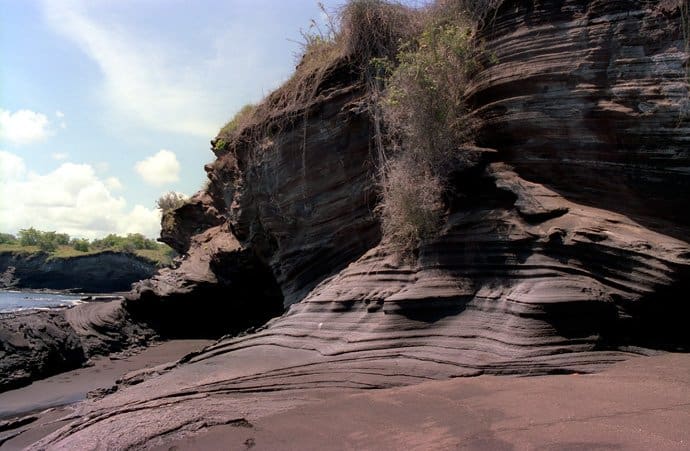
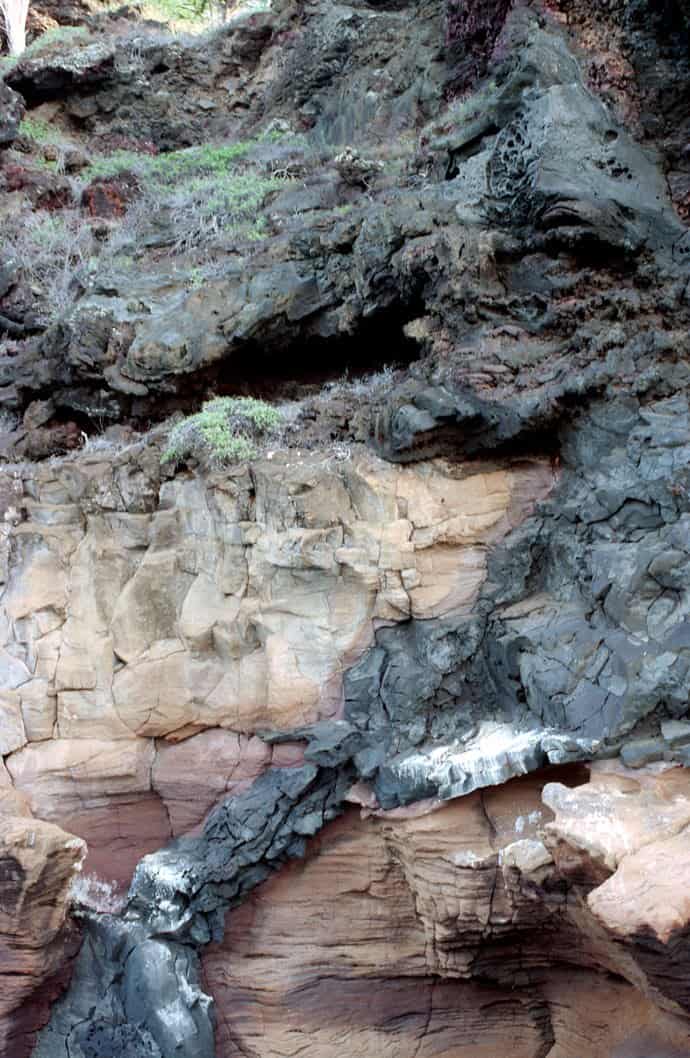
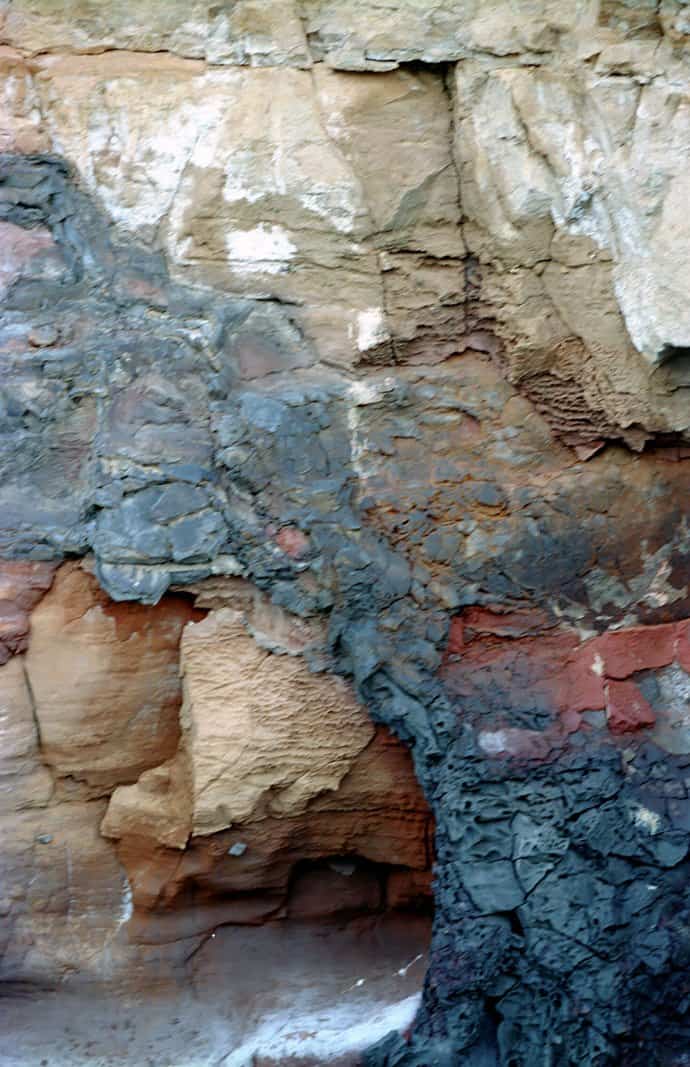
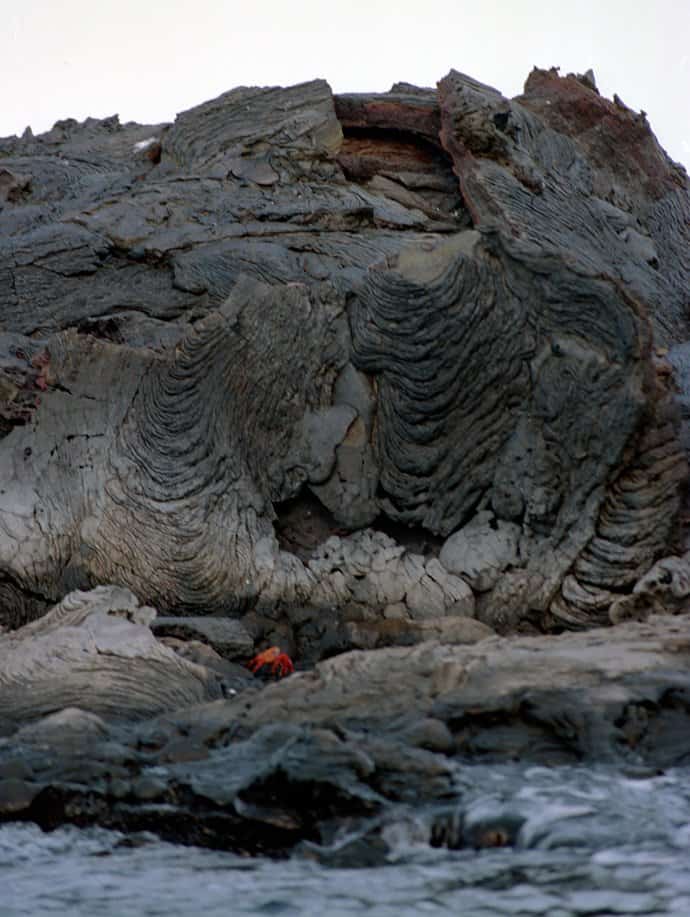
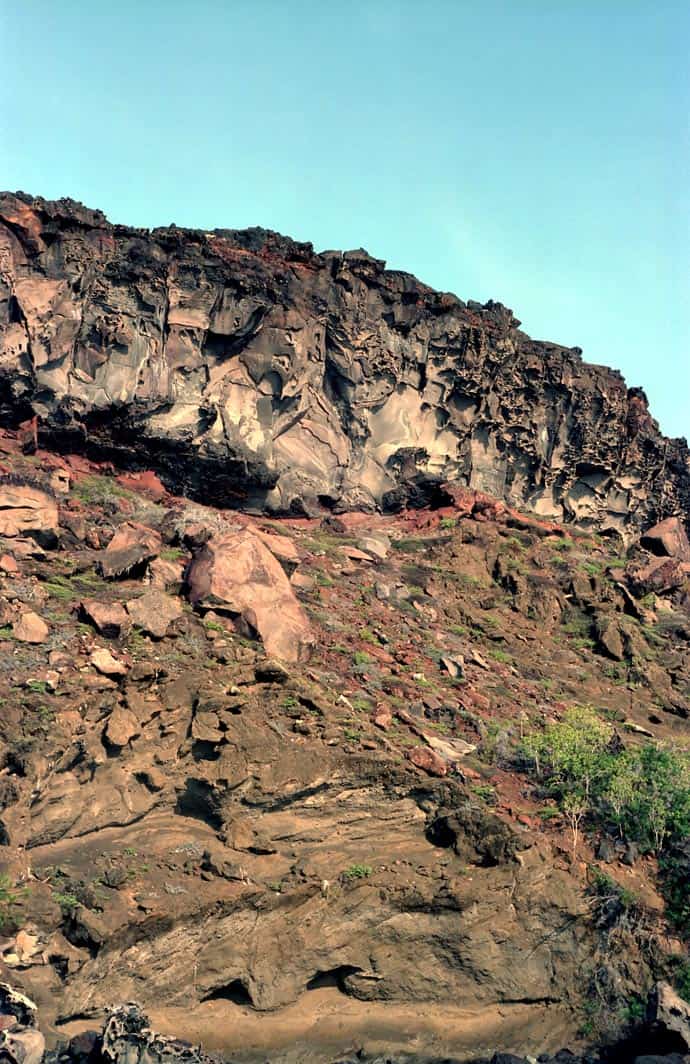
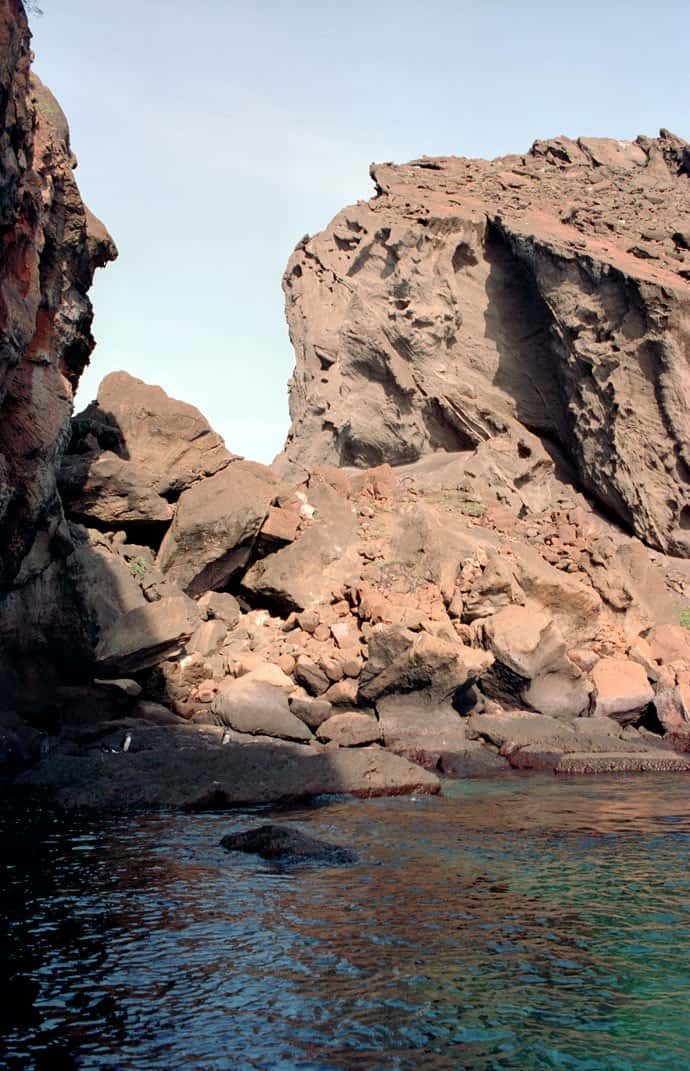
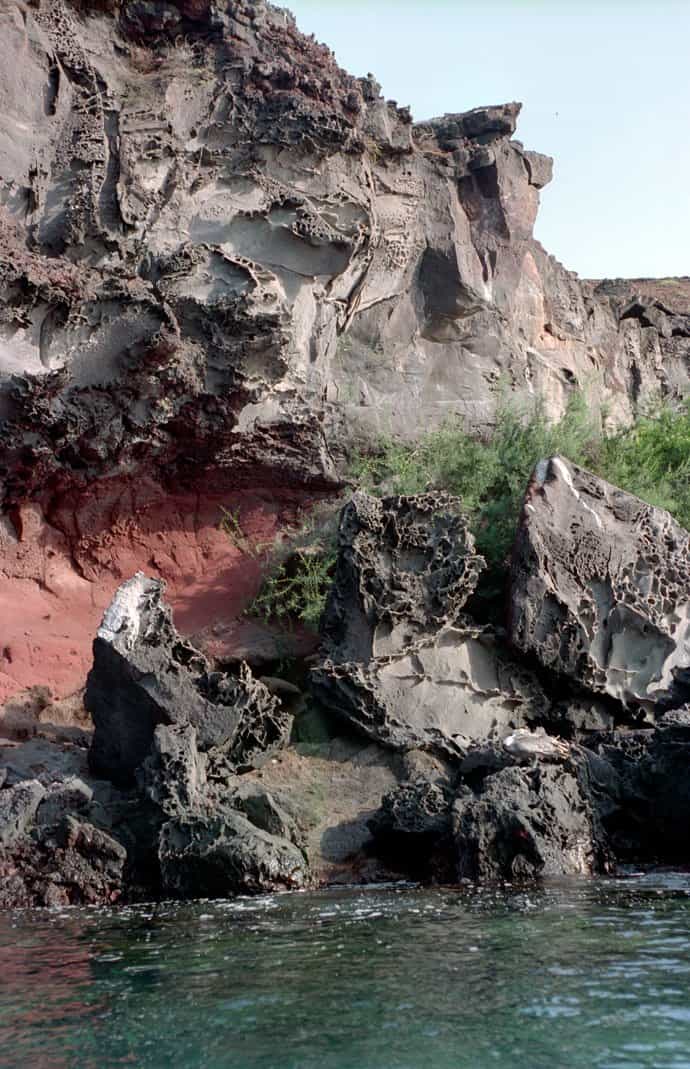
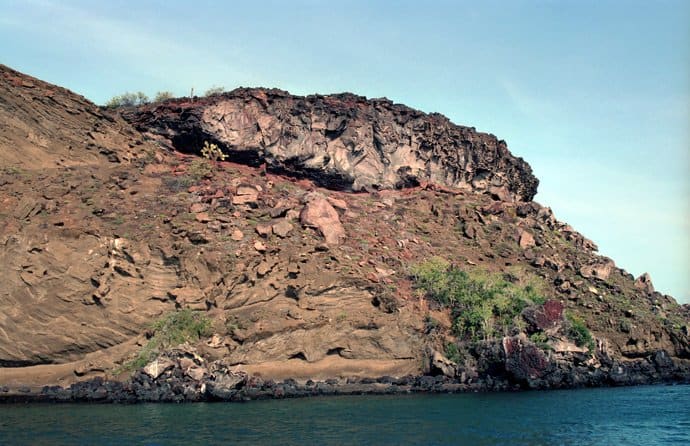
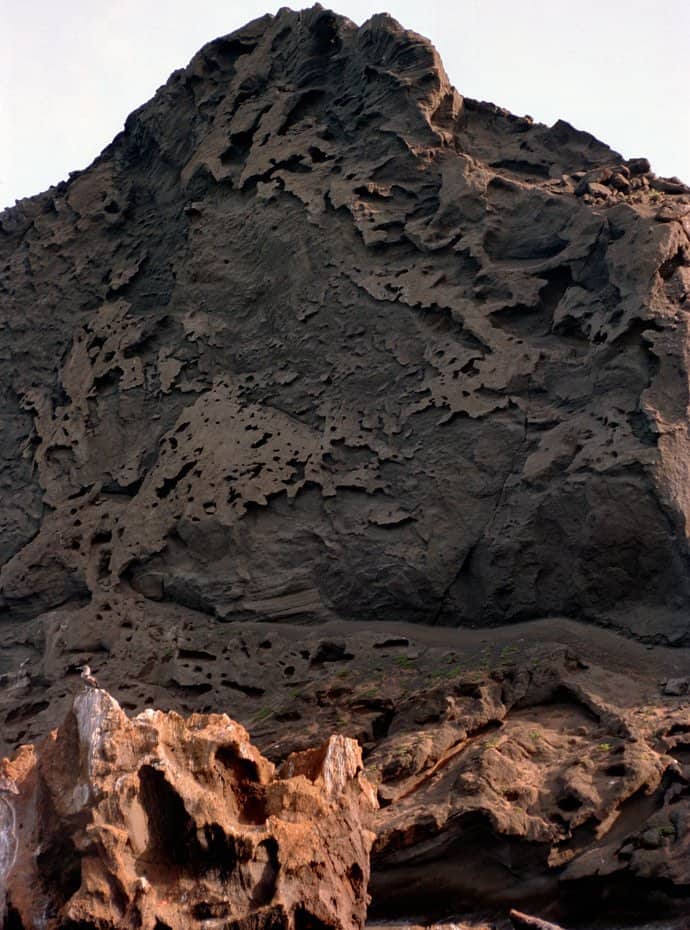
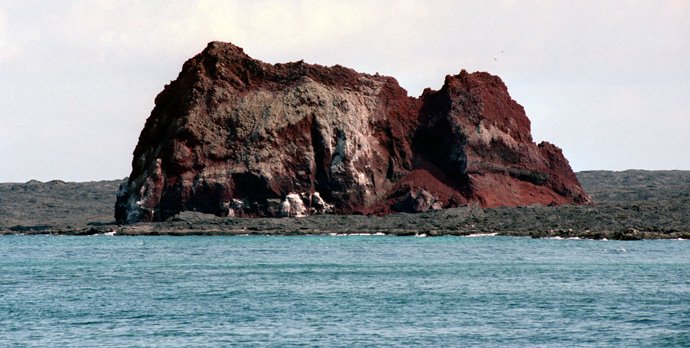
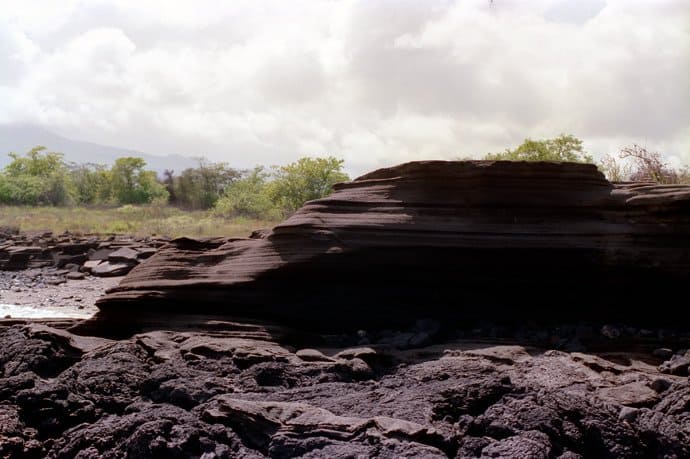
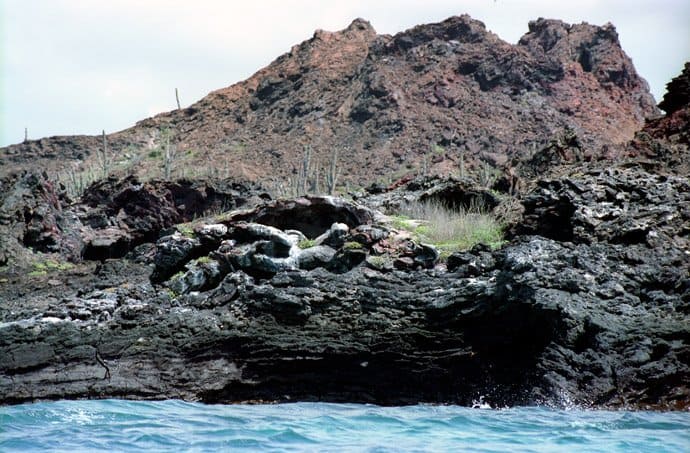
The black Pahoehoelava (Pahoehoe = Polinese: rope), also called knitted lava, forms the most curious forms when it cools. In the upper area, you can see that the roof of this structure has already collapsed. On the right, another formation. Here, various layers of lava have poured over each other. In another place, you can clearly see the dark and porous lava flows between lighter rock layers. Here again such a structure. In the shore area, this cross-section of the earth has been exposed by the surf and erosion. The lava has completely enclosed the rock here.
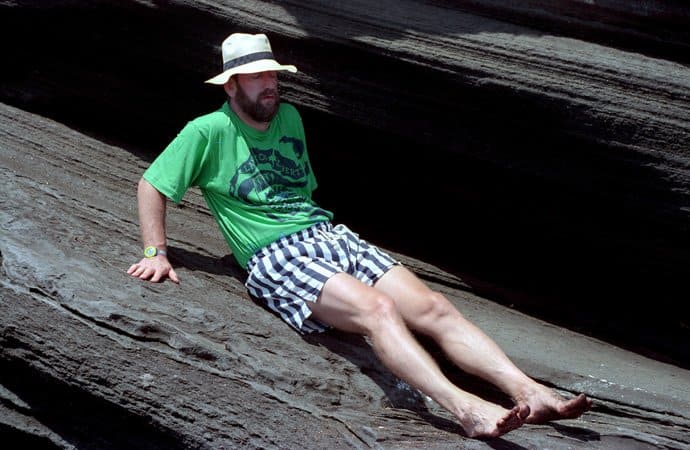
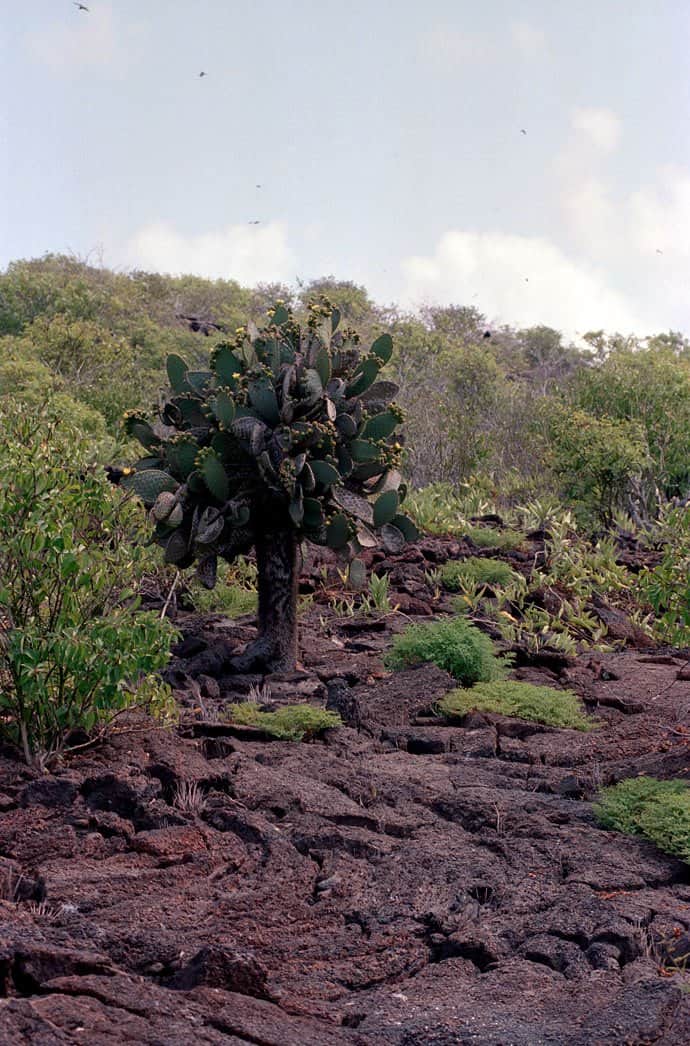
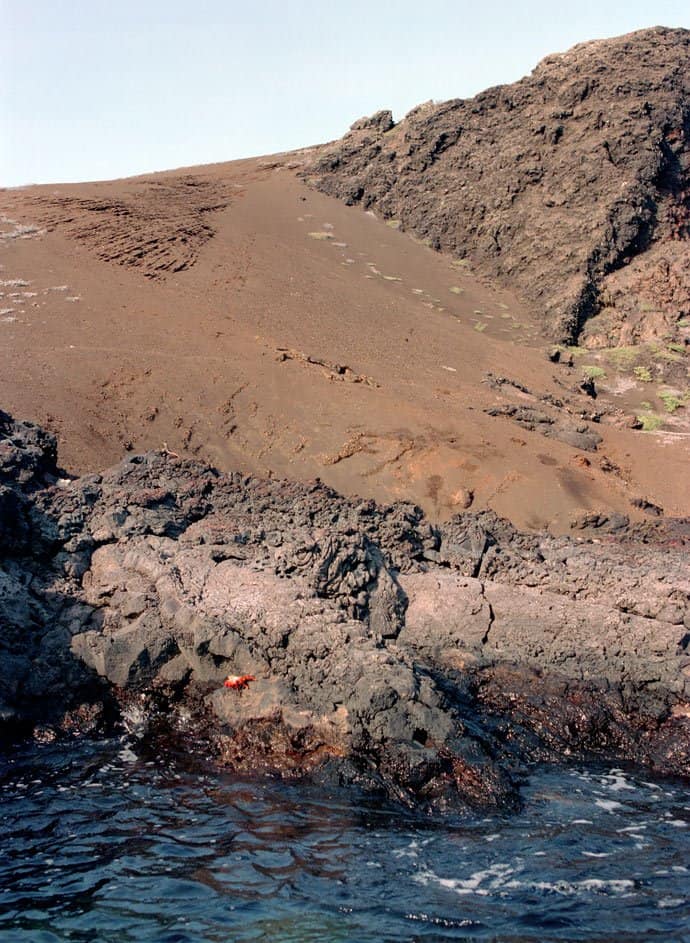
An even younger, already cooled lava flow has trapped cacti and shrubs, but they have reclaimed their habitat. The lava breaks up over time and gives way to more life. Brigitte takes a short break. Walking on the lava surface is exhausting. You have to be constantly careful not to step on layers that are too porous, as there is a risk of collapsing there. The hot gases have formed cavities during the cooling of the lava, which collapse over time.
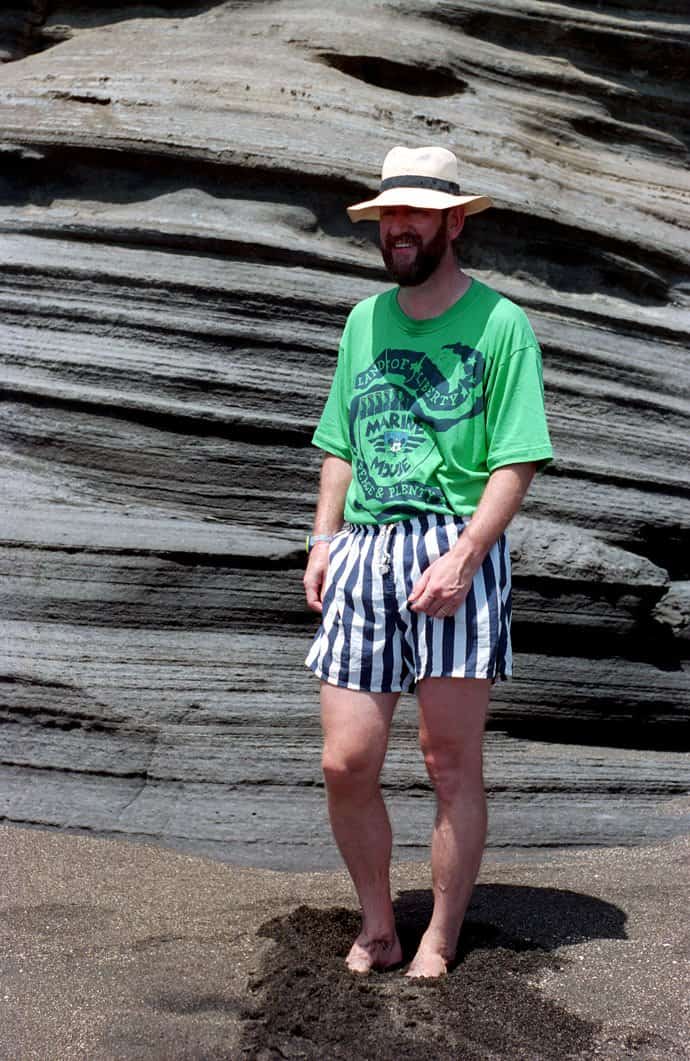
We admire the washed out lava layers on the beach. Such natural works of art can be found in an incredible variety on the Galapagos Islands.
Images Galapagos – Evolution





Questions about the destination Galapagos
In the South America forum you will get the answers!

Author: Joe OnTour
Autor + Reise-Blogger