Galapagos – Isabela Island
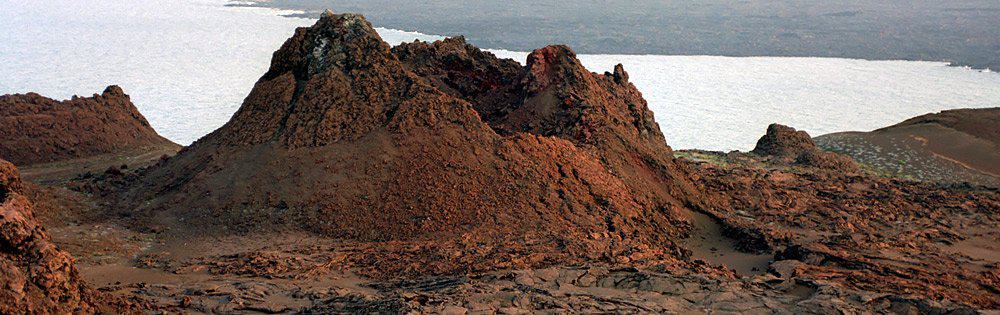
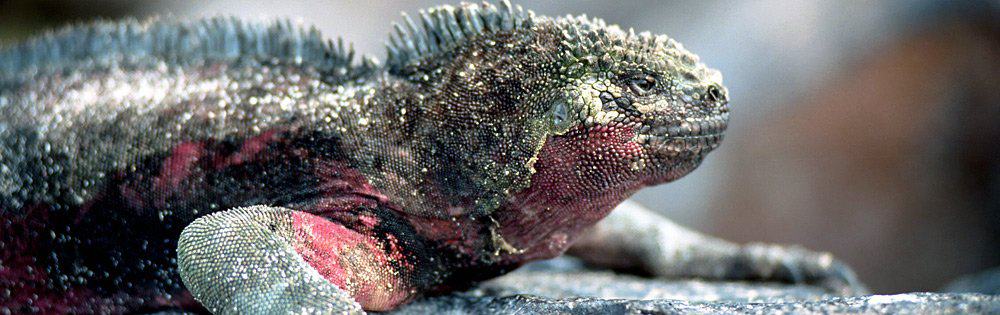
The name Galapagos comes from the Spanish name of the island Insulae de los Galopegos, the island of turtles. Of the five main islands, Isabela is the largest and is 120 kilometers long. The Wolf volcano is the highest mountain on the islands at 1707 meters. About a thousand people live in the south of the island. The north is characterized by barren lava landscapes. It is home to an extensive colony of sea guans. The island of Santa Cruz has about 9000 inhabitants – in Puerto Ayora, the tourist center of the archipelago, and in the Charles Darwin Research Station. Santa Cruz is already home to a large part of the animals typical of Galapagos. Many tourists stay on this island because of this and because there are also some good hotels here. With about 5000 inhabitants, San Cristobal is one of the more densely populated islands. The people on this island live from cattle breeding, banana and orange cultivation. This is also the capital of the province of Galapagos: Puerto Baquerizo Moreno. The island also has an airport.
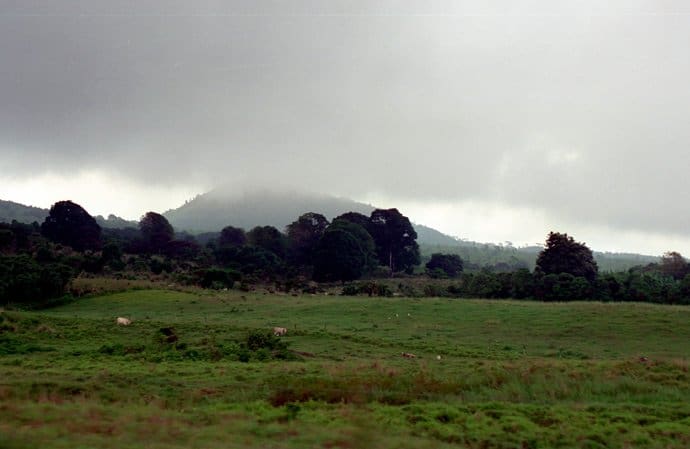
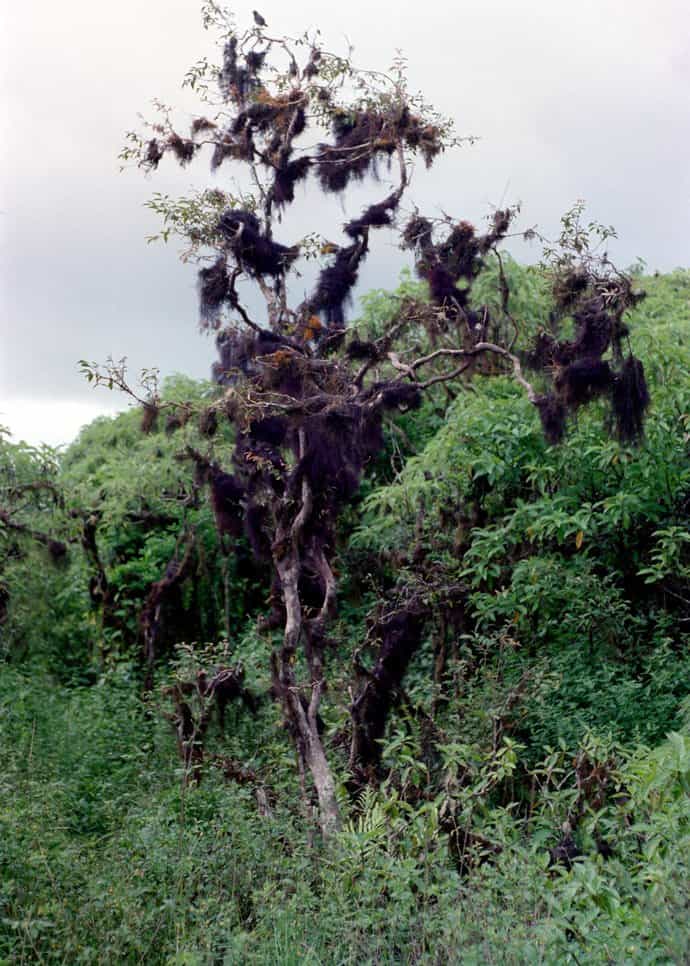
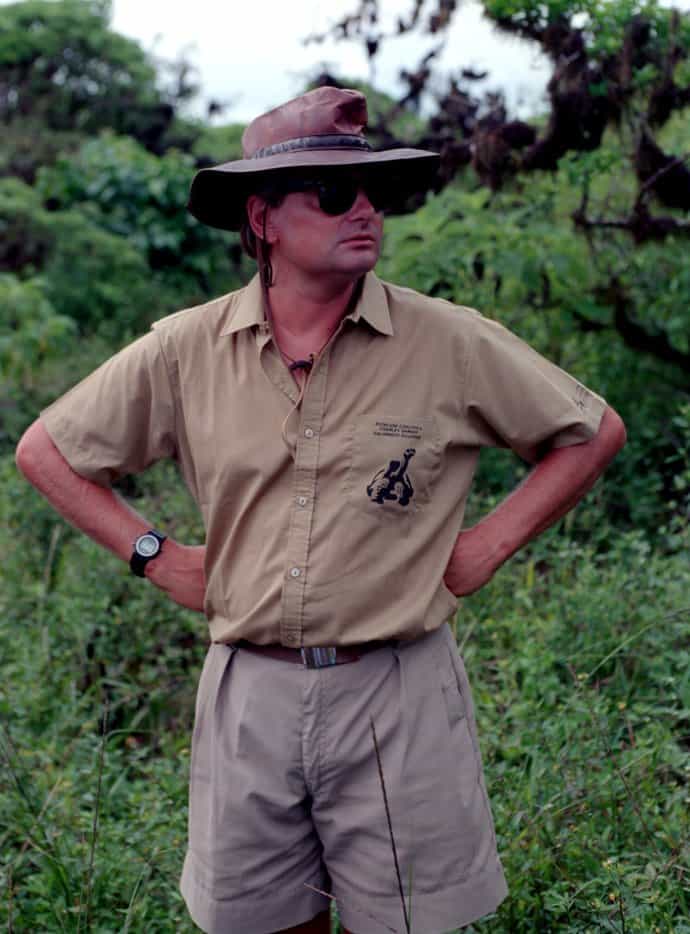
With 4588 km², Isabela is the largest island in the archipelago. It is composed of five shield volcanoes, which probably initially formed separately from each other and only grew together to form an island due to the lava flowing out. The island is home to a diverse flora, such as Tournefortia, Psychotria ruficeps, Galápagos guavas, Galápagos tree ferns, various epiphytic ferns, various mosses, grasses, balsam trees, mangroves, Waltherias, Croton scouleri shrubs, yellow cordias, various acacia species, Darwiniothamnus, lava cacti, orchids, etc. Our guide will lead us through the partly dense jungle of the island.
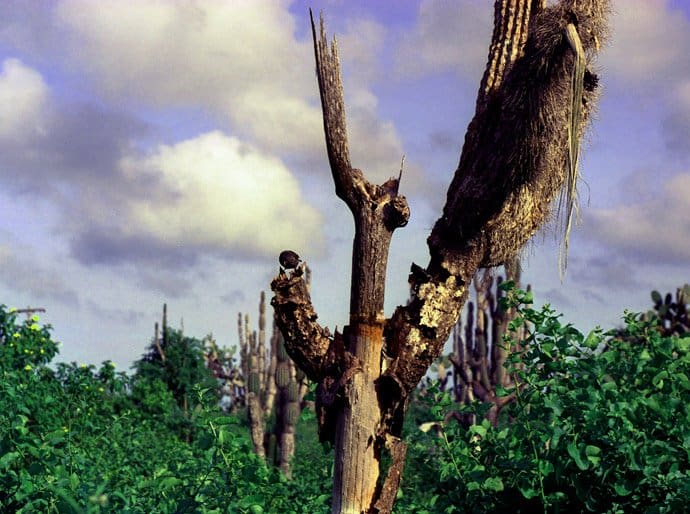
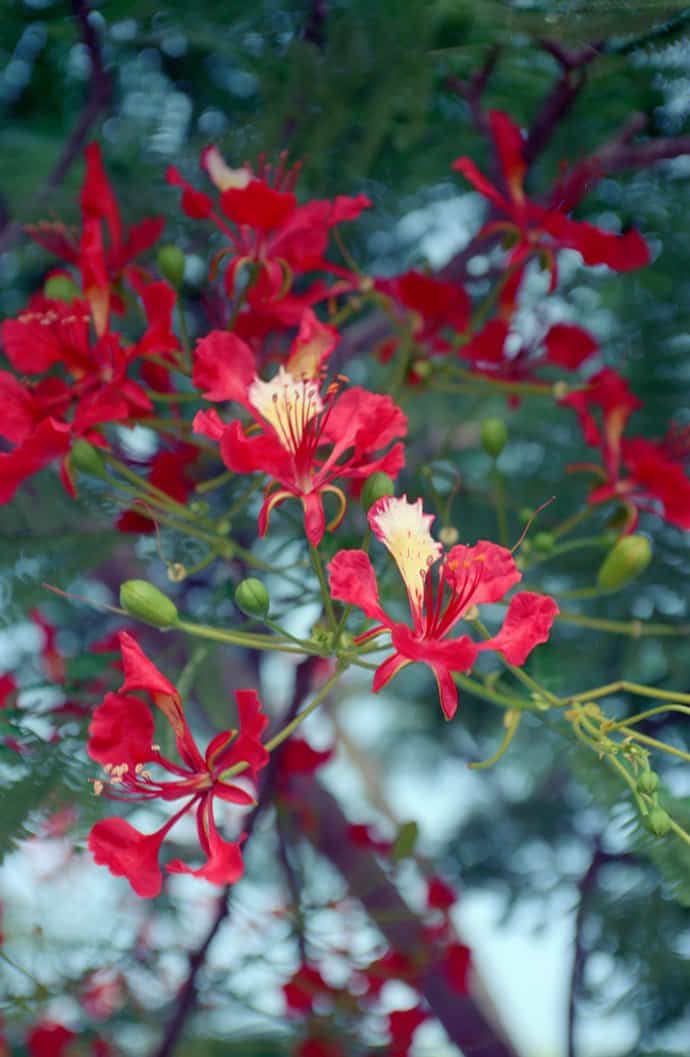
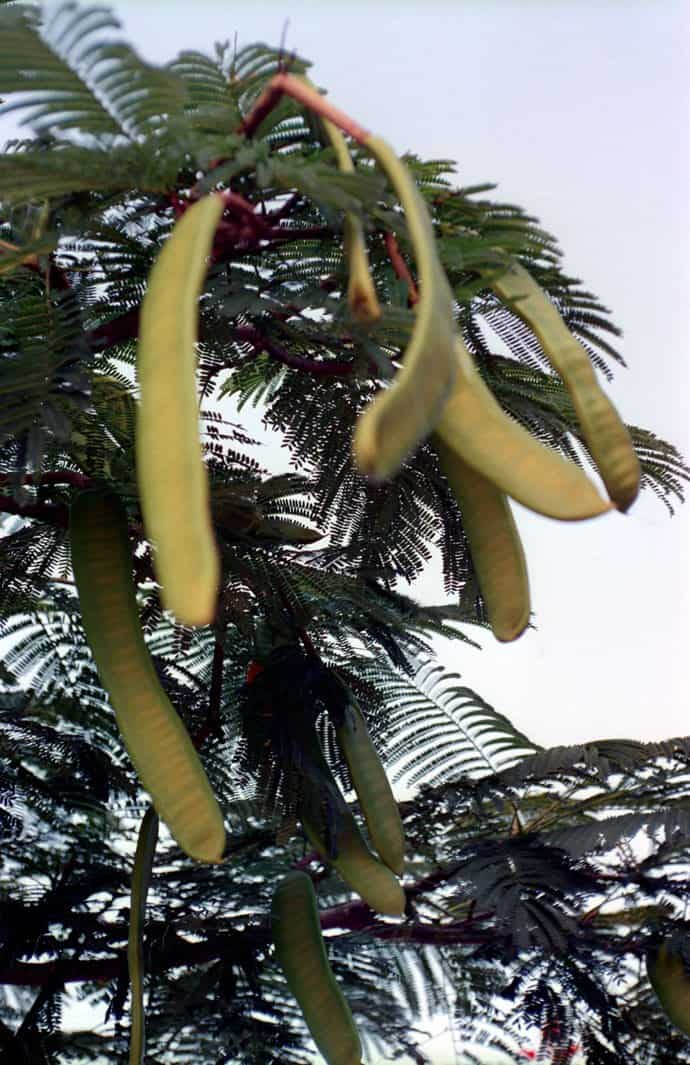
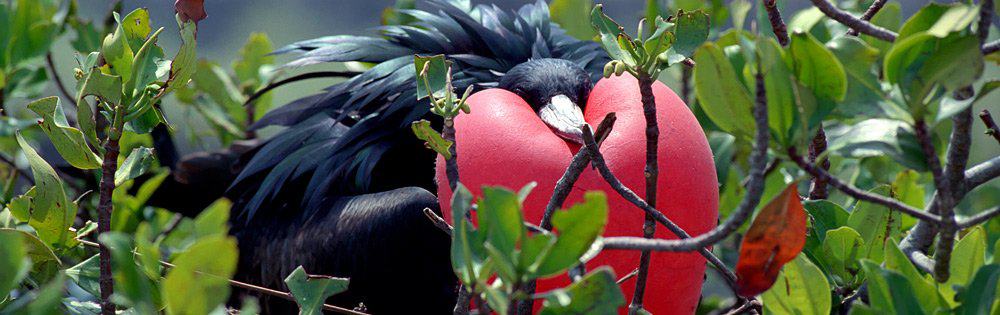
The bushes are densely overgrown. On the trees we find nests of breeding birds. To the north are the volcanoes Wolf (the highest at 1677m), Darwin and Alcedo, to the south the volcanoes Sierra Negra and Cerro Azul. Half of the Ecuador volcano in the northwest has already been swallowed up by the sea. The volcanoes Wolf, Cerro Azul and Sierra Negra are still active. The blaze of colour can be admired in many places on the island. A pod tree in its full glory.
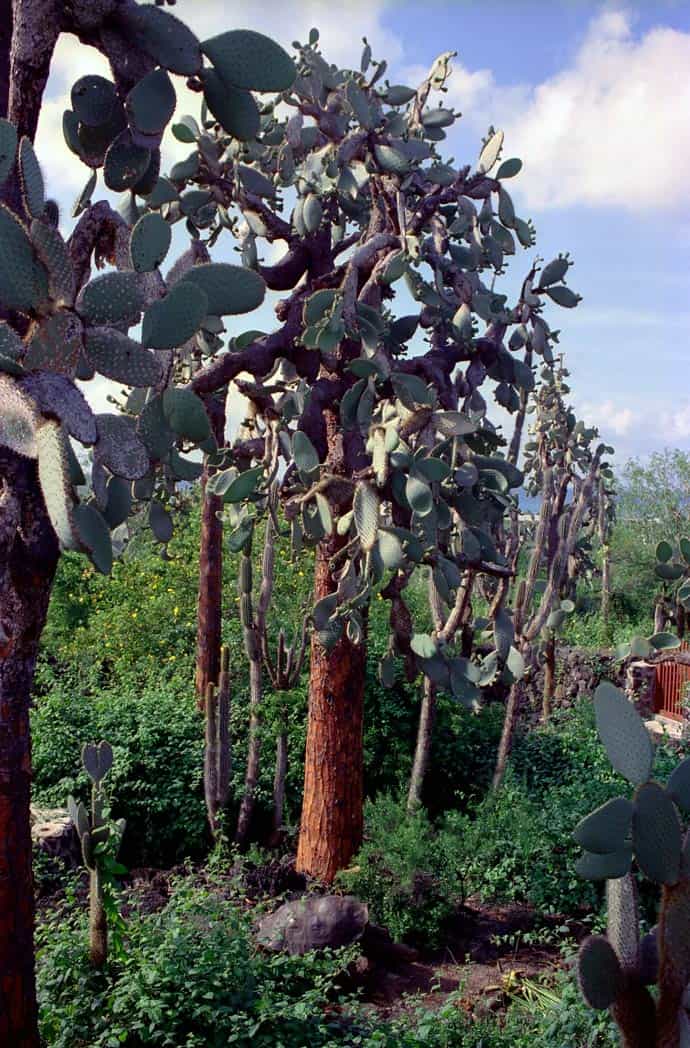
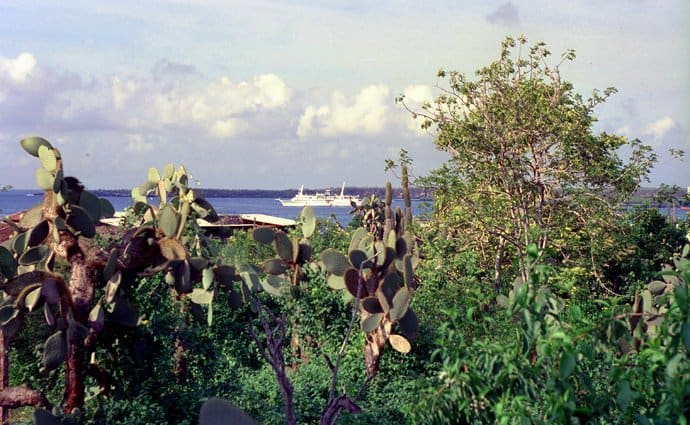
From time to time we see the sea on our hike through the dense jungle. Huge cactus trees grow in the undergrowth and block our way. The islands are not only of different structure among themselves, but we find on this island alone the most glaring landscape contrasts on our journey from the south to the north of the island.
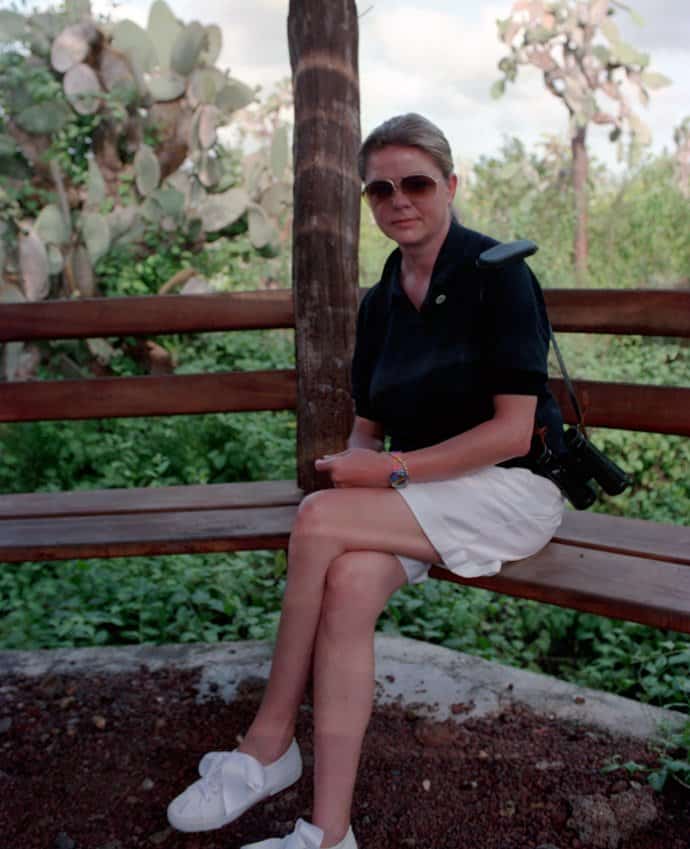
The mighty Opuntia tree cacti have grown into a kind of landmark of Galápagos. They have adapted to the given environmental conditions in a unique way. There are six endemic species of these fig or opuntie cacti, which can grow up to 9m high. The cactus cushions are turned towards the sun’s rays like twisted parabolic antennas. Their pointed, shadowless spines protect the meat from voracious egg-laying predators. The brown tree bark, covered with smooth wax, not only repels the climbing iguanas, but also reduces unnecessarily evaporating body water due to winds and strong equatorial UV radiation to a minimum. A component essential for the survival of cacti for photosynthesis. During these excursions and hikes, you should not forget to protect yourself from insects and always have enough drinking water with you. Finally we have found a suitable resting place for an extensive break.
Pictures Galapagos – Isabela Island


Questions about the destination Galapagos
In the South America forum you will get the answers!

Author: Joe OnTour
Autor + Reise-Blogger