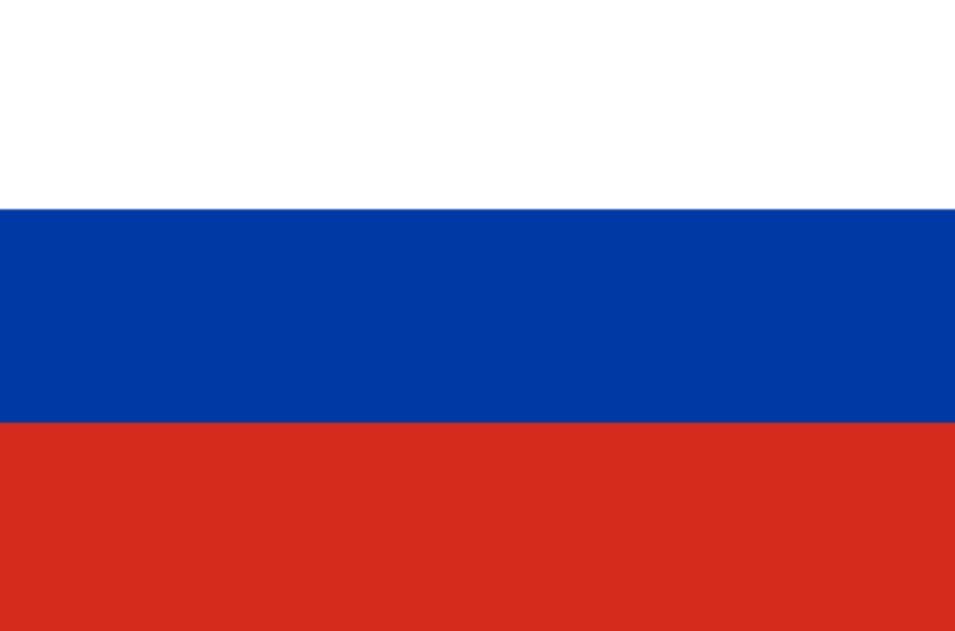
St. Petersburg: A Week Among Tsars, Canals, and White Nights
Russia at a glance
Russia, with an area of approximately 17.1 million square kilometers, is the largest country in the world – spanning eleven time zones, from the Baltic Sea in the west to the Bering Strait in the far east, where it lies just a few kilometers from Alaska. Despite this vast expanse, the majority of its roughly 144 million inhabitants live in the European part of the country, west of the Ural Mountains. The capital, Moscow, with over 13 million inhabitants, is the political, economic, and cultural center, while St. Petersburg, with around 5.4 million inhabitants, is the second-largest city and the historical “gateway to Europe.”
The official language is Russian, an East Slavic language written with the Cyrillic alphabet. In major cities and tourist centers, many younger people, as well as hotel and restaurant staff, speak at least rudimentary English; however, this is much less common in rural areas and off the beaten track. It is advisable to know at least a few basic Russian words and the Cyrillic alphabet, as street signs, menus, and metro stations are usually labeled exclusively in Cyrillic.
The official language is Russian, an East Slavic language written with the Cyrillic alphabet. In major cities and tourist centers, many younger people, as well as hotel and restaurant staff, speak at least rudimentary English; however, this is much less common in rural areas and off the beaten track. It is advisable to know at least a few basic Russian words and the Cyrillic alphabet, as street signs, menus, and metro stations are usually labeled exclusively in Cyrillic.
Political system and administration
Russia is constitutionally a federal, semi-presidential republic, divided into numerous federal subjects – republics, regions (oblasts), autonomous counties, and the two federal cities of Moscow and St. Petersburg, which have their own administrative status equivalent to regions. The head of state is the president, who wields extensive powers; the government is led by the prime minister. For travelers, it is particularly relevant that state institutions in Russia are significantly more visible and influential in daily life than is typical in many Western European countries – for example, regarding registration requirements for foreigners staying in the country for more than seven working days, or the inspection of identity documents.
Population, religion and culture
Russia is a multi-ethnic state with over 190 recognized ethnic groups, with ethnic Russians constituting a clear majority at around 80 percent. The predominant religion is Russian Orthodox Christianity, which, after decades of state-imposed secularism during the Soviet era, has experienced a remarkable revival since the 1990s. Numerous churches and monasteries have been restored or faithfully reconstructed over the past thirty years. Significant Muslim, Buddhist, and Jewish communities also live in Russia, primarily in certain regions such as the North Caucasus, Tatarstan, and Buryatia.
Culturally, Russia has gifted the world with some of its most significant contributions to literature, music, ballet, and the visual arts. Names like Pushkin, Tolstoy, Dostoevsky, Tchaikovsky, Rachmaninoff, and Kandinsky continue to shape the international perception of Russian culture. St. Petersburg itself was and remains a center of this cultural output: Dostoevsky and Pushkin worked here, the world-famous Mariinsky Theatre, one of the world’s most important opera and ballet venues, is located here, and the Russian Academy of Arts was founded here in the 18th century.
Economy and everyday life
Russia possesses significant natural resources, particularly oil, natural gas, and metals, which traditionally constitute a substantial portion of state revenue. Since 2022, international sanctions imposed as a result of the war against Ukraine have had a profound impact on the economy, trade, banking, and international travel connections, directly affecting visitors from abroad – for example, in the use of payment cards, flight connections, or access to certain international services and platforms. For daily life in St. Petersburg, this means that travelers should thoroughly research and plan accordingly, especially regarding access to cash and communication.
History in brief
Russia’s history stretches from the medieval principalities of Kievan Rus’, through the Tsarist Empire, which rose to become a major European power under Peter the Great in the 18th century, to the October Revolution of 1917, which transformed the country into the Soviet Union. Following the collapse of the USSR in 1991, the modern Russian Federation was formed. This eventful history continues to shape the cityscape of many Russian metropolises: opulent imperial palaces stand alongside monumental Soviet buildings and modern skyscrapers – an architectural reflection of the political upheavals of the last three centuries.
Climate and best time to travel
Russia has an enormous climatic diversity, but the European part of the country, which includes Moscow and St. Petersburg, generally has a temperate continental climate with cold, often harsh winters and warm, sometimes humid summers. In St. Petersburg, located on the Baltic Sea, the proximity to the sea moderates temperatures somewhat, while the humid sea air causes frequent fog, wind, and precipitation – the city is considered one of the rainiest major cities in Europe.
The most popular time to visit St. Petersburg is between May and September. June and July are particularly sought after due to the phenomenon of the “White Nights,” when, because of the city’s northerly latitude, the sun never fully sets and twilight lasts until the early morning hours. However, during this time, significantly higher accommodation prices and crowded tourist attractions are to be expected. Winter, on the other hand, reveals a completely different, quieter side of St. Petersburg: snow-covered palace facades, frozen canals, and short but atmospheric hours of daylight – albeit with temperatures that often drop well below freezing.
St. Petersburg: History and Significance
St. Petersburg was founded in 1703 by Tsar Peter the Great at the mouth of the Neva River on the Baltic Sea, with the stated goal of creating a “window to Europe.” For over 200 years, until 1918, the city was the capital of the Russian Empire and the seat of the imperial family. During this time, most of the magnificent buildings that still characterize the cityscape today were constructed: the Winter Palace, the Peter and Paul Fortress, countless churches, aristocratic palaces, and the extensive canal system that has earned the city the nickname “Venice of the North.”
In the 20th century, the city, which was temporarily renamed Petrograd and later Leningrad, experienced dramatic events: the October Revolution of 1917 originated here, and during World War II, the city survived a nearly 900-day siege by German troops, which claimed more than a million lives. Since 1991, the city has borne its original name, St. Petersburg, and is now a UNESCO World Heritage Site with one of the densest concentrations of historical buildings in the world.
Overview of sights
Among the most famous attractions are the Hermitage Museum in the Winter Palace, home to one of the world’s greatest art collections; the expansive Palace Square with the Alexander Column; the Church of the Savior on Spilled Blood with its distinctive colorful onion domes; and the Peter and Paul Fortress on Hare Island. Outside the city, the former summer residences of the Tsars beckon: Peterhof, with its famous cascading fountains on the Gulf of Finland, and Tsarskoye Selo, with the Catherine Palace and the reconstructed Amber Room. Nevsky Prospekt, the city’s main thoroughfare, connects many of these sights and is also the center for shops, cafes, and nightlife.
In addition, visits to St. Isaac’s Cathedral with its gilded dome, offering a panoramic view of the entire city center, are worthwhile, as is the Russian Museum, which houses the world’s largest collection of Russian art and thus complements the Hermitage’s international focus. Those interested in maritime history will find another important historical landmark in the cruiser “Aurora,” anchored on the Neva embankment, which once fired the signal to storm the Winter Palace. The Kunstkamera, Russia’s oldest museum, with its curious natural history collection from the time of Peter the Great, also regularly attracts visitors.
Art, music and nightlife
St. Petersburg has always been considered the cultural heart of Russia. Besides the Mariinsky Theatre with its world-famous ballet and opera company, there are numerous other stages, concert halls, and galleries offering a rich cultural program throughout the year. Especially in summer, during the White Nights, the city transforms into an open-air stage: street musicians, open-air concerts, and the traditional “Scarlet Sails” celebrations at the end of the school year, in which a ship decorated with red sails sails down the Neva River, draw tens of thousands of spectators to the riverbanks.
Holidays and events
Important holidays that can affect daily life and opening hours in St. Petersburg include Orthodox Christmas on January 7, International Women’s Day on March 8, Victory Day on May 9 commemorating the end of World War II, and Russia Day on June 12. On these days, many shops, government offices, and some museums are closed or have reduced hours, while elsewhere larger celebrations and military parades take place.
Entry and visa
German, Austrian, and Swiss citizens generally require a visa to enter Russia – visa-free tourist entry is not available for these nationalities. For most tourist stays of up to 30 days, an electronic visa (e-visa) can be applied for. Since August 2025, this allows a stay of up to 30 days with a single entry and is applied for entirely online, without the need for an invitation from a tour operator. For longer stays or other travel purposes – such as study, work, or family visits – a regular visa is still required, obtained through a consulate or visa center. This typically requires an invitation letter (voucher) from a licensed Russian tour operator.
Since visa regulations can change at short notice, travelers should always check their individual requirements with the relevant Russian embassy or consulate or an authorized visa service provider before planning or booking a trip.
Current security situation – an important note
A clear warning is necessary here, which should be considered when planning any trip to Russia: The German Federal Foreign Office has extended its travel warning for Russia to the entire country in the summer of 2026 – previously, it primarily applied to the regions directly bordering Ukraine. This is due to the increasing number of Ukrainian drone attacks, which now also reach Moscow, St. Petersburg, and other regions in the interior. According to the ministry, there is a significant threat nationwide from drones and debris from downed aircraft. The Federal Foreign Office also warns of the risk of arbitrary arrests by Russian authorities, particularly since press and media freedom in Russia is severely restricted by new censorship laws, and arrests and convictions can occur at any time, even on fabricated pretexts that can be used as a tool for political pressure. Special attention is drawn to the particular risks of traveling to Russia for dual nationals.
The Austrian Foreign Ministry also assesses the security situation similarly: The highest security level applies to the administrative regions bordering Ukraine, while the remaining regions of the country are classified as having a high security risk (level 3 out of 4). Nighttime drone attacks, resulting in internet restrictions and disruptions to mobility, particularly air traffic, occur repeatedly in Moscow and other Russian cities. Travel to Russia for tourism is currently strongly discouraged.
In addition, there are practical limitations in everyday life: international credit cards still do not work reliably in Russia, so travelers must plan on carrying sufficient cash, and medical emergencies can be complicated by restricted air traffic. Anyone still considering a trip to Russia should closely monitor the situation until shortly before departure, register on the crisis preparedness lists of the respective embassy, take out comprehensive international health insurance with repatriation coverage, and strictly adhere to the current travel and security advisories issued by the German Federal Foreign Office or the Austrian or Swiss Foreign Ministry, as the situation can change rapidly.
Arrival
St. Petersburg has an international airport, Pulkovo Airport, but due to Western sanctions and the current security situation, most European airlines no longer offer direct flights. Direct flights from Germany, Austria, and Switzerland are generally unavailable at present; travel is usually only possible via connecting flights through third countries. Airspace over parts of Russia is also subject to temporary restrictions. Alternative travel routes via land borders, such as through the Baltic states or Finland, are also hampered by stricter border regulations and limited transport connections. Therefore, the current availability of realistic travel routes should be carefully checked before booking any flight.
Traveling within the city
St. Petersburg boasts a well-developed subway system (Metro), one of the deepest in the world – some stations lie over 80 meters underground due to the city’s marshy subsoil. Many metro stations are architectural landmarks in themselves, featuring elaborate mosaics, marble cladding, and chandeliers. In addition, buses, trams, and trolleybuses operate, forming a dense network that can be confusing for those unfamiliar with the city, as timetables and stop signs are predominantly only available in Cyrillic.
For journeys outside of public transport in Russia, local taxi and ride-hailing apps are most commonly used, as Western providers like Uber are not available in their familiar form. Official registration in advance via a Russian phone number is generally required to use these services, which can pose an additional hurdle for those traveling at short notice. For safety reasons, traditional street taxis without app booking should be avoided whenever possible.
Tourists are also encouraged to explore the city on foot along the canals and by boat on the numerous waterways, which offer an attractive alternative to road traffic in the summer. The historic city center is compact enough that many of the main sights are easily accessible on foot.
Accommodation and culinary delights
Accommodation options range from basic hostels and mid-range hotels to historic luxury hotels in former aristocratic palaces. In the central districts around Nevsky Prospekt and the Hermitage, most tourist-oriented accommodations are within walking distance of the main attractions.
Russian cuisine is characterized by hearty, often filling dishes: borscht (beetroot soup), pelmeni (filled dumplings), blini (thin pancakes), and a strong fish and caviar culture due to its proximity to the Baltic Sea. Vodka is a traditional part of the drinking culture and is usually served ice-cold in small glasses.
Practical advice
Time zone: St. Petersburg is in the MSK (Moscow Time) time zone, which is two hours ahead of Central European Time (CET) and one hour ahead of Central European Summer Time (CEST) throughout the year.
Power grid: The mains voltage is 220 volts, and European plug types C and F are used, so an adapter is usually not required.
Communication: Due to unreliable international roaming connections, it is recommended to either conclude a roaming agreement with your domestic mobile provider or purchase a travel eSIM before entering Russia. Internet access and certain Western communication services may be restricted or blocked in Russia.
Travel insurance: Valid international health insurance is often mandatory upon entry and should be taken out in any case, ideally with a clause for repatriation in case of emergency.
Tipping: In restaurants and cafes, it is customary to leave a tip of around 10 percent of the bill, unless this is already included as a service charge. A small tip is also appreciated for taxi rides and city tours, but is not mandatory.
Drinking water: Tap water in St. Petersburg should not be drunk without careful consideration; bottled water is readily available everywhere at low prices and is recommended for both drinking and brushing teeth, especially for those with sensitive stomachs.
Clothing: When visiting Orthodox churches and monasteries, women are expected to cover their shoulders and, in many cases, their heads; men should not wear shorts. During the summer months, despite mild temperatures, a weatherproof jacket is recommended due to wind and frequent rain; in winter, warm, layered clothing and non-slip footwear are essential.
Emergency numbers: The single emergency number for police, fire department, and ambulance service is 112 and can also be reached from foreign mobile phones. It is recommended to also note down the contact details of your country’s embassy or consulate in St. Petersburg or Moscow before traveling.
Legal considerations: Travelers should be aware that certain laws in Russia—for example, regarding freedom of expression, photography of military or security-related facilities, and dealings with organizations classified as “foreign agents”—can be interpreted much more strictly than in Western European countries. Caution and restraint are strongly advised when discussing political topics and photographing sensitive subjects.
Conclusion
St. Petersburg is undoubtedly one of Europe’s most impressive cities, both architecturally and culturally – a place where imperial history, European urban planning, and Russian identity uniquely intertwine. At the same time, the situation for travelers has changed considerably in recent years due to international sanctions, limited flight connections, practical restrictions on payment transactions, and, above all, the travel warning extended to the entire country in 2026. Anyone planning a trip to St. Petersburg should take these circumstances very seriously, consult the official foreign ministry or the relevant national foreign ministry immediately before departure, and carefully and responsibly consider their travel decision.
Note: Information regarding visa requirements, security situation, and entry conditions is based on the status as of August 2026 and is subject to change at short notice. Before traveling, you should absolutely obtain the latest, binding information from the German Federal Foreign Office (auswaertiges-amt.de), the Austrian Federal Ministry for European and International Affairs (bmeia.gv.at), the Swiss Federal Department of Foreign Affairs, and the relevant Russian diplomatic mission.
Questions about the travel destination St. Petersburg
In the Europa Forum you will get the answers!

Author: Joe OnTour
Autor + Reise-Blogger