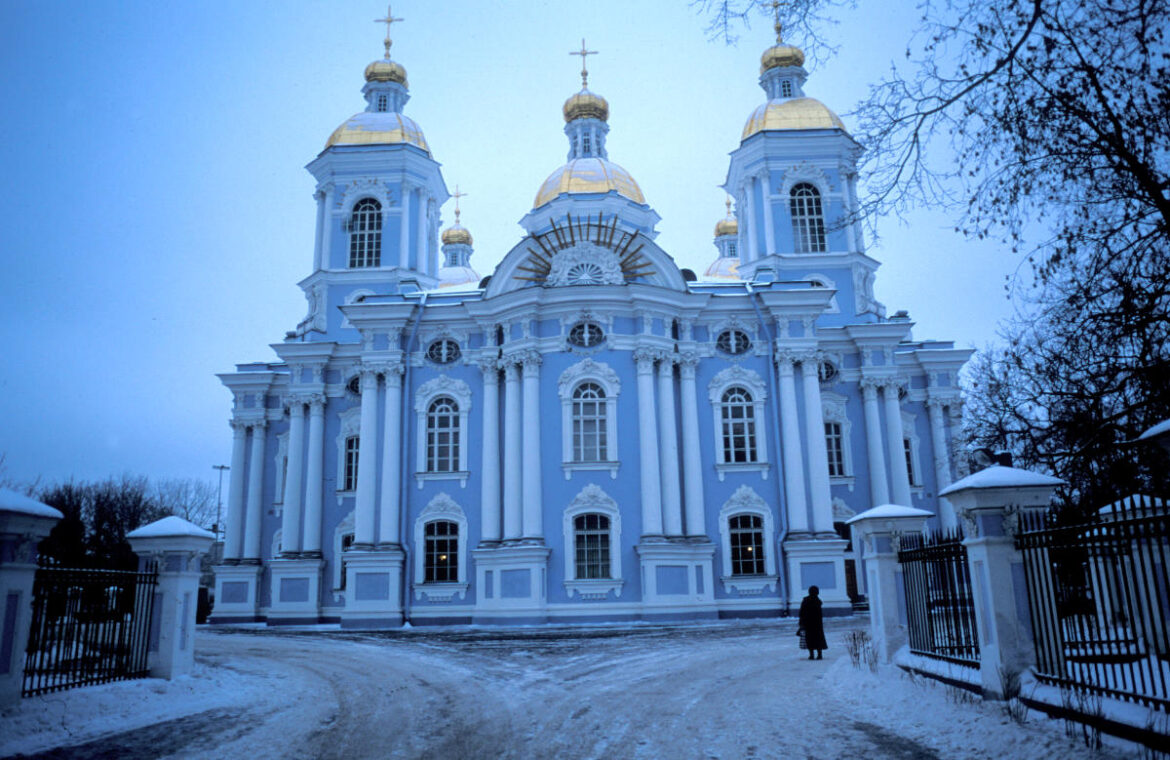
Russia – St. Petersburg
St. Petersburg: A week between tsars, canals and white nights
There are cities that you visit, and there are cities that welcome you like a theater just before the curtain rises. St. Petersburg clearly belongs to the second category. As soon as you get off the plane or train, you feel: nothing was left to chance here. Peter the Great wanted to build a “window to Europe” – and he built it with a sense of theatricality that overwhelms every visitor to this day.
Arrival in a city of water and gold
St. Petersburg is located on over forty islands, crisscrossed by the Neva River and countless canals. The first impression is already made from the taxi window: wide boulevards, pastel-coloured facades in ochre, turquoise and soft pink, interspersed with golden domes that seem to glow even on a cloudy day. You immediately notice that this city did not grow organically like many European metropolises, but was designed on the drawing board – by Italian, French and German architects who were commissioned by the tsars to create an image of Amsterdam, Venice and Paris at the same time. The result is unique: a city that looks European and yet remains unmistakably Russian.
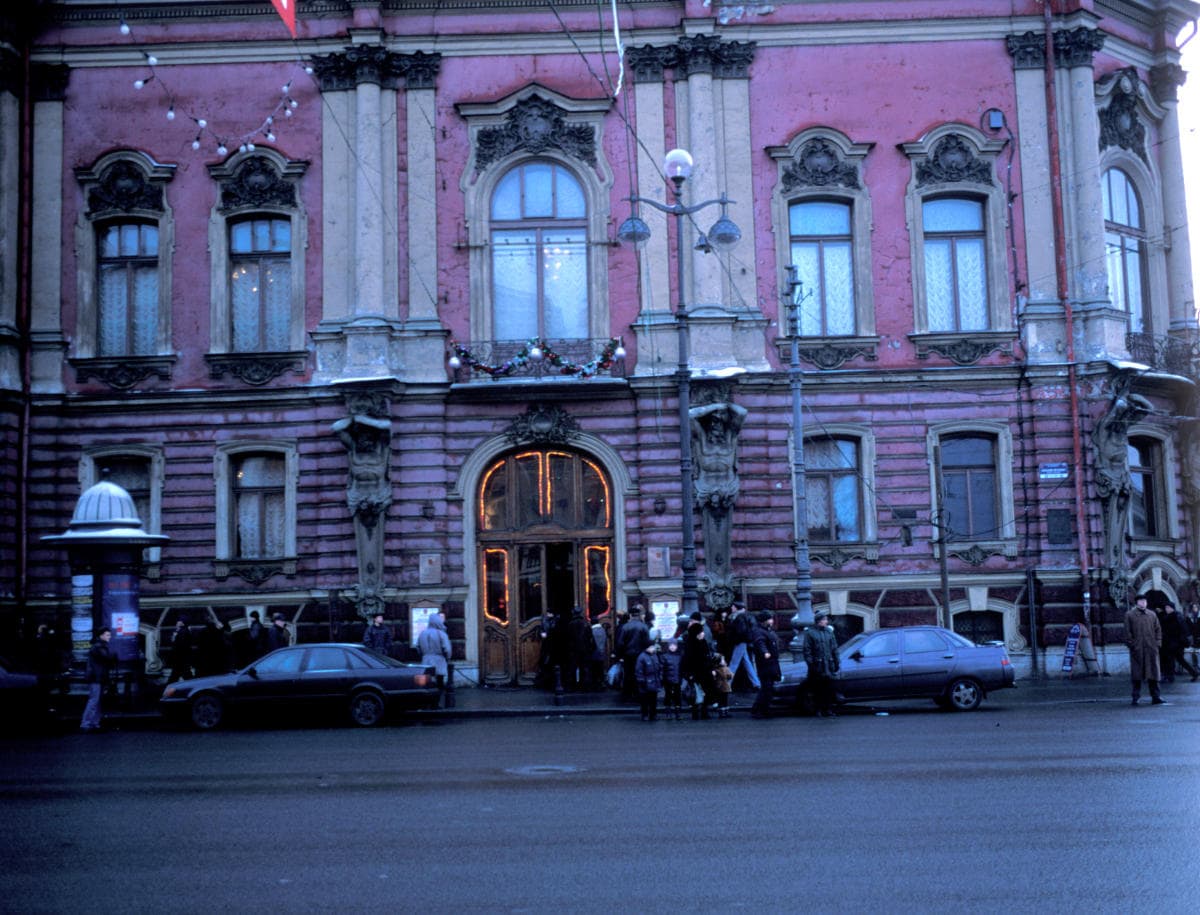
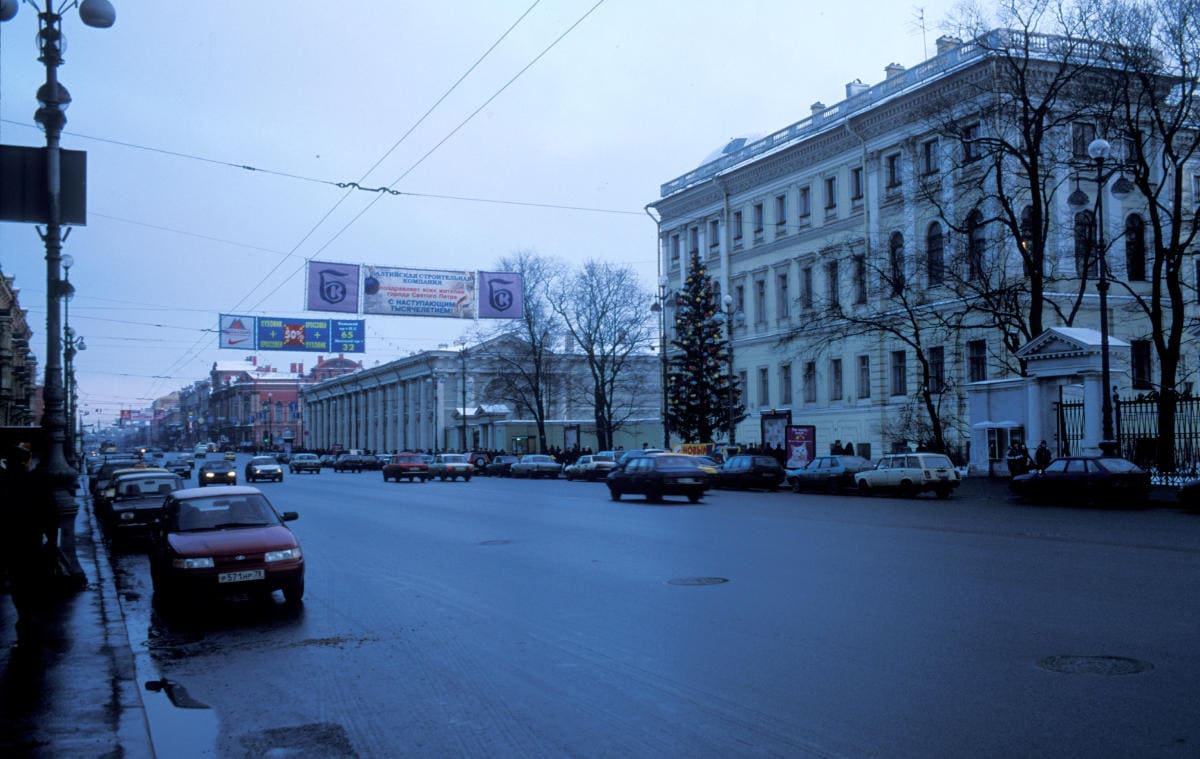
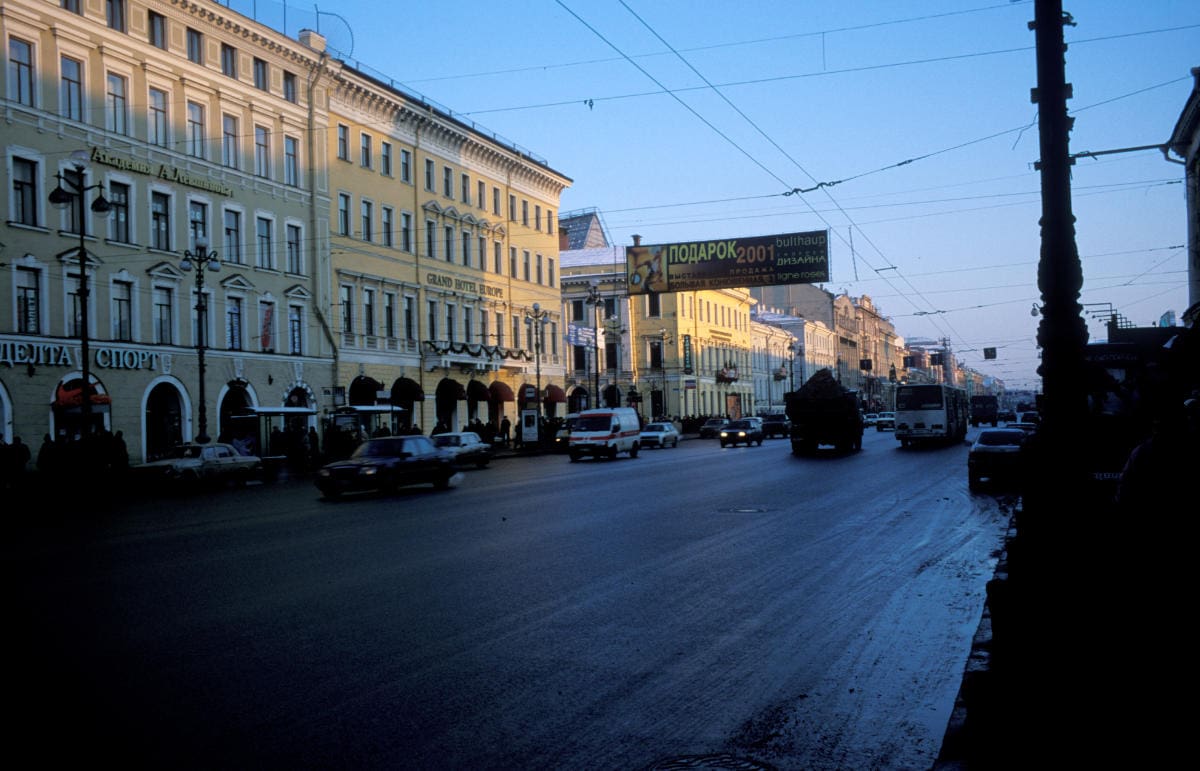
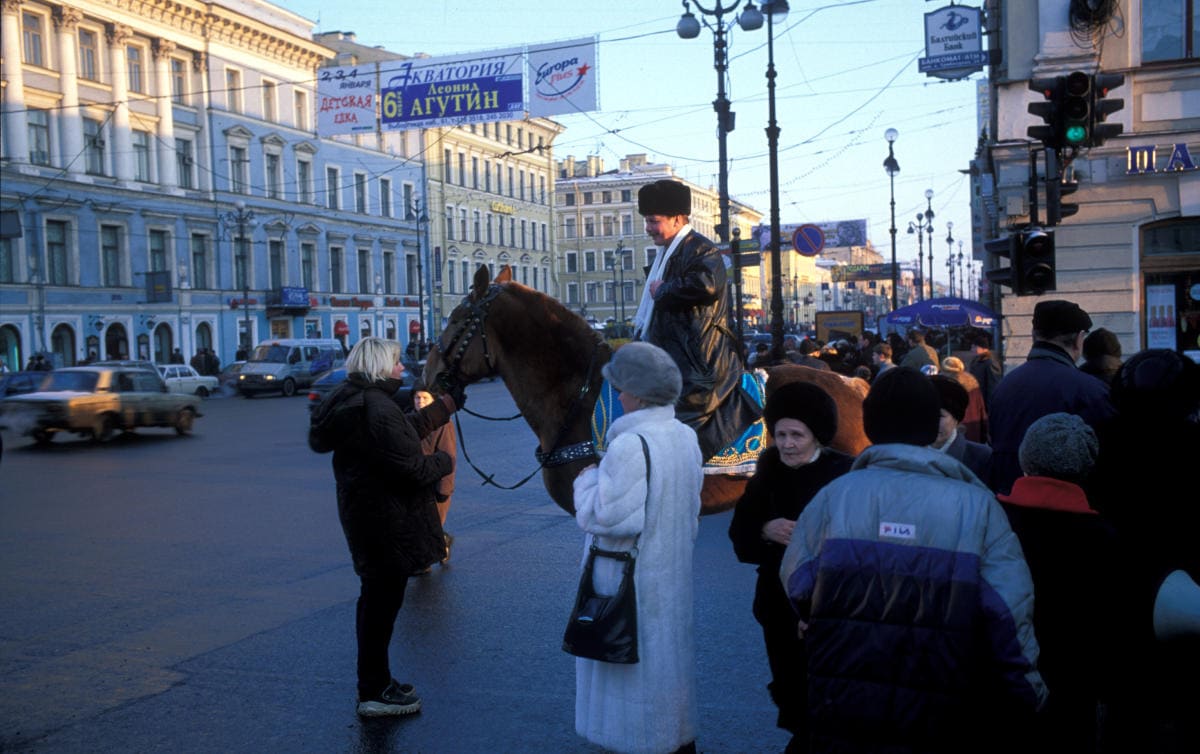
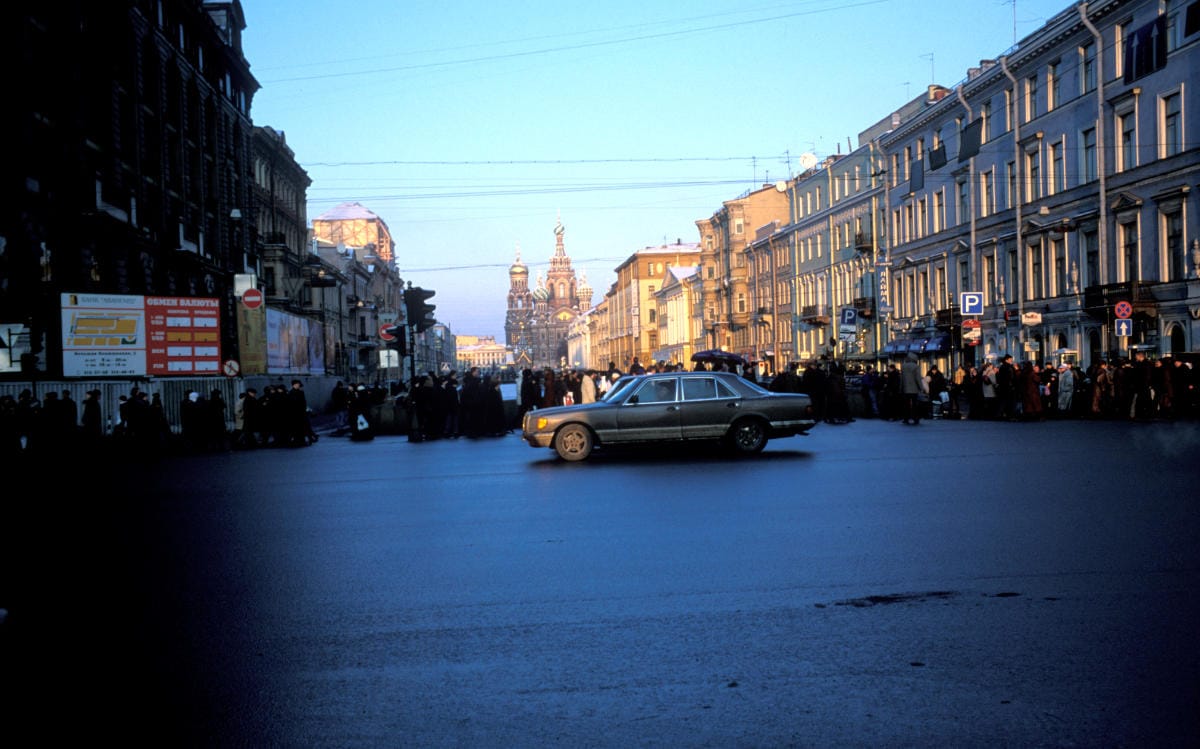
Our hotel was not far from Nevsky Prospekt, the main artery of the city. Even the first walk in the evening showed why this boulevard has been the vibrant center of St. Petersburg for almost 300 years. Street musicians played classical melodies against the backdrop of illuminated baroque facades, tourists and locals strolled together past bookstores, cafes and church portals, and above all there was this special light of the northern latitudes, which did not want to disappear completely even in the late evening.
The Hermitage: a museum that cannot be grasped in one day
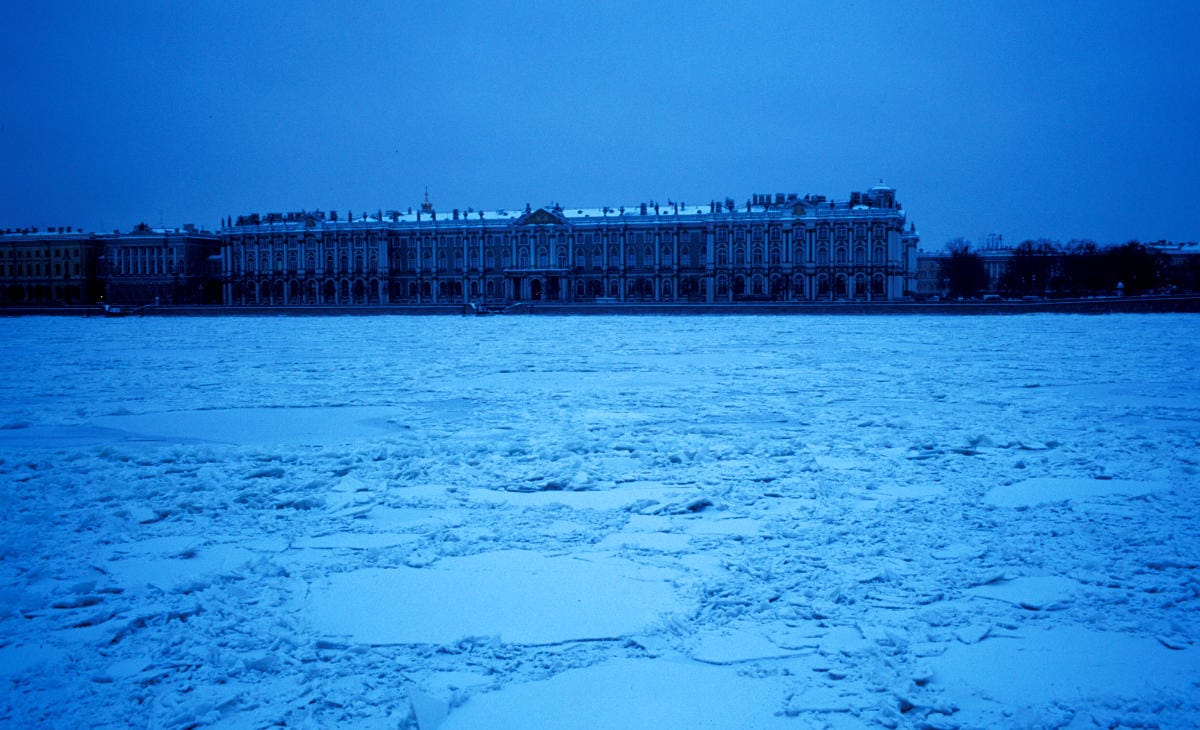
No report on St. Petersburg can do without the Hermitage – and yet you can hardly do it justice in a few paragraphs. The Winter Palace, once the residence of the Russian tsars, now houses one of the largest art collections in the world. More than three million exhibits are spread over more than 1,500 rooms, and those who try to see everything usually leave the building more exhausted than they entered it.
We decided on a strategy that has proven itself: don’t want to see everything, but choose consciously. I followed the Jordan Stairs up to the state rooms, where chandeliers and gilded stucco ceilings give an almost dizzying impression of imperial splendour. The throne room with its monumental coat of arms, the Malachite Hall with its green semi-precious stone columns, the endless picture galleries with works by Rembrandt, Rubens, Titian and da Vinci – each room is an exhibit in itself.
We were particularly touched by the room with the two Leonardo da Vinci paintings, the “Madonna Litta” and the “Madonna Benois”. In front of these pictures, in a country that is so often associated with harshness and distance, people from all over the world stand in respectful silence. It is moments like these that show how much art overcomes borders, even if the political reality outside speaks a different language.
A tip from my own experience: If you want to avoid the crowds, you should come right to the opening at 10 a.m. or – even better – book an online ticket in advance. The queues in front of Palace Square can otherwise drag on for hours, especially in the summer months.
Palace Square and Alexander’s Column
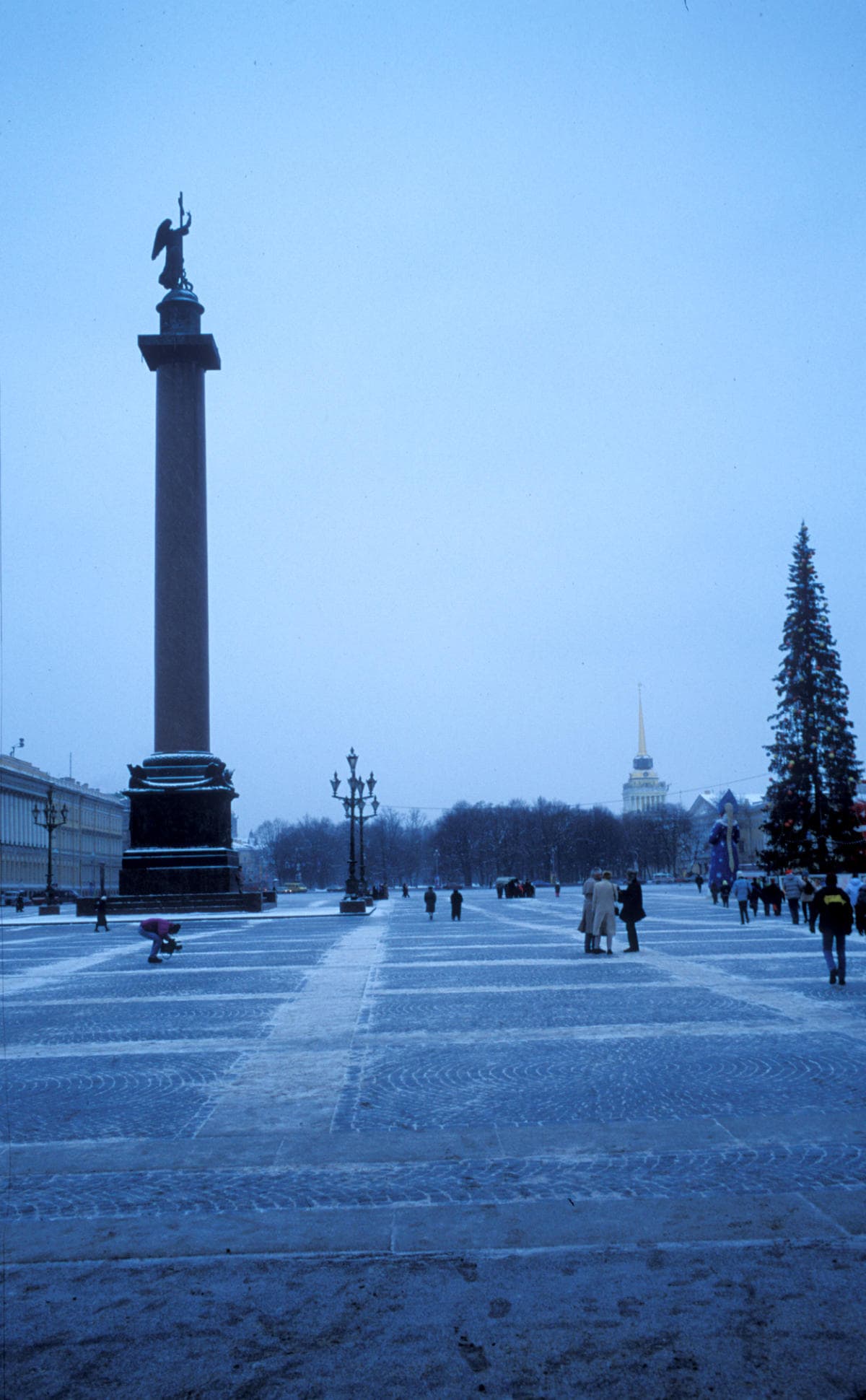
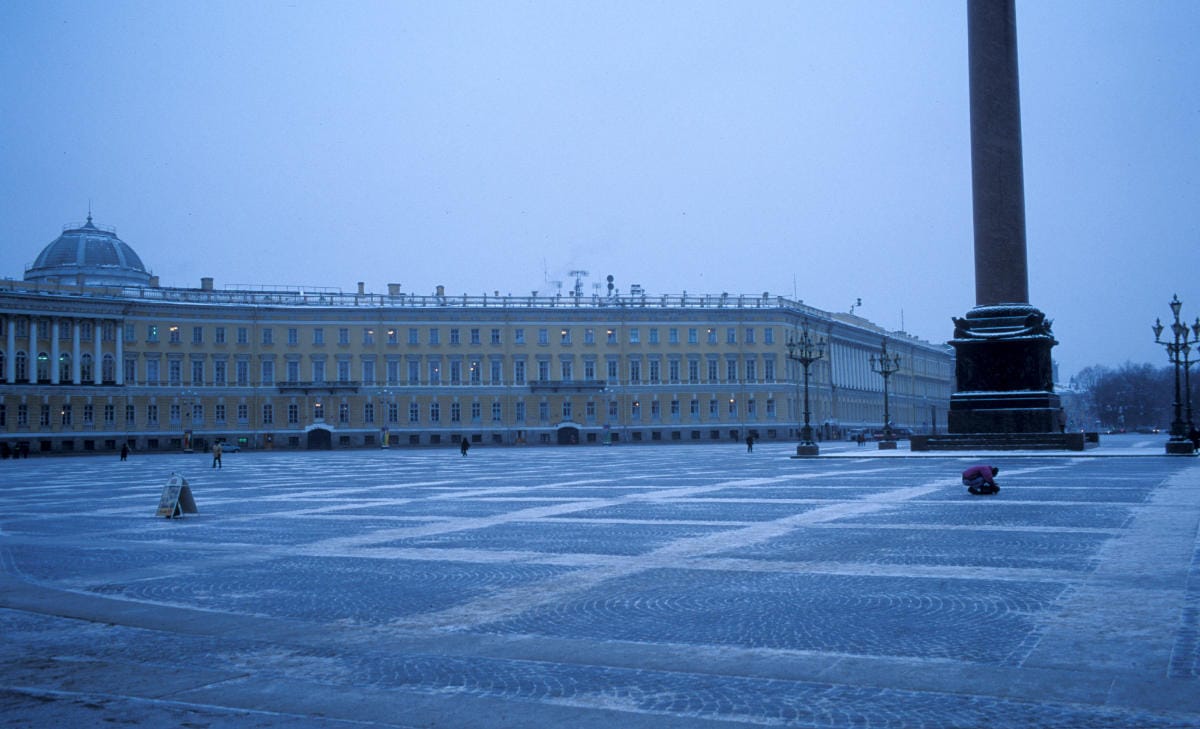
Right in front of the Hermitage Museum opens up Palace Square, one of the most impressive urban spaces we have ever seen. In its center rises the Alexander Column, a monolithic granite block almost 26 meters high, which – remarkably – stands by its own weight alone, without being anchored to the ground. It was built to commemorate the victory over Napoleon. Standing here on a clear evening, surrounded by the semicircular General Staff building on one side and the monumental façade of the Winter Palace on the other, you understand why this square has been the scene of so many defining moments in Russian history – from the storming of 1917 to the military parades of the present day.
Canals, bridges and the charm of the “Venice of the North”
St. Petersburg is often compared to Venice or Amsterdam, and in fact the number of canals and bridges is impressive – over 300 bridges crisscross the city, some simple, some decorated with gilded griffins and lions. A boat tour on the Moika and the Griboedov Canal was one of the most relaxed items on the itinerary of the trip for me. You glide past backyard facades that look very different from the water than from the street, under low bridges where sometimes only a few centimeters of air remain upwards, and get a view of the city that escapes the tourist crowds of Nevsky Prospekt.
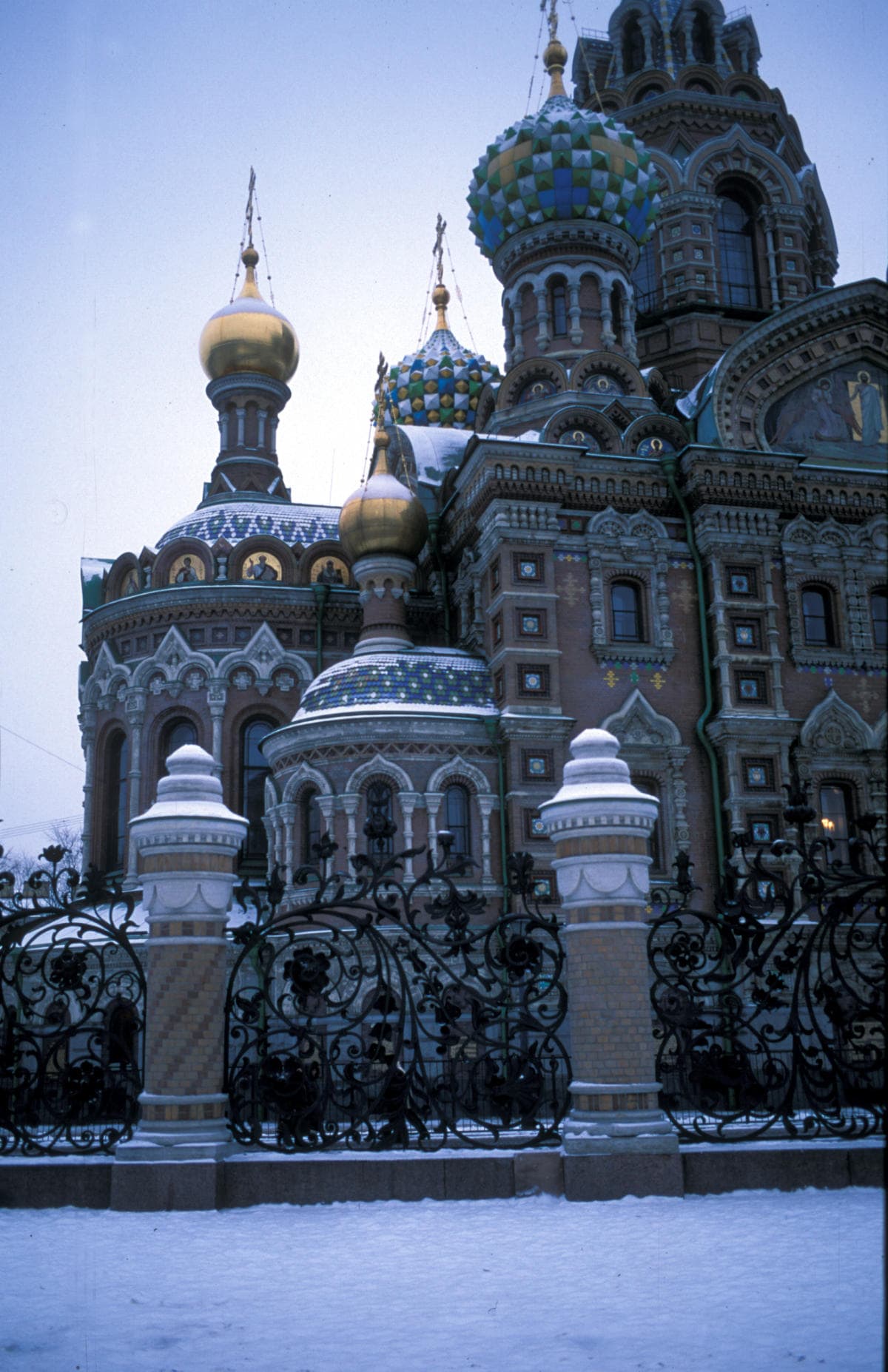
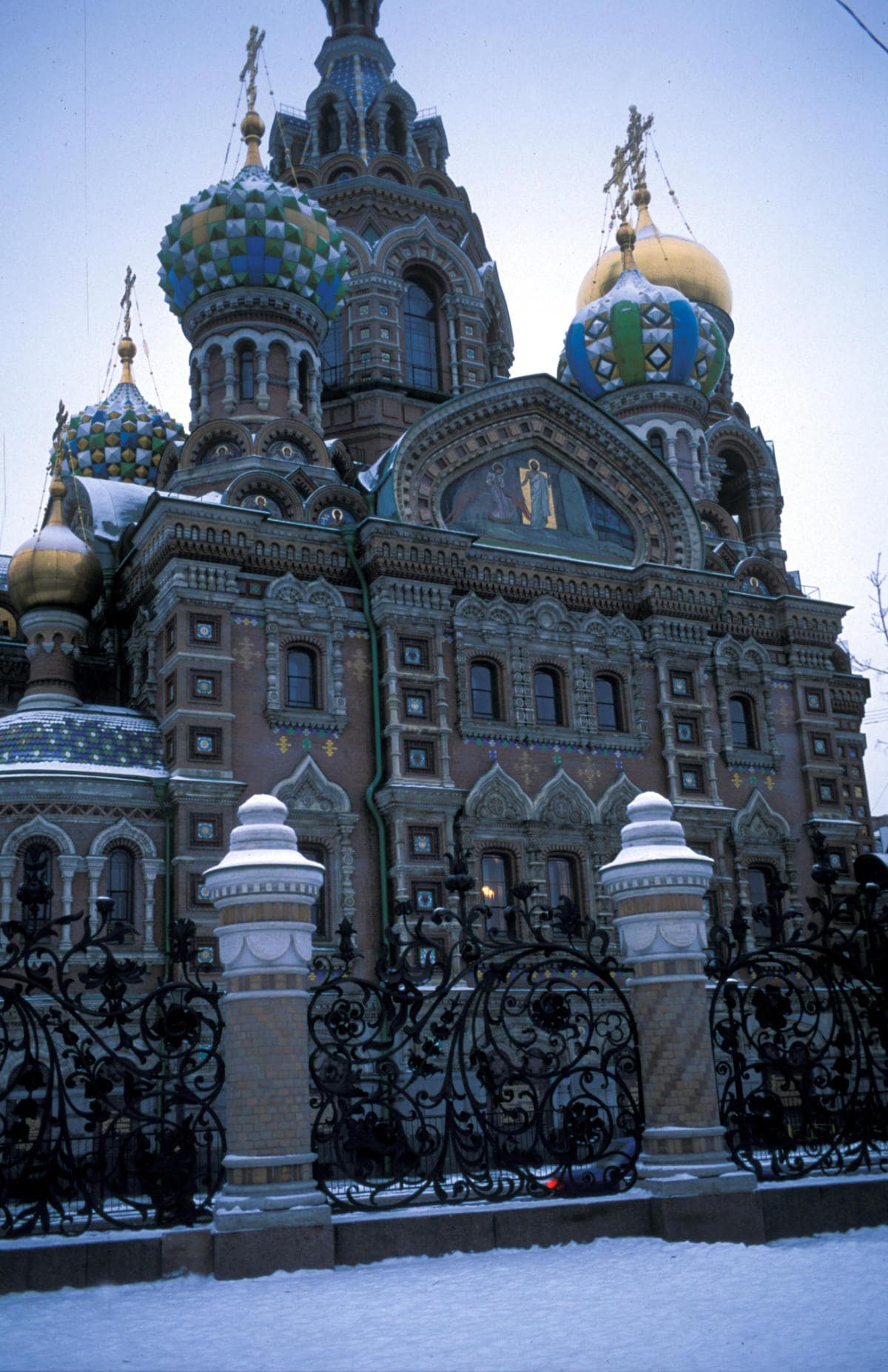
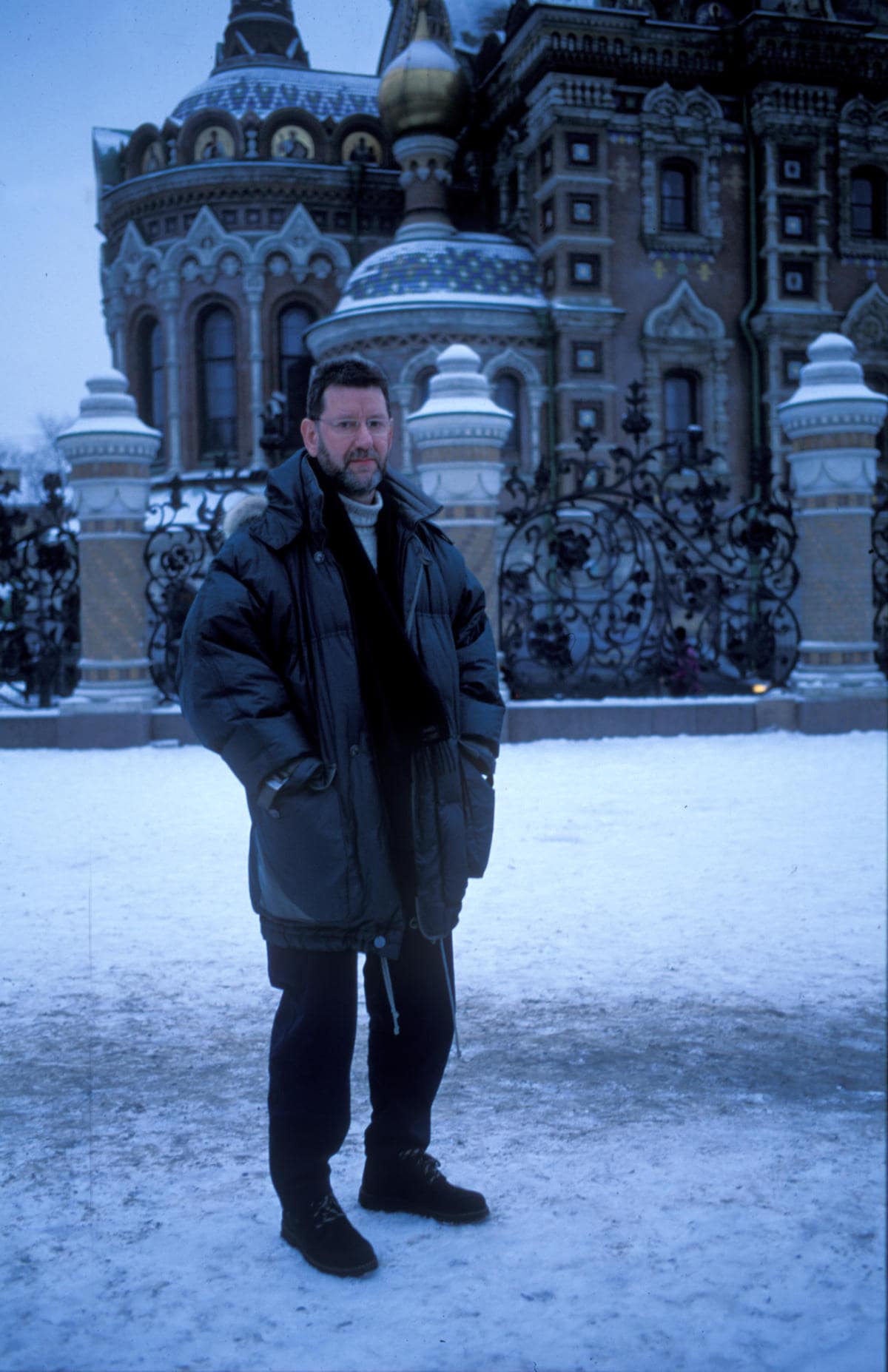
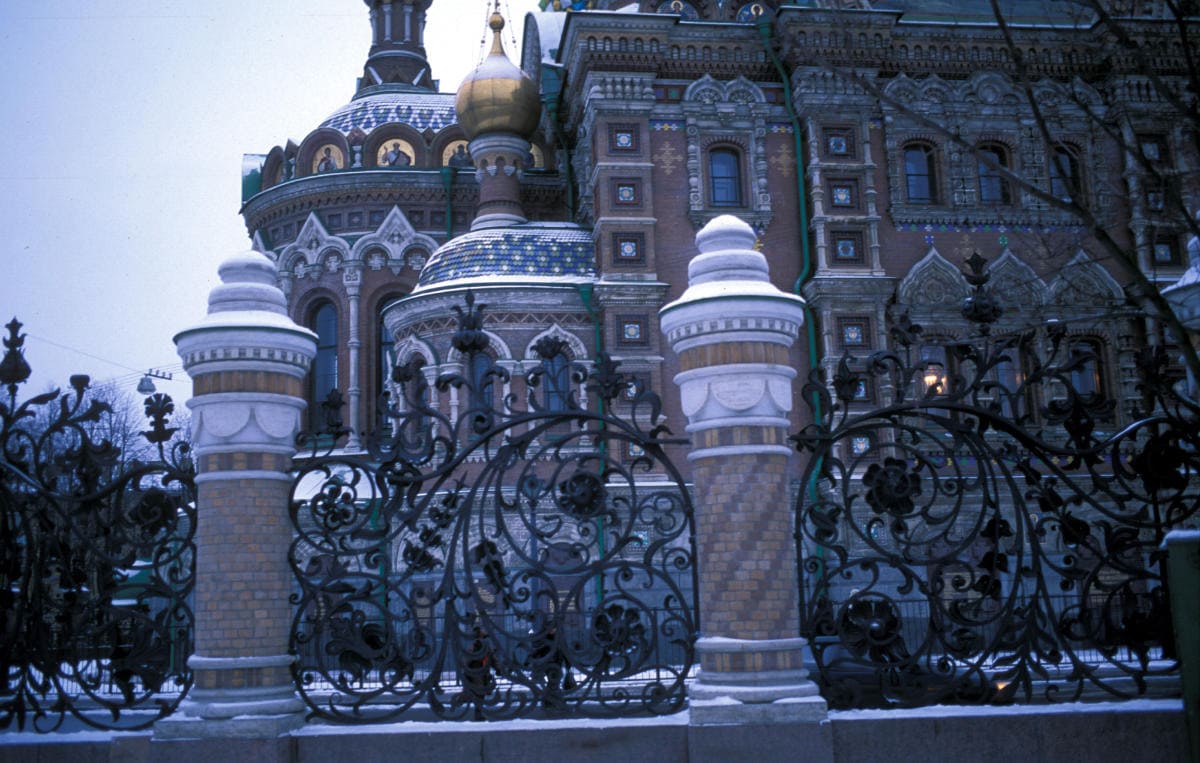
Particularly impressive is the drive past the Church of the Redeemer on the Transfigured Blood (Russian: Spas na Krowi), a church that with its colorful onion domes seems almost foreign in this otherwise so European city. It is deliberately reminiscent of St. Basil’s Cathedral in Moscow and was built on the site where Tsar Alexander II fell victim to an assassination attempt in 1881. The interior is completely covered with mosaics – over 7,000 square meters, more than in any other church in Europe. Anyone who enters here should take their time; the first impression is almost overwhelming.
Peterhof: The Versailles of the North
A day trip that we would definitely like to recommend leads to Peterhof, located about 30 kilometers west of the city on the Gulf of Finland. Peter the Great had a palace complex built here that was deliberately intended to compete with Versailles – and in some respects it even surpasses its French model.
The famous Great Cascade in front of the Grand Palace is a true marvel of hydraulic engineering: over 60 fountains and more than 200 gilded statues, reliefs and ornaments, arranged on several terraces that lead down to the sea. The remarkable thing about it is that the entire complex works without pumps, simply by natural gradient – a technical masterpiece from the 18th century that still works today.
We reached Peterhof by hydrofoil, which departs from the jetty directly behind the Hermitage. The forty-minute journey across the Gulf of Finland is an experience in itself, and arriving directly on the canal that leads up to the palace provides one of the most spectacular first impressions that a European palace complex has to offer.
The extensive parks invite you to linger. Hidden between centuries-old trees are smaller pavilions and pleasure palaces, such as the Marly Palace or the Hermitage Pavilion, a charming little building in which a mechanical elevator table once served the food so that the servants could not listen to the private conversations of the Tsar’s family.
Between Tsarskoye Selo and the Amber Room
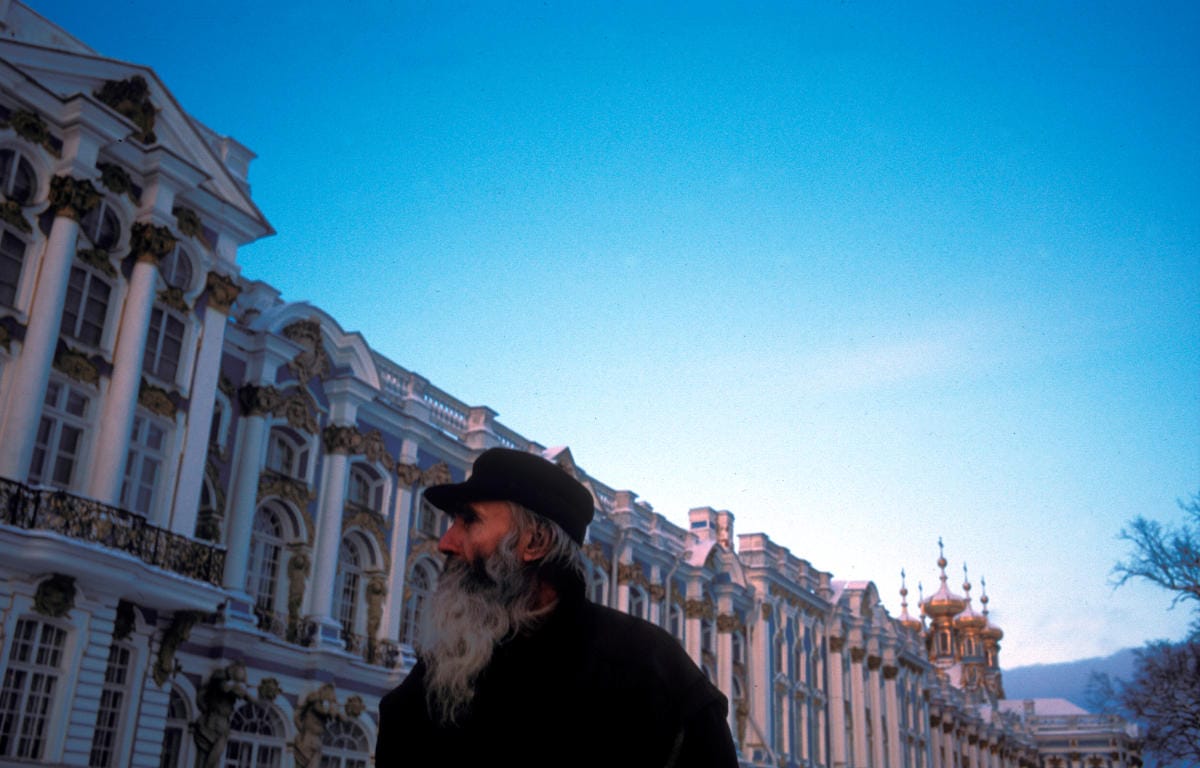
A second worthwhile excursion leads to Tsarskoye Selo, the “Tsar’s Village”, with the Catherine Palace as the centerpiece. The light blue, white and gold façade stretches over a length of about 300 meters and can hardly be fully grasped from the street. The palace became famous above all for the Amber Room – an ensemble of rooms made of amber that was stolen by German troops during World War II and is still considered lost today. What visitors can admire today is an elaborate reconstruction that Russian craftsmen painstakingly recreated over more than two decades. The glow of the honey-colored amber in the candlelight – electric light is dimmed for conservation reasons – creates an almost mystical atmosphere that will remain in your memory for a long time.
The Peter and Paul Fortress: birthplace of the city
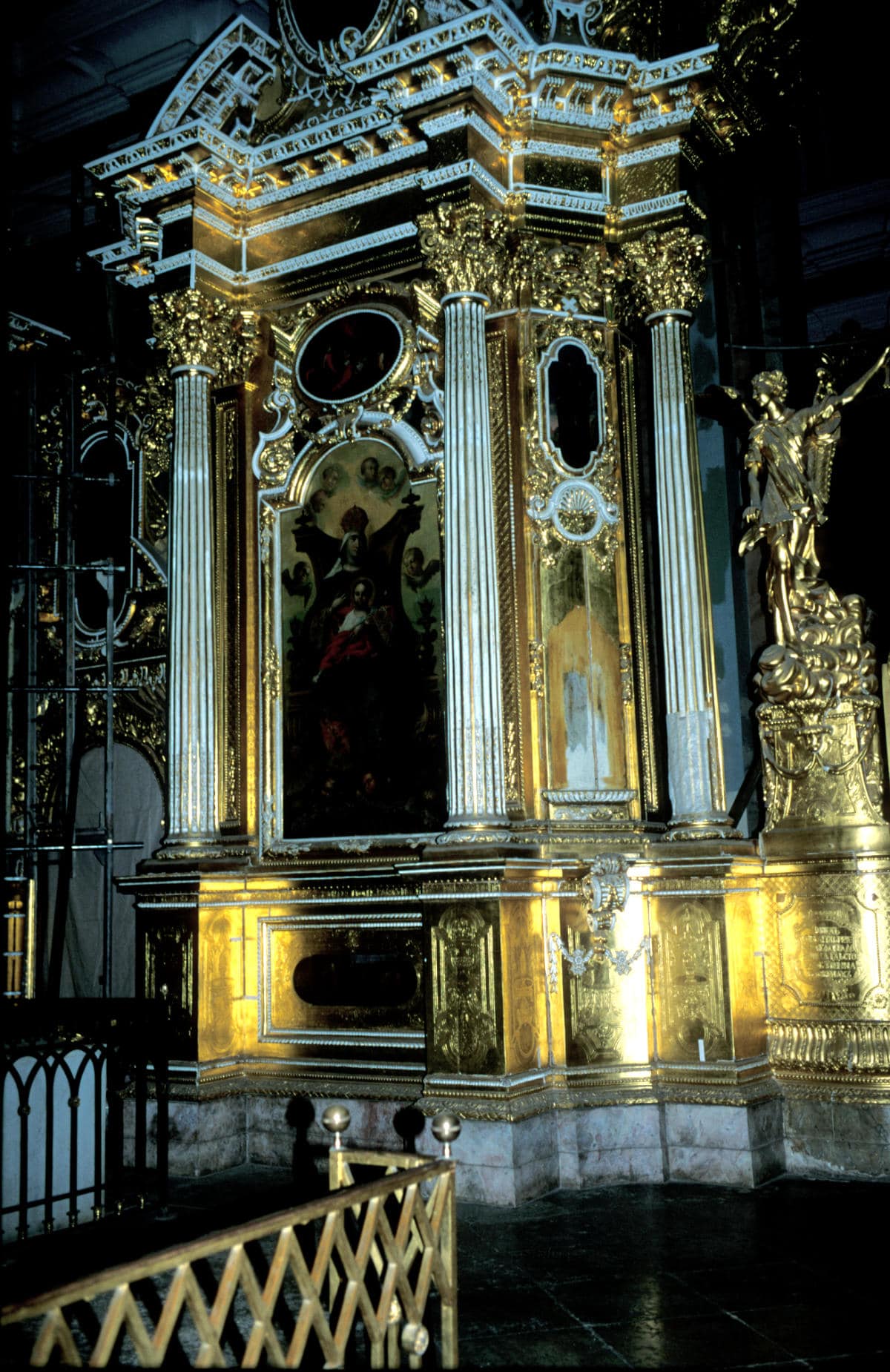
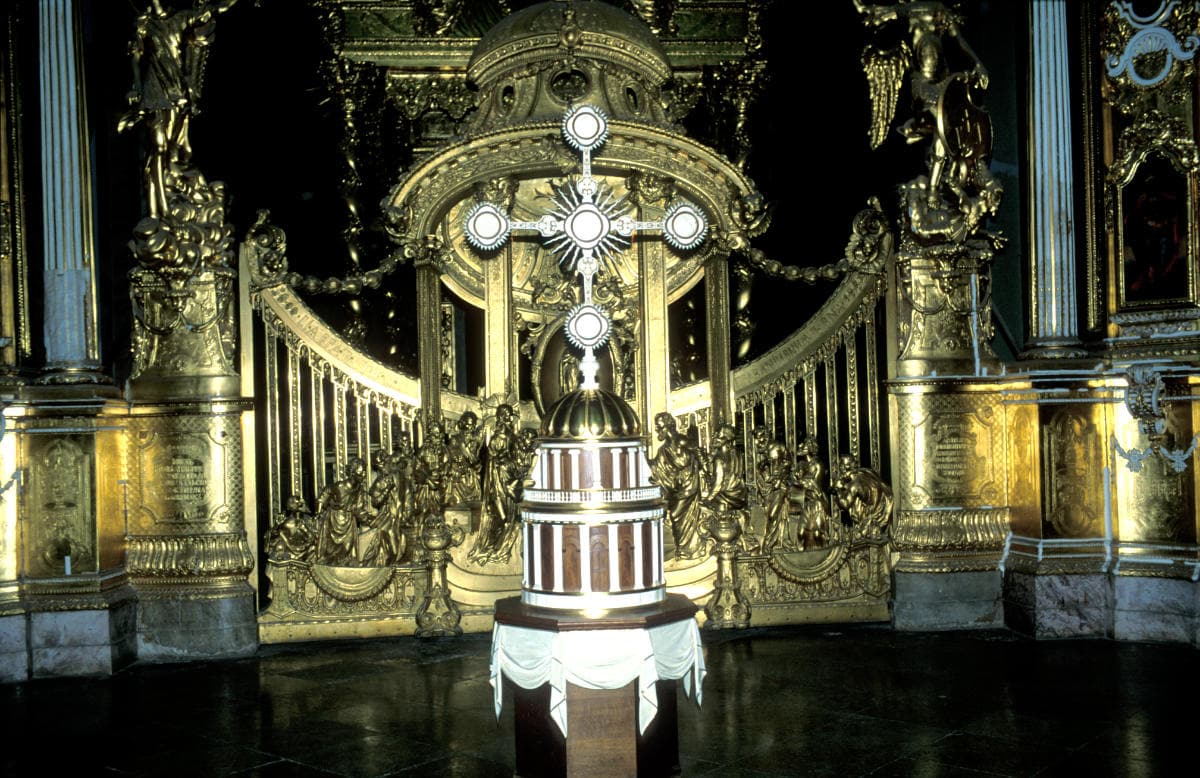
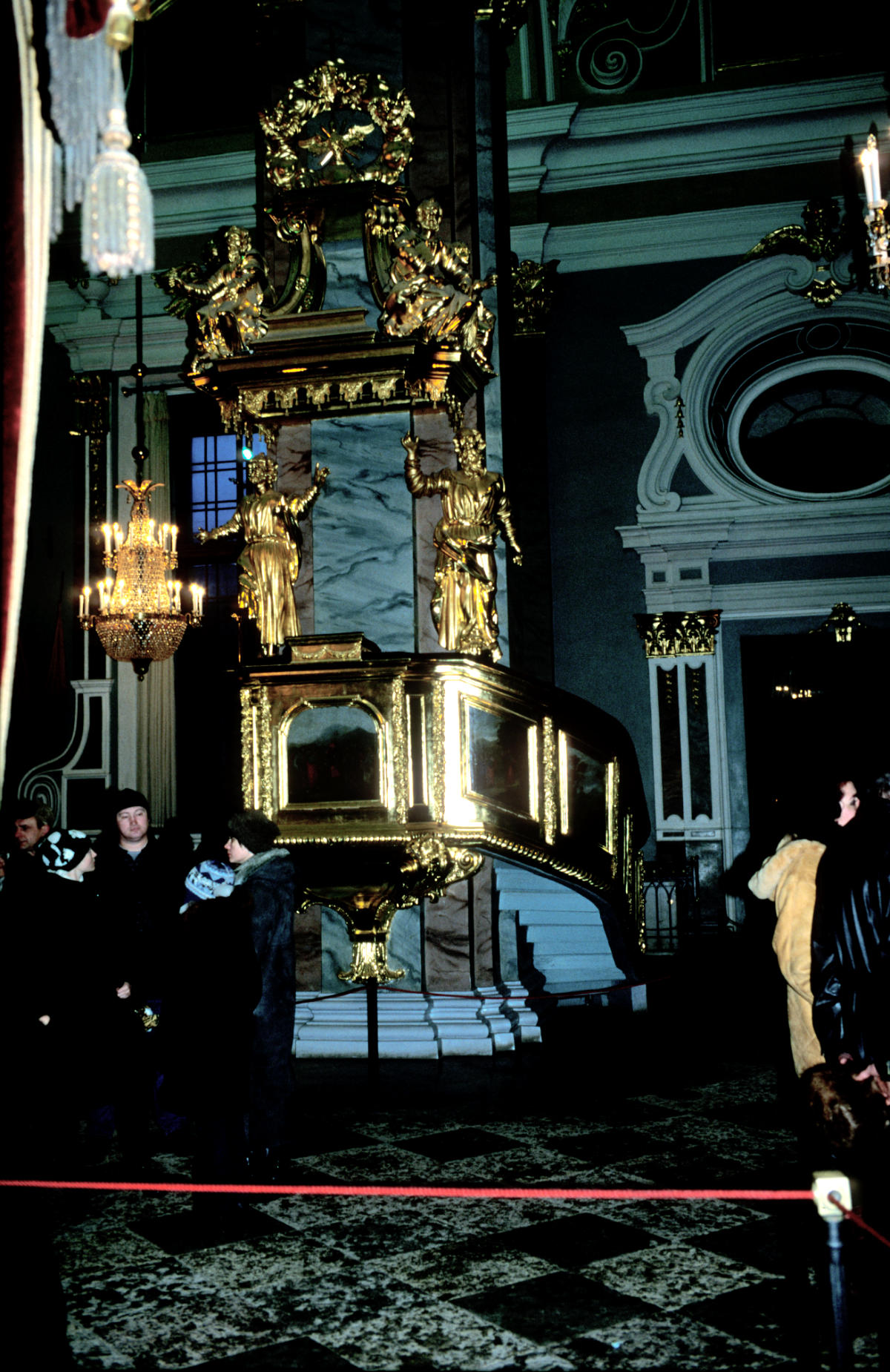
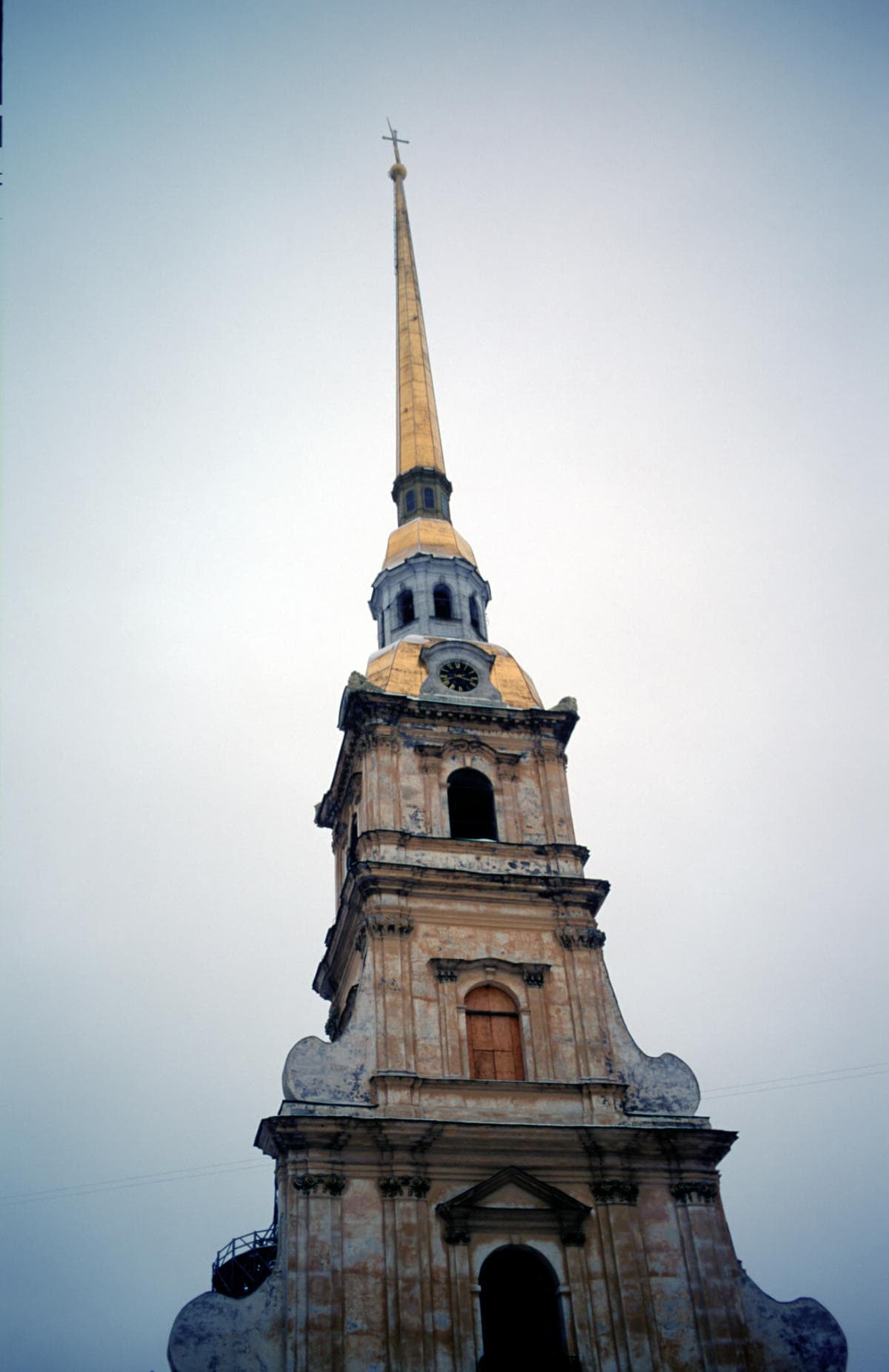
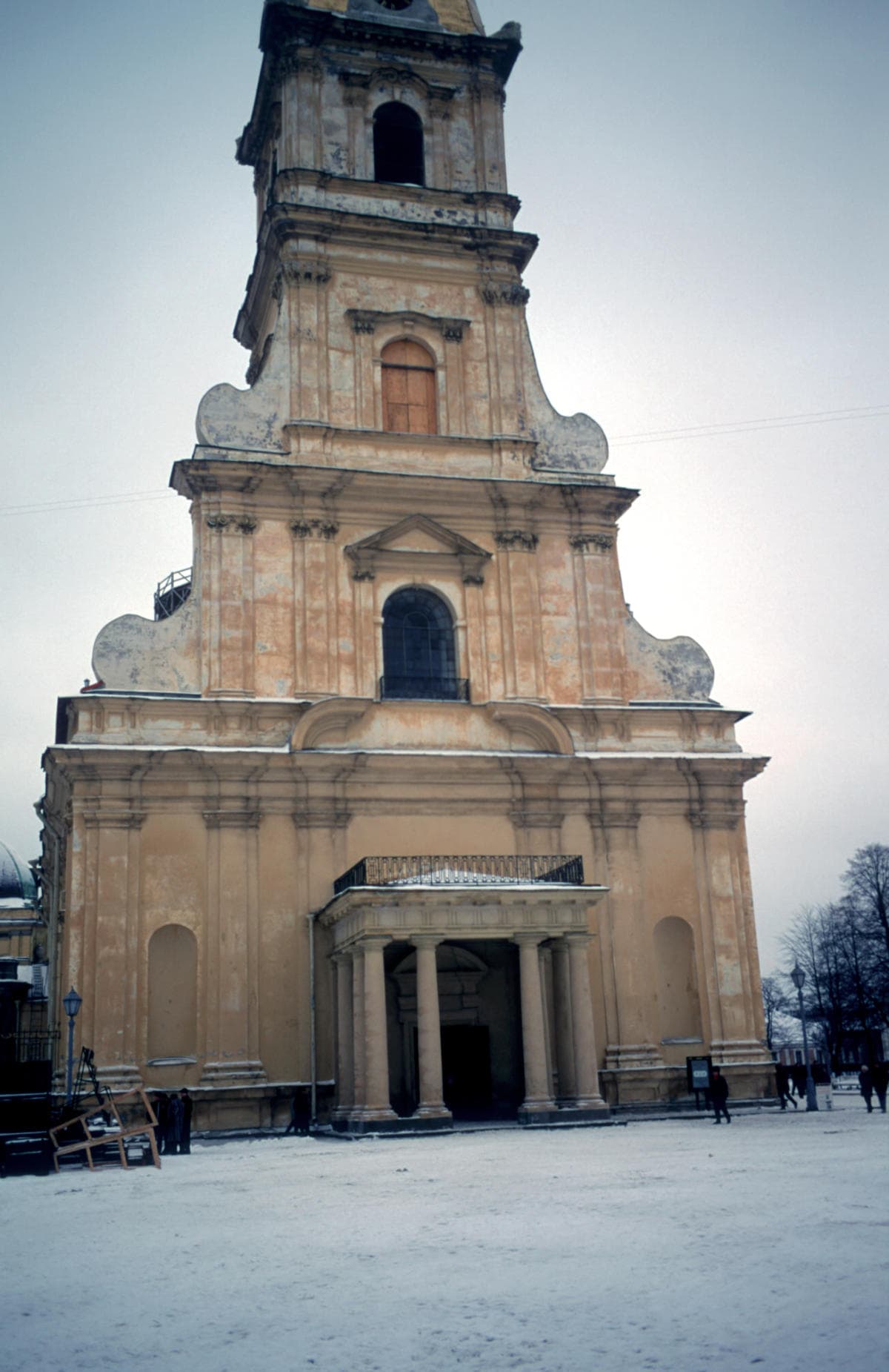
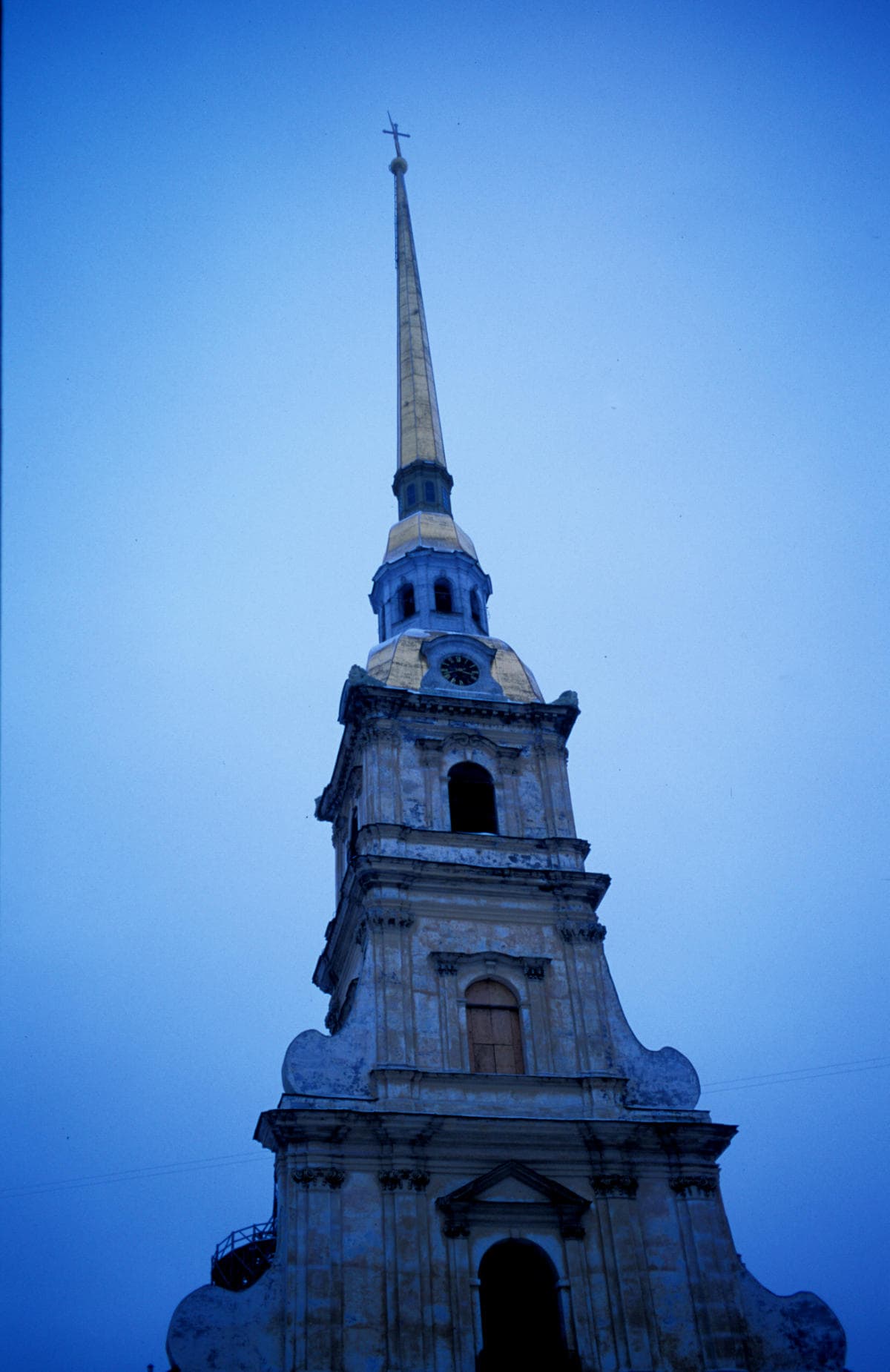
Located on Rabbit Island in the Neva River, the Peter and Paul Fortress was the starting point for the city’s founding in 1703. Today, the golden, slender spire of Peter and Paul Cathedral serves as one of the landmarks of the skyline. Most of Russia’s tsars and empresses are buried inside the cathedral, including the remains of Nicholas II and his family, who were solemnly buried here in 1998 – a moving historical conclusion to the tragic end of the Romanov dynasty.
A small but entertaining custom: At noon at 12 noon, a cannon shot is fired from the fortress wall, a tradition that dates back to the 18th century and originally served to tell the population the exact time. If you happen to be in the vicinity, you should be prepared for the loud bang.
White Nights: When the City Won’t Sleep
If you visit St. Petersburg between the end of May and the beginning of July, you will experience the phenomenon of the “white nights” – due to the city’s northern location, the sun never completely sinks below the horizon during this time. It never really gets dark, only a soft twilight lies over the canals while people cavort on the streets and bridges until the early hours of the morning.
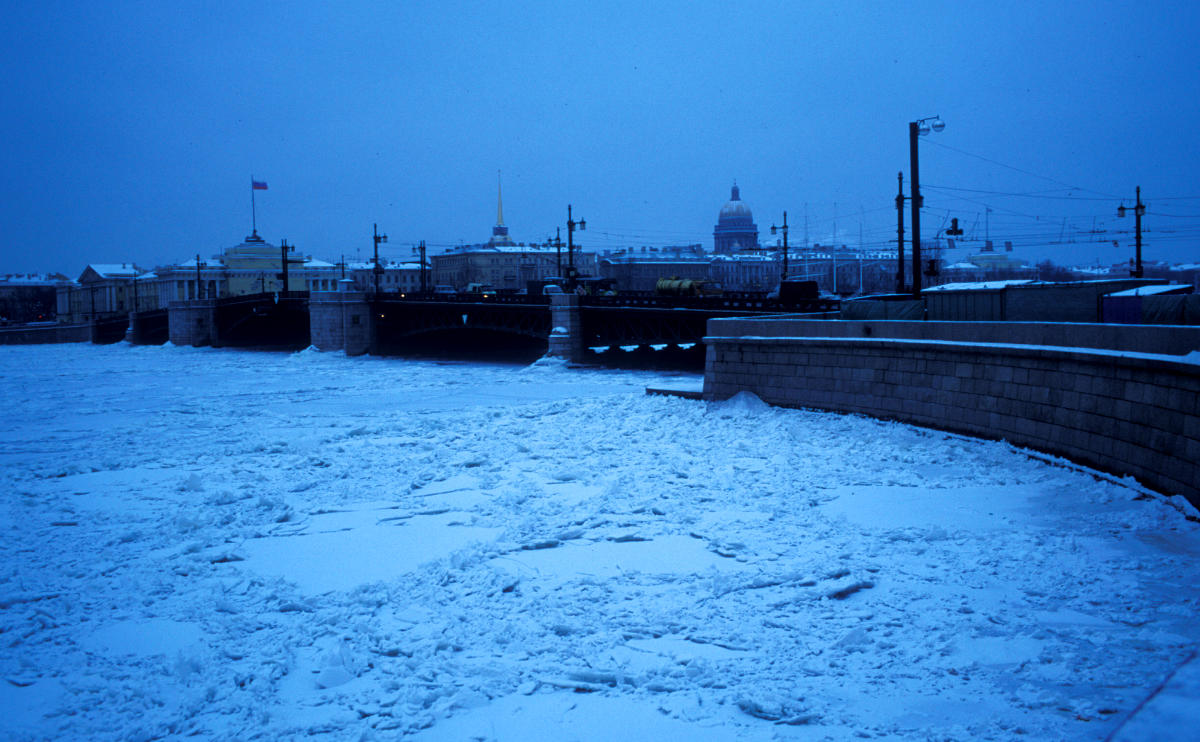
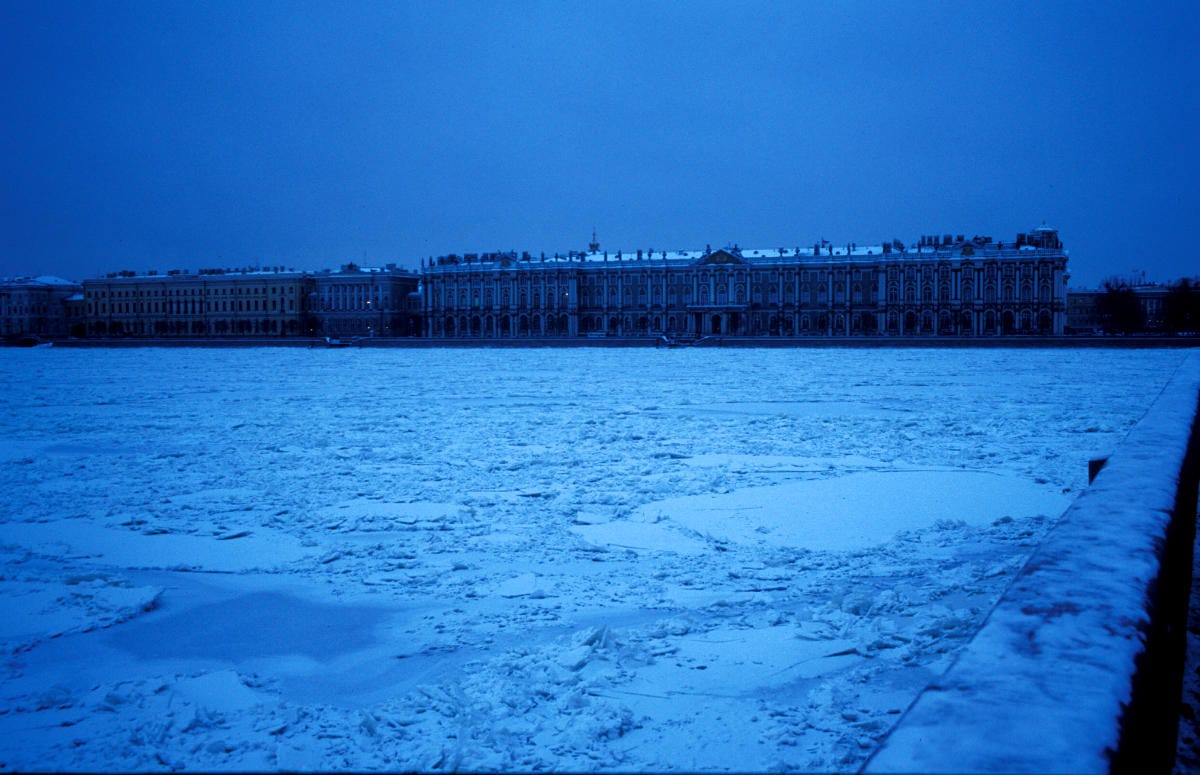
A highlight of this time of year is the nightly opening of the drawbridges over the Neva, which is best observed from one of the waterfronts. Around one to two o’clock in the morning, the massive bridge sections slowly rise up to allow large ships to pass towards the Baltic Sea. Hundreds of onlookers gather on the banks, some with champagne in their hands, to witness this nocturnal spectacle – accompanied by the view of the illuminated facades of the Winter Palace reflected in the calm waters of the Neva.
Culinary: Between borscht and blini
Russian cuisine has an unjustly modest reputation in the West. In St. Petersburg, it is worth taking a closer look. Classics such as borscht, the red beetroot soup with sour cream, or pelmeni, small stuffed dumplings, are just as much a part of the culinary repertoire as blini, thin pancakes that are traditionally served with caviar, sour cream or jam.
A visit to one of the traditional “Stolovaja” restaurants is particularly recommended – simple self-service Soviet-style eateries where you can sample homemade Russian cuisine for little money, far from the tourist hustle and bustle. For a more upscale experience, spend an evening at one of the historic restaurants near Nevsky Prospekt, where classic dishes are served in a stylish setting, often accompanied by live music.
Not to forget: the vodka. In St. Petersburg, it is traditionally served ice-cold in small glasses, accompanied by pickled vegetables, herring or black bread with butter – a combination that complements each other surprisingly well and gives a small insight into Russian drinking and eating culture.
Nevsky Prospekt at night
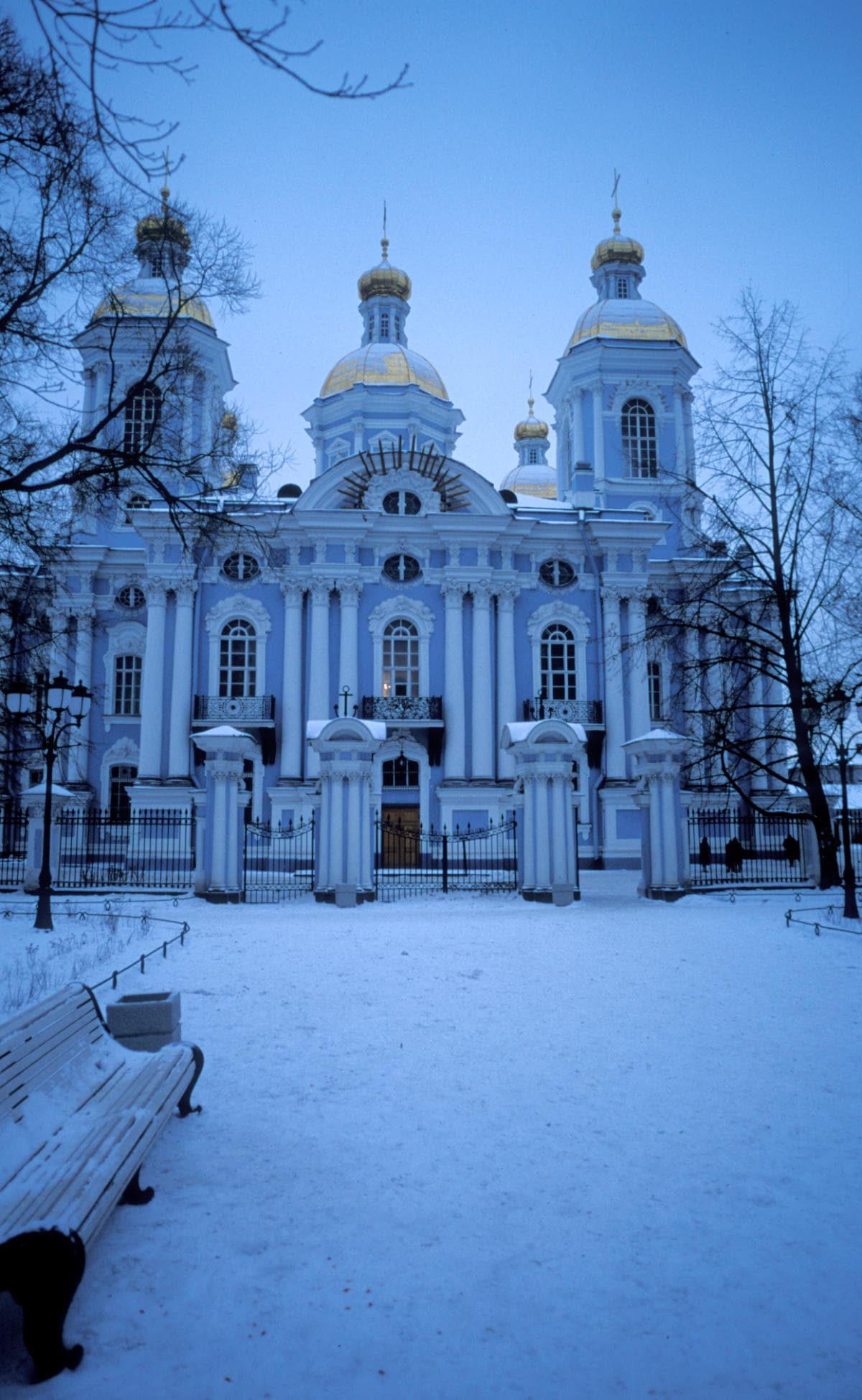
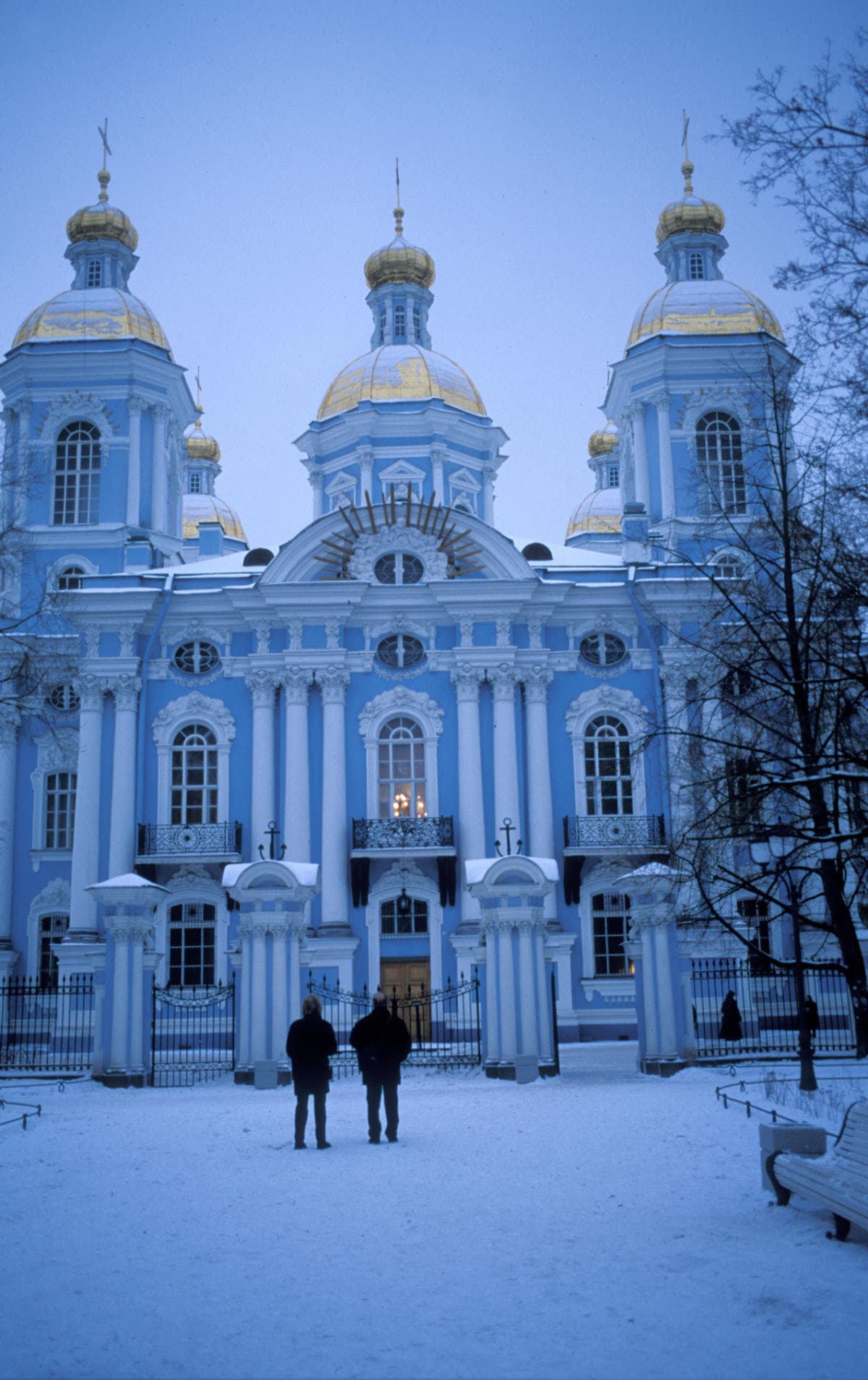
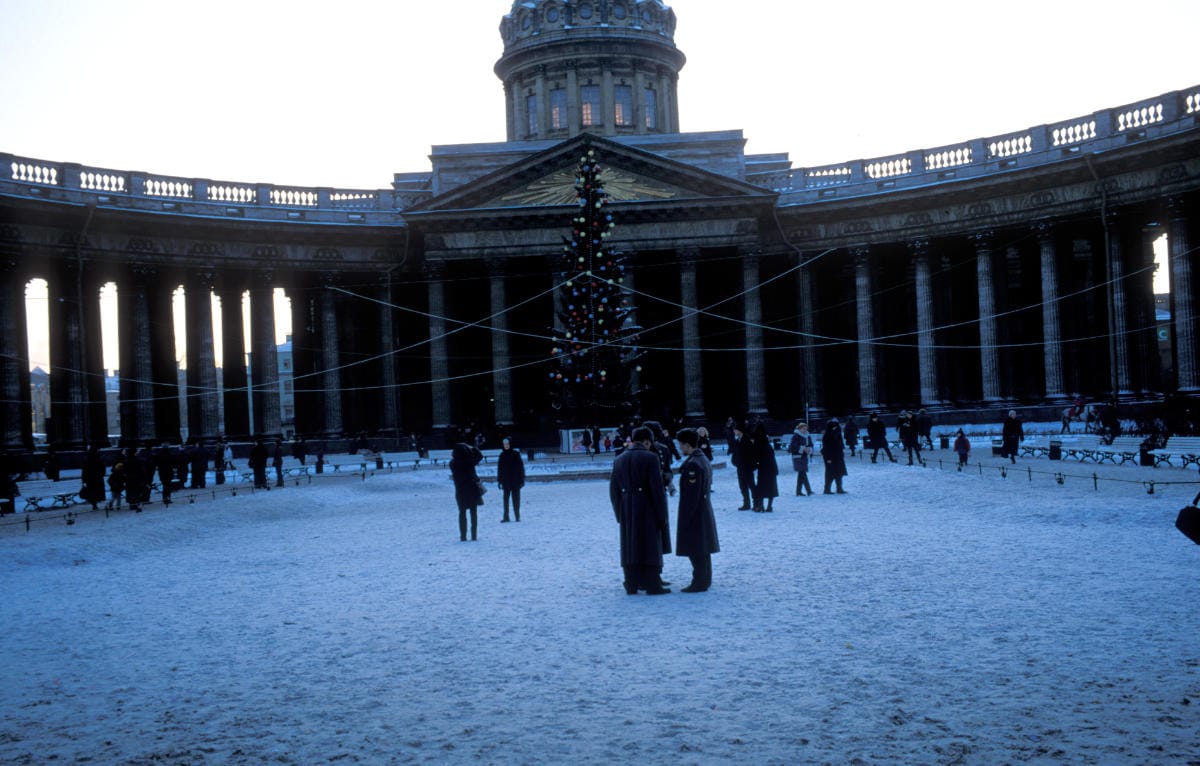
To conclude our stay, we returned to Nevsky Prospekt once again, this time at night. The street, busy during the day and interspersed with traffic, turns into a stage of light after dusk. Kazan Cathedral, with its semicircular colonnade, inspired by St. Peter’s Basilica in Rome, shines in warm spotlights. Street performers and music ensembles play on almost every corner, and the cafes fill up with people to end the day.
A conclusion
St. Petersburg is a city of superlatives – the largest art collection, the most magnificent palaces, the most elaborate churches. But what makes the city truly unforgettable is not only its imperial splendour, but the contrast that can be seen everywhere: between European elegance and Russian soul, between tragic history and unbroken joie de vivre, between harsh winter and the weightless white nights of summer.
Anyone visiting St. Petersburg should take their time – at least four to five days to do justice to the city. Those who have less time will still return with impressions that will have a long-lasting effect. Because this city on the edge of Europe has the rare gift of appearing foreign and familiar at the same time – a window to Europe, as Peter the Great wanted it to be, and at the same time a place with its very own, unmistakable identity.
Practical information: German, Austrian and Swiss nationals need a visa to enter Russia. Current regulations on travel restrictions, visa requirements and the security situation should be checked by the responsible authorities or the Federal Foreign Office before travelling, as these can change at short notice.
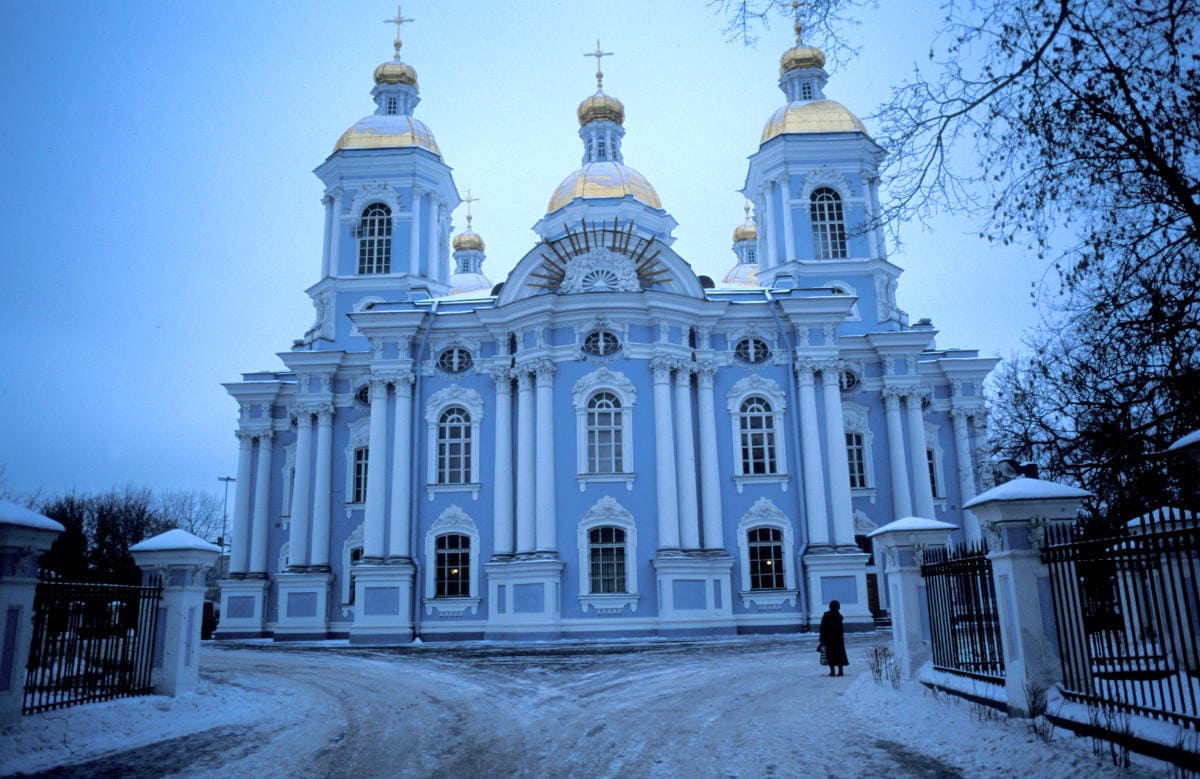
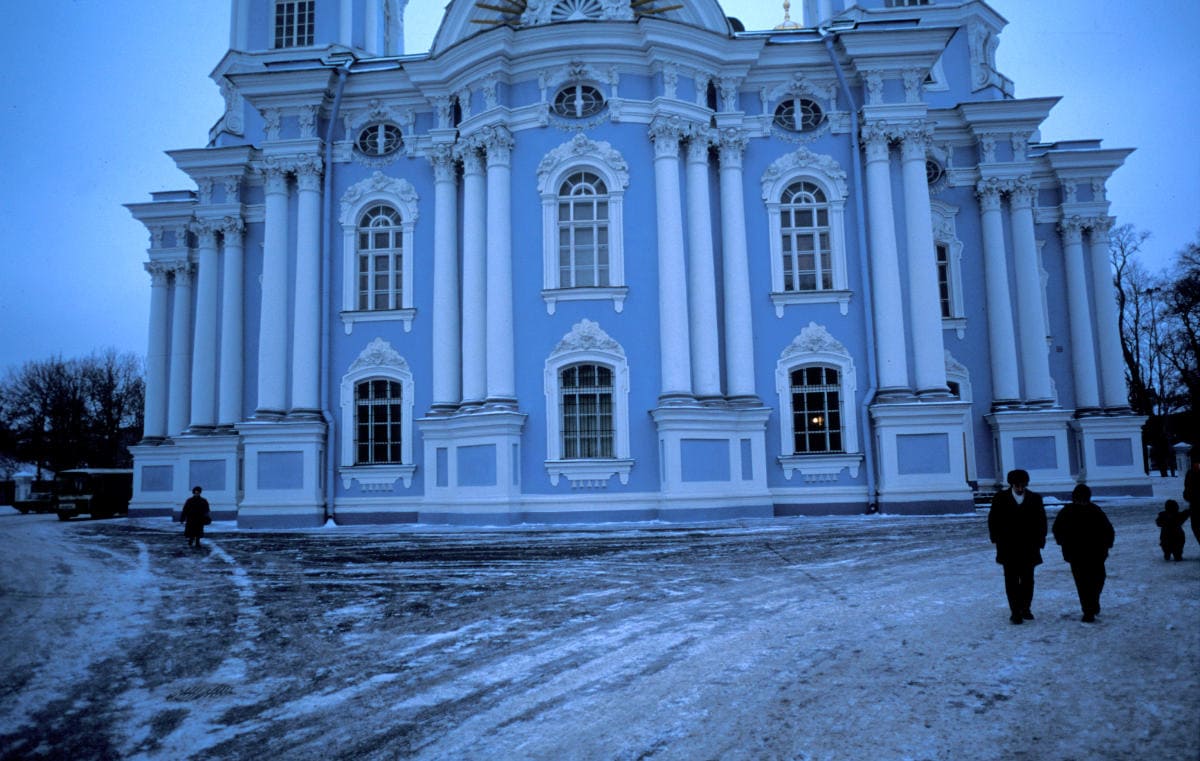
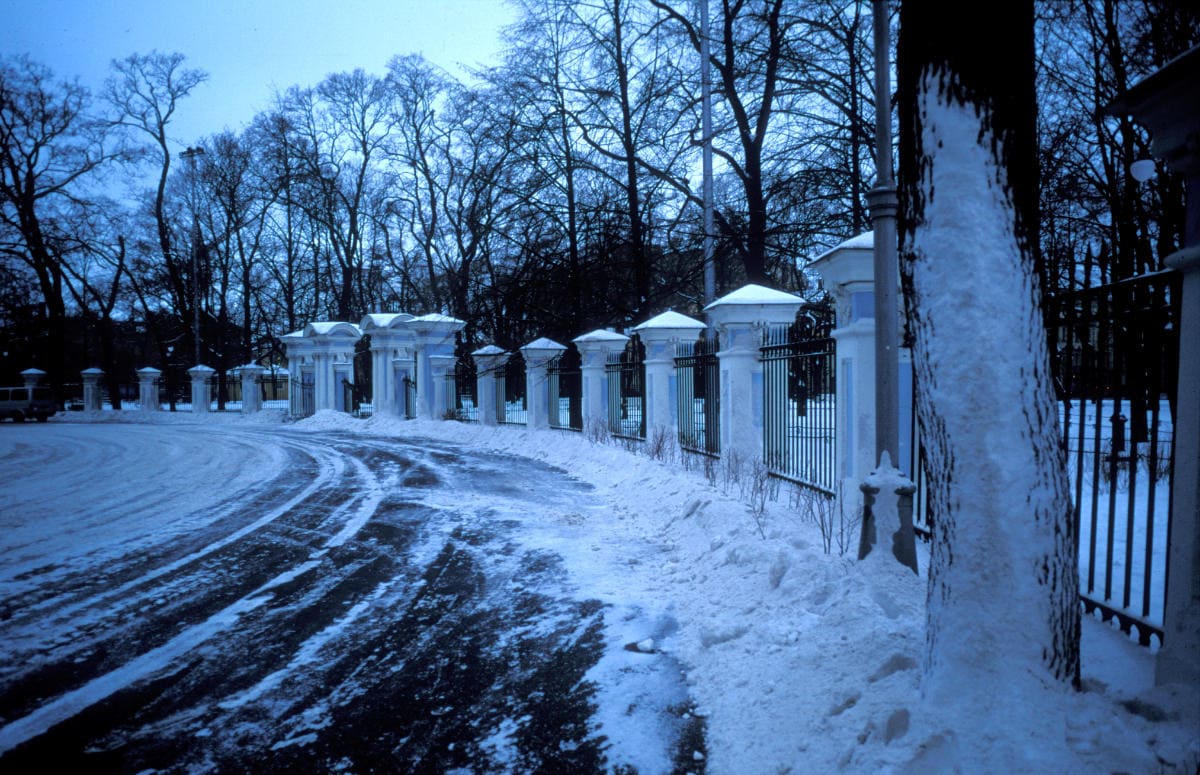
Photos Russia - St. Petersburg
















Questions about St. Petersburg
In the Europa Forum you will get the answers!

Author: Joe OnTour
Autor + Reise-Blogger