Ecuador – Quito – Travelogue 3
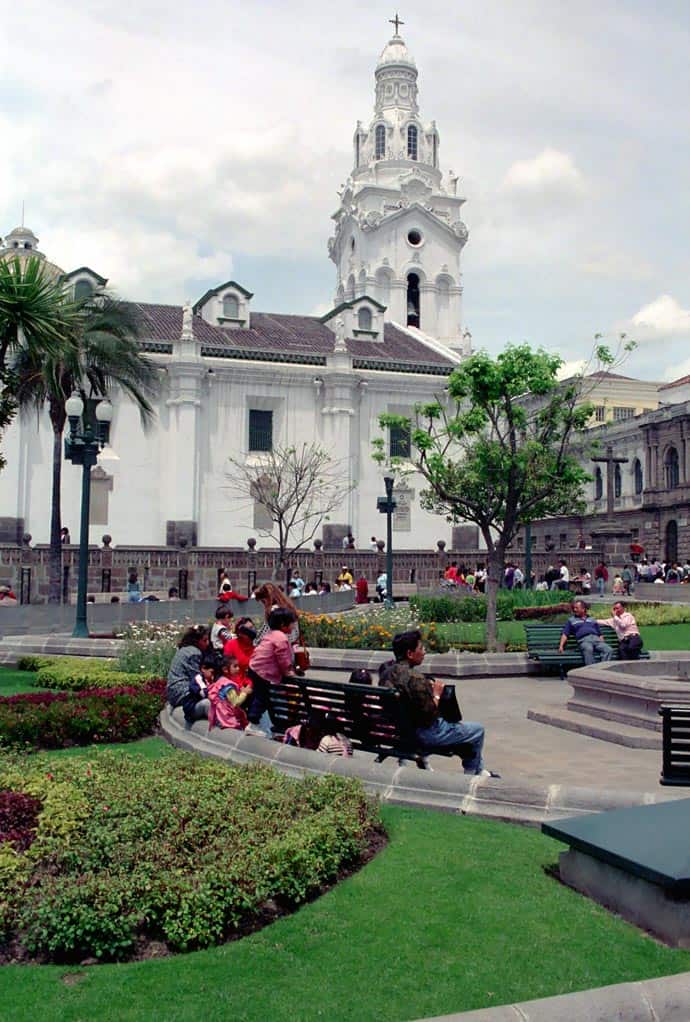
Quito was the capital of the Cara Indian people until the end of the 15th century, when the city was conquered by the Incas. In 1534, Quito was conquered by the Spanish conqueror Sebastián de Belalcázar. The South American commander Antonio Jose de Sucre liberated the city in 1822. Notable structures include a 16th-century cathedral and the churches of San Francisco, San Agustín, La Compañía, and Santo Domingo. The city is home to the University of Ecuador, a Catholic University and the Technical College.
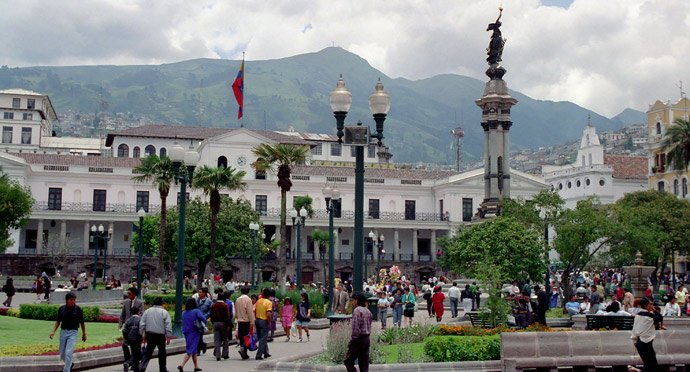
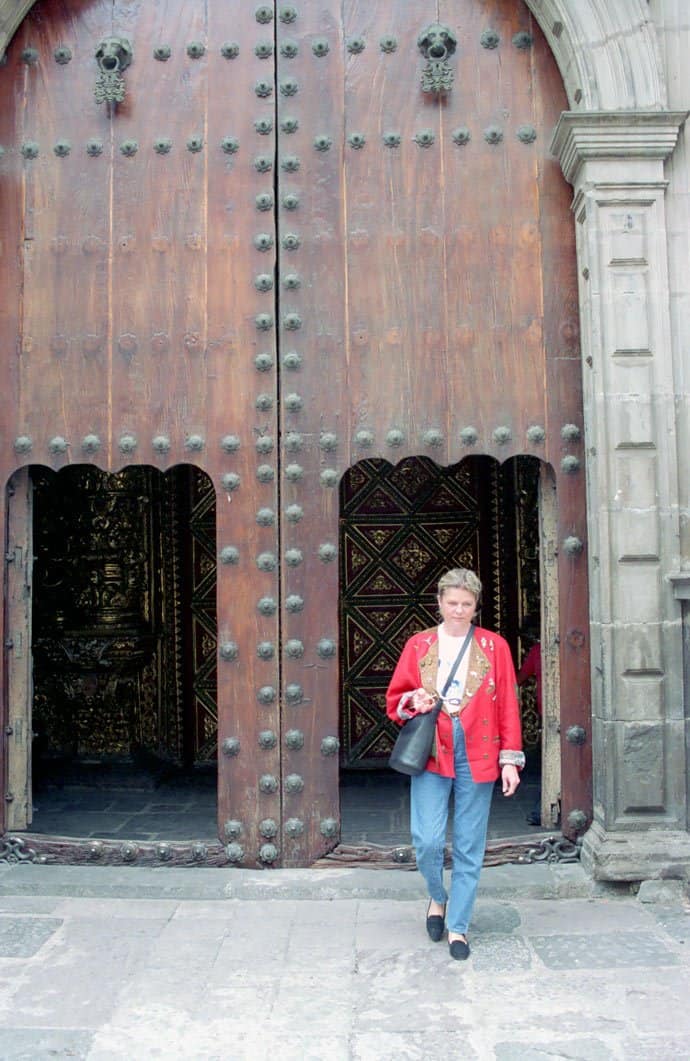
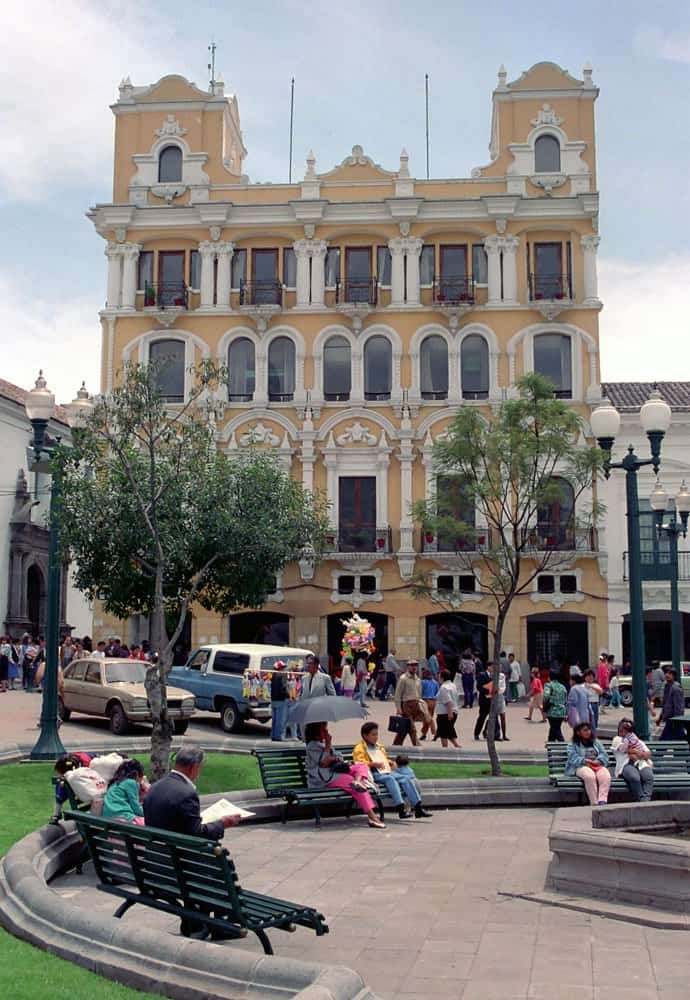
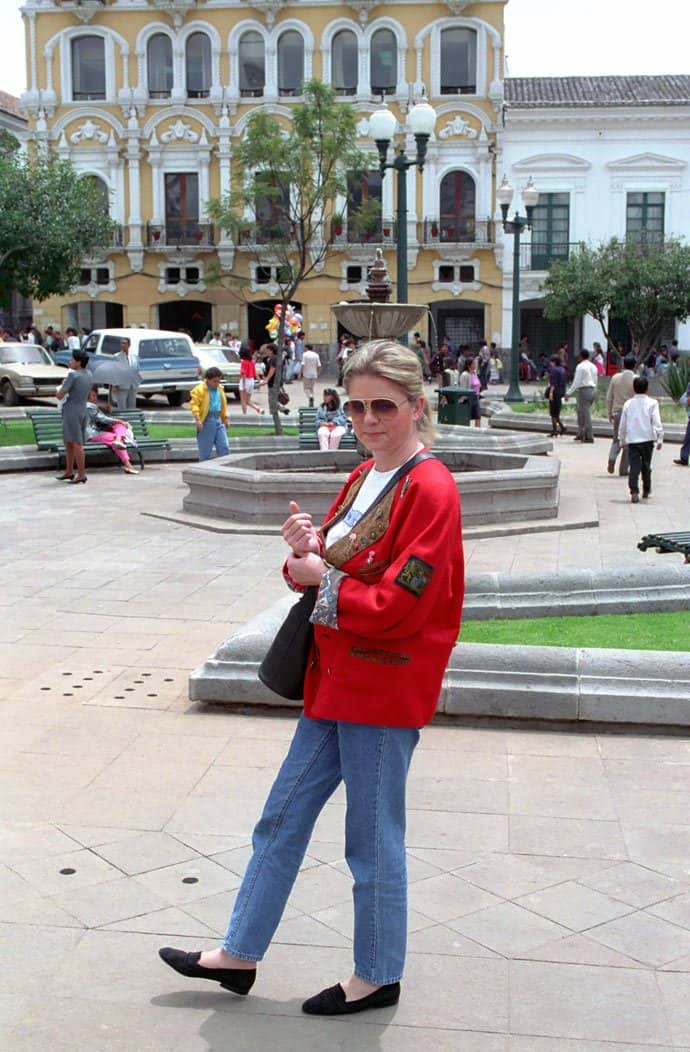
Quito is the oldest among the capitals of South America. With over 100 churches and 55 monasteries, town houses, streets and squares, it has retained its appearance and ambience of a colonial city. The church was always involved in the development of the New World. The Franciscans were the first to settle in Quito and began building their monastery just one year after the conquest. The monastery became a centre of education and art with its own school of painting and sculpture. The Augustinians, Dominicans and Jesuits also shaped the face of the city with their monasteries. “La Compania”, built by the Jesuits, is probably the richest church in South America with its golden main altar. The “Plaza de la Independencia” is the center and meeting point in the old town of Quito.
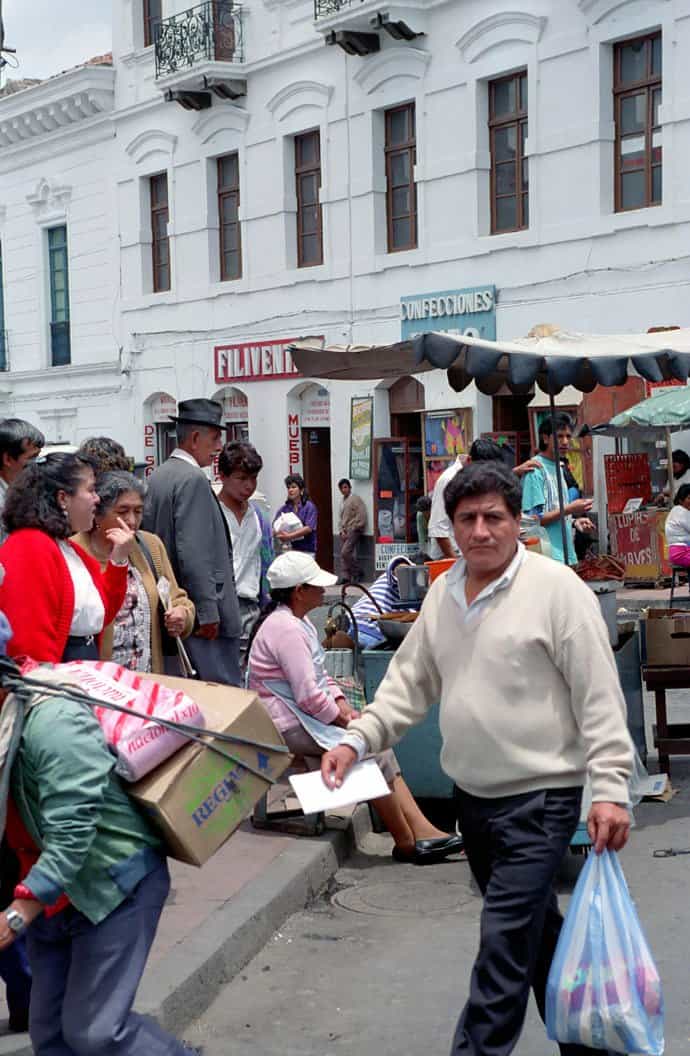
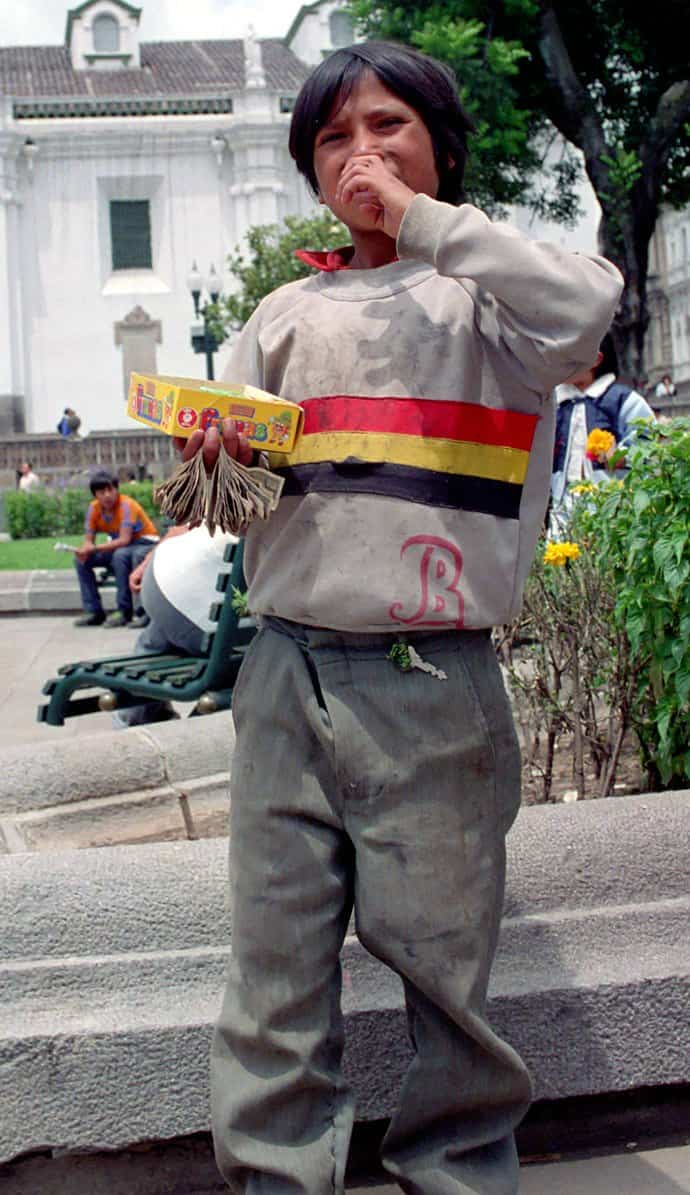
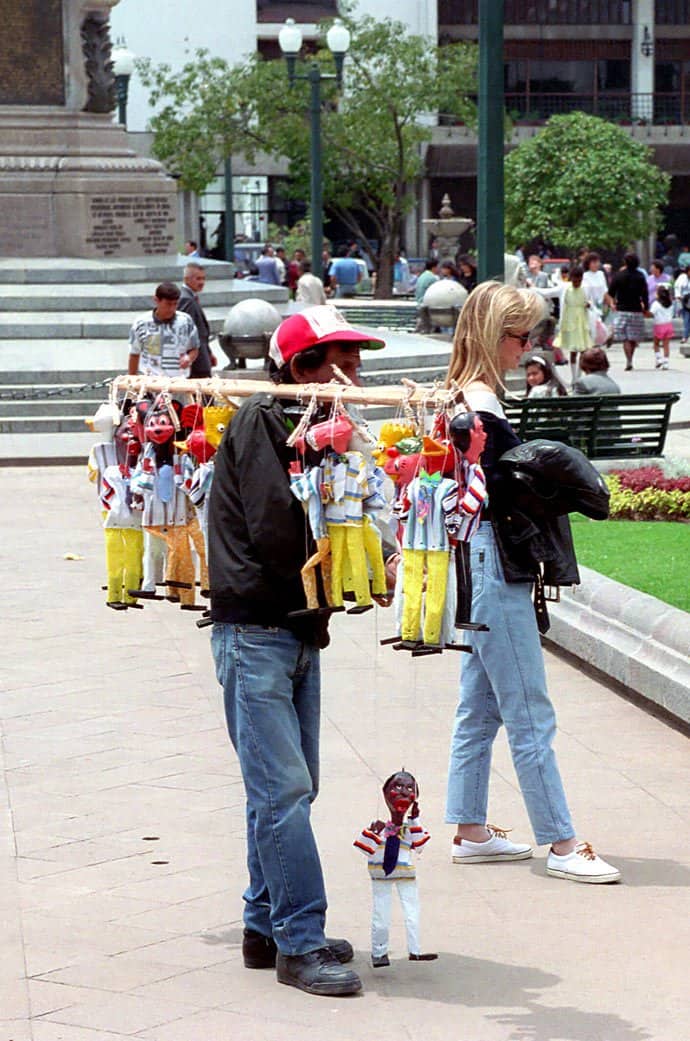
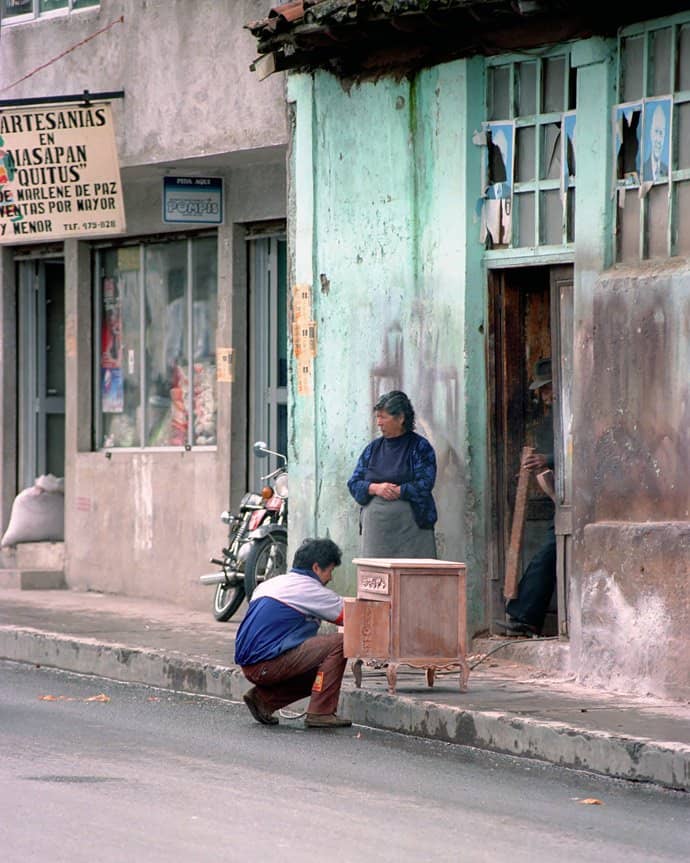
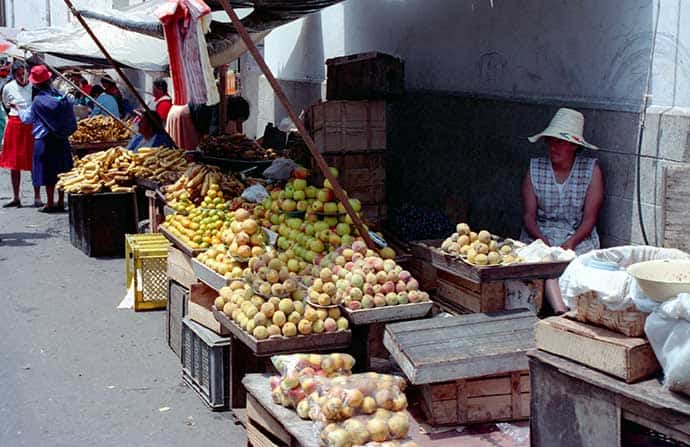
Quito’s monasteries and churches show the classical styles of the Renaissance, Baroque and Classicism, but mostly modified by a fusion of Moorish and Gothic formal elements. Everywhere you can find street vendors with their goods, which have to be emphatically sold to the man or woman in order to secure their livelihood. The objects are usually created at home and are usually also made in the country. Most of them are of high quality craftsmanship.
Ecuador – In the capital Quito
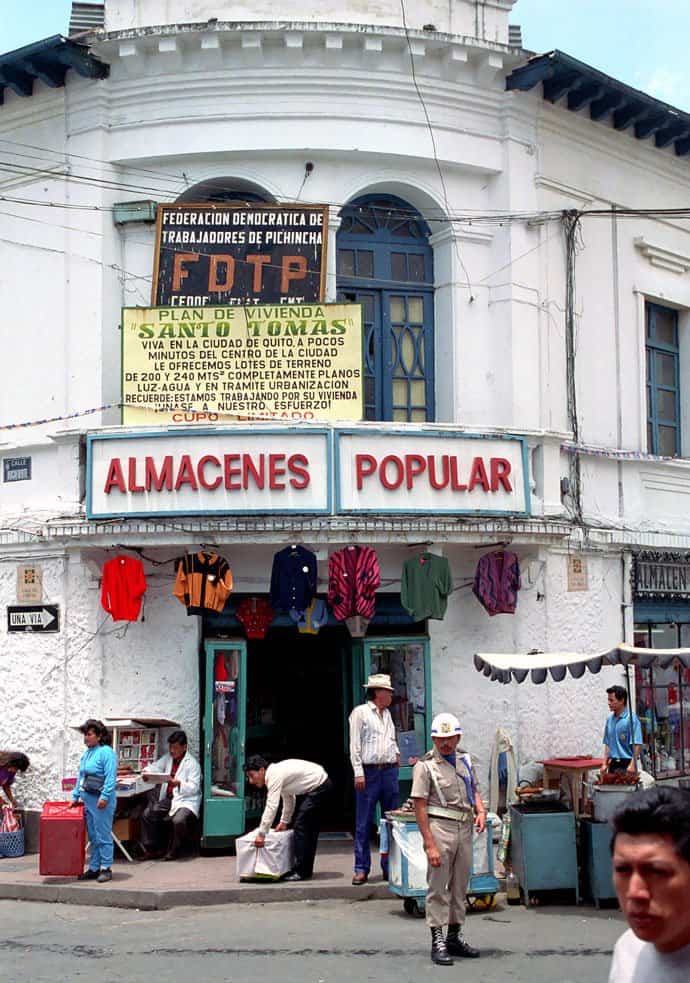
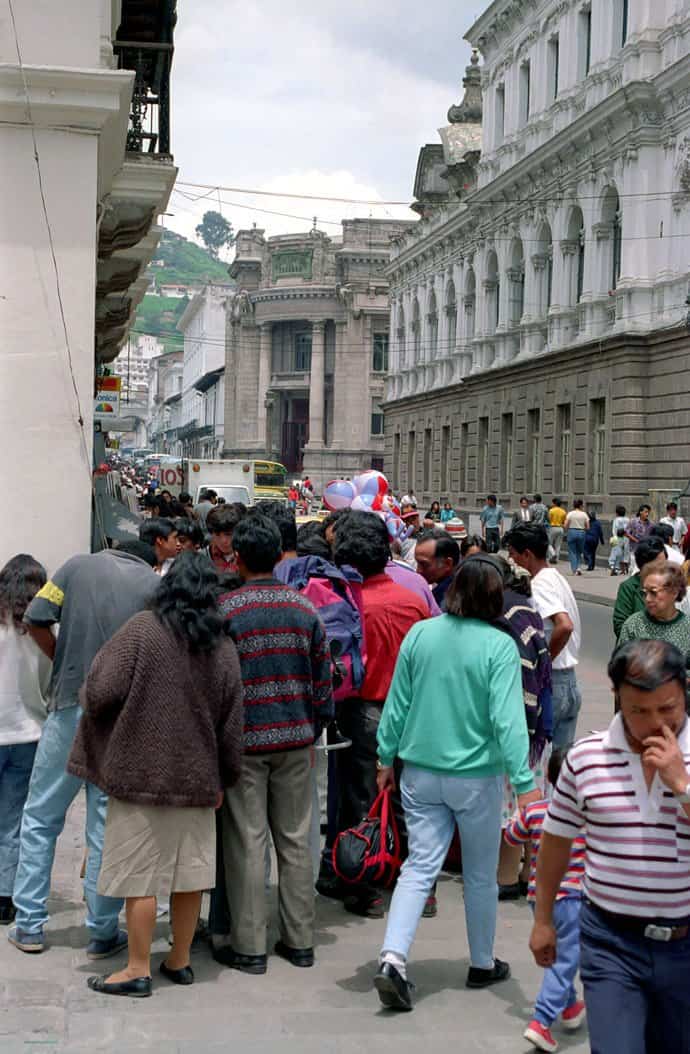
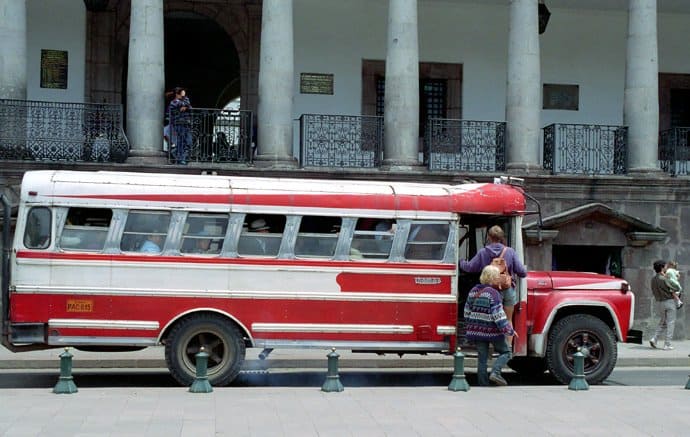
The narrow side streets are often jammed with traffic, accompanied by loud honking and the gestures of passers-by. The work of the police officers seems hopeless in this confusion. Again and again, larger gatherings of people form on the streets, usually queuing at banks or public institutions.
There is always something going on in the Plaza de la Independencia. This is where people meet to exchange information or just to hold a Smaltalk. Market stalls can be found in many streets of the city center. In terms of goods, everything is offered for sale here from fruit, vegetables, textiles, shoes, furniture, etc. You only have to stroll through the smaller side streets of the city center and you will find the most interesting motifs. Everything that has no more space in the shops is simply put on the street. In this way, the often missing shop windows of the shops are replaced. On every corner you will find small stalls of hawkers selling all kinds of things. Often, small snacks and snacks made from local specialties are prepared and offered directly on the street.
Photos Ecuador – Quito