South Africa – Rhinos
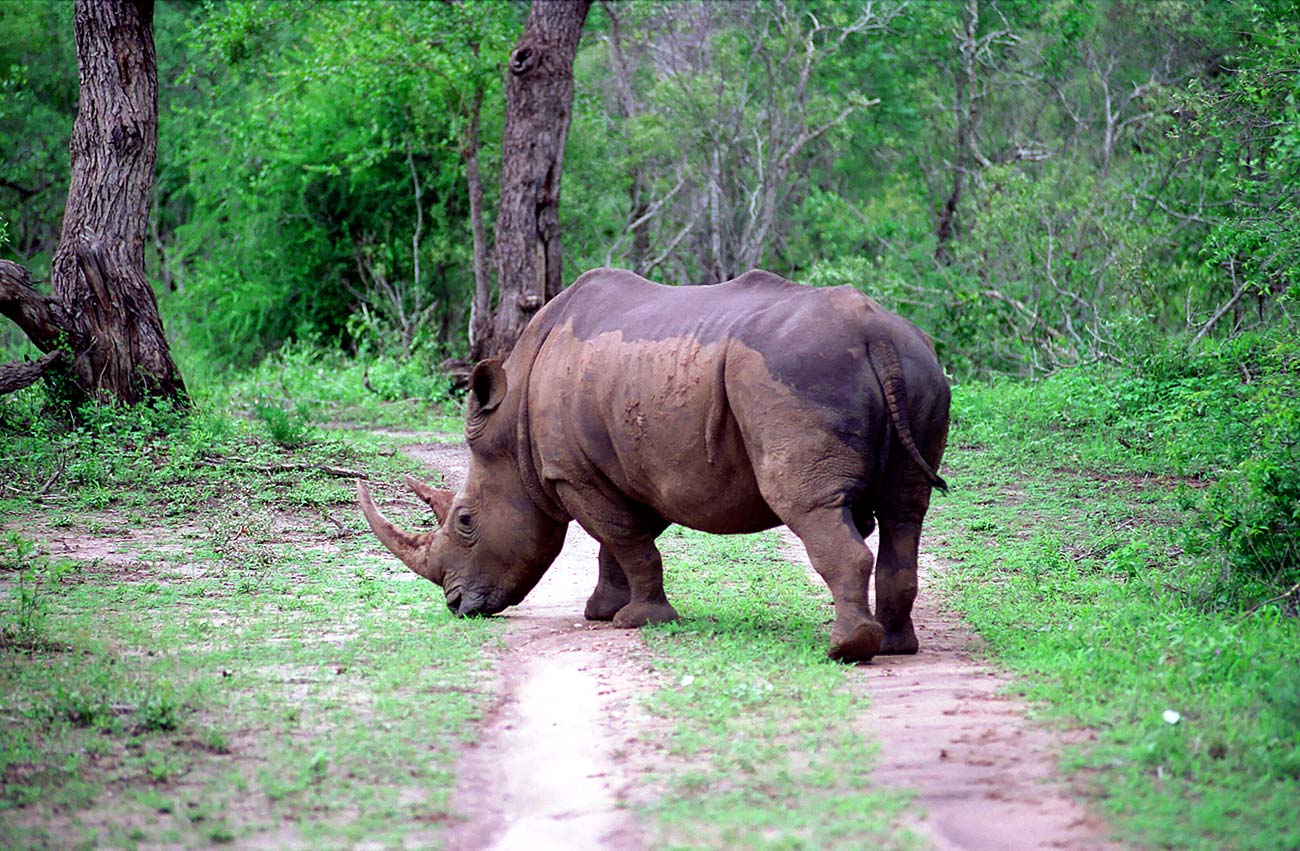
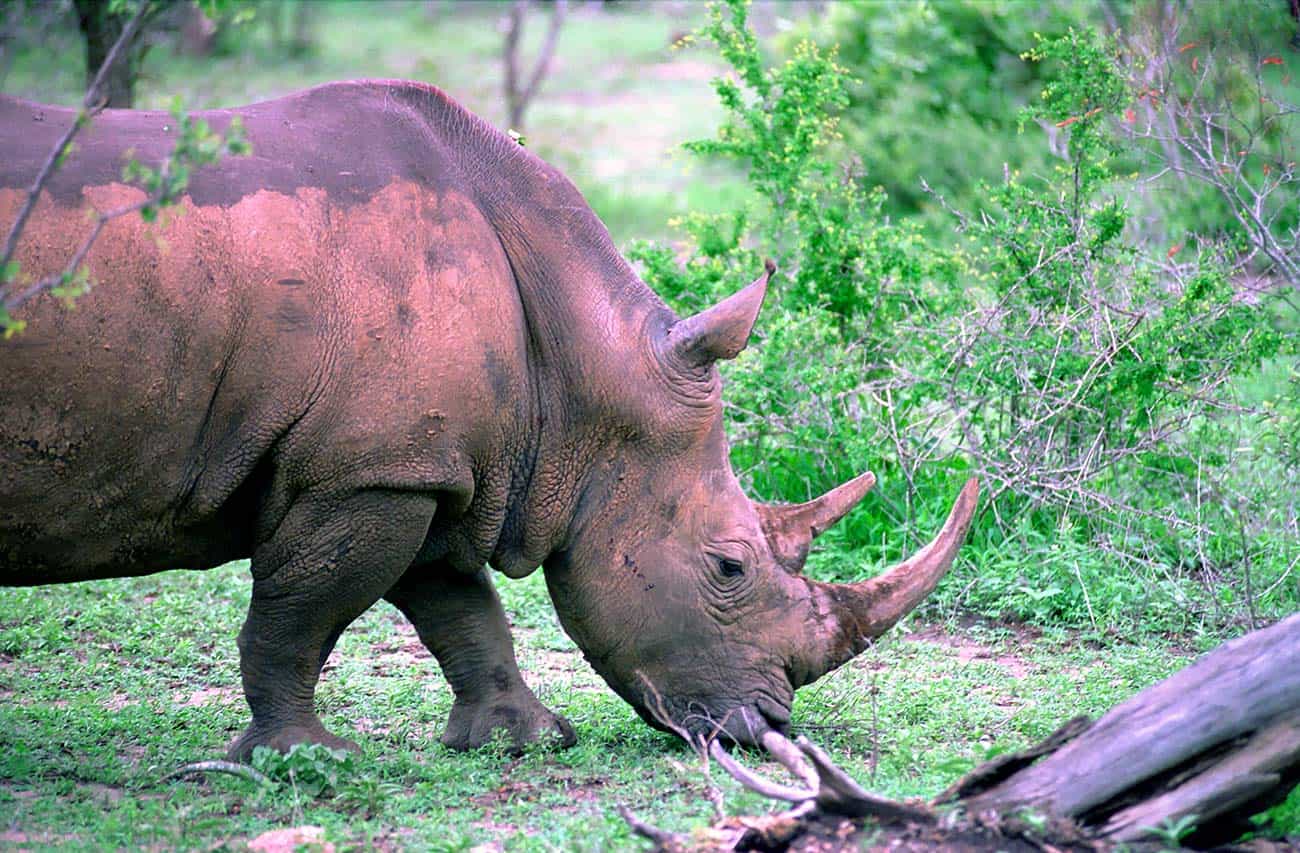
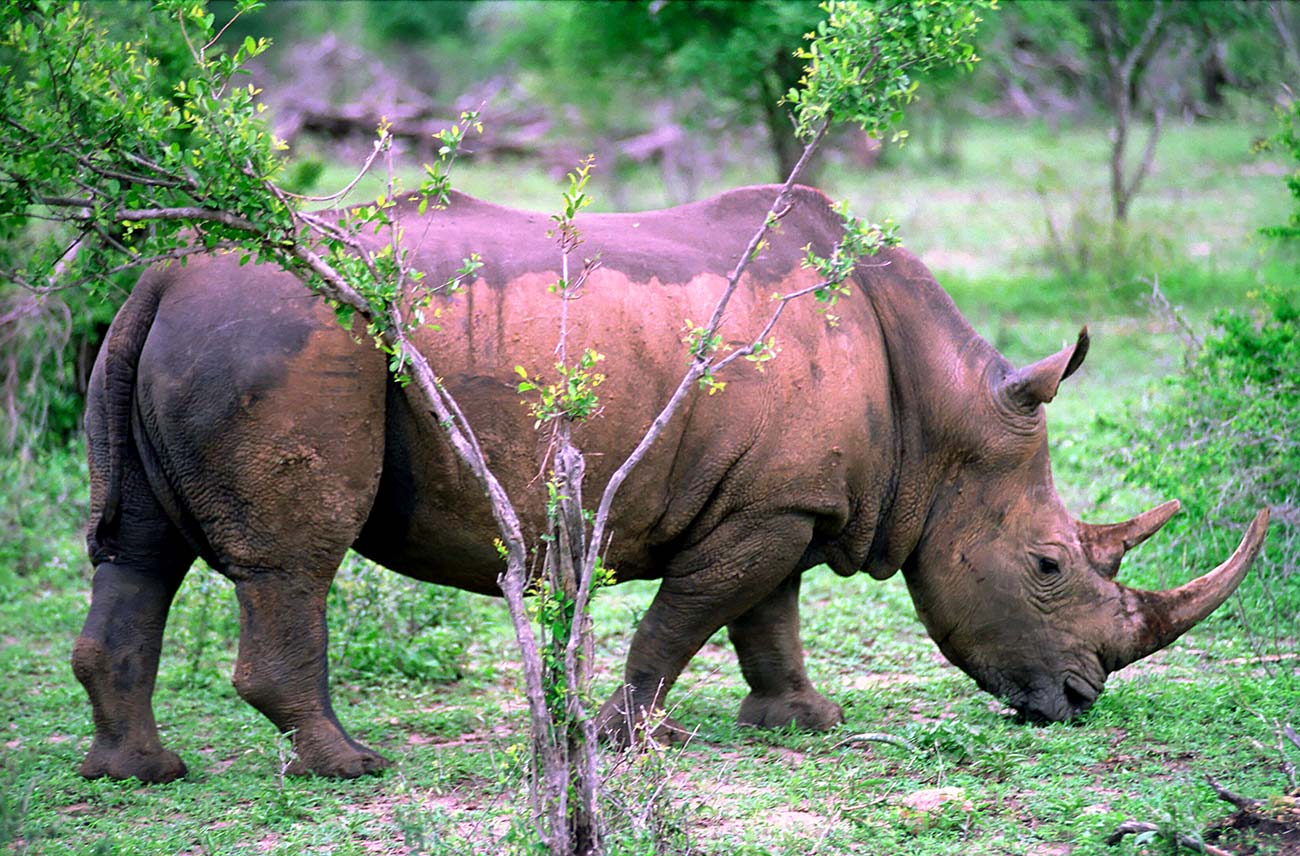
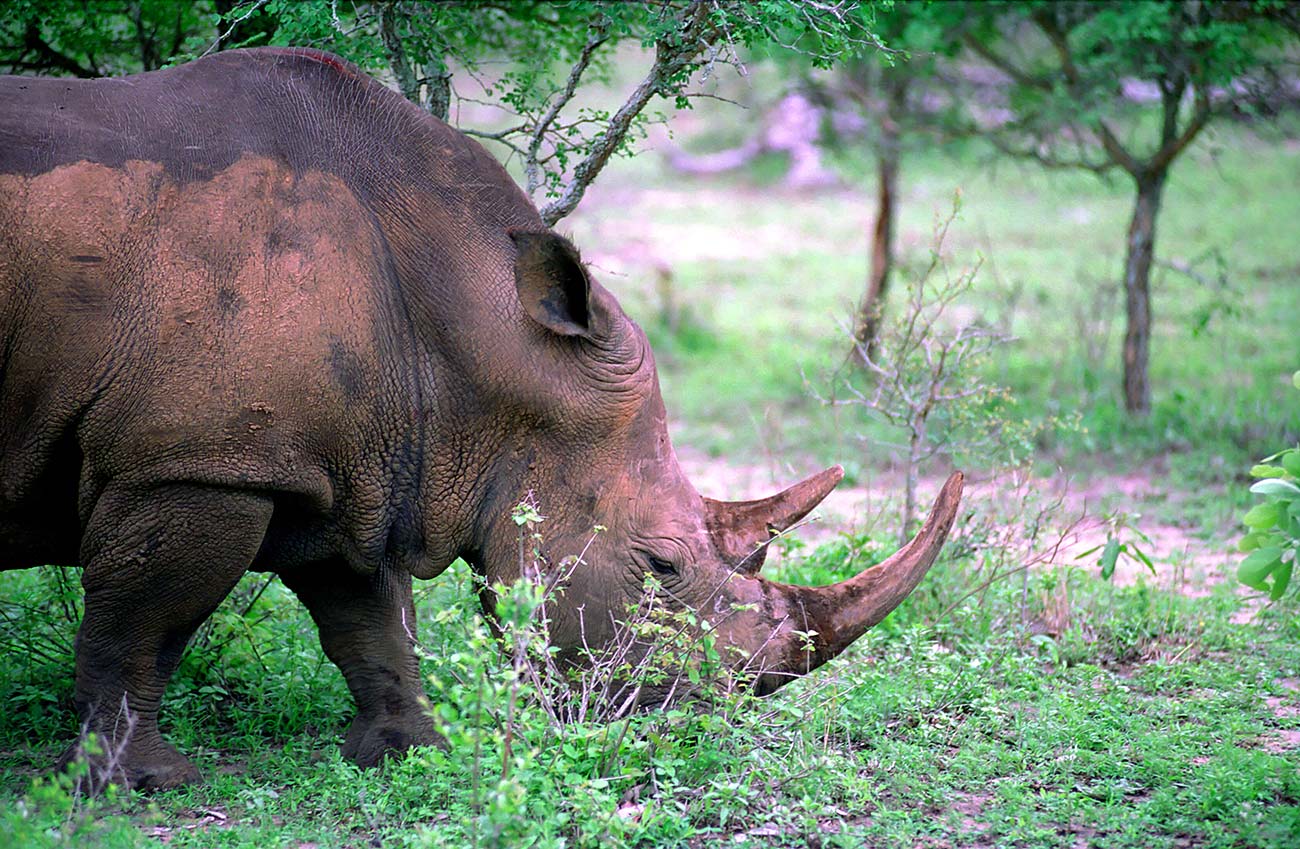
There are two species of rhinos, the white rhino, also known as the “White Rhino”, and the black rhino, also known as the “Black Rhino”. Bulging lips and an elongated head characterize the White Rhino. The Black Rhino has a shorter head that ends in a pointed gripping lip. On their huge mouths above the nostrils, these colossi carry two rhinoceroses. One is a little longer. The second has a short stump.
Rhinos are hairless except for a few fringes on the ears and on the tip of the tail. After elephants, the white rhinoceros is the second largest land mammal. It reaches a shoulder height of 180 cm. The bulls weigh up to 2300 kg. The cows weigh a little less and reach a weight of up to 1600 kg.
Less massive and with longer legs is the black rhinoceros. The bulls weigh about 1200 kg. The shoulder height is approx. 160 cm. The front horn is about 130 cm long. The life expectancy of rhinos is about 45 years. White rhinos live in open tree savannahs and feed exclusively on short grass. They drive their huge mouths over the ground like a lawnmower. Black rhinos inhabit more bushland and densely forested areas. They mainly eat leaves. The most active times for rhinos are early morning, late afternoon, and night. At noon they rest. The rhinos are half-blind, but have a keen sense of smell and a keen sense of hearing. Black rhinos are the wild and daredevil ones. If a rhinoceros senses danger, it races straight ahead at a speed of up to 50 km/h in the direction of the supposed danger. The only salvation is then the nearest tree. White rhinos, on the other hand, are more gentle and shy. They are extremely sensitive to noise and immediately flee in the event of a disturbance.
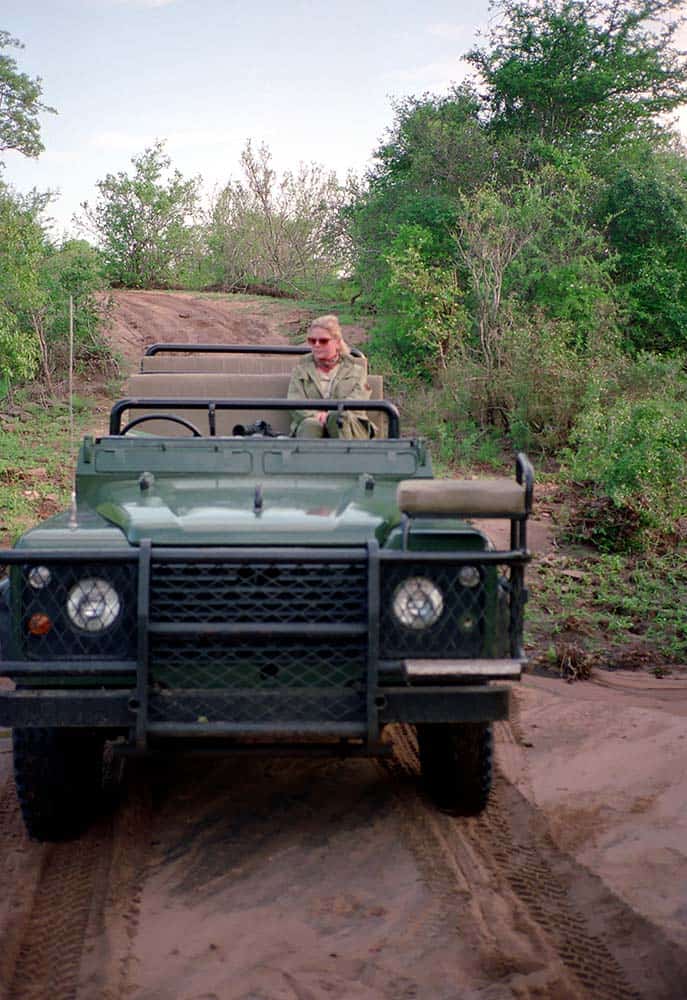
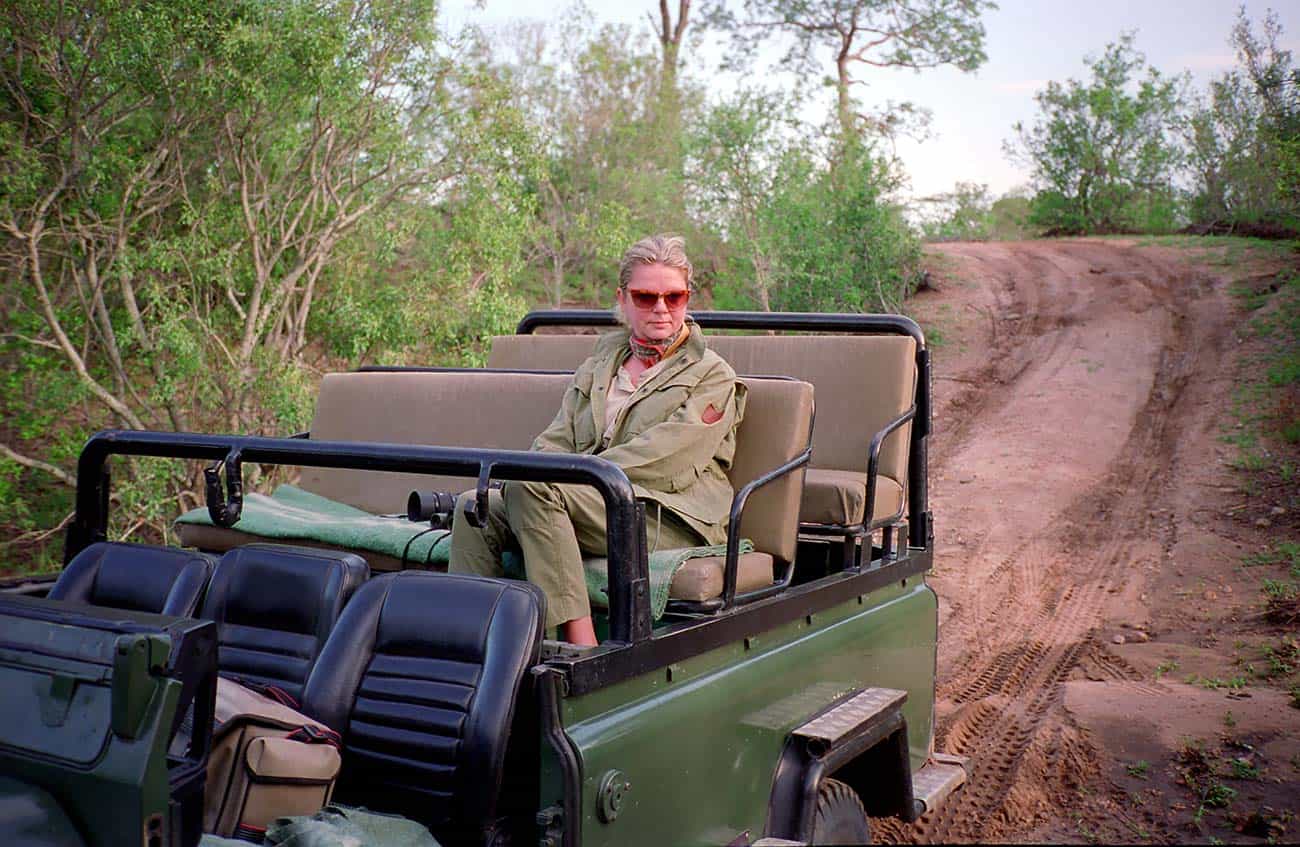
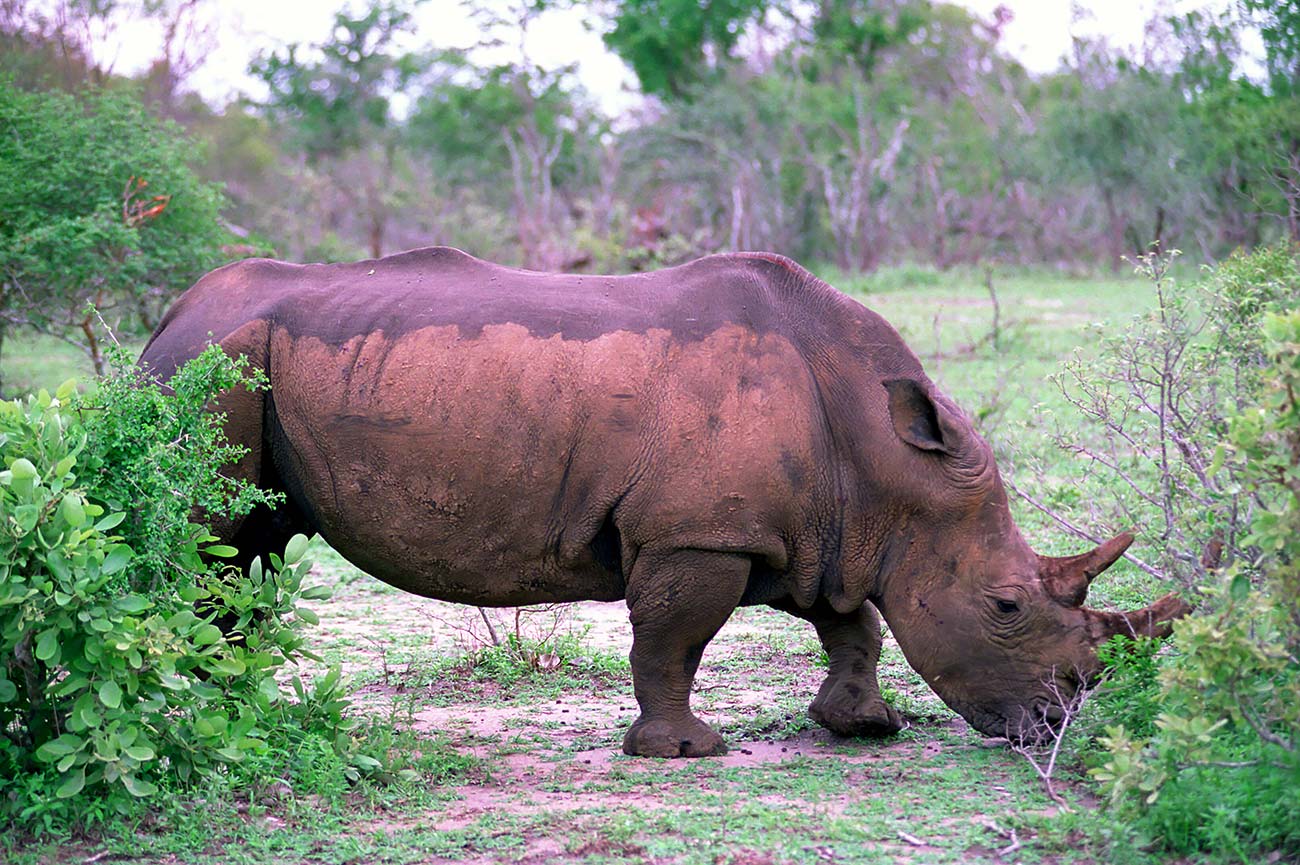
On our safaris through the bush of South Africa, we encountered rhinos on one of our tours. With the Land Rover we were able to get within a few meters of the colossus. The population of rhinos in the area of the Kruger National Park is extremely low. Rhinos are still threatened with extinction throughout Africa. Even in the national parks, it is not easy to protect the animals. Poachers (in the Kruger Park, poachers usually cross the border with Mozambique, which is more than 300 kilometers long and therefore almost impossible to control) continue to succeed in killing rhinos. The motif is the horns. These are sold at high prices on the black market. The powdered horn is particularly popular with Japanese men as a sexual enhancer.
The rhinos have populated the savannahs of Africa for millions of years. It took only a few decades to almost eradicate them. Even after months of stay in East and South Africa, you only come across a few of the massive, primeval colossi. This is the result of ruthless poaching for dagger hilts in Yemen and traditional medicine in East Asia. The powdered horn of these animals is not only supposed to cure serious diseases, but also to strengthen virility – this superstition of the East Asians probably arose from the endless mating games of the rhinoceroses. The horn is weighed at three times the weight of gold and no international protection law can help against such a prospect of profit, especially in the poor countries of Africa.
In the meantime, there are protective measures by some African countries that are trying to save the endangered animals from final extinction. Young, two- to three-year-old males leave their mother and soon join forces with a fellow male to explore the savannahs. She then has a friendship with this friend that has lasted for years. The rhinos are extremely impressive when viewed up close.
It is a stroke of luck that we unexpectedly had two of these specimens standing directly in front of our Land Rover. We crossed a small clearing and suddenly they stood there…….. We can observe the two rhinos for a while, then they move into the dense bush and disappear from our sight.
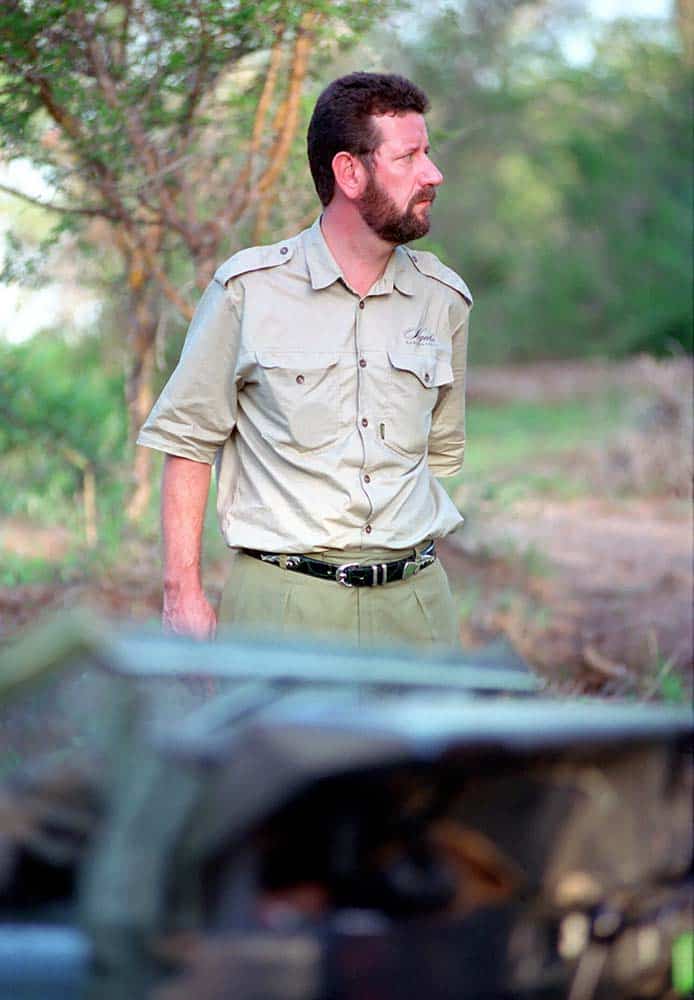
After this experience, we deserve a short rest. Our auxiliary guide takes care of the fire. Brigitte does not dare to leave the Land Rover for the time being. It could be that the rhinos will suddenly come back…..
An eventful day in the bush of South Africa is behind us and we travel back to our lodge satisfied and happy.
Pictures South Africa – Rhinos