South Africa – Cape of Good Hope
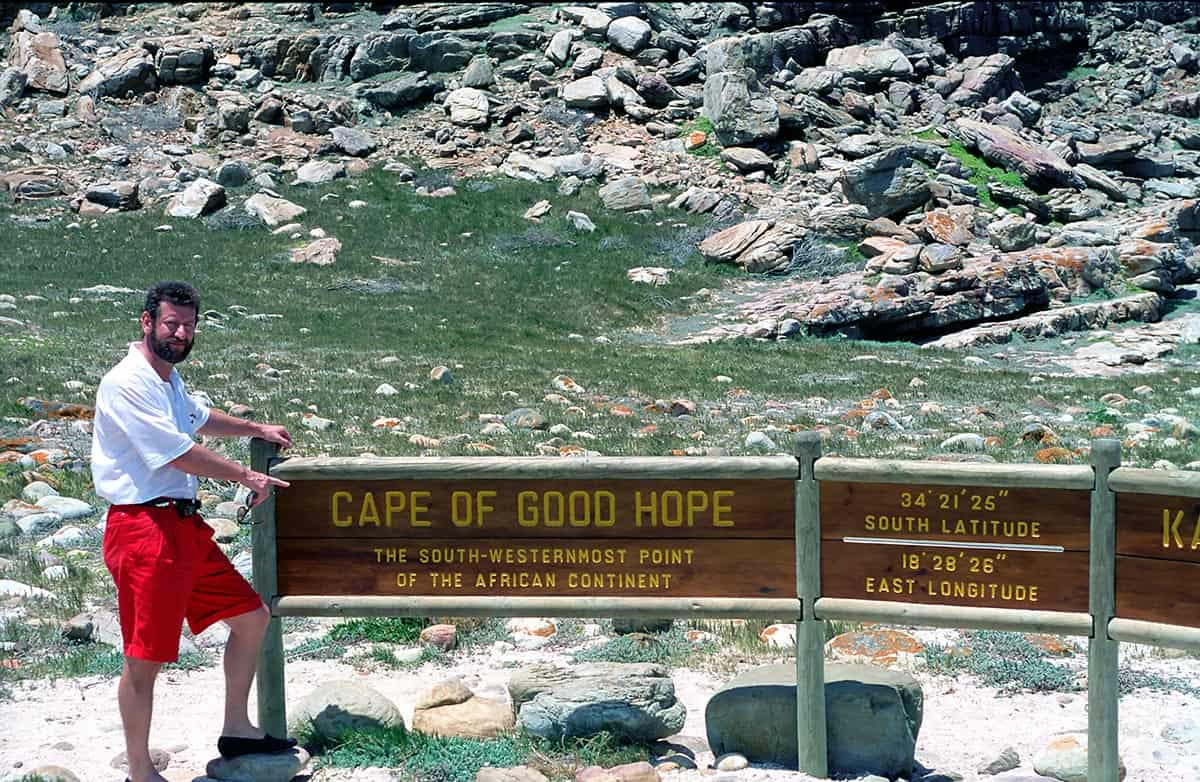
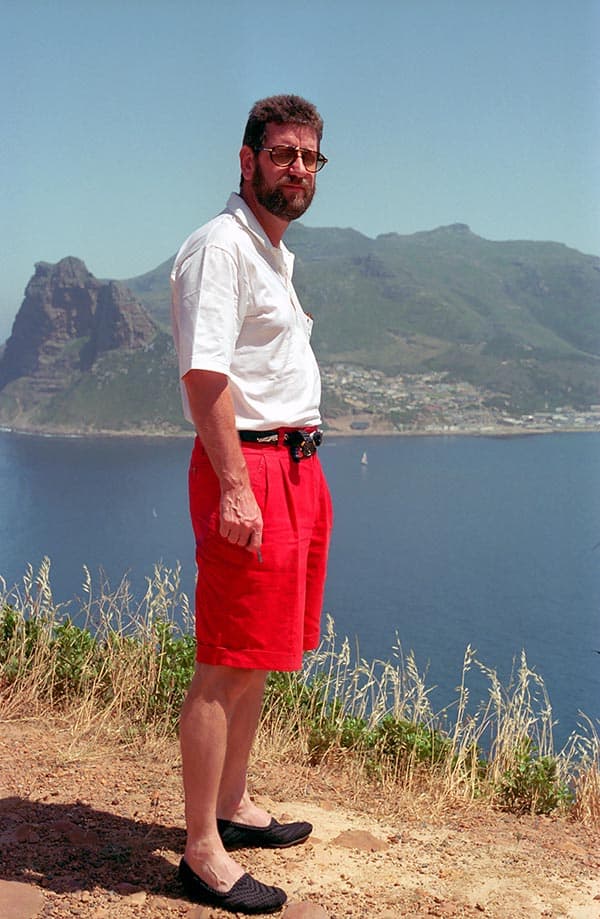
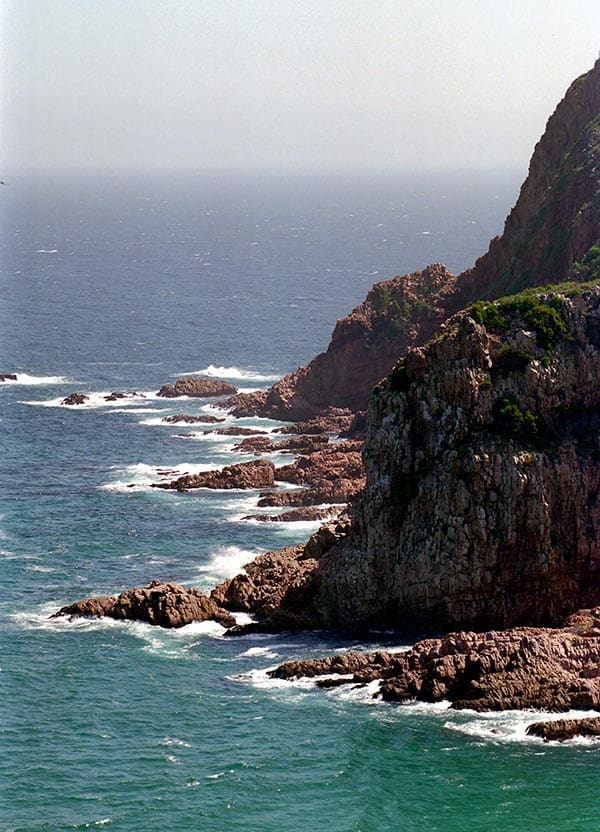
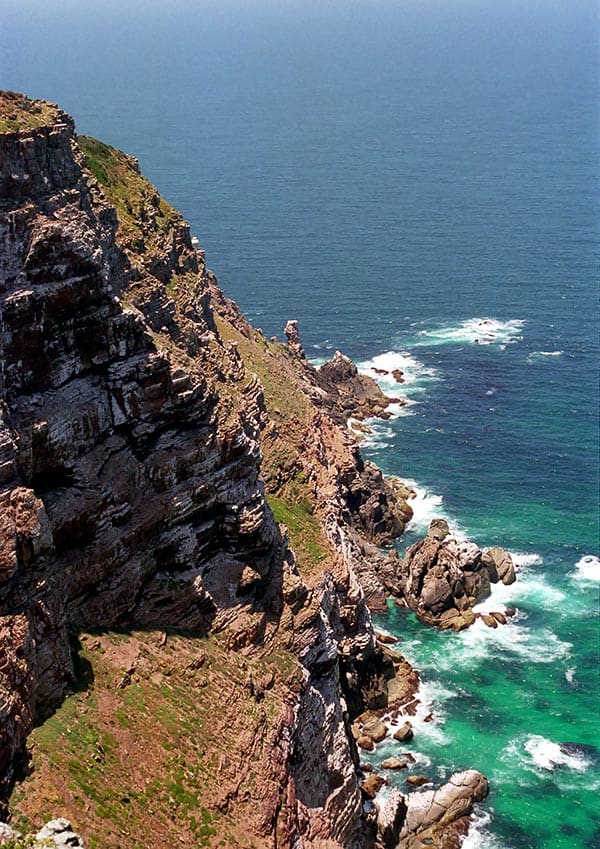
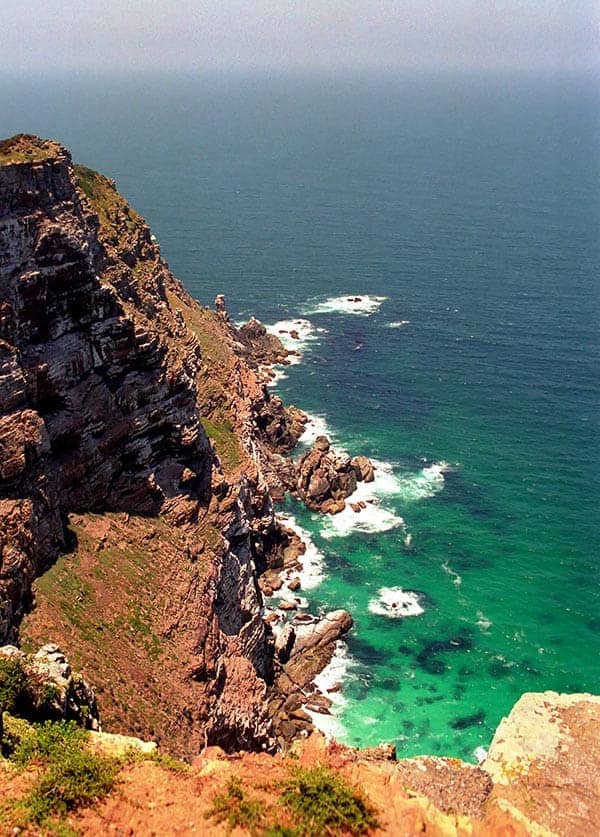
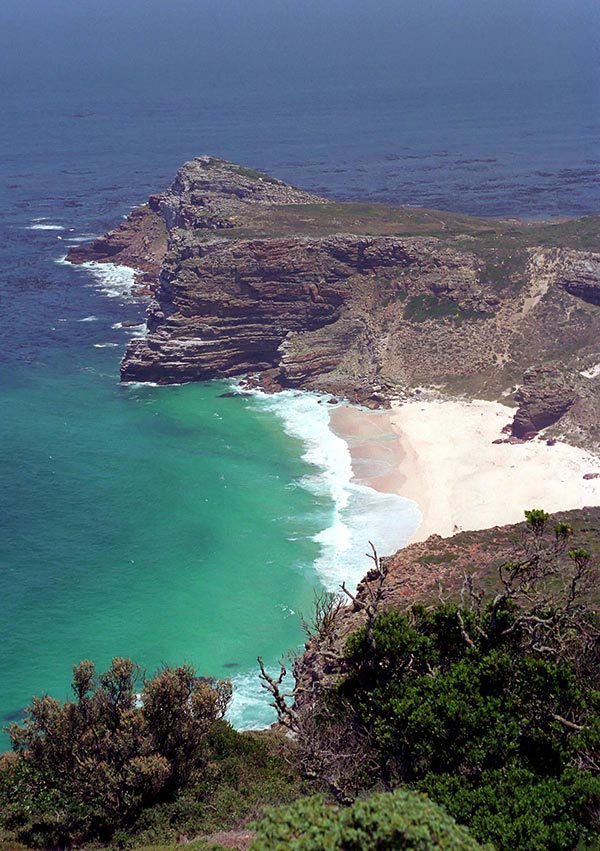
South of Cape Town is the Cape Peninsula with the Cape of Good Hope Nature Reserve, a nature reserve since 1939 that is home to antelopes, ostriches, zebras and baboons, and Cape Point, 200 metres above sea level, a little further northeast. It offers great views over the entire Falsebay and the roaring surf at the Cape of Storms. This is where the legend of the Flying Dutchman originated, when in 1641 the Dutch captain Hendrick van der Decken was on his way from the Spice Islands of the East Indian Moluccas to Europe. He fought the rough seas off Cape Point. When the ship threatened to sink, the captain made a pact with the devil in his panic. Since that time, the Dutchman’s ghost ship and its ghost crew have been cruising the seas and bringing bad luck to those who see it.
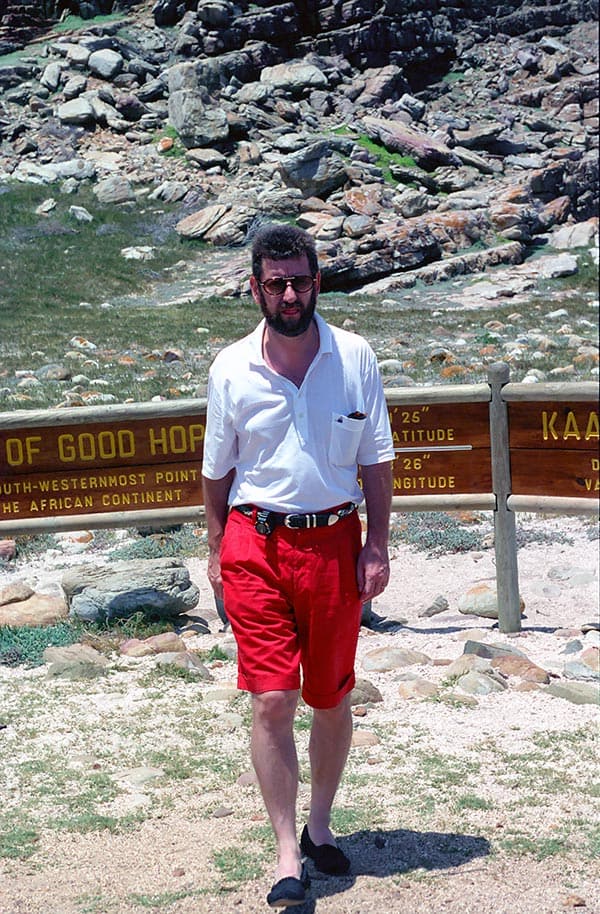
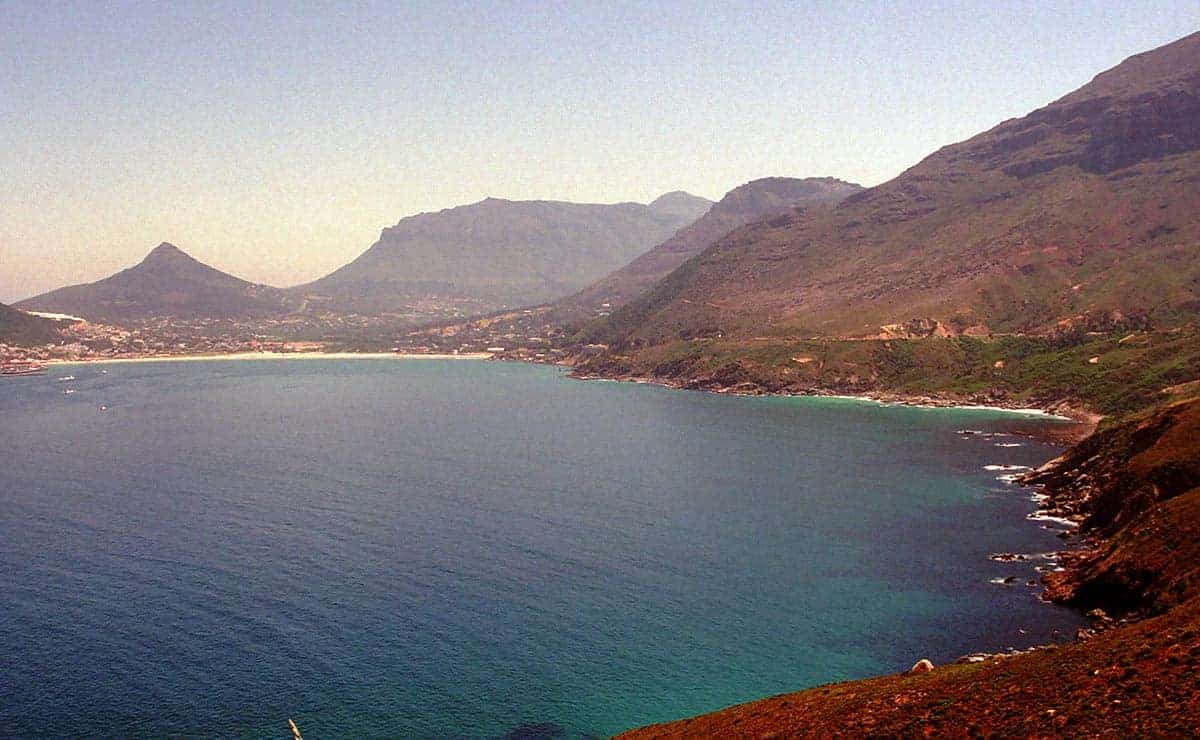
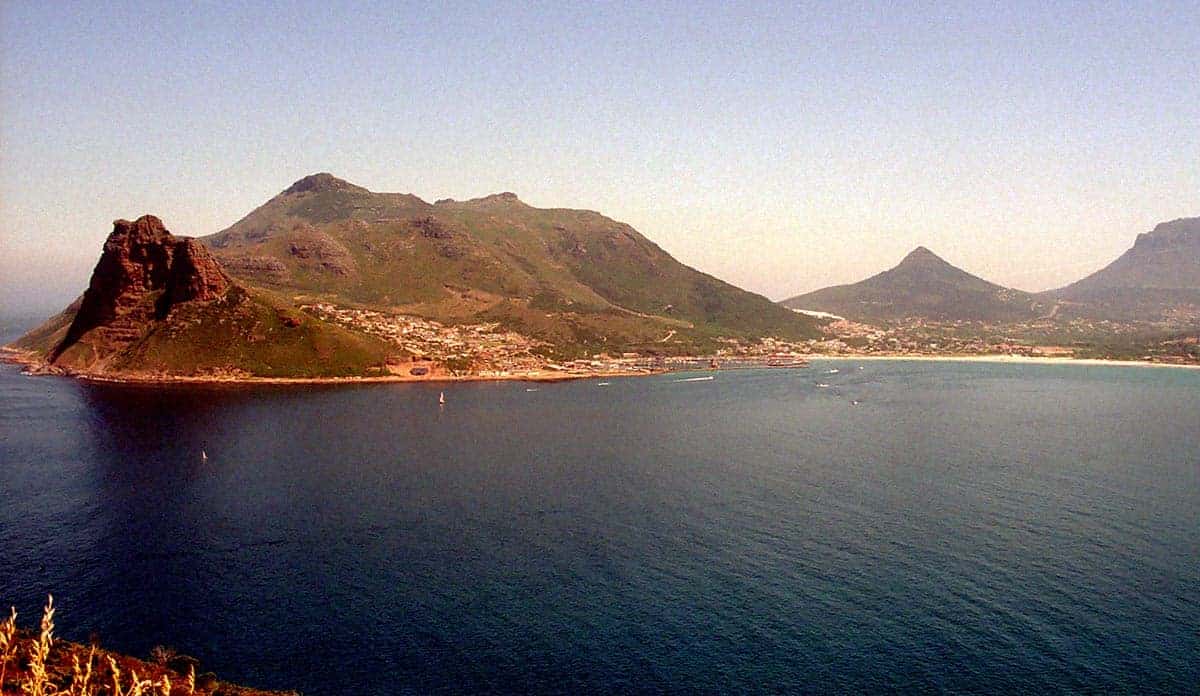
Our drive led along the Atlantic coast to Cape Point and the Cape of Good Hope Nature Reserve. Neither cape is really the southernmost point of Africa. It is about 150 km further to the southeast. At Cape Agulhas, the two great seas Atlantic and Indian Ocean meet. For the early seafarers, however, the Cape of Good Hope was the turning point. Only when you had passed this “Cape of Storms” had you made it.
Our approach ends in a large parking lot, where there is a snack bar and an exclusive restaurant with a wonderful sea view.
An unforgettable spectacle is offered every year between May and December at Hermanus. To give birth to their young, the humpback whales are the first to appear in the bay in May.
About a month later, the first gray whales also reach shelter from the storms of the Atlantic. The whales come close to the coast, alone or in small groups, to mate or calve and raise their young. The mountainous Cape Peninsula with its numerous idyllic valleys, bays and beaches is an impressive experience for nature lovers.
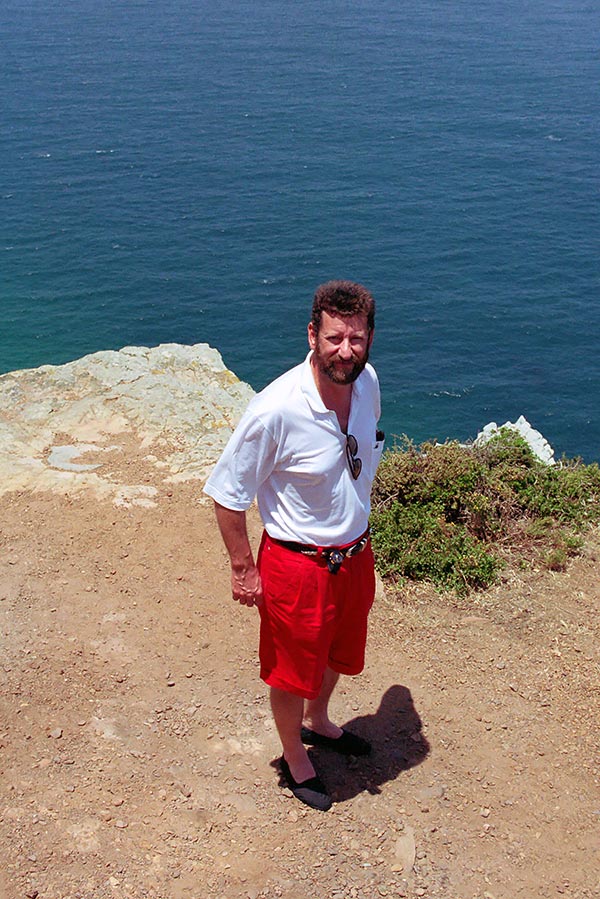
Nowhere in the world has comparable vegetation of orchids, heather flora, ferns and bizarre protea fields, the national plants of South Africa, been established. The narrow peninsula tapers to the rock at Cape Point, which drops steeply into the roaring waters of the Atlantic Ocean. A little further to the southeast is Cape Agulhas, the southernmost point of the continent.Treacherous rock needles, to which this cape owes its name, have always spread fear and terror among seasoned sailors. And rightly so, because many a ship met its end there. The wrecks can now be seen in the Shipwreck Museum in Bredasdorp. Cape Agulhas is home to the second oldest lighthouse in South Africa.
Pictures South Africa – Cape of Good Hope



Questions about South Africa as a travel destination?
You can get the answers in the Africa forum!

Author: Joe OnTour
Autor + Reise-Blogger