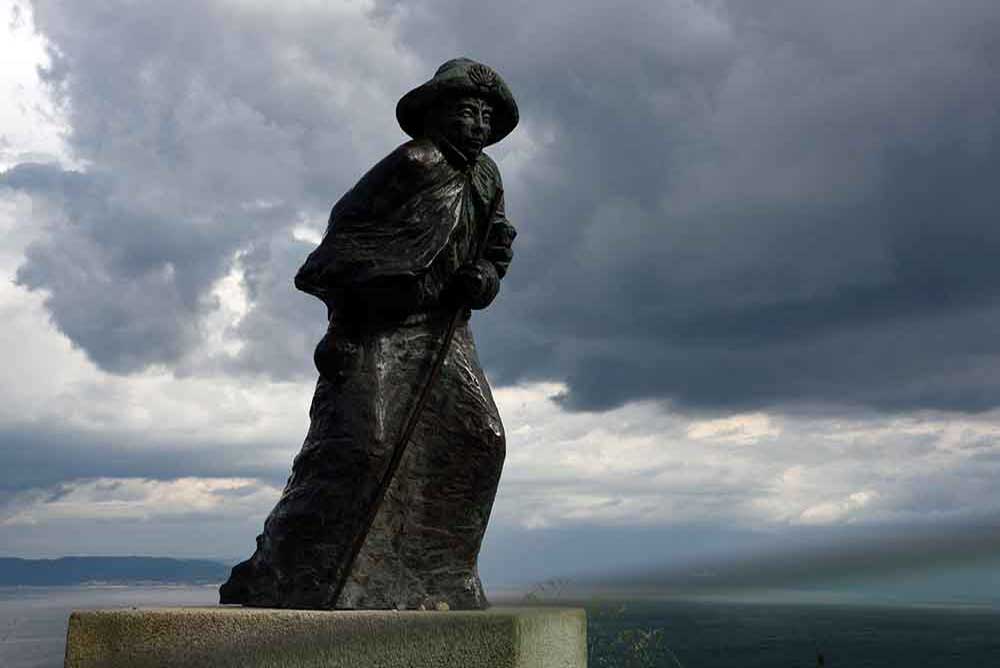
Camino de Santiago Cape Finisterre
Actually, the Way of St. James (Camino de Santiago) ends in Santiago de Compostela. We follow the path to the sea but to Cape Finisterre.
There are a number of different Camino de Santiago, but the original one is the Camino Frances. It is the high medieval main traffic axis of northern Spain. The route leads from the Pyrenees to the Tomb of Santiago via the imperial cities of Jaca, Pamplona, Estella, Burgos and León. This route, as it is still used today, corresponds to the Way of St. James from the first half of the 11th century.
In 2014, around 217,000 pilgrims are said to have walked this route.
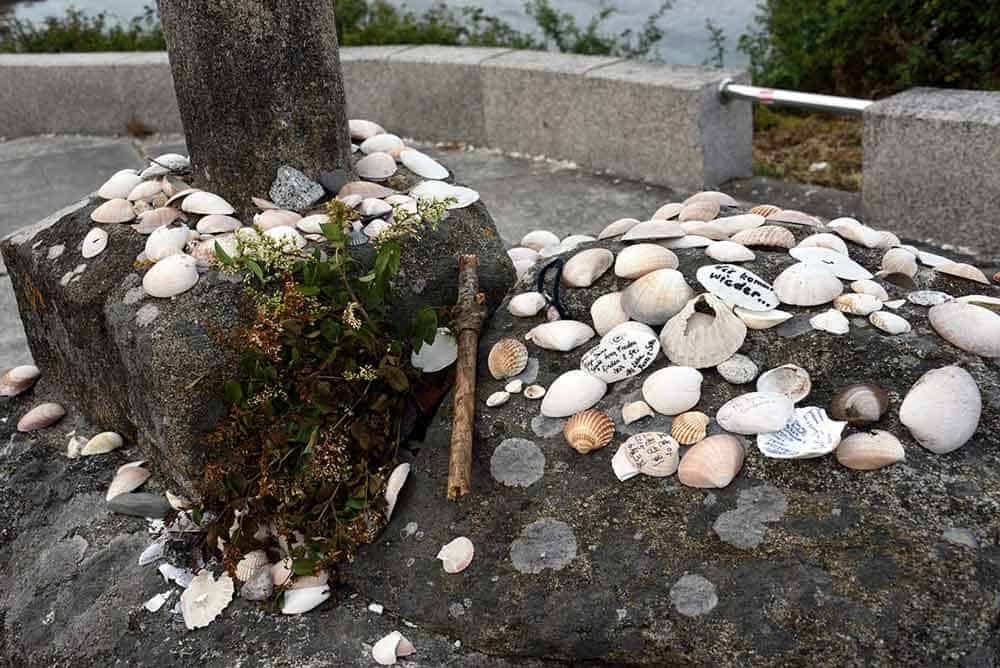
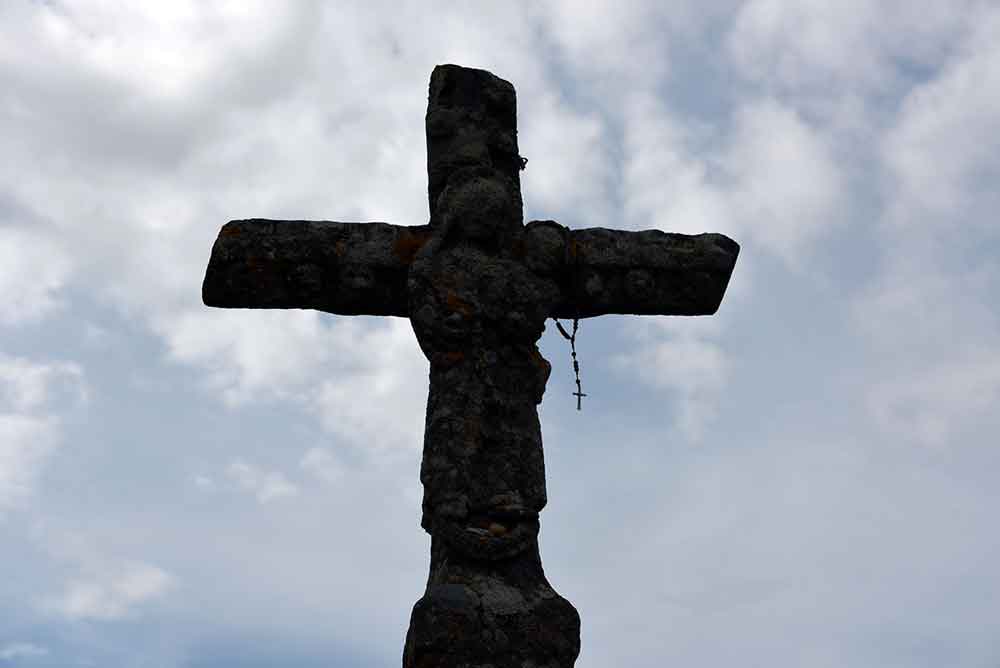
In the Middle Ages, pilgrim badges could be purchased at the pilgrimage destinations. The pilgrim was to be protected on the way home. This pilgrim badge is the scallop shell. Originally, it also served as proof that the pilgrim had actually completed the journey. At Cape Finisterre, on the beach, we find a crossroads where the shells are left as an omen.
Photos Camino de Santiago Cape Finisterre

Questions about Spain as a travel destination?
In the Europe forum you will get the answers!

Author: Joe OnTour
Autor + Reise-Blogger