Seychelles – Nature
A real strength of the Seychelles is its quite high proportion of endemic animal and plant species, quite a few of which are among the rarest on earth. For example, every travel guide mentions the relatively inconspicuous insectivorous Pitcher Plant (Kannenliane), which is mainly found in the high altitudes of Mahé.
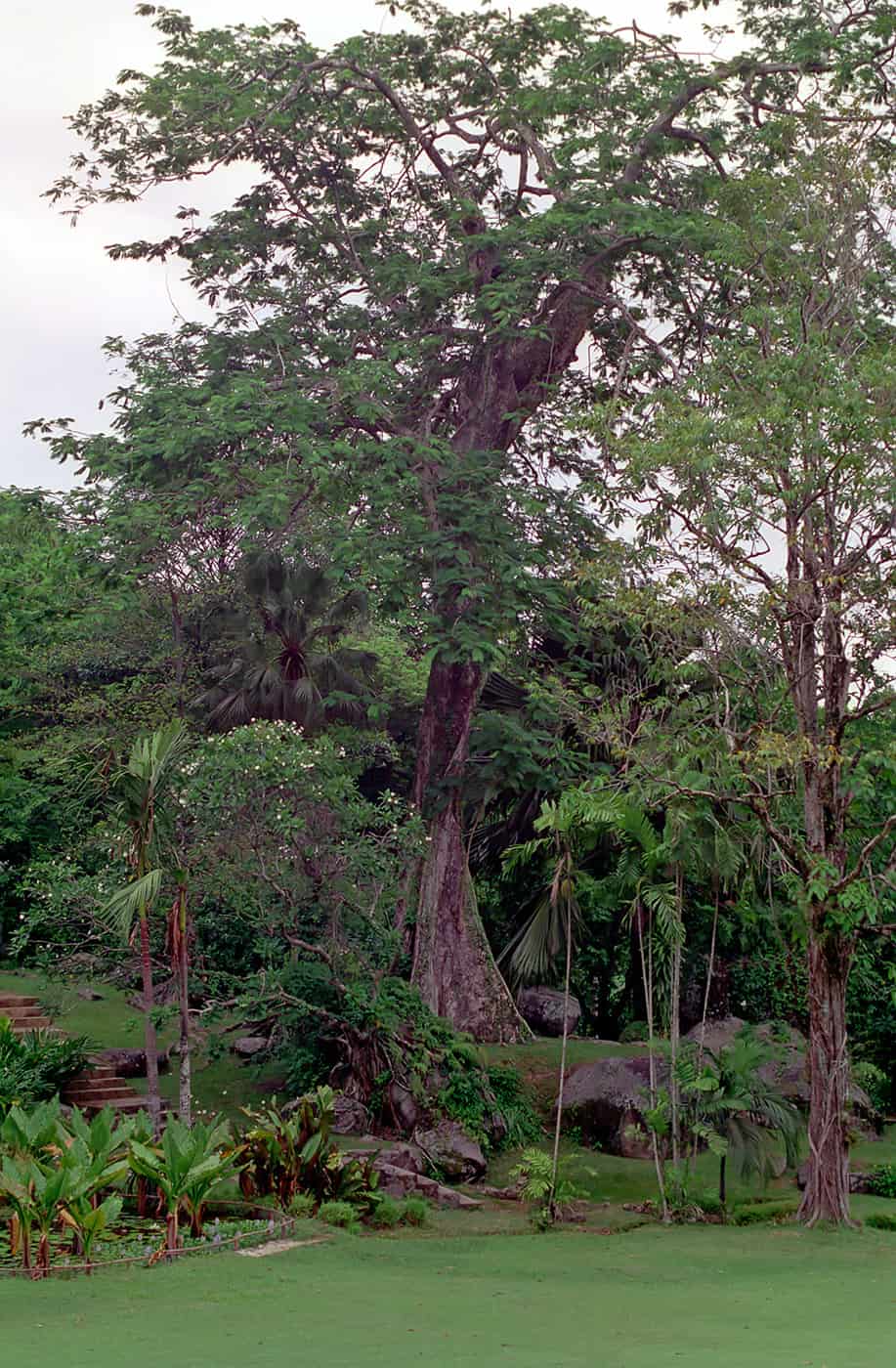
However, the landscape on a large scale is dominated by tropical cosmopolitans: coconut palms, casuarina trees and takamaka trees are common near the coast. Mangroves can also be found, but their population has been significantly reduced since settlement. (They are definitely native species.) Unfortunately, as mentioned, the primeval forests of up to 40 m high trees that once covered the mountainous islands have fallen victim to the overexploitation of the early settlers. Real primeval forest only exists in the foggy high altitudes of the mountains.
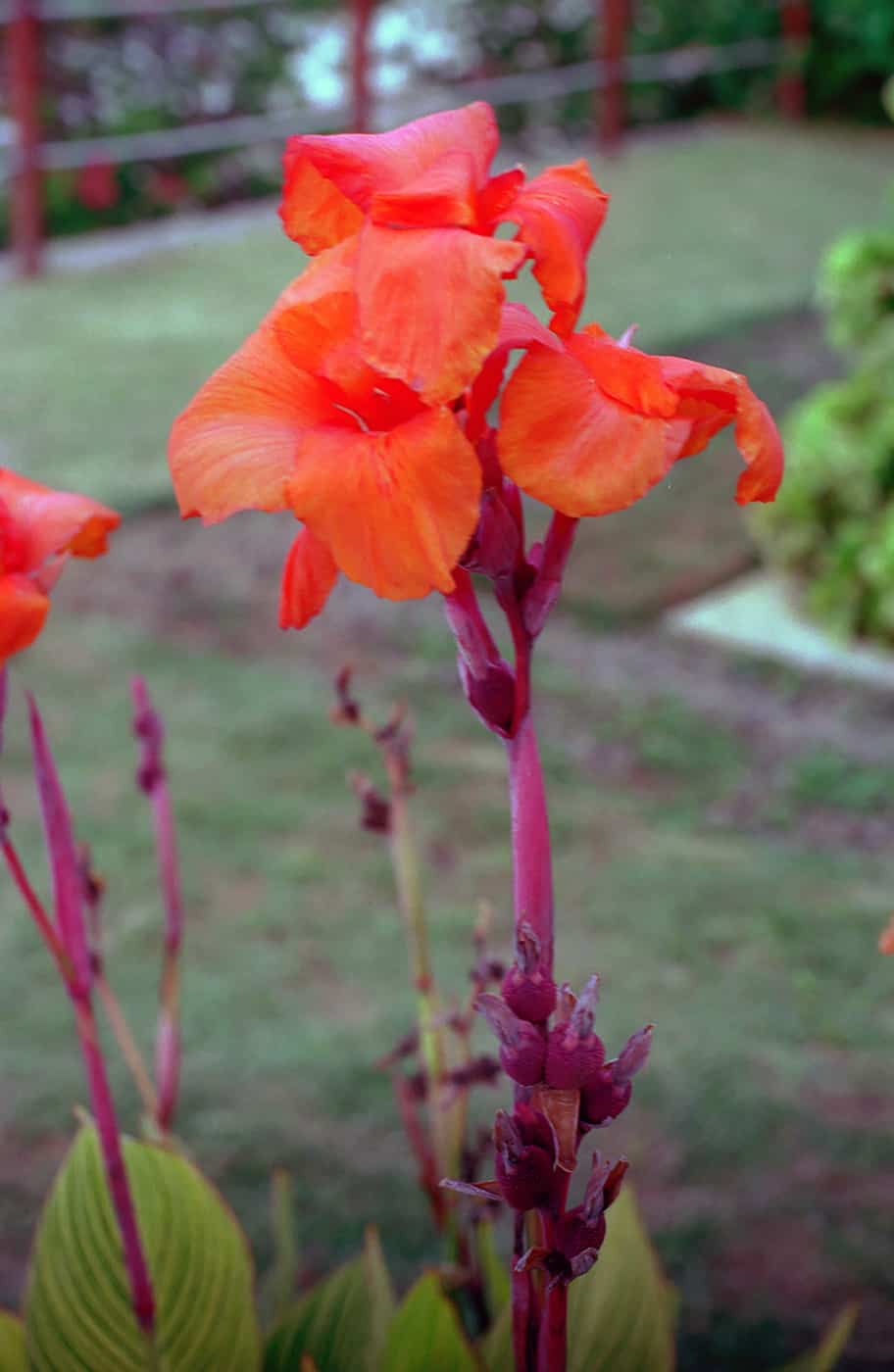
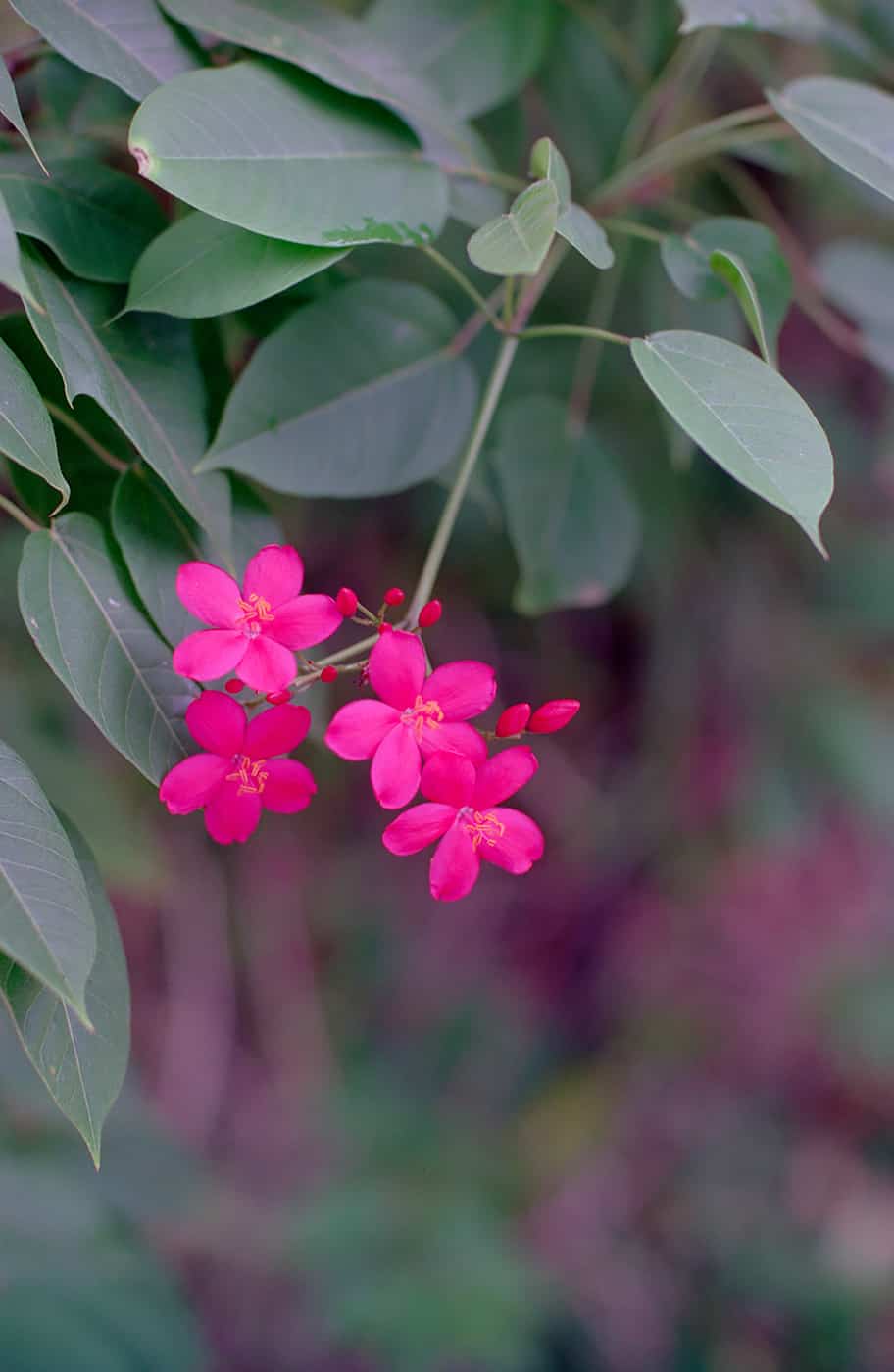
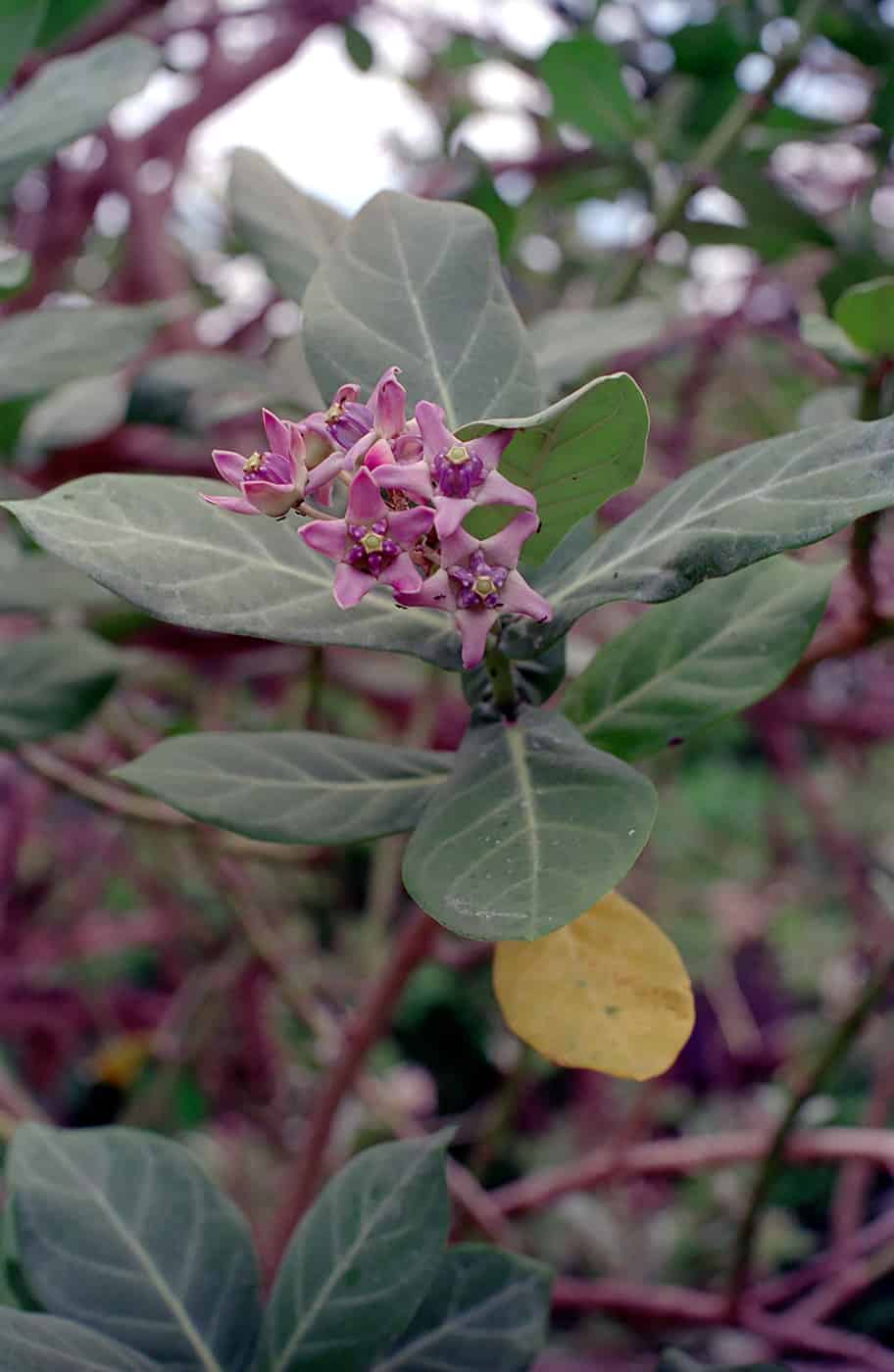
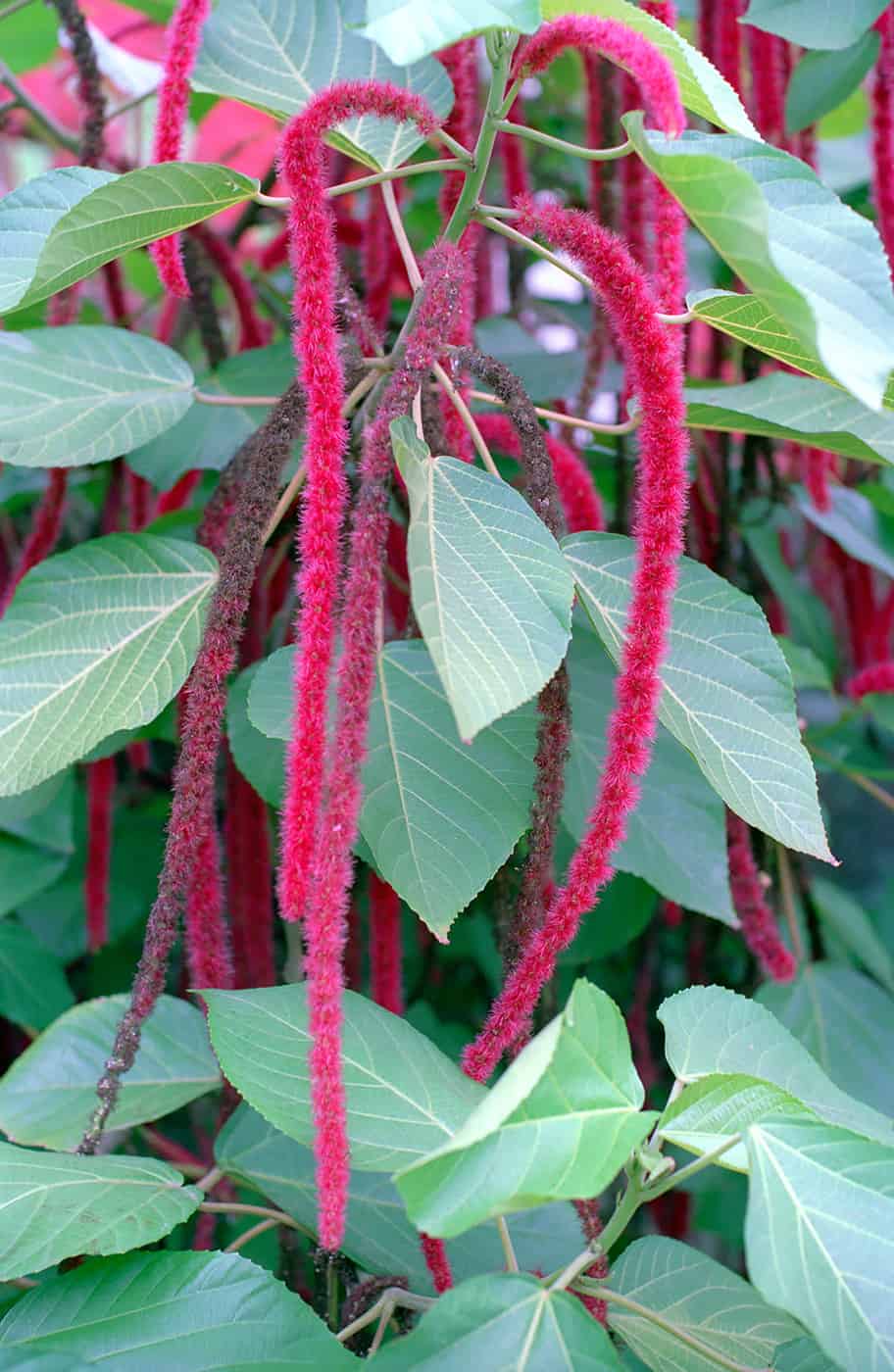
Among flowering plants, common species are the most striking, such as hibiscus, frangipani, bougainvillea or begonias. In the Seychelles you can find various lily species as well as some rare orchid species. Inland, extensive cinnamon forests can be seen, a consequence of the rewilding of the spice plant, which has long been cultivated in the Seychelles.
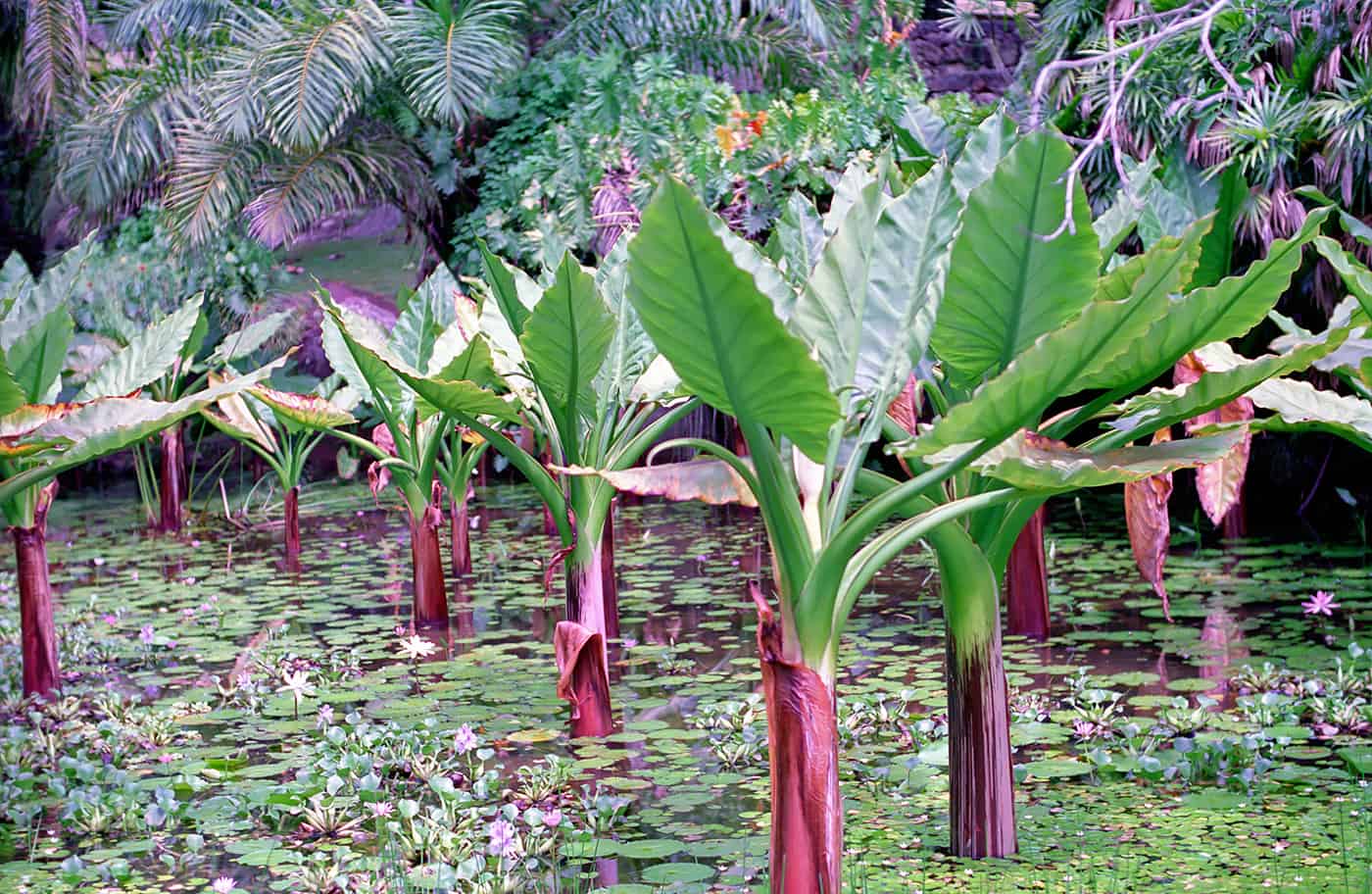
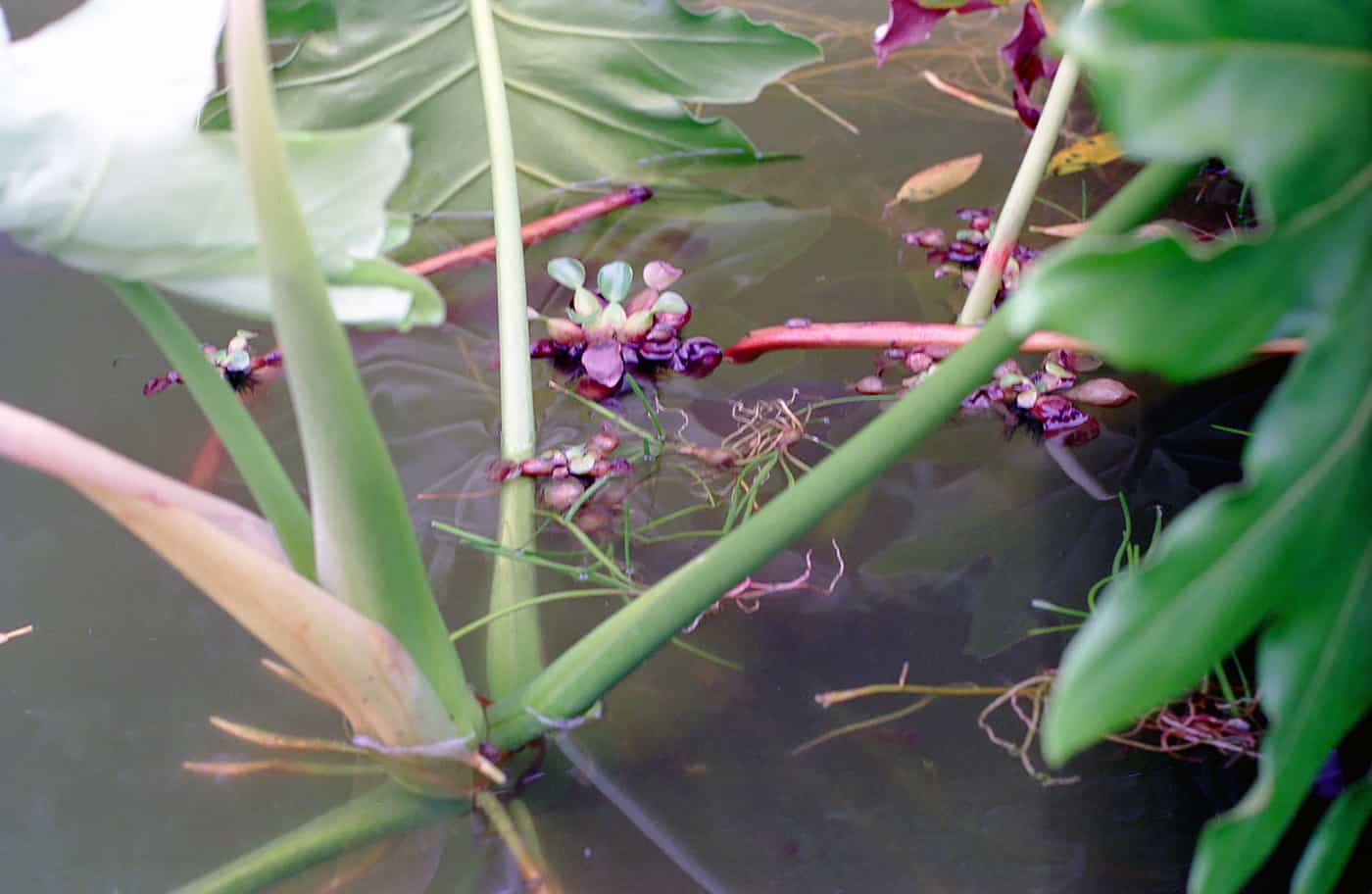
Vanilla, which is still grown today, also grows here and there in wild form. A wide variety of aquatic plants thrive in the swamps.
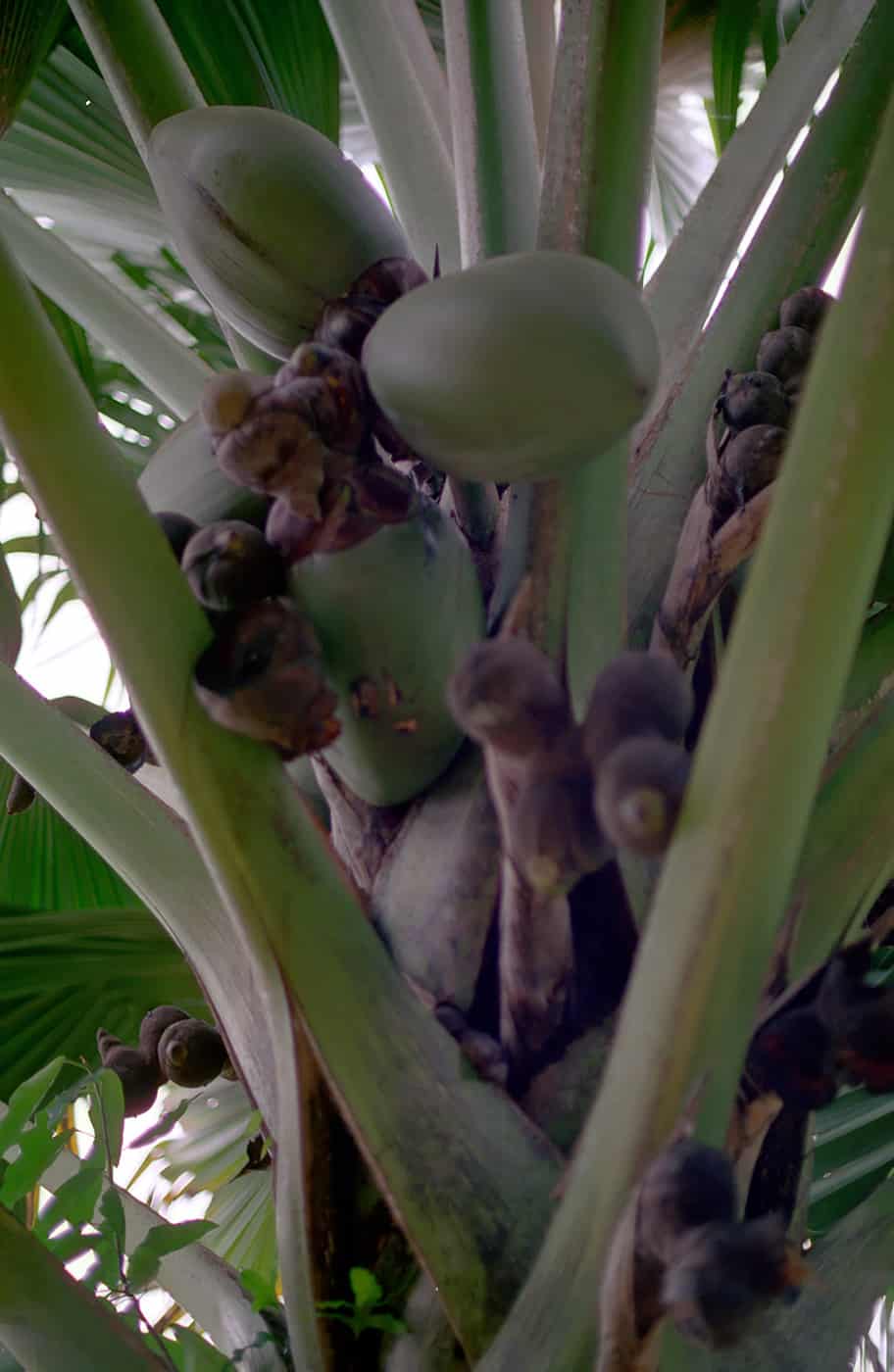
On the other hand, the Coco de Mer, the largest palm species in the world, is much more spectacular. It also holds two other records: for the largest (up to 15 sqm) leaves and the heaviest seeds. A nut can weigh up to 20 kg. The Coco de Mer, of which there are male and female specimens, lives, with a few exceptions on La Digue and Mahé, only in a valley on Praslin (approx. 5,000 specimens).
The valley is called Vallée de Mai and has been managed like a park since the 30s. Again and again, sailors found unusually large coconuts. They swam in the sea or washed up on beaches. No one could explain their origins. Nowhere in Africa or on the well-known islands of the Indian Ocean had palm trees with such huge fruits been seen. So this palm tree must be a sea plant. And so they called her ‘Coco de Mer’ and went in search of her.
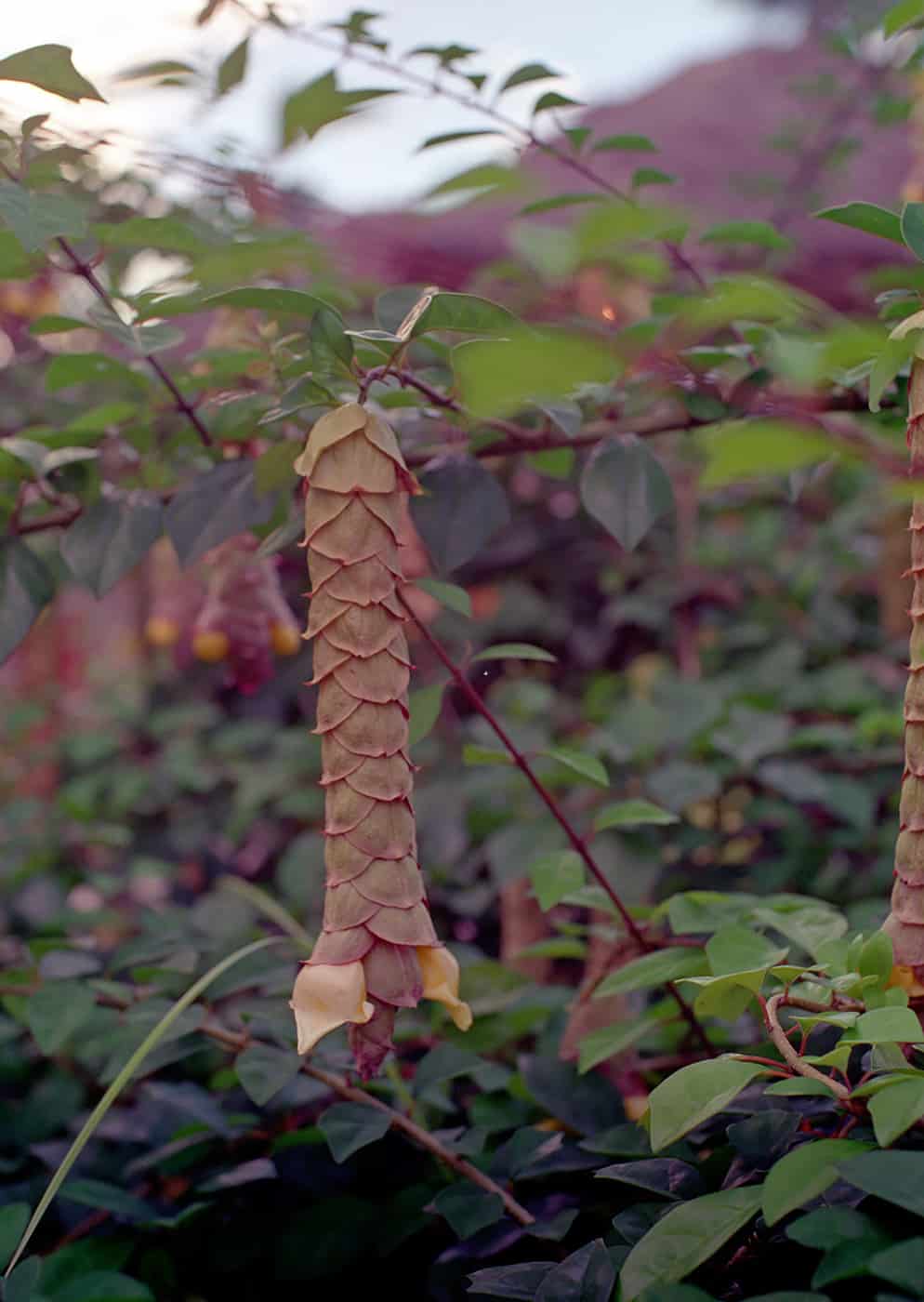
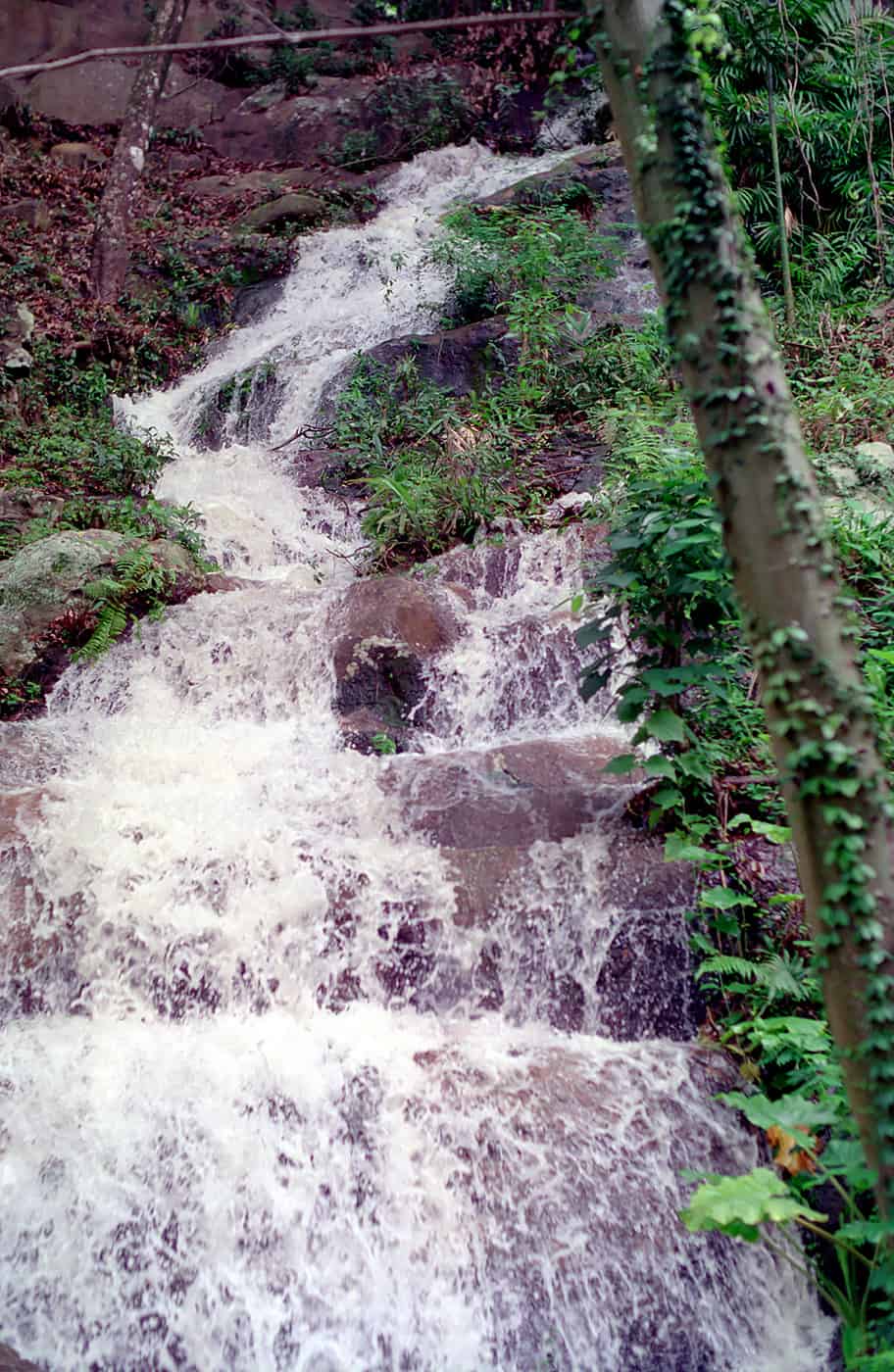
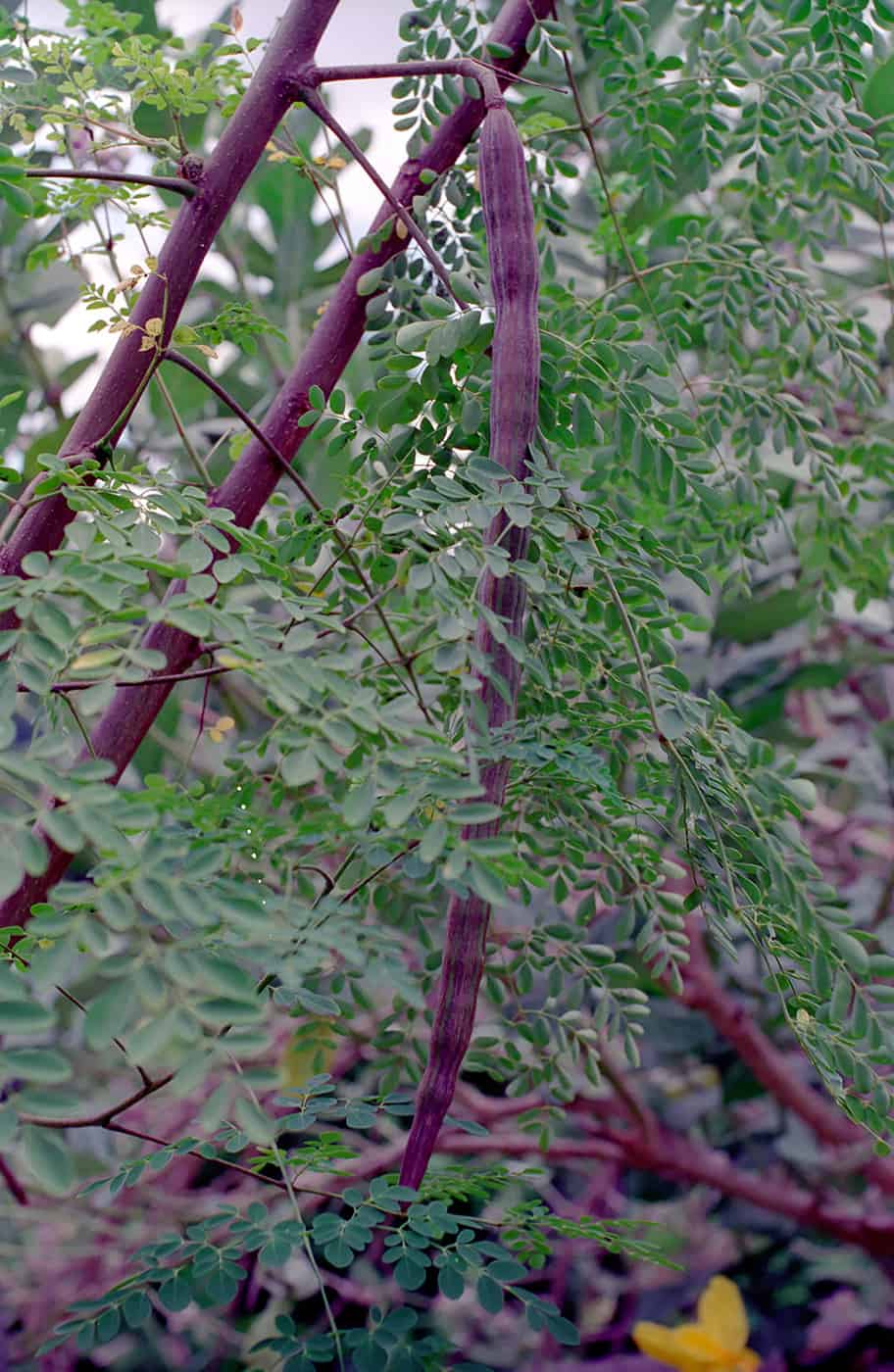
The wealth of plant species is enormous. With a little luck, you will find the strangest structures and shapes. The island is dotted with flowering plants. In contrast to many other inhabited tropical islands, however, the Seychelles are still densely overgrown. There are no bare, sunburnt areas here, but (almost) everywhere lush vegetation. Only “primeval forest” in the sense of the word must be largely dispensed with.
Pictures Seychelles – Nature


Questions about the destination Seychelles?
You can get the answers in the Africa forum!

Author: Joe OnTour
Autor + Reise-Blogger