New Zealand – Maori – Folklore
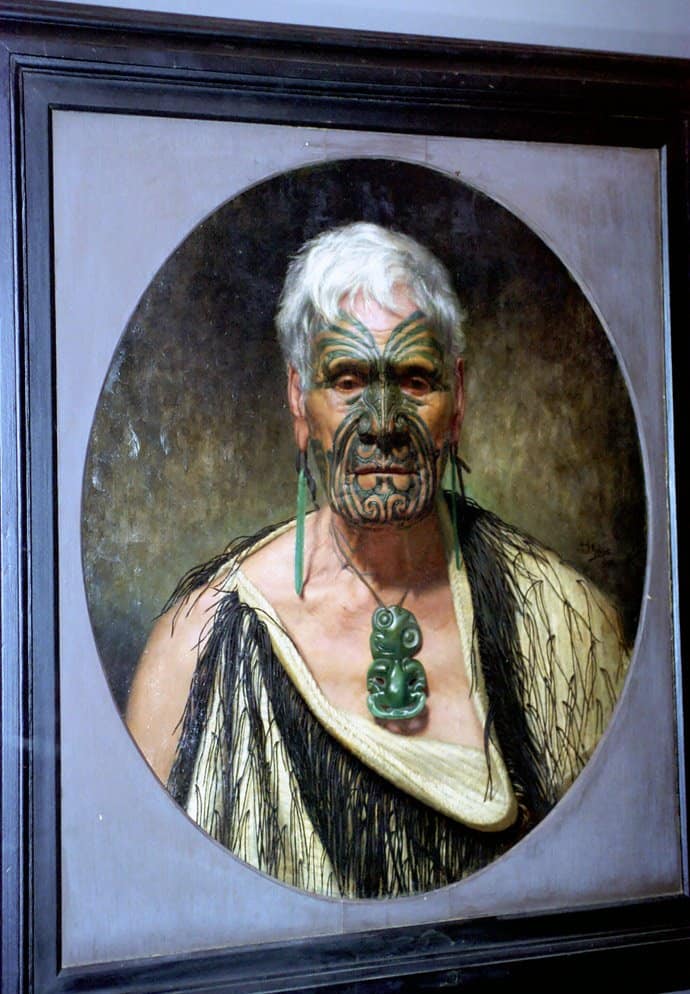
The Maori were the first settlers of New Zealand. From Polynesia (Hawaiki) they set out on the long and adventurous journey to New Zealand about 1000 years ago. Tradition says that the explorer “Kupe” found the land first and named it “Aotearoa” (Land of the Long White Cloud). The Maoris come from different Pacific areas such as Eastern Polynesia, Tahiti or even Hawaii. Between 800 and 1200, there were several waves of emigration due to overpopulation on their home islands or armed conflicts. Here, the people headed for the new country with all their belongings. They began agricultural use, built fortified settlements and village communities and settled down.
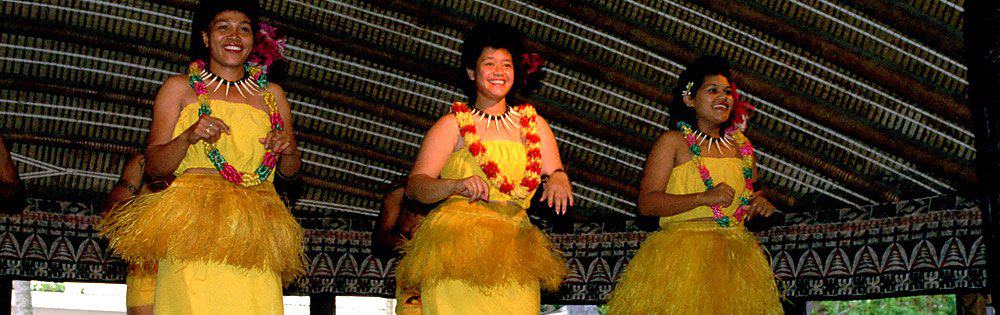
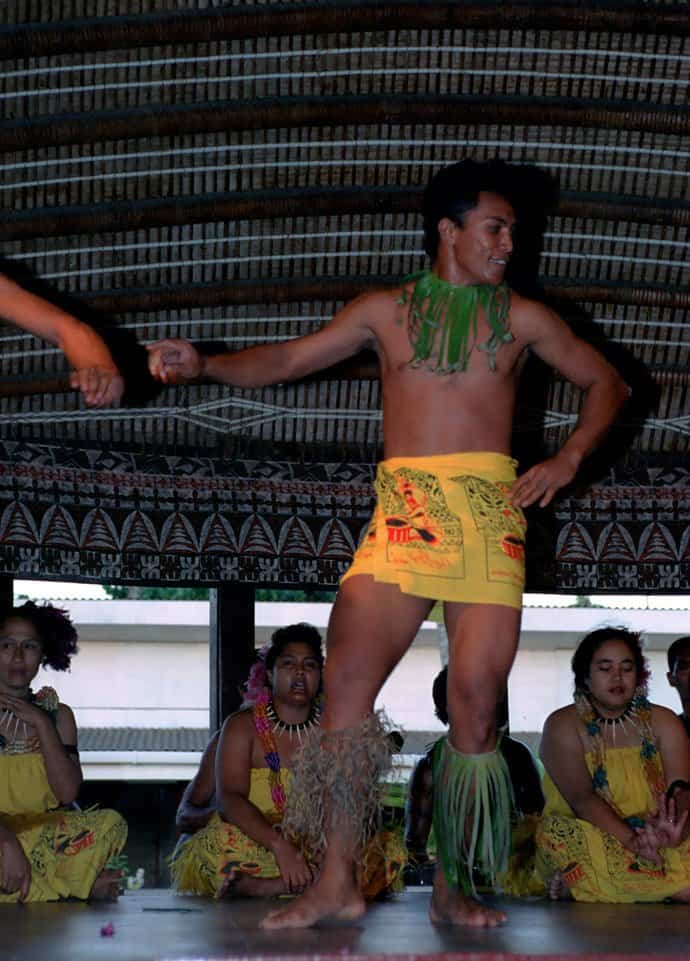
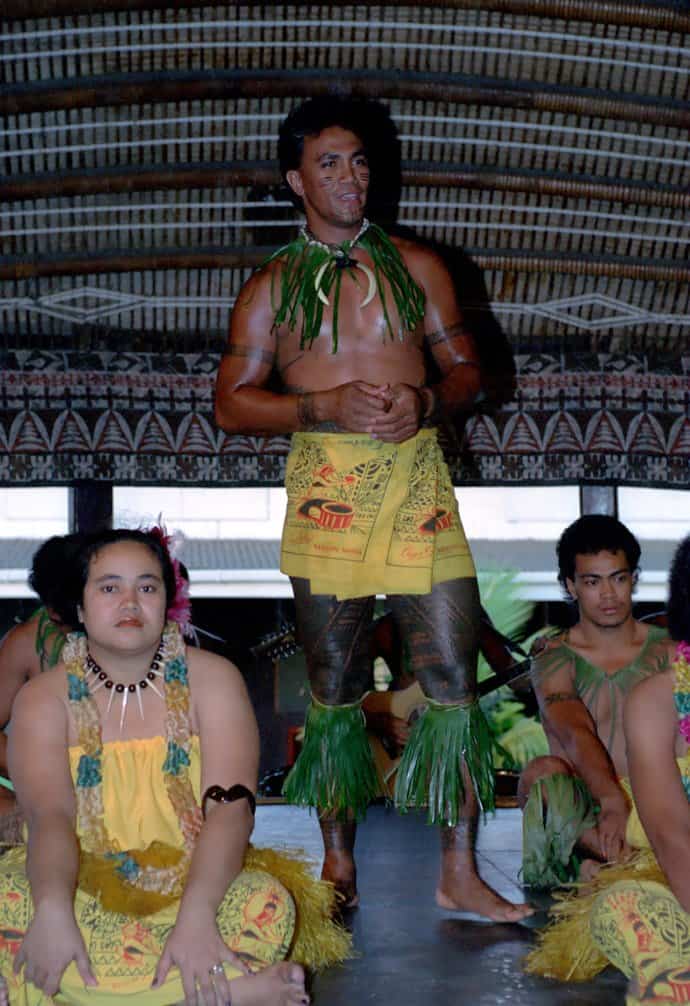
The Maori wear their traditional clothing on special occasions such as traditional festivals, cultural ceremonies or ritual acts. Maoris greet each other with a hug or the traditional Hongi greeting. Here, you press your noses together with your eyes closed and make a sound like “mm-mm”.
Before the Maoris took possession of the land, the so-called Moa hunters lived mainly on the west coast of the North Island and in the great plains of the South Island. The folkloric performances in the small village we visit are all realistic, we are assured. There are still a few tribes that live far in the hinterland in very simple conditions. These Maori live in simple huts without floors.
They still maintain the old traditions and above all speak the language that many modern Maori in the cities have abandoned in favor of English. In any case, you should watch one of these traditional folklore events if you have the opportunity. This can be done, for example, in “Tamaki Village”. The village is located on the outskirts of Rotorua. In this way you get a small impression and the feeling for the original way of life of the Maori.
So we learn a lot from one of the dancers about his relatives in a small neighboring village: there the power of the hot springs is still used. The Maori cook their food in holes in the ground, which saves electricity and gas. The village pool was also created due to the existing heat from the geysers. The size of a small swimming pool has the “bathtub” in the village.
It is at least 80 meters deep and boiling hot. The Maoris hang corn cobs and vegetables in nets there. They only need a few minutes to cook. In winter, the water is 90 degrees, in summer up to 120 degrees. This giant cooking pot for the whole village is practical and inexpensive. But it is also life-threatening. People have already fallen into it a few times. They didn’t survive that.
Pictures New Zealand – Maori – Folklore