Hawaii – Oahu
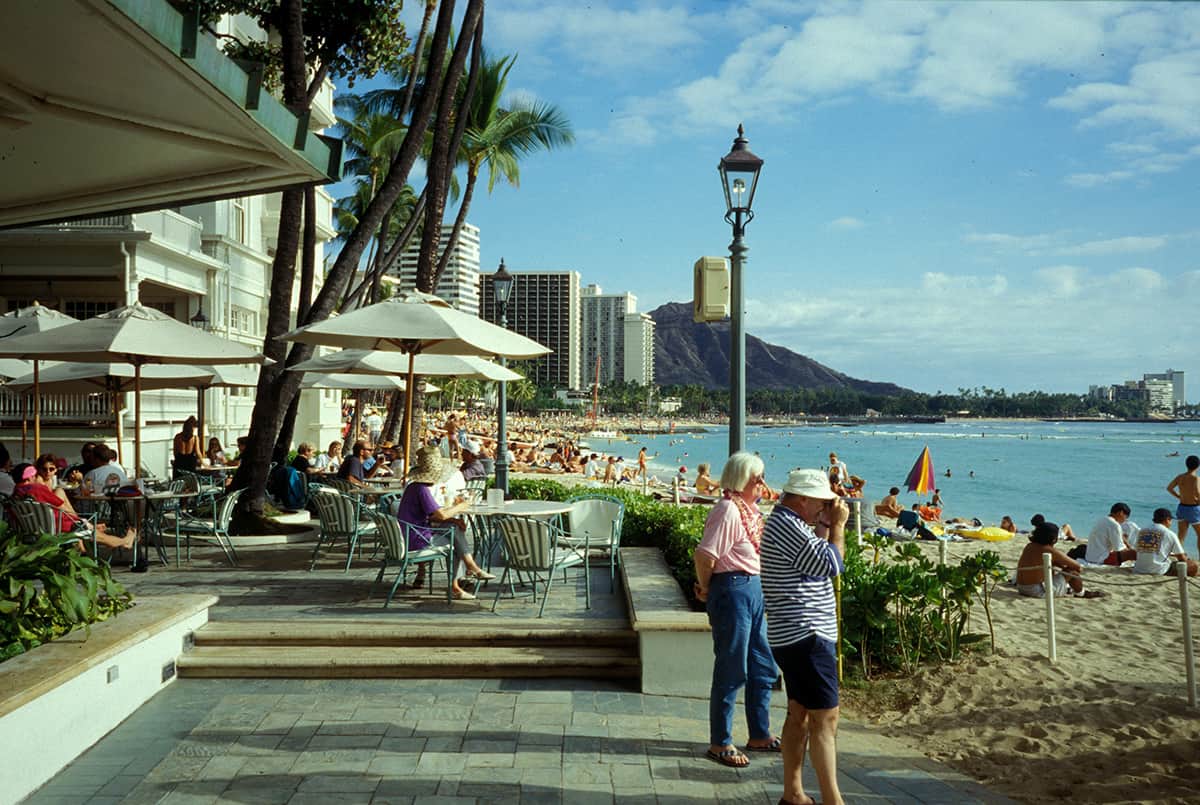
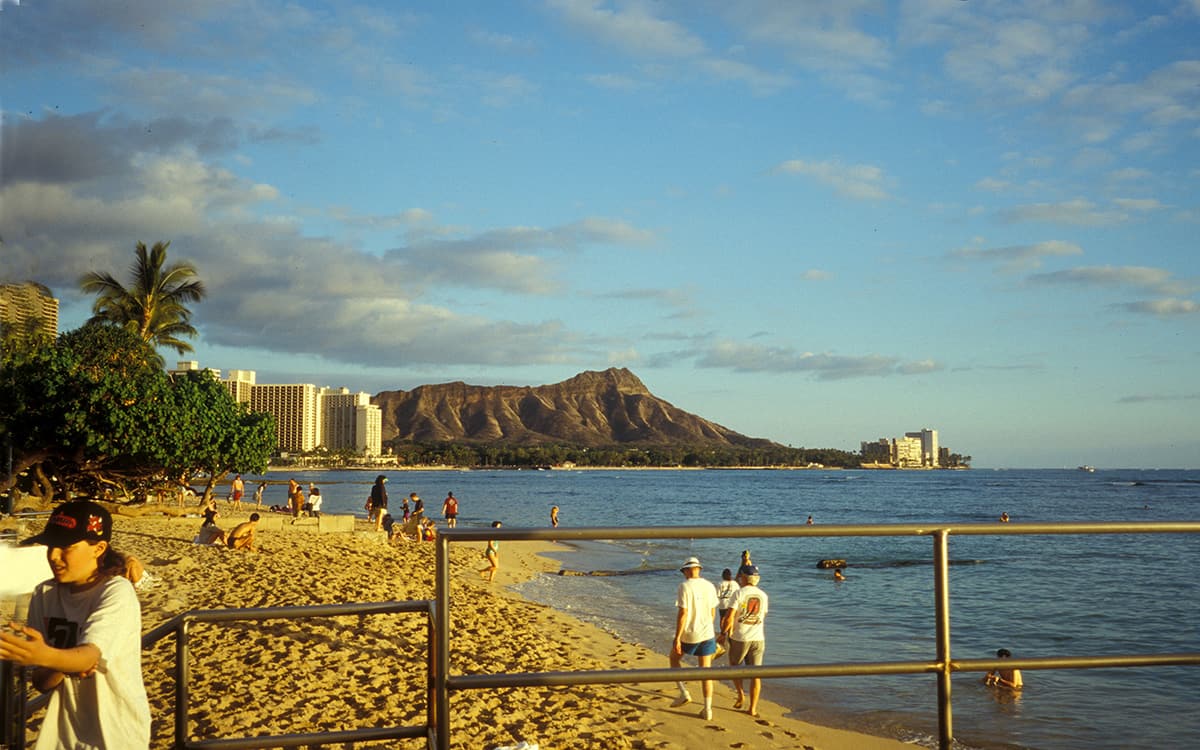
Oahu is the third largest island in the archipelago. The capital Honolulu is a lively modern metropolis with about 400,000 inhabitants. As many as 800,000 people live in the entire catchment area. The city is located on the south coast of the island and is the first port of call for most tourists. Map of the island of Oahu – HawaiiFor many, it remains the only one, because they spend their entire vacation in one of the approximately 30,000 hotel rooms of Waikiki, the glamorous seaside resort of Honolulu. The white sandy beach stretches in a crescent shape from the marina to Diamond Head Crater, the city’s landmark. You always feel a light cooling breeze from the sea and are enchanted by the crystal-clear, turquoise water on which the colourful catamarans sail. For many, this is the dream of a holiday par excellence. However, we have decided to explore the islands away from the usual tourist flow. Once again, this is associated with a lot of effort and time, as the neighboring islands can only be reached by the regional small planes. But more about that later and on the following pages. Here we want to report on Oahu first.
The plane tickets say “HNL” and so we end up at Honolulu International Airport. At night, we float over the city, which almost gives the impression of an American city with its many lights. We are a bit disappointed. For acclimatization, we rented a few days in the Pink Lady of Waikiki, the Royal Hawaiian. The hotel is located directly on the beach. Supposedly, it is the most famous hotel in town, but at least it is a plush dream in pink. Here is the address: 2259 Kalakaua Ave., Honolulu, HI 96815, Tel. 923-7311. On Waikiki Beach, one large hotel follows the other.
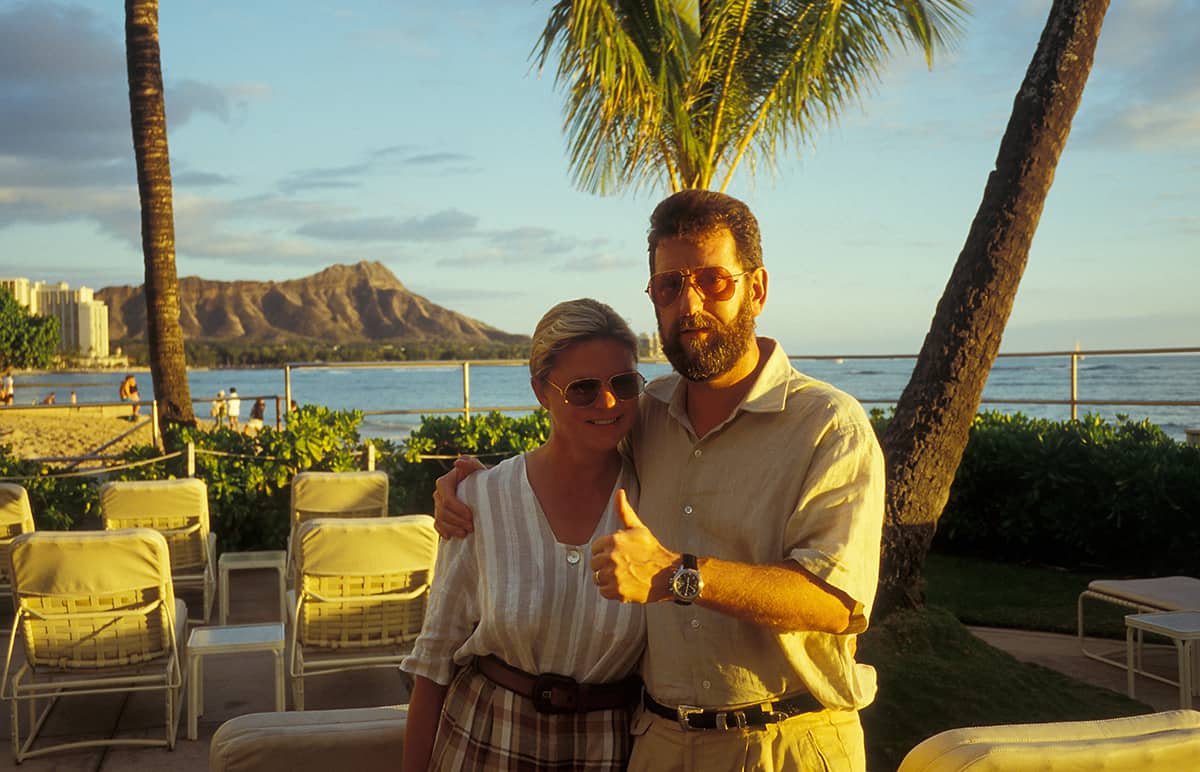
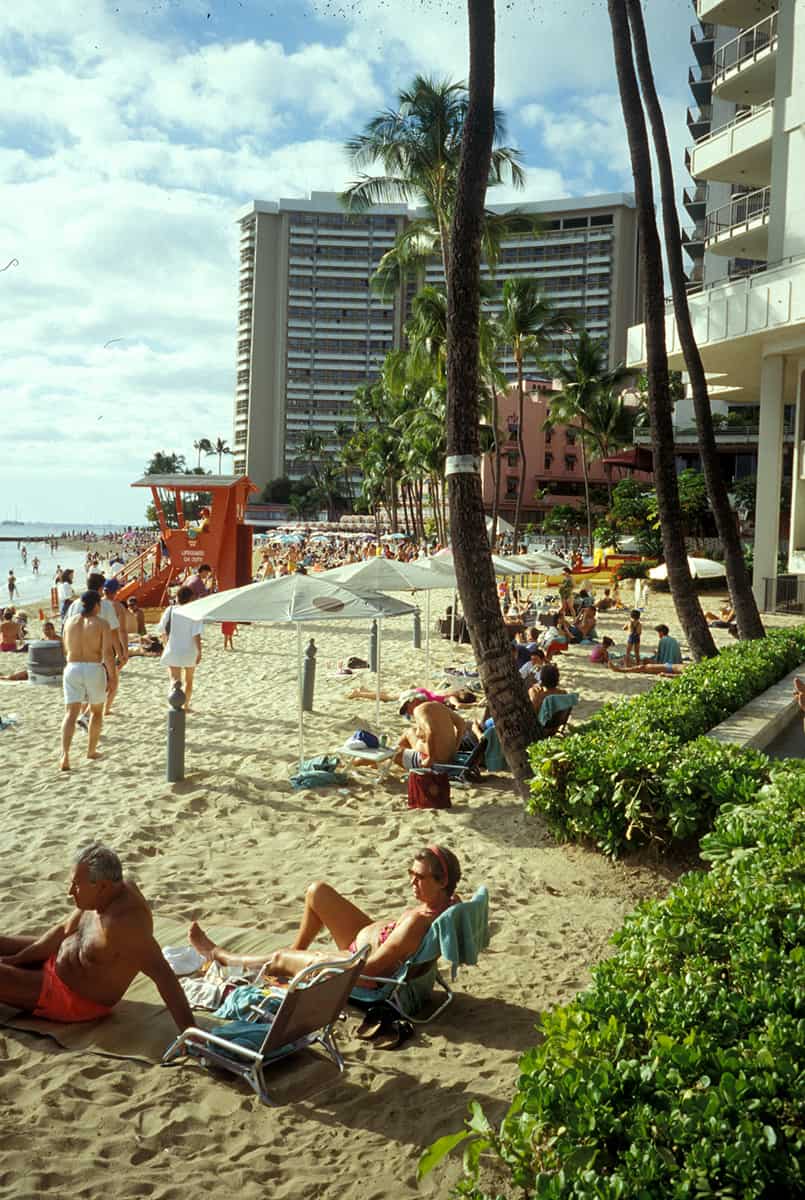
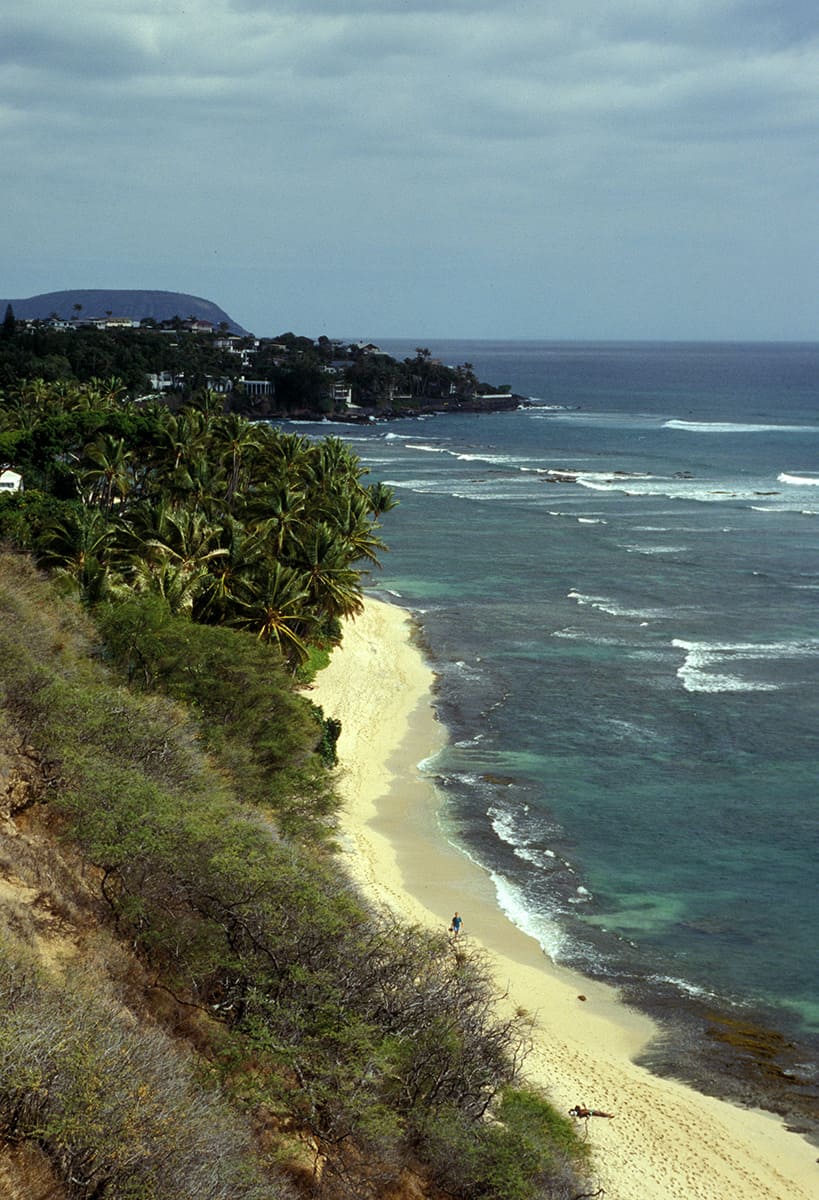
The next morning everything looks a little different. Rested and spoiled with a proper breakfast, we have recovered from the stress of flying and now want to explore the city and the neighboring beaches. The weather is also kind to us. The Waikiki beach is extremely well visited. The audience seems to consist mainly of Americans and Japanese. We think it’s too good to spend the time sunbathing and so we get a rental car for the first exploration tour and decide to explore downtown and the immediately neighboring beaches. As soon as you leave the main beach Waikiki Beach, you get a first impression of the once original Hawaii. A few miles from Waikiki, the beaches are almost deserted. The water on the beaches is crystal clear and shimmers light blue, green and turquoise. The light breeze from the open sea provides a pleasant cooling. We are once again reconciled by nature and at the same time attuned to further hopefully positive experiences. Waikiki and Honolulu are located on the south shore of the island of Oahu. Here is the dry, sunny side of the island. The forest of hotel towers extends to the east to Kapi’olani Park. Behind it rises the Diamond Head crater. This is Waikiki’s landmark.
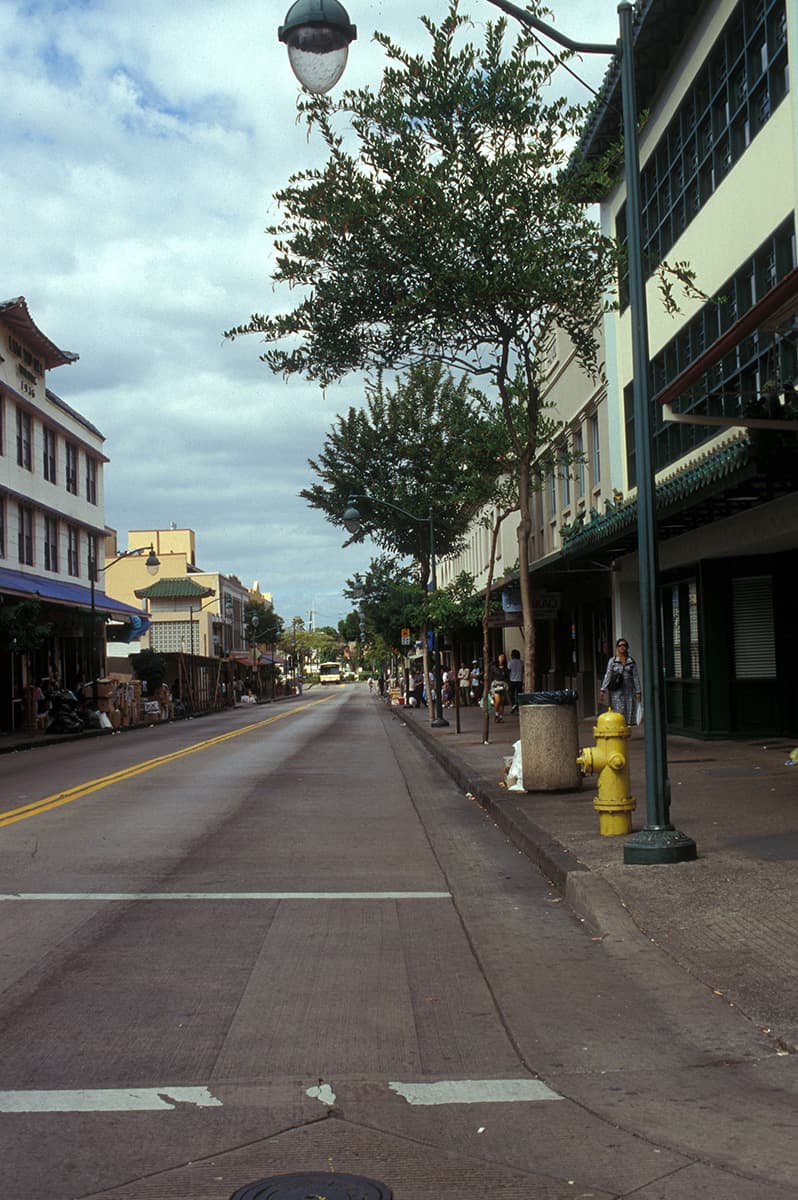
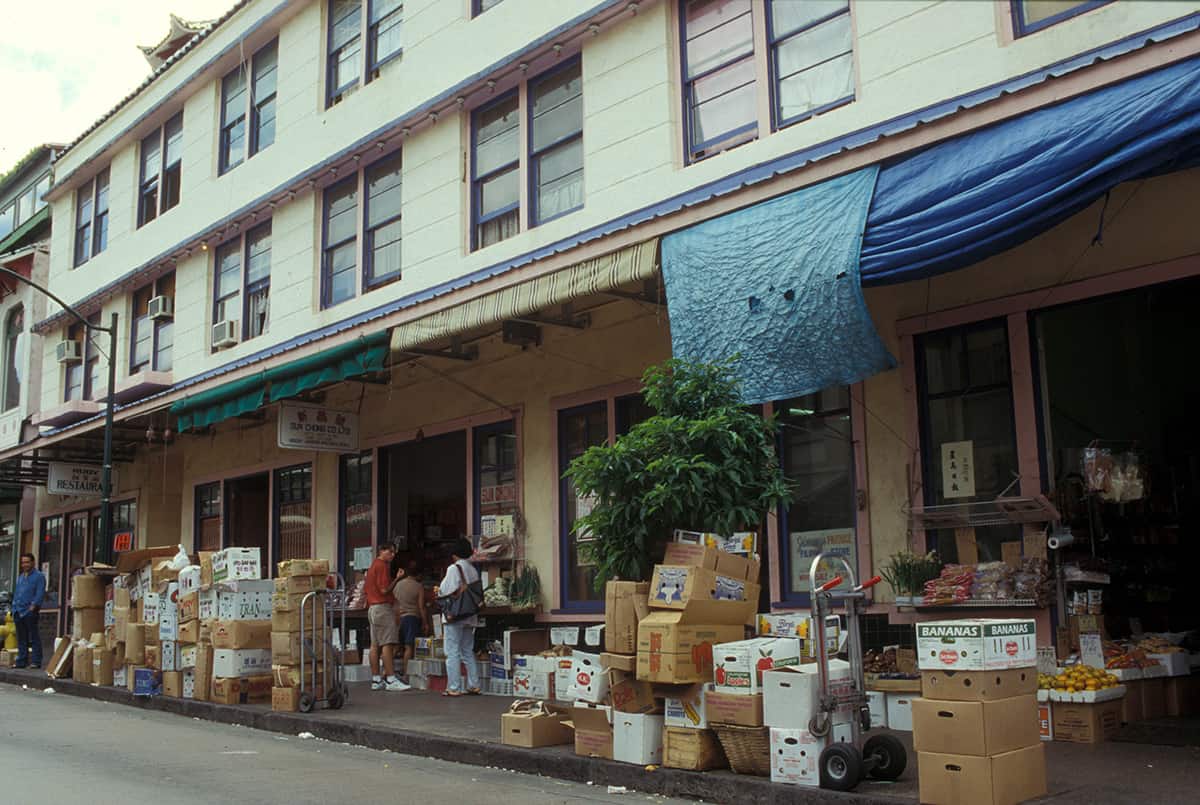
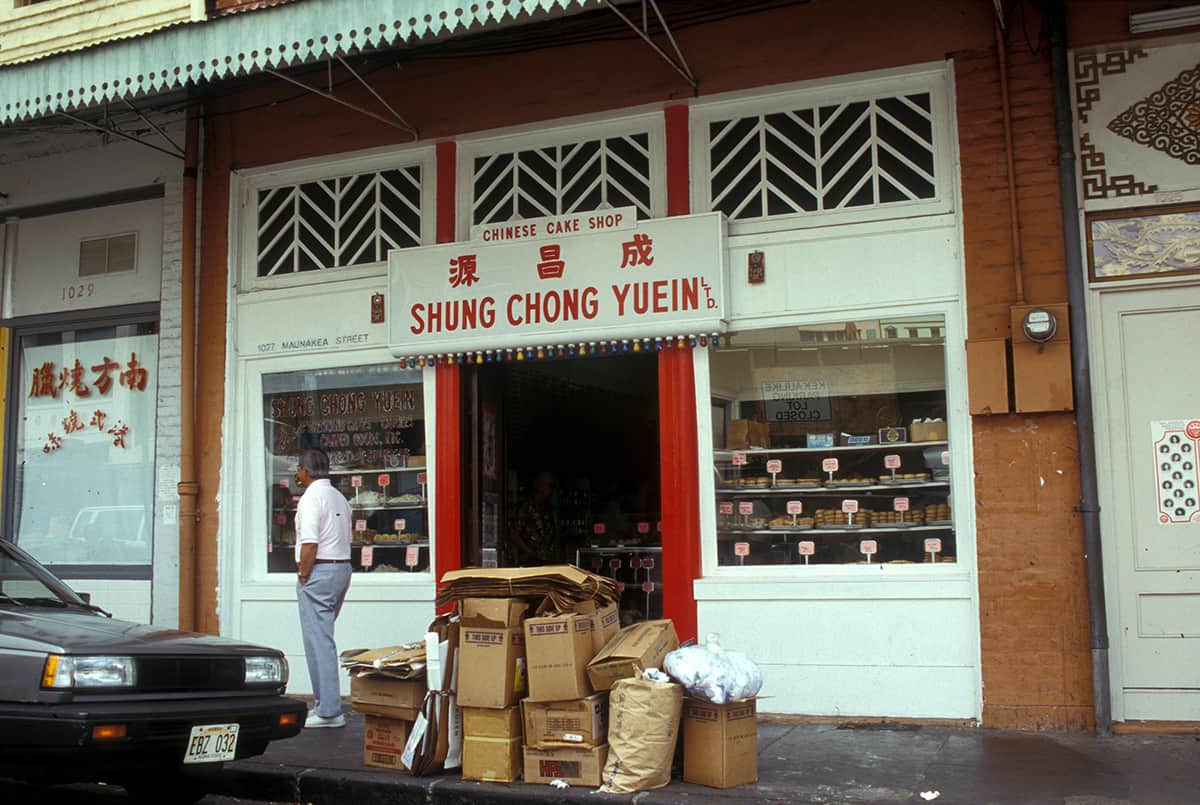
At noon we are back in Honolulu. The streets are hectic, noisy and animated by a colorful mixture of peoples. We find many small Asian shops in Chinatown, which invite us to stroll and shop. The Chinese have been living here since 1850 and have founded their very own district. Once again, we are fascinated by this colorful, lively life. There is always something new to discover and explore.
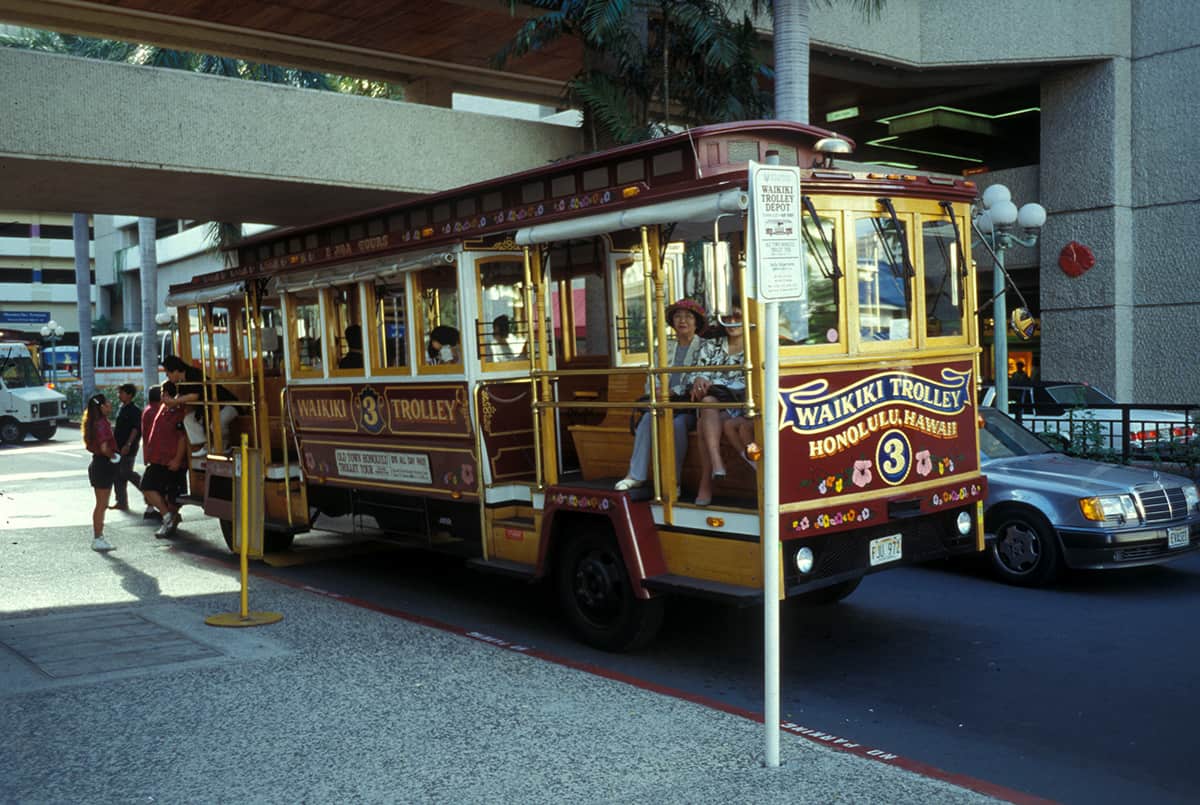
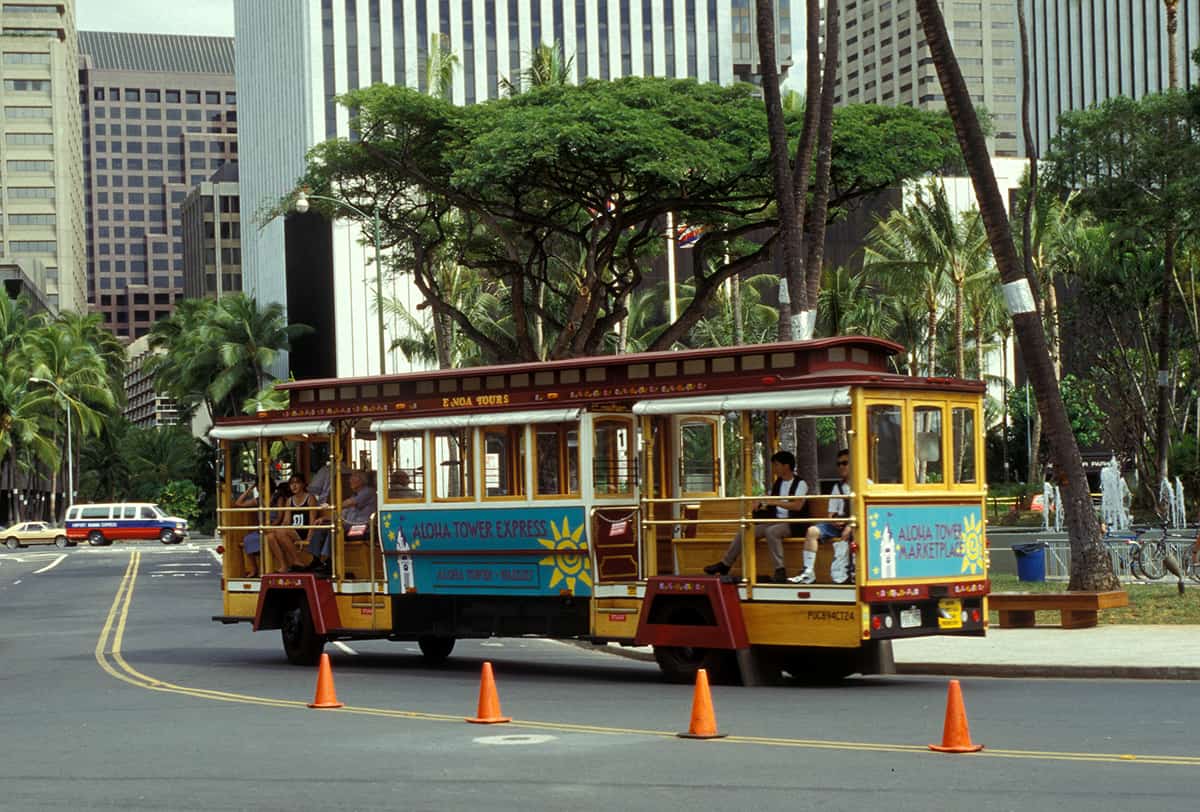
Exotic fruits are offered on King Street and small food stalls on the street take care of the physical well-being. The scent from the bubbling pots fills the air. In a small shop we find strange concoctions that the owner offers us to alleviate all kinds of ailments. On Maunakea Street, wreaths of colorful flowers woven by women are offered for sale. Everything here is a strange mixture of nostalgia, kitsch and commerce. The colourful mixture of Chinese, Filipinos, American tourists in brightly coloured holiday dresses, Japanese in business and burly Hawaiian mammies in flowing mu’umu’us makes a decisive contribution to this. The Waikiki trolleys invite you to go sightseeing. You can get on and off at many stations and take a look at the most important sights at your leisure. We decide to pay a visit to the historic harbor “Pearl Harbor”. With its narrow entrance and many lagoons, the pearl harbor is the best natural harbor in the entire Hawaiian archipelago.
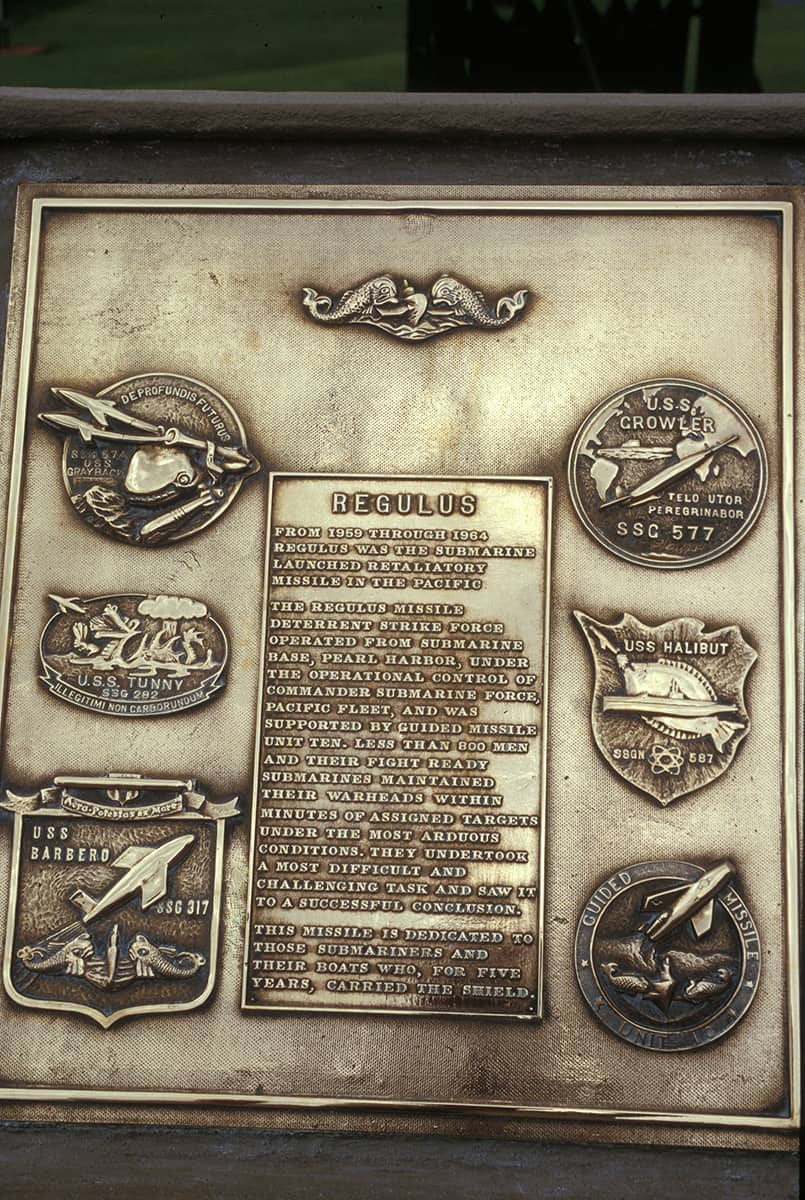
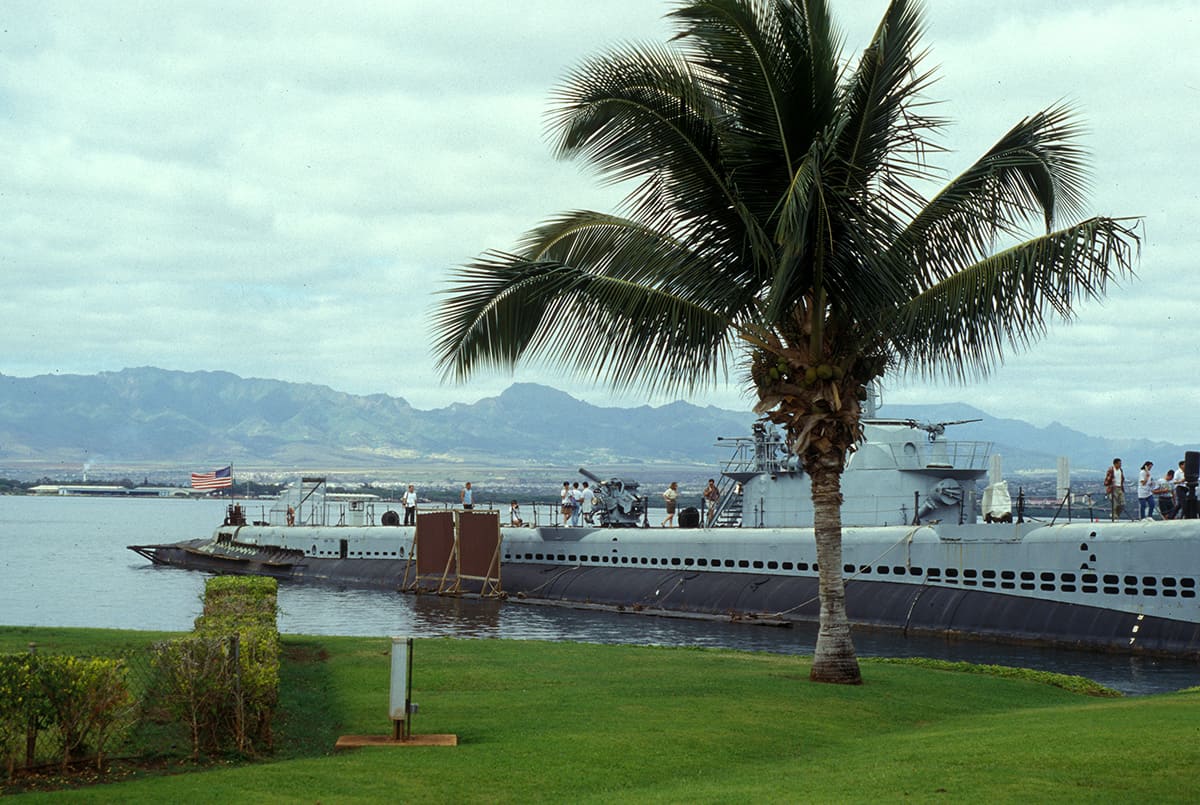
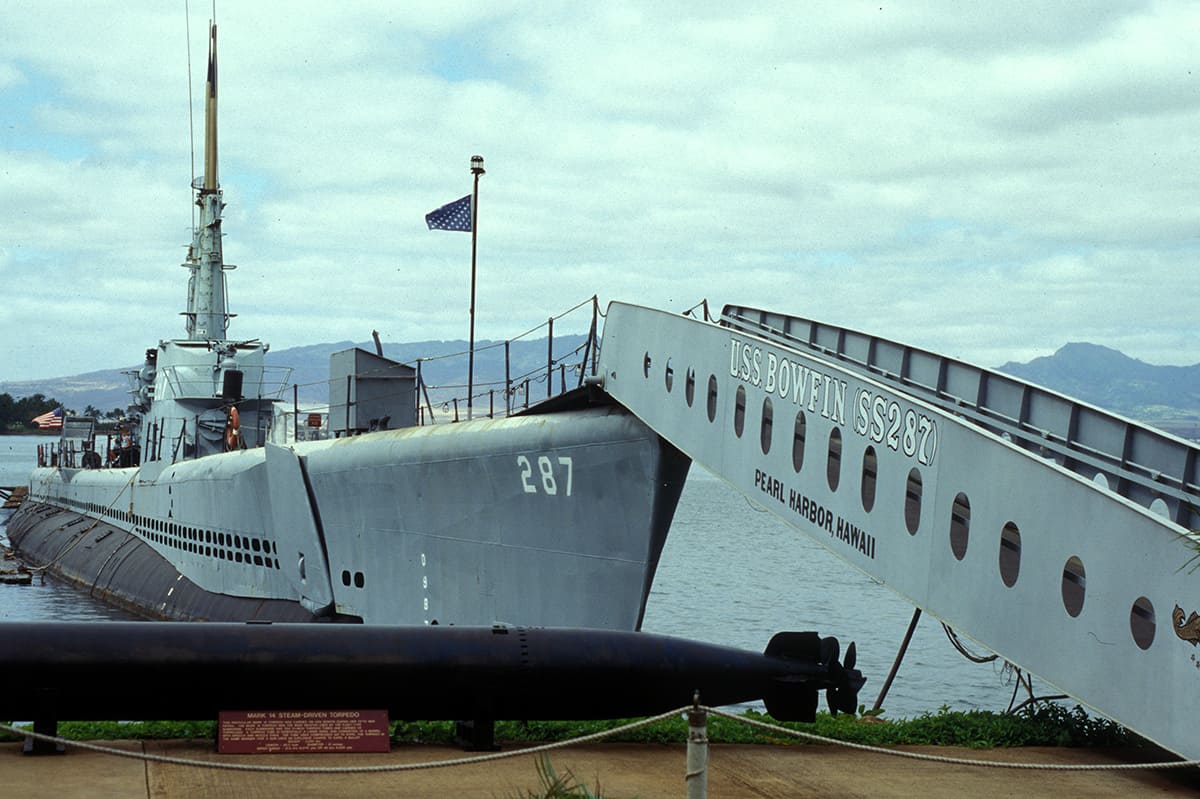
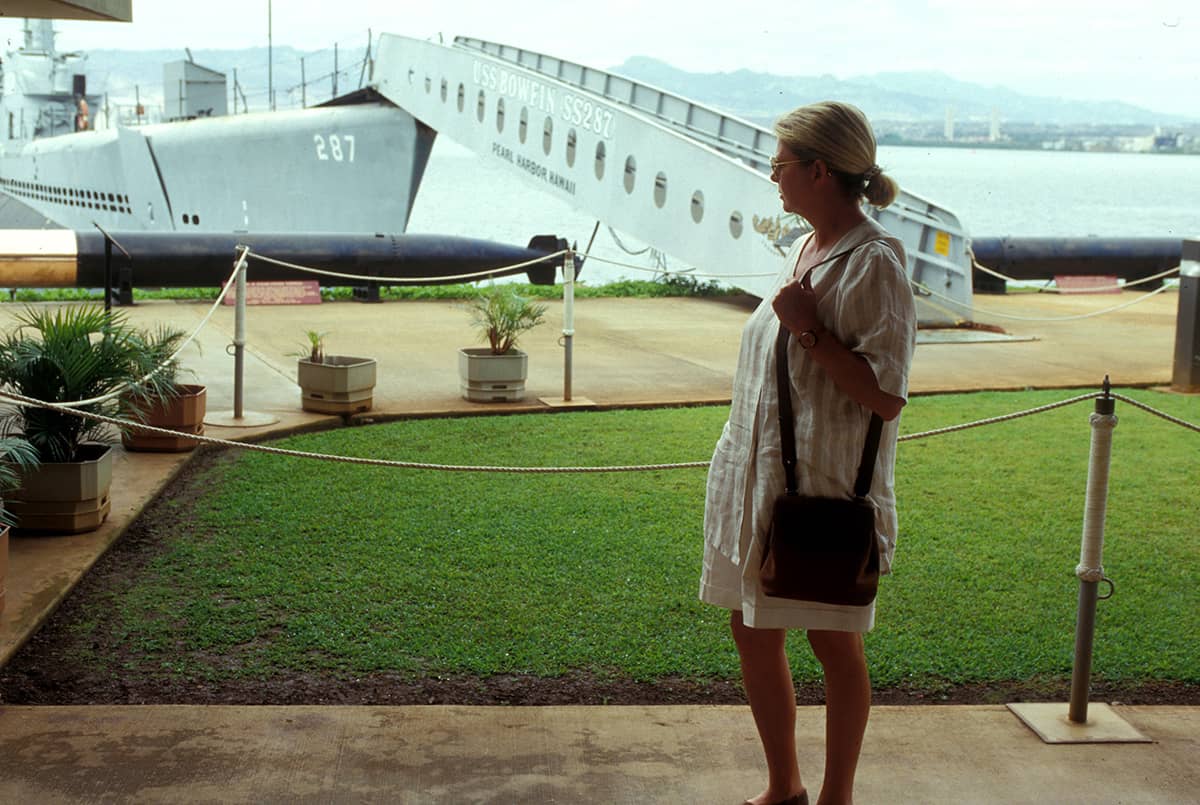
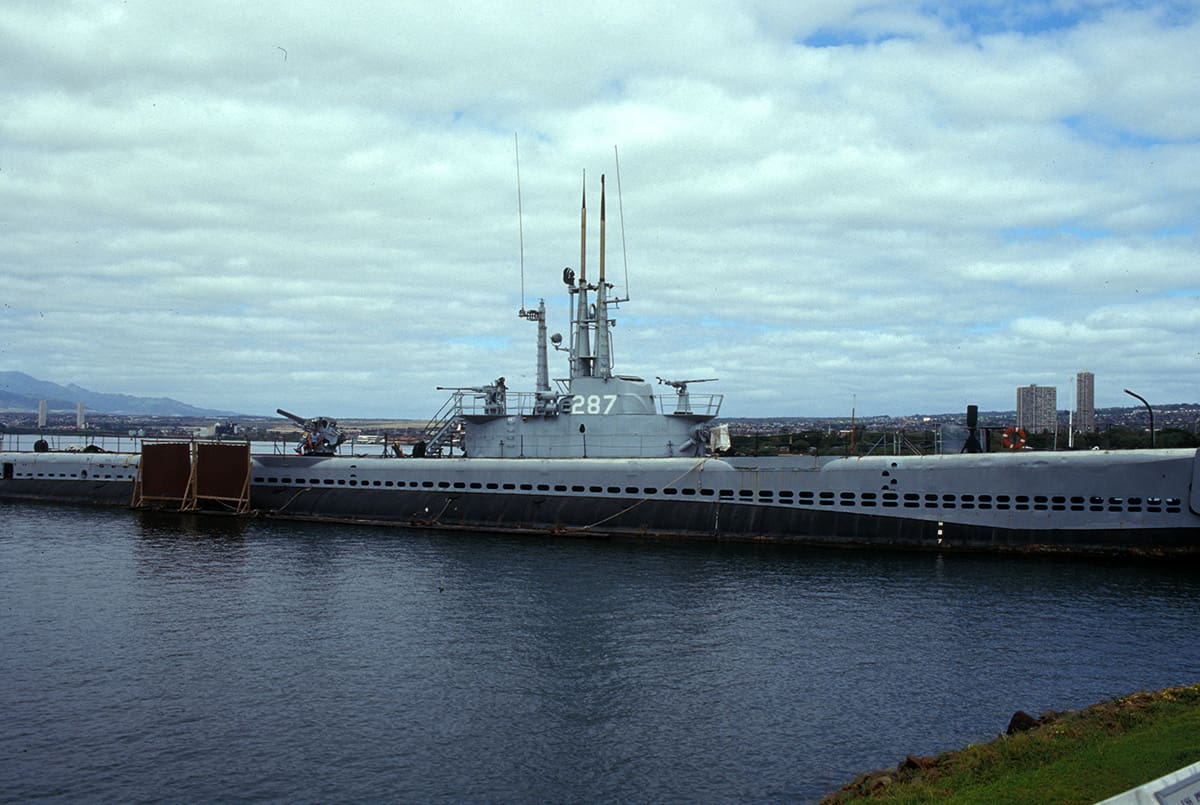
Since the American-Spanish War of 1898, this has been the most important war port in the Pacific region. He became famous on December 7, 1941 for the surprise Japanese attack in which the harbor was bombed and as a result of which President Roosevelt ordered the entry into the Second World War. A total of 2300 American soldiers died here. The attack lasted only two hours in total, with 1,100 people losing their lives on the battleship “U S S Arizona” alone. The wreck of the ship was declared the USS Arizona Memorial. The memorial is located on Battleship Row directly in the harbor area. The USS Bowfin is moored, also moored directly at the harbor for inspection. We meet an over 70-year-old veteran in the Visitor Center, who does his voluntary service here as a ranger and willingly provides information about the events of that time. He tells of the flaming chaos and the hail of bombs and how the comrades run on deck without clothes and die miserably in the inferno of exploding bombs and ammunition chambers. For Americans, this memorial is a compulsory exercise and the center is correspondingly heavily frequented. But the Japanese also visit this site and they ask us to take a group picture of them in front of the “USS Bowfin”. They have no sensitivities here, after all, they own half of Hawaii today. Memorial plaques and relics of modern times are united at the harbour.
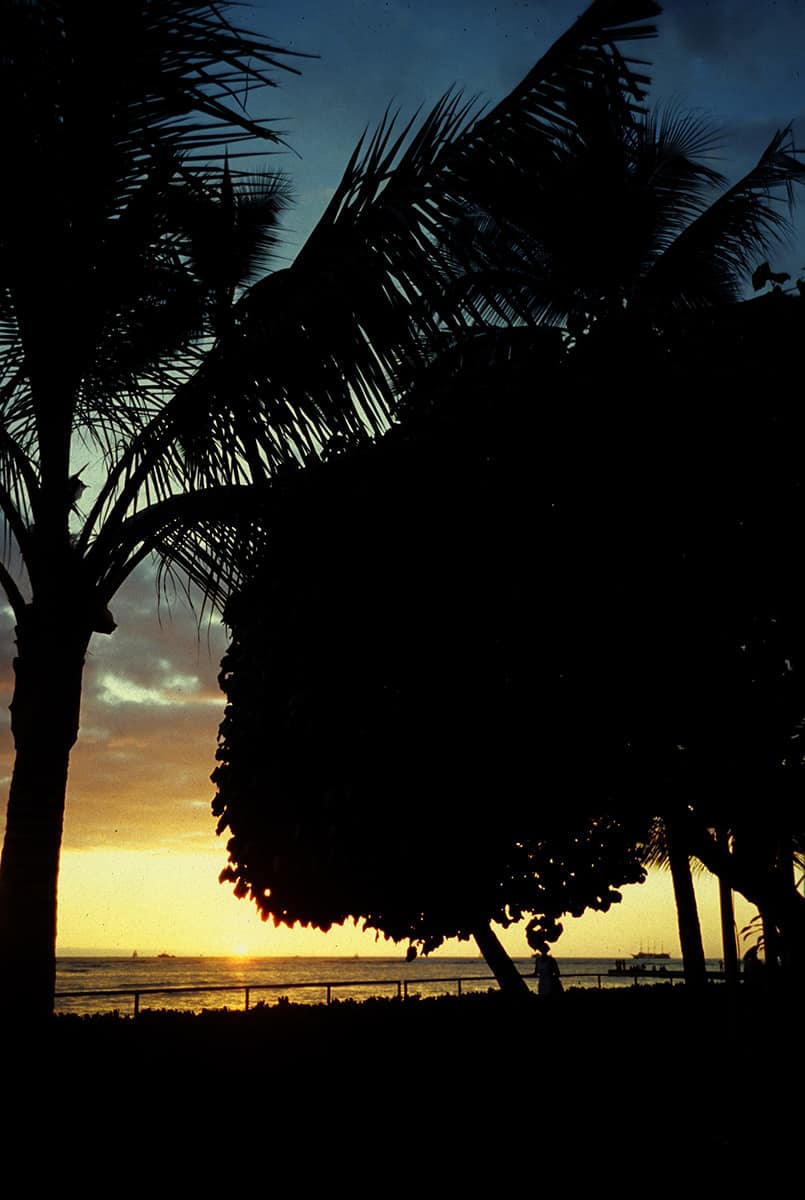
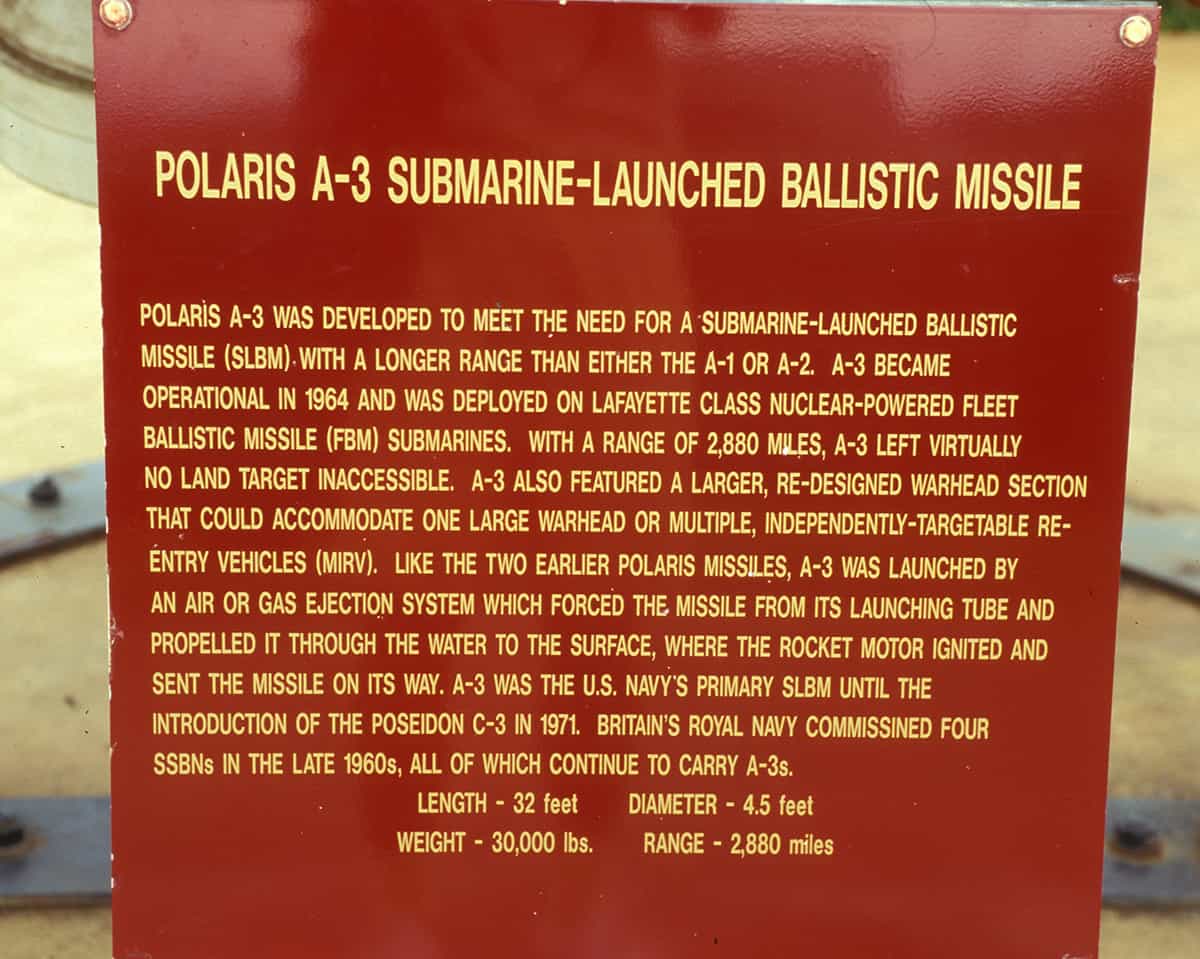
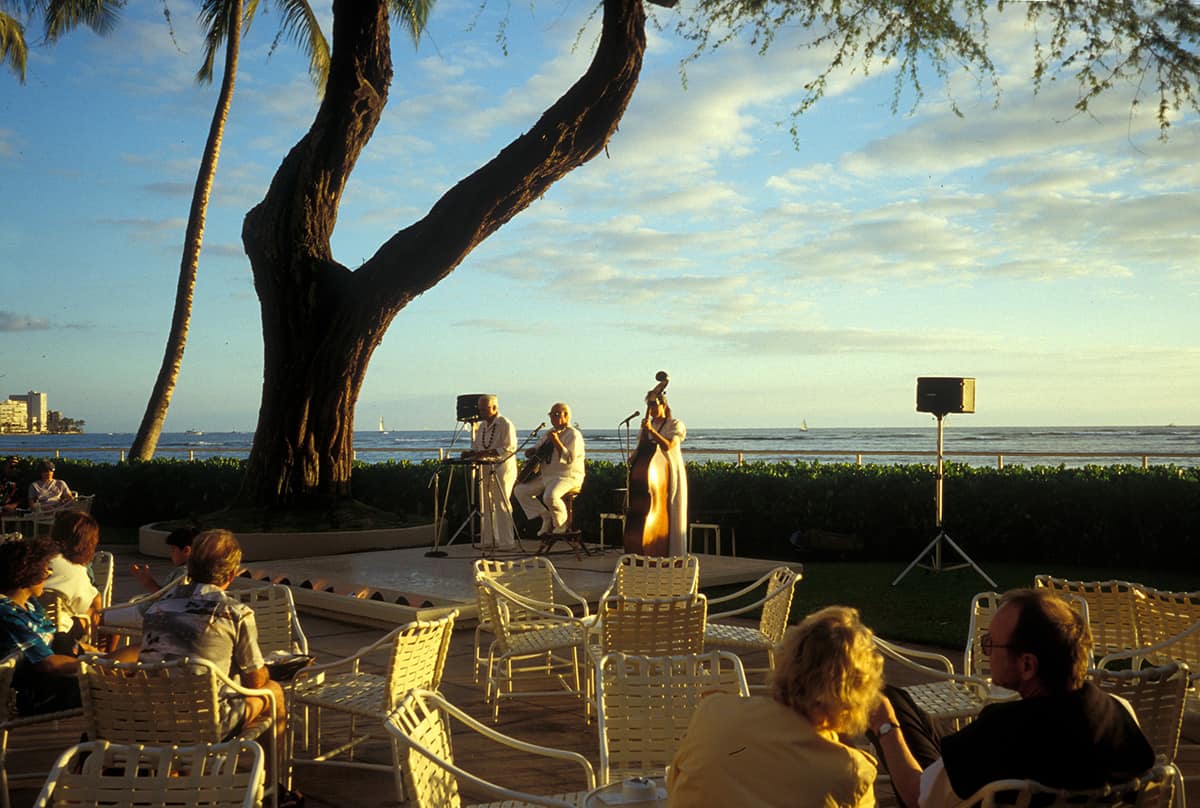
Disused rockets from the early days of space travel are also on display at the port. In the evening we enjoy the sunset on Magic Island. Directly on the beach, a trio plays in the hotel garden. A quarter of an hour after sunset the sky shines in a warm, fiery red reflection. The setting sun casts its rays with its last strength against the slowly passing clouds and makes them glow into a natural fireworks display. The approaching darkness is replaced by the approaching lights of the surrounding hotel complexes and the boats illuminated on the sea.
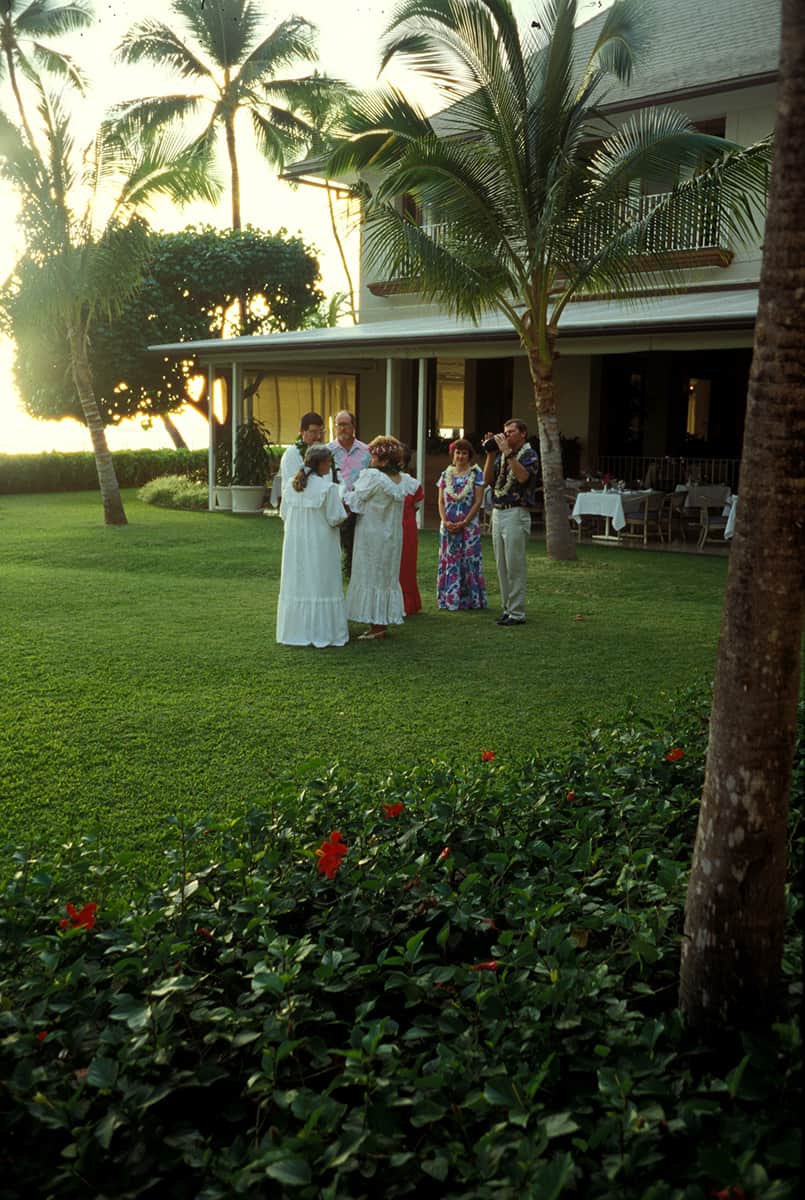
People are gearing up for the nightly show. We also want to enjoy a little bit of this very special atmosphere, especially since our jet lag is slowly dissipating. A large wedding celebration is currently being held in the neighboring hotel garden. For many Japanese, the wedding celebration in the Hawaiian Islands is one of the most important experiences in their lives. Accordingly, these celebrations are lavishly equipped. The entire family clan is invited and sometimes consists of hundreds of guests. It is not uncommon for the family’s entire savings to be sacrificed for this ceremony. After the hustle and bustle of the day, we enjoy the natural spectacle of the fantastic sunset with a glass of wine.
Now we have some time to organize our thoughts and make plans for the next day. A day with many new impressions is coming to an end. We are excited to see what awaits us tomorrow.
Photos Hawaii – Oahu