Hawaii – Big Island
The island of Hawaii bears the same name as the state of Hawaii. So a second name had to be found to distinguish it. In common parlance, the name Big Island has therefore prevailed. Big Island is the largest island in the archipelago. In terms of area, all other islands would fit in here.
Nevertheless, the Big Island is geologically the youngest of the islands. In the southern part of the island, volcanic activity is constantly creating new land. The vast lava deserts create interesting extremes in the landscape, as soon as you leave these areas, you will be surprised by tropical rainforests, green pastureland, steep cliffs and rugged mountains. James Cook, the discoverer of Hawaii, landed here and also died on the island. Today, Hawaii is home to a wide variety of population groups. They are made up of the Paniolos (of Spanish descent), who live as cowboys on the island’s largest cattle ranch, wealthy Americans and landowners, as well as Hawaiian fishermen and sugar cane farmers. In addition, many conveyors and environmentalists have settled on the island. On the highest mountain, Mauna Kea with its 4200 meters above sea level, researchers from various countries live who are testing alternative forms of energy. Many athletes travel to Hawaii to practice water sports, golf, sports and deep-sea fishing. The Ironman competition is also held here every year. In winter, skiing is even possible on Mauna Kea. Many luxury resorts and golf courses have settled on the island. In addition, there are also cheap accommodations that offer bed and breakfast. There is something for every taste and budget.
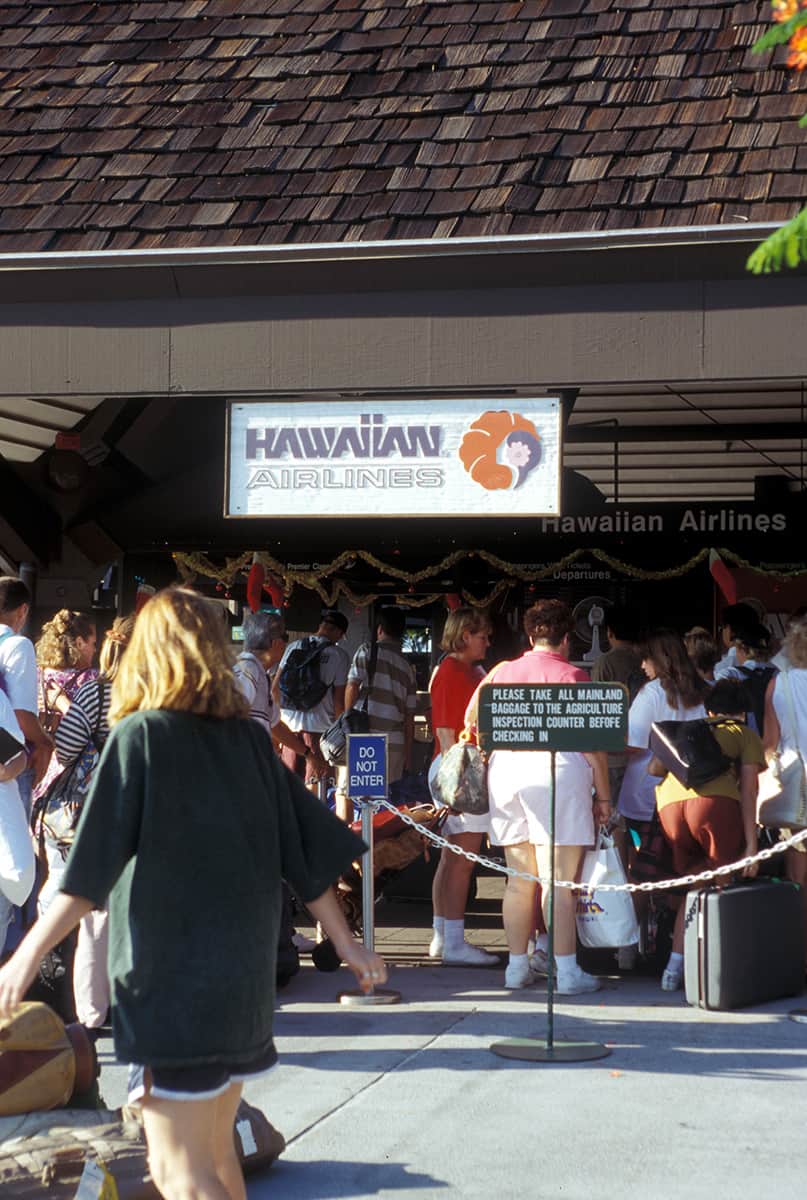
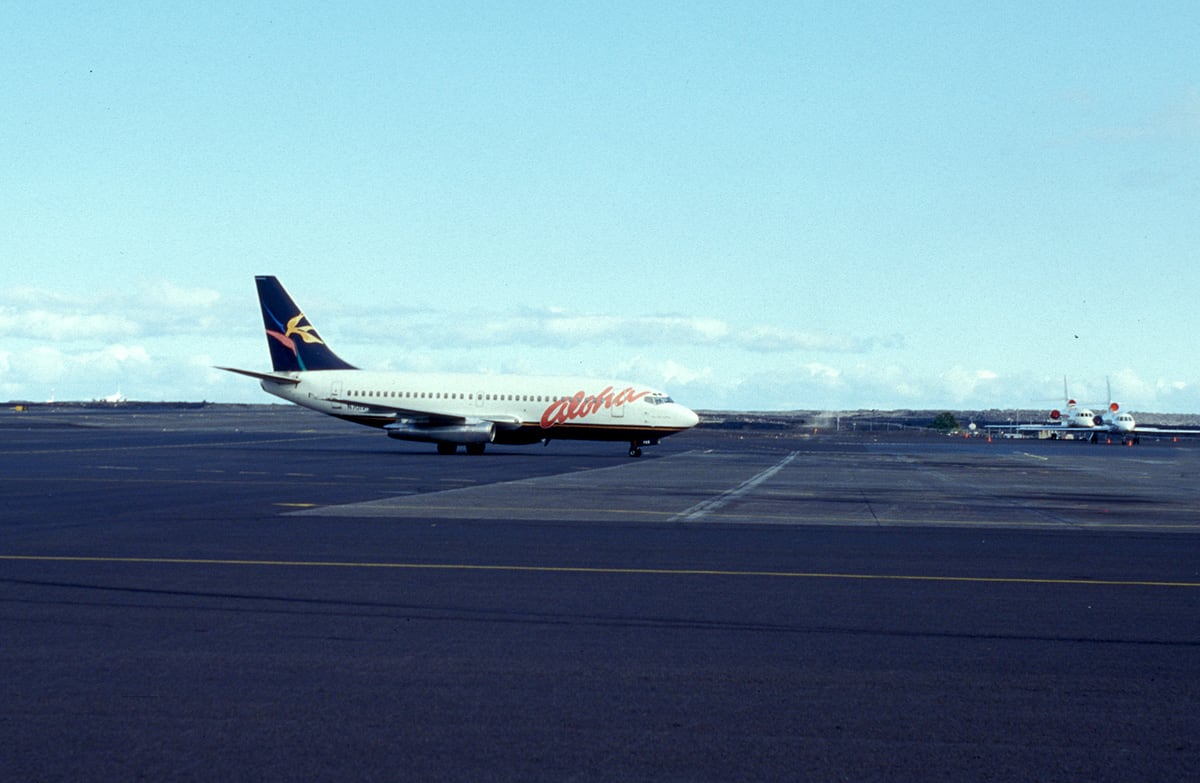
After a short flight from Honolulu we arrive at Hilo Airport on the island of Hawaii (Big Island). It is recommended to book a rental car in advance during the high season.
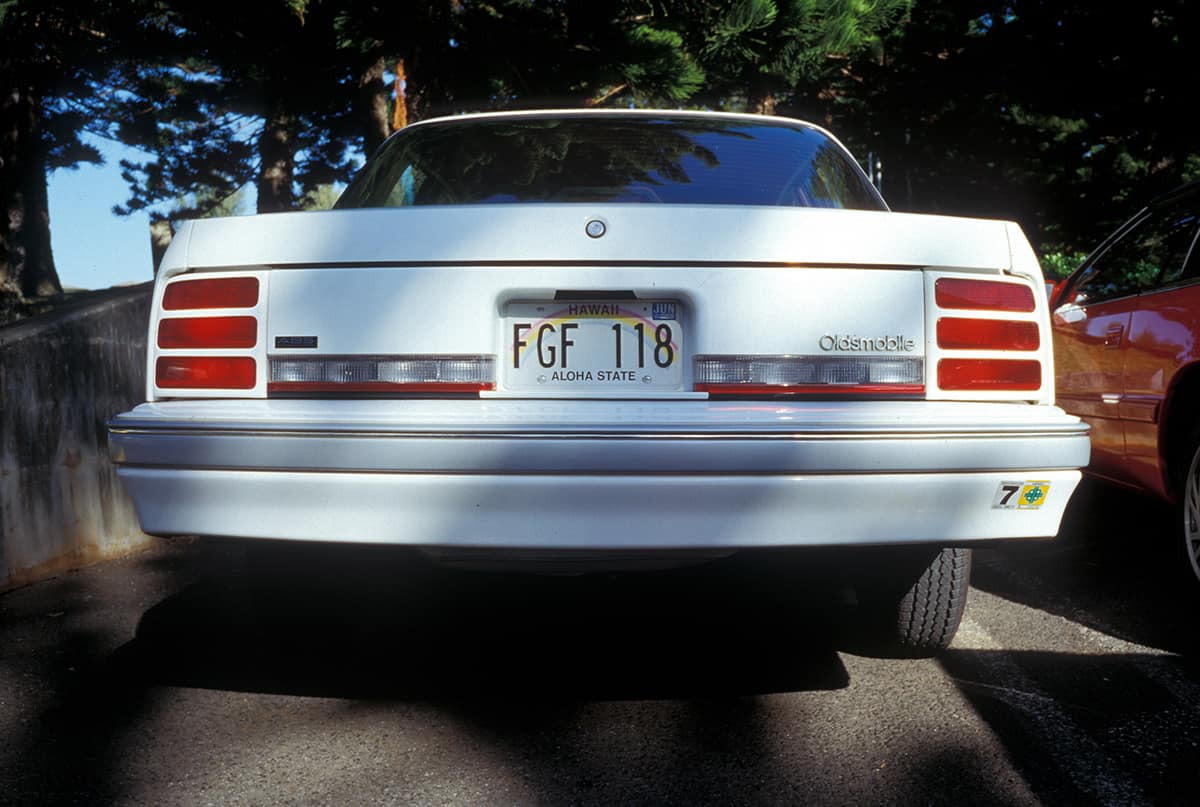
We are lucky with the weather, because the Hilo Coast (East Coast) is one of the wettest places in America. Rain falls here 270 days a year. The high volcanoes practically form two weather zones, the aforementioned humid Hilo Coast and the desert-dry Kona Coast in the west of the country. The approximately 120,000 inhabitants of the Big Island receive around 800,000 visitors per year. However, the development of tourism is declining. The large hotel resorts were mainly built in the 70s and 80s. The island of Hawaii was therefore largely spared from further major construction activity in the 90s. To explore the Big Island, a rental car is practically unavoidable. We have chosen a white Oldsmobile, which we get after a long negotiation instead of a Japanese small car at no extra charge. The island of Hawaii was therefore largely spared from further major construction activity in the 90s. To explore the Big Island, a rental car is practically unavoidable.
We have chosen a white Oldsmobile, which we get after a long negotiation instead of a Japanese small car at no extra charge. The employee of the rental company was cooperative in solving the problem with the long legs. The first impression we get of the incredible lava masses is simply overwhelming. The lava flows stop at nothing. They roll over the asphalt roads with meter-high lava mountains, so that the roads have to be relocated. The residents have become accustomed to the forces of nature in Hawaii and accept what is happening with a pronounced serenity. Where the lava flows pour into the sea, the environment looks like a lunar landscape. Only gradually does isolated plant growth form, which takes possession of the newly created territory. In this way, the cycle of dying and living closes, which can be traced here up close. We have a “short” way of about 100 kilometers to our hotel on the Kohala Coast.
The Ritz Carlton Mauna Lani is the island’s newest hotel and is located on the small and sheltered Pauoa Bay. The journey takes us along the east coast. Highway 19 is well developed and so the drive north goes past sugar cane fields and orchards. The summit of Mauna Kea is covered in thick clouds. So we drive past the sleepy western village of Honomu. The place is characterized by weathered wooden houses. Worth seeing here are the Akaka Falls in the state park of the same name. They are considered one of the most beautiful waterfalls on the island. A circular path leads through a tropical rainforest to the 135-meter-high waterfall. Until Honaka’a we pass a whole series of small and very small villages. Honaka’a is the largest city on the Hamakua Coast with its approximately 2000 inhabitants. The inhabitants here live mainly from sugar cane cultivation, agriculture and the cultivation of macadamia nuts. From Honaka’a, the trail now heads west along Hwy 19 through Kohala Mountain.
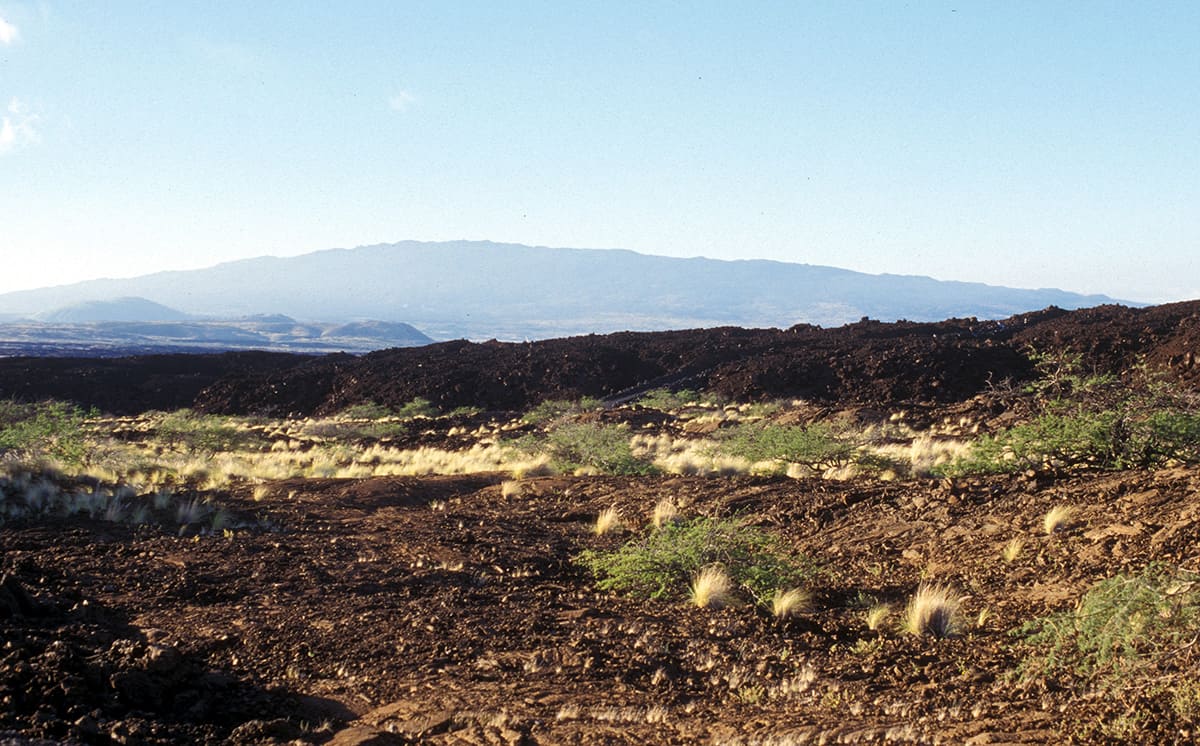
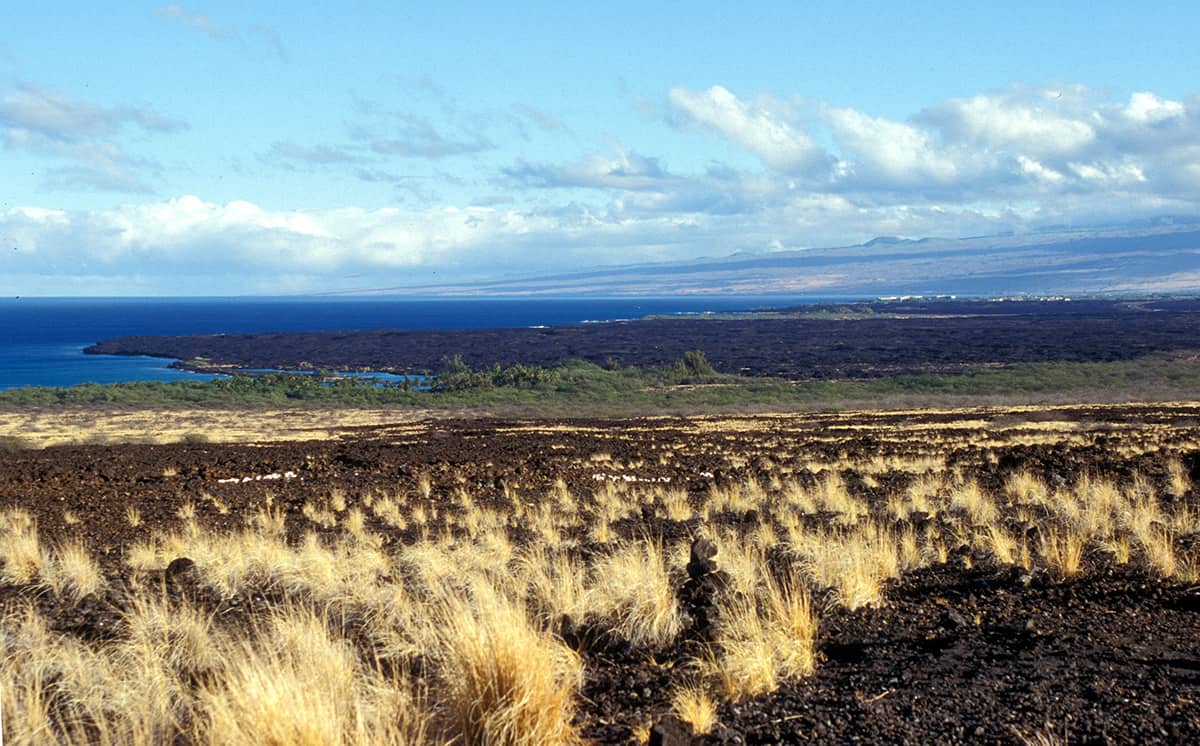
We come to the highlands of the island. Here we are greeted by a foggy drizzle that does not even penetrate the sun. But as soon as we have driven through the mountains, it gets drier and the sun burns from the sky again. The highway runs along the Kohala Coast through endless lava fields. It seems as if the hotels far away from the roads on the coast have been neatly separated from each other by the large lava flows. Each of the hotels located here has its own access road, which always leads directly past the lava fields.
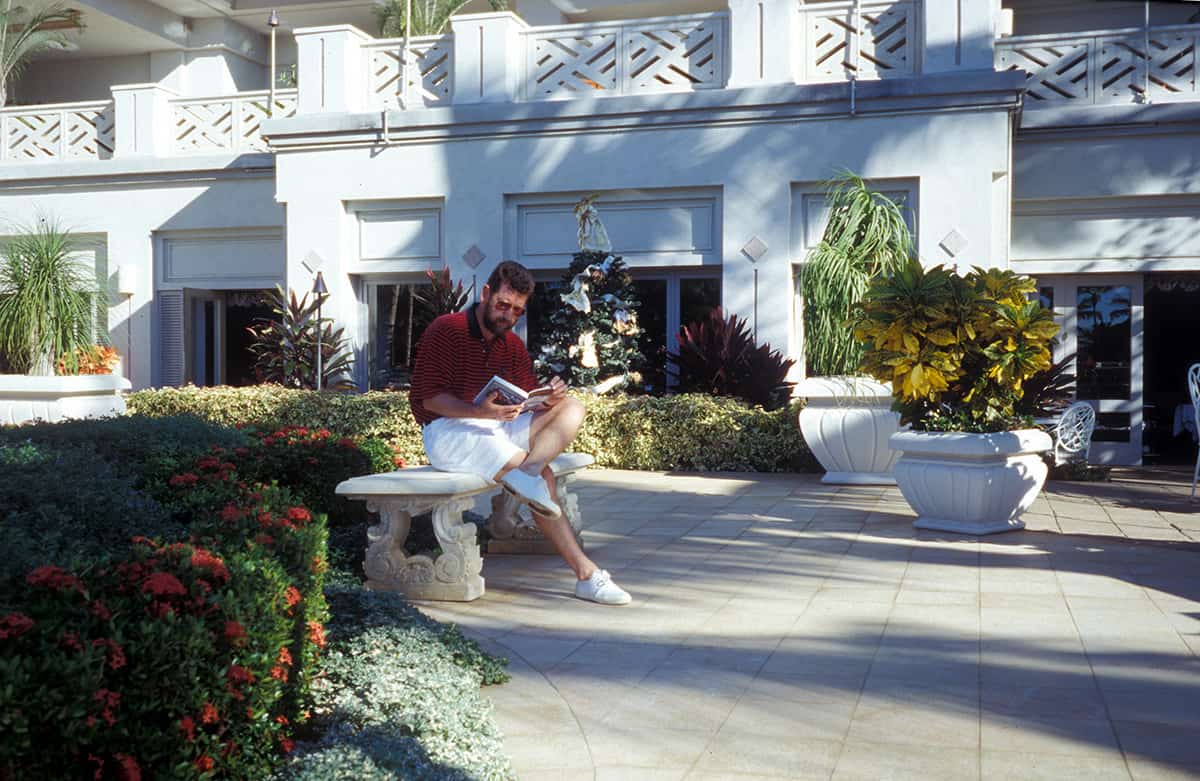
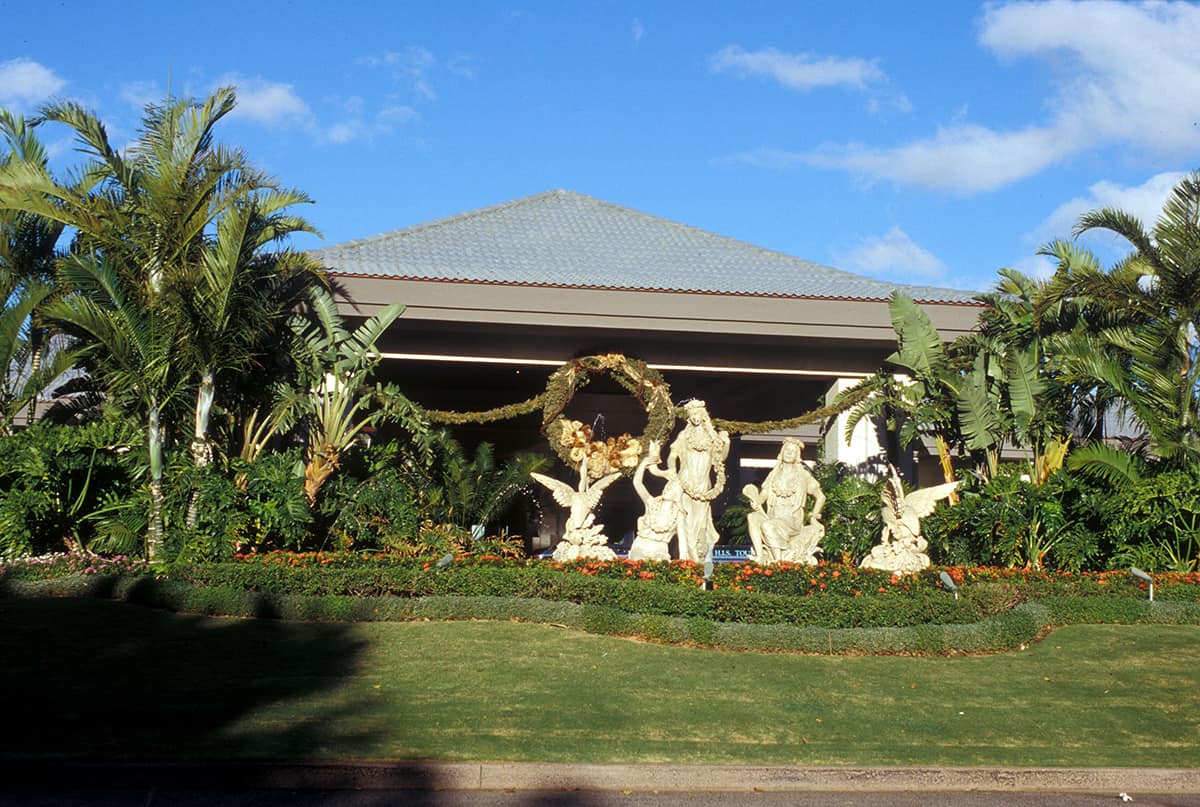
Finally we have reached the hotel. The Ritz Carlton is the most European of all the hotels on the Big Island and is characterized by a simple, elegant style, while neighboring hotels such as the Hyatt seem overloaded and pompous by European standards. The interior of the halls and rooms is decorated with art objects from the 18th century. The rooms are extremely large (50 – 60 sqm) and tastefully furnished. All rooms have a view directly to the sea. The hotel has 2 top golf courses attached to it, which we describe in more detail on our “Golf Courses” page.
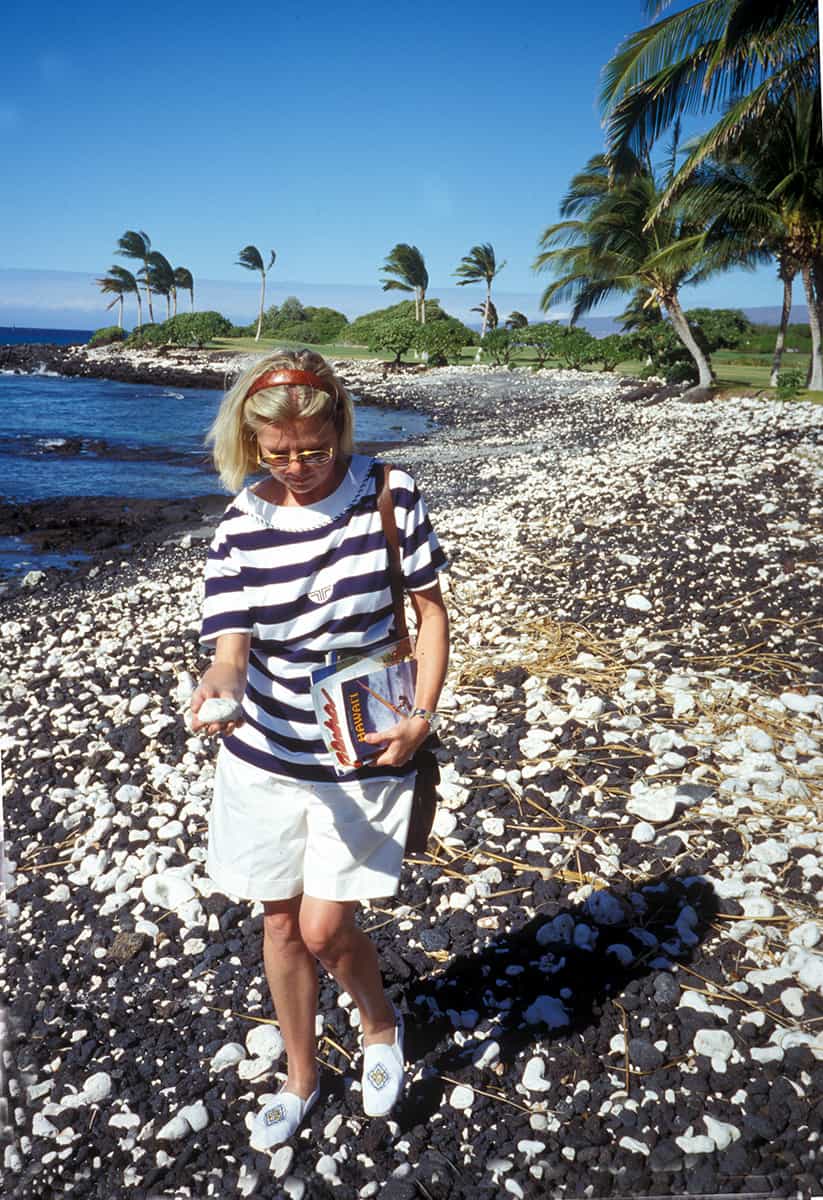
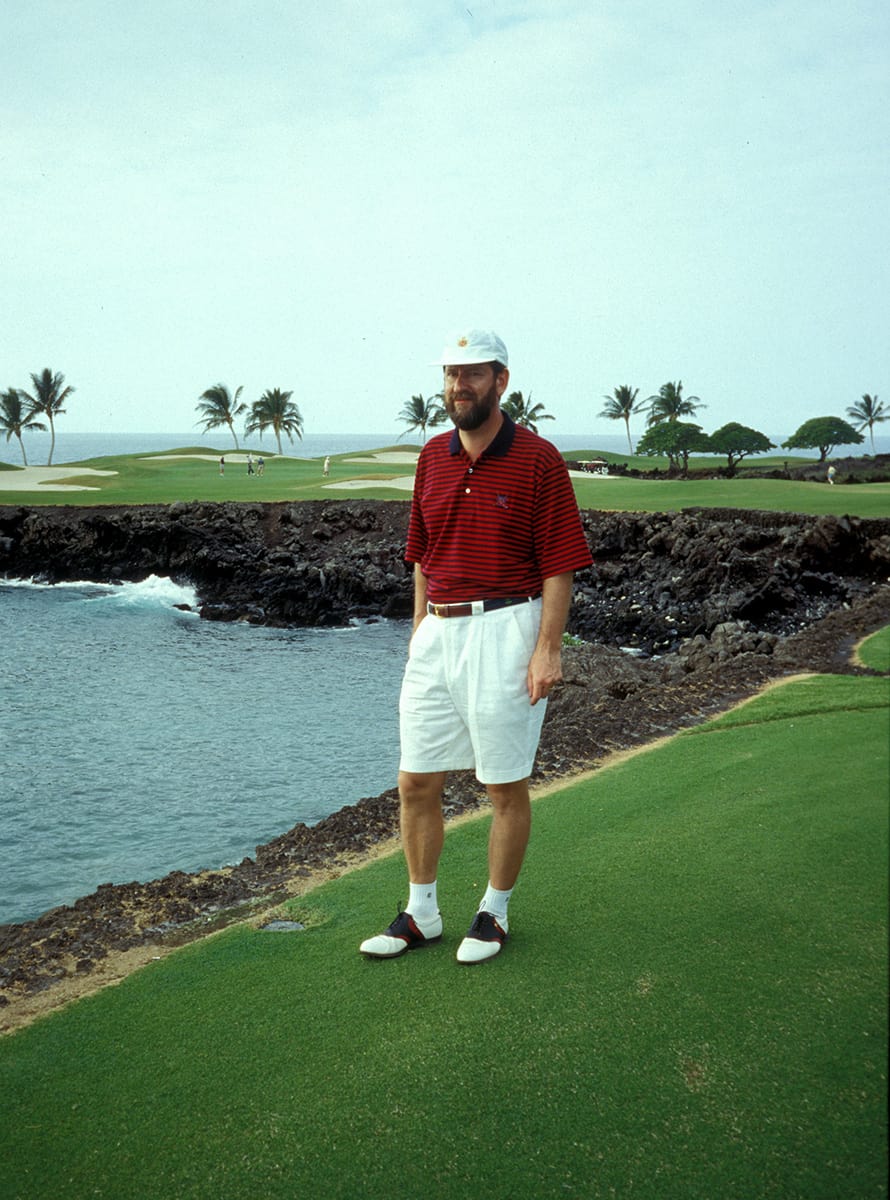
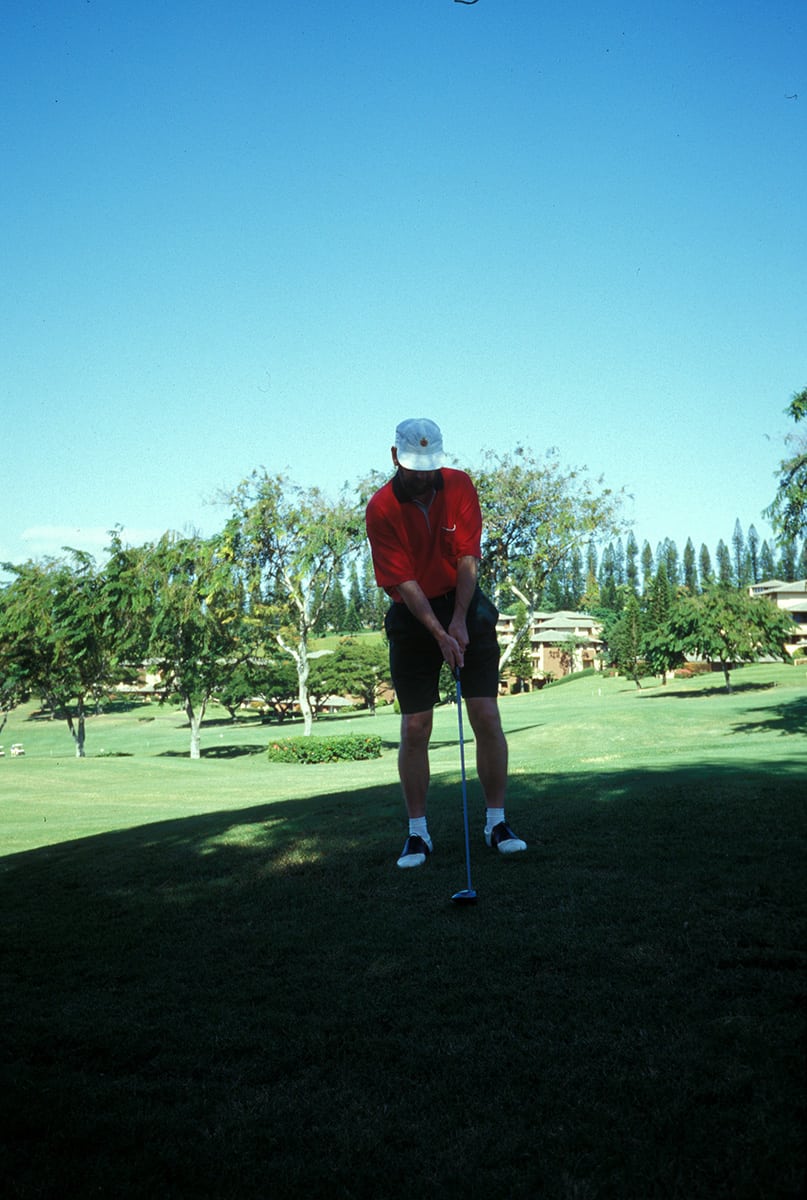
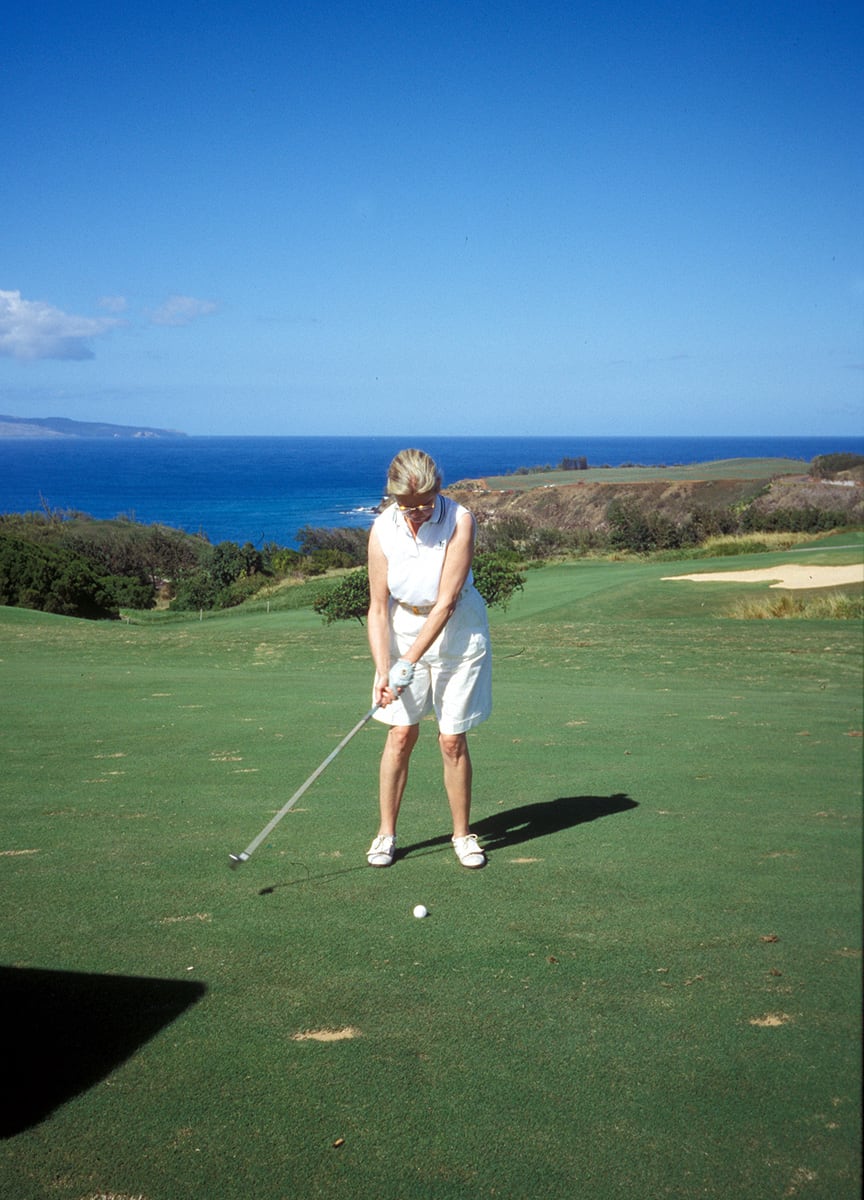
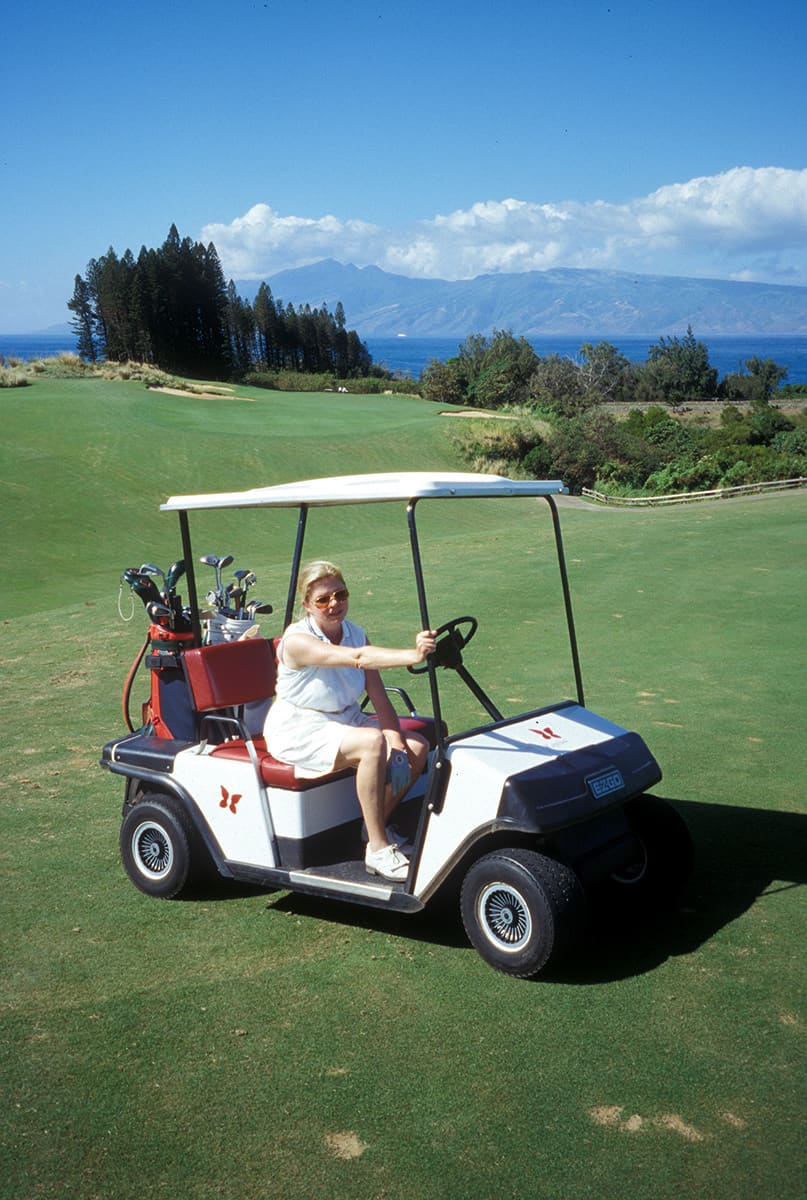
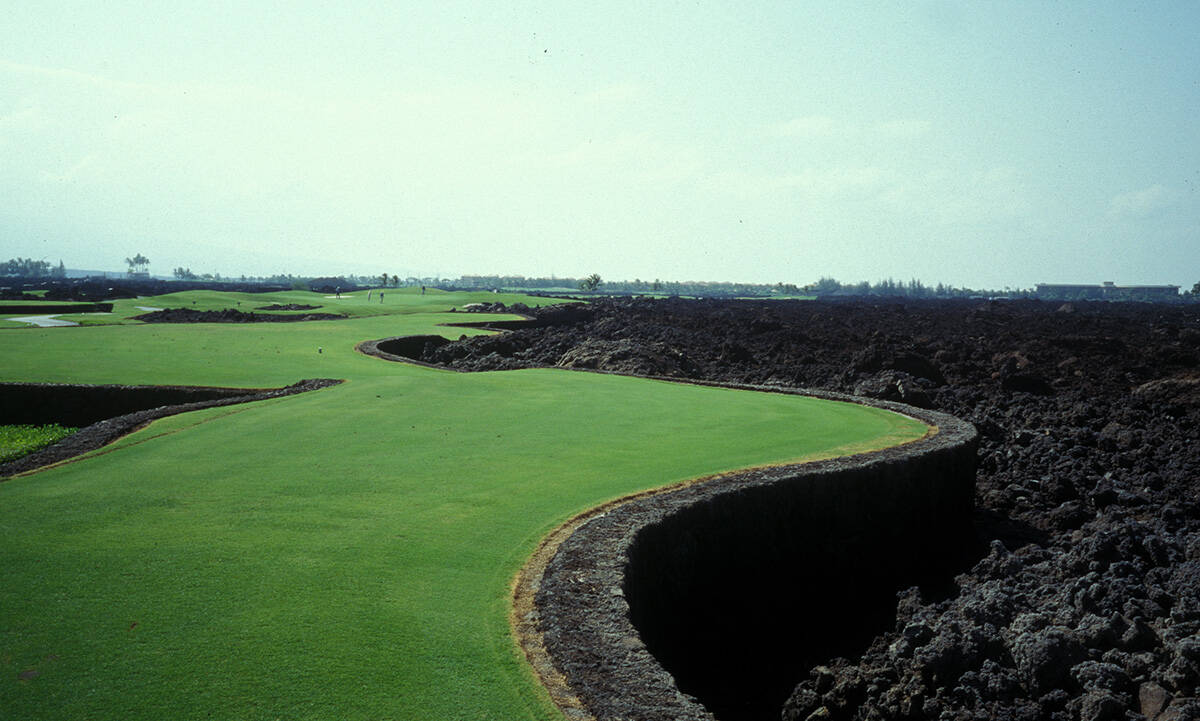
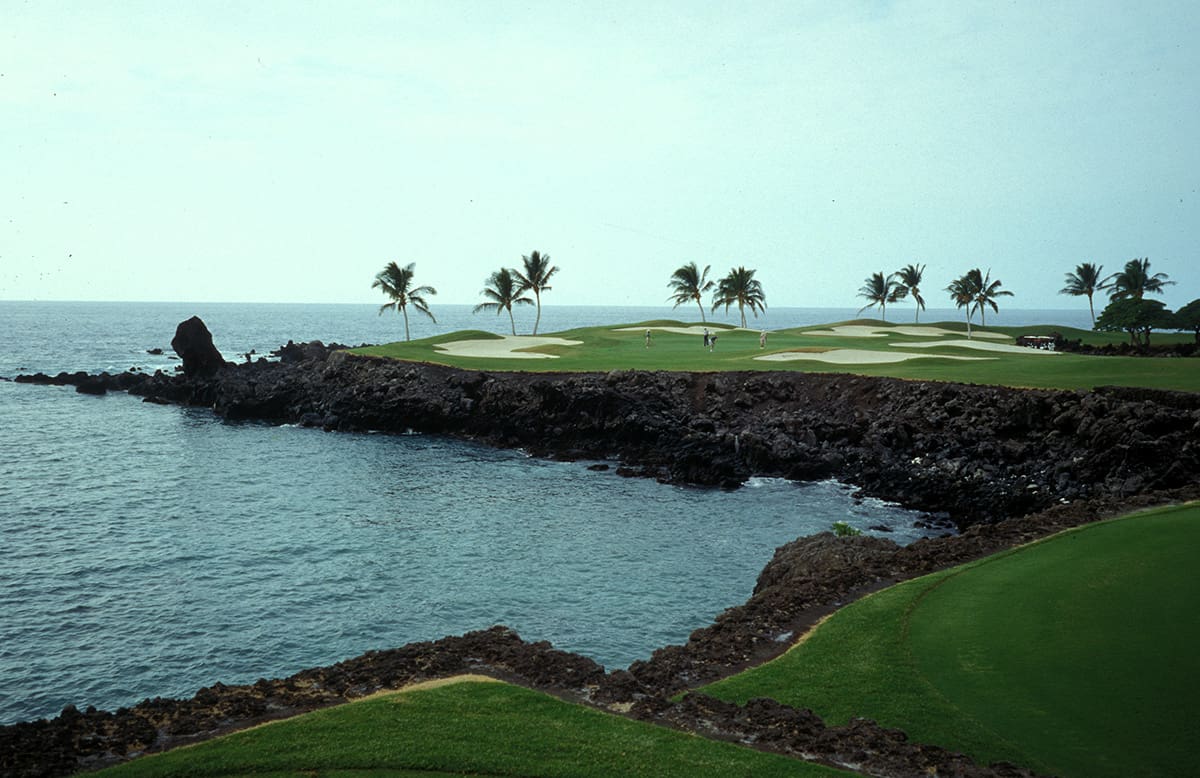
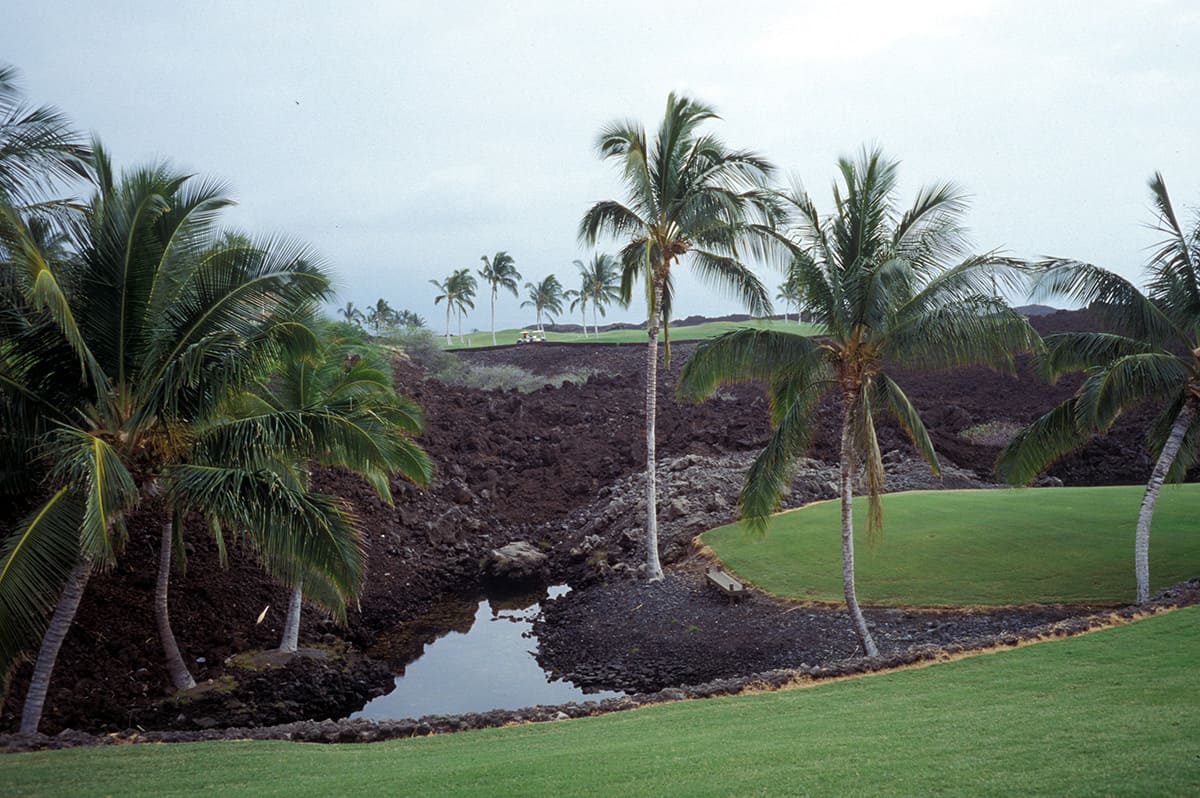
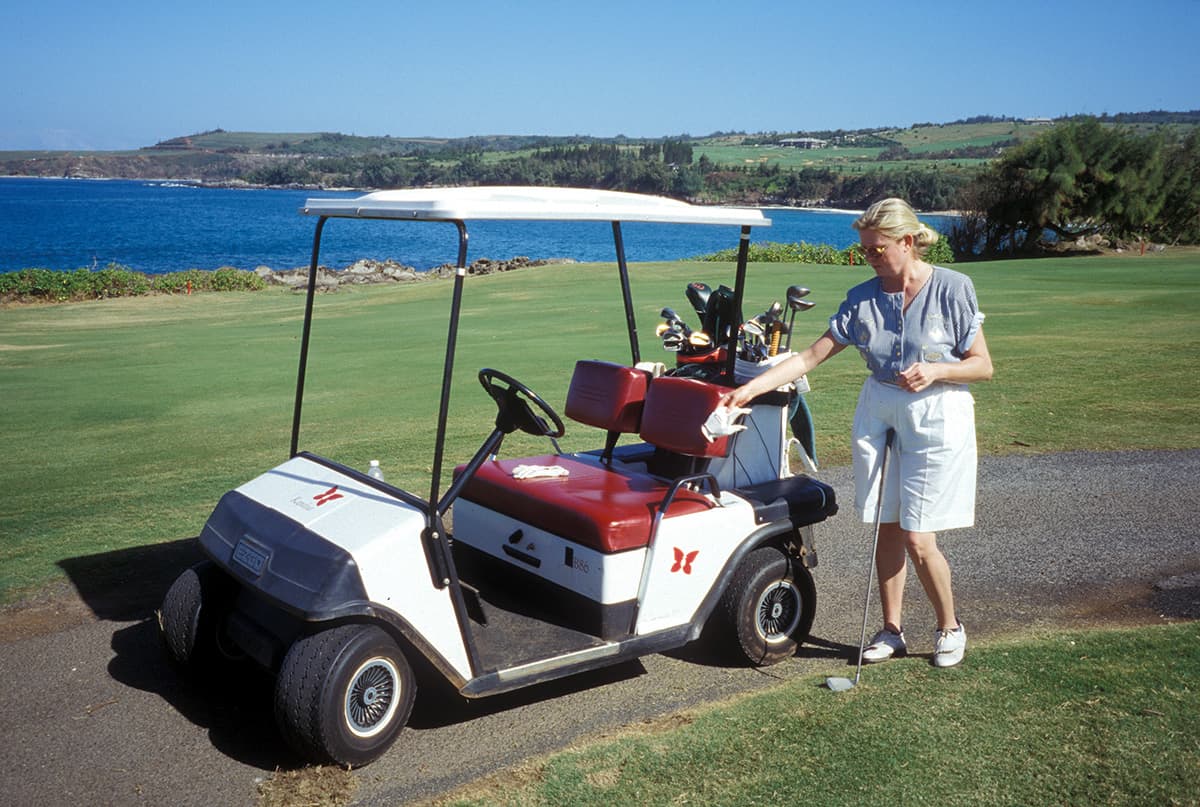
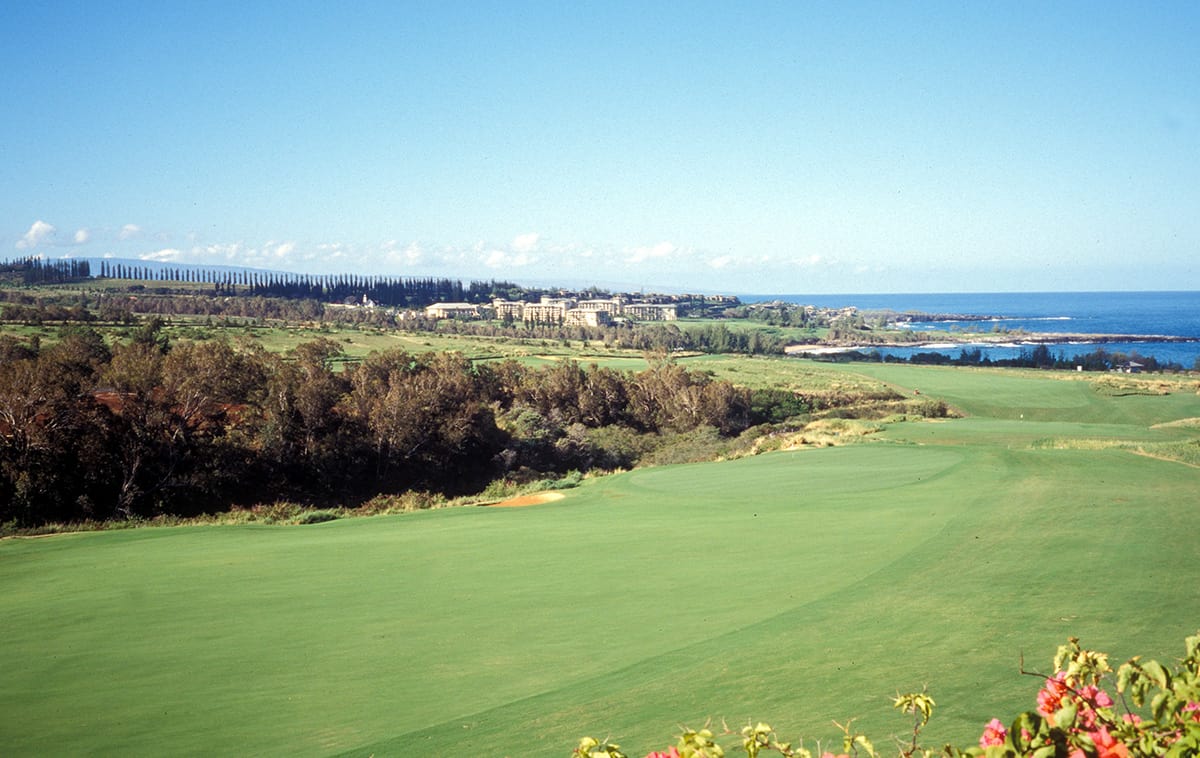
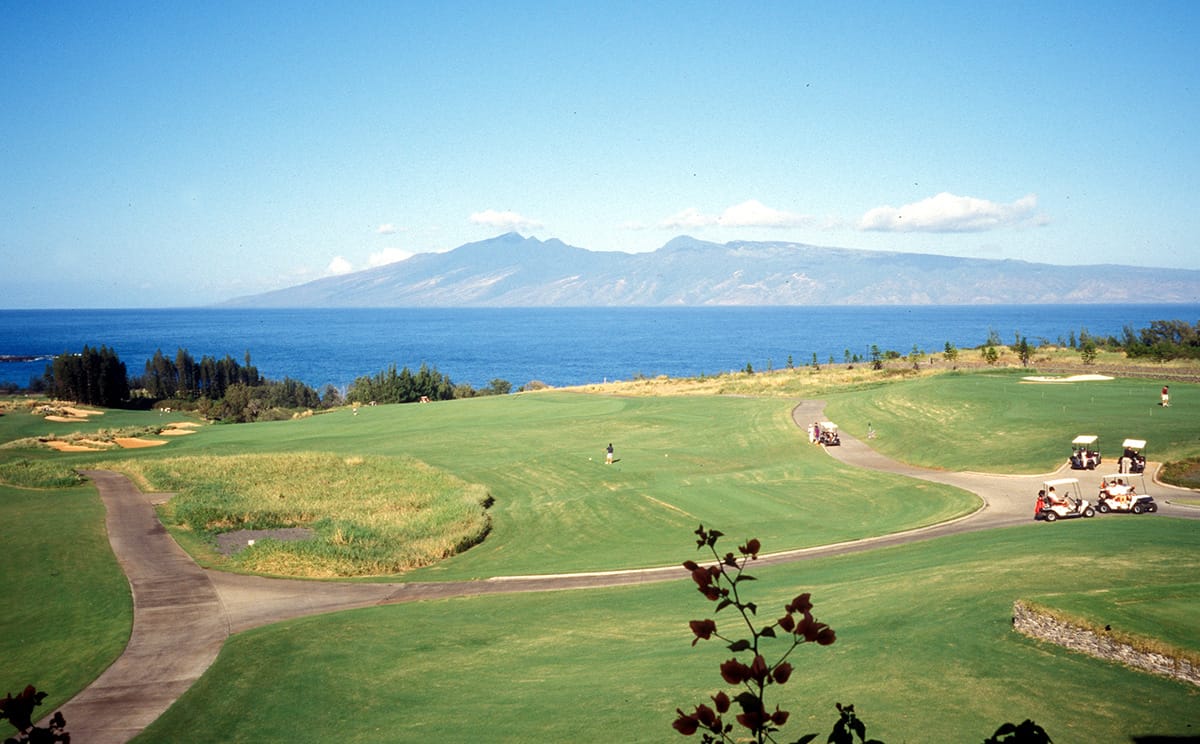
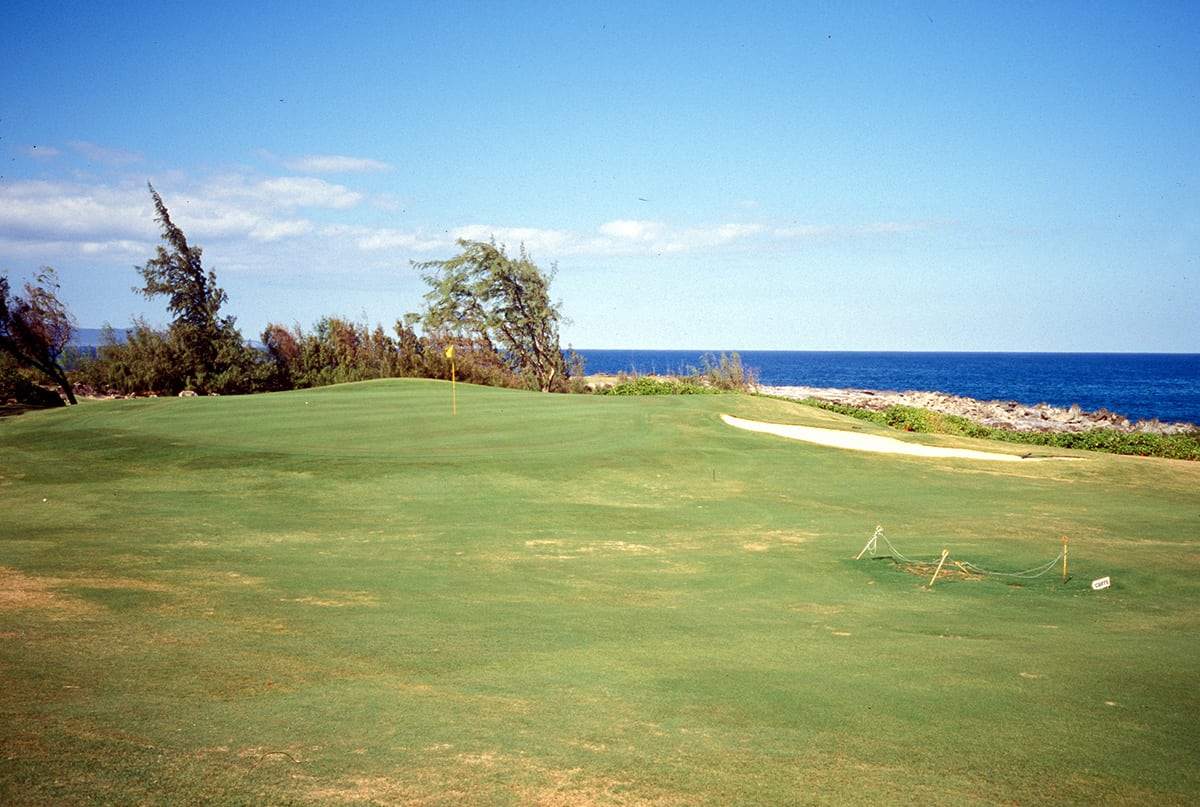
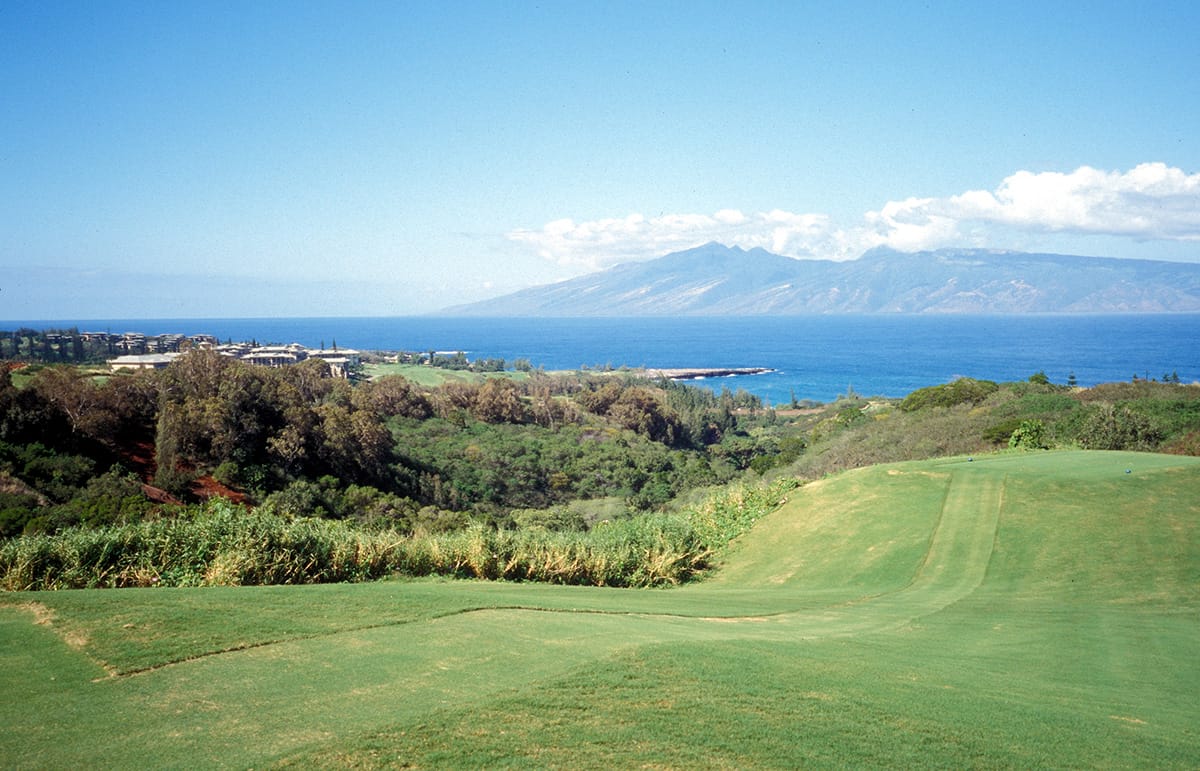
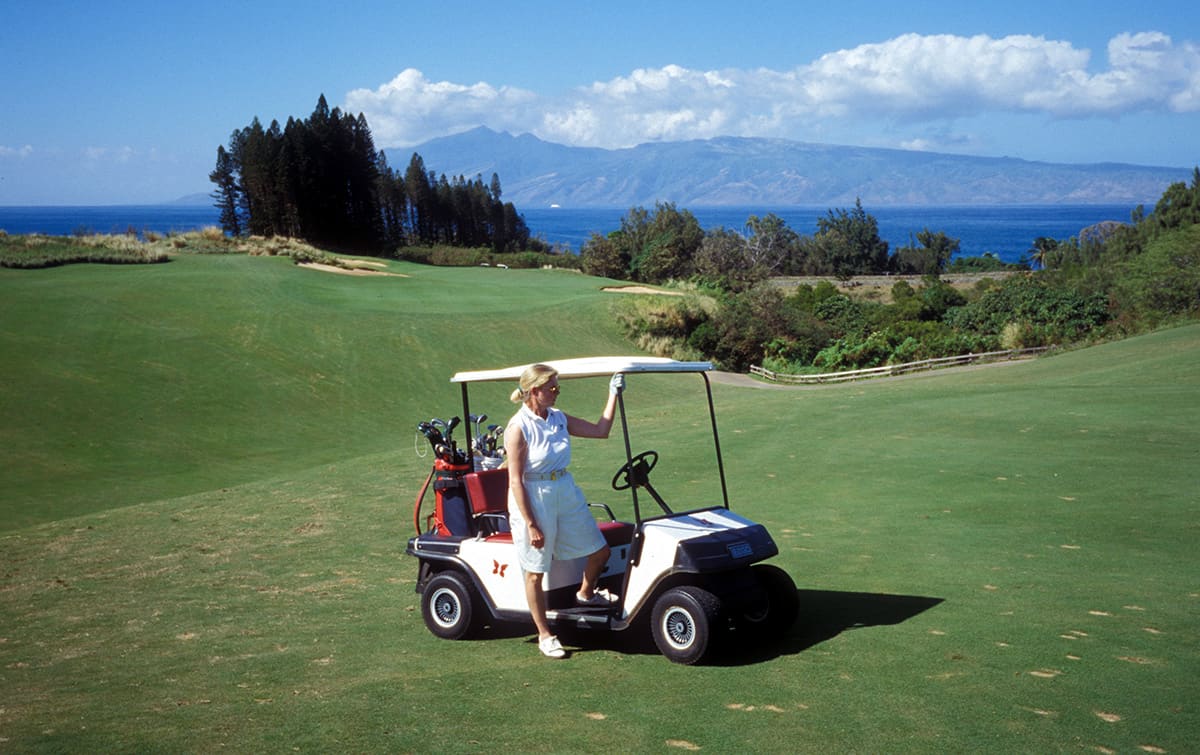
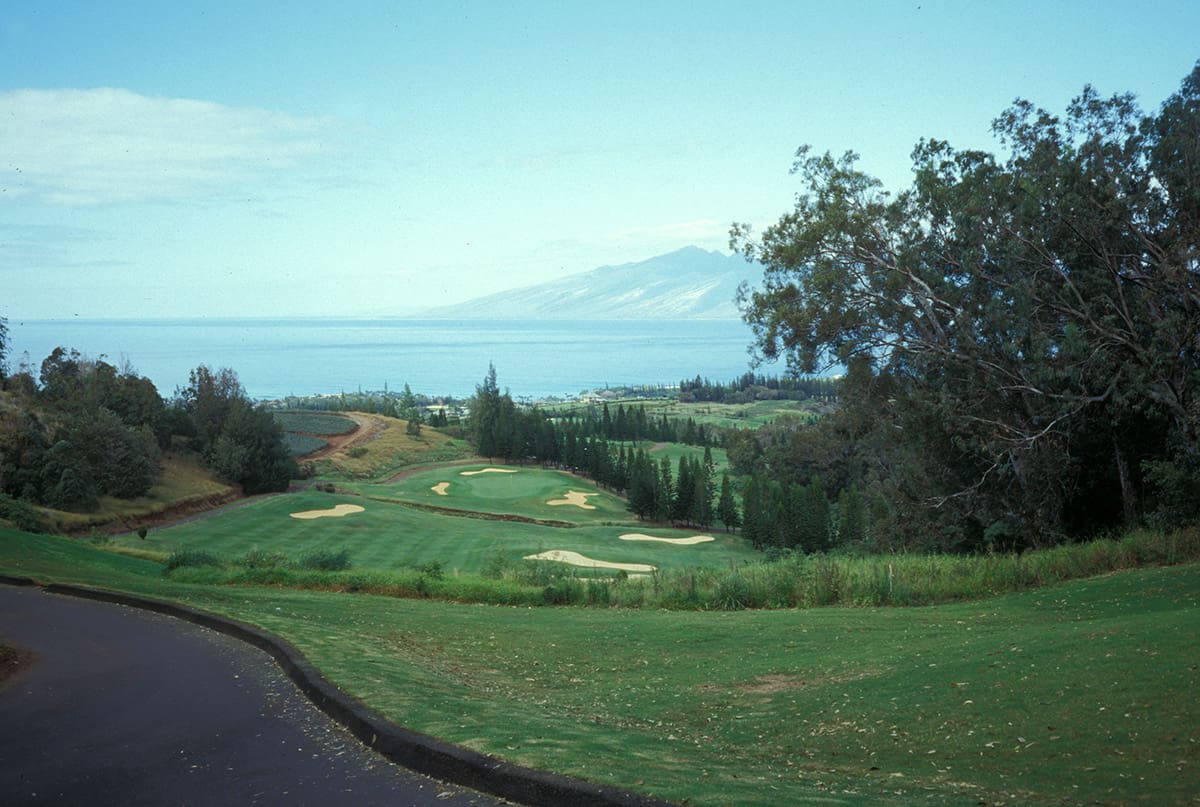
There is a small fine sandy beach at the hotel, but also the dark beach shaped by lava a few meters away. Some of the golf courses have been built directly into the lava fields. This results in an abstractly interesting design of the squares. The courses are not easy to play, as you always have to fight either with solidified lava flows or with the nearby water of the sea. But more about this on our separate page for golf enthusiasts.
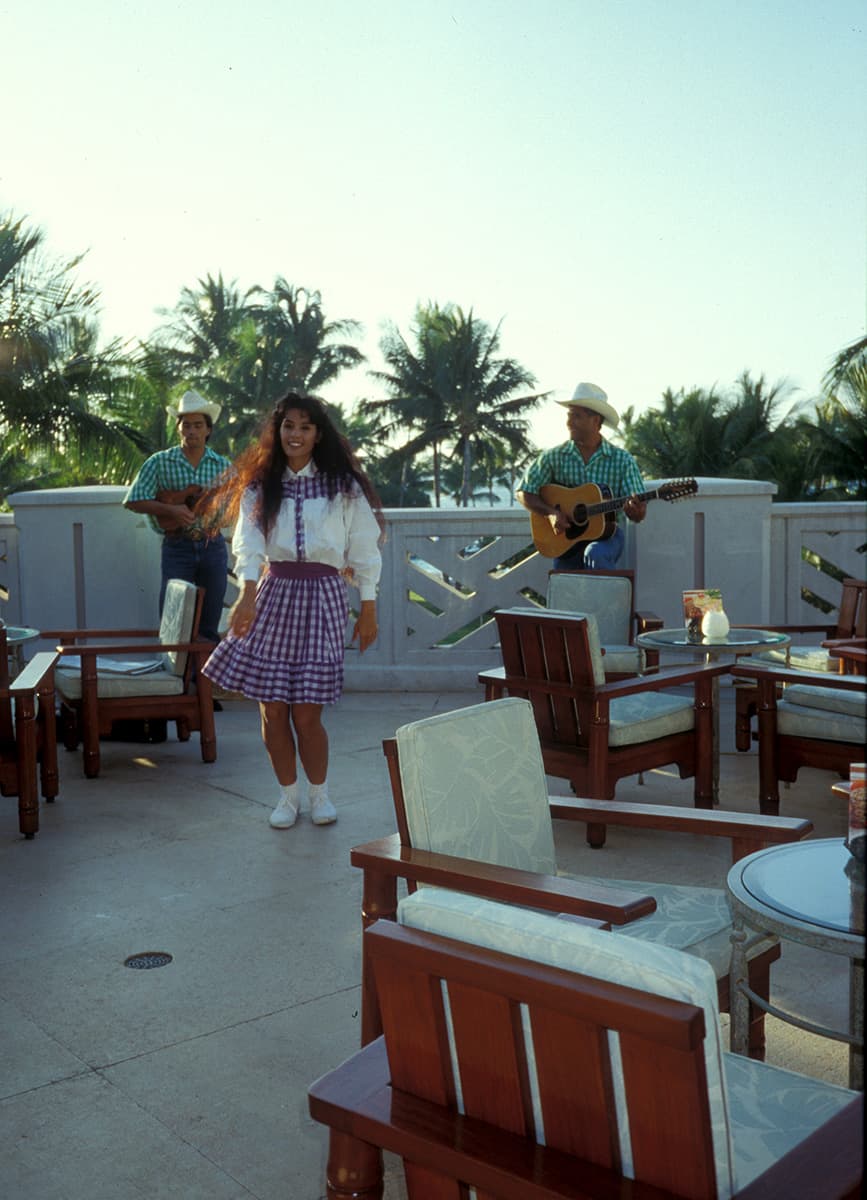
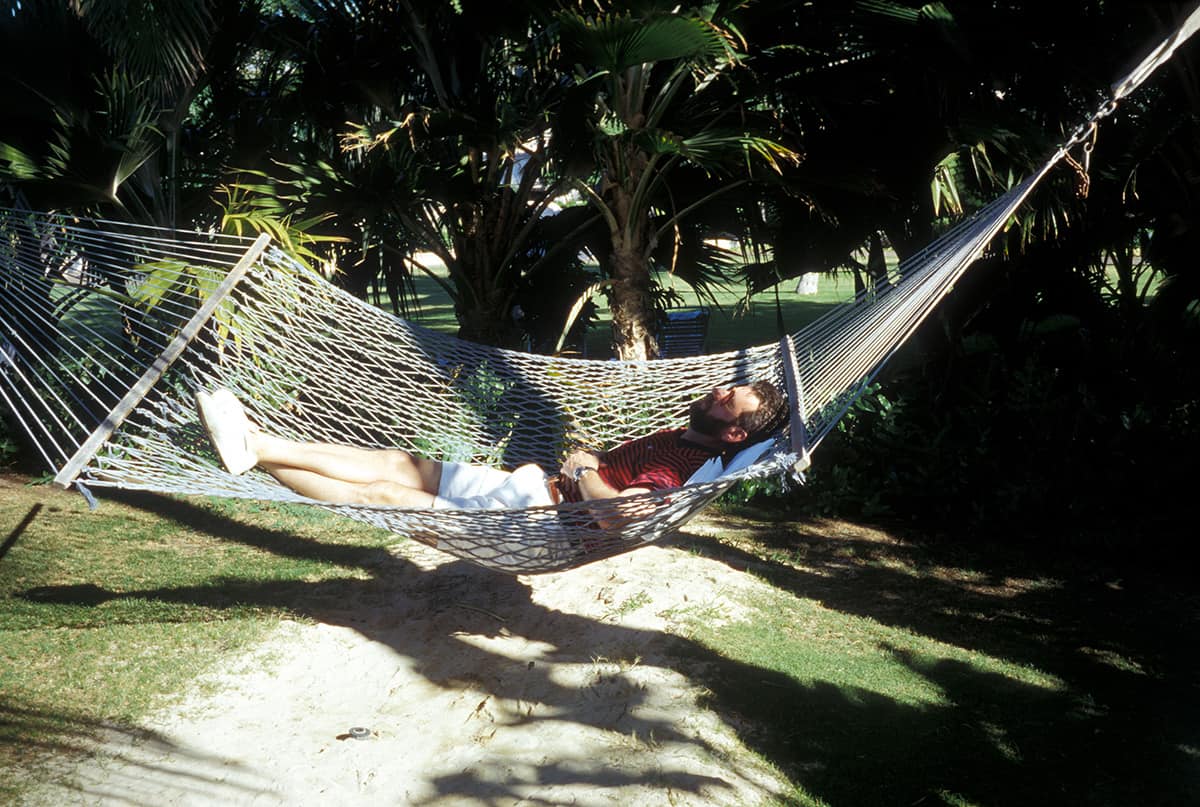
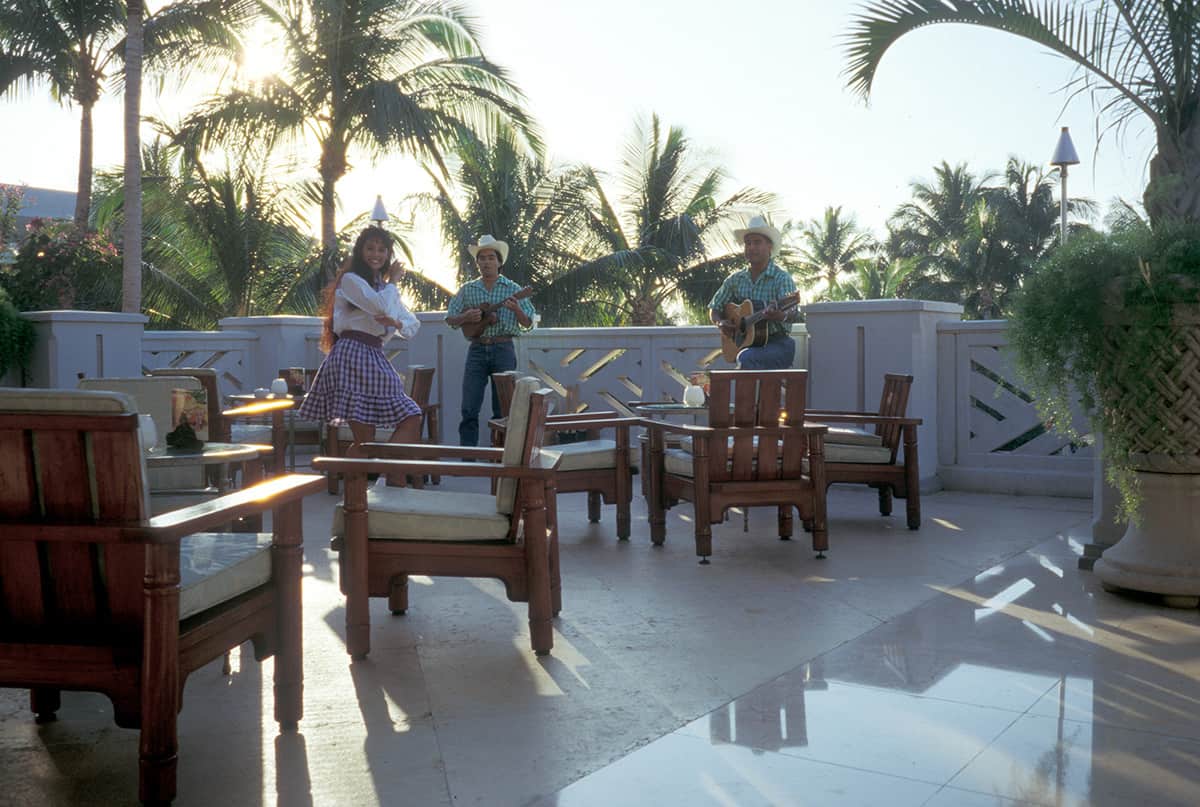
A trio consisting of two guitarists and a singer conveys to us the original Hawaiian folklore, which is still cultivated on the large ranches of the island. They move from guest to guest, so to speak, and so we can find out in a conversation with them that they work in real life on a ranch in the plateau of the island. In your free time, you will be hired by the hotels from time to time and thus improve your salary. In their original national costumes, their depictions are an experience for the eyes and ears. After a long, eventful day, it’s time for a well-deserved siesta on the beach. Jürgen has chosen a shady spot in the hammock and dreams of many more days and adventures in Hawaii. We will not only report on his dreams on the following pages.
Pictures Hawaii – Big Island











Questions about the destination Hawaii?
In the Oceania & South Seas forum you will get the answers!

Author: Joe OnTour
Autor + Reise-Blogger